The Wabash River moves past Vincennes at about the same unhurried pace that defines this southwestern Indiana town. But behind the quiet streets sits a surprisingly deep story, with historic landmarks, handsome architecture, local restaurants, and reminders of Vincennes’ role in the earliest chapters of the state.
You can wander downtown, explore sites connected to frontier history, and still have plenty of time to simply enjoy the riverfront without racing between attractions. That slower rhythm is part of the appeal. Vincennes does not need to shout for attention; it rewards travelers willing to stay awhile and look closer.
Where the Wabash Sets the Scene
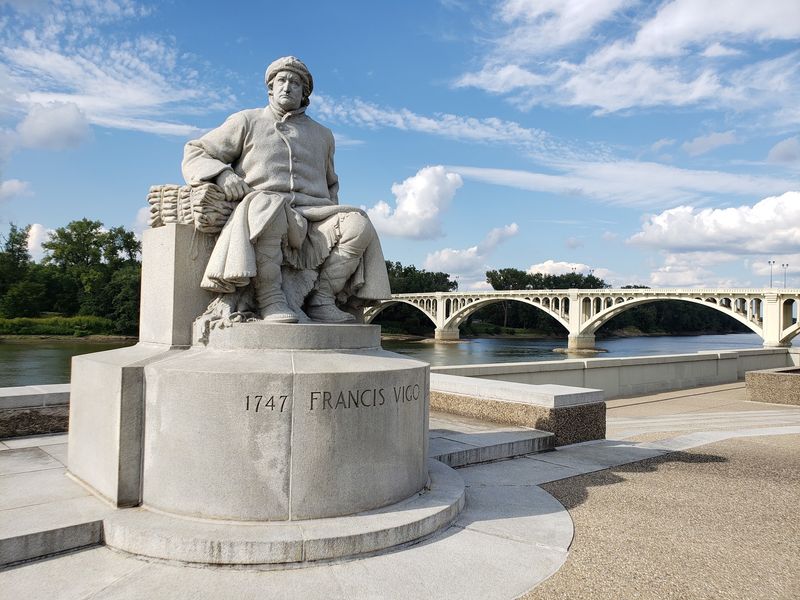
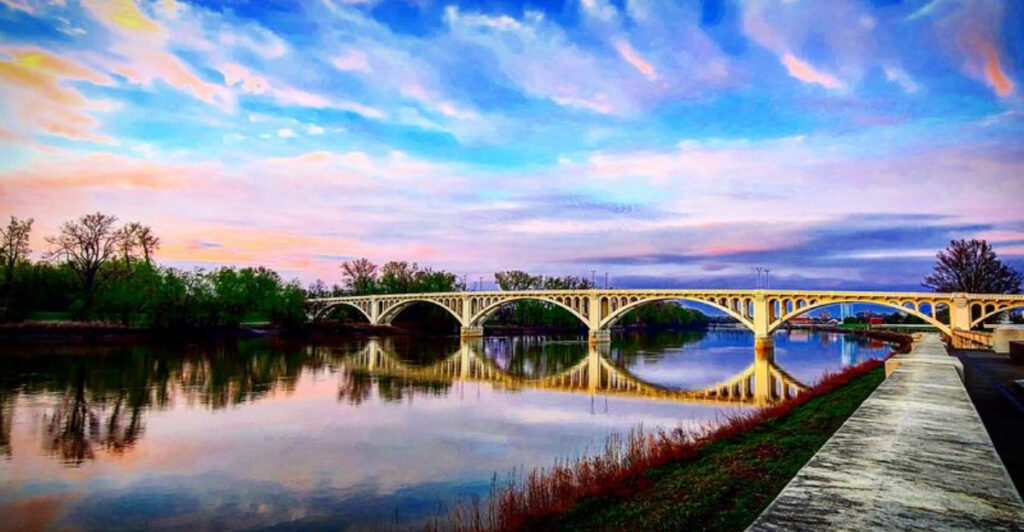
Vincennes does not shout for attention. The town opens slowly, with broad streets, old brick buildings, church towers, and the Wabash River nearby, giving everything a steady, unhurried backdrop.
That first look matters because Vincennes is easier to understand when seen as a river town instead of just a dot on the map. The landscape is flat, open, and practical, and the streets have the kind of spacing that hints at age, trade, and long use rather than recent development.
Driving in, there is a clear sense that the town was built for real daily life, not for staging a postcard. Government buildings, homes, churches, and older business blocks sit close enough to form a center, yet nothing feels crowded or rushed.
The Wabash helps explain the mood. Even when the river is not the first thing in view, its presence shapes the place through the wide horizon, the easy pace, and the feeling that Vincennes grew from movement and connection rather than isolation.
Small details make the town more interesting the longer you look. Historic markers appear where a traveler might expect plain corners. Large old trees soften public spaces. Brick and stone surfaces give the center a grounded, durable look.
For a first visit, it helps to slow down instead of hunting for one dramatic scene. Park near downtown, walk a few blocks, and notice how the town changes from civic to historic to neighborhood spaces without losing its calm rhythm. That balance is a big part of Vincennes. It is modest, but not bland.
Quiet, but not empty. The setting prepares you for the rest of the town by showing exactly what Vincennes does best: it reveals itself in layers, one block at a time.
A Monument That Makes Small-Town Scale Feel Big
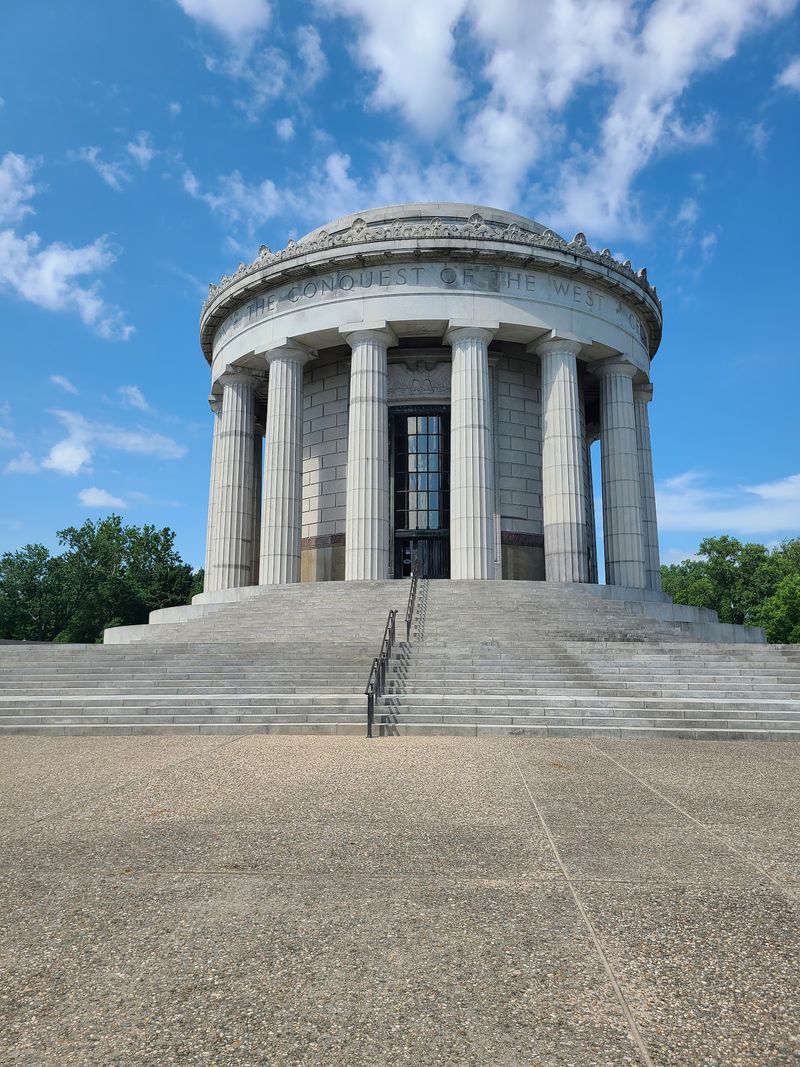
Then comes the surprise. In a town that moves at an easy pace, George Rogers Clark National Historical Park rises with the kind of size and symmetry usually linked to much larger destinations.
The memorial is hard to miss once you reach it. Its broad steps, circular form, and tall columns create a striking contrast with the surrounding streets, turning a quiet part of Vincennes into one of the boldest visual spaces in the city.
Beyond the architecture, the site matters because it points to Vincennes as a place tied to early American frontier history. Even travelers who do not arrive with a deep interest in the Revolutionary era can quickly see that this is not a random monument dropped into town.
It anchors a major chapter of the local story. The grounds add to the experience. Open lawns and formal layout give the area room to breathe, so the monument never feels boxed in.
That makes it a good first stop for understanding Vincennes, especially for anyone trying to connect the town’s present quiet with its much larger historical role.
Inside, interpretation helps turn names and dates into something clearer. A visitor does not need to be a history expert to follow the main idea: important events unfolded here, and Vincennes was far more central to early national development than many people realize today.
Practical timing helps. Morning light usually makes the stone look cleaner and brighter, while cooler seasons can make the site even more dramatic because the architecture stands out through bare trees and open sky.
Set aside enough time to walk the grounds, not just snap a photo from the parking area. The monument works best when approached slowly, with room to notice its scale, its placement, and the confidence behind building something this grand in a town many drivers would otherwise pass right by.
Downtown Blocks That Still Work for Real Life
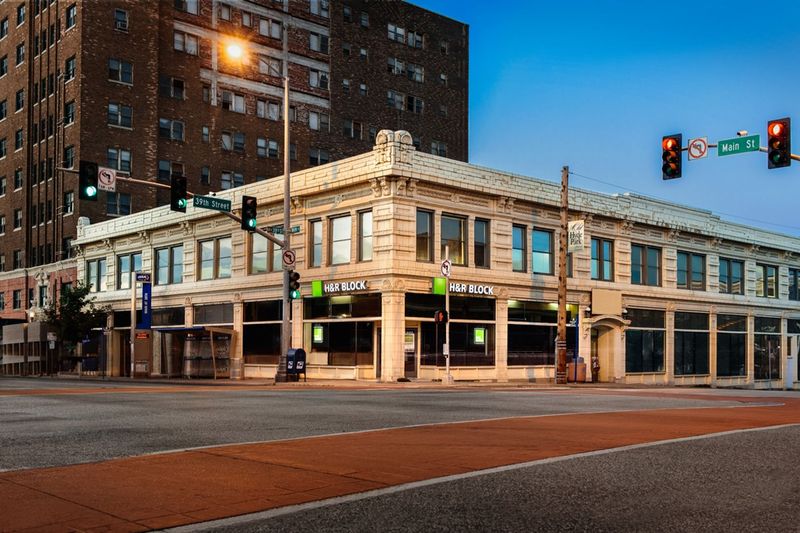
Not every historic town keeps its center useful. Vincennes does a better job than many places because downtown is not preserved like a museum piece. It still functions as a working part of the community.
That changes the experience for a traveler. Instead of one polished strip built only for visitors, the town center mixes practical errands, public buildings, local businesses, and older architecture in a way that feels lived in and believable.
Walk a few blocks and the scale becomes one of downtown’s best features. Buildings are low enough to keep the sky visible.
Storefronts sit close to the sidewalk. Intersections are easy to cross, so exploring does not require a lot of planning.
The visual texture is strong without trying too hard. Brick facades, older signs, courthouse-area formality, and side streets branching into neighborhoods give the center a layered look. There is enough variety to stay interesting, but not so much that the town loses its identity.
Vincennes, Indiana also benefits from a slower traffic rhythm than larger historic districts. A visitor can look around without feeling pushed along.
That makes simple acts, like stepping into a cafe, reading plaques, or circling a block twice, part of the appeal rather than wasted time. For the best experience, go with a loose plan. Pick one landmark, then let the streets fill in the rest.
Downtown rewards curiosity better than speed, and the distances are short enough that small detours often lead to the most useful discoveries.
Late morning through early afternoon usually works well for a walk, especially when businesses are open and the center has a little everyday movement. The charm here is not flashy. It comes from seeing an older Indiana town still using its core the way it was meant to be used.
French Roots, Frontier Politics, and a Church That Grounds It All
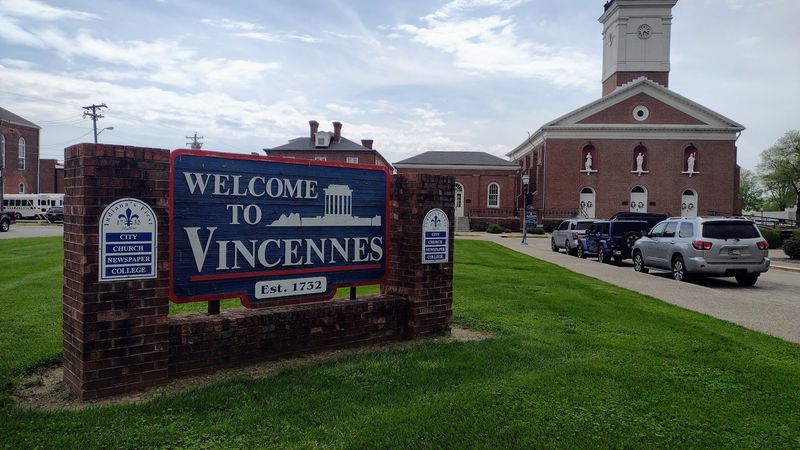
History in Vincennes is not packed into one building. It spreads across the town through churches, homes, markers, and public spaces, creating a place where several time periods sit close together instead of being sealed off from each other.
One of the clearest examples is the Old Cathedral area. Its presence adds weight to the town center, not through noise or spectacle, but through age, architecture, and the simple fact that Vincennes has roots reaching back well before many Midwestern communities were established.
That older layer matters because it sets Vincennes apart from the standard image of Indiana as only farms, highways, and later industrial growth. Here, the story reaches into French settlement, early territorial life, and the complicated frontier years that shaped the region.
Nearby historic sites such as Grouseland deepen that picture. As the home of William Henry Harrison, the property connects local streets to national political history, yet the house still fits naturally within the scale of the town rather than towering above it as a distant symbol.
The smart way to explore this side of Vincennes is to avoid rushing from marker to marker just to collect names. Pick two or three connected places and notice how short the distances are between them.
That closeness helps explain how history here operated through daily life, religion, leadership, trade, and defense all within the same small community.
Even if a visitor does not remember every date, the built environment does a lot of the teaching. Brick, stone, church grounds, and formal historic properties show how old authority once looked on the frontier. Vincennes becomes more compelling once those pieces click together. It is not simply old.
It is layered, and those layers are visible without needing a huge imagination. Few small towns offer that much historical range within such an easy walk or short drive.
A Red Skelton Link That Adds an Unexpected Twist
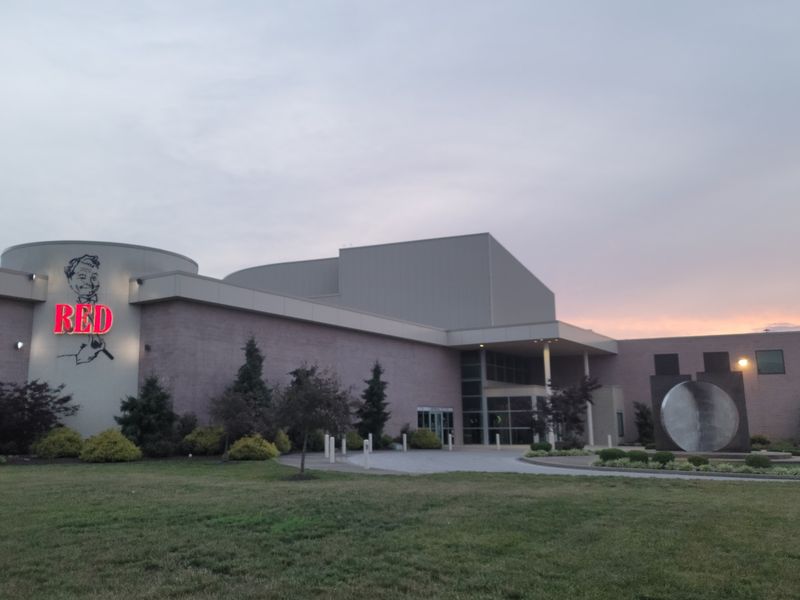
Every town benefits from one detail that breaks expectations, and in Vincennes that twist often comes through Red Skelton. The connection adds a pop-culture thread to a place more commonly discussed through frontier history and civic landmarks.
Skelton, the famous entertainer and comedian, was born in Vincennes. That fact broadens the town’s identity right away.
Suddenly the local story is not only about military campaigns, early settlement, and government buildings. It also includes performance, humor, and a figure known far beyond southwest Indiana.
The Red Skelton Museum of American Comedy helps carry that connection forward. Even for travelers who know only a little about him, the museum offers a more playful angle on the city and keeps the visit from becoming a single-note history lesson.
This matters because towns with several kinds of stories usually hold attention longer. In Vincennes, one hour may center on early America, while the next shifts toward entertainment history and how a small place can shape a nationally recognized talent.
The contrast is useful for families too. Not everyone in a group connects to the same subject, and Skelton’s legacy can serve as a change of pace after monuments and historic houses. It gives the day a lighter rhythm without pulling away from the city’s broader identity.
There is also a nice local logic to it. A town that appears quiet from the outside turns out to have produced a performer known for timing, expression, and stage presence. That kind of contrast gives Vincennes more personality than many first-time visitors expect.
If planning a fuller itinerary, pair the museum with a downtown walk and one major historic site. That combination shows how wide the town’s story really is.
Vincennes is not built around one claim to fame. It works better as a place where several very different threads meet within a compact area.
How to Spend a Day Here Without Forcing It
A good Vincennes visit should not be packed too tightly. The town works best when the schedule leaves room for walking, looking around, and letting one stop lead naturally to the next.
Start with a major landmark early, preferably the George Rogers Clark memorial or another key historic site, while energy is high and the cooler part of the day makes outdoor walking easier. Beginning with a big site gives the rest of the town context.
After that, shift to downtown at a slower speed. Find coffee, take a short loop on foot, and pay attention to the spaces between destinations.
In Vincennes, the transitions are part of the experience because they show how the historic pieces fit into an ordinary working town.
Midday is a good time for one deeper museum or house stop, depending on interests. History-focused travelers may want Grouseland or the Old Cathedral area. Visitors wanting a different tone can add the Red Skelton museum for variety.
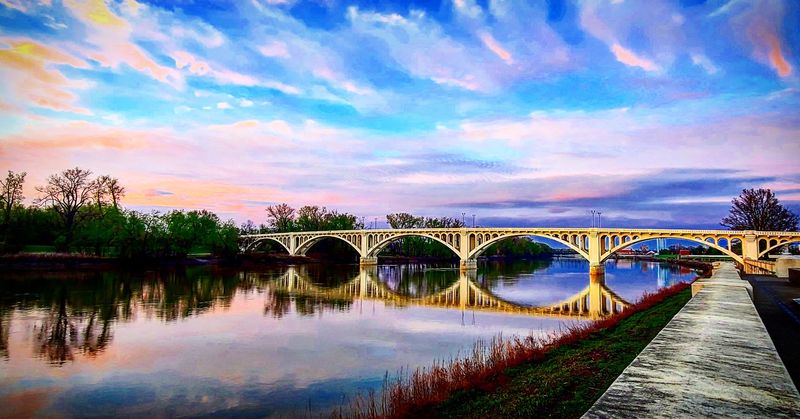
Afternoon suits a river-oriented pause or an easy drive through older neighborhoods. No single route needs to be dramatic.
The appeal comes from seeing how civic buildings, homes, churches, and open spaces all sit within a compact city with unusually long historical reach.
Families and casual day trippers should keep expectations practical. Vincennes is not a place built around nonstop entertainment.
It rewards attention more than speed, and that is useful to know before arriving. The best moments often come from details that would be easy to miss on a rushed timetable.
Try not to overbook the day with side trips outside town if the goal is to understand Vincennes itself. Give the city enough time to show its pattern.
One solid day can cover a lot here, but only if the visit allows for pauses between the headline stops and the quieter in-between scenes.
The Quiet Advantage, Best Timing, and Why Vincennes Stands Apart
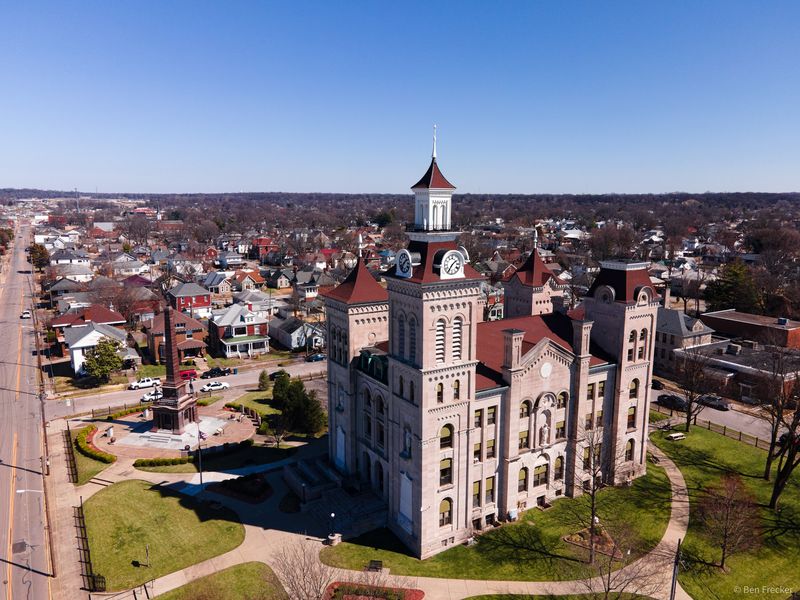
Some places are exciting because they overwhelm you. Vincennes takes the opposite route. Its strength is that the town stays readable, approachable, and calm while still carrying more historical and cultural weight than many larger places.
That quiet advantage shapes the best time to visit. Spring and fall are especially pleasant for walking between sites, when the weather is easier and the older parts of town look sharper under softer light. Summer can still work, but a looser pace helps when the day turns hot.
Morning is often the smartest window for first impressions. Streets are calmer, light is clean, and major landmarks stand out clearly.
Later in the day, downtown and surrounding areas settle into a rhythm that suits browsing, slower meals, and unplanned stops.
Practical planning is simple, which is part of the appeal. Distances within Vincennes are manageable, parking is usually less stressful than in bigger heritage destinations, and the town does not demand a complicated strategy to enjoy it. That makes it especially good for travelers who like history without logistical headaches.
Another useful tip is to treat Vincennes as a primary destination for a day, not just a break between larger cities. Passing through can show the outlines, but staying long enough to walk, read, and compare sites is what reveals the town’s depth.
What sets Vincennes apart is not one blockbuster attraction by itself. It is the combination of river-town setting, major early-American history, civic scale, religious landmarks, political ties, and a surprising entertainment connection all living inside one modest city.
By the end of a visit, the town’s sleepy reputation starts to look incomplete. Quiet, yes. Uneventful, no. Vincennes stands out because it offers substance without noise, and that can be far more rewarding than places that try much harder to announce their importance.
Share this story