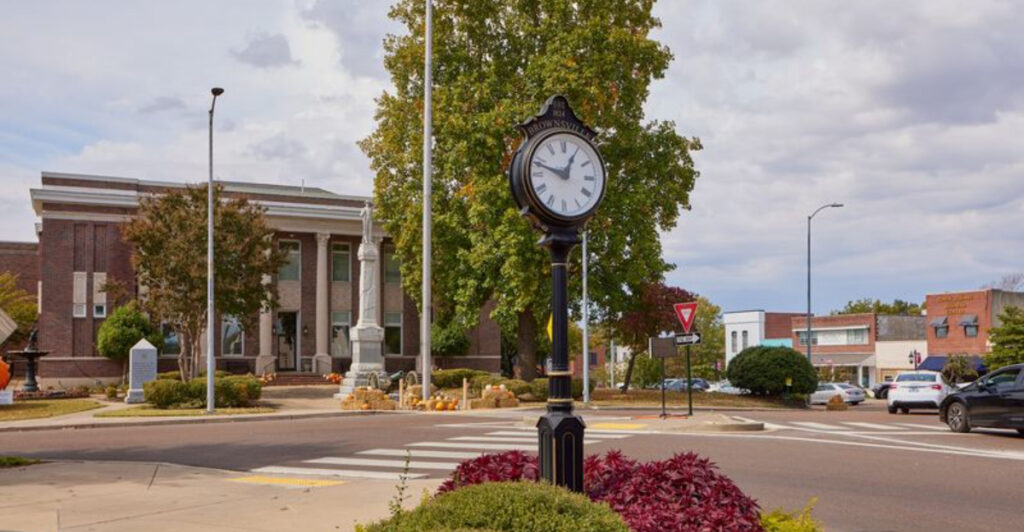
Memphis might grab all the headlines with its blues music and barbecue, but the real magic happens when you venture beyond the city limits. Tucked away in the rolling countryside surrounding this musical metropolis, you’ll find small towns that offer something the big city never could: a slower pace, friendly faces who remember your name, and a chance to experience authentic Tennessee charm. Whether you’re craving antique shopping on a quiet square, farm-fresh meals at a local diner, or just a peaceful weekend away from traffic and noise, these neighboring communities deliver exactly what your soul needs.
1. Collierville
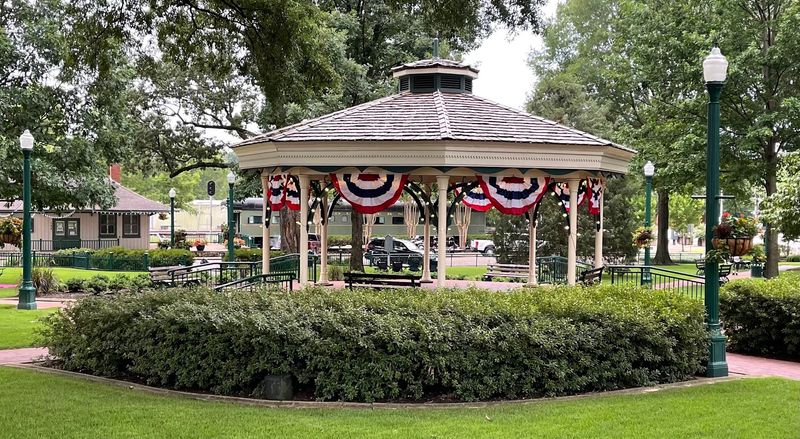
Just a short drive east of Memphis, Collierville feels like stepping into a postcard from small-town America. The historic town square is the beating heart of this community, surrounded by locally owned shops, cafes, and restaurants that have been serving neighbors for generations. You won’t find big chain stores dominating the landscape here.
Walking through downtown, you’ll notice the carefully preserved 19th-century buildings that give this place its character. Antique stores line the streets, perfect for spending a lazy Saturday afternoon hunting for treasures. When hunger strikes, family-run eateries serve up everything from Southern comfort food to creative farm-to-table dishes that showcase local ingredients.
The town hosts festivals throughout the year that draw crowds from across the region. Sunset on the Square brings live music and food vendors on warm evenings, creating a festive atmosphere where families spread blankets on the grass. Christmas transforms the square into a winter wonderland with twinkling lights and holiday markets.
What sets Collierville apart is how it balances growth with preservation. New residents have discovered this gem, attracted by excellent schools and safe neighborhoods, yet the town has managed to keep its small-town soul intact. Tree-lined residential streets feature beautiful homes with front porches where people actually sit and wave to passersby.
Parks and green spaces are plentiful, offering trails for walking or biking away from city congestion. Families gather at playgrounds while joggers enjoy paved paths that wind through natural areas. It’s the kind of place where community still means something real.
2. Arlington
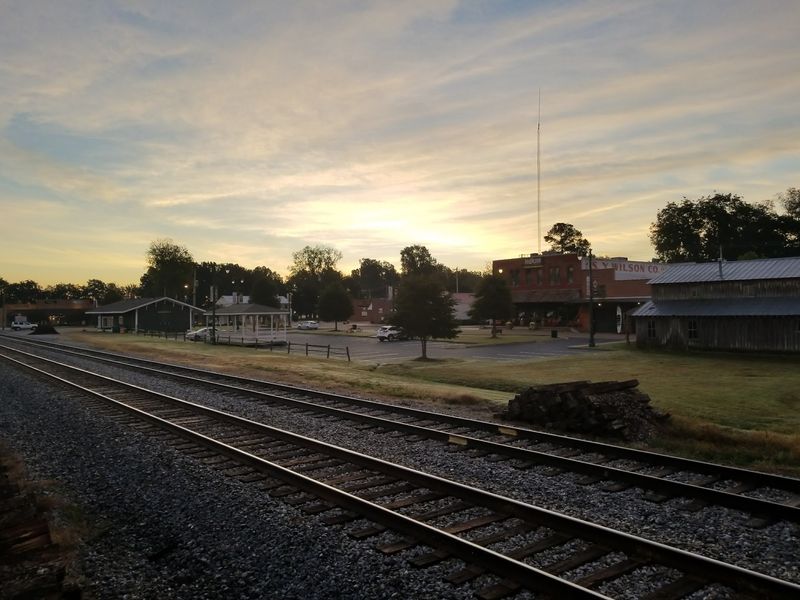
Arlington sits quietly between Memphis and the farmland beyond, offering residents the best of both worlds. This small town has grown steadily over the past few decades, but it’s fought hard to maintain the tight-knit community feel that makes it special. You’ll find neighbors who genuinely know each other, not just friendly strangers passing on the sidewalk.
The town’s parks system is surprisingly robust for a community this size. Families flock to these well-maintained green spaces on weekends, where playgrounds buzz with children’s laughter and sports fields host youth leagues. Walking trails meander through wooded areas, providing peaceful escapes without driving far from home.
Local businesses thrive here, from cozy breakfast spots where regulars have their usual orders to boutiques selling everything from gifts to home decor. The shopping might not be extensive, but what’s here reflects the community’s personality. People support their neighbors’ ventures, creating an economic ecosystem that feels personal rather than corporate.
Arlington’s schools draw families looking for quality education in a smaller setting. The student-to-teacher ratios are favorable, and extracurricular activities flourish. Friday night football games become town events where generations gather to cheer on the home team.
What you won’t find here is the hustle that defines city life. Traffic moves at a reasonable pace, and rush hour barely exists. Commuters can reach Memphis quickly when needed, but at day’s end, they return to tree-lined streets where the biggest decision might be whether to grill burgers or order pizza.
3. Somerville
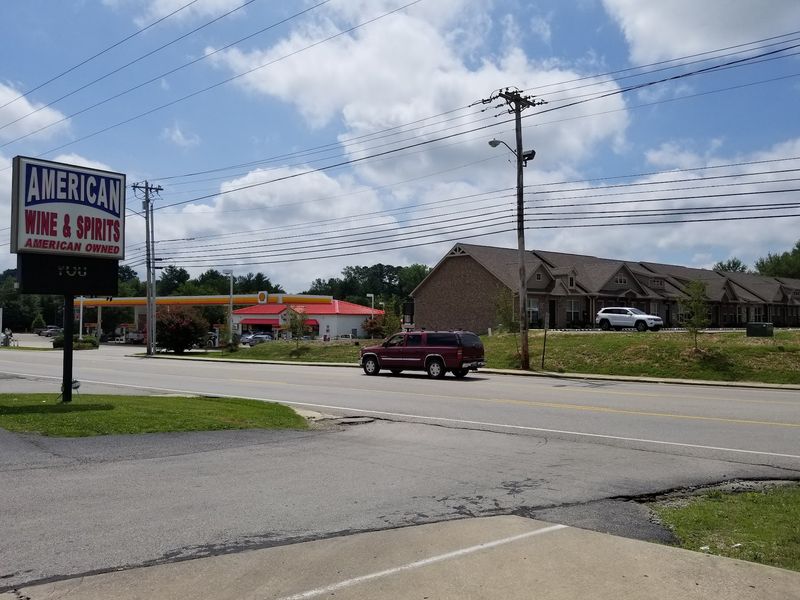
County seat charm radiates from every corner of Somerville, where the historic courthouse anchors a square that’s been the community gathering place for over 200 years. This isn’t a town trying to be something it’s not. Somerville embraces its agricultural heritage while welcoming visitors who appreciate authenticity over tourist traps.
The courthouse square hosts events that bring the whole county together. Farmers markets showcase produce grown in surrounding fields, with vendors selling everything from heirloom tomatoes to fresh honey. Craft fairs display handmade goods created by local artisans who take pride in their work.
These gatherings feel genuine, not staged for Instagram.
Small shops around the square cater to practical needs and simple pleasures. You’ll find a hardware store where the staff actually knows how to fix things, a pharmacy that’s been family-owned for generations, and cafes serving homestyle cooking that tastes like Sunday dinner at grandma’s house. The pace is unhurried, conversations linger, and nobody rushes you out the door.
History buffs appreciate Somerville’s well-preserved architecture and Civil War connections. Several buildings date back to the 1800s, their stories woven into the fabric of Tennessee history. Walking these streets, you can almost hear echoes of the past mixing with present-day life.
Surrounding countryside offers scenic drives through farmland where crops change with the seasons. Spring brings fields of green, summer turns them golden, and fall paints the landscape in warm harvest colors. It’s rural Tennessee at its most picturesque, reminding visitors why people have called this area home for centuries.
4. Covington
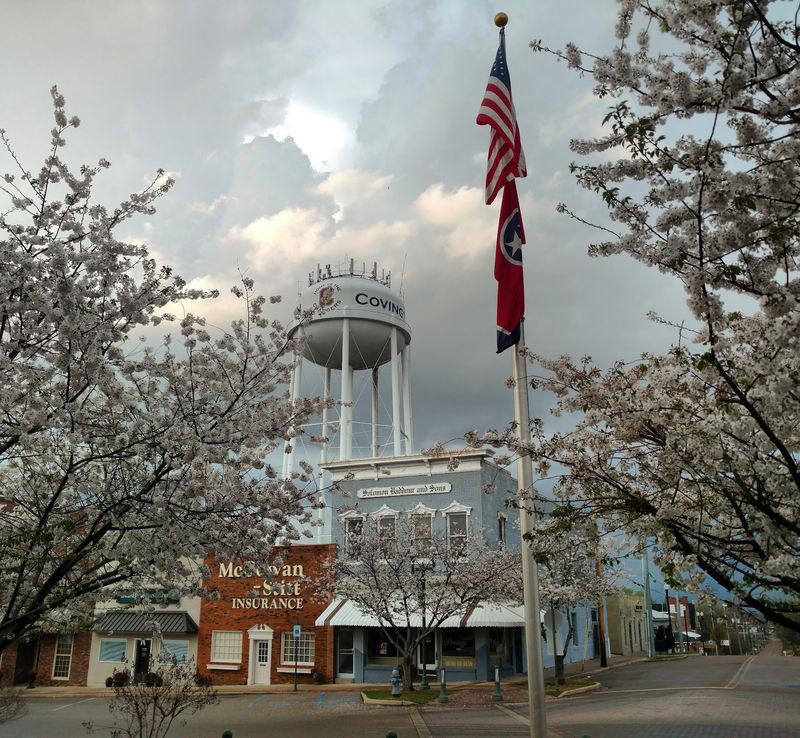
Covington punches above its weight when it comes to small-town amenities. This Tipton County seat offers more than you’d expect from a community its size, with a revitalized downtown that’s become a destination rather than just a place to pass through. Local leaders have invested in making the town center vibrant and welcoming.
The downtown square features a mix of old and new, where restored historic buildings house modern businesses. Coffee shops with quality espresso sit next to vintage stores selling retro finds. Restaurants range from classic meat-and-three diners to newer establishments experimenting with creative menus.
There’s variety here that keeps things interesting.
Parks throughout Covington provide plenty of outdoor recreation options. Families enjoy well-equipped playgrounds, while sports enthusiasts use tennis courts, baseball fields, and basketball courts. The town maintains these facilities carefully, showing civic pride in shared community spaces.
Summer concerts in the park draw crowds who bring lawn chairs and coolers for evenings of free entertainment.
Education is a priority, with schools that serve students well and prepare them for whatever comes next. Extracurricular programs give kids opportunities to explore interests beyond academics. The community supports these institutions, attending games, performances, and fundraisers that keep programs thriving.
What makes Covington stand out is its forward-thinking approach while honoring tradition. New businesses are welcomed, infrastructure improvements happen regularly, yet the town hasn’t lost its friendly character. People still greet strangers, help neighbors, and show up when the community needs them.
It’s progress without losing the plot of what makes small towns worth preserving.
5. Brownsville
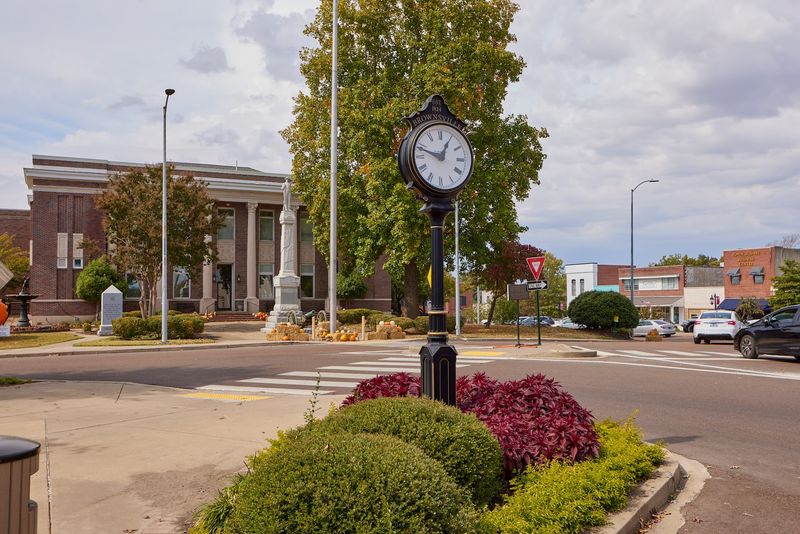
Music runs deep in Brownsville’s veins, though it doesn’t shout about it like Memphis does. This is where Tina Turner spent part of her childhood, and the town honors that legacy without turning it into a theme park. The West Tennessee Delta Heritage Center tells stories of the region’s musical contributions, offering visitors insight into the blues and rock roots that grew from this soil.
The historic courthouse dominates the town square with impressive architecture that speaks to 19th-century craftsmanship. Around it, local businesses serve the community with everything from banking to breakfast. These aren’t flashy establishments, but they’ve earned trust by showing up consistently, year after year, generation after generation.
Agriculture remains central to Brownsville’s identity and economy. Cotton fields stretch beyond town limits, and farming families who’ve worked this land for decades still shape the community’s character. Harvest seasons bring activity and purpose, reminding everyone that this town’s prosperity is literally rooted in the ground.
Annual events celebrate local culture and bring people together. The Strawberry Festival has been a tradition for over 75 years, featuring parades, pageants, and plenty of fresh strawberries in every form imaginable. It’s wholesome fun that feels refreshingly uncomplicated in our complex world.
Visitors looking for authentic West Tennessee experiences will find them here. No pretense, no manufactured charm, just a real town where real people live real lives. The restaurants serve Southern cooking that doesn’t need to be called soul food because that’s just how folks cook.
The pace allows for actual conversations, not rushed exchanges between appointments.
6. Rossville
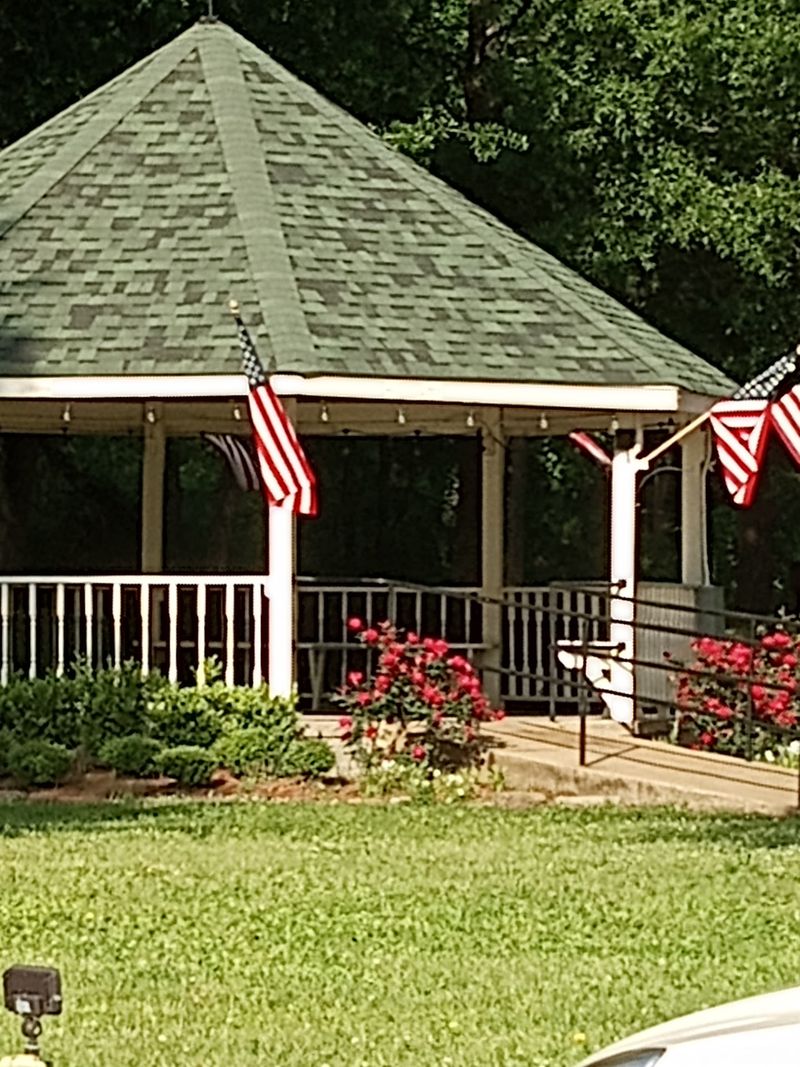
Blink and you might miss Rossville, but that would be a shame because this tiny community embodies everything appealing about rural Tennessee life. Population barely breaks a thousand, yet what it lacks in size, it makes up for in genuine hospitality and peaceful living. This is where people move when they’re tired of noise, traffic, and the constant rush of modern existence.
The landscape around Rossville is quintessentially agricultural, with farms and open spaces defining the scenery. Driving through, you’ll pass fields where crops grow, livestock graze, and the horizon stretches uninterrupted by skyscrapers or suburban sprawl. It’s the kind of view that makes city dwellers dream about simpler times.
Community ties run strong here because when your town is this small, everyone matters. School events become town events. Local churches serve as social hubs as much as spiritual ones.
When someone needs help, neighbors show up without being asked because that’s just what you do in a place like this.
Don’t expect extensive shopping or dining options. Rossville isn’t that kind of destination. What you will find is authenticity, quiet streets where kids can ride bikes safely, and a slower rhythm that lets you actually hear yourself think.
For many residents, that trade-off is exactly what they were looking for.
The proximity to larger towns means you’re not completely isolated. Memphis is reachable for work or when you need big-city amenities. But at day’s end, returning to Rossville feels like exhaling after holding your breath all day.
The stars are brighter here, the air feels cleaner, and life moves at a pace that actually feels sustainable.
7. Munford

Growth has come to Munford, but this Tipton County town is handling it with grace. New subdivisions have sprouted as families discover the advantages of living here, yet the community has worked to preserve the small-town atmosphere that attracted them in the first place. It’s a delicate balance, and Munford seems to be getting it right.
Schools are a major draw, with facilities and programs that compete with much larger districts. Parents appreciate the attention their children receive and the safe learning environment. Sports programs, arts offerings, and academic clubs give students well-rounded experiences.
Friday nights find the community packed into stadiums supporting their teams with genuine enthusiasm.
The town center may not be extensive, but local businesses provide essential services and gathering spots. A few restaurants serve as unofficial community centers where regulars meet for coffee and conversation. Small shops offer convenience without requiring a drive to bigger cities for every need.
Parks and recreation facilities have expanded to meet growing demand. Families use walking trails, playgrounds, and sports fields that are well-maintained and accessible. Youth sports leagues flourish, giving kids structured activities and parents opportunities to connect with other families.
These shared experiences build the social fabric that makes a town feel like home.
What’s remarkable about Munford is how newcomers and longtime residents have blended into a cohesive community. Rather than creating divisions, growth has brought energy and investment while respecting existing character. Neighbors look out for each other, volunteers staff community events, and people genuinely care about their town’s future.
It’s proof that growth and small-town values don’t have to be mutually exclusive.
8. Atoka
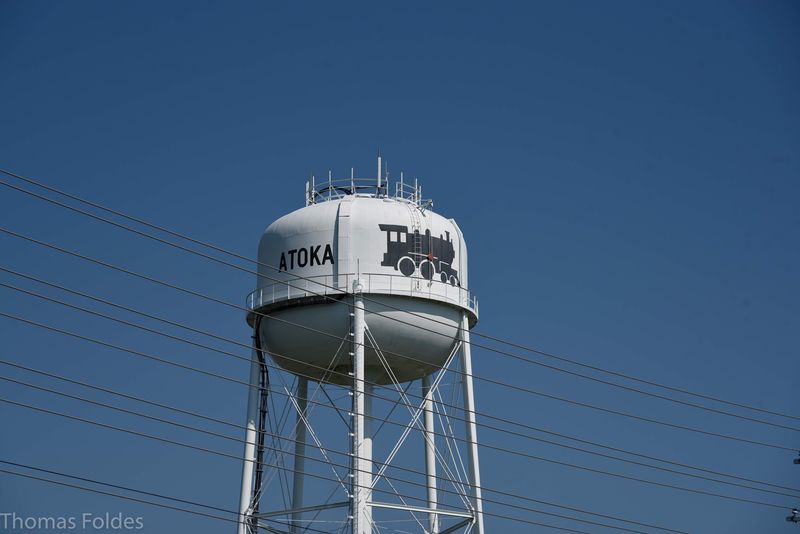
Atoka keeps it simple, and that’s precisely its appeal. This unincorporated community in Tipton County doesn’t have a traditional downtown or tourist attractions, but it offers something increasingly rare: affordable country living within reasonable distance of Memphis. For people prioritizing space, quiet, and value over urban conveniences, Atoka delivers exactly what they need.
Homes here typically sit on larger lots than you’d find in suburban developments. Yards are big enough for gardens, play sets, and maybe a few chickens if that’s your thing. The zoning is relaxed, letting people live how they want without homeowner associations dictating fence heights or mailbox colors.
Freedom to personalize your property is a genuine perk.
The community is residential in character, with families who chose this lifestyle intentionally. They’re not here by accident or because they couldn’t afford elsewhere. They’re here because they want room to breathe, neighbors who aren’t on top of them, and the ability to step outside without hearing traffic noise.
These priorities create a shared understanding among residents.
Schools serve the area, and while facilities might not be brand new, teachers and staff are dedicated to student success. Class sizes allow for individual attention, and extracurricular activities give kids opportunities to participate rather than compete for limited spots. The educational experience feels personal and manageable.
Shopping and dining require short drives to neighboring towns, which doesn’t bother residents who knew this coming in. The trade-off for living in Atoka is accepting that not everything is immediately at your doorstep. In return, you get peace, privacy, and a cost of living that allows families to build equity and enjoy life without drowning in expenses.
9. Moscow
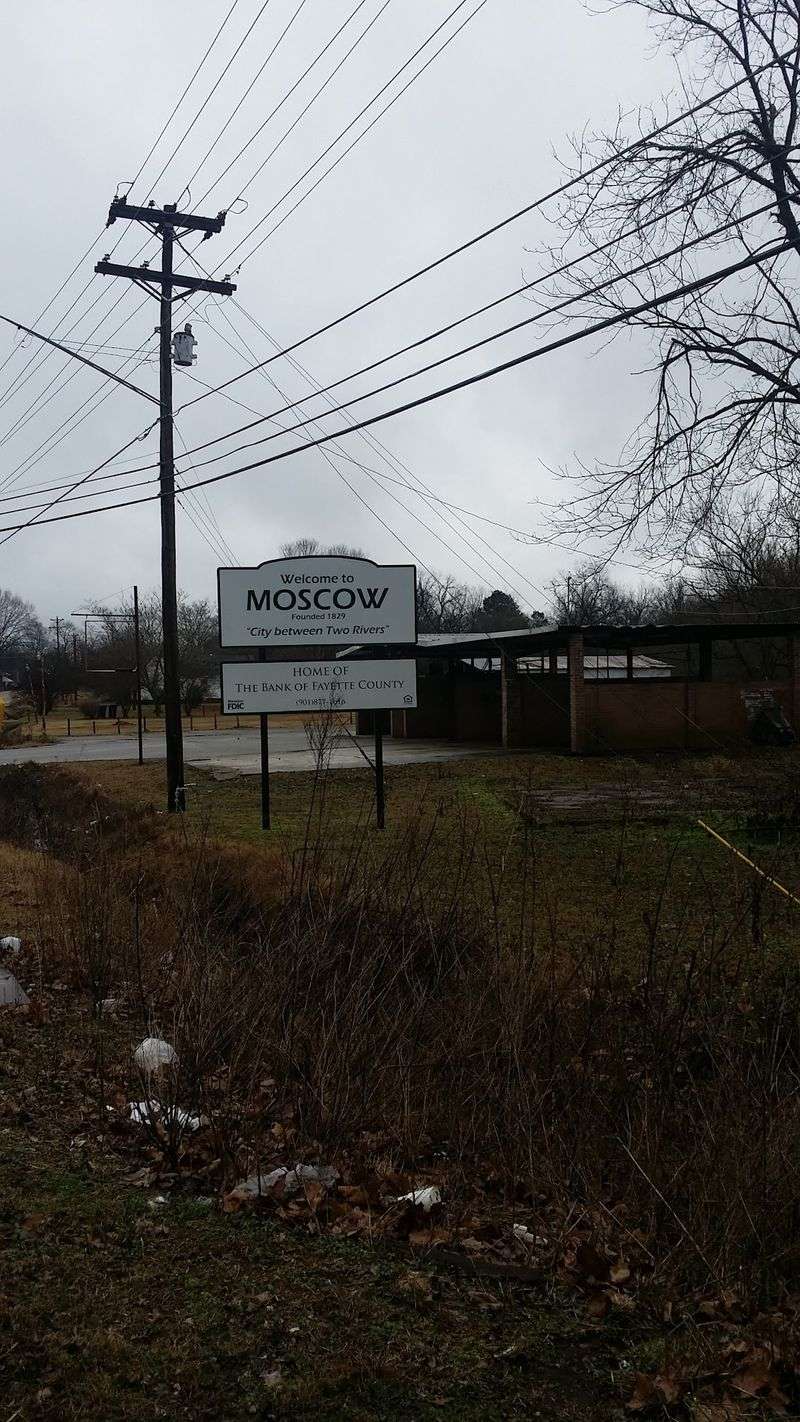
Moscow proves that you don’t need much to be something special. This tiny Fayette County community has a population you could fit in a high school gymnasium, yet it possesses character that larger towns sometimes lack. Life here revolves around essentials: family, faith, land, and looking after your neighbors.
Complications are left at the county line.
Farming defines much of Moscow’s identity and economy. Fields surround the small cluster of homes and businesses that make up the town center. Seasonal rhythms of planting and harvest dictate the calendar more than holidays or school schedules.
It’s an agricultural lifestyle that connects residents to the land and weather in ways city folks rarely experience.
The community is tight-knit by necessity and choice. When everyone knows everyone, social dynamics operate differently. Reputations matter, handshake agreements still hold weight, and people take responsibility for their actions because there’s nowhere to hide in a town this small.
That accountability creates trust and stability.
Don’t expect entertainment options or nightlife. Moscow is where you go to escape those things, not find them. Evenings are for sitting on porches, tending gardens, or gathering with family.
Entertainment is homemade, conversation-based, and costs nothing. For people craving simplicity, that’s not a limitation but a feature.
The location offers easy access to larger towns when needed, making Moscow viable even for those who work elsewhere. Commuters appreciate coming home to quiet roads and dark skies after days spent in busier environments. It’s a refuge, a place to decompress, and a reminder that life doesn’t have to be complicated to be good.
10. Lakeland
Lakeland has carved out a unique niche as one of the more affluent small towns near Memphis. This isn’t a farming community or historic courthouse town. Instead, it’s a carefully planned residential haven where families enjoy excellent schools, beautiful homes, and a strong sense of community pride.
The town takes its quality of life seriously.
Schools consistently rank among the best in the region, drawing families willing to pay premium prices for top-tier education. Facilities are modern, programs are comprehensive, and student achievement reflects the community’s investment in education. Parents actively participate in school activities, creating partnerships between home and classroom that benefit everyone involved.
Neighborhoods feature well-maintained homes on tree-lined streets where landscaping is taken seriously. Homeowner associations maintain standards that keep property values strong, though some might find the rules restrictive. Walking and biking trails connect different areas, encouraging outdoor activity and neighborly interaction.
Parks are plentiful and beautifully kept.
The town hosts community events throughout the year that bring residents together. Concerts, festivals, and holiday celebrations are well-attended and professionally organized. There’s a suburban polish to everything, a sense that details matter and excellence is expected.
It’s not stuffy, but it’s definitely refined.
Shopping and dining within Lakeland cater to upscale tastes, with boutiques and restaurants that wouldn’t look out of place in much larger cities. Still, Memphis is close enough that residents can access anything they need. The combination of small-town safety and big-city proximity is Lakeland’s selling point.
Families get the best of both worlds: community connection without isolation, sophistication without pretense, and quality across every aspect of daily life.
Share this story