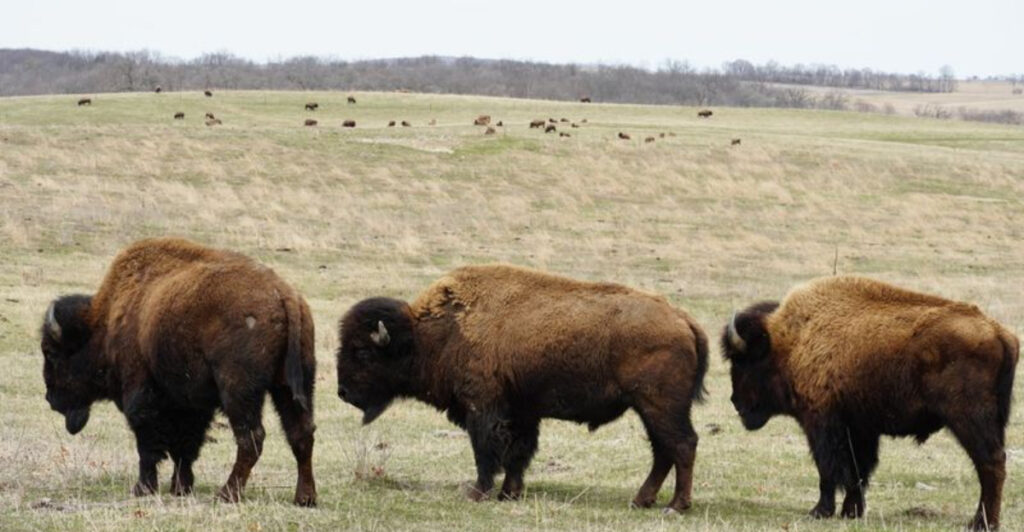
Bison moving through tall prairie grass create a scene that seems almost impossible to find in modern Illinois. At Nachusa Grasslands near Franklin Grove, a reintroduced herd lives within a vast conservation landscape where native plants, wildlife, and carefully restored habitat offer a glimpse of what once covered much of the state.
The preserve is more than a scenic place to spot an iconic animal; it is an active restoration project helping protect an ecosystem that has largely disappeared. Watching the grass ripple across the open landscape makes that mission easy to understand. Here, Illinois’ prairie past feels unexpectedly alive again.
Where the Prairie Suddenly Opens Up
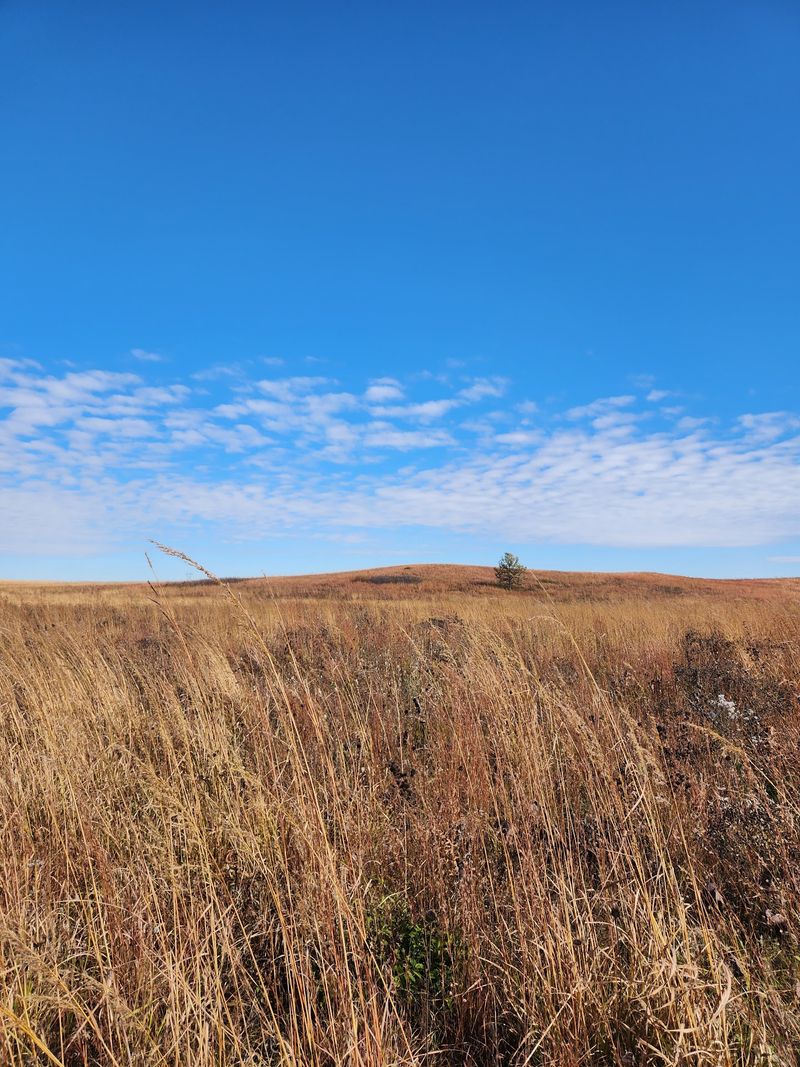
The surprise starts with the space. Roads near Franklin Grove can feel calm and ordinary, then Nachusa Grasslands opens into a broad sweep of prairie that looks much bigger than many first-time visitors expect.
Instead of dense forest or a packed recreation area, the preserve offers long views, moving grass, and a sky that seems to stretch twice as wide. That wide-open look matters because prairie is one of Illinois’ original landscapes, yet most people rarely get to stand in a large restored piece of it.
Wind does a lot of the talking here. It ripples through tall grasses, bends flower stems, and turns the whole scene into motion even when the land itself looks flat from a distance.
Nachusa is not a trimmed city park. More than 4,000 acres of prairie, wetlands, and woodlands are being reconnected here, so the land changes as you move from one area to another.
One section may look like a soft green sea, while another shows bursts of seasonal color or a line of trees along a path. The preserve can seem simple at first glance, but the details keep building as eyes adjust to the scale.
That is a helpful thing to remember on a first visit. Slow down, step out, and give the landscape a few minutes before deciding what it is.
Bring binoculars if possible, not because the prairie is empty, but because its life is spread out. Birds, insects, seed heads, and shifting shapes in the distance all become easier to appreciate when the open land is treated less like a backdrop and more like the main event.
The Bison Are the Big Draw, but They Are Not a Zoo Exhibit
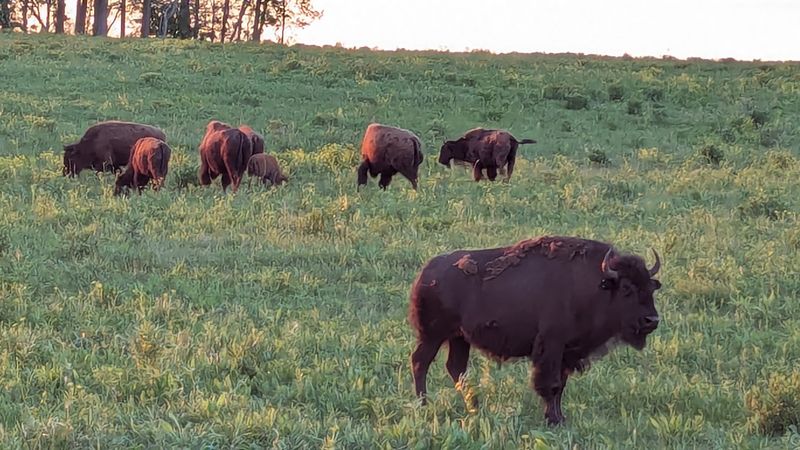
Nothing changes the mood of a prairie visit faster than spotting a dark, bulky shape in the grass. Nachusa’s reintroduced bison herd is the headline experience, and for good reason.
Seeing these animals in a large prairie setting gives the preserve a sense of motion and purpose. They are not placed here as a display. They are part of how the land functions, helping shape plant growth and supporting the larger restoration story.
That difference matters when planning a visit. Bison are wild animals in a big preserve, so there is never a promise that they will stand in the perfect place for easy viewing.
Some days they are close enough to watch chewing, hear them move, or study the powerful outline of a shoulder and head. On other days, they may be farther away, visible only from certain pull-offs or not at all.
Late afternoon can be a smart time to try, based on recent visitor experiences, especially when the herd gathers within viewing distance. Patience helps more than speed. Checking different viewing areas and taking time to scan the horizon can make a huge difference.
Safety rules are not decorative here. Fencing, posted distance guidance, and marked boundaries exist because bison deserve room and because a prairie encounter should stay calm for animals and people alike.
Bring a camera with zoom if one is available. That simple choice lets visitors enjoy a closer look without crossing space that should remain undisturbed.
When the herd appears, the moment does not feel staged. It feels earned, with grass swaying, birds calling, and a group of animals that reconnect Illinois to an older story many landscapes can only explain on a sign.
An Illinois Comeback Written in Grass, Fire, and Patience
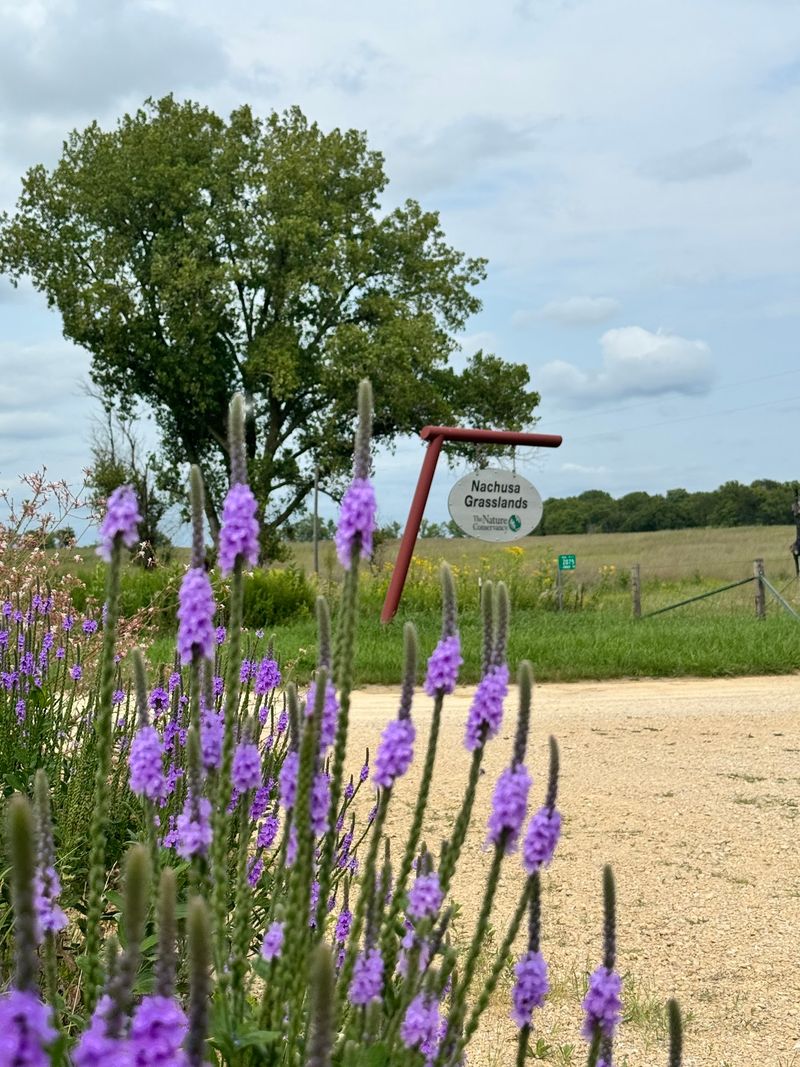
Big animals get attention fast, but the deeper story at Nachusa Grasslands is restoration. The preserve shows how damaged or disconnected land can be brought back through years of steady work.
Tallgrass prairie once covered huge parts of Illinois. Today, only small remnants remain, which makes places like Nachusa especially important for conservation, habitat, and public understanding.
The landscape here is not frozen in one condition. Prairie restoration involves collecting native seeds, reconnecting separate parcels, caring for plant communities, and using land management tools that support species adapted to open grasslands.
Bison fit into that process, yet they are only one part of a much larger system. Grasses, flowers, insects, birds, wetlands, and woodlands all matter in the way the preserve functions.
That broad view helps explain why the prairie can look different from season to season and even year to year. Some first-time visitors expect nonstop dramatic color, but restoration is not about arranging a picture-perfect garden. It is about rebuilding ecological strength.
Interpretive displays and guided experiences can make that easier to understand, especially for anyone new to prairie ecology. Once the basic idea clicks, the land becomes more interesting because every patch of grass starts to represent work, time, and recovery.
Even the apparent emptiness teaches something. Open space gives room for native species to interact in ways that are harder to notice in more crowded or heavily developed settings.
For families, students, and curious adults, Nachusa turns environmental concepts into something visible. Instead of reading that prairie matters, visitors can look across the preserve and see an ongoing comeback happening on the ground, one field, one season, and one careful choice at a time.
Trails, Pull-Offs, and the Art of Looking Closely
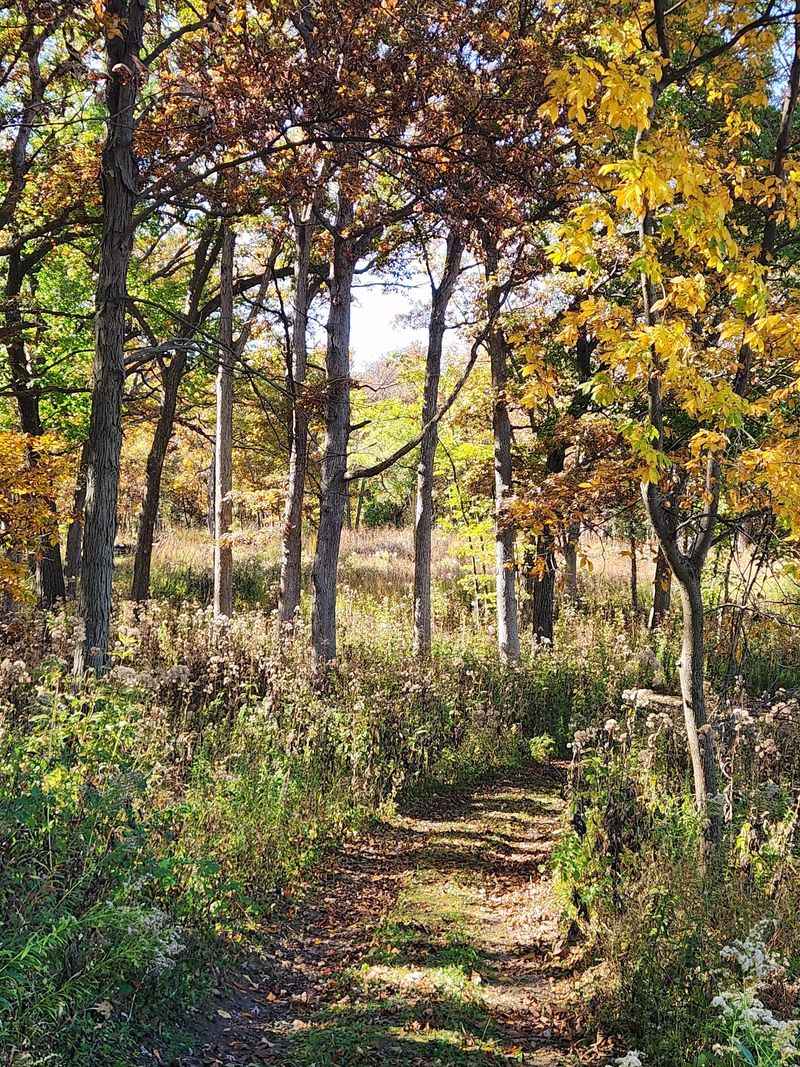
Nachusa rewards people who do not rush. A quick stop can still be enjoyable, but the preserve works best when visitors treat it like a place to observe rather than a place to check off.
The layout helps create that slower rhythm. There are outdoor information areas, small walking paths near the main visitor area, and additional places that may require a short drive to reach longer trails or better viewing zones.
That detail catches some first-time visitors off guard. The bison are not always visible from the first parking area, and the preserve experience is spread across a working landscape rather than centered on one packed attraction.
Mowed trails make walking easier and keep the focus on the surrounding prairie instead of rough footing. In some areas, a short loop or path gives a simple introduction, while other sections offer bigger views and a stronger sense of scale.
Binoculars turn a good visit into a better one. Distant movement, perched birds, and the shape of the land all come into focus more clearly, which is especially useful when scanning for wildlife from pull-offs at the preserve’s edges.
Maps are worth checking carefully before heading out. Some viewing areas can be easier to understand when compared in advance, especially for anyone hoping to combine bison spotting with a walk.
Comfort matters too. Wear shoes that can handle grass and uneven ground, bring water, and expect sun, breeze, and changing conditions rather than shaded park-style strolling.
Kids often do well here when the visit is framed as a search. Looking for tracks, birds, flower shapes, or the distant outline of the herd keeps attention high and turns a simple walk into an active outdoor lesson without needing much more than time and curiosity.
Best Timing for Bison, Wildflowers, and Quiet Light
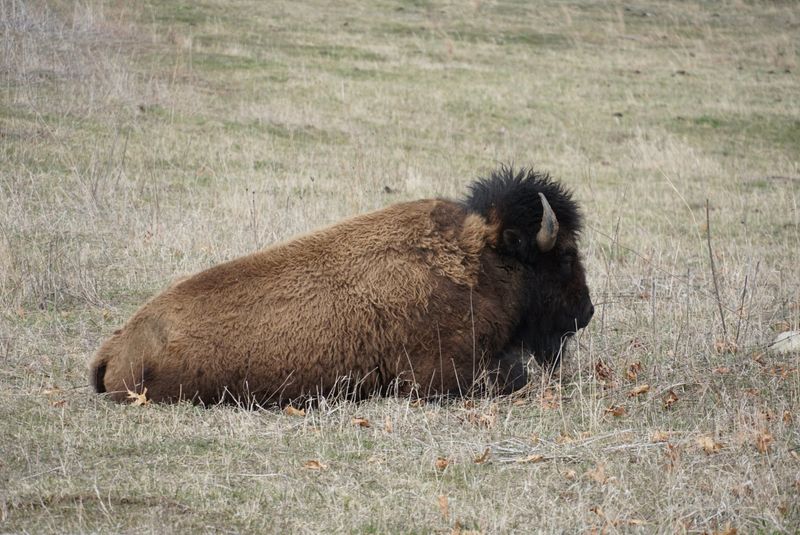
Timing can completely change a trip to Nachusa Grasslands. The same preserve may look bright and breezy at midday, glowing and dramatic near sunset, or fresh and cool in the early morning hours.
For bison viewing, flexibility is the smartest plan. Recent visitor experiences suggest late afternoon can be rewarding, with the herd sometimes gathering where it is easier to watch from a safe distance.
That does not mean every late visit guarantees a sighting. Bison move, weather shifts, and the prairie keeps its own schedule, so the best approach is to allow enough time for scanning, walking, and checking more than one viewing area if needed.
Season also shapes the experience. Spring brings new growth and a sense of the prairie waking up. Summer tends to offer tall vegetation, active insect life, and broad green views, while early fall can add warm color and special events tied to the landscape.
Windy days are common, and they can be part of the appeal rather than a problem. The prairie often looks more alive when grasses bend in waves, though extra layers, sunscreen, and a hat can make a long visit far more comfortable.
Photographers usually benefit from lower-angle light early or late in the day. The land has more texture then, and distant animals can stand out better against the grass.
Hours listed for the preserve run from 6 AM to 8 PM daily, which gives visitors a wide window to plan around weather and daylight. Starting earlier can mean cooler walking conditions, while evening can offer softer color and calmer pacing.
If one visit does not line up with the herd, the prairie still delivers. Returning in another season often reveals a different set of plants, sounds, and colors, making timing part of the adventure instead of just a scheduling detail.
Why the Preserve Works So Well for Learning Outdoors
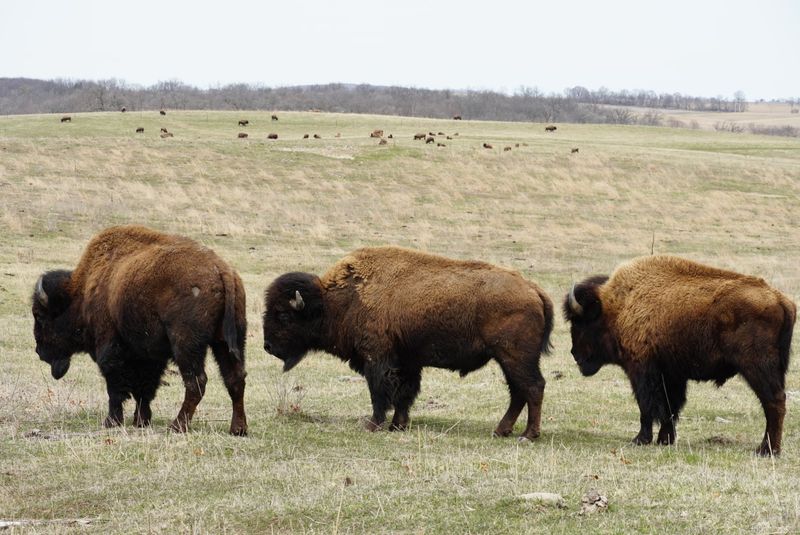
Some outdoor places are fun but hard to explain to kids. Nachusa Grasslands does the opposite by making large ideas easy to see.
Prairie conservation, species reintroduction, habitat restoration, and native plants can sound abstract in a classroom or on a page. At this preserve, those ideas become visible through trails, signs, volunteer conversations, and the plain fact that bison are back on the land.
That makes Nachusa especially useful for families, homeschool groups, and anyone who likes learning while moving around outside. A child can compare grasses, notice insects, hear the wind, and then spot a herd in the distance all in one visit.
The educational value is not limited to younger visitors either. Adults who have spent years driving through northern Illinois often discover that they know very little about the original prairie ecosystem beneath the region’s modern roads and fields.
Volunteers add another strong layer when they are present. A friendly person at an information area can point out where to look, explain why the preserve is managed the way it is, or help connect the bison story to the wider landscape.
Special tours and events can deepen that experience. Public festival days, guided hikes, and prairie rides have helped many visitors understand the scale of the preserve in ways a quick stop cannot fully provide.
Even simple amenities support the learning atmosphere. Outdoor displays, small paths, and basic gathering spots create places to pause, ask questions, and look again before moving on.
The result is a field trip that does not need flashy technology to keep attention. Nachusa succeeds by putting real land, real animals, and real ecological change right in front of visitors, which is often the clearest lesson a place can offer.
A Day Trip Near Franklin Grove That Stands Apart
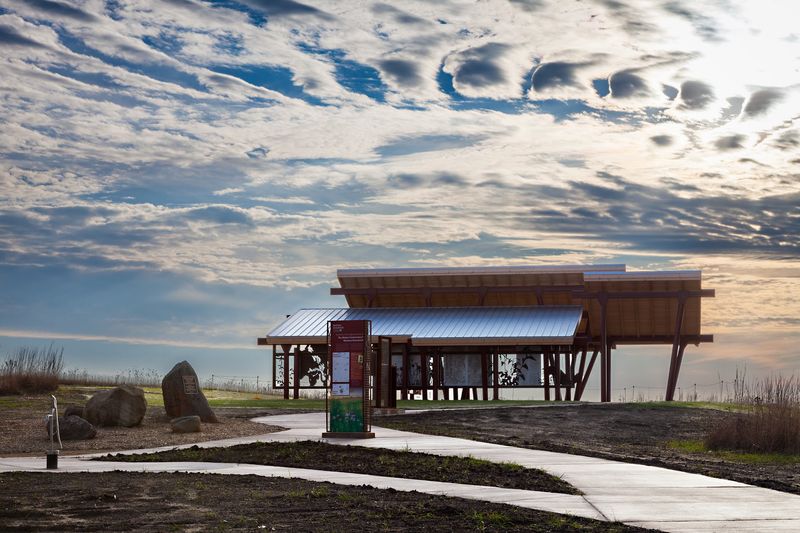
Not every memorable outing needs a packed schedule, a large building, or a long list of attractions. Nachusa Grasslands stands apart because the experience comes from the land itself and the rare chance to see it working on a big scale.
Near Franklin Grove, the preserve offers something Illinois travelers do not run into every day. A reintroduced bison herd, open prairie views, and a visible restoration story combine in a way that feels specific to this place rather than interchangeable with any random park.
That distinct identity is part of its strength. Nachusa is quieter, more spacious, and more observation-focused than many day trip destinations, which makes it especially appealing for people who enjoy scenery, wildlife, and learning without heavy crowds or nonstop activity.
Practical planning helps the visit go smoothly. Start with the expectation that wildlife sightings are possible, not guaranteed.
Bring water, wear comfortable shoes, use maps carefully, and allow enough time to check different areas instead of expecting everything from one stop.
Families can keep the day fun by mixing goals. Look for bison, walk a trail, spend time at the outdoor displays, and notice how the prairie changes from one section to another.
If the herd is visible, the trip gains a dramatic centerpiece. If not, the preserve still offers broad scenery, birdlife, seasonal flowers, and the unusual pleasure of standing in a landscape that once shaped much of Illinois.
That balance is what gives Nachusa staying power. It can work as a short detour, a relaxed afternoon, or a repeat destination across different seasons.
For anyone curious about the natural side of northern Illinois, this preserve delivers a scene that is larger, wilder, and more meaningful than its quiet location first suggests.