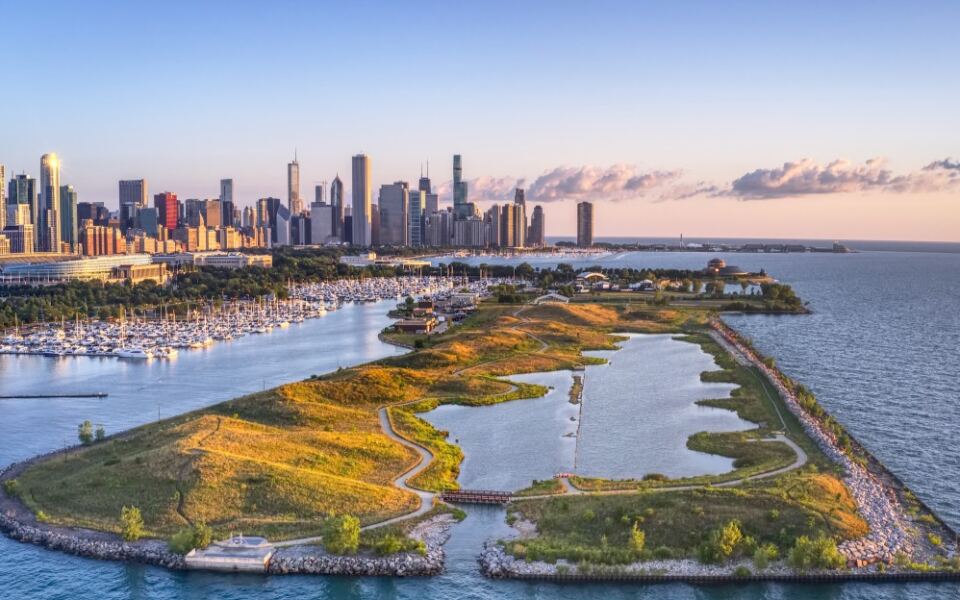
Small planes used to land on this strip of lakefront. Then, one night in 2003, crews carved big X marks into the runway, and the airport closed for good.
Today, that same ground grows prairie grass, wildflowers, and quiet walking trails. Butterflies and birds now do the flying. I like how nature took the place back, one native plant at a time.
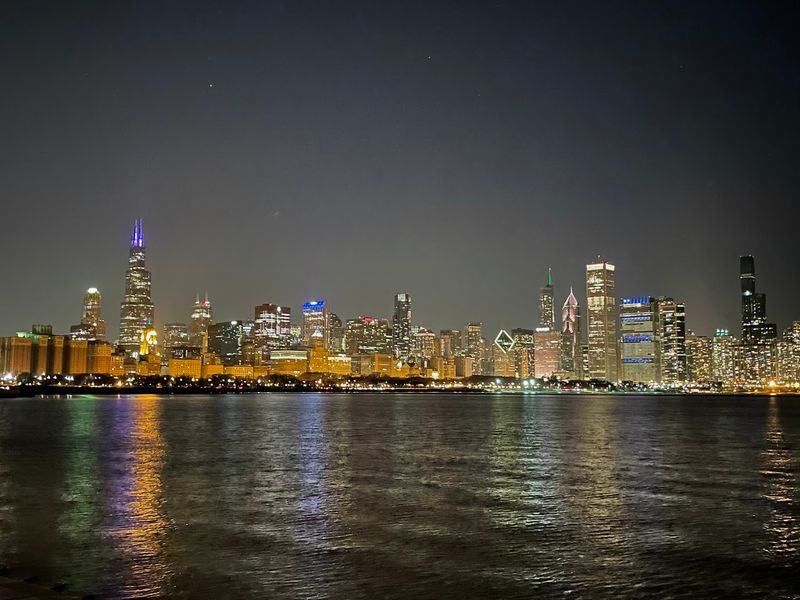
The best part sits right across the water. A sweeping view of a huge Illinois skyline rises above the grasses and waves. You get the city and the calm in the same glance.
I love the contrast of wild prairie grasses, Lake Michigan waves, and Chicago skyscrapers all sharing the same view, just steps from a busy city.
A Runway Turned Into A Prairie Is Quite The Plot Twist
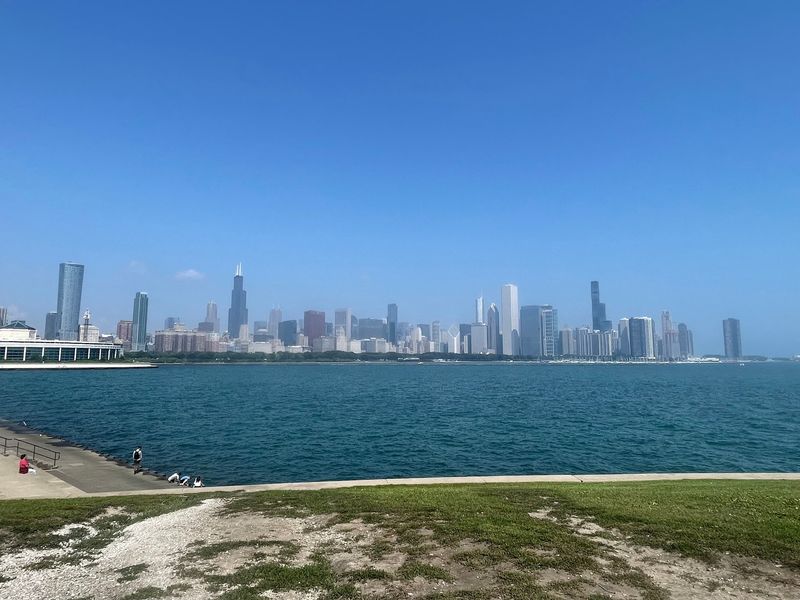
Few parks have an origin story this dramatic. Northerly Island started as a man-made peninsula, one of the few pieces built from Daniel Burnham’s 1909 Plan of Chicago.
It later hosted the 1933-1934 Century of Progress World’s Fair. After that, it became home to Meigs Field, a small airport that served downtown travelers for decades.
Then came March 2003. Under Mayor Richard M. Daley, crews cut large X shapes into the runway overnight, which shut the airfield down for good.
The city turned the land into a park. The biggest change arrived in 2015, when a 40-acre nature area opened on the island’s southern section.
That project brought back native prairie, savanna, and wetland plants. It also added a pond and winding paths where the runway once stretched.
So when you stroll here, you’re walking over a whole lot of Chicago history. That’s a fun thought while you sip water and admire the grasses.
Honestly, the backstory makes the visit better. You’ll look at the open land differently once you know what used to roar across it.
Bring Your Camera Because The Skyline Steals Every Scene
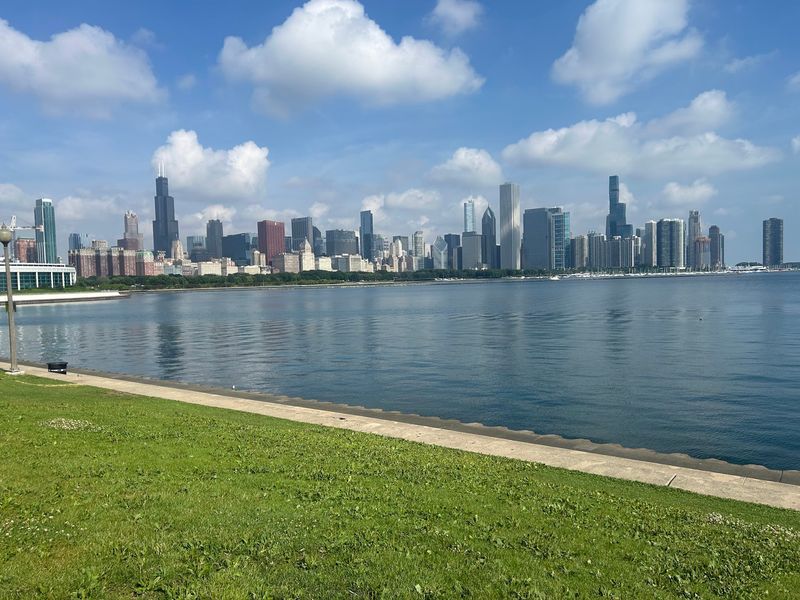
Chicago’s skyline looks almost unreal from out here. The towers line up across the water, and nothing tall blocks your view.
Northerly Island sits east of the downtown grid, so you’re looking back toward the city instead of up at it. That angle is what makes the scene feel so wide and complete.
The trails along the island’s edges give you water in the foreground and buildings beyond. Add prairie grass in front, and your photos get three layers of beauty with zero effort.
Timing helps a lot. Late afternoon and sunset often bathe the buildings in warm light, while mornings can feel crisp and quiet.
Bring a phone with plenty of battery. You’ll probably take more pictures than planned, and nobody will judge you for it.
Want a little twist on the classic shot? Frame the skyline between wildflowers or reeds near the pond for a city-meets-country look.
It’s a view that still surprises people who’ve lived in Illinois for years. Good luck putting your camera away once the light starts to glow.
Lace Up For Trails That Feel Miles Away From Downtown
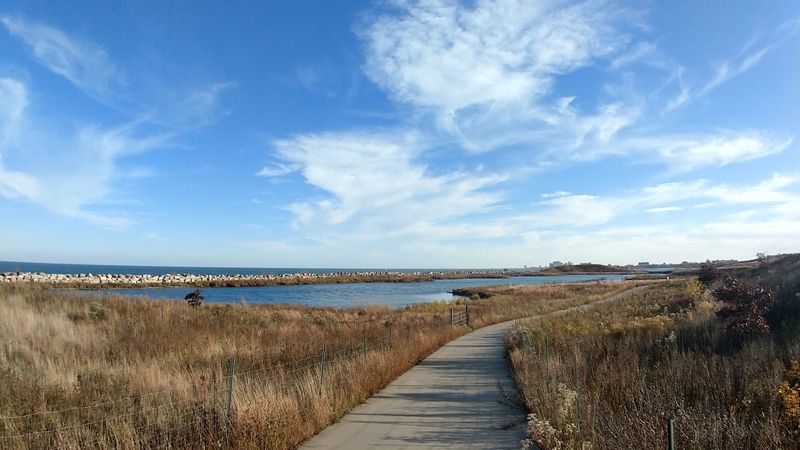
Walkers, runners, and cyclists all get room to roam here. The island has paved and crushed-stone paths that loop through the nature area and along the lake.
The trails connect to the Chicago Lakefront Trail. That means you can ride or jog in from other parts of the shoreline without ever fighting traffic.
Inside the park, the paths curve past prairie plants, trees, and the pond. Cars stay away, which makes the whole place feel calmer than you’d expect so close to downtown.
Plan for a relaxed pace. The loop is easy for most people, and the scenery gives you good reasons to stop often.
Bring water, sunscreen, and a hat on hot days. Shade can be limited, especially in the open prairie sections.
Bike share stations sit near the Museum Campus, so renting a ride is simple. Just keep an eye on posted signs, since trail sections can close for work or events.
Here’s a nice bonus. A walk here counts as exercise, but it feels more like a mini vacation.
Birds And Butterflies Got The Memo About This Place
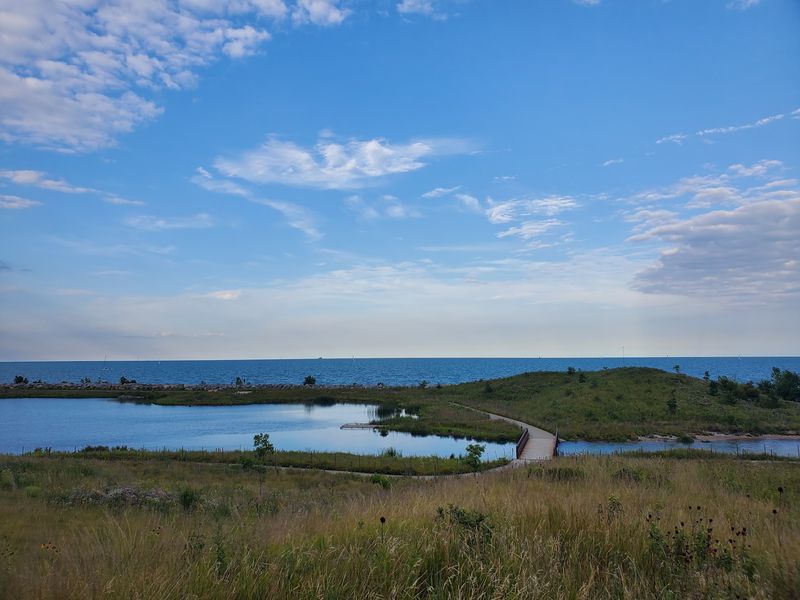
Planes are gone, but the island still has plenty of flyers. Native plants here attract butterflies, bees, and many kinds of birds.
Lake Michigan’s shoreline sits along a major migration route. Each spring and fall, birds travel through Chicago, and green spaces like this give them a place to rest.
The pond and wetland areas add even more habitat. Keep your eyes open for waterbirds near the edges and smaller songbirds darting through the shrubs.
Summer is a great time for flowers. Prairie blooms add pops of color across the grasses, and pollinators get busy.
Bring binoculars if you have them. A field guide or bird app can help you put names to what you see.
Please stay on the paths. The plants are still growing and need space to thrive, so trampling them sets the project back.
Patience pays off here. Stand still for a few minutes, and the prairie starts to come alive around you.
Kids especially love this part. Turning a walk into a bug and bird hunt keeps everyone curious.
Concert Nights Here Come With A Lakefront Bonus
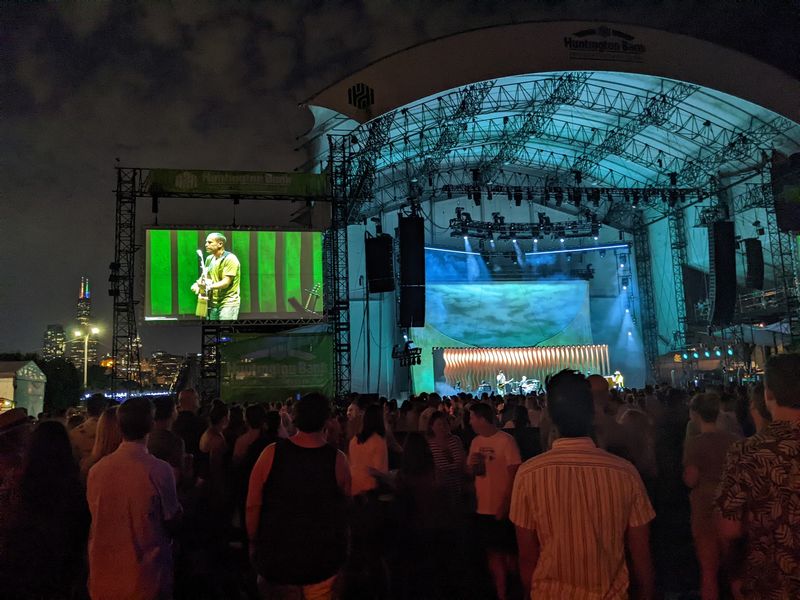
Live music and lake breezes make a pretty great pair. Huntington Bank Pavilion at Northerly Island is a large outdoor amphitheater on the island’s northern side.
The venue hosts big touring acts during the warmer months. Its season usually runs from late spring into early fall.
What makes a show here special? The stage sits right by the water, so the skyline and lake become part of the backdrop.
Food stands and restrooms are spread throughout the venue. Seating options vary by show, so check your ticket details before you go.
Plan your trip home ahead of time. Big crowds leave at the same time, and the island has limited ways in and out.
Many concertgoers take public transit, walk, or ride bikes to avoid parking hassles. Nearby garages serve the Museum Campus and Soldier Field area.
Bring a light jacket, even in summer. Evenings by Lake Michigan can cool off faster than you might expect.
Catching a show as the sun sets over the city feels like a classic Chicago summer moment.
Finding Your Way There Is Easier Than You Think
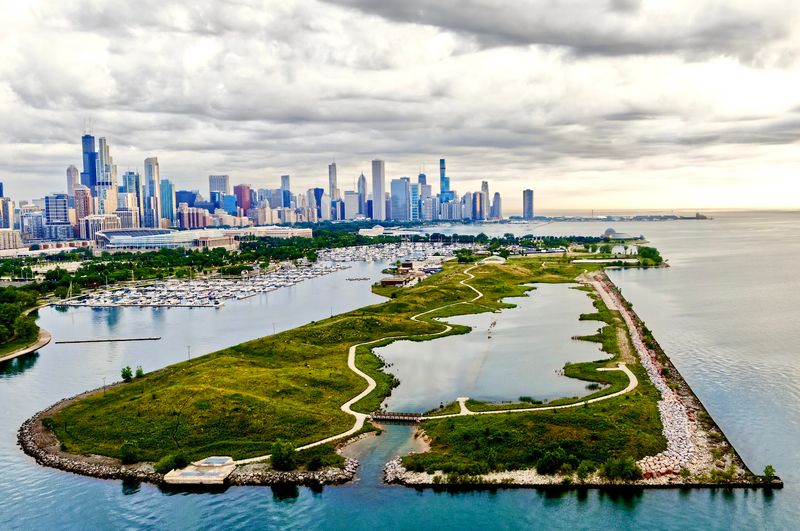
Getting here is half the fun. The island connects to the mainland near the Museum Campus, just south of the Adler Planetarium.
Officially, the location is Northerly Island, Chicago, IL 60605, USA. The main entry roads and paths branch off near Solidarity Drive and the lakefront.
Public transit is a smart choice. Several CTA bus routes serve the Museum Campus, and the Roosevelt station sits within walking distance.
Driving works too, but parking can cost more near big events. Nearby lots serve the museums and Soldier Field, so check event calendars first.
Cyclists have it easy. The Lakefront Trail runs right past the area, making the island a natural stop on a longer ride.
Once you arrive, signs are limited in a few spots. A map app helps if you want to find the pond or the far loop.
Wear comfy shoes. You’ll likely walk a fair bit between transit, parking, and the trails.
A little planning goes a long way. Show up ready, and the island rewards you right away.
Make A Full Day Of It With Famous Neighbors Next Door
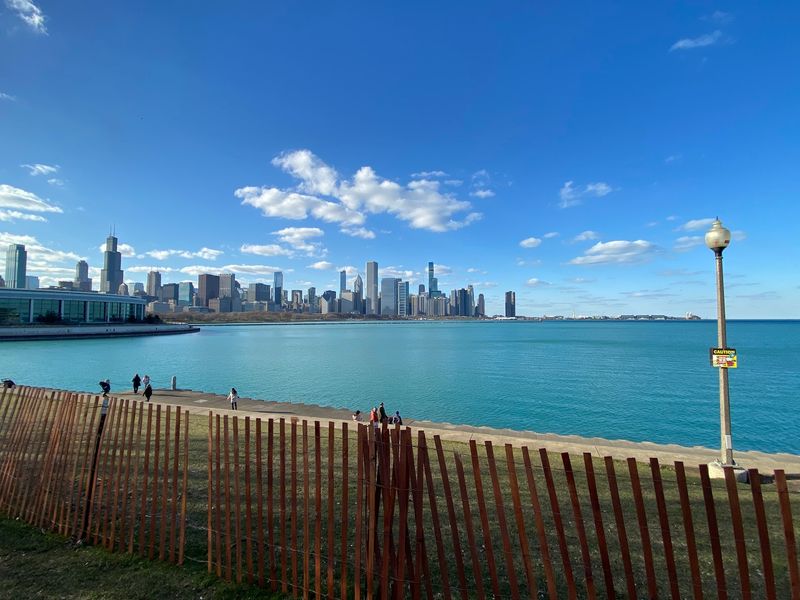
Talk about a strong neighborhood. Three of Chicago’s best-known museums sit just steps away from the island.
The Adler Planetarium is the closest, perched at the tip of the peninsula. Shedd Aquarium and the Field Museum round out the Museum Campus.
Soldier Field, home of the Chicago Bears, sits just south and west. Grant Park and the 12th Street Beach are close by too.
That makes planning a day easy. Spend the morning with dinosaurs or sea creatures, then unwind on the prairie paths in the afternoon.
The walk between spots offers its own lake views. You can enjoy the shoreline while moving from one attraction to the next.
Pack snacks and water if you plan to explore for hours. Food options exist at the museums, but outdoor areas have fewer choices.
Families will appreciate the variety here. Kids can learn indoors, then run off energy outside without anyone changing locations.
Few Illinois day trips pack this much into one small area. Your step counter will be thrilled.
Each Season Paints The Island A Little Differently

Spring wakes things up slowly. New green shoots appear across the prairie, and migrating birds start passing through.
By summer, the island hits its peak. Wildflowers bloom, butterflies flutter around, and the concert season brings music to the northern end.
Fall might be the sleeper favorite. Grasses turn gold and rust, and cooler air makes walking a lot more comfortable.
Migrating birds return in autumn too. It’s a great time for anyone who enjoys spotting feathered travelers.
Winter on Lake Michigan is serious business. Winds can be strong and cold, so bundle up if you visit then.
The views stay lovely all year, though. A snowy prairie with the skyline behind it looks almost like a holiday card.
The main park is open from 6 AM to 11 PM daily, but the natural area is open only from dawn to dusk. Some sections may also close for maintenance or events, so check before heading out.
Visiting in different seasons feels like seeing a brand-new park each time. Same skyline, totally different mood, and that’s half the charm of returning.
Know These Simple Rules Before Your Visit
A few quick tips can make your trip smoother. The Chicago Park District manages Northerly Island, and its rules help protect the young habitat.
Stay on marked paths at all times. The native plants are fragile, and the restoration depends on people giving them space.
Leave your dog at home if you plan to explore the natural area. Pets are not allowed in these protected habitats, although leashed dogs are generally welcome in other permitted park areas.
Restrooms and benches are limited in the nature area. Plan ahead so a quick break doesn’t turn into a long hike back.
Construction or event setup may block certain paths now and then. If a trail looks closed, respect it and pick another route.
Pack out everything you bring in. Keeping the island clean helps the birds, butterflies, and every visitor who follows.
Got a camera, water, and comfy shoes? You’re basically ready for a great afternoon.
Northerly Island proves Illinois cities can make room for wild spaces. Treat it kindly, and it will keep rewarding you with that unforgettable skyline view.
Share this story