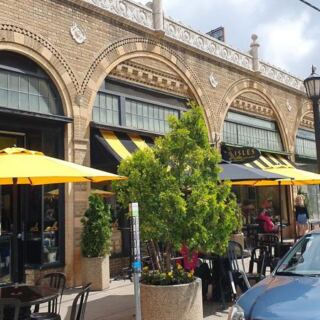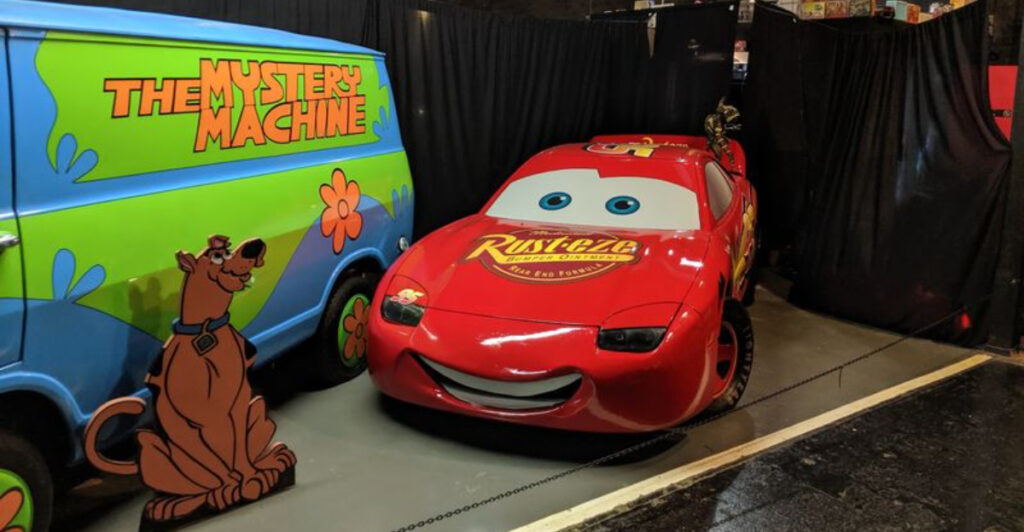
Ever wonder what happened to the Mystery Machine after Scooby and the gang solved their last case? How about the Batmobile or the Ghostbusters’ Ecto-1? Tucked away in Jackson, Tennessee, Rusty’s TV & Movie Car Museum keeps these legendary vehicles alive and ready for their close-up.
For just ten bucks, you can walk through two buildings packed with over 20 authentic screen-used cars and replicas that’ll transport you straight back to Saturday morning cartoons and blockbuster movie nights. Whether you grew up watching these shows or you’re introducing your kids to the classics, this quirky museum delivers pure nostalgia on four wheels.
The Mystery Machine Brings Scooby-Doo to Life
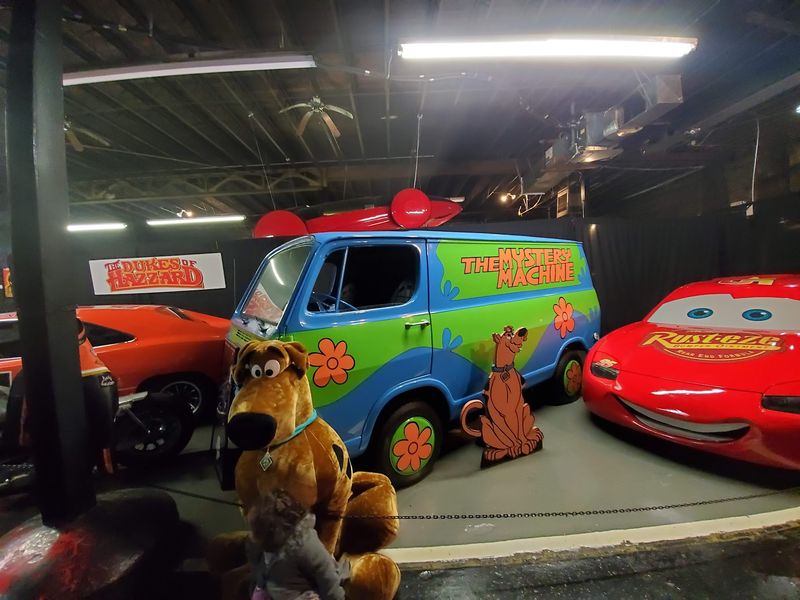
Walking into Rusty’s and spotting that iconic green and blue van feels like reuniting with an old friend. The Mystery Machine sits there in all its groovy glory, complete with the wild flower decals that made it instantly recognizable to anyone who spent Saturday mornings solving mysteries with Scooby and Shaggy. You can practically hear the theme song playing as you circle around it.
What makes this particular vehicle special is how faithfully it captures the cartoon’s vibe in real-world form. The colors pop against the museum’s clean white walls, and getting up close reveals details you never noticed watching the show on your old TV set. Parents love watching their kids’ faces light up when they recognize it, while adults find themselves transported back to simpler times.
The museum lets you get surprisingly close to examine the paint work and design elements. Unlike some attractions where you’re stuck behind velvet ropes, Rusty’s encourages you to really experience these vehicles. Just remember the no-touching rule, even though your inner child might be screaming to hop in the driver’s seat.
Photography is absolutely encouraged here, so bring your phone or camera ready. The Mystery Machine makes for perfect family photos, especially if you’ve got kids who love the newer Scooby-Doo movies. The lighting in the museum is surprisingly good for amateur photographers too.
Staff members know the history behind each vehicle and they’re happy to share fun facts. Ask them about how this van came to Jackson, Tennessee, and you’ll get stories that add another layer to your visit. Their passion for the collection really shows through when they talk about crowd favorites like this one.
For many visitors, this van alone justifies the admission price. It represents childhood memories, family bonding over cartoons, and the enduring appeal of characters who’ve entertained multiple generations now.
Herbie the Love Bug Steals Hearts
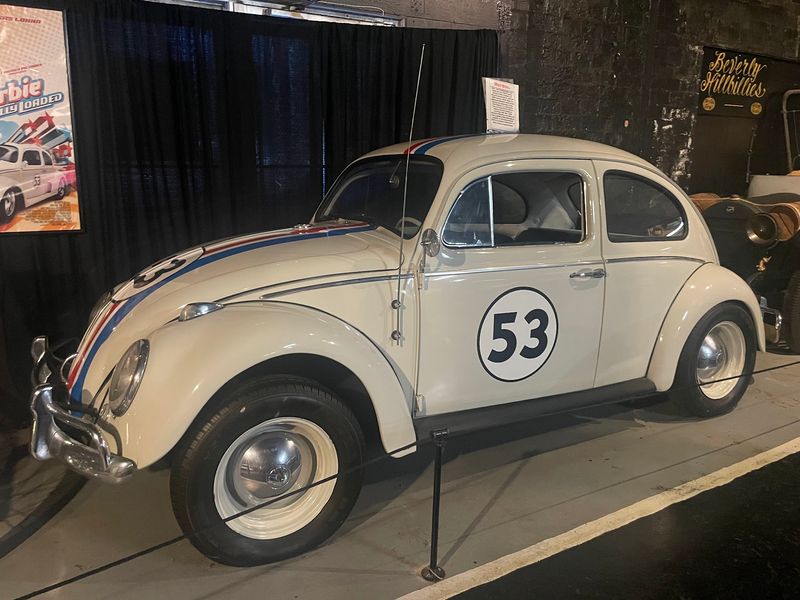
That little white Volkswagen Beetle with racing stripes has more personality than most people you’ll meet. Herbie sits proudly in Rusty’s collection, representing one of Disney’s most beloved characters who happened to have four wheels instead of two legs. The number 53 painted on the doors brings back memories of a car that could think, feel, and race with the best of them.
This isn’t just any VW Bug replica. The attention to detail on this vehicle shows real respect for the source material. From the specific shade of white to the exact placement of those iconic stripes, everything about it screams authenticity.
Fans of the original 1968 film will appreciate how accurately it’s been recreated.
Younger visitors might know Herbie from the 2005 Lindsay Lohan remake, while their grandparents remember the original Dean Jones movies. That’s the beauty of this particular display. It bridges generations in a way few other exhibits can manage, sparking conversations between family members about which Herbie movie was best.
The Beetle’s compact size makes it feel approachable and friendly, just like the character itself. Standing next to it, you realize how small these cars actually were compared to modern vehicles. Yet Herbie never let size stop him from winning races and outsmarting the bad guys.
Visitors often comment on how well-maintained this car looks. The paint gleams under the museum lights, and there’s not a dent or scratch to be found. Rusty clearly takes pride in keeping every vehicle in showroom condition, which enhances the whole experience.
The Love Bug represents an era when Disney made live-action family films that didn’t rely on CGI or fancy effects. Just a plucky little car with a big heart, proving that sometimes the simplest stories resonate the longest.
Ecto-1 Answers the Call
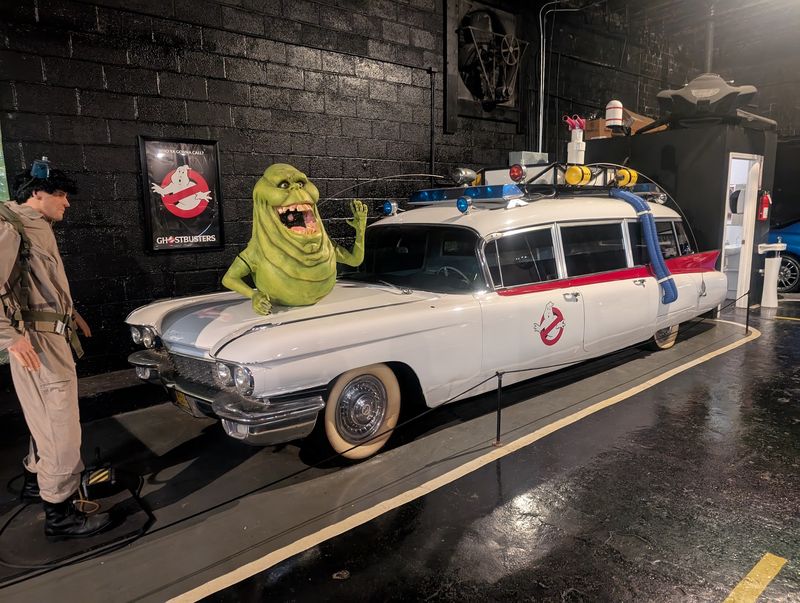
When there’s something strange in your neighborhood, you call the Ghostbusters. And when they show up, they’re rolling in this beauty. The Ecto-1 ambulance dominates its section of the museum with that distinctive siren setup on the roof and the no-ghost logo plastered on the side.
It’s longer than you’d expect and way cooler in person than it ever looked on screen.
Built from a 1959 Cadillac ambulance, this vehicle represents automotive customization at its finest. The conversion from medical transport to paranormal investigation mobile required serious creativity and mechanical know-how. Every gadget, light, and detail serves the Ghostbusters’ mission to trap spirits and save New York City from supernatural threats.
Kids today discovering Ghostbusters through the newer films get just as excited as adults who saw the original in theaters back in 1984. The car has become timeless, appearing in multiple movies and the recent sequels that introduced a whole new generation to proton packs and marshmallow men. Standing next to it makes you want to suit up and hunt some ghosts yourself.
The white paint job with red accents looks sharp against the museum’s neutral backdrop. You can examine the roof rack packed with equipment, the emergency lights, and all those mysterious boxes and tanks that supposedly help detect paranormal activity. Whether it’s screen-accurate or a faithful replica, it captures the spirit perfectly.
Gabe and the other staff members at Rusty’s know this is a fan favorite. They’ve fielded countless questions about it and they never seem to tire of sharing what they know. Their enthusiasm adds to the experience, making you feel like you’re getting insider information about Hollywood history.
This isn’t just a car. It’s a symbol of 1980s pop culture, practical effects moviemaking, and the kind of high-concept comedy that defined an era.
The Batmobile Commands Attention
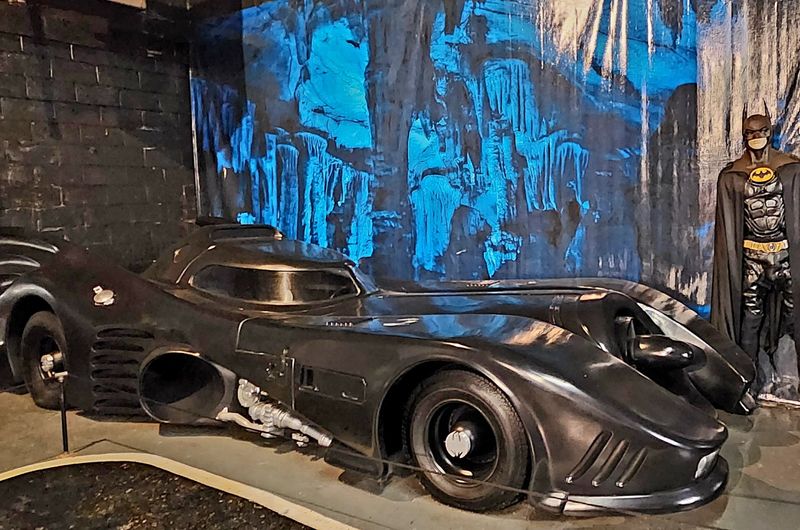
Every superhero needs a ride, but Batman’s got the most legendary set of wheels in comic book history. The Batmobile at Rusty’s doesn’t disappoint. Whether it’s modeled after the 1960s TV series version, the Tim Burton films, or the Christopher Nolan trilogy, seeing this vehicle up close reminds you why Batman remains the coolest hero in Gotham.
The jet-black finish absorbs light like it’s trying to disappear into the shadows. That’s fitting for a vigilante who works at night and strikes fear into criminals’ hearts. The sleek lines, aggressive styling, and those unmistakable bat-inspired design elements make this more sculpture than automobile.
Families with young kids who love the animated Batman series find this display particularly engaging. Parents who grew up with different versions of the character can explain how the Batmobile evolved over decades, from campy and colorful to dark and militaristic. It’s a history lesson disguised as entertainment.
The engineering behind any Batmobile is impressive when you stop to think about it. Creating a functional vehicle that also looks like something from a comic book requires serious automotive expertise and creative vision. The designers had to balance practicality with pure fantasy, making something that could actually drive while looking absolutely impossible.
Photography around the Batmobile takes a bit more patience because everyone wants their shot with it. But the museum’s layout gives you plenty of angles to work with. Try getting low for a dramatic upward shot that emphasizes the vehicle’s intimidating presence.
Staff members note that different age groups react differently to this car. Older visitors remember Adam West and Burt Ward fighting cartoon villains. Middle-aged fans recall Michael Keaton’s darker interpretation.
Younger guests know the Tumbler from the Nolan films. Somehow, this one display satisfies them all, proving Batman’s enduring appeal across generations and interpretations.
Lightning McQueen Races into Reality
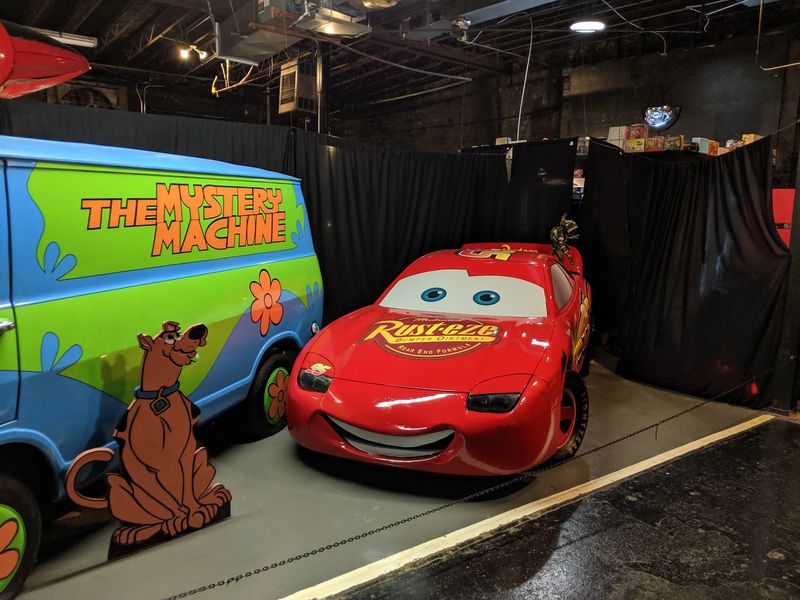
Bringing an animated character to life requires imagination and serious fabrication skills. Lightning McQueen sits in the museum looking exactly like he rolled off the screen and into Jackson, Tennessee. The bright red paint, the number 95, the Rust-eze sponsor logos, everything matches what kids recognize from the Pixar films that turned talking cars into a billion-dollar franchise.
Parents appreciate this display because it gives younger children something immediately recognizable. While mom and dad geek out over the Ghostbusters car or the Mystery Machine, little ones make a beeline for Lightning. The character’s friendly face and racing pedigree appeal to kids who’ve watched the movies dozens of times.
The craftsmanship on this build deserves recognition. Translating Pixar’s exaggerated cartoon proportions into a physical object that still looks right takes serious skill. The eyes on the windshield, the smile on the front bumper, all those anthropomorphic details that make Lightning a character instead of just a car, they’re all there.
What’s interesting is how this modern addition to the collection holds its own against classic TV and movie cars from decades past. Cars came out in 2006, making it one of the newer properties represented at Rusty’s. Yet it’s already achieved classic status in many families’ minds, proof that great characters transcend their medium.
The museum’s decision to include animated movie cars alongside live-action vehicles shows smart curation. It acknowledges that for today’s kids, Lightning McQueen is just as real and important as the Batmobile was to their parents. Both represent childhood heroes, just from different eras and different types of storytelling.
Visitors often comment on the photo opportunities this car provides. Kids can stand next to their hero, and parents can capture genuine excitement on their children’s faces. Those candid shots of pure joy make the admission price feel like the bargain it actually is.
General Lee Jumps Off the Screen
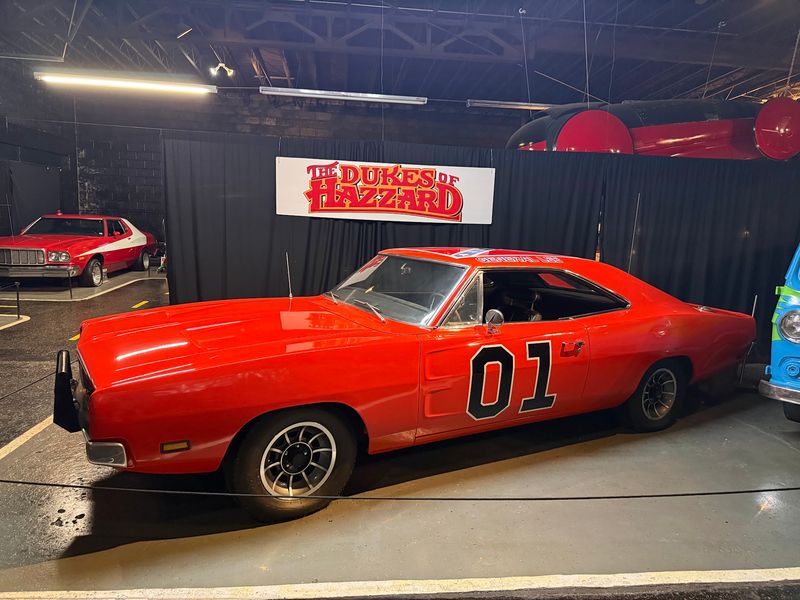
That bright orange Dodge Charger with the distinctive horn needs no introduction if you grew up watching The Dukes of Hazzard. The General Lee represents a specific slice of American television history, when car chases and good ol’ boys outsmarting corrupt officials made for Friday night entertainment. Love it or have complicated feelings about it, this car remains one of the most recognized vehicles in TV history.
The 1969 Charger’s muscle car lines look aggressive even standing still. Dodge built these vehicles for power and speed, which made them perfect for the show’s endless jumps, slides, and narrow escapes. Seeing one preserved in museum condition, without mud splattered on the sides or damage from landing hard after a jump, shows what a beautiful machine this was underneath all that action.
Rusty’s inclusion of the General Lee acknowledges its cultural impact while letting visitors make their own judgments. The museum presents it as a piece of television history, part of a show that millions watched religiously. Whether you focus on the car’s automotive excellence or the show’s controversial symbolism depends on your perspective and personal values.
Car enthusiasts appreciate the Charger regardless of its TV fame. This model year represents peak muscle car era, when American manufacturers prioritized horsepower and attitude over fuel efficiency and safety. The engine under that hood could really move, which is why the show’s producers chose it for all those wild stunts.
Many visitors share memories of watching the show with parents or grandparents. Those shared viewing experiences created bonds and traditions that lasted beyond the show’s run. Seeing the General Lee in person triggers those nostalgic feelings, reminding people of simpler times and family togetherness.
The bright orange paint job was actually a practical choice for filming. It made the car easy to spot during action sequences and created instant brand recognition. That visibility turned the General Lee into merchandise gold and a pop culture icon that transcended the show itself.
KITT Brings Knight Rider Technology
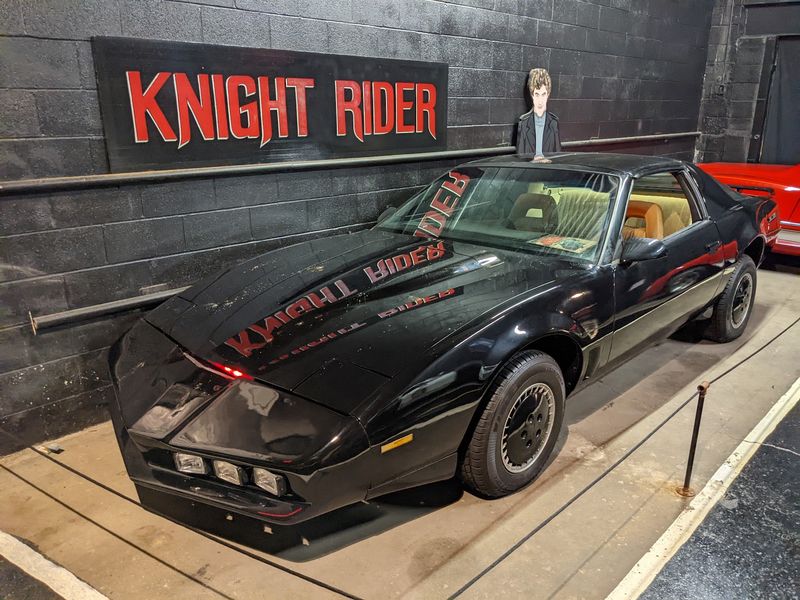
Before smartphones and AI assistants, there was KITT. The Knight Industries Two Thousand represented cutting-edge technology in the 1980s, a talking car that could think, drive itself, and help David Hasselhoff fight crime. That sleek black Pontiac Firebird Trans Am with the scanning red light bar across the front became instantly iconic when Knight Rider premiered.
The Trans Am’s wedge-shaped design epitomized 1980s automotive styling. Sharp angles, pop-up headlights, and that distinctive front end made it look futuristic even without the show’s fictional tech additions. Pontiac built a genuinely cool car, and Knight Rider turned it into a television legend.
What’s fascinating about KITT is how the show’s vision of artificial intelligence compares to what we have today. The car could talk, analyze situations, and make decisions, all things that seemed like pure science fiction in 1982. Now we actually have self-driving cars and voice-activated assistants, making KITT feel less like fantasy and more like prophecy.
The red scanner light remains KITT’s most recognizable feature. That simple back-and-forth sweep across the front bumper suggested complex computer processing happening inside. It was a brilliant visual shorthand that told viewers this wasn’t just any Trans Am, it was something special and technologically advanced.
Visitors who watched Knight Rider during its original run get particularly nostalgic around this display. The show represented optimistic 1980s attitudes about technology and justice, when problems could be solved with the right gadgets and good intentions. Simpler times, maybe, but the memories attached to them remain powerful.
The condition of this vehicle impresses car people and casual visitors alike. The black paint shines like glass, the body lines are crisp and clean, and everything about it screams quality preservation. Rusty clearly understands that these aren’t just old cars, they’re cultural artifacts that deserve respect and proper care.
KITT proves that sometimes the co-star steals the show. David Hasselhoff was the human lead, but the car got just as much fan mail and attention.
The A-Team Van Means Business
If you’ve got a problem, if no one else can help, and if you can find them, maybe you can hire the A-Team. And when they show up, they’re rolling in this bad boy. The black GMC van with the distinctive red stripe and rear spoiler became as much a character on the show as Mr. T or George Peppard.
Custom vans were huge in the 1980s, but the A-Team van took the concept to another level. The modifications weren’t just cosmetic. The show depicted it as a mobile headquarters where the team could plan missions, store weapons, and make quick getaways.
Functionality met style in a way that perfectly captured the era’s love of personalized vehicles.
The gray interior with its bench seats and custom details gave the team space to strategize between action sequences. TV viewers got glimpses inside during episodes, but standing next to the actual van at Rusty’s lets you appreciate the size and presence it commands. This thing is bigger than you remember from watching it on your old television set.
Kids today discovering the A-Team through streaming services get just as excited about this van as their parents did watching first-run episodes. The show’s blend of action, humor, and that iconic theme music has aged surprisingly well. The van represents the team’s unity and their outsider status, soldiers of fortune helping people who had nowhere else to turn.
The red stripe running along the side provides just enough color to break up all that black without being flashy. It’s a masculine, no-nonsense design that matches the show’s tone perfectly. These guys weren’t trying to be subtle or blend in, they were making a statement everywhere they drove.
Gabe and other staff members note that this van generates lots of questions from visitors. People want to know if it’s screen-used or a replica, what modifications were made, and whether it actually drives. That curiosity shows how effectively the A-Team van embedded itself in pop culture consciousness during the show’s five-season run.
Starsky and Hutch Ford Gran Torino
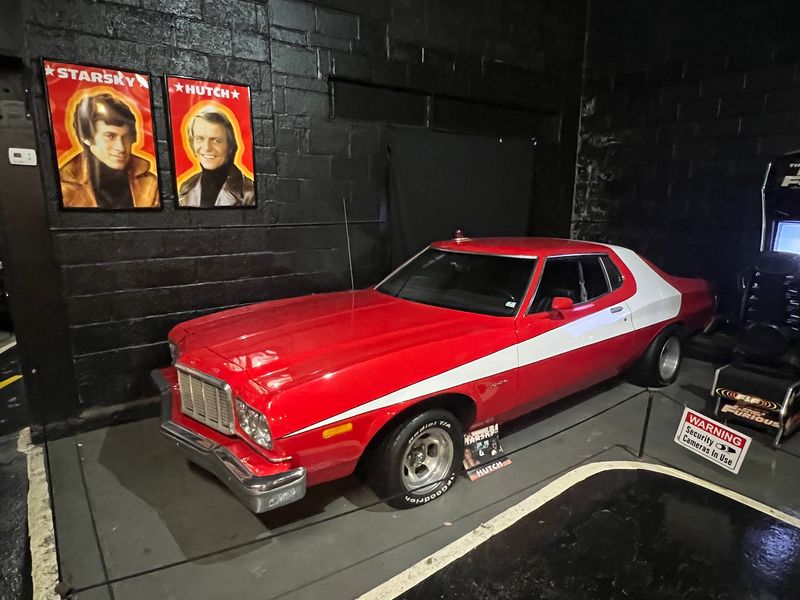
That red Ford Gran Torino with the bold white stripe down the side screams 1970s cool. Starsky and Hutch made this car famous while playing tough detectives cleaning up the streets of fictional Bay City. The show ran from 1975 to 1979, and that Torino became as recognizable as the lead actors’ permed hair and leather jackets.
Ford’s Gran Torino was a solid mid-size car, but it wasn’t particularly special until Starsky started driving it. The show’s producers chose well. That bright red paint job with the dramatic white vector stripe made it impossible to miss during chase scenes.
It stood out in every frame, which helped viewers follow the action during the show’s many car-heavy sequences.
The two-door coupe’s lines represent 1970s American automotive design at its most characteristic. These cars were built big and heavy, prioritizing comfort and style over fuel efficiency. The energy crisis would soon change Detroit’s approach, but for a few years, vehicles like this Torino ruled the roads.
Seeing this car at Rusty’s triggers memories of a grittier kind of cop show than what came before. Starsky and Hutch dealt with serious crimes and social issues while maintaining enough humor and buddy-cop chemistry to keep things entertaining. The Torino was their reliable partner through it all, always ready for another high-speed pursuit.
The white stripe’s bold design choice reflected the era’s love of graphics and visual impact. Subtle wasn’t in the 1970s vocabulary when it came to custom paint jobs. Cars were canvases for personal expression, and this Torino expressed confidence and attitude with every mile it drove.
Visitors often compare this to other TV cop cars they remember. The Torino holds its own against KITT, the General Lee, and other law enforcement vehicles that became stars in their own right. Each represents its era’s approach to action television and automotive style.
The preservation quality on this vehicle shows Rusty’s commitment to maintaining these pieces of television history properly. The paint gleams, the chrome shines, and everything looks ready for another episode.
Barbie’s Dream Car Photo Op
Rusty’s knows how to have fun with its displays. The Barbie car setup includes an actual life-size Barbie box that visitors can step into for photos. It’s pure Instagram gold and a clever addition that appeals to a demographic that might not typically visit car museums.
The bright pink convertible sits nearby, representing decades of Barbie’s automotive adventures.
Barbie has driven everything from corvettes to campers over her 60-plus year existence. The car at Rusty’s captures that signature pink aesthetic that’s become synonymous with the brand. Whether you’re a longtime collector or you just watched the recent Greta Gerwig film, this display offers something fun and different from the action movie vehicles dominating the rest of the museum.
The photo booth aspect transforms this from a passive viewing experience into interactive entertainment. Visitors can pose inside the oversized Barbie packaging, creating memories and social media content that extends the museum’s reach far beyond Jackson, Tennessee. Smart marketing meets genuine fun in a way that enhances the overall visit.
Kids absolutely love this setup. Little girls who brought their Barbie dolls in the car get to see a life-size version of what they play with at home. That connection between toy and reality creates magical moments that parents are happy to capture on camera.
The museum provides the backdrop, families provide the joy.
The pink car itself showcases automotive design translated through a toy lens. Everything is softer, rounder, and more whimsical than real convertibles. It’s fantasy transportation, suggesting a world where cars are fashion accessories and every drive is an adventure to somewhere fabulous.
That optimistic spirit resonates regardless of age.
This display proves Rusty’s isn’t stuck in one era or genre. By including something as contemporary and pop-culture-relevant as Barbie alongside classic TV cars, the museum stays fresh and appealing to multiple generations visiting together. Grandparents, parents, and kids all find something that speaks to their experiences and memories.
Authentic Screen-Used Vehicles
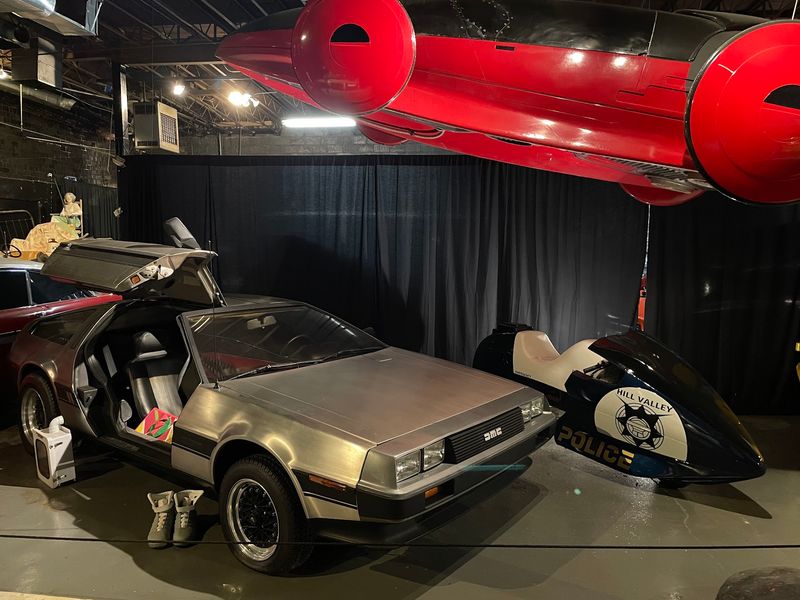
What separates Rusty’s from other car museums is the authenticity factor. Many vehicles in the collection are actual screen-used originals that appeared in the movies and shows you watched. These aren’t always replicas or tribute builds.
These are the real deals, the cars that actors drove, that cameras filmed, that appeared on your television or movie screen.
The QR codes placed throughout the museum provide detailed information about each vehicle’s history and provenance. Scan them with your phone and you’ll learn which cars are authentic, which are faithful recreations, and the stories behind how they came to Jackson. That transparency and educational component adds depth to what could otherwise be just a visual experience.
Collectors and car enthusiasts particularly appreciate the authentic vehicles. Knowing you’re standing next to something that was actually on a Hollywood set creates a tangible connection to entertainment history. These cars have stories beyond their fictional uses.
They were transported, maintained, sometimes damaged and repaired, living lives as working props in the film industry.
The mix of authentic and replica vehicles makes the museum accessible to more budgets and acquisition opportunities. Screen-used originals can be incredibly expensive and rare. By including high-quality replicas alongside the real things, Rusty’s can offer a more complete representation of TV and movie car history without breaking the bank.
Staff members like Gabe know which vehicles are which and they’re happy to share that information. Their knowledge enhances the visit significantly. Instead of just looking at cool cars, you’re learning about Hollywood history, automotive modification, and the behind-the-scenes work that brings fictional vehicles to life.
The condition of every vehicle, authentic or replica, reflects serious care and maintenance. Nothing looks neglected or poorly preserved. That attention to detail shows respect for the collection and ensures visitors get the best possible experience.
These cars are presented as the treasures they are, not just old vehicles gathering dust.
This commitment to authenticity and quality makes Rusty’s a legitimate destination for serious car people, not just a tourist trap trading on nostalgia.
Affordable Family Entertainment
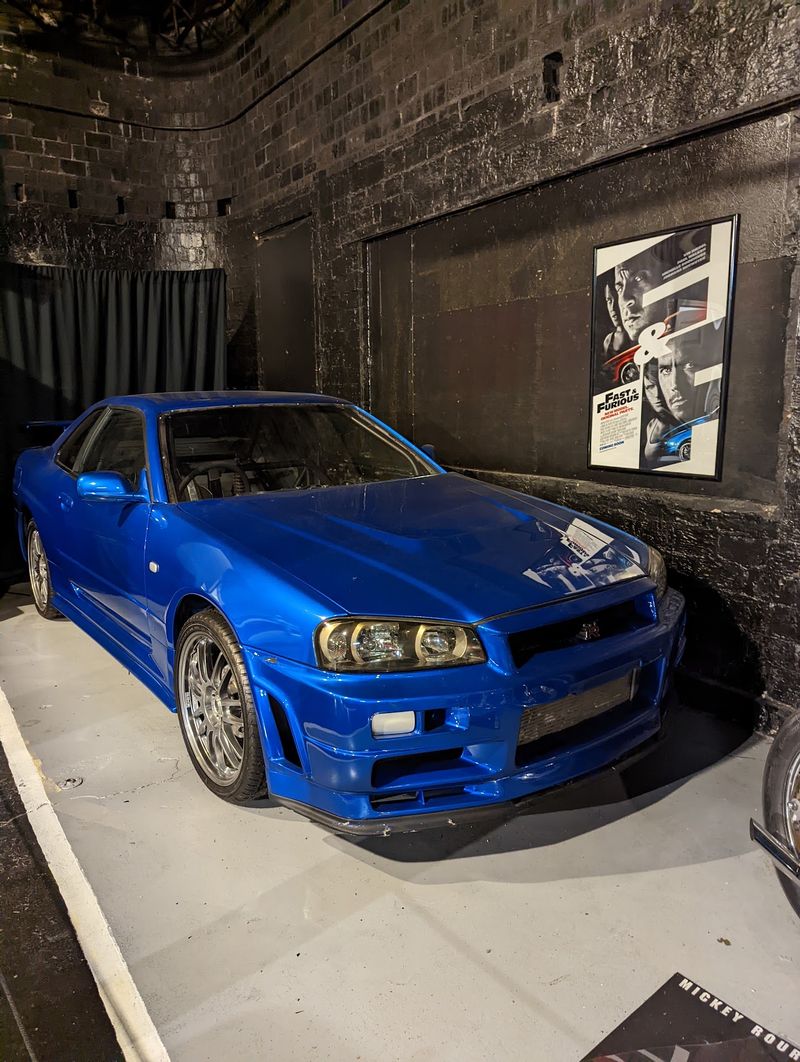
Ten dollars for adults. That’s it. In an era when theme parks charge triple digits and even basic attractions nickel-and-dime you to death, Rusty’s keeps admission remarkably affordable.
A family of four can experience the entire museum for around twenty-five bucks, making it accessible to people who might otherwise skip it due to budget concerns.
The value proposition here is outstanding. You’re not getting a rushed five-minute experience. Most visitors spend an hour to ninety minutes exploring both buildings, taking photos, reading information, and soaking in the nostalgia.
That’s quality entertainment time that doesn’t require taking out a loan or maxing out credit cards.
The museum’s location between Memphis and Nashville makes it a perfect road trip stop. Families driving between the two cities can break up the journey with something fun and different. The easy access and convenient parking mean you’re not dealing with the hassle factor that sometimes accompanies tourist attractions in bigger cities.
Staff consistently receives praise for being friendly, knowledgeable, and welcoming. They’re not pushy or trying to upsell you on overpriced merchandise. They genuinely seem to enjoy sharing the collection with visitors and answering questions.
That positive energy contributes significantly to the overall experience and keeps people recommending the museum to others.
The facility is handicap accessible and stroller-friendly, removing barriers that prevent some families from enjoying attractions together. The spacious layout means you’re not cramped or fighting crowds even when other visitors are present. Everything feels comfortable and well-designed for actual human use rather than just looking good in promotional photos.
Reviews consistently mention how the museum exceeded expectations. People arrive thinking it might be a small, quirky roadside attraction and leave genuinely impressed by the collection’s size and quality. That positive surprise factor creates enthusiastic word-of-mouth marketing that money can’t buy.
In a world where everything seems designed to extract maximum dollars from your wallet, Rusty’s feels refreshingly honest. Fair pricing, quality exhibits, friendly service, and genuine passion for the subject matter. That’s a combination that keeps people coming back and telling friends to visit.
Share this story