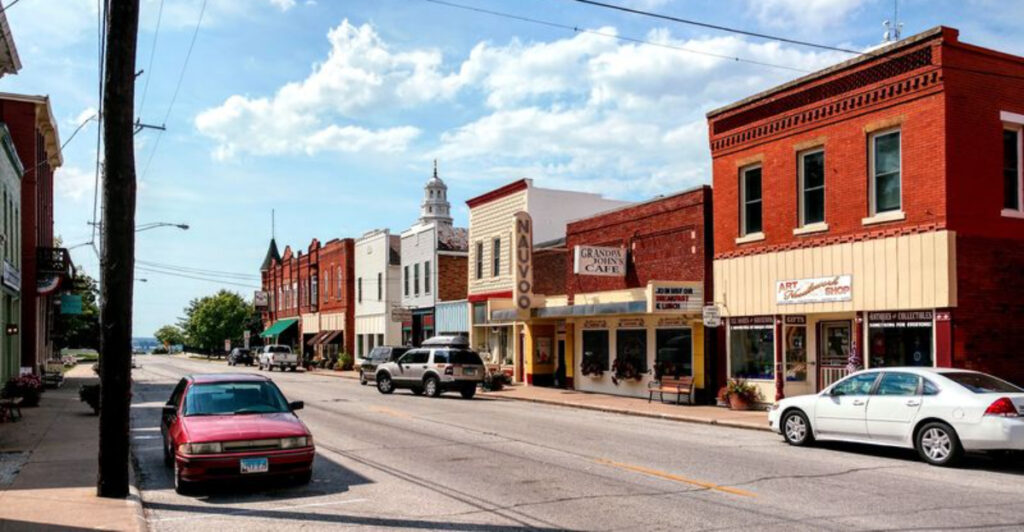
The Mississippi seems to set the pace in Nauvoo, where wide river views and quiet streets make hurrying feel strangely unnecessary. This western Illinois town surrounds visitors with historic buildings, leafy spaces, and reminders of a past that remains unusually visible in everyday life.
An afternoon can unfold without much of an itinerary: wander between landmarks, pause near the water, and notice architectural details that would be easy to miss at highway speed. There is plenty of history to explore, but the slower rhythm may be what stays with you longest. Nauvoo makes doing less feel like the whole point of the trip.
Where the Mississippi Sets the Pace
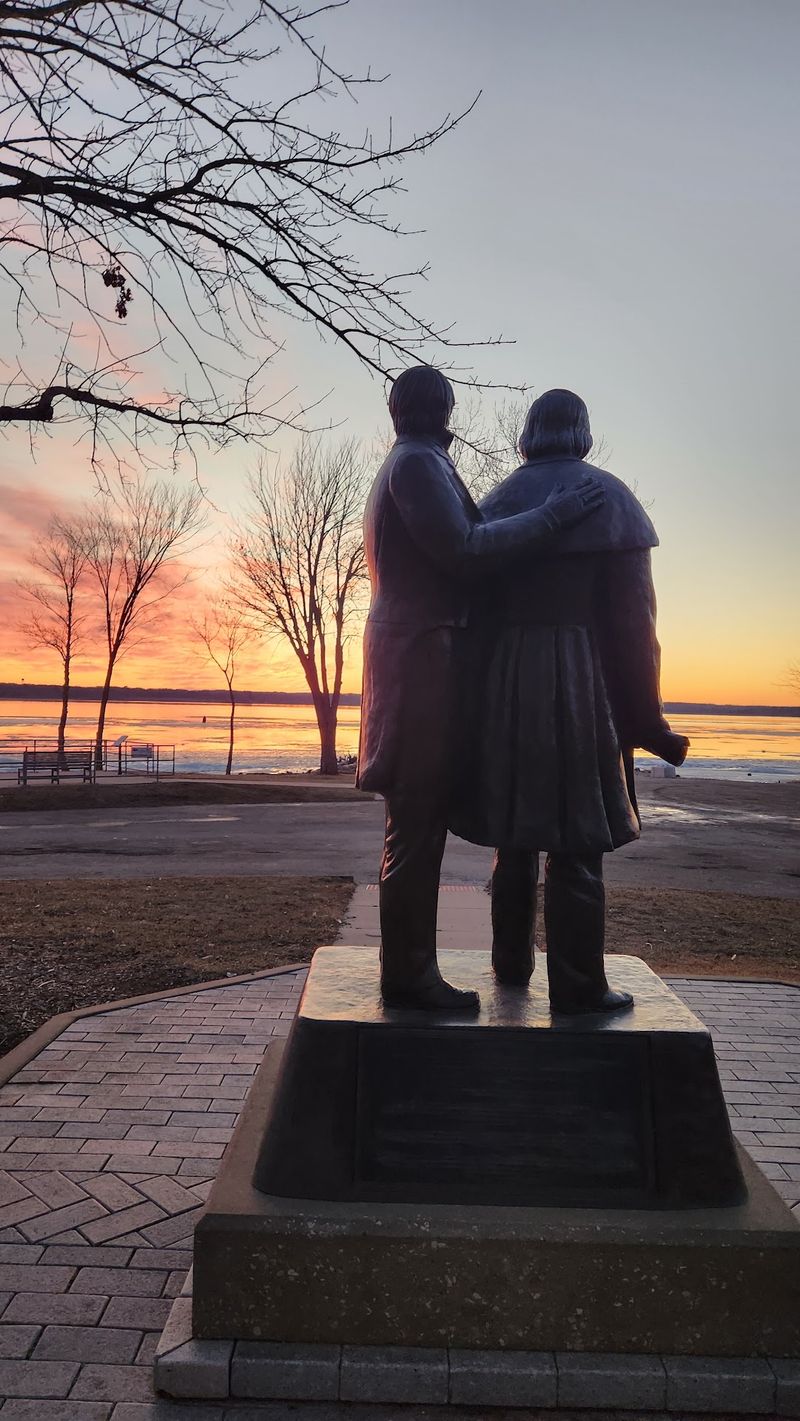
Long before a museum door opens or a historic street comes into view, the river starts shaping the mood. Nauvoo sits high enough to offer broad looks over the Mississippi, and those wide stretches of water make everything around them seem quieter.
Even on a normal day, the landscape encourages slower steps, longer glances, and fewer reasons to check the clock. The setting does much of the work.
Bluffs, open sky, and the river’s bend give the town a spacious feeling that is very different from busier Illinois destinations. Instead of traffic noise and crowded blocks, there is often a mix of birdsong, wind in the trees, and the distant movement of boats.
That calm is not dramatic in a flashy way. It arrives through simple details, like sunlight moving across the water, a patch of shade near a bench, or the view at the end of a street that suddenly opens toward the river. Families can pause without planning a big activity, and solo travelers can enjoy a place that does not demand constant motion.
Nauvoo works especially well for anyone who likes scenery with a purpose. The Mississippi is not just background here. It explains why the town developed where it did, why the views feel so expansive, and why the community still carries a strong sense of place.
For the best experience, start near the edge of town and simply look outward before heading to the historic core. That first quiet moment helps the rest of Nauvoo make sense. The town is easier to appreciate when the river has already slowed your pace.
By the time the light changes and the breeze picks up, the appeal becomes clear. Nauvoo does not rush to impress. It lets the landscape speak first, and that is a smart introduction.
Brick Streets and 1840s Corners
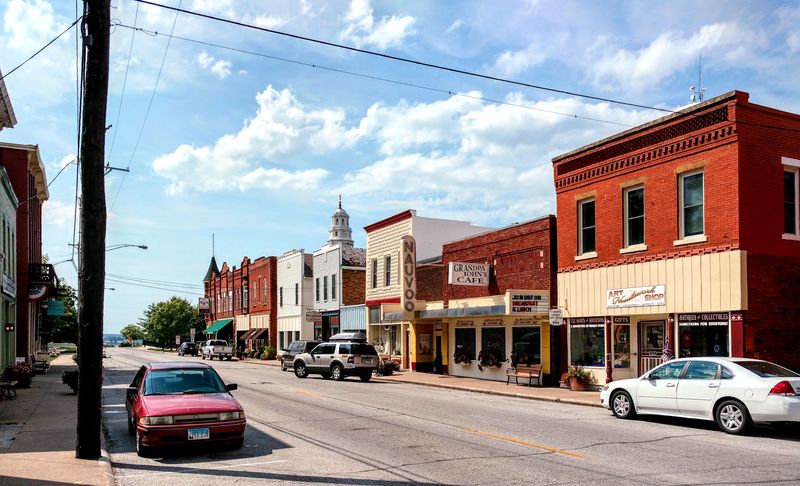
A turn into Nauvoo’s older streets brings a different kind of time travel, one built from ordinary materials. Brick walkways, modest homes, old-style storefronts, and neat yards create a townscape that looks carefully preserved without feeling stiff. The effect is immediate, but it grows stronger the longer you walk.
Much of Nauvoo’s charm comes from scale. Buildings are low, blocks are manageable, and many details sit close enough to notice without effort. Window trim, porches, gardens, and weathered textures all reward a slower pace, which is one reason the town suits wandering better than rushing.
Historic places can sometimes feel distant, as if they belong behind rope lines and glass. Nauvoo is more approachable than that. The layout encourages movement between sites, so the story of the town unfolds outdoors as much as it does inside any single building.
That rhythm matters for families and casual travelers. A child can notice a wagon wheel, an old fence, or a brick path and stay interested without needing a long lecture. Adults who enjoy architecture or local history can appreciate how the streets connect one scene to the next, almost like pages in a quiet picture book.
Comfortable shoes are the best tool here. The most rewarding way to explore is to leave extra time between destinations and let side streets do part of the planning.
Some of the nicest moments come from stopping at a corner, turning around, and seeing how trees, simple homes, and historic structures line up together.
Nauvoo’s older district succeeds because it does not rely on one giant landmark alone. The appeal is cumulative. One brick street leads to another, one restored building leads to the next, and before long the whole town begins to read as a lived-in piece of history.
The Landmark Hilltop That Shapes Nauvoo, Illinois

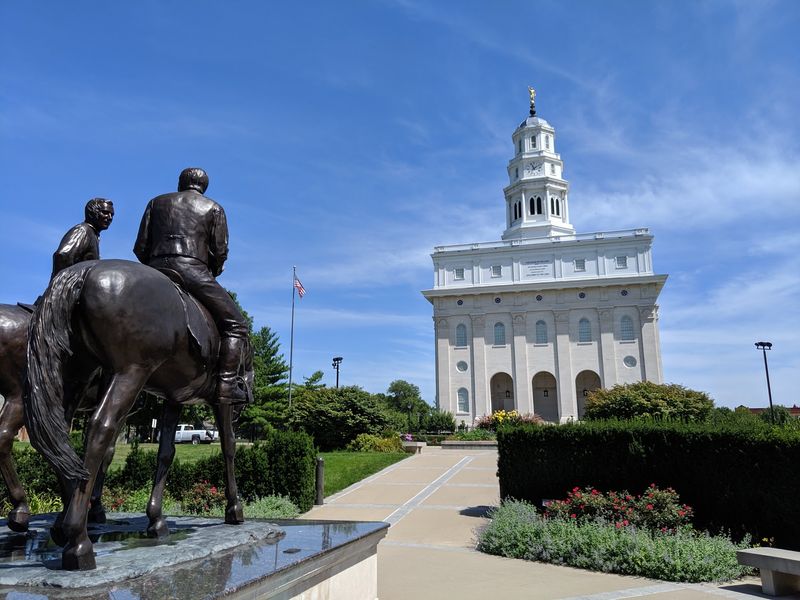
Every memorable small town has a visual anchor, and in Nauvoo the hilltop skyline plays that role. Rising above the surrounding streets, the temple area draws the eye from different points around town and helps organize the landscape. Even travelers who arrive for the broader history quickly notice how strongly that profile defines Nauvoo’s look.
The importance of the site is partly architectural and partly geographic. Because it stands high, it works almost like a compass point while walking or driving through town.
One moment you are studying a quiet residential street, and the next the view lifts upward to a landmark that ties the whole setting together.
There is also a useful contrast here. Down below, many buildings feel domestic and grounded, with modest proportions and close-up details. Above them, the larger structure creates a sense of ceremony and scale, adding drama without overpowering the town’s calm character.
Visitors do not need to approach the area in a hurry. It is better to notice how the landmark appears and disappears between trees, rooftops, and open spaces. That back-and-forth creates some of Nauvoo’s best visual moments, especially in softer morning or evening light when the town seems even more measured and still.
Photographers and casual sightseers alike should give themselves time to view the hilltop from several angles. A distant look can be just as rewarding as a close one because it shows how the landmark fits into the wider town. The surrounding streets, lawns, and historical buildings become part of the composition.
Seen this way, the skyline is more than a postcard image. It is part of how Nauvoo tells its story in plain view. The town’s layout, history, and pace all come together in that upward glance.
Living History Without the Rush
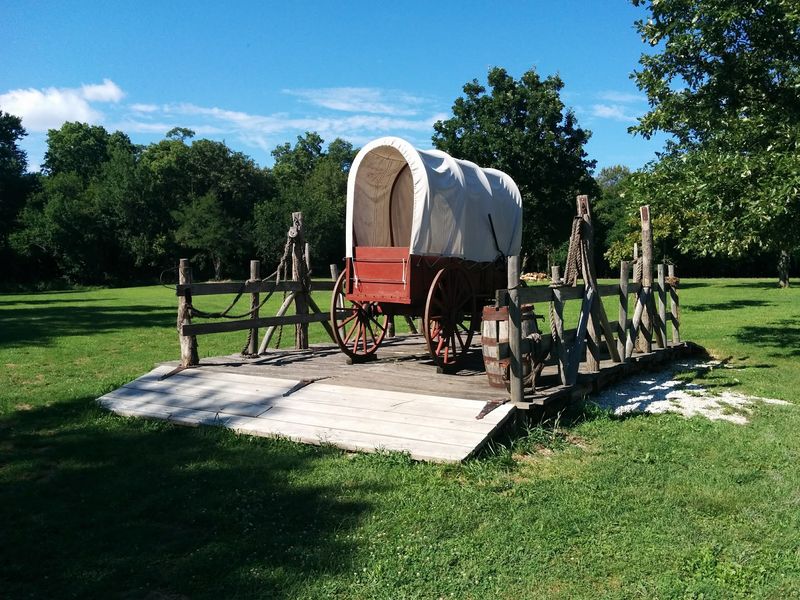
Some historic towns ask visitors to stand back and observe, but Nauvoo is often at its best when history becomes part of the day-to-day scene. Restored homes, workshops, and community spaces help the past feel practical instead of distant. Rather than one giant exhibit, the town offers many smaller encounters that are easier to absorb.
That approach changes the mood of a visit. Instead of racing to see the most famous site and leaving, travelers can move in short stretches, stopping where curiosity pulls them.
One place may highlight craftsmanship, another domestic life, and another the religious and civic story that shaped the community in the 1840s.
The scale helps younger visitors stay engaged. A simple room, a garden plot, or an old tool can spark more interest than a long wall of text. Adults benefit too, because the experience feels less like homework and more like stepping into the structure of a working town.
Nauvoo also gains from its setting outdoors. Paths between sites matter almost as much as the interiors because they show how the community was laid out. Walking from one stop to the next turns history into a physical experience measured by blocks, slopes, porches, and open spaces rather than by chapter headings.
A good strategy is to pick a few places and leave breathing room between them. That keeps the day from becoming overloaded and gives time to notice details that are easy to miss, such as garden beds, fences, alley views, or the way a workshop sits beside a home. Even a short pause on a bench can reset your attention.
The strongest part of Nauvoo’s history scene is its human scale. It does not depend on spectacle. By breaking the past into understandable spaces and walkable distances, the town makes earlier lives easier to picture.
Small Shops, Sweet Stops, and Everyday Pleasures
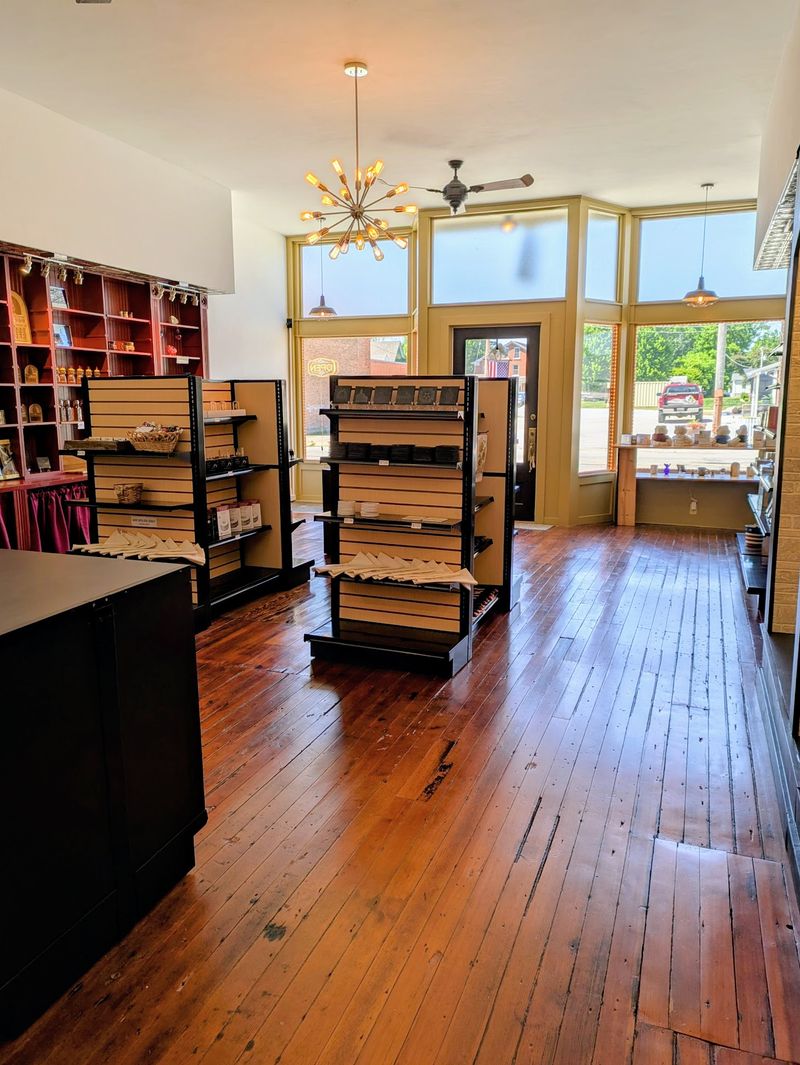
Not every reason to enjoy Nauvoo comes from history books or river views. A big part of the town’s easy appeal is found in the ordinary pleasures that make an afternoon feel full without becoming busy. Small shops, snack stops, and low-key places to sit add warmth between the larger sights.
In a town like this, the scale changes how shopping feels. Instead of long commercial strips and endless parking lots, errands and browsing happen on a friendlier level. A storefront window, a shelf of local goods, or the smell of baked treats can pull attention in a way that suits Nauvoo’s slower tempo.
That matters for travelers who want breaks built into the day. A stop for a cold drink, a simple lunch, or a sweet treat gives structure to a walking visit without turning it into a checklist. It also keeps the town from feeling like a museum set, because daily commerce still plays a visible role in the streetscape.
Nauvoo is especially appealing for multigenerational trips because these softer stops help bridge different interests. One person may care most about historic landmarks, while another just wants a relaxed place to browse and snack. In a compact town, both experiences can happen naturally without splitting up the group for long.
The smart move is to stay flexible. Rather than scheduling every meal tightly, leave room to stop where the timing feels right. Midday is a good moment to recharge, and a shorter break can turn the second half of a visit into a much better walk.
These everyday pleasures round out Nauvoo’s personality. The town is not only about formal sites and big views. It is also about the easy comfort of finding a small treat, a useful shop, and a quiet place to watch the street for a while.
How to Spend a Slow Afternoon Here
Plenty of destinations demand a strict plan, but Nauvoo is better with a loose one. The town rewards an unhurried afternoon built around walking, looking, and leaving room for detours. That approach fits the place because the best moments are often small, visual, and easy to miss when the day is packed too tightly.
Start with a broad view if possible. Seeing the river or the town from a slightly higher point helps orient the visit and sets the pace. After that, moving into the historic area on foot makes more sense than hopping constantly from spot to spot by car.
A smart route mixes formal stops with empty time. Spend a while at a key landmark, then follow it with a simple walk along a quieter street or a pause in a shady area. That rhythm keeps attention fresh and makes the town’s details feel connected instead of isolated.
Families can benefit from thinking in short segments. Children often enjoy places more when there is variety, so alternating a historical stop with a snack break, a scenic overlook, or a patch of open space can keep energy steady. Adults get the same advantage, especially on warm days when too much back-to-back sightseeing starts to blur together.
Light, weather, and season also shape the experience. Mornings and later afternoons tend to be gentler for walking, while midday can be a good time for a meal or indoor stop. Comfortable shoes, water, and a little patience go a long way in a town where the reward is not speed but observation.
By the end of a slow afternoon, Nauvoo often feels more complete than places with bigger attractions. The town does not need a packed agenda to work well. Its streets, views, and steady pace already provide the structure.
When to Go and Why the Quiet Matters

Timing changes almost every small-town trip, and Nauvoo is a strong example of that rule. Because so much of the experience depends on walking, scenery, and noticing details, the best visit often comes when there is enough calm to take everything in.
Quiet is not a side benefit here. It is part of the destination. Spring through fall generally offers the easiest conditions for seeing the town on foot.
Trees fill out, gardens and lawns add color, and the river setting shows more of its charm when the weather invites longer outdoor stretches. Cooler days can be especially pleasant because they encourage lingering without the fatigue that heavy heat can bring.
Weekday visits often provide a gentler rhythm than busier weekends. Streets feel roomier, parking tends to be simpler, and pauses between stops become more relaxing when there is less traffic around. Travelers who prefer photos, careful browsing, or uninterrupted walks may appreciate that extra breathing room.
There is also value in arriving with realistic expectations. Nauvoo is not built for high-speed entertainment or nonstop nightlife. It is better suited to readers, walkers, history fans, families with flexible plans, and anyone who enjoys a town that reveals itself slowly through setting and structure.
Pack for movement rather than formality. Good shoes, a water bottle, and weather-friendly layers matter more than a packed itinerary. If time allows, staying long enough for both daylight views and softer evening light can show two different sides of the same streets.
That practical simplicity is a big reason Nauvoo stands out. The town asks for attention, not elaborate planning. Choose a comfortable season, leave room in the day, and let the quiet do its work.
Why Simpler Living Still Makes Sense Here

Some towns impress with size, noise, or a long list of major attractions. Nauvoo takes a different route. Its strength comes from how naturally the place brings together landscape, history, walkability, and everyday calm, creating a setting where simpler living does not seem old-fashioned at all.
The town’s layout helps explain that effect. Important sites are close enough to connect on foot, streets often feel manageable instead of overwhelming, and the river remains a constant reminder that open space still matters. Nothing about the experience requires rushing, which is increasingly rare in travel.
Nauvoo also shows that simplicity can be layered rather than plain. A visit might include a meaningful historical stop, a scenic overlook, a quiet bench, and a snack in a local shop, all within the same easy stretch of time. That mix gives the town enough substance to stay interesting while keeping the day clear and uncluttered.
There is a lesson in that balance. Many travelers chase places with the most options, then end up spending half the day navigating lines, traffic, and decisions. Nauvoo offers a gentler model, where fewer distractions create more room to notice architecture, weather, conversation, and the shape of the land.
That is why the town appeals to more than one type of visitor. History lovers can focus deeply, families can keep the day flexible, and anyone feeling worn down by busier destinations can settle into a steadier rhythm. The place meets people where they are instead of pushing them into a fixed pace.
By the time evening light softens the streets, the title starts to make perfect sense. In Nauvoo, life appears more manageable not because the world disappears, but because the town makes space for attention, patience, and plain old breathing room.