Memphis has a reputation for world-class music and mouthwatering barbecue, but you don’t need to empty your wallet to experience the magic of this riverside city. From peaceful gardens to iconic riverside trails, Memphis offers countless ways to explore its culture, history, and natural beauty without spending a dime. Whether you’re a local looking for a budget-friendly weekend or a visitor wanting to stretch your travel dollars, these free attractions prove that the best things in life really are free.
1. Dixon Gallery & Gardens
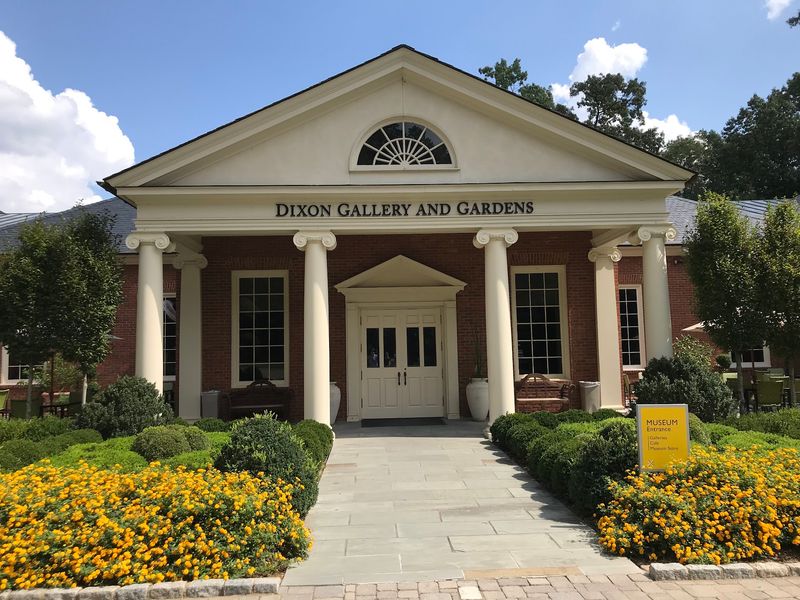
Art lovers and nature enthusiasts find their happy place at this cultural gem tucked into East Memphis. The Dixon Gallery & Gardens combines impressive art collections with 17 acres of stunning gardens that change with every season. Best of all, admission is free on Tuesdays, giving you full access to both the indoor galleries and outdoor landscapes.
The gardens themselves are worth the visit alone. Winding pathways lead you through formal English-style gardens, woodland areas, and seasonal displays that burst with color from spring bulbs to fall foliage. Sculptures dot the landscape, creating unexpected moments of discovery as you explore.
The peaceful atmosphere makes it perfect for a quiet morning walk or an afternoon spent sketching under the trees.
Inside the gallery, you’ll find an impressive collection of French and American Impressionist paintings, along with rotating exhibitions that showcase various artistic styles and periods. The intimate scale of the museum means you can appreciate the artwork without feeling rushed or overwhelmed. Free docent-led tours are often available to deepen your understanding of the collections.
Pack a picnic to enjoy on the grounds, or simply bring a book and find a shaded bench where you can spend a few hours surrounded by beauty. The gardens are meticulously maintained year-round, so there’s always something blooming or changing. Photography enthusiasts will find endless inspiration in the play of light through the trees and the carefully composed garden vistas that seem designed for the camera.
2. Tom Lee Park
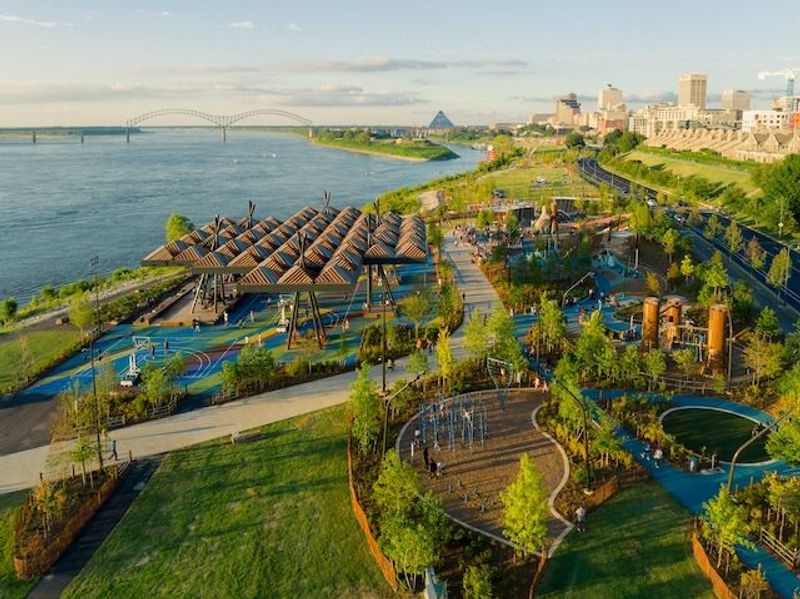
Stretching along the mighty Mississippi River for over a mile, Tom Lee Park serves as Memphis’s front porch to one of America’s most iconic waterways. Named after an African American river worker who heroically saved 32 passengers from a sinking steamboat in 1925, this expansive greenspace offers unobstructed views of the river and Arkansas beyond. The park recently underwent a major renovation, transforming it into a world-class public space that celebrates Memphis’s deep connection to the river.
The redesigned park features gently rolling hills, walking and biking paths, and plenty of open lawn perfect for flying kites, playing frisbee, or simply spreading out a blanket for an impromptu picnic. Shade structures and seating areas are scattered throughout, providing spots to rest and take in the scenery. The riverfront location means you’ll often spot massive barges slowly making their way up or down the Mississippi, a reminder of the river’s continuing importance to commerce and transportation.
Tom Lee Park hosts many of Memphis’s biggest free festivals and events throughout the year, including concerts and cultural celebrations that draw thousands. Even on quiet days, the park attracts joggers, cyclists, and families looking for wide-open space to play. Sunset here is particularly spectacular, as the sky lights up in brilliant oranges and pinks reflected in the river’s surface.
The park connects to the larger riverfront trail system, so you can easily extend your visit with a walk or bike ride north or south along the Mississippi. It’s a place where locals and visitors alike come to reconnect with the natural force that shaped Memphis’s entire history and identity.
3. Old Forest State Natural Area
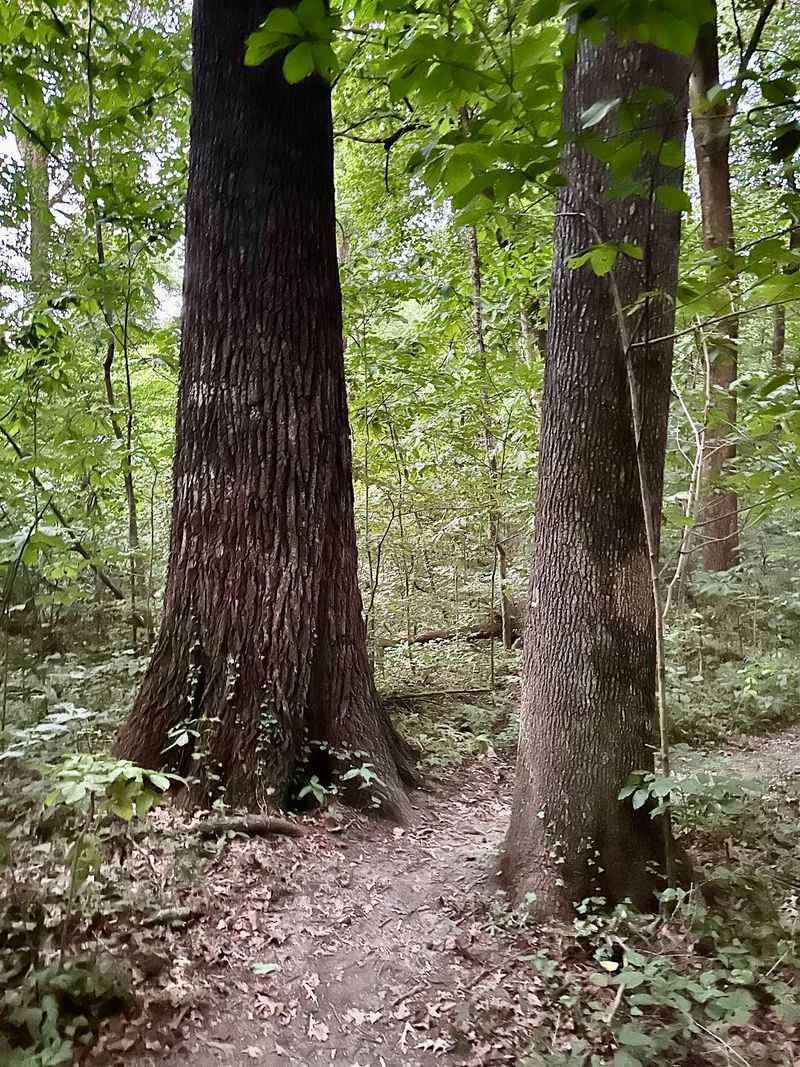
Right in the middle of Memphis, you’ll find something completely unexpected: a 126-acre tract of old-growth forest that has stood virtually unchanged for centuries. Old Forest State Natural Area preserves one of the last remaining pieces of the ancient hardwood forest that once covered the entire Mississippi River Valley. Walking these trails feels like stepping back in time to what Tennessee looked like before European settlement.
Massive oak, hickory, and sweetgum trees tower overhead, some over 200 years old, creating a cathedral-like canopy that filters sunlight into soft, dappled patterns on the forest floor. The ecosystem supports an incredible diversity of plant and animal life, including wildflowers that bloom in spring before the trees fully leaf out. Birdwatchers regularly spot woodpeckers, owls, and dozens of songbird species that make their homes in this protected habitat.
Several miles of natural-surface trails wind through the forest, ranging from easy strolls to slightly more challenging paths that navigate the gentle terrain. Interpretive signs along the way explain the forest’s ecology and history, helping visitors understand what makes this place so special. The forest stays cool even on hot summer days, making it a refreshing escape from Memphis’s heat and humidity.
Located within Overton Park, the Old Forest offers a stark contrast to the surrounding urban environment. You can literally walk from busy city streets into this quiet sanctuary in minutes. It’s a favorite spot for trail runners, nature photographers, and anyone seeking a moment of tranquility.
The forest demonstrates that wilderness and city life can coexist, providing essential green space that benefits both wildlife and people who need a natural retreat.
4. Greenbelt Park
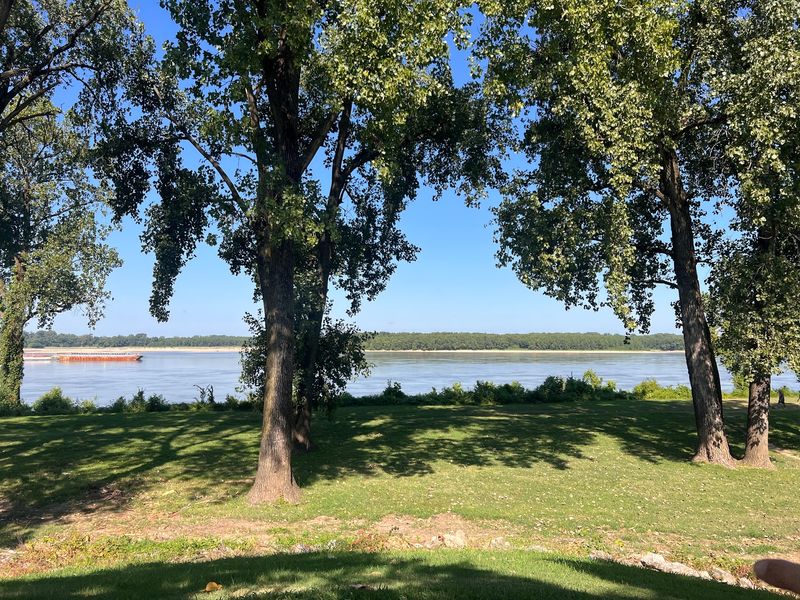
Families searching for a no-cost outdoor adventure will find exactly what they need at Greenbelt Park, a sprawling recreational area that delivers on its promise of accessible fun for all ages. This well-maintained park offers a little bit of everything: playgrounds for kids, walking trails for exercise enthusiasts, and wide-open fields perfect for impromptu soccer games or kite flying. The park’s design encourages active play and exploration without requiring any special equipment or fees.
The playground areas feature modern equipment suitable for toddlers through older children, with swings, climbing structures, and slides that keep young visitors entertained for hours. Parents appreciate the shaded seating areas nearby where they can supervise while enjoying a break. The park’s layout makes it easy to keep an eye on kids while they burn off energy in a safe, enclosed environment.
Walking and jogging trails loop through different sections of the park, offering options for short strolls or longer workouts. The paved paths are stroller and wheelchair accessible, making the park inclusive for visitors with different mobility needs. Along the way, you’ll pass through areas with mature trees that provide welcome shade and create a more natural, park-like atmosphere despite the urban setting.
Greenbelt Park serves as a community gathering place where neighbors meet for morning walks, families celebrate birthdays under the pavilions, and kids make new friends on the playground. The park’s amenities include restrooms, water fountains, and plenty of parking, removing common barriers that might prevent families from enjoying outdoor time together. On any given weekend, you’ll find the park buzzing with activity as Memphis residents take advantage of this free community resource that promotes health, play, and social connection.
5. Fourth Bluff Park
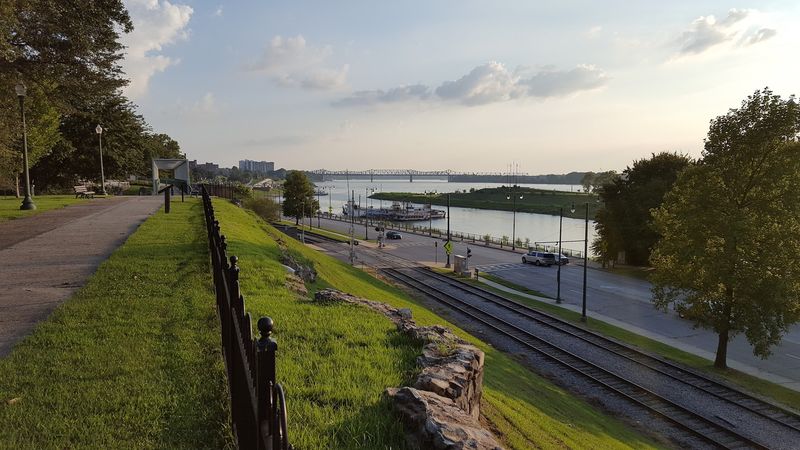
Perched on one of the four historic bluffs that give Memphis its distinctive topography, Fourth Bluff Park offers visitors a stunning vantage point over the Mississippi River and the flatlands of Arkansas stretching toward the horizon. This relatively new addition to Memphis’s park system has quickly become a favorite among photographers, couples seeking romantic sunset views, and anyone who appreciates a good overlook. The park proves that sometimes the best attractions are simply places that help you see familiar landscapes from a fresh perspective.
The park’s design maximizes the natural elevation advantage, with strategically placed viewing areas and seating that frame the river views perfectly. Information panels explain the geological and historical significance of the bluff system, helping visitors understand how these elevated ridges influenced Memphis’s development and protected early settlements from flooding. The educational component adds depth to what might otherwise be just a pretty view.
Walking paths meander through the park, connecting different overlook points and creating opportunities for a leisurely stroll with constantly changing scenery. Native plantings attract butterflies and birds, adding movement and life to the landscape. The park maintains a peaceful atmosphere that encourages quiet contemplation rather than active recreation, making it ideal for those seeking a moment of calm reflection.
Sunset at Fourth Bluff Park is truly magical, as the western sky erupts in color and the river below reflects the changing light. Many locals time their visits to catch this daily show, often bringing cameras to capture the spectacular views. The park also offers a unique perspective on Memphis’s relationship with the river, showing how the city rises above the water on these ancient bluffs that have shaped its character and destiny for generations.
6. Martyrs Park
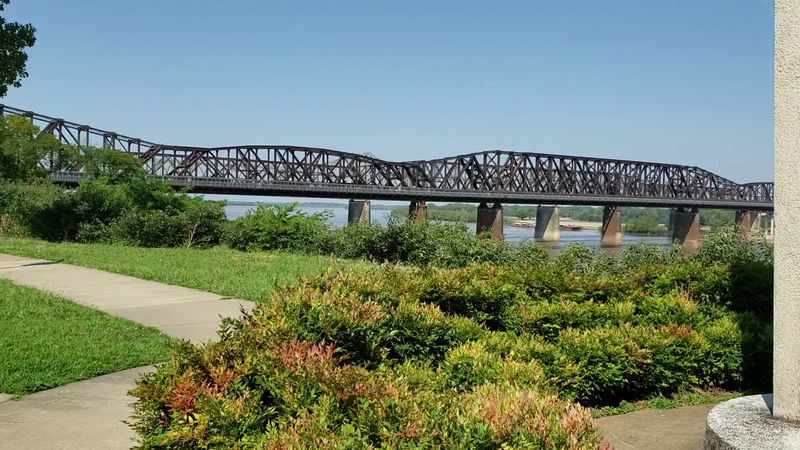
History whispers through the trees at Martyrs Park, a downtown greenspace that commemorates one of Memphis’s darkest chapters while providing a peaceful retreat in the heart of the city. The park honors the victims of the 1878 yellow fever epidemic that devastated Memphis, killing thousands and nearly destroying the city entirely. Today, this memorial park serves as both a place of remembrance and a quiet oasis where visitors can escape the bustle of downtown streets.
The park’s centerpiece is a monument dedicated to those who died during the epidemic, including the nurses, priests, and volunteers who stayed to care for the sick when many others fled. Reading the inscriptions and learning about this tragic period gives visitors a deeper appreciation for Memphis’s resilience and the courage of ordinary people who became heroes during an extraordinary crisis. The memorial provides important context for understanding the city’s history and character.
Mature oak trees provide generous shade, making Martyrs Park a comfortable spot even during Memphis’s hot summers. Benches scattered throughout invite visitors to sit and reflect, read a book, or simply enjoy a few moments of tranquility. The park’s compact size makes it perfect for a brief visit during a downtown walking tour or a lunch break for nearby office workers.
Despite its small footprint, Martyrs Park plays an important role in Memphis’s urban fabric, offering accessible green space in a densely developed area. The combination of historical significance and natural beauty creates a contemplative atmosphere that stands in stark contrast to the surrounding modern cityscape. It’s a reminder that parks serve multiple purposes: recreation, certainly, but also education, commemoration, and providing space for quiet reflection in our busy lives.
7. Mississippi River Park
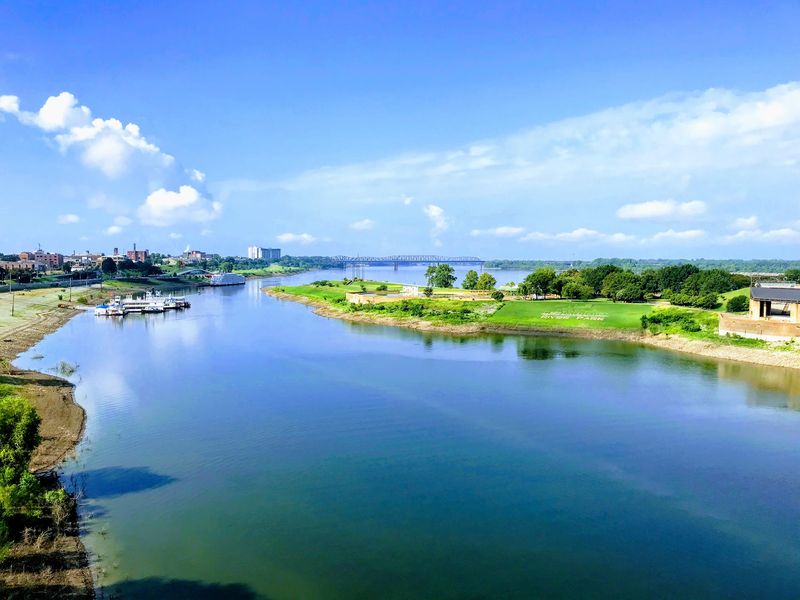
Where the mighty Mississippi flows past Memphis, Mississippi River Park creates an accessible connection between the city and the waterway that defines it. This linear park follows the river’s edge, offering visitors multiple access points to experience the power and beauty of North America’s greatest river system. Unlike more formal parks, this space embraces a more natural, less manicured aesthetic that honors the river’s wild character and ecological importance.
Walking or cycling along the riverfront trail, you’ll gain an intimate perspective on the Mississippi’s constant motion and impressive scale. Barges and towboats pass by, sometimes close enough to wave at the crew members guiding these massive vessels. The river’s mood changes with weather and season: sometimes calm and reflective, other times churning with muddy water during high flow periods.
Watching the river reminds you that you’re witnessing a natural force that has shaped continents and civilizations.
The park includes areas where you can get quite close to the water’s edge, though always with appropriate safety barriers. Interpretive signs explain the river’s ecology, its role in American history and commerce, and the ongoing efforts to balance human uses with environmental protection. You’ll learn about the diverse fish and bird species that depend on the river, and how the Mississippi connects Memphis to communities and ecosystems from Minnesota to the Gulf of Mexico.
Photographers find endless inspiration in the river’s changing light and the interplay between natural and industrial elements. The park’s informal nature means you might spot great blue herons fishing along the shore or turtles sunning on logs. It’s a place where Memphis’s urban energy meets the timeless rhythm of the river, creating a unique environment that belongs fully to neither city nor wilderness but draws character from both.
8. Crystal Shrine Grotto
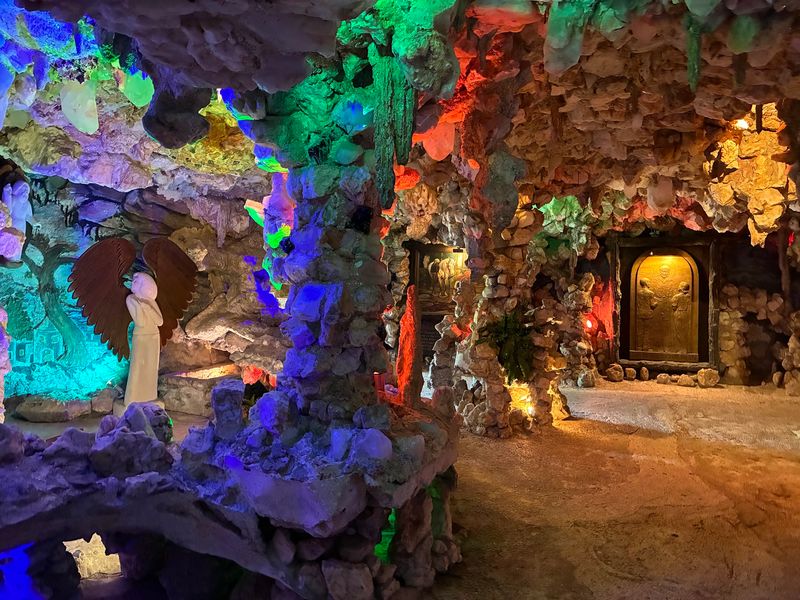
Hidden behind a funeral home in East Memphis lies one of the city’s most unusual and enchanting attractions: a hand-built grotto that looks like it belongs in a fairy tale rather than Tennessee. Created over several years by artist Dionicio Rodriguez in the 1930s, the Crystal Shrine Grotto is a masterpiece of artificial rock work that depicts scenes from the life of Christ. Rodriguez’s technique was so skillful that his faux stone looks remarkably natural, complete with realistic textures, colors, and even the appearance of geological layers.
As you enter the grotto through a cave-like opening, you’ll find yourself in a cool, dim space decorated with crystals that catch and reflect light in magical ways. The atmosphere is peaceful and contemplative, regardless of your religious beliefs. Each scene is carefully crafted with attention to detail that rewards close observation.
The grotto’s underground location and the play of light on the crystal formations create an otherworldly environment that feels far removed from the parking lot just steps away.
Rodriguez was a master of his craft, and the Crystal Shrine Grotto represents some of his finest work. He created similar installations across the United States, but few remain in such good condition. The grotto has been lovingly maintained and remains open to the public free of charge, a generous gift from the Memorial Park Funeral Home that owns the property.
Visitors of all backgrounds appreciate the artistry and the serene atmosphere.
Photography inside the grotto is allowed and encouraged, though the dim lighting presents an interesting challenge. The combination of religious art, folk architecture, and pure creative vision makes this attraction unlike anything else in Memphis. It’s a reminder that remarkable art and spiritual spaces can emerge in the most unexpected places, and that beauty doesn’t always require a museum or gallery setting.
9. Big River Crossing

Few experiences compare to walking across the mighty Mississippi River on foot, and Big River Crossing makes this possible in spectacular fashion. This pedestrian and bicycle bridge connects Memphis, Tennessee, to West Memphis, Arkansas, spanning the river on a structure originally built for trains. The conversion to public use created one of the longest public pedestrian bridges across the Mississippi, offering unparalleled views and a genuine sense of adventure as you traverse one of the world’s great rivers.
The bridge’s distinctive cantilevered design places the walking path outside the original train trestle, creating an exhilarating feeling of floating above the water. Protective railings keep everyone safe while still allowing unobstructed views of the river below, the Memphis skyline to the east, and the Arkansas delta stretching westward. On clear days, you can see for miles in every direction.
The bridge is illuminated with colorful LED lights at night, creating a stunning visual display that’s become an iconic part of Memphis’s skyline.
Walking the entire bridge takes about 30 minutes at a leisurely pace, though many visitors stop frequently to take photos or simply absorb the incredible views. Cyclists can cross more quickly, and the bridge has become an important link in the regional trail system. Information panels at both ends explain the bridge’s history and engineering, adding educational value to the physical experience of crossing the river.
The sense of accomplishment you feel when reaching the other side is real and rewarding. You’ve just walked across the Mississippi River, something relatively few people can say they’ve done. The bridge is accessible year-round during daylight hours, though sunset crossings are particularly memorable as the sky lights up and the city begins to glow.
It’s an absolutely free experience that delivers million-dollar views and unforgettable memories.
10. Beale Street
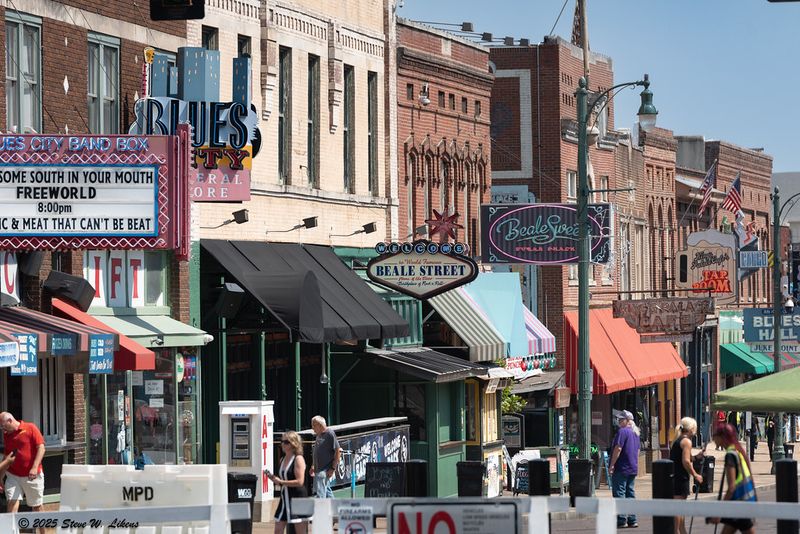
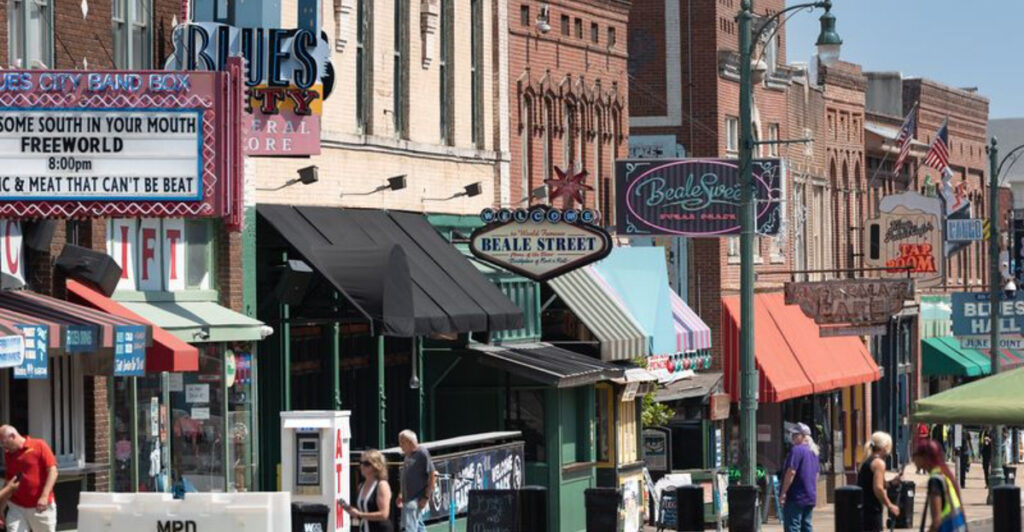
No visit to Memphis is complete without experiencing Beale Street, the legendary thoroughfare where blues music was born and continues to thrive today. While many of the clubs and restaurants along Beale charge for entry or require purchases, simply walking the historic street and soaking up its atmosphere costs nothing and delivers an authentic taste of Memphis’s musical soul. The street itself is a living museum of American music history, where legends like B.B.
King, Muddy Waters, and countless others launched careers that changed music forever.
During the day, Beale Street takes on a different character than its famous nighttime persona. You can appreciate the colorful architecture, read the historical markers that tell the stories of the musicians and venues that made this street famous, and peek into the clubs that come alive after dark. Street performers often set up along the pedestrian-friendly blocks, offering free samples of the blues, jazz, and rock that define Memphis music.
Their skill and passion provide a genuine connection to the musical traditions that made Beale Street a household name.
The Beale Street Historic District extends for several blocks, each with its own character and history. Bronze notes embedded in the sidewalk honor musicians who contributed to Memphis’s musical legacy, creating an outdoor walk of fame that music lovers enjoy exploring. The street’s energy is palpable even in daylight hours, with the promise of evening performances hanging in the air and the weight of musical history evident in every building and corner.
Visiting Beale Street for free requires some discipline to resist the tempting clubs and restaurants, but the street’s historical and cultural significance can be fully appreciated without spending money. It’s a place where American music history happened and continues to unfold, where the past and present exist simultaneously, and where Memphis’s identity as a music city is most powerfully expressed and celebrated.
Share this story