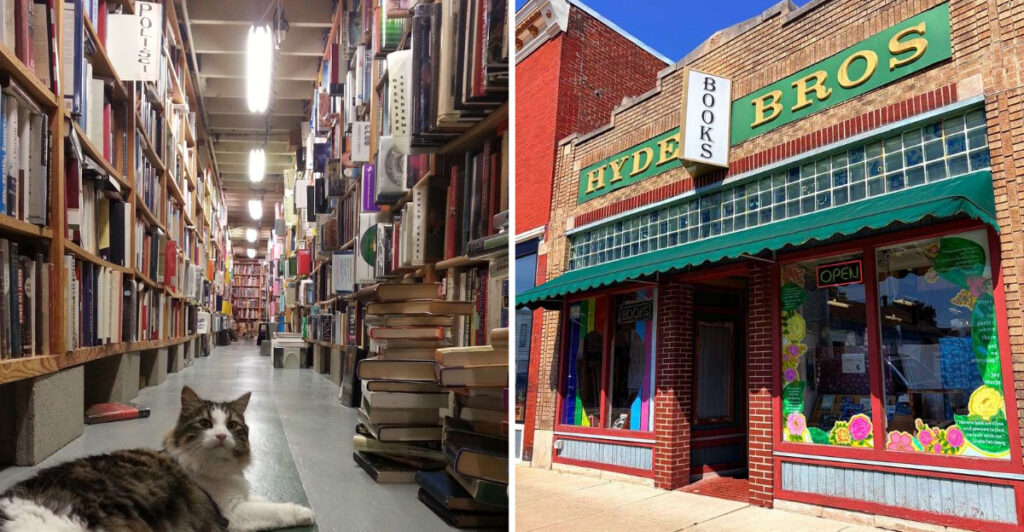
Floor-to-ceiling shelves have a way of making time disappear at Hyde Brothers Booksellers in Fort Wayne. This beloved used bookstore is packed with thousands of titles, from familiar classics to obscure finds that can send curious readers down unexpected rabbit holes.
Narrow aisles and densely stocked sections reward browsing slowly, especially when the book you did not know you wanted is hiding on the next shelf. Collectors can hunt for unusual editions while casual readers simply follow whatever catches their eye. At Hyde Brothers, walking in for one book is easy; leaving without exploring just one more corner is considerably harder.
A Storefront That Hides a Maze
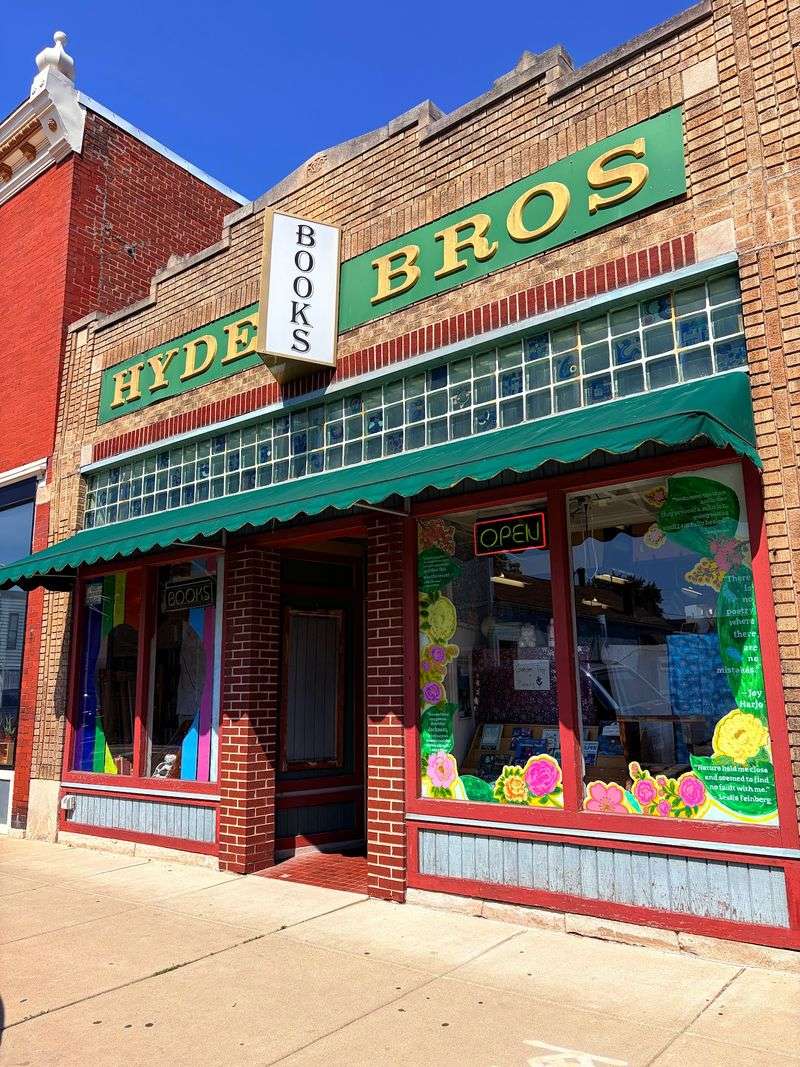
At first glance, the building does not warn you how much is waiting inside. Hyde Brothers Booksellers has the kind of storefront that can fool a passerby into thinking the visit will be quick, maybe ten minutes, maybe one paperback and out the door.
Then the shelves start appearing, and the whole plan changes. The space opens into room after room of used books, with narrow paths, tall cases, and the pleasant visual clutter that tells serious browsers they should slow down and look carefully.
That hidden scale matters. A compact front can make a bookstore feel approachable, but the deeper layout adds the thrill of discovery, because each turn suggests there is still more to see than the entrance ever promised.
Instead of a polished, sparse retail look, the shop leans into abundance. Books rise high, corners fill up, and the overall effect is rich rather than tidy, which is exactly why rushing does not fit the place.
Readers who enjoy wandering will understand the appeal right away. It is easier to notice odd spines, old editions, and subjects not seen every day when the store invites wandering instead of directing traffic in a straight line.
That also makes Hyde Brothers feel different from a chain bookstore built around speed and clean sightlines. Here, the layout encourages curiosity, and curiosity naturally takes time.
Anyone planning a stop should treat the outside as only the first sentence, not the full story. The best approach is simple: walk in with one book in mind if needed, but leave room for the possibility that the store itself will become the main event.
By the time the shelves start stacking up around you, the idea of hurrying usually disappears. A place like this works best when the clock stops feeling important.
Shelves That Climb, Stack, and Surprise
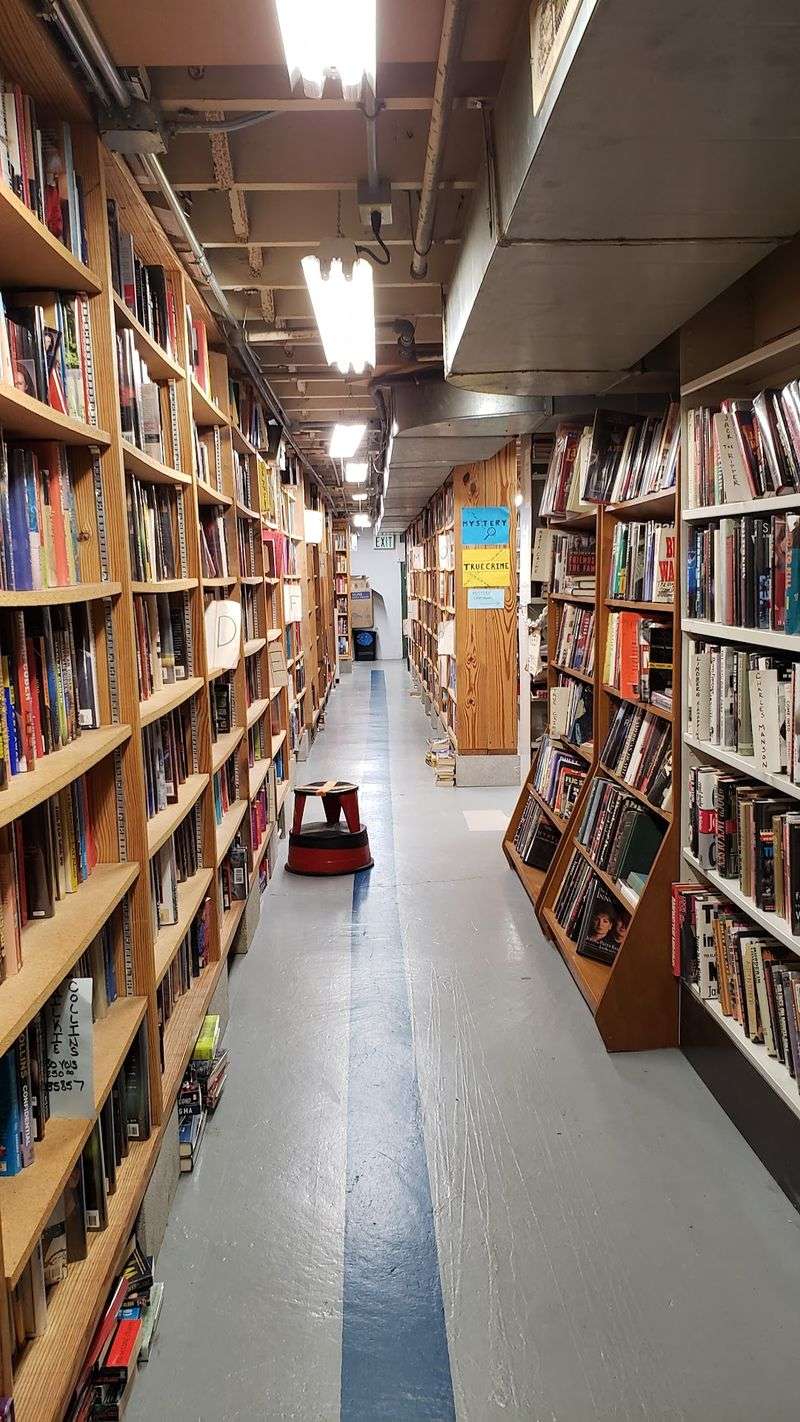
Some bookstores make their point with coffee bars or gift tables. Hyde Brothers makes its point with books, and a lot of them, stacked high enough to turn simple browsing into a visual experience.
Floor-to-ceiling shelves change the pace of a visit. Eyes move upward, sideways, and back again, which means a search for one title can become a slow scan across history, fiction, science, art, and subjects that were not on the original list.
That height adds drama, but it also changes behavior. Shoppers tend to pause longer in front of tall shelves because there is always one more row to check, one more faded spine to notice, one more surprise tucked between familiar names.
The moving ladder often mentioned alongside the towering shelves adds to that old-school bookstore character. It suggests a place built for actual stock, not decorative display, and that difference is part of the charm.
Used bookstores can sometimes feel random in a frustrating way. Here, the density is the attraction, because the packed shelves create the sense that nearly any topic could be hiding somewhere nearby.
That range gives the shop its strongest pull. A browser might arrive looking for a novel, then end up studying local history, flipping through essays, or comparing editions of a classic that has been printed more times than anyone can count.
The practical advice is easy: look high, look low, and do not rush past a section after one quick glance. In a store arranged with this much volume, the second scan often reveals the book the first scan missed.
More than anything, the towering shelves make the store memorable because they ask for patience. The books are not shouting for attention. They are waiting for someone willing to slow down enough to notice.
The Basement Where Browsing Slows Down
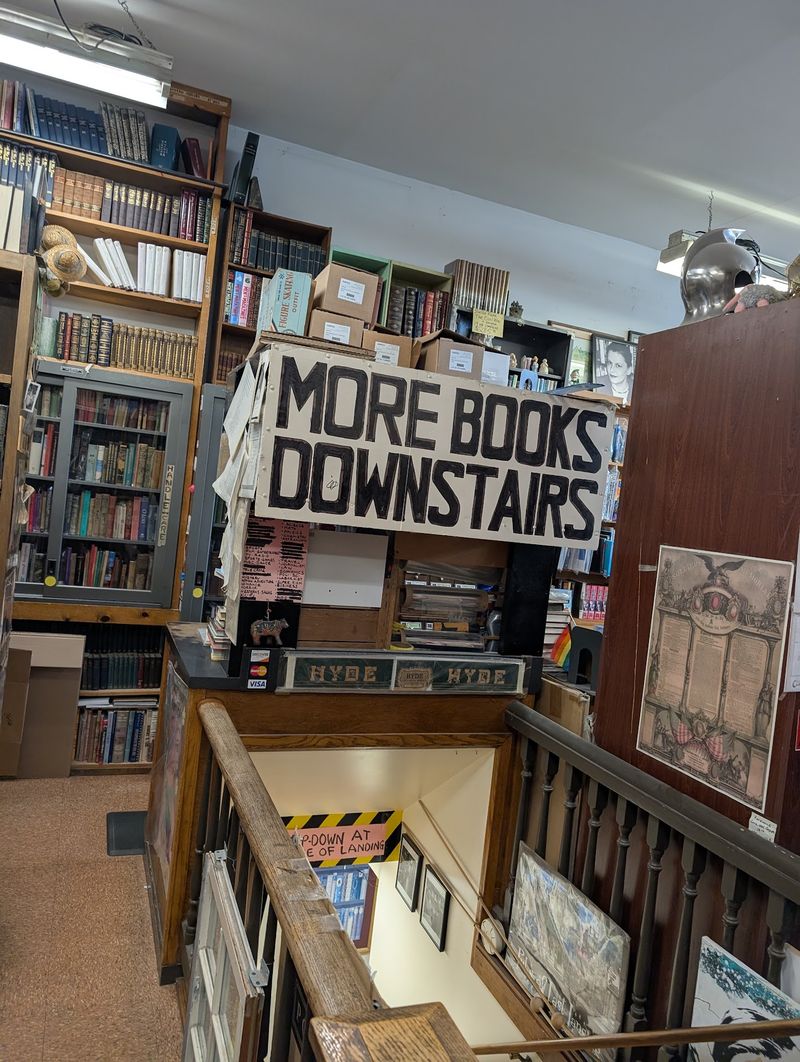
Just when the main floor seems full enough, the bookstore has another move. A basement level extends the hunt and turns an ordinary stop into the sort of browse that can take up most of an afternoon.
Lower levels in used bookstores often have a special mood. They are quieter, a little more tucked away, and more likely to reward patient searching than quick scanning, which makes them ideal for readers who enjoy the chase as much as the purchase.
At Hyde Brothers, that extra space matters because it deepens the sense of scale. The shop is not simply large for its footprint. It unfolds, and that unfolding is a big reason the place resists fast shopping habits.
There is also a practical advantage to a basement full of books. More room means more categories, more overflow, and more chances for older or less obvious titles to stay on the shelves long enough for the right person to find them.
That kind of setup changes expectations. Instead of racing toward bestsellers or new releases, visitors can settle into a slower rhythm where discovery comes from browsing side paths and looking where others might not bother to look.
The basement is especially useful for anyone who loves unusual subjects, older editions, or books that do not turn up in every retail store. When a bookstore has enough room to carry deep stock, browsing becomes less predictable and much more rewarding.
A smart strategy is to save energy for this part of the visit. It can be tempting to spend all your attention upstairs, but the lower level is where many shoppers realize they need more time than expected.
That surprise is part of the store’s identity. The basement does not function like a bonus room. It behaves like a second chapter, and skipping it would mean missing a big piece of what makes Hyde Brothers so absorbing.
Fort Wayne, Indiana’s Cat-Patrolled Book Hunt
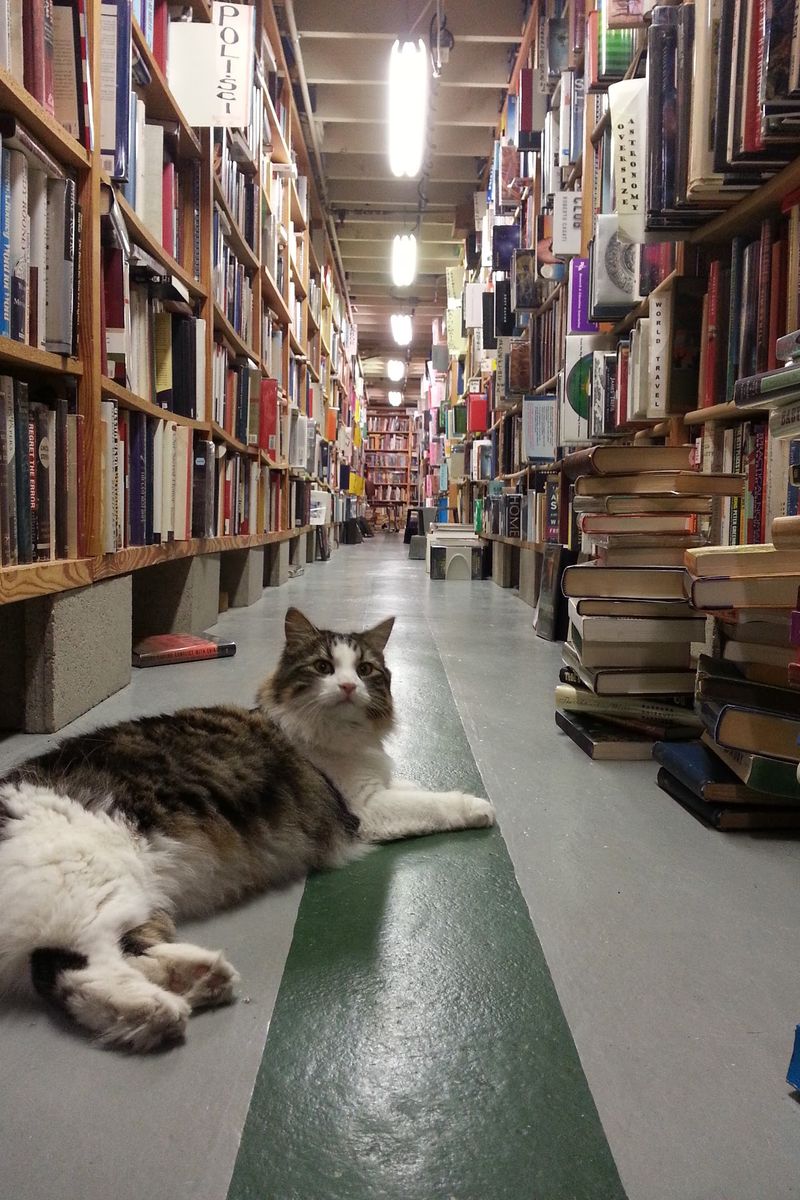
Every long-running bookstore needs a little personality, and Hyde Brothers has it in feline form. The store cats add motion, humor, and a bit of unpredictability to a place already built around slow exploration.
A cat in a bookstore does more than decorate the scene. It changes the energy of the room, softening the packed shelves with a lived-in, local character that makes the space feel active rather than staged.
That detail also matches the pace of the store. Cats do not rush, and neither does a serious used bookstore, so the pairing makes sense in a way that feels natural instead of gimmicky.
For families or travelers who are not sure how long a used bookstore visit can hold attention, the cats offer an extra layer of fun. Young readers may notice them first, while adults keep searching shelves and end up extending the stop without even planning to.
There is a social side to it too. Animals can break the usual quiet stiffness that some people expect in book spaces, making the shop more welcoming for nervous first-time visitors who may not know where to start.
Of course, the cats are not the reason to go. The books remain the center of the experience, but the cats shape the mood in a way that helps the entire visit stand out from a standard retail errand.
Anyone hoping to enjoy that part of the store should stay observant and patient. A cat might be resting near a shelf, weaving past a stack, or turning a simple moment of browsing into a funny little pause that no online order could ever provide.
That mix of books and bookstore cats gives Hyde Brothers a distinct local identity. In a city full of regular errands, it turns a book hunt into a small adventure with whiskers, paws, and one more reason not to hurry.
Odd Finds, Old Yearbooks, and Unexpected Topics
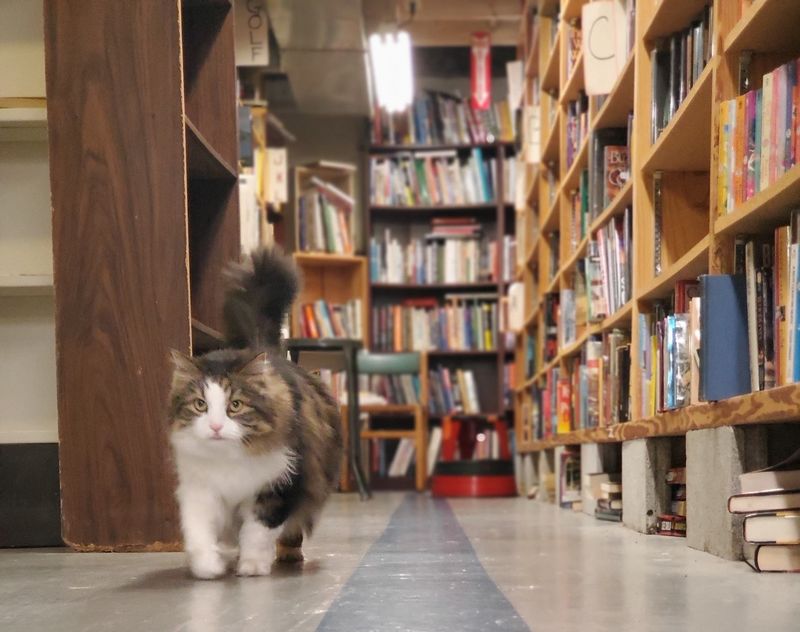
The most fun part of Hyde Brothers may be the moment the search goes off script. A person can walk in for one familiar title and end up stopping over old yearbooks, forgotten nonfiction, or a subject that seemed too specific to ever appear on a shelf.
That breadth is where the bookstore separates itself from fast, goal-driven shopping. Used stores with real range create accidental discoveries, and accidental discoveries are often more exciting than checking off a planned purchase.
Older yearbooks are a great example of that surprise factor. They are not everyday bookstore material, yet they offer a direct, oddly fascinating glimpse into past schools, styles, faces, and local memory.
Beyond yearbooks, the appeal grows with each unusual category. A strong used bookstore can hold classic literature beside niche history, mysteries beside textbooks, and practical subjects beside deeply eccentric ones that make browsers laugh, pause, or suddenly become curious.
This is why the store works so well for more than one kind of visitor. Collectors can hunt for editions, casual readers can follow instinct, and anyone with a broad curiosity can enjoy the shelves without needing a perfect plan.
There is also a simple lesson here for first-timers. Do not judge success by whether the exact wanted title appears right away.
In a place built on used stock, the bigger win may be discovering a better book, a stranger book, or a book that triggers a memory.
That kind of wandering rewards open-minded browsing. Check sections outside your usual habits, and keep an eye out for items that are less about immediate reading and more about local texture or personal connection.
Hyde Brothers offers that rare kind of variety where the shelves can shift a visit’s direction completely. A bookstore becomes harder to rush when nearly every aisle carries the chance of an unexpected detour.
How To Browse Without Missing the Good Stuff
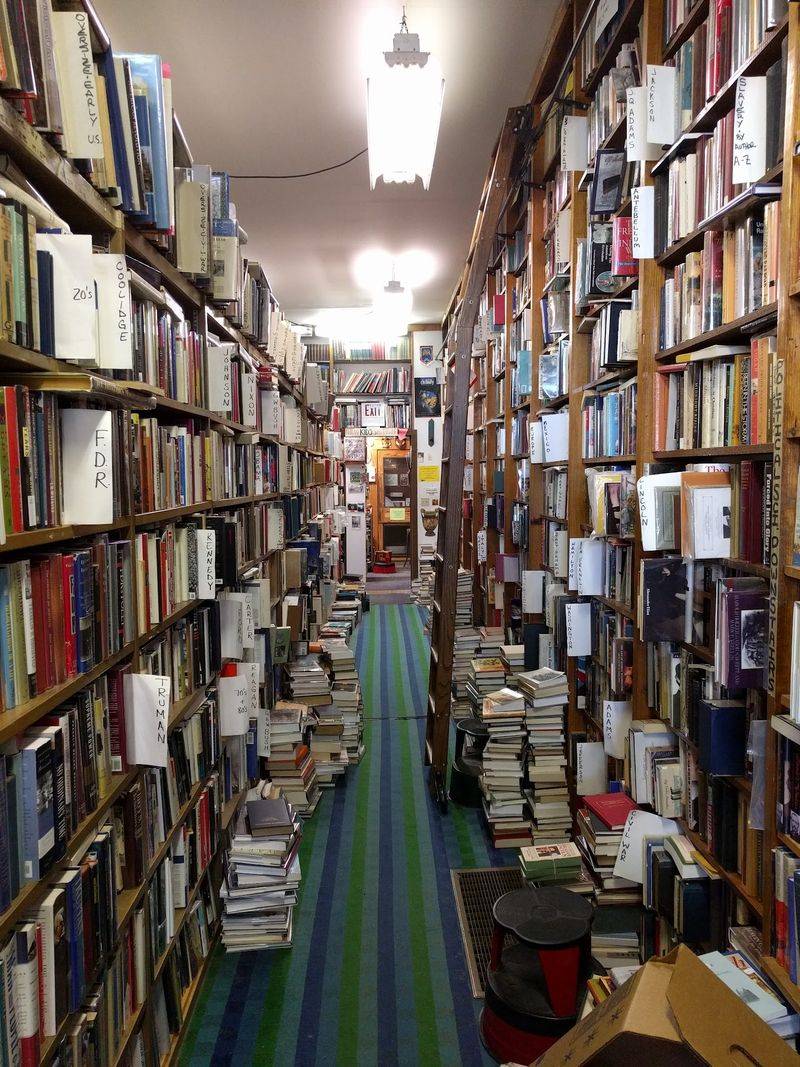
Walking into Hyde Brothers without a plan can be fun, but a little strategy helps when the shelves are this full. The goal is not to shop faster. It is to browse smarter so the best surprises have a chance to show up.
Start by giving the store more time than seems necessary. A place known for packed shelves, a deeper-than-expected layout, and a basement level is not built for a ten-minute loop.
Next, divide the visit into small missions. Spend a few minutes with one favorite genre, then step into one section that would not usually get attention, because unusual finds often come from those side trips.
Looking only at eye level is a common mistake in dense bookstores. Hyde Brothers rewards people who scan the top shelves, crouch for lower rows, and pause long enough to read a few spines carefully instead of sweeping past them.
It also helps to carry a mental list with flexible priorities. Maybe there is one author to watch for, one subject to explore, and one open-ended category where anything interesting counts as a success.
Because the store includes used and older stock, condition and edition can matter just as much as title. A browser might spot a familiar book but discover that its cover art, age, or printing makes it more appealing than a standard newer copy.
If the space begins to feel overwhelming, reset instead of rushing. Pick one shelf, finish it well, then move on, since careful focus usually works better than trying to absorb the whole store at once. That method fits the spirit of Hyde Brothers. The store is not asking anyone to conquer it like a checklist.
It offers layers, and the best visits happen when readers slow down, stay curious, and let the shelves reveal themselves one section at a time.
Timing Matters More Than Speed Here
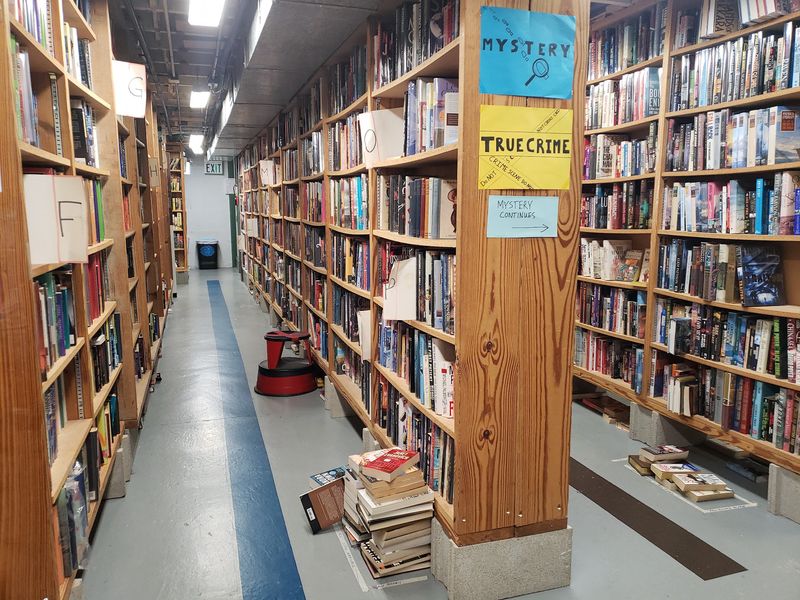
Good timing can shape the whole Hyde Brothers visit. Since the store is open from 10 AM to 6 PM most days and 1 PM to 5 PM on Sunday, planning ahead helps turn a rushed errand into the slower browse the place clearly deserves.
The biggest mistake would be arriving with only a small gap in the schedule. A bookstore this full can easily stretch a visit, especially when the layout keeps revealing more shelves, more corners, and more reasons to stay longer than expected.
Weekday daytime visits may suit careful browsers who want room to move at an easy pace. A quieter hour can make it simpler to scan categories, notice unusual titles, and decide whether a stack is worth carrying around for another lap.
Weekend stops bring their own appeal because they fit naturally into neighborhood wandering, but they are still best treated as a main stop rather than a quick add-on. The store rewards unhurried attention, and that means protecting time for it.
There is also a comfort factor to consider in any tightly packed used bookstore. Dress simply, travel light, and be ready to hold books as you go, because a full browse often becomes a hands-on search instead of a neat in-and-out purchase.
For out-of-town visitors, Hyde Brothers works especially well as part of a slower Fort Wayne day. Pairing it with other nearby plans is smart, but the bookstore should get the kind of time usually saved for museums, not convenience stops.
The final takeaway is clear. Hyde Brothers stands out because it offers depth, character, and a strong sense of discovery, none of which improve when the clock is running the visit.
Set aside enough time, enter with curiosity, and let the shelves dictate the pace. At that point, the title makes perfect sense: rushing feels impossible because the store gives too many good reasons to stay.