Tennessee offers retirees an incredible variety of day trip destinations that won’t break the bank. From ancient archaeological sites to peaceful lakeside parks, the state is packed with places that combine history, nature, and culture in ways that make every visit memorable.
Whether you’re looking to stretch your legs on a scenic trail, explore a fascinating museum, or step back in time in a historic town, these affordable adventures are designed with comfort, accessibility, and genuine Tennessee charm in mind.
1. Reelfoot Lake State Park – Tiptonville
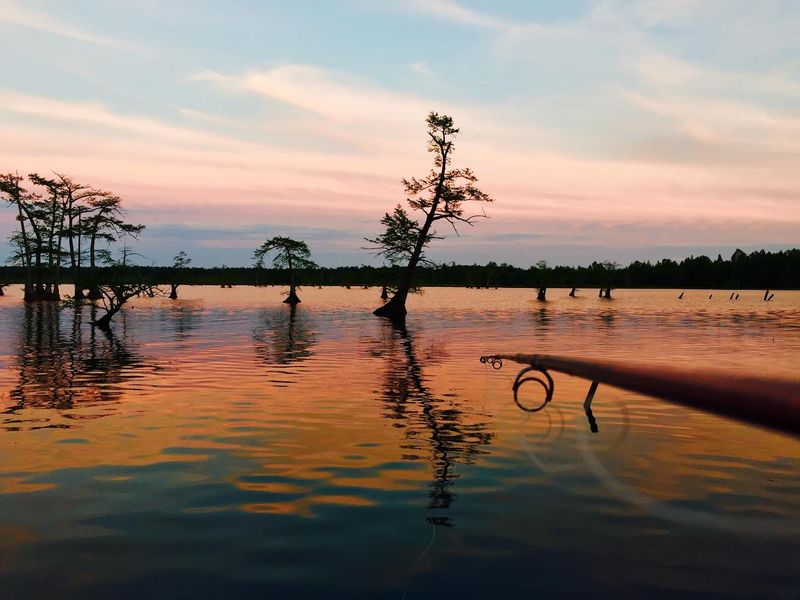
Formed by earthquakes in the early 1800s, Reelfoot Lake sits in the northwest corner of Tennessee like a secret waiting to be discovered. The shallow waters and flooded cypress forests create an otherworldly landscape that photographers and bird watchers absolutely adore.
You can easily spend a full day here without spending much money at all.
The park offers boat tours that glide through the cypress groves, giving you an up-close look at the unique ecosystem. Eagles nest here during winter months, making it one of the best spots in the state for viewing these majestic birds.
The guides share stories about the lake’s formation and the wildlife that calls it home.
Walking trails wind around the shoreline, offering plenty of spots to rest and take in the scenery. The terrain is mostly flat, which makes it accessible for folks who prefer easier hikes.
Benches are scattered throughout, so you can pause whenever you need to.
Pack a picnic lunch and enjoy it at one of the lakeside pavilions. The park has clean facilities and plenty of parking close to the main attractions.
Admission to the park itself is free, though boat tours require a small fee that’s well worth the experience.
Spring and fall bring the most comfortable temperatures, but each season offers something different to see. Summer mornings are peaceful before the heat sets in, and winter provides those incredible eagle-watching opportunities.
The park rarely feels crowded, even on weekends, giving you that sense of peaceful solitude that makes day trips so refreshing.
2. Dixon Gallery & Gardens – Memphis
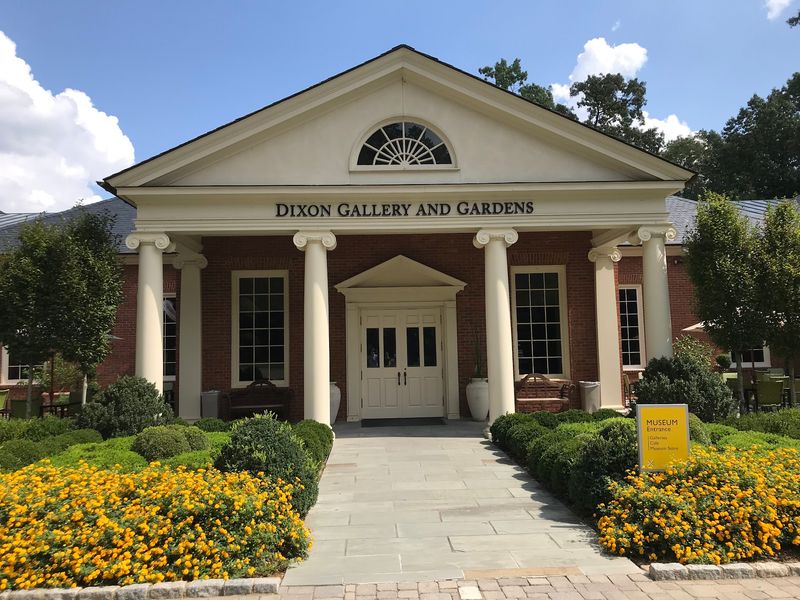
Tucked away in a quiet Memphis neighborhood, the Dixon Gallery and Gardens feels like stepping into a different world entirely. The 17-acre estate showcases both impressive art collections and beautifully maintained gardens that change with every season.
It’s the kind of place where you can wander at your own pace without feeling rushed.
Inside the gallery, you’ll find works by French and American Impressionists, including pieces by Monet, Renoir, and Degas. The collection is manageable in size, meaning you can actually take your time with each painting without feeling overwhelmed.
The rooms are climate-controlled and comfortable, with plenty of seating for when you need a break.
Outside, the gardens are divided into distinct areas, each with its own character and charm. The woodland garden stays cool even in summer, while the cutting garden bursts with color during growing season.
Paved paths make navigation easy, and there are numerous benches positioned in shady spots.
The on-site cafe serves light lunches and refreshments at reasonable prices. You can grab something to eat and enjoy it on the terrace overlooking the gardens. The staff is friendly and knowledgeable, always happy to answer questions or provide recommendations.
Admission is affordable, with senior discounts available most days. Free parking is plentiful right at the entrance.
The gallery hosts special exhibitions throughout the year, so there’s always something new to see even if you’ve visited before. Tuesday mornings tend to be the quietest time if you prefer fewer crowds.
3. Discovery Park of America – Union City
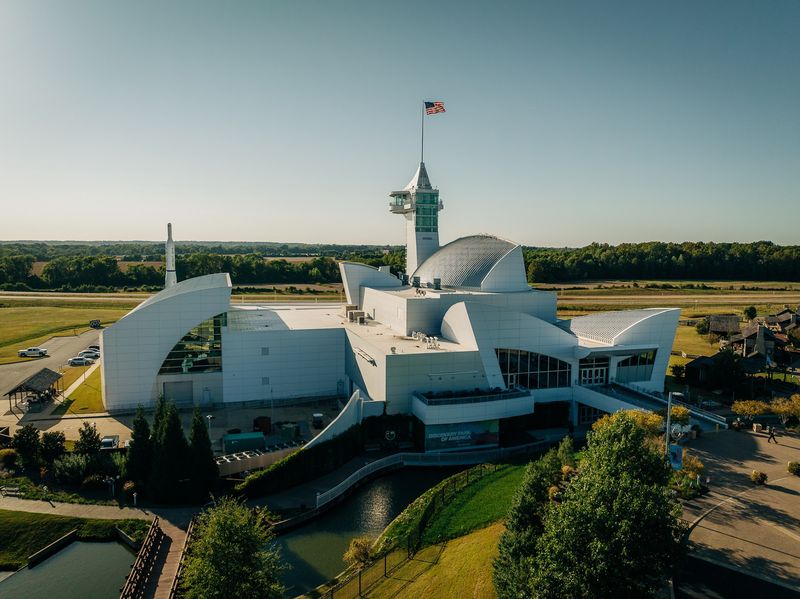
Discovery Park of America stands as one of Tennessee’s most impressive educational attractions, covering history, science, and culture under one enormous roof. The facility opened about a decade ago and has quickly become a favorite destination for curious minds of all ages.
Everything here is designed to be engaging without being overwhelming.
The museum spreads across multiple themed galleries, each focusing on different aspects of American history and natural science. You’ll find everything from Civil War artifacts to earthquake simulators, all presented in ways that make learning feel effortless.
The exhibits are well-spaced, allowing you to explore without bumping into crowds.
Outside, the Heritage Park features historic buildings that have been relocated and restored on the grounds. You can walk through an old schoolhouse, church, and train depot, getting a real sense of what life was like in rural Tennessee generations ago.
The outdoor areas are beautifully landscaped with plenty of places to sit and rest.
The facility is entirely wheelchair accessible, with elevators and ramps throughout. Clean restrooms are located on every floor, and there’s a cafeteria serving reasonably priced meals.
You could easily spend four to six hours here and still not see everything.
Admission prices are fair considering the scope of what’s offered, and seniors receive a discount. The parking lot is huge and free, with spots close to the entrance.
If you’re interested in regional history or just enjoy learning new things, this place delivers tremendous value. The air conditioning alone makes it a perfect summer destination when outdoor activities become too hot.
4. Pinson Mounds State Archaeological Park – Pinson
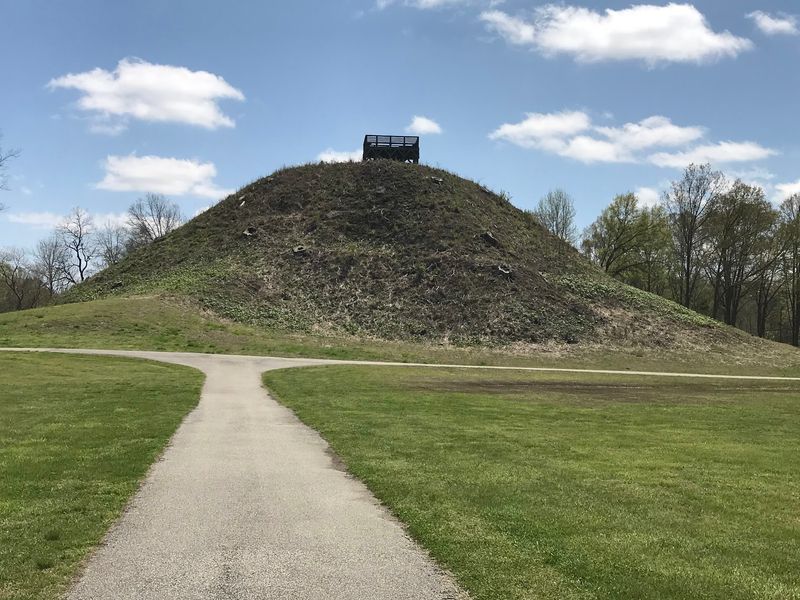
Some places make you think about how long people have called Tennessee home, and Pinson Mounds does exactly that. Built by Native Americans over 2,000 years ago, these earthen structures represent one of the largest Middle Woodland period ceremonial centers in the United States.
Walking among them creates a connection to the distant past that few other places can match.
The park covers more than 1,200 acres, with several mounds accessible via easy walking trails. The largest mound rises 72 feet high, and you’re welcome to climb to the top for a view of the surrounding landscape.
The trails are well-maintained and mostly flat, making them suitable for moderate fitness levels.
Start your visit at the museum, where exhibits explain who built these mounds and why. Artifacts found during archaeological excavations are on display, including pottery, tools, and ceremonial objects.
The staff can provide maps and answer questions about the best routes to take based on your interests and stamina.
Picnic areas with tables and grills are scattered throughout the park, perfect for a leisurely lunch. The grounds are peaceful and rarely crowded, even during peak seasons.
You might spot deer, wild turkeys, or various bird species as you explore.
Entry to the park is free, making it one of the best bargains in Tennessee. The museum charges a small admission fee, but it’s minimal and worth every penny.
Bring comfortable walking shoes, water, and a hat for sun protection. Spring and fall offer the most pleasant weather for exploring, though the park is open year-round except for major holidays.
5. Loretta Lynn’s Ranch – Hurricane Mills
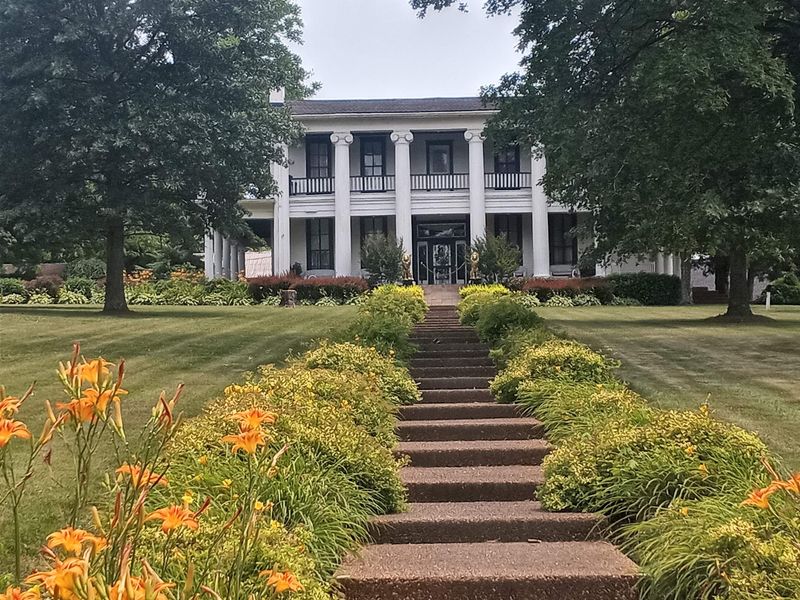
Country music fans know Loretta Lynn’s name, but visiting her ranch in Hurricane Mills offers something beyond just celebrity appeal. The property sprawls across hundreds of acres along the Buffalo River, combining natural beauty with genuine country music history.
It’s authentic in ways that many tourist attractions simply aren’t.
Tours of Loretta’s mansion give you a peek into how the Coal Miner’s Daughter actually lived. The home is filled with personal items, awards, costumes, and family photos that tell the story of her remarkable journey.
Beyond the mansion, the ranch includes a museum packed with memorabilia, a replica of Loretta’s childhood home in Butcher Holler, Kentucky, and various other historic buildings. You can wander through an old grist mill, a pioneer village, and even a replica of the house from “The Beverly Hillbillies” TV show.
Each building offers something different to explore.
The ranch also features a large gift shop where you can pick up souvenirs and Loretta Lynn merchandise. There’s a restaurant on-site serving Southern comfort food at reasonable prices.
The Buffalo River runs right through the property, providing pretty views and photo opportunities.
Tour prices are affordable, especially considering how much you get to see. The ranch hosts special events throughout the year, including concerts and festivals. Allow at least two to three hours to see everything properly.
The staff is friendly and clearly takes pride in maintaining this piece of country music heritage.
6. Historic Granville – Granville
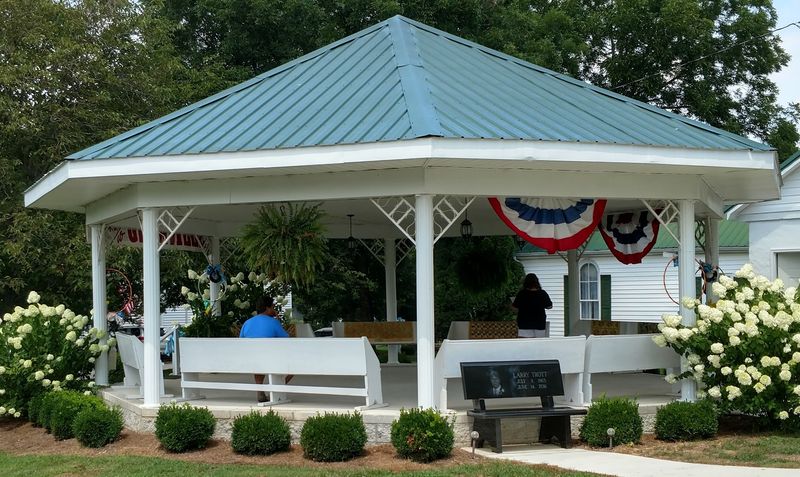
Granville might be one of Tennessee’s smallest towns, but what it lacks in size it makes up for in charm and history. Founded in the early 1800s, the entire town is listed on the National Register of Historic Places.
Walking down its main street feels like traveling back to a simpler time when life moved at a gentler pace.
The town consists mainly of one street lined with beautifully preserved buildings from the 19th century. Several of these have been converted into antique shops, art galleries, and craft stores where local artisans sell their work.
You can browse at your leisure, chatting with shop owners who are usually happy to share stories about the town’s past.
Granville Museum offers a deeper look at local history, with exhibits covering everything from early settlers to the town’s role in various historical events. The museum is small but packed with interesting artifacts and photographs.
Admission is either free or requires a tiny donation.
The town hosts seasonal events throughout the year, including craft fairs and holiday celebrations. Even on regular days, though, it’s a peaceful place to spend a few hours.
There’s a small park with benches where you can sit and watch the world go by, which in Granville means very little traffic and lots of tranquility.
Several restaurants and cafes serve lunch, offering home-cooked meals that taste like something from your grandmother’s kitchen. Prices are reasonable, and portions are generous.
Parking is easy and free along the main street. The whole experience costs next to nothing but delivers genuine small-town Tennessee hospitality that’s increasingly hard to find.
7. Old Stone Fort State Archaeological Park – Manchester
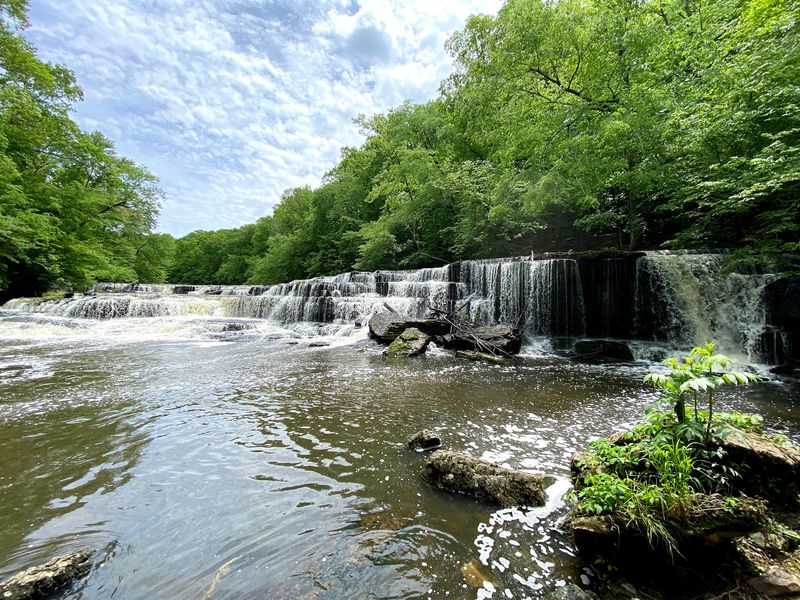
Waterfalls, ancient walls, and mysterious history combine at Old Stone Fort, creating one of Middle Tennessee’s most intriguing destinations. Despite its name, this isn’t actually a fort but rather a ceremonial site built by Native Americans nearly 2,000 years ago.
The stone and earthen walls form an enclosure at the confluence of two rivers, and archaeologists still debate its exact purpose.
The park offers several hiking trails that range from easy to moderate difficulty. The most popular trail follows the ancient walls and takes you past two beautiful waterfalls along the Duck River and Little Duck River.
The sound of rushing water and the shade from mature trees make even summer hikes comfortable.
A museum at the park entrance provides context for what you’re about to see. Displays explain the site’s construction, the people who built it, and the theories about why they chose this particular location.
Rangers are available to answer questions and provide trail recommendations based on your abilities.
Picnic areas near the museum and along the trails offer perfect spots for lunch. Tables are situated in shaded areas with views of the rivers.
The park maintains clean facilities throughout, and the trails are well-marked with signs explaining points of interest.
Entry is free, making this an exceptional value for a day trip. The park covers over 800 acres, so you’ll have plenty of space to explore without feeling crowded.
8. Tennessee State Museum – Nashville
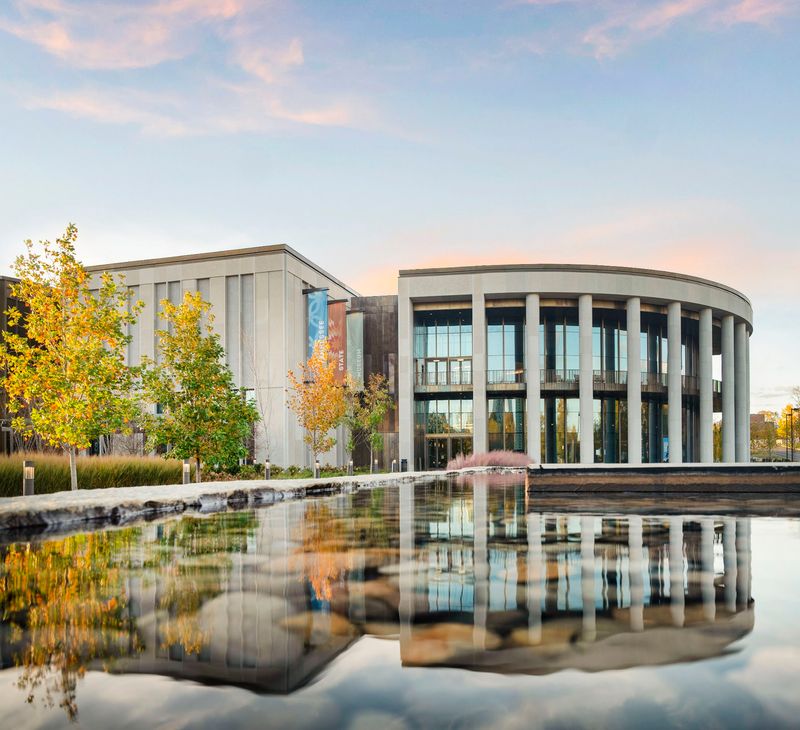
Nashville’s Tennessee State Museum underwent a complete transformation a few years back, moving into a stunning new building that does justice to the state’s rich history. The best part? Admission is completely free, making it accessible to everyone regardless of budget.
You could spend an entire day here and not spend a single dollar beyond parking.
The museum traces Tennessee’s story from prehistoric times through the present day. Exhibits cover everything from Native American cultures to the Civil War, from the state’s musical heritage to its role in the civil rights movement.
Each gallery is thoughtfully designed with artifacts, interactive displays, and multimedia presentations that bring history to life.
The building itself is a work of art, with soaring ceilings, natural light, and wide corridors that never feel cramped. Elevators and ramps make every floor accessible.
Comfortable seating areas are positioned throughout, allowing you to rest while still enjoying the exhibits around you.
Special exhibitions rotate regularly, giving you reasons to return multiple times. The museum shop offers books, gifts, and Tennessee-made products at fair prices.
While there’s no on-site restaurant, you’re in downtown Nashville with countless dining options within walking distance.
Parking is available in nearby garages for a reasonable daily rate. The museum is located near other attractions, so you can easily combine your visit with a walk along the riverfront or lunch in a local restaurant.
Security is professional but unobtrusive, and the staff is knowledgeable and helpful. Plan for at least two to three hours to see the permanent collection properly.
The air-conditioned comfort makes this an ideal destination during Nashville’s hot summers.
9. Cumberland Mountain State Park – Crossville
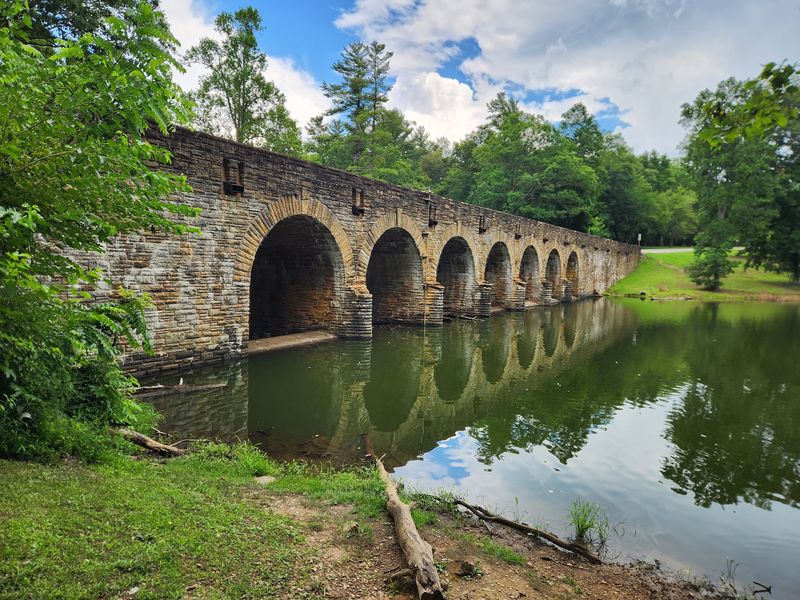
Perched on the Cumberland Plateau, this state park offers mountain scenery without the challenging terrain that often comes with it. Built by the Civilian Conservation Corps during the 1930s, the park features beautiful stone structures and a 50-acre lake that serves as its centerpiece.
The elevation means cooler temperatures even in summer, making it comfortable when other parts of Tennessee are sweltering.
Hiking trails loop around the lake and wind through the surrounding forest. Most are rated easy to moderate, with well-maintained surfaces and gentle grades.
The trails are clearly marked, and benches appear at regular intervals. You’ll pass by historic CCC structures, adding an architectural element to your nature walk.
The park’s restaurant operates in a historic stone building overlooking the lake. They serve traditional Southern cooking at prices that won’t shock your wallet. The dining room has large windows providing lovely views while you eat. Service is friendly in that genuine small-town way.
If you’re interested in history, the park museum showcases the work of the Civilian Conservation Corps and explains how they transformed this area during the Depression era. The craftsmanship visible in the stone buildings and bridges is truly impressive, representing a level of quality rarely seen in modern construction.
Fishing is popular on the lake, and no license is required within the park boundaries. Rowboats and paddleboats are available for rent at modest rates.
The park has plenty of picnic areas with tables and grills. Admission to the park is free, though some activities like boat rentals carry small fees.
It’s an easy drive from Crossville, with free parking at multiple locations throughout the park.
10. Andrew Johnson National Historic Site – Greeneville
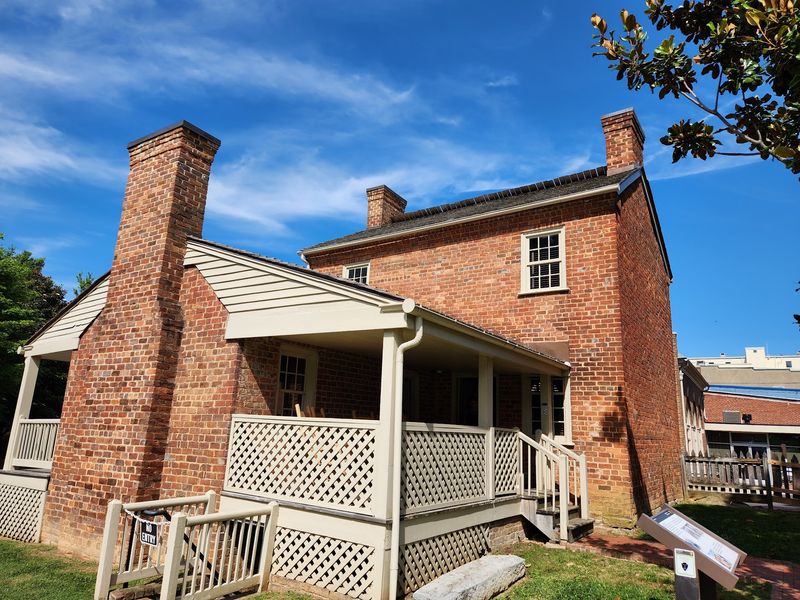
Andrew Johnson remains one of America’s most controversial presidents, but his story is undeniably fascinating. This national historic site in Greeneville preserves his tailor shop, two homes, and his burial site.
Visiting here gives you insight into a man who rose from poverty to the presidency, then faced impeachment during one of the nation’s most turbulent periods.
Start at the visitor center, where rangers provide orientation and context for Johnson’s life and political career. A short film covers the basics, and exhibits display personal items, documents, and photographs.
The rangers are enthusiastic historians who can answer detailed questions about Johnson and his era.
The tailor shop where Johnson worked as a young man has been preserved and is open for tours. Seeing the small space where he both worked and educated himself helps you understand his humble beginnings.
From there, you can visit the homestead where he lived during his early political career, and later the more substantial home he occupied after his presidency.
Johnson’s burial site sits on a hill overlooking Greeneville, marked by an impressive monument. The short walk up provides nice views of the surrounding mountains.
The grounds are peaceful and well-maintained, with benches for resting.
Admission to all sites is free, as with all National Park Service properties. Guided tours run regularly throughout the day, or you can explore at your own pace with a brochure.
The sites are spread across Greeneville but within easy driving distance of each other. Allow two to three hours to see everything properly.
11. Historic Jonesborough – Jonesborough
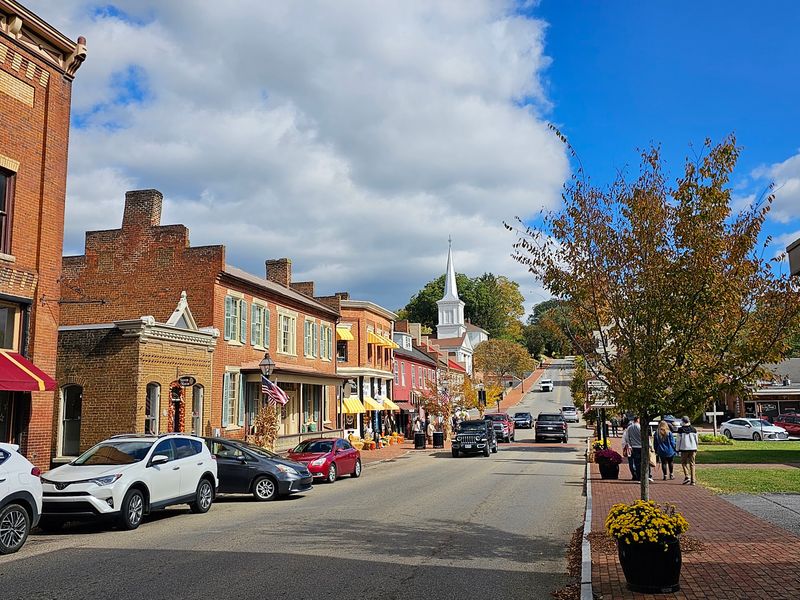
Tennessee’s oldest town deserves its reputation as one of the state’s most charming destinations. Founded in 1779, Jonesborough’s main street looks remarkably similar to how it did in the 19th century.
The entire downtown is a National Historic District, with brick buildings housing locally-owned shops, restaurants, and galleries that give the town its distinctive character.
Walking tours are self-guided using maps available at the visitor center, or you can join organized tours on weekends. The architecture alone is worth the visit, with Federal, Greek Revival, and Victorian styles all represented.
Many buildings have plaques explaining their history and original purpose.
Jonesborough is famous as the birthplace of the National Storytelling Festival, and that heritage is visible throughout town. The International Storytelling Center offers programs and exhibits year-round.
Even if you don’t catch a performance, the building itself is interesting and the staff can share information about the storytelling tradition.
Antique shops and boutiques line Main Street, offering everything from serious collectibles to quirky gifts. Owners are typically in their stores and enjoy chatting with visitors.
Several restaurants serve lunch, ranging from casual cafes to more formal dining rooms. Prices are reasonable across the board.
The town hosts special events throughout the year, including craft fairs, heritage days, and of course the storytelling festival each October. Even on ordinary days, though, Jonesborough feels special.
There’s free parking in lots just off Main Street. The whole downtown is walkable, with level sidewalks and frequent benches.
12. Chickamauga & Chattanooga National Military Park – Chattanooga
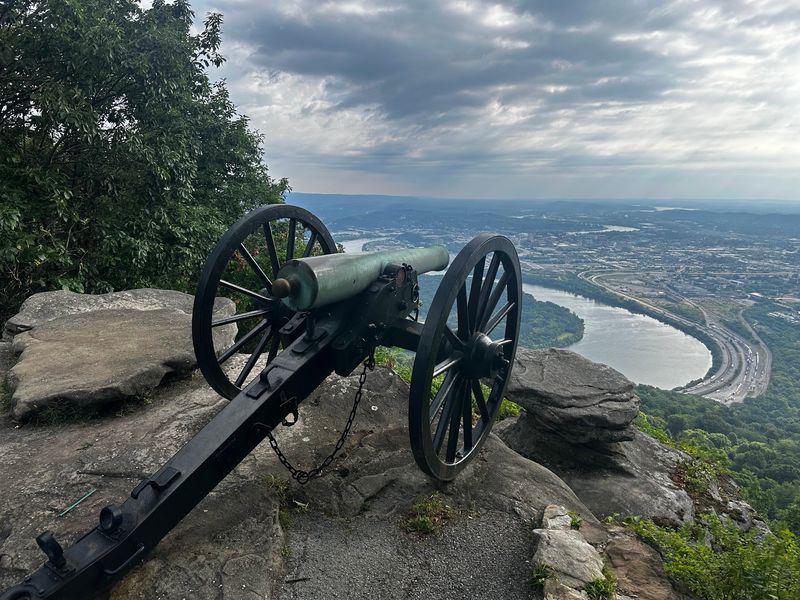
America’s first national military park preserves the sites of battles that helped determine the outcome of the Civil War. Spread across thousands of acres near Chattanooga, the park includes battlefield areas, historic structures, and stunning overlooks.
You don’t need to be a history buff to appreciate the beauty and significance of these places.
The Chickamauga Battlefield is the larger of the two main areas, with a seven-mile driving tour that stops at key locations. Each stop has interpretive signs explaining what happened there during the battle.
Monuments erected by various states mark positions where their troops fought. You can drive the entire route or stop at just a few points that interest you most.
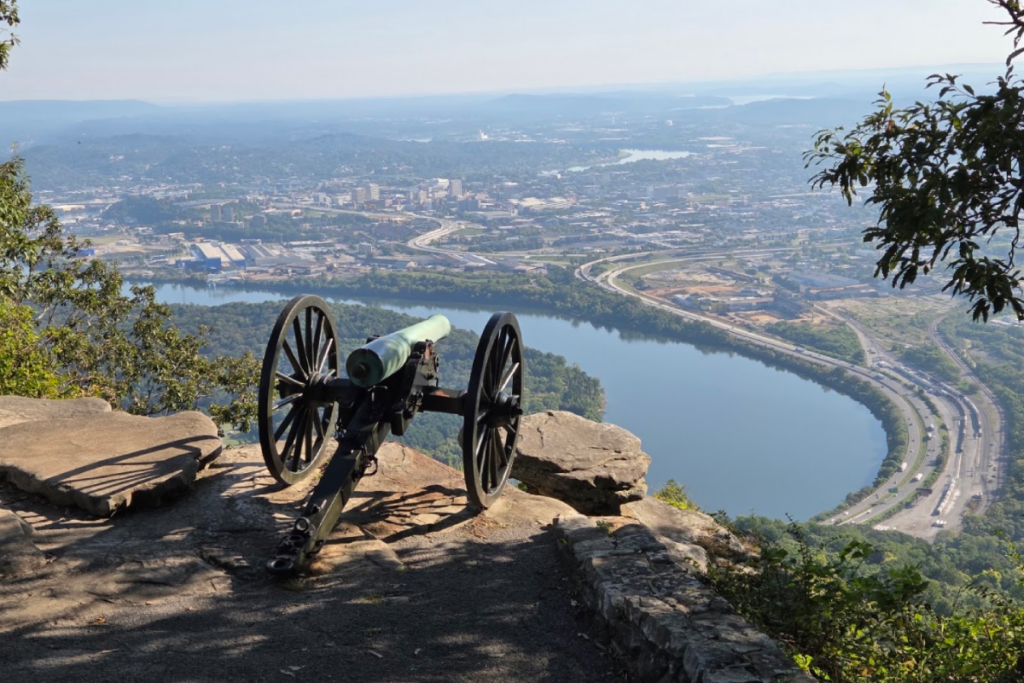
Point Park, located on Lookout Mountain above Chattanooga, offers spectacular views of the city and surrounding mountains. The park includes fortifications, monuments, and a small museum. The “Battles for Chattanooga” museum uses exhibits and a film to explain the military campaigns.
Hiking trails connect various points of interest throughout the park. Some are short and easy, while others are longer and more challenging.
The trails pass through forests, across old battlefields, and to overlooks with impressive views. Trail maps are available at visitor centers.
Admission to most areas of the park is free, though Point Park charges a small entrance fee. The park is open year-round from dawn to dusk.
Rangers offer guided programs on weekends during peak season. Bring water and snacks, as facilities are limited once you’re on the battlefield areas.
The park’s size means you can visit multiple times and still discover new areas to explore.
Share this story