A house can mean very different things to the people looking at it. For one family, it is a place to raise children and know the neighbors. For an investor, it may be a rental, a vacation property, or something to sell later at a higher price. Across Pennsylvania, that difference raises a serious question: who will be able to afford a place in the communities they call home? From Pocono vacation spots to older cities with busy downtowns, housing pressure can take several forms. A cabin might become a weekend rental. An apartment building might change owners. A small house might get a fresh coat of paint and return to the market with a much larger price tag.
Those changes can bring needed repairs and new business, but they can also leave residents feeling uncertain about their future. The places below offer different settings for that concern. However, there is no single verified measure here showing that investors are taking over these communities, and concern should not be mistaken for proof. Rising prices alone cannot tell us who is buying, why they are buying, or how many homes are involved. Local property records, rental rules, and housing reports provide a stronger starting point than rumors. For residents and future buyers, understanding the difference matters. Looking closely at each place can help people ask better questions, spot changes early, and support housing choices that work for both newcomers and longtime neighbors. A stronger community starts with clear facts, fair rules, and room for ordinary households.
1. Lake Harmony: When Weekend Escapes Become Everyday Concerns
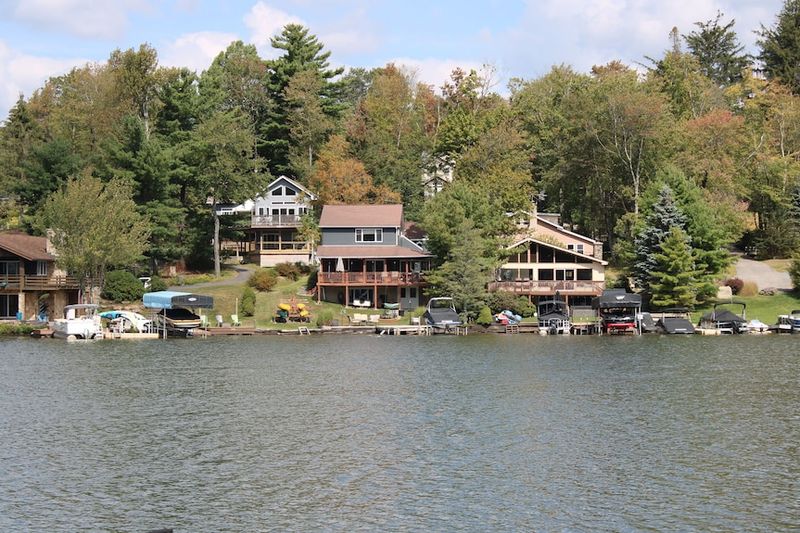
A quiet dock and a cabin in the trees can look like the perfect escape.
Around Lake Harmony, those same features also make homes appealing to buyers who hope to earn money from vacation stays.
This Carbon County community sits in a part of the Poconos known for lake trips, skiing, and outdoor weekends.
Its visitor appeal helps explain why residents might worry about houses becoming businesses rather than homes for year round neighbors.
The concern is not that every vacation property causes trouble.
A well managed rental can support cleaners, repair crews, restaurants, and other local businesses.
Problems arise when frequent guest turnover brings noise, crowded driveways, or uncertainty about who handles complaints.
Housing costs deserve a separate look.
A buyer expecting rental income may judge a property differently from a household relying on wages.
Still, higher asking prices do not establish how much investor buying is happening locally.
Anyone considering a purchase should check the property’s municipality, current rental rules, and any homeowners association restrictions.
A Lake Harmony mailing address does not replace that homework.
Ask about permits, occupancy limits, parking requirements, and whether lake access comes with the deed.
Residents can track change through county deed records and public permit information where available.
Repeated purchases by the same business may deserve attention, but a company name alone does not reveal the owner’s plans.
The most useful local discussion focuses on clear standards rather than blaming visitors.
Reliable enforcement, reachable property managers, and protection for residential streets can help tourism fit into community life.
Before calling the area an investor takeover, compare actual ownership trends with the number of homes available for permanent residents.
The real issue is whether people who work nearby can still build a stable life beside the scenery everyone comes to enjoy throughout the changing seasons.
2. Easton: Downtown Energy Meets Housing Pressure
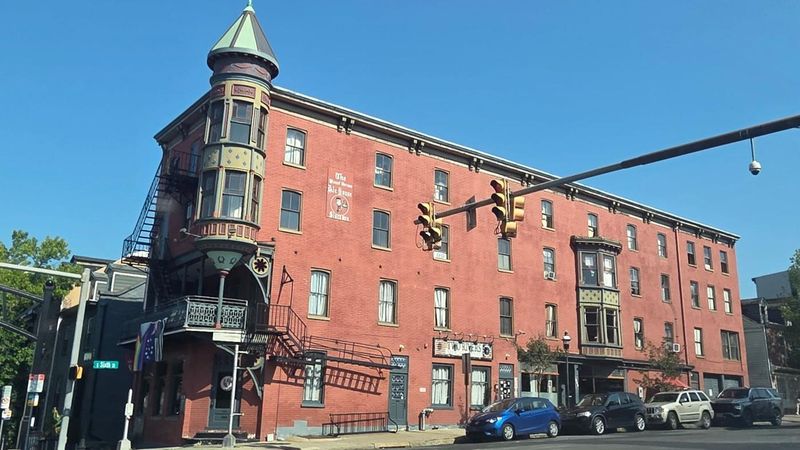
Fresh storefronts and busy sidewalks can make a downtown feel hopeful again.
They can also leave longtime neighbors wondering whether the next improvement will come with a rent increase they cannot manage.
Easton stands where the Lehigh and Delaware rivers meet, with a historic center and a lively mix of shops, dining, and cultural attractions.
That combination makes it attractive to residents, visitors, and property buyers with different goals.
Unlike a vacation village, the housing concern here includes apartments, rowhouses, and buildings with businesses below living spaces.
An investor might restore a neglected property, divide a building into rentals, or buy an existing rental with plans to raise its income.
None of those choices automatically means displacement.
Repairs can improve safety and bring empty buildings back into use.
The harder question is whether current tenants can remain after the work is finished.
For renters, the practical starting point is paperwork.
Keep a copy of the lease, save payment records, and ask for written notice of any ownership or management change.
Pennsylvania tenants should seek qualified advice about their particular lease before assuming a sale ends their right to stay.
Homebuyers can compare recent sale prices with older transfers in Northampton County records.
Look beyond a polished listing and ask about building permits, maintenance history, and expected taxes.
Neighborhood change also deserves a wider lens.
New residents, limited housing supply, borrowing costs, and renovation expenses can affect prices alongside investor interest.
A busy restaurant scene is not proof that a city is being bought up.
A useful community conversation would connect downtown growth with housing stability.
Preserving affordable apartments, supporting responsible repairs, and watching ownership patterns can help Easton welcome investment without treating established neighbors as an afterthought.
Progress feels more meaningful when the people who helped shape a place can afford to share it.
3. Jim Thorpe: A Postcard Town With Real Housing Needs
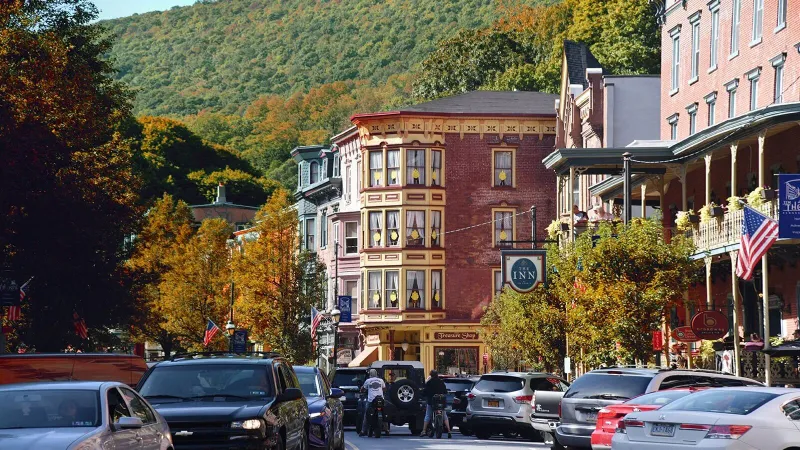
The scenery looks ready for a postcard, but the people living behind those pretty windows still need affordable homes.
That tension makes tourism and housing a sensitive pairing in Jim Thorpe.
Known earlier as Mauch Chunk, the Carbon County borough draws visitors with historic architecture, mountain views, shops, and scenic rail excursions.
Its compact streets give the place much of its charm, while also leaving limited room for parking and expansion.
A home near popular attractions may appeal to someone seeking vacation rental income.
If properties shift away from permanent housing, residents can reasonably ask what that means for the neighborhood.
However, the scale of any shift needs permit and ownership data, not guesses based on weekend crowds.
Picture the difference between knowing the family next door and meeting new guests every few days.
Neither arrangement guarantees a good or bad neighbor.
What matters is how a property operates and whether someone responds when problems arise.
Potential buyers should review borough requirements before assuming a house can become a short stay rental.
Historic buildings also deserve careful inspections, since roofing, foundations, wiring, and other repairs may cost more than a cheerful listing suggests.
Residents concerned about affordability can follow public meetings and ask how proposed rules affect both visitors and permanent households.
Clear definitions help prevent confusion between an occasional room rental and a property used entirely for guest stays.
Business owners have a stake as well.
Tourism supports local income, but employees need somewhere nearby to live.
A visitor economy becomes harder to sustain when its workers face long drives or unstable housing.
The goal need not be shutting the door on newcomers.
Keeping Jim Thorpe livable means balancing its appeal as a destination with its role as a hometown, using evidence and practical rules rather than treating every purchase as a threat.
4. Harrisburg: The Stakes Behind an Apartment Sale

A change in the name on a rent payment notice can feel small until everything else starts changing too.
For households in Harrisburg, ownership matters most when it affects repairs, monthly costs, and the ability to stay.
Pennsylvania’s capital includes very different housing markets within one city.
Riverfront streets, older residential blocks, and areas near downtown should not be treated as though they share the same prices or investment patterns.
Buyer interest can take several forms here.
Some owners purchase houses to renovate and sell, while others acquire rental buildings for ongoing income.
Responsible work can return neglected homes to use, but poorly handled changes can create serious stress for tenants.
The key distinction is between money entering a neighborhood and residents benefiting from it.
Fresh paint does little for a household if a large rent increase follows or needed repairs remain unfinished.
Renters should document maintenance requests and keep communication with managers in writing.
When ownership changes, confirm where payments should go through reliable channels.
Avoid sending money based only on an unexpected message or unfamiliar phone call.
For buyers, Dauphin County property records provide a way to examine previous transfers.
Inspection reports, tax information, and permit history can help explain whether a higher price reflects substantial improvements or mainly a new sales strategy.
Local discussions work better when they separate individual problem properties from citywide claims.
Vacant buildings, affordability, code enforcement, and ownership concentration are related issues, but they require different evidence and solutions.
Neighbors can bring specific addresses and documented concerns to the proper city office.
Housing groups or legal aid providers may help residents understand available options.
Harrisburg’s future should not be measured only by sale prices.
A healthier measure includes safe homes, dependable landlords, and whether families with ordinary incomes can remain connected to schools, jobs, and familiar streets over time.
5. East Stroudsburg: Where Campus Life and Pocono Demand Meet

A college calendar and a vacation calendar can put very different demands on the same housing market.
Around East Stroudsburg, both deserve attention when neighbors talk about rental availability and changing ownership.
The borough is home to East Stroudsburg University and sits within the broader Pocono region.
Students, permanent residents, commuters, and visitors do not necessarily seek the same homes, but their needs can overlap.
An older house might attract a family buyer, a landlord serving students, or someone considering visitor stays.
Those possibilities make the community more complicated than a simple story about outsiders buying everything.
Location matters down to the parcel.
Properties using an East Stroudsburg mailing address may fall under different local governments.
Buyers need to confirm the actual jurisdiction before relying on rental rules found through a casual online search.
Students should ask whether a lease covers the full year, who pays utilities, and how security deposits are handled.
Permanent renters should compare the complete monthly cost rather than the advertised rent alone.
Parking fees, heating bills, and other charges can change the budget.
Residents worried about investor activity can check Monroe County transfer records and local rental information where available.
A cluster of purchases may suggest a trend, but the purpose of each property still needs verification.
There are useful questions for public meetings: Are existing homes being maintained?
Are rental rules applied fairly?
Can workers and families find stable housing near daily services?
Investment may improve aging buildings, especially when owners plan for regular upkeep.
Trouble comes when a property is treated only as an income stream and the people living there receive little attention.
Keeping the discussion grounded helps protect both neighbors and newcomers.
East Stroudsburg needs housing that serves its varied population, not a debate that confuses every student rental or renovated house with a community being lost.
6. York: Old Brick, New Prices, and a Question of Belonging
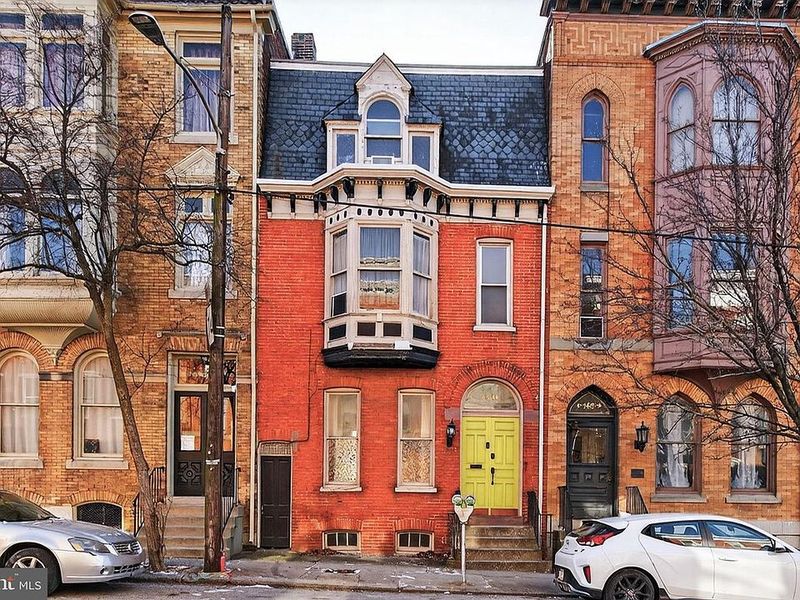
Old brick can carry generations of neighborhood memory, even after the windows and kitchen are replaced.
In York, the question is whether fixing up a home also preserves a place for the people around it.
The city has an industrial history, a historic downtown, and residential blocks with many older buildings.
Those features can attract buyers interested in restoration, rental income, or selling a renovated house.
A lower purchase price does not always mean an easy profit.
Aging properties may need major work on plumbing, heating, roofs, or structural supports.
Good investment can address those needs and prevent further decline.
Yet a successful renovation on paper may create a harder choice for nearby residents.
If rents or sale prices rise beyond local household budgets, families may feel that improvements are happening around them rather than for them.
That feeling deserves respect without turning it into an unsupported claim about investor control.
Ownership records, rent comparisons, and neighborhood housing reports are better tools for understanding what is actually changing.
Buyers should request permit information and look closely at work hidden behind fresh finishes.
A stylish kitchen is no substitute for safe wiring.
An independent inspection can help distinguish careful restoration from a quick cosmetic update.
Renters can ask who handles repairs, how emergencies are reported, and whether the manager has a local contact.
A written process is more useful than a promise that someone will always answer.
Community efforts can focus on maintaining homes while supporting housing stability.
Repair assistance, clear rental standards, and opportunities for resident ownership are worth discussing wherever they fit local needs and resources.
York’s character is not just its buildings.
It is also the neighbors on the stoops, the small businesses, and the routines that hold a block together.
The strongest improvements make room for those connections instead of pricing them away.
7. Hazleton: Affordability Means More Than a Low Asking Price
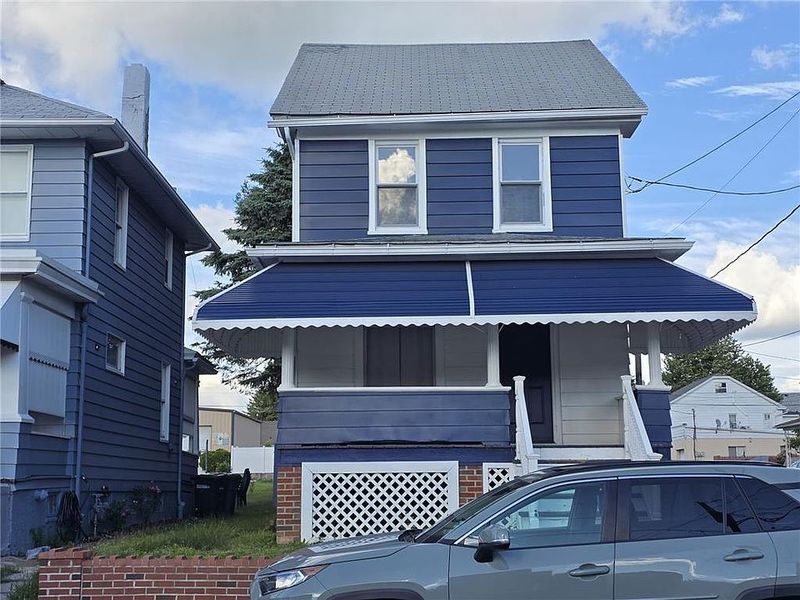
A house that looks inexpensive to an outside buyer may still be out of reach for the family living nearby.
That gap is central to a careful conversation about housing investment in Hazleton.
This Luzerne County city grew through the coal industry and remains a working community with an older housing stock.
Its history helps explain the mix of compact homes, multifamily buildings, and streets shaped long before today’s housing market.
Buyers looking for rental income may compare local prices with more expensive areas.
Residents, however, must compare those same prices with local wages, savings, and monthly expenses.
Both perspectives can exist without proving that investors dominate the market.
The risk becomes clearer when ownership changes lead to higher costs without better conditions.
Tenants may face uncertainty about repairs or management, while prospective homeowners can struggle to compete for properties that fit their budgets.
Start with the actual building rather than the sales pitch.
Older houses can have heating systems, roof problems, or safety needs that change the true cost of ownership.
Ask about inspections, legal unit counts, and any unresolved code issues.
For renters, keeping dated photos and written maintenance requests can make problems easier to explain.
Anyone facing a serious housing dispute should seek reliable legal guidance rather than relying on neighborhood rumors about tenant rights.
Residents interested in ownership patterns can examine county records over several years.
Looking at repeated buyers and multiple properties provides more context than pointing to one newly renovated house.
Fair enforcement matters too.
Standards should protect occupants while avoiding assumptions about landlords or tenants based on background, language, or where they came from.
Hazleton’s housing discussion works best when it stays practical: safe buildings, understandable leases, responsible management, and realistic paths to homeownership.
A community can welcome new money while asking whether that money improves daily life for people.
8. Tobyhanna: A Mailing Address Does Not Tell the Whole Story
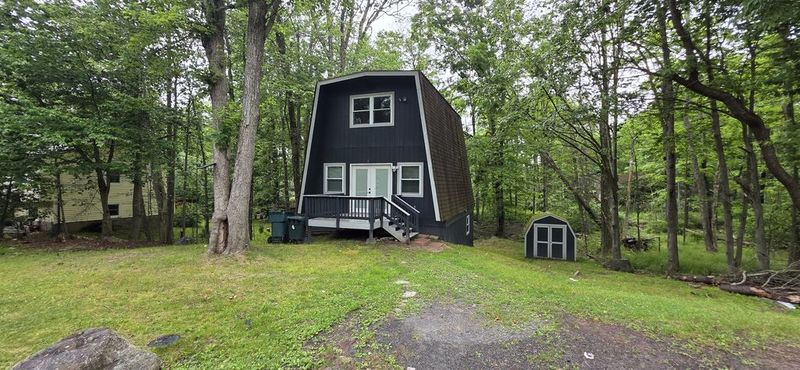
Two homes advertised under the same place name can come with surprisingly different rules.
That is a useful warning for anyone watching property investment around Tobyhanna.
The name appears in several local contexts, including the village, mailing addresses, and nearby township names.
Buyers should not assume that every Tobyhanna listing belongs to the same municipality or follows the same rental requirements.
Wooded surroundings and access to Pocono recreation can appeal to permanent residents and vacation property buyers alike.
Some homes also sit within private communities, where association rules may shape how an owner can use the property.
For neighbors, the concern is often less about a buyer’s hometown than about what happens after closing.
Will the house remain occupied by one household?
Will it host changing guests?
Who takes care of trash, snow, parking, and late night problems?
Before purchasing, verify the parcel’s location using official records.
Then check municipal requirements and association documents separately.
Permission from one does not necessarily satisfy the other.
Budgeting needs the same care.
Community dues, road maintenance charges, insurance, utilities, and repairs can add to the cost beyond the mortgage.
A projected rental income figure is not a guarantee that a property will pay for itself.
Residents can bring documented concerns to the government or association responsible for the specific address.
Keeping dates and clear descriptions helps officials separate repeated violations from general frustration.
Claims about widespread investor buying need a defined area and a consistent set of records.
Otherwise, transactions from different communities can get mixed together and produce a misleading picture.
A balanced approach leaves room for responsible rentals while protecting everyday neighborhood life.
Around Tobyhanna, careful checking is especially valuable because the name on a listing is only the beginning.
The rules, ownership history, and actual use of the home tell the story that matters most to neighbors.
9. Scranton: Repairing Homes Without Unsettling Households

A repaired roof can be welcome news; a sudden change in rent can be another story.
Scranton shows why housing investment should be judged by what owners do, not simply by whether a property changes hands.
The Lackawanna County city has deep coal and railroad roots, hillside neighborhoods, and many older homes.
Maintaining those buildings takes money, skill, and a willingness to deal with problems that are not always visible during a showing.
Some buyers can provide that care.
Others may underestimate the work or focus on collecting rent without maintaining the building properly.
The difference matters far more to a tenant than a polished company website.
Concern about investors should therefore lead to specific questions.
Are repairs being completed?
Are empty properties returning to use?
Are households facing costs they cannot manage after an ownership change?
County transfer records can help residents follow sales, but they do not show every detail of a buyer’s finances or plans.
A business entity on a deed may represent a small local owner, not necessarily a large investment operation.
Prospective buyers should examine drainage, foundations, heating systems, and other features that affect older hillside homes.
Request records for major work and use qualified inspectors rather than assuming a recent makeover means everything is sound.
Tenants should confirm management contacts and keep copies of notices.
If conditions become unsafe, contact the appropriate local office or a qualified housing adviser.
Rules and remedies depend on the situation, so broad internet advice may miss details.
Public discussion can connect property upkeep with affordability instead of treating them as competing goals.
A safe home that nobody nearby can afford does not solve every housing problem.
Scranton benefits when investment creates dependable places to live.
Tracking ownership alongside maintenance and household costs offers a clearer picture than dramatic claims about an entire city changing hands.
10. Albrightsville: Cabin Dreams and Community Boundaries
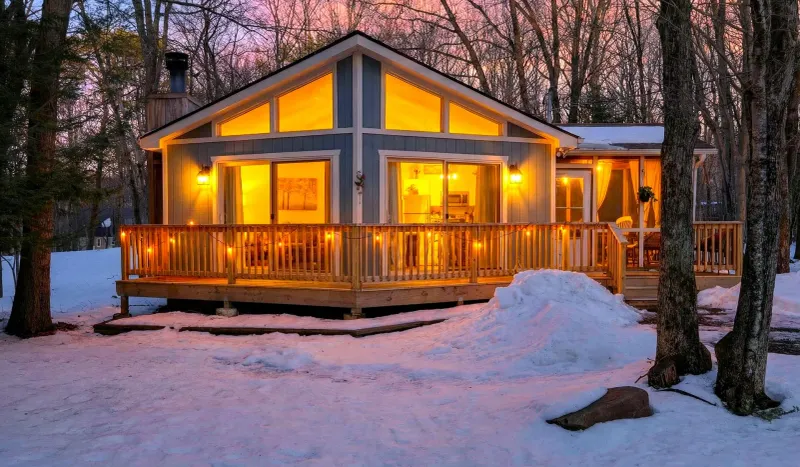
Cabin dreams often begin with a listing full of trees, decks, and promises of peaceful weekends.
For residents around Albrightsville, the more pressing question may be who will live next door after the sale.
This Pocono community and the surrounding area attract buyers interested in recreation and wooded surroundings.
Properties marketed with an Albrightsville address may sit in different jurisdictions or private developments, making exact location especially important.
A buyer seeking personal vacation use is not necessarily operating a rental business.
Likewise, an owner offering guest stays is not automatically neglecting neighbors.
Concerns should focus on documented changes in housing use and the effects those changes create.
Those effects can include unfamiliar cars, parking disputes, trash problems, or fewer homes offered to permanent households.
Whether they are widespread locally requires evidence, not a conclusion drawn from a handful of online listings.
Anyone planning to buy should read association documents before making assumptions about rentals, amenities, or lake access.
Confirm municipal rules as well.
Advertised income estimates deserve careful checking against actual costs and legal operating limits.
Ask practical questions about wells, septic systems, winter access, heating, and insurance.
A wooded retreat still needs regular maintenance, and busy guest use can place different demands on a property than occasional family visits.
Neighbors can encourage clear contact information for rental owners and a straightforward complaint process.
Specific reports are more useful than broad accusations about outsiders.
Local officials and associations also need to consider permanent residents when discussing development and rental policy.
Rules should be understandable, consistently enforced, and grounded in the authority each organization actually has.
The lasting appeal of Albrightsville is more than a profitable booking calendar.
It includes quiet routines, familiar faces, and the chance to make a home among the trees.
Protecting that balance starts with facts and practical expectations for every property owner.
Share this story