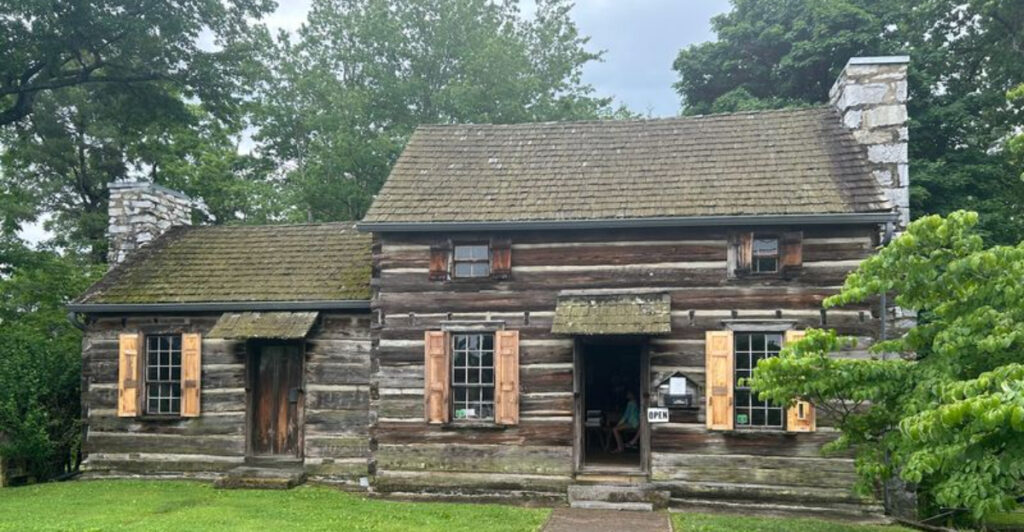
Tennessee’s frontier past feels remarkably close at Crockett Tavern Museum in Morristown, where visitors can explore the world that shaped legendary frontiersman David “Davy” Crockett. The museum stands near the site of the original tavern operated by Crockett’s father, John Crockett, during Davy’s childhood. Its reconstructed tavern setting helps paint a vivid picture of life in East Tennessee when travel was difficult, communities were small, and taverns served as important gathering places for settlers and travelers.
Inside, period furnishings, artifacts, displays, and historical interpretation provide insight into the Crockett family and the frontier environment of the late 18th century. Rather than focusing only on the larger-than-life stories that eventually surrounded Davy Crockett, the museum introduces visitors to the circumstances of his early years and the rugged region that influenced the man he would become. The rustic surroundings add to the experience.
Log construction and period details make it easier to imagine a time before modern Morristown developed, when this part of Tennessee was still very much frontier country. History enthusiasts can learn more about everyday life during the era, while families have an opportunity to connect a famous American name with a real place and community. Crockett would eventually become known as a frontiersman, soldier, politician, and folk hero whose legend spread far beyond Tennessee.
At Crockett Tavern Museum, however, the story becomes more personal. For anyone interested in Tennessee history, early American life, or the real person behind the famous “King of the Wild Frontier” image, this small Morristown museum offers a fascinating trip into the past.
A Reconstruction That Honors the Original Tavern
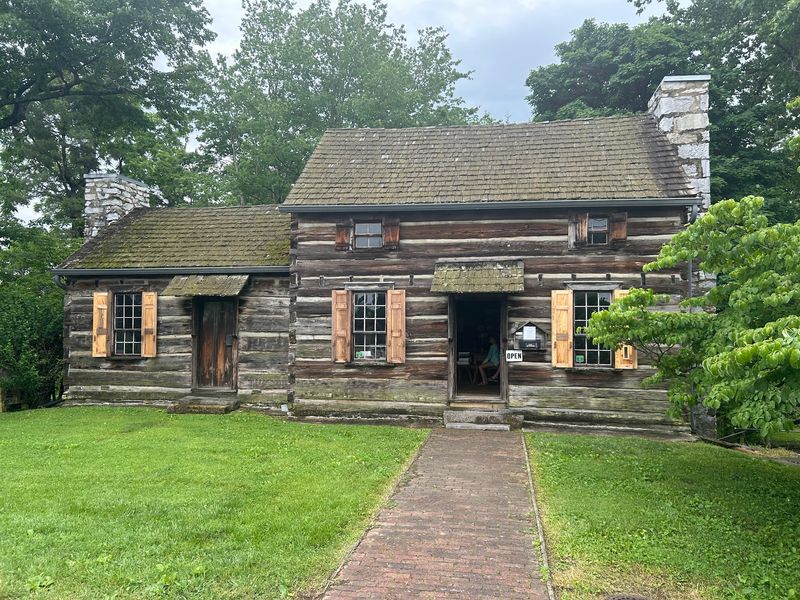
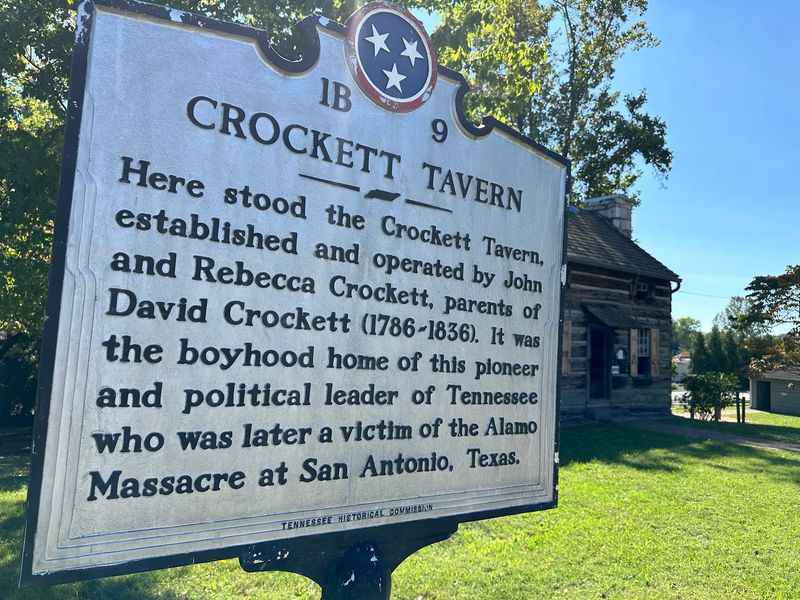
The building you see today isn’t the original structure where John and Rebecca Crockett ran their tavern, but it’s a careful recreation built on the actual site. The original tavern stood along what was once the main trail from the east to the frontier, now known as US-11 and I-81. Walking up to the property feels a bit surreal because it sits right in the middle of a modern residential area, making the time-travel effect even more dramatic.
Inside, the three-story layout gives you a real sense of how frontier families lived and worked in the late 1700s. Period relics fill every corner, from cooking implements to furniture that would have been common in taverns of that era. The attention to detail makes it easy to imagine young David Crockett running around these same spaces as a boy.
What makes this reconstruction special is how accessible everything feels. Unlike some museums where everything’s behind glass, here you can get close to the artifacts and really study them. The building itself tells a story about frontier architecture and how these combination home-and-business establishments functioned as community gathering spots.
The grounds outside feature additional displays, including a Conestoga wagon that helps illustrate the westward migration happening during Crockett’s time. Even if you catch the museum during closed hours, the exterior and grounds offer enough historical context to make the stop worthwhile. Several visitors have mentioned appreciating the outdoor displays when they couldn’t get inside.
The location along the old frontier trail wasn’t random. Taverns served as crucial rest stops for travelers heading west, and the Crockett family’s establishment would have seen countless pioneers passing through. Standing on this spot connects you directly to that flow of American expansion.
Guides Who Actually Know Their Stuff
Forget those museums where someone just hands you a brochure and wishes you luck. The staff at Crockett Tavern Museum consistently blow visitors away with their knowledge and enthusiasm. Reviews mention guides by name, particularly Isaac, who clearly lives and breathes this history.
These aren’t people reading from scripts, they’re storytellers who’ve done their homework.
The guides often dress in period costume, which adds to the immersive experience without feeling cheesy or overdone. They move through the tavern at a comfortable pace, sharing facts about the Crockett family that even Tennessee natives often haven’t heard. Their presentations mix historical accuracy with just enough humor to keep everyone engaged, from kids to grandparents.
One of the coolest parts? They offer demonstrations of a reproduction of David Crockett’s rifle. Watching and learning about how these weapons actually worked gives you a whole new appreciation for frontier life.
The guides explain the mechanics, the history, and the role these rifles played in daily survival and defense.
What really sets these guides apart is their flexibility. Some visitors want the full guided tour experience, while others prefer to wander and explore at their own pace. The staff adapts to what you need, answering questions as they come up or stepping back to let you discover things yourself.
That kind of visitor-centered approach is rare.
They’re also genuinely passionate about sharing lesser-known stories. You’ll hear about the Crockett family dynamics, the challenges of running a frontier tavern, and details about David’s early life that never made it into the Disney version. Current Crockett family descendants have even shared reunion items and collectibles with the museum, and the guides know the stories behind these personal artifacts.
Artifacts That Tell the Real Frontier Story
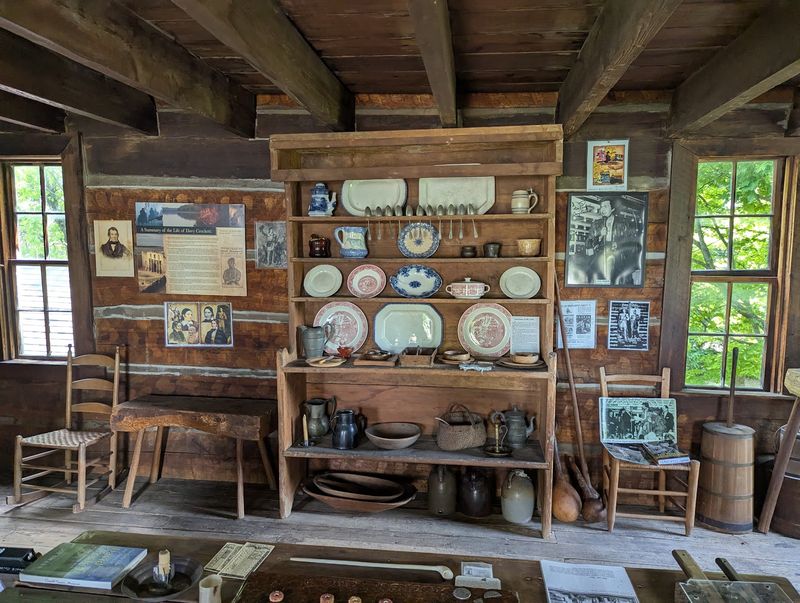
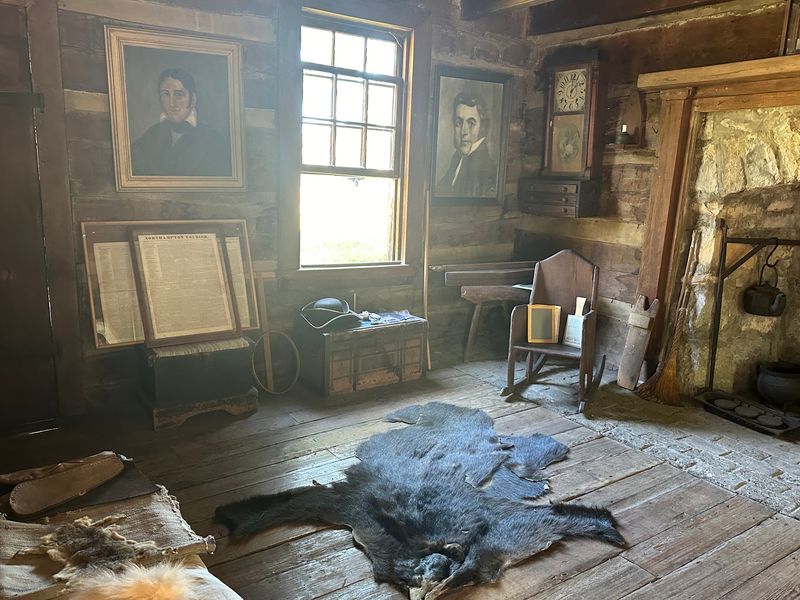
Walking through the museum feels like stepping into a time capsule that someone actually bothered to organize properly. The collection includes authentic items from the late 1700s and early 1800s, giving you a tangible connection to how people actually lived during Crockett’s time. These aren’t reproductions or stand-ins, they’re the real deal.
What’s remarkable is how hands-on the experience can be. Unlike most museums where touching anything gets you scolded, here you’re actually allowed to handle many of the artifacts. That tactile connection makes history feel immediate rather than distant.
Picking up a tool or examining a household item up close creates understanding that no placard could match.
The museum houses items that current Crockett family members have shared from their own collections. These personal artifacts add layers to David Crockett’s story that go beyond the legend. You see family reunion memorabilia, personal effects, and items that connect the famous frontiersman to real people with real lives.
Period household items show the ingenuity required for frontier survival. Cooking implements, furniture, clothing, and tools all demonstrate how much work went into daily life. There’s no romanticizing here, just honest representation of the challenges families faced.
The artifacts make it clear that frontier life required constant problem-solving and physical labor.
The loom room deserves special mention. Textile production was essential to frontier households, and seeing the actual equipment helps you understand the skill and time involved. Women’s contributions to frontier survival often get overlooked in traditional history, but the artifacts here tell a more complete story.
Every item in the collection serves a purpose in building your understanding of this era.
Interactive Experiences That Engage All Ages
History museums can feel stuffy and boring, especially for younger visitors who’d rather be literally anywhere else. Crockett Tavern Museum breaks that mold by making the experience genuinely interactive. Kids don’t just look at old stuff behind glass, they get to engage with history in ways that stick with them.
The rifle demonstration is a huge hit across all age groups. Watching the guide explain and demonstrate how these weapons functioned brings frontier life into sharp focus. It’s one thing to see a rifle in a case, it’s entirely different to understand its mechanics, weight, and the skill required to use it effectively.
Families consistently mention having “a great time” and “fun learning,” which isn’t something you hear about every historical site. The guides have clearly figured out how to pitch information at multiple levels simultaneously. Adults get the deeper historical context while kids stay engaged with stories, demonstrations, and the ability to explore the three-story building.
The self-guided option works perfectly for families who want to move at their own pace. Some kids need to circle back to favorite spots, while others want to race ahead to see what’s upstairs. The museum’s layout and the staff’s flexibility accommodate different learning styles and attention spans.
Homeschool groups particularly love this place, and it’s easy to see why. The combination of authentic artifacts, knowledgeable staff, and hands-on elements hits multiple educational standards while feeling nothing like a classroom. Kids leave with stories to tell rather than just facts they’ll forget by next week.
Even the outdoor elements work for active kids who struggle with traditional museum settings. The Conestoga wagon, exterior displays, and grounds give them space to move while still absorbing historical information. It’s history education that doesn’t feel like work.
A Hidden Gem That Surprises Locals and Travelers Alike
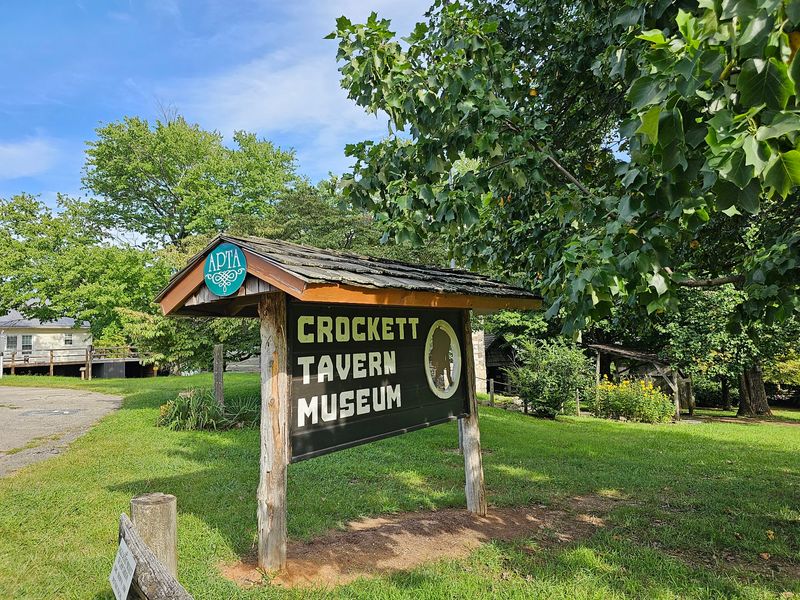
Most people discover this museum by accident, spotting the sign from Interstate 81 and thinking, “Wait, THAT Crockett?” Yes, that Crockett. The same David Crockett who died at the Alamo, served in Congress, and became an American legend. And his boyhood home sits right here in Morristown, often surprising even longtime Tennessee residents.
The location itself is part of the charm and the strangeness. You’re driving through a regular residential neighborhood, past normal houses with normal yards, and suddenly there’s this reconstructed 1700s tavern. The contrast makes the whole experience feel a bit like discovering a secret that’s been hiding in plain sight.
Local reviews express genuine surprise at having “such a staple of history right in our backyard.” That’s the thing about local history, sometimes the most significant sites are the ones we drive past constantly without noticing. The museum does an excellent job of preserving and presenting this history despite its unlikely suburban setting.
Road trippers love stumbling across it because it offers something completely different from chain restaurants and gas stations. It’s the kind of authentic, quirky stop that makes a journey memorable. Plus, at just five dollars for adult admission, it won’t blow your travel budget.
The museum’s modest size works in its favor. You can thoroughly explore everything in about 30 minutes to an hour, making it perfect for breaking up a long drive without eating your whole day. It’s substantial enough to feel worthwhile but compact enough to fit into almost any schedule.
Even when it’s closed, people mention the experience being “worth it” just to see the exterior and grounds. That said, calling ahead is smart since hours are limited. The museum is closed Sundays and Mondays, so plan accordingly if you’re making a special trip.
Separating the Man From the Myth
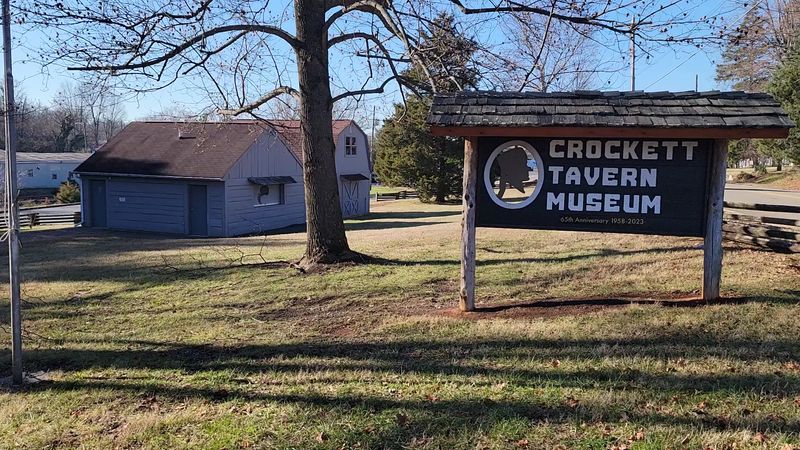
Disney gave us a coonskin-cap-wearing folk hero who wrestled bears and grinned down everything from panthers to politicians. The real David Crockett was more interesting than that cartoon, and this museum helps you understand the actual person behind the legend. Born in 1786 to John and Rebecca Crockett, young David grew up in this tavern during a pivotal moment in American history.
The museum doesn’t shy away from complexity. Crockett was a frontiersman, sure, but also a politician who served in the Tennessee legislature and the U.S. Congress.
He was a skilled hunter and storyteller who understood how to craft his own image. He was a man of contradictions, both a product of his time and someone who stood apart from it.
Learning about his family’s tavern business gives context for his later life. Growing up in a place where travelers constantly passed through, sharing news and stories from different regions, would have shaped his worldview. The tavern wasn’t just a business, it was a crossroads of information and culture on the frontier.
His death at the Alamo in 1836 cemented his legendary status, but the museum focuses more on his Tennessee roots and early development. Understanding where he came from and how he grew up makes his later choices and adventures make more sense. He wasn’t born a legend, he became one through a combination of genuine skill, personal charisma, and smart self-promotion.
The guides share stories about the Crockett family that fill in gaps most people never knew existed. These aren’t sanitized tales meant for children, they’re honest explorations of frontier family life with all its challenges and triumphs. You leave understanding David Crockett as a real person who lived in a specific time and place, not just as a larger-than-life character from stories and songs.
Practical Details That Make Your Visit Smooth
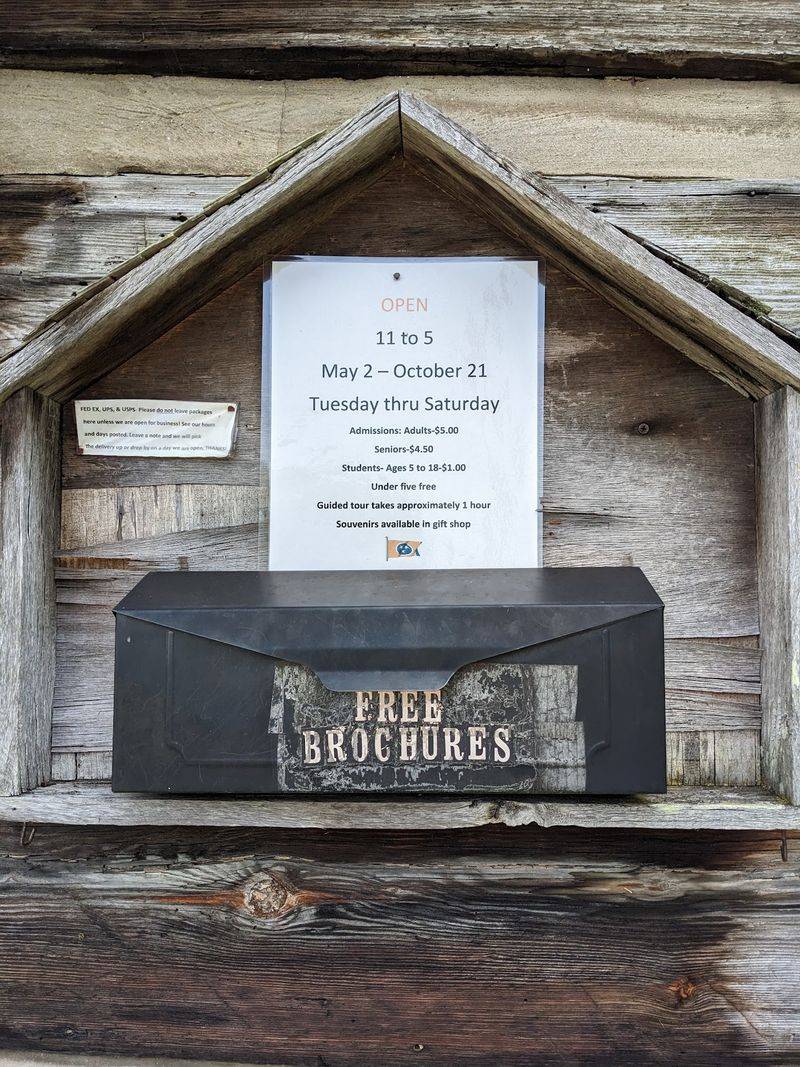
Before you head out, know that this museum operates on limited hours. They’re open Tuesday through Saturday from 11 AM to 5 PM, but closed Sundays and Mondays. Calling ahead at 423-587-9900 is genuinely smart, especially if you’re driving any distance.
Hours can occasionally vary, and you don’t want to show up to locked doors.
Here’s something charmingly old-school: they only accept cash or checks. No credit cards, no Apple Pay, no Venmo. It’s very 1800s of them, honestly.
If you’re like most modern humans who rarely carry cash, hit an ATM before you arrive. Adult admission is just five dollars, so you won’t need much.
Parking is somewhat limited, as you’d expect for a site tucked into a residential neighborhood. The lot handles normal traffic fine, but if you’re visiting during peak times or with a large group, be prepared to get creative. The good news is the neighborhood streets are usually quiet enough that finding a spot nearby isn’t terrible.
The museum is small enough that it’s not wheelchair accessible in the way modern buildings are, but the staff is accommodating and will work with you on seeing as much as possible. If mobility is a concern, definitely call ahead to discuss options. The outdoor displays and ground floor are easier to navigate than the upper stories.
Plan for 30 minutes to an hour for your visit, depending on how thoroughly you want to explore and whether you opt for the guided tour. The guided experience is absolutely worth it if available, those knowledgeable guides really make the difference. If you prefer self-guided exploration, that’s totally fine too, the staff respects different visiting styles.
The museum’s website at crocketttavernmuseum.org has basic information, though calling remains your best bet for current details. The address is 2002 Morningside Drive, Morristown, easily accessible from I-81. Watch for the signs, they’re there, but easy to miss if you’re not paying attention.
Share this story