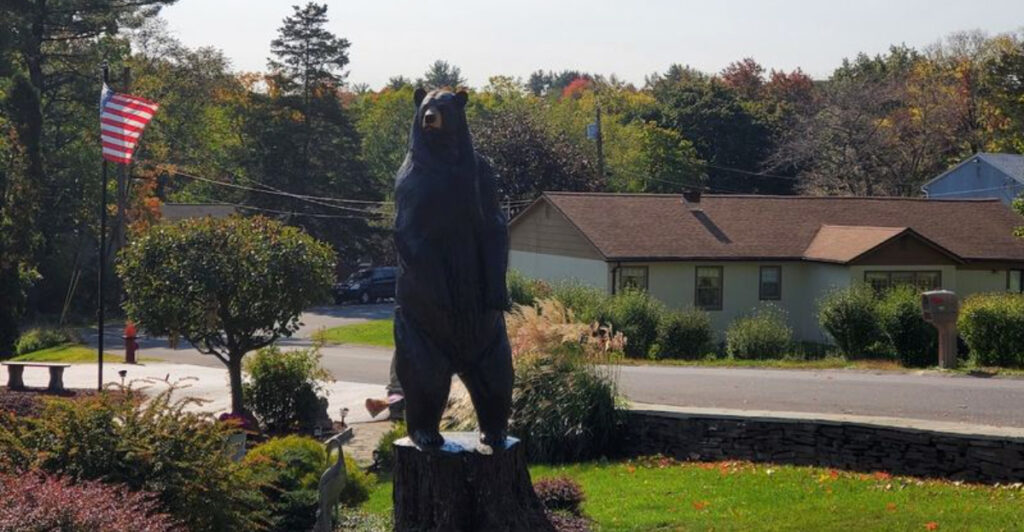
Ulster, New York, sits just north of Kingston, close to wooded hills, quiet roads, and the edge of Catskill Park. That mix of neighborhoods and wild land makes black bear sightings a real part of local life.
People talk about bears near yards, roads, bird feeders, and wooded trails because these visits can be exciting, surprising, and sometimes risky. Knowing why bears appear in Ulster helps residents and visitors stay safe while respecting the wildlife that shares the area.
1. Backyard Bear Sightings Put Ulster on the Map
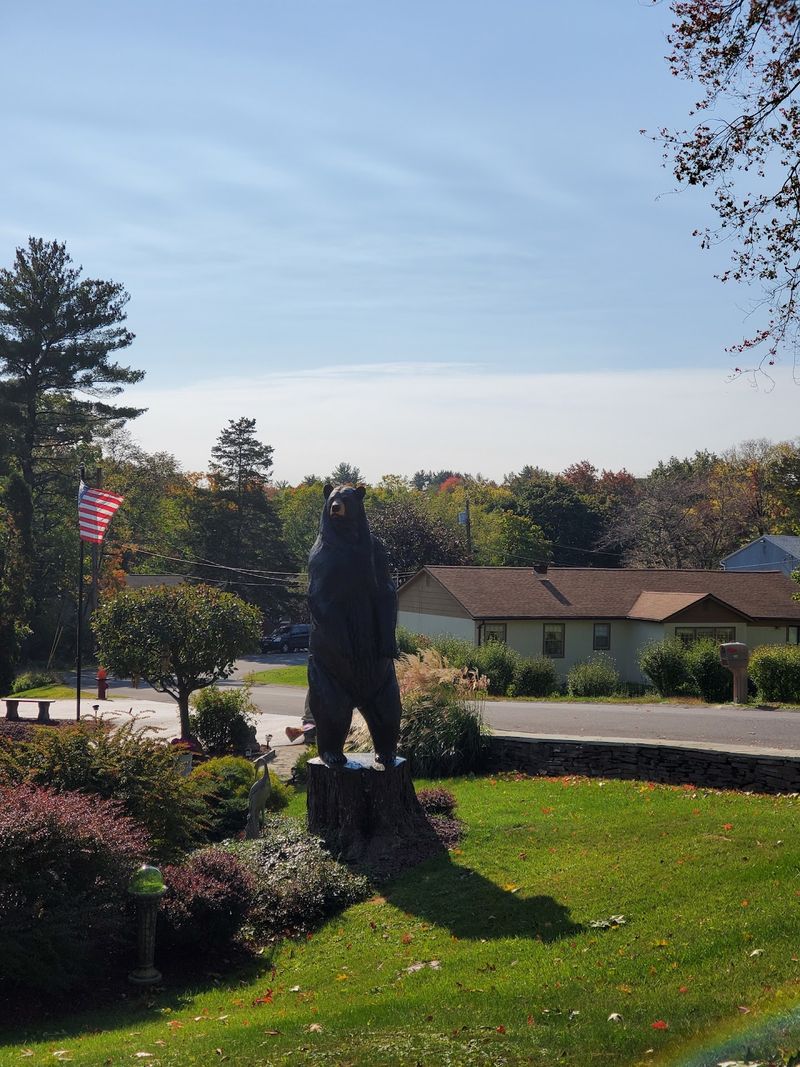
A quiet morning can turn unforgettable when a black bear pads across a lawn in Ulster.
For many residents, the first sign is not a roar or a crash, but a tipped trash can, bent feeder pole, or muddy paw print near the porch.
Ulster is directly north of Kingston, yet parts of town still feel close to deep woods.
Because the town is partly inside Catskill Park, bears can move from forested areas into neighborhoods while searching for food.
They are usually not looking for people, but they are very good at finding easy meals.
Backyard sightings have helped make Ulster known as a place where wild nature is never far away.
A bear walking through a yard may look cute from a window, but it should never be treated like a pet or photo prop.
Feeding bears, even by accident, can teach them to return again and again.
The safest plan is simple: remove bird feeders in warm months, lock garbage, clean grills, and keep pets indoors when a bear is nearby.
If you see one, watch from inside or far away, make noise if it lingers, and give it a clear escape path.
In Ulster, a smart backyard is a bear-safe backyard.
2. Trash Day Has Become Bear Awareness Day
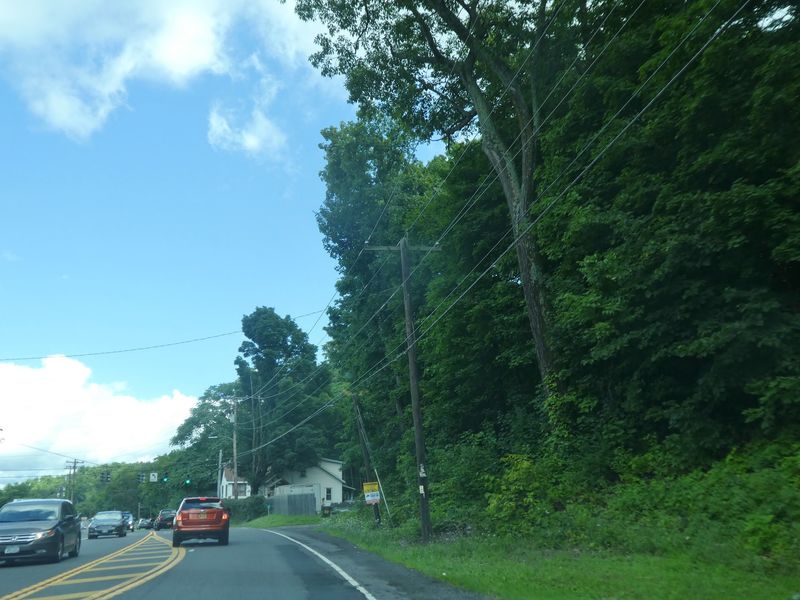
Ask around Ulster, and someone will likely have a trash story.
A bin set out too early can become an open buffet for a hungry black bear, especially in spring and summer when animals are roaming after scarce food.
Garbage is one of the biggest reasons bears visit homes.
Food scraps, pizza boxes, meat wrappers, and even sweet drink containers can draw them from a surprising distance.
Once a bear learns that a certain road has easy snacks, it may check that area again.
That is why trash habits matter so much in Ulster.
Residents can help by keeping garbage indoors, in a garage, or in a strong, sealed container until pickup morning.
If pickup is early, putting cans out as late as possible the night before is better than leaving them outside for many hours.
Cleaning cans also helps because old smells can be just as tempting as fresh food.
Bagging waste tightly, freezing smelly scraps until collection day, and rinsing recyclables are small steps that make a difference.
Bear-resistant containers can be useful for homes near woods or repeated sighting areas.
Trash day may not sound exciting, but in Ulster it has become part of living wisely with wildlife.
When fewer food rewards are left outside, bears are more likely to pass through without trouble.
That keeps both neighbors and bears safer.
3. Catskill Park Edges Bring Wildlife Close
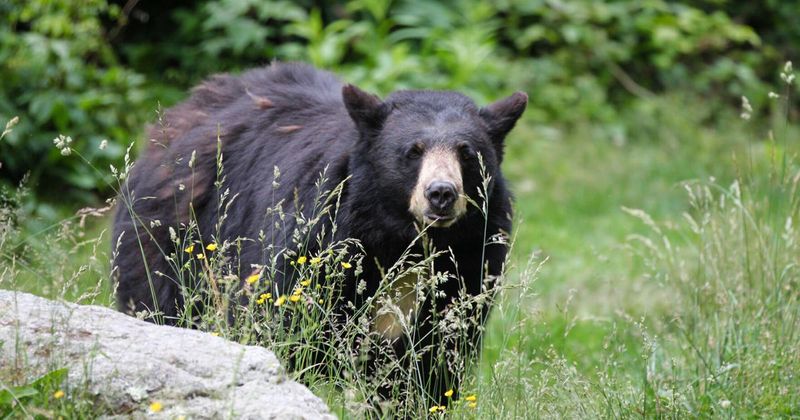
One reason Ulster gets attention for bear encounters is its location.
The town is partly situated inside Catskill Park, a huge area of mountains, forests, streams, and rocky slopes where black bears have long made their homes.
Wildlife does not read town lines on a map.
A bear may travel through thick woods, cross a quiet road, follow a stream corridor, and end up near houses or businesses without knowing it has entered a busy human space.
In Ulster, that overlap can happen more often than people expect.
Black bears are strong travelers, and they roam widely to find berries, nuts, insects, plants, and other natural foods.
During dry years or poor nut seasons, they may search harder and move closer to places where people live.
The edge between forest and development becomes a meeting zone.
For visitors, this makes Ulster feel special.
You can be near stores and neighborhoods while still close to real Catskill wildlife.
That beauty comes with responsibility, especially when hiking, camping nearby, or staying at homes close to the woods.
Carry out food waste, keep snacks packed away, and never leave coolers outside where a bear can reach them.
If you live near a wooded edge, look at your yard the way a bear might.
Anything smelly or edible could be an invitation, so remove the invite before a bear accepts.
4. Bird Feeders Can Accidentally Ring the Dinner Bell
Bird feeders may look harmless, but to a black bear they can smell like a candy jar hanging in the air.
Sunflower seeds, suet, and spilled grain offer lots of calories, which is exactly what bears want.
In Ulster, feeders can be a major reason bears wander into yards.
Birds may be the intended guests, but bears are powerful, clever, and willing to bend metal poles or climb to reach food.
Once they succeed, the yard becomes part of their memory.
Many wildlife experts suggest taking feeders down during the warmer bear-active months.
In the Catskill region, that often means spring through late fall, depending on weather and bear movement.
If residents still want to help birds, planting native shrubs and flowers is a safer choice.
Spilled seed matters too.
A clean feeding area in winter can still attract other animals, and those smells can interest bears when they wake and begin moving.
Compost piles, pet food bowls, and greasy grills can add to the problem if left nearby.
The good news is that people can enjoy birds without turning the yard into a bear stop.
Keep feeders seasonal, clean up seed, and store feed indoors in sealed containers.
In a town like Ulster, where homes and wild spaces sit close together, small changes around the yard can prevent big surprises.
5. Roadside Encounters Remind Drivers to Slow Down
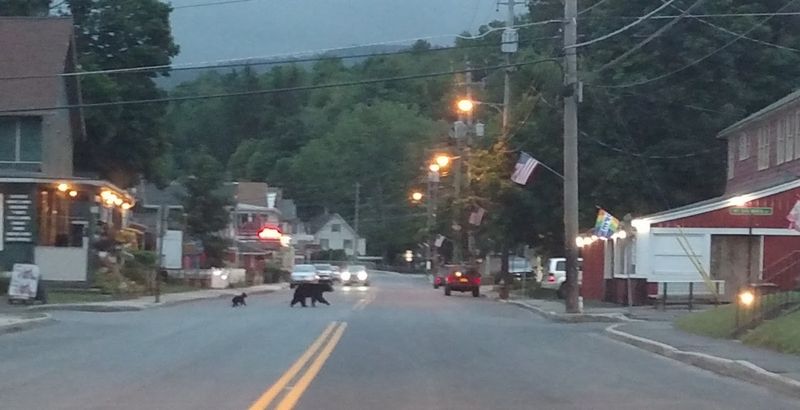
A dark shape crossing the road at dusk can make any driver tap the brakes fast.
In Ulster, black bears may cross local roads while moving between feeding spots, streams, wooded ridges, and quiet neighborhoods.
Bear activity can be easier to miss than people think.
A bear may appear suddenly from brush, especially along tree-lined roads or near open areas with food sources.
Young bears can be extra unpredictable as they search for their own space.
Drivers should slow down in wooded areas, particularly around dawn and dusk.
These are common travel times for many animals.
If one bear crosses, watch carefully because cubs or another bear may follow behind.
Stopping for a photo can create danger.
Pulling over in a narrow spot may block traffic, and stepping out of the car puts people too close to wildlife.
The safest choice is to stay inside, let the bear cross, and continue only when the road is clear.
Ulster’s bear fame is not only about backyard visits.
Roads tell the same story: this is a place where human travel and animal travel often meet.
Being alert protects drivers, passengers, and bears.
If a collision happens, people should not approach the animal.
Call local authorities or the appropriate wildlife agency for help.
A hurt bear can be scared and dangerous, even if it looks still.
Patience and distance are the best roadside tools.
6. Cub Sightings Create Excitement and Extra Caution
Few sights cause more excitement than a bear cub wobbling through the brush.
The tiny ears, round face, and clumsy steps can make people forget a serious fact: a mother bear may be very close.
In Ulster, cub sightings can happen near wooded yards, roads, or quiet edges of town.
Cubs are born in winter dens and begin following their mother as the weather warms.
By spring and summer, they are learning where to climb, what to eat, and how to avoid trouble.
A cub alone does not always need help.
The mother may be hidden nearby, watching and waiting for people to leave.
Getting closer for a better look can frighten the adult bear and place everyone in a risky position.
The smartest response is to back away slowly and calmly.
Do not run, do not shout at the cub, and do not try to feed or rescue it.
If a cub seems injured or trapped, call trained wildlife officials instead of handling it yourself.
Pictures can wait, safety cannot.
Use zoom from a protected place if you are already far away, or skip the photo and enjoy the memory.
In Ulster, cub encounters are a reminder that famous wildlife moments come with adult choices.
Respecting space helps young bears grow up wild, wary, and able to survive without depending on people.
7. Local Businesses Share Space With Bear Country
Bears do not stop at the edge of a driveway.
In Ulster, restaurants, shops, offices, and other small businesses can also become part of the bear story, especially when dumpsters or outdoor food waste are easy to reach.
Commercial areas near wooded patches may seem too busy for wildlife, but bears are mostly guided by smell.
A dumpster with a loose lid can be far more interesting than passing cars or parking lot lights.
If food is available, a bear may return during quiet hours.
Businesses can lower the risk by using locked dumpsters, keeping grease containers secure, and cleaning spill areas often.
Staff should know not to leave food trash outside the container, even for a short time.
A cardboard box of leftovers beside a bin can undo a week of careful work.
Clear plans help workers too.
If a bear is seen behind a building, employees should stay inside, keep customers away from the area, and contact the right local or state wildlife authorities if needed.
No one should try to chase the animal with a broom, car, or loud crowd.
Ulster’s business community benefits when bear safety becomes routine instead of dramatic.
Clean waste areas, strong lids, and calm reactions show that a town can welcome shoppers and still protect wildlife.
That balance is part of what makes living near the Catskills so unique.
8. Hikers and Walkers Need a Simple Bear Plan
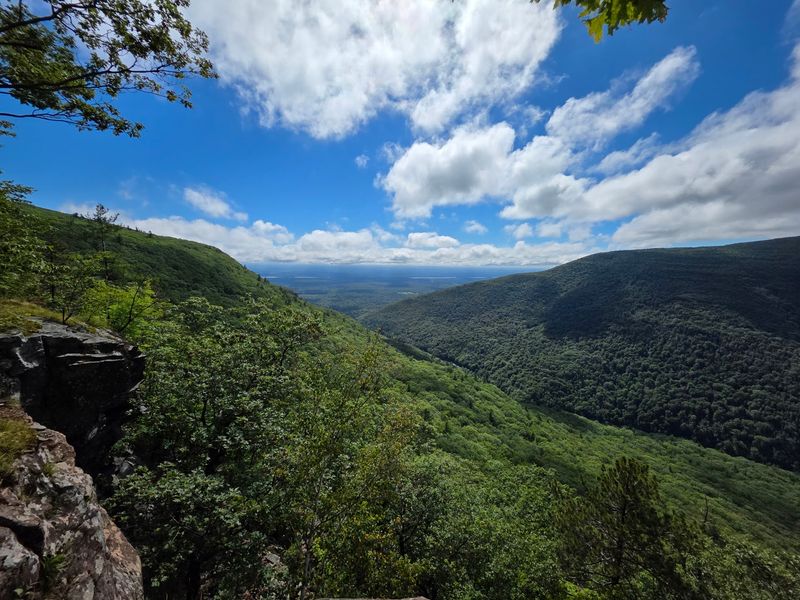
A short walk near Ulster can feel peaceful, with leaves overhead and the Catskill air close by.
Still, anyone heading onto wooded paths or quiet lanes should remember that black bears may use the same natural corridors.
Most black bears avoid people when they know someone is coming.
Making normal conversation, keeping children close, and staying aware of surroundings can prevent surprise encounters.
Headphones at full volume are not a great idea in bear country because they block useful sounds.
Food needs care, even on a quick outing.
Snacks should stay packed until eaten, and wrappers should go back home with you.
Leaving apple cores, sandwich crusts, or candy wrappers along a trail can attract animals and change their behavior.
If you meet a bear, stay calm and do not run.
Speak in a firm voice, raise your arms to look larger, and slowly back away while giving the bear room.
If the bear has an escape route, it will usually choose to leave.
Dogs add another layer of planning.
Keep them leashed where required and under close control because a dog may chase a bear and then run back toward its owner.
That can turn a quiet walk into a stressful situation.
Ulster’s outdoor charm is one reason people enjoy the town.
A simple bear plan lets walkers enjoy that charm with confidence, respect, and fewer surprises.
9. Community Know-How Keeps the Bear Story Positive
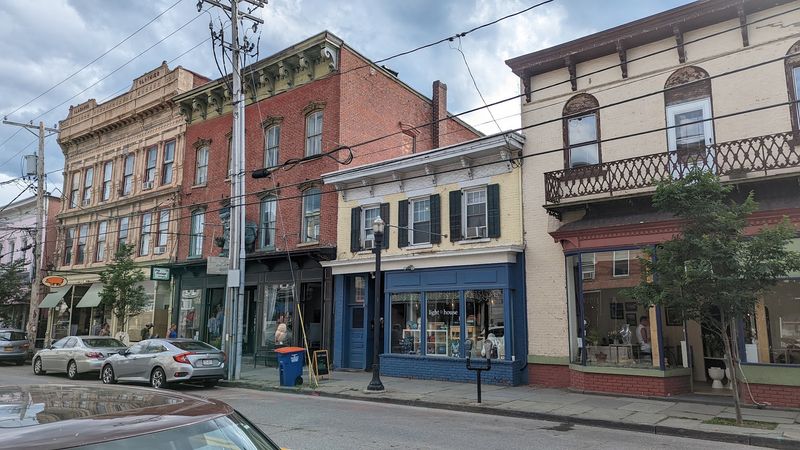
The best bear stories in Ulster are the ones that end with everyone safe.
A bear passes through, people keep their distance, attractants are removed, and the animal moves back toward cover without becoming a problem.
Community knowledge makes that possible.
Neighbors who share accurate tips can prevent panic and stop risky behavior.
A quick reminder about locked trash or removed bird feeders may help more than a dramatic social media post.
Local families can teach children simple rules too.
Never approach a bear, never feed one, and always tell an adult if a bear is nearby.
Kids often remember clear rules better when adults explain that keeping bears wild is a way of helping them.
Visitors also need the message.
People renting homes, staying with friends, or exploring near Ulster may not know how common bear movement can be around the Catskills.
Simple notes about trash storage, grills, pet food, and safe viewing can prevent mistakes.
When a bear becomes too comfortable around people, the outcome can be sad for the animal.
That is why prevention matters before trouble starts.
Ulster’s growing reputation for bear encounters can be a source of pride if it is tied to respect, not carelessness.
Living near wildlife is a shared job.
With steady habits and calm choices, Ulster can be known not just for seeing black bears, but for handling those encounters the right way.