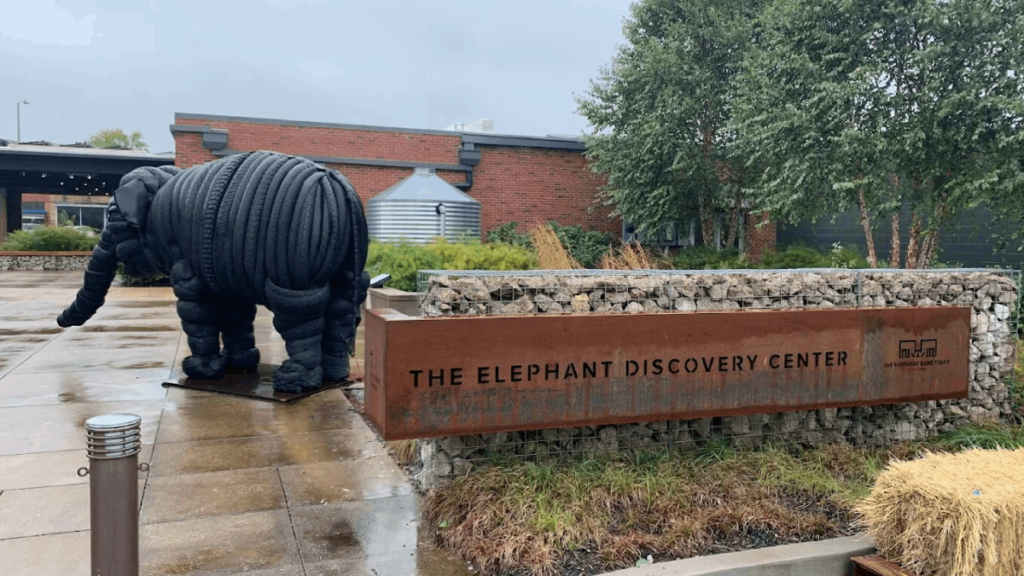
Deep in the heart of Tennessee, something extraordinary is happening that most people don’t know about. The Elephant Sanctuary in Hohenwald provides a peaceful retirement home for elephants who spent years performing in circuses and living in zoos. Spanning over 2,200 acres of beautiful countryside, this special place gives these magnificent animals the freedom and care they deserve.
It’s a story of healing, hope, and second chances that will change the way you think about elephants forever.
A Hidden Sanctuary in Tennessee Dedicated Entirely to Elephants
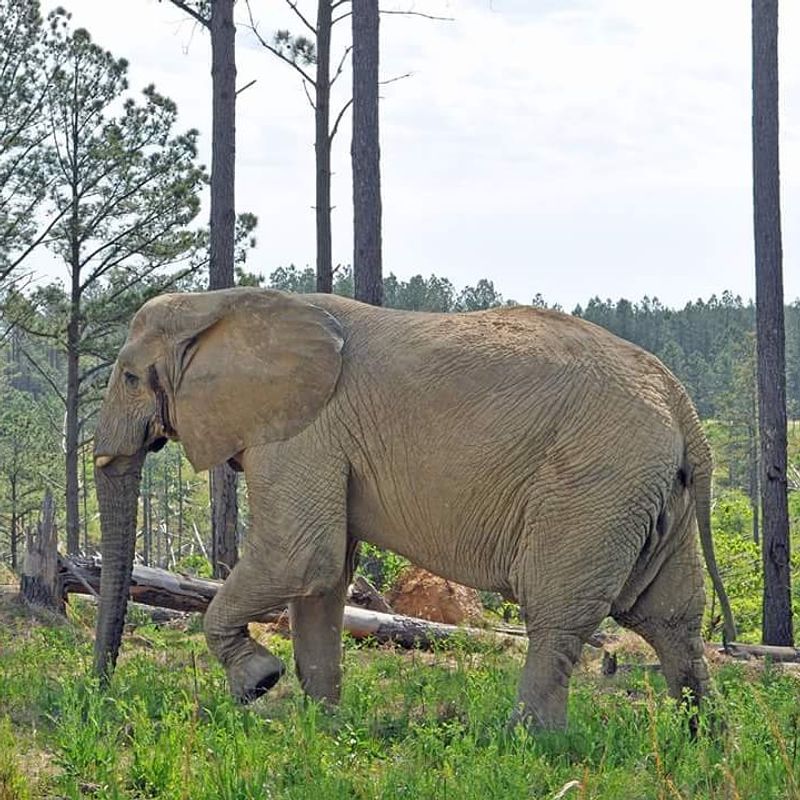
Tucked away in the small town of Hohenwald, Tennessee, sits North America’s largest natural habitat created specifically for elephants. Covering more than 2,200 acres of lush countryside, this sanctuary exists solely to give retired circus and zoo elephants a place to live out their remaining years in peace. Most folks driving through Tennessee have no idea this remarkable place even exists.
The sanctuary operates differently from typical wildlife attractions. Instead of putting elephants on display for entertainment, it prioritizes their wellbeing above all else. The massive property includes separate habitats for Asian and African elephants, plus special areas for those needing medical quarantine.
What makes this place truly special is its commitment to letting elephants just be elephants. After decades of chains, small enclosures, and performing tricks, these animals finally get to roam freely across vast stretches of land. They can wade in ponds, dust bathe, and interact with their herd on their own terms, experiencing the natural elephant life they were always meant to live.
What the Elephant Sanctuary in Tennessee Is—and Why It’s So Unique
Founded in 1995, The Elephant Sanctuary exists as a non-profit organization with one clear mission: providing a forever home to elephants retired from entertainment and exhibition. Unlike zoos, where animals are bred and displayed, this facility focuses entirely on rescue, rehabilitation, and retirement. Each resident elephant has their own heartbreaking backstory of life in captivity.
The uniqueness stems from its strictly private nature. Visitors cannot tour the actual sanctuary grounds where elephants live. This policy protects the animals from stress and allows them to decompress from years of human interaction and performance pressure.
It’s a radical approach that puts elephant needs before human curiosity.
The sanctuary currently houses both Asian and African elephants, each group living in specially designed habitats that mimic their natural environments. Professional caregivers and veterinarians provide round-the-clock medical attention, proper nutrition, and behavioral enrichment. These majestic creatures receive specialized care for conditions like tuberculosis, arthritis, and psychological trauma from their previous lives in entertainment.
Why Visitors Can’t See the Elephants in Person
Here’s the part that surprises most people: you cannot visit the elephants themselves. The 2,200-acre sanctuary remains completely closed to the public, with no tours, no viewing platforms, and no photo opportunities. For some visitors, this feels disappointing at first. But there’s a powerful reason behind this unusual policy.
These elephants spent their entire lives performing for crowds, being stared at in zoos, and constantly interacting with humans. Many suffered abuse, neglect, and traumatic experiences during their years in entertainment. The sanctuary believes these animals have earned the right to privacy and peace after decades of exploitation.
Allowing public access would defeat the sanctuary’s core purpose. Elephants are incredibly intelligent and sensitive creatures who can sense human presence and energy. Even well-meaning visitors would create stress and disrupt their healing process.
By keeping the sanctuary private, the staff ensures the elephants can finally relax, form natural social bonds, and live without performance pressure. It’s about respecting their needs over our desires to see them up close.
Inside the Elephant Discovery Center Experience
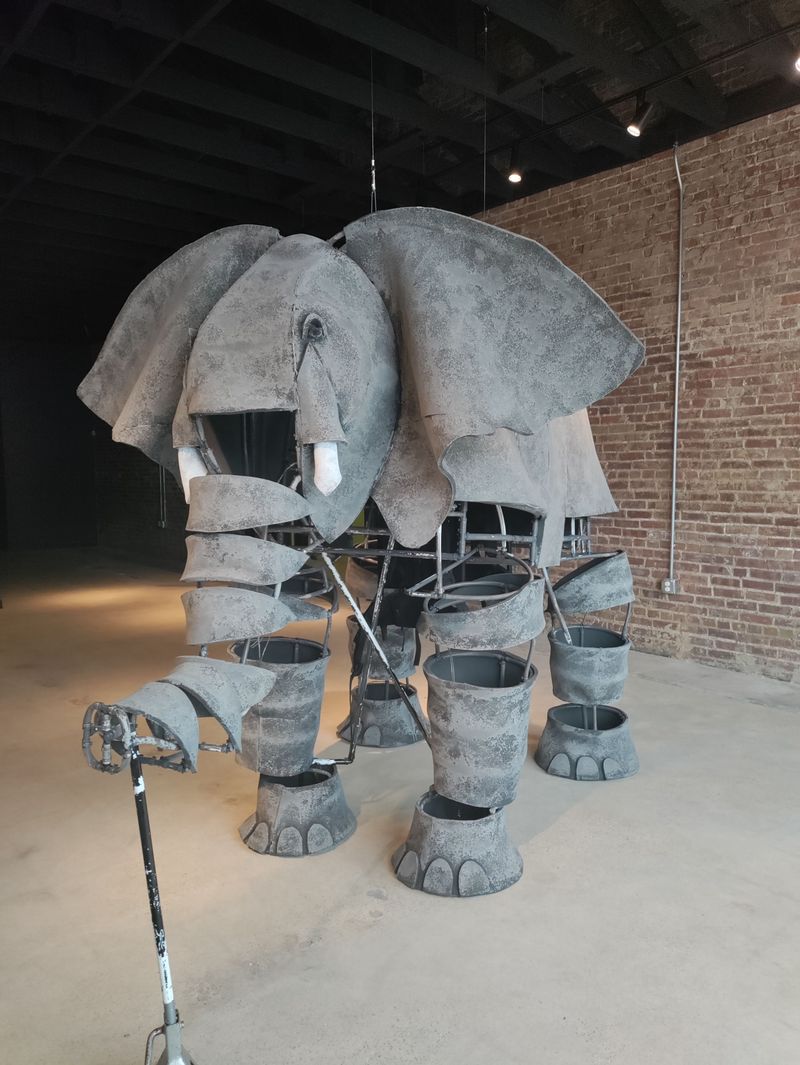
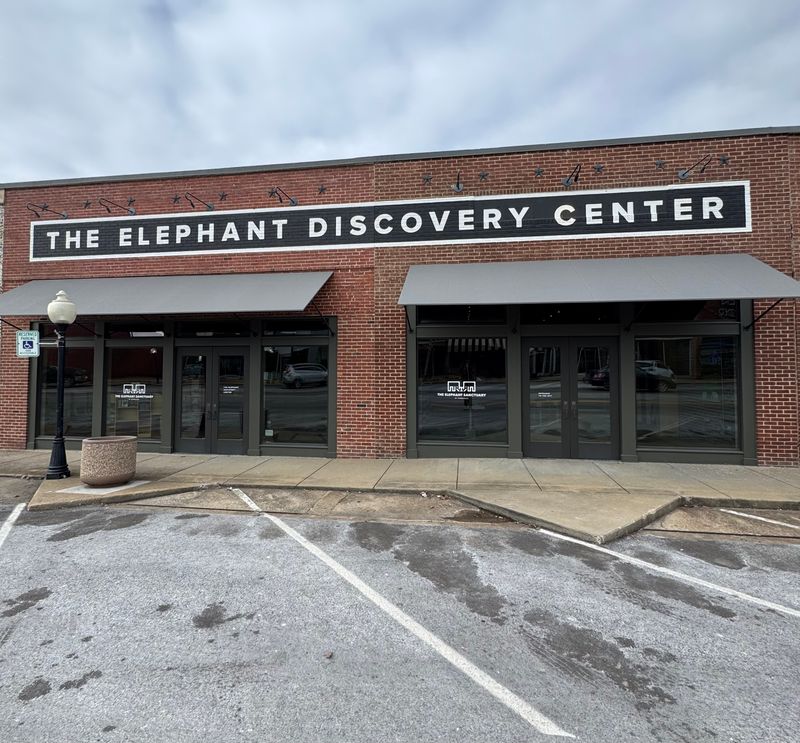
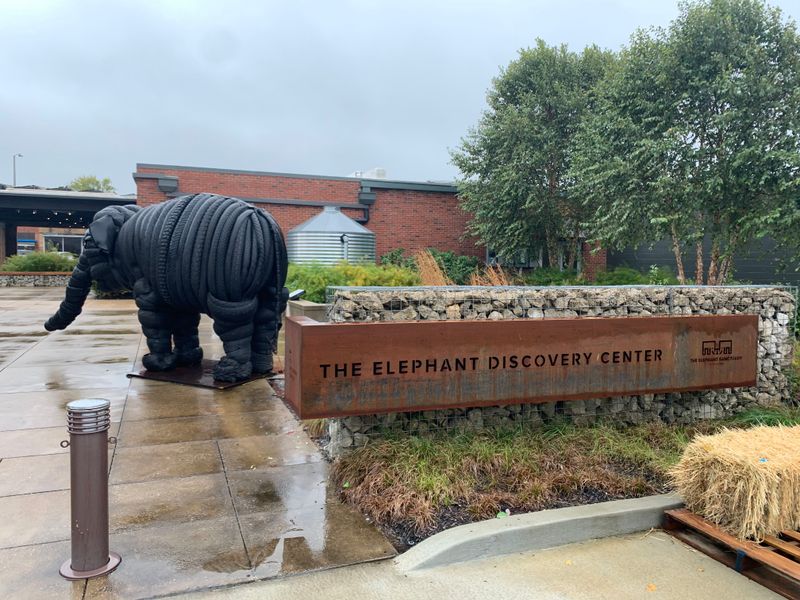
While you can’t visit the elephants directly, the Elephant Discovery Center in downtown Hohenwald offers an incredible alternative experience. Located at 27 East Main Street, this educational facility opened its doors to help people understand and connect with the sanctuary’s mission.
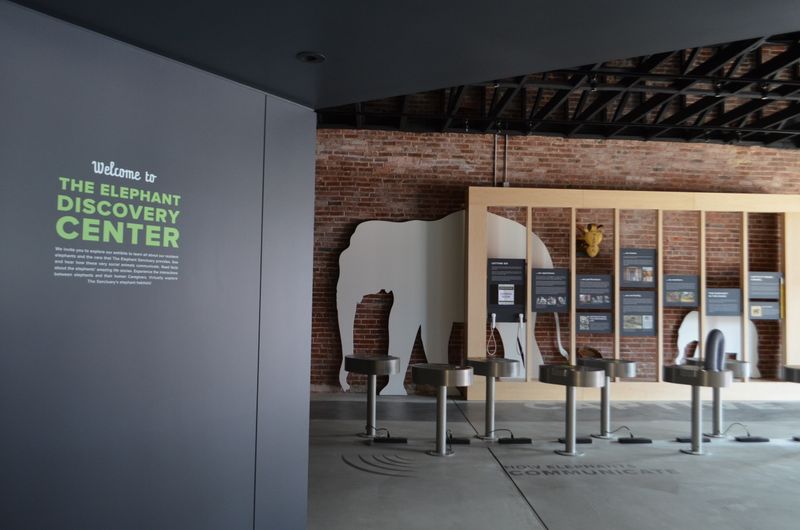
The center features interactive exhibits explaining elephant biology, behavior, and conservation challenges. Visitors can watch live “elecam” feeds showing real-time footage from various areas of the sanctuary. You might catch elephants bathing, eating, playing, or simply relaxing in their natural habitat. It’s like having a window into their private world without disturbing them.
Knowledgeable staff members are always available to answer questions and share individual elephant stories. Kids can participate in crafts and activities, while adults browse the gift shop filled with elephant-themed merchandise. Every purchase and donation directly supports the sanctuary’s ongoing care efforts.
The center operates Tuesday through Saturday from 9 AM to 4 PM, making it an easy stop during your Tennessee travels.
The Stories of the Elephants and How the Sanctuary Helps Them Heal
Every elephant at the sanctuary carries a story that will break your heart and then mend it again. Take Shirley, who celebrated her 70th birthday at the sanctuary, making her the third oldest elephant in North America. She spent decades performing in circuses, often chained when not in the ring, enduring conditions no living creature should face.
Many residents arrived with tuberculosis contracted during their circus years, requiring specialized medical quarantine and treatment. Others suffer from arthritis, foot problems, and psychological trauma from years of confinement and abuse. The sanctuary’s expert veterinary team provides cutting-edge medical care tailored to each elephant’s unique needs.
Healing happens slowly but surely. Elephants who once stood isolated in small enclosures now roam freely across thousands of acres. They form deep friendships with other elephants, something many never experienced before.
Staff members witness remarkable transformations as these animals rediscover natural behaviors like mud bathing, foraging, and playing. It’s proof that with proper care, patience, and respect, even the deepest wounds can begin to heal.
What You’ll Learn About Elephant Conservation and Care
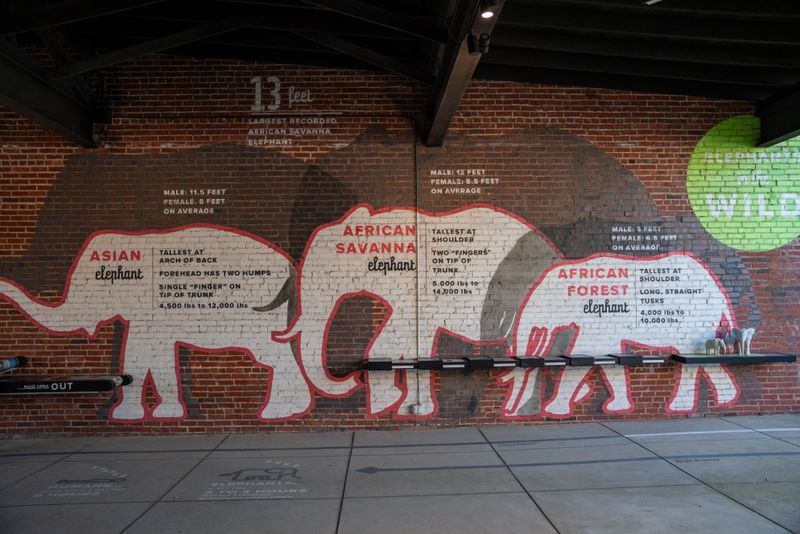
A visit to the Discovery Center transforms how you understand elephants and their place in our world. The exhibits dive deep into elephant intelligence, revealing that these animals possess self-awareness, complex emotions, and strong family bonds. You’ll discover how elephants communicate using infrasound frequencies humans can’t even hear, and how they mourn their dead with touching funeral rituals.
Displays explain the threats elephants face globally, from habitat loss to poaching for ivory. You’ll learn about the differences between Asian and African elephants, and why captive elephants need specialized care that goes far beyond what most zoos can provide.
The center also educates visitors about the dark side of animal entertainment. Many people don’t realize the training methods used in circuses often involve abuse and deprivation. Understanding these realities helps visitors make informed choices about supporting facilities that use animals for entertainment.
How to Visit the Elephant Discovery Center in Hohenwald
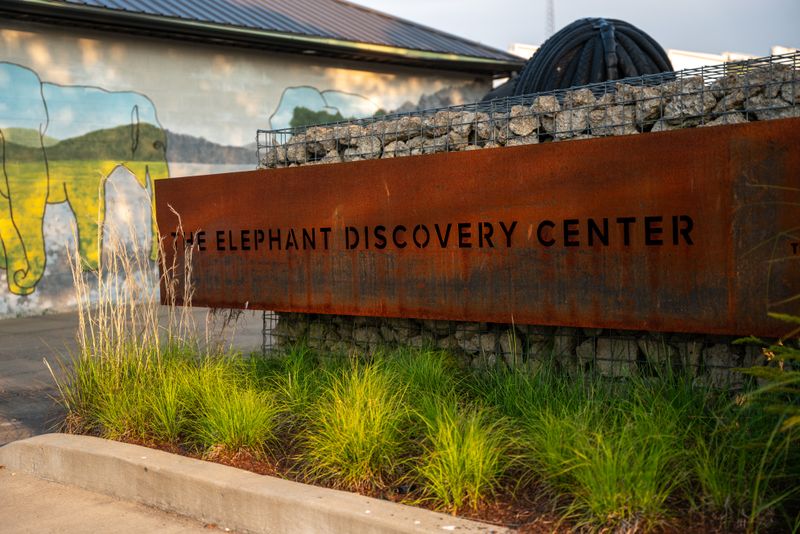
Planning your visit is straightforward and rewarding. The Elephant Discovery Center sits right in downtown Hohenwald at 27 East Main Street, making it easy to find. The center welcomes guests Tuesday through Saturday from 9 AM to 4 PM, staying closed on Sundays and Mondays.
Admission is free, though donations are greatly appreciated and directly support elephant care.
The self-guided experience typically takes about an hour, though elephant enthusiasts often stay longer, watching the live elephant cams and exploring exhibits. Service animals are welcome inside the facility.
The sanctuary’s gift shop offers unique merchandise, with proceeds funding elephant food, medical care, and habitat maintenance. You can even adopt an elephant through their sponsorship program.