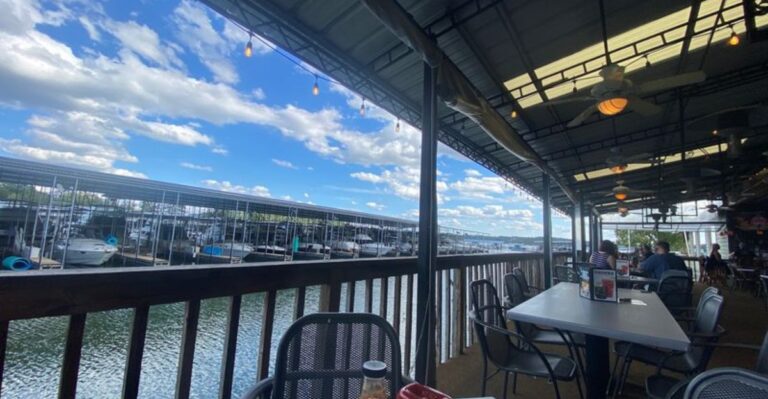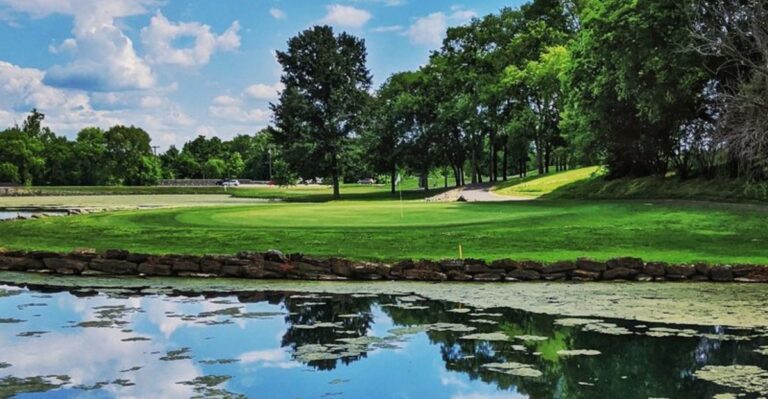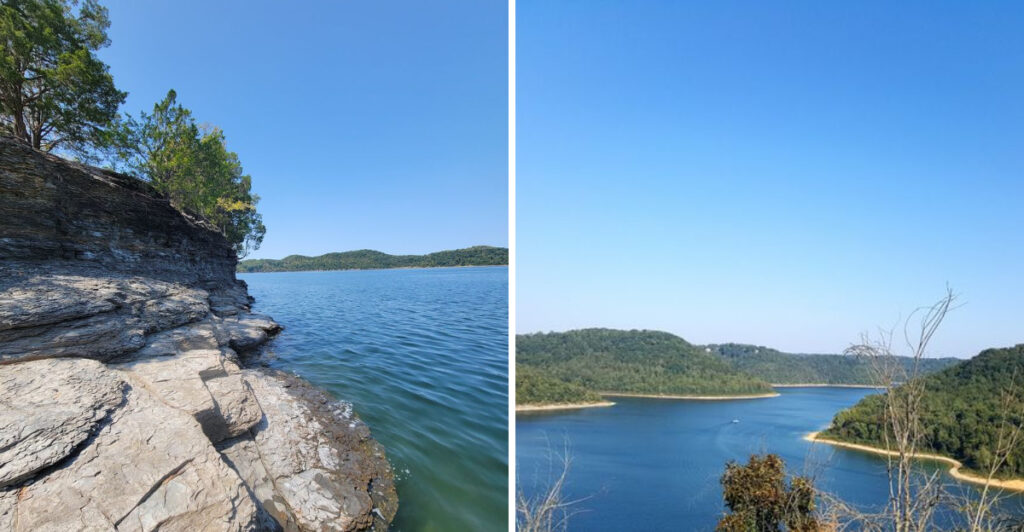
When summer tourists pack up and head home, Tennessee’s lake towns transform into peaceful havens that locals have been enjoying all along. The cooler months bring calmer waters, less competition for boat ramps, and that rare chance to actually find parking at your favorite lakeside spot. These eleven charming communities scattered across the state prove that the best time to explore Tennessee’s waterfront gems might just be when everyone else has gone home.
1. Dandridge, Tennessee – Douglas Lake
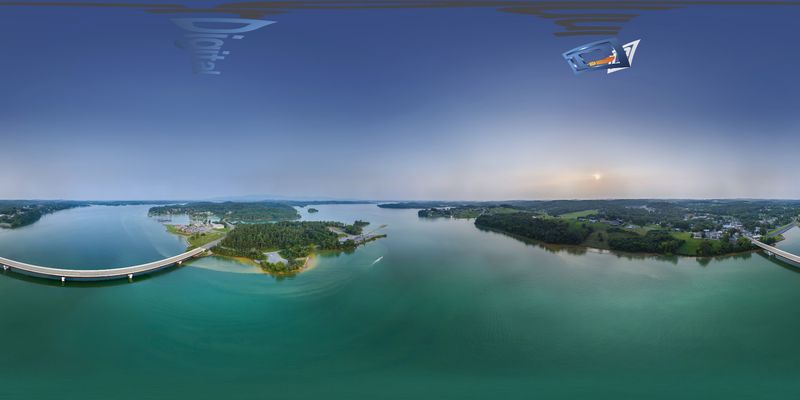
Nestled against the foothills of the Great Smoky Mountains, Dandridge holds the distinction of being Tennessee’s second-oldest town, and it wears that history beautifully. Douglas Lake stretches out like a massive mirror reflecting the changing seasons, and when autumn arrives, the shoreline explodes in shades of amber and crimson that summer visitors completely miss.
The fishing here becomes absolutely stellar once the crowds thin out. Crappie and bass practically line up for anglers who know the right spots, and you won’t be jockeying for position at the boat launch before dawn. Local marinas slow down to a comfortable pace, where dock conversations last longer and everyone seems to have time for helpful advice about where the fish are biting.
Downtown Dandridge reveals its true character in the off-season. The historic courthouse square feels less like a tourist destination and more like the genuine small town it’s always been. You can actually browse the antique shops without bumping elbows, and the local restaurants serve up Southern comfort food without the wait times that plague summer weekends.
The lake’s 30,000 acres offer endless exploration opportunities when you’re not sharing the water with jet skis and party boats. Kayakers glide through quiet coves where herons fish undisturbed, and the sunset views from the water take on an almost spiritual quality. Fall and winter here aren’t the off-season, they’re when Dandridge becomes exactly what a lake town should be.
2. Byrdstown, Tennessee – Dale Hollow Lake
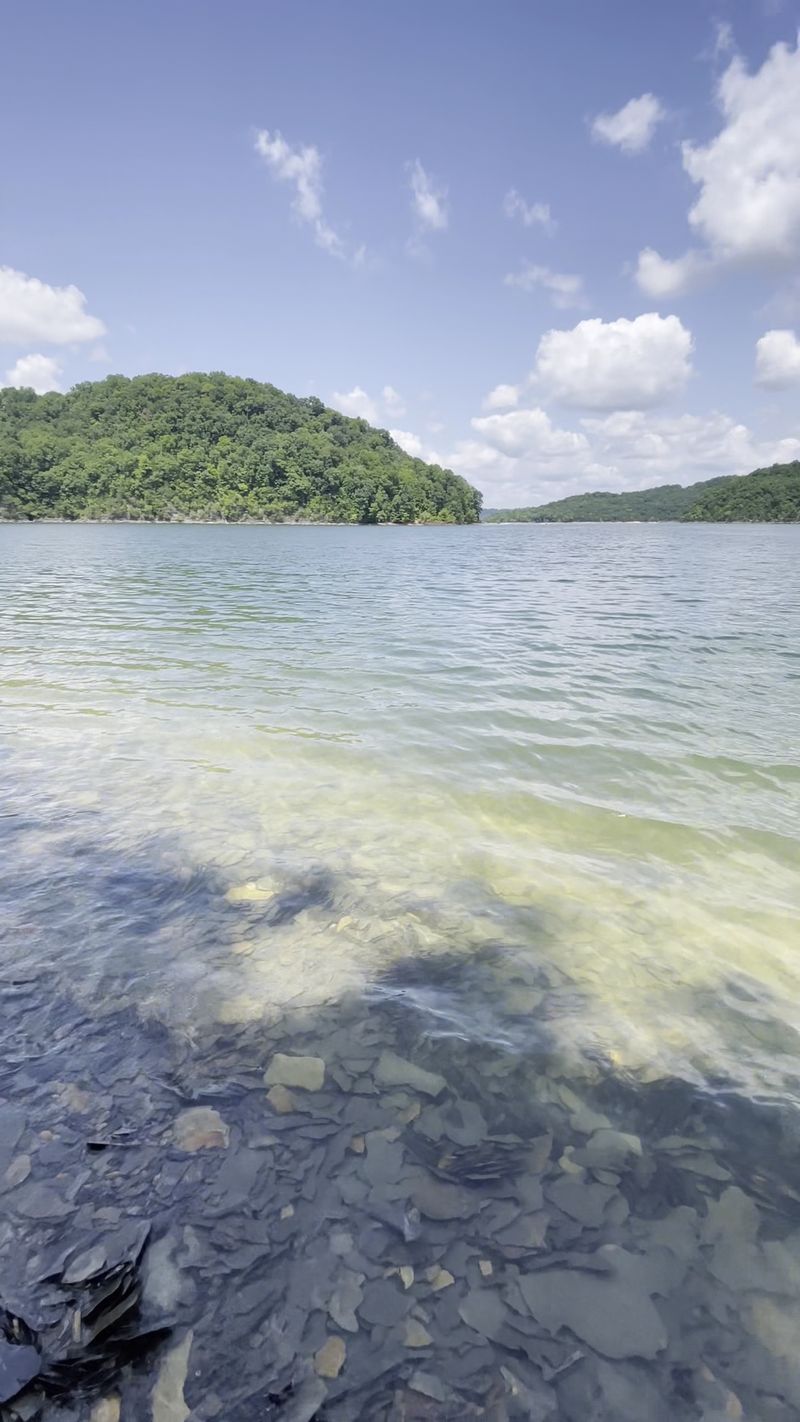
Dale Hollow Lake’s reputation for crystal-clear water isn’t just marketing talk. This reservoir regularly ranks among the clearest lakes in the entire nation, and when the summer crowds vanish, that transparency becomes even more remarkable. You can peer down fifteen feet or more and watch fish swimming like they’re floating in air.
Byrdstown sits perched on the Cumberland Plateau, giving it a cooler climate than much of Tennessee even during summer. Come fall and winter, this little town becomes a haven for folks who appreciate solitude and serious fishing. The lake produced a world-record smallmouth bass back in 1955, and anglers still chase that legacy through the quiet months when the big ones are actively feeding.
The Highland Manor Winery operates year-round, offering a perfect excuse to warm up after a chilly morning on the water. Their tasting room overlooks rolling hills that seem to stretch forever, and without summer tour buses clogging the parking lot, you can actually have meaningful conversations with the folks pouring your samples.
Hiking trails around the lake take on entirely different personalities when temperatures drop. The absence of summer’s humidity means you can tackle longer routes without feeling like you’re breathing soup. Wildlife viewing improves dramatically too, with deer, turkeys, and even the occasional eagle making appearances along the shoreline.
Byrdstown doesn’t try to be flashy, it just quietly delivers exactly what people who love lakes are actually looking for.
3. Celina, Tennessee – Dale Hollow Lake
Sitting right on the Kentucky border, Celina serves as the official county seat of Clay County and the unofficial capital of Dale Hollow Lake’s Tennessee side. This town figured out long ago that being small doesn’t mean being boring, especially when you’ve got some of the best lake access in the state right in your backyard.
The Clay County Courthouse anchors a town square that feels lifted straight from a different era. Local shops operate at a pace that summer tourists often find frustrating but off-season visitors absolutely cherish. You can grab breakfast at a downtown diner where the waitress knows everyone’s usual order, then spend the afternoon exploring antique stores that aren’t marked up for tourist season.
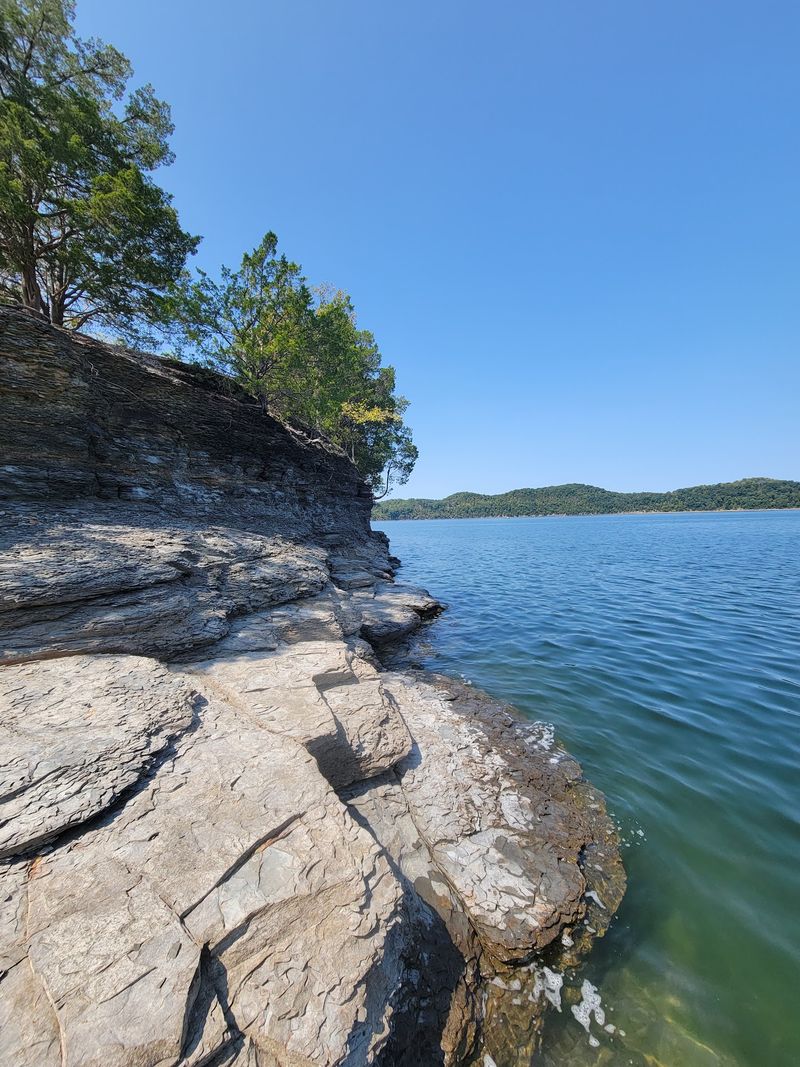
Dale Hollow’s Tennessee portion offers dramatically different scenery than you’ll find at most reservoirs. Steep limestone bluffs rise straight from the water, creating hidden coves and channels that become infinitely more enjoyable when you’re not dodging speeding pleasure boats. Houseboating remains popular here even in cooler months, with rental companies offering off-season rates that make extended stays surprisingly affordable.
The local state park maintains excellent facilities year-round, including boat ramps and hiking trails that showcase the plateau’s unique ecosystem. Fall foliage rivals anything you’ll see in the Smokies, but without the bumper-to-bumper traffic. Winter brings a stark beauty to the lake, with bare trees revealing geological features hidden during leafier months.
Celina proves that sometimes the best vacation spots are the ones most people have never heard of.
4. Tiptonville, Tennessee – Reelfoot Lake
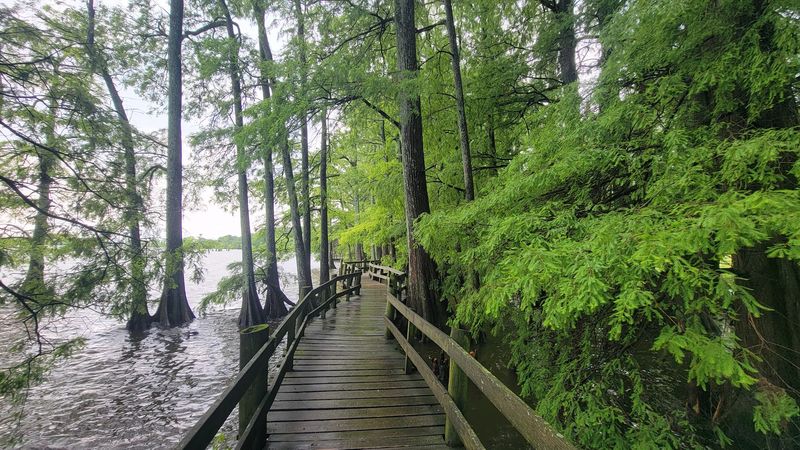
Reelfoot Lake wasn’t built by engineers or created by damming a river. A series of massive earthquakes in 1811-1812 literally shook the ground so hard that the Mississippi River ran backwards and filled a depression that became this hauntingly beautiful natural lake. Tiptonville sits on its western shore, serving as the gateway to one of Tennessee’s most unusual ecosystems.
Bald cypress trees rise from the water like ancient sentinels, their knobby knees breaking the surface and their branches draped with Spanish moss. When summer’s heat breaks, this place transforms into a birder’s paradise. Bald eagles arrive by the hundreds, making Reelfoot one of the best eagle-watching destinations in the eastern United States.
You can literally sit in your car and watch them fish.
The lake stays shallow, rarely exceeding five feet deep, which creates perfect conditions for crappie fishing once the weather cools. Locals will tell you the best fishing happens when most folks have put their boats away for the season. Guide services operate year-round, and booking a trip in November or December means you’ll have their full attention instead of competing with a packed schedule.
Tiptonville itself embraces its role as a quiet lake town. The Reelfoot Lake State Park offers boat tours that explain the area’s unique geology and ecology, and the absence of summer crowds means guides can actually answer your questions thoroughly. Restaurants serve fried catfish that tastes better when you’re one of only three tables occupied.
This isn’t a place trying to be something it’s not.
5. Winchester, Tennessee – Tims Ford Lake
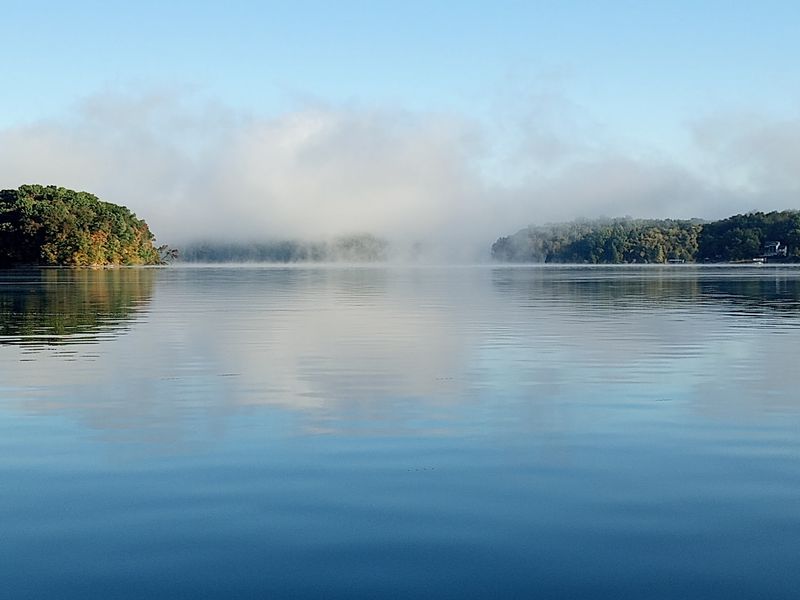
Winchester earned its place on Tennessee’s map as the home of genuine Southern hospitality and some seriously good barbecue, but Tims Ford Lake adds an entirely different dimension to this Franklin County seat. The reservoir’s distinctive blue-green water comes from its unusual depth and clarity, creating a lake that looks more like something you’d find in the Caribbean than Middle Tennessee.
Tims Ford State Park operates a full-service marina that doesn’t shut down when Labor Day passes. Sailboaters particularly love this lake during fall months when steady breezes and uncrowded waters make for perfect conditions. The park’s cabins offer lakefront accommodations at rates that drop significantly once peak season ends, and waking up to fog lifting off the water beats any hotel view you’ll find in the city.
Winchester’s downtown square maintains that classic small-town Tennessee vibe, complete with locally-owned shops and restaurants that have been serving the same families for generations. The Franklin County Old Jail Museum offers a quirky diversion on rainy days, and the annual Dogwood Festival might happen in spring, but the town’s charm doesn’t depend on special events.
Fishing guides report that fall and winter produce the lake’s best striped bass action, with cooler water temperatures triggering aggressive feeding behavior. The lake’s numerous coves and channels provide endless exploration opportunities for kayakers and paddleboarders who prefer glassy water to choppy boat wakes. Tims Ford doesn’t shout for attention, which is precisely why people who discover it tend to come back year after year.
6. Dover, Tennessee – Lake Barkley
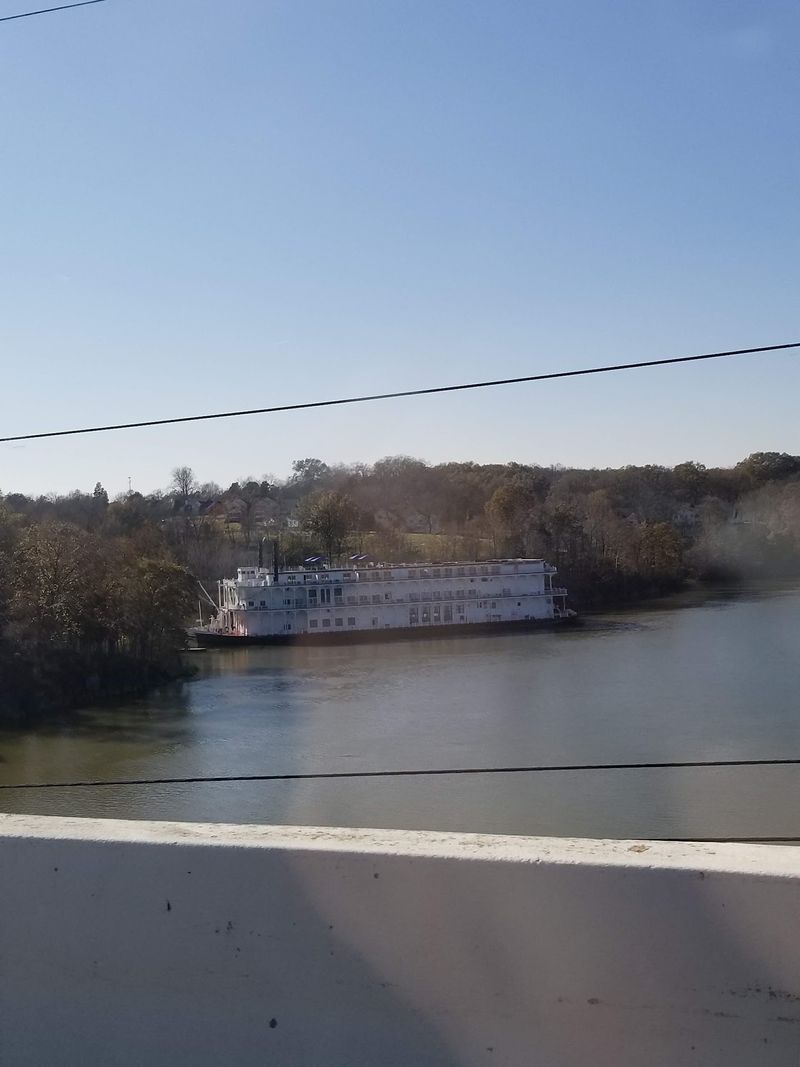
Fort Donelson National Battlefield sits right on the edge of Dover, where one of the Civil War’s pivotal battles played out in February 1862. That historical significance draws visitors year-round, but Lake Barkley provides the recreational backbone that keeps this town thriving long after summer vacationers head home.
The Land Between the Lakes National Recreation Area stretches between Lake Barkley and Kentucky Lake, creating a 170,000-acre playground that becomes genuinely magical once autumn arrives. Elk roam freely through the forests, and your chances of spotting them increase dramatically when you’re not competing with summer traffic. The area’s trails wind through diverse habitats that showcase Middle Tennessee’s natural beauty without the crowds that pack Great Smoky Mountains National Park.
Dover’s downtown reflects its military history with well-preserved buildings and a riverside park that offers stunning views across Lake Barkley. Local restaurants serve catfish, hushpuppies, and other Southern staples to a mostly local crowd once tourist season ends. The pace slows down enough that you can actually have conversations with shop owners who remember when Dover was just a sleepy river town.
Lake Barkley’s 1,000 miles of shoreline means you can find solitude even during busy weekends, but come October through March and you might have entire coves to yourself. Bass fishing remains productive through winter, and crappie fishing picks up as water temperatures drop. The state park offers year-round camping for folks who don’t mind cooler temperatures, and watching the sun rise over the lake from your campsite beats any alarm clock ever invented.
7. Rockwood, Tennessee – Watts Bar Lake
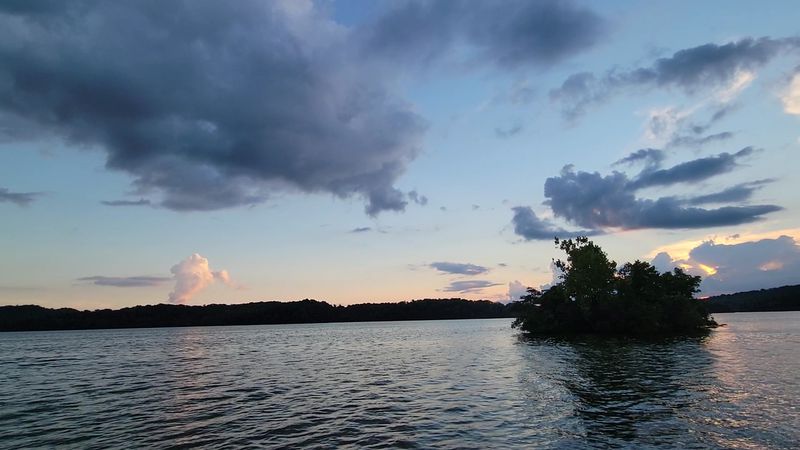
Perched where the Cumberland Plateau meets the Tennessee Valley, Rockwood overlooks Watts Bar Lake from an elevation that provides genuinely spectacular views. This town built its early economy on iron furnaces and railroads, but these days the lake drives most of the action, especially for folks who know that fall fishing here rivals anywhere in the state.
Watts Bar stretches for 72 miles along the Tennessee River, creating a massive fishery that produces trophy-sized bass, crappie, and catfish. Tournament anglers flock here during summer, but once they leave, local fishermen reclaim their favorite spots and the bite often improves. Cooler water temperatures concentrate fish in predictable locations, and guides who’ve been working this lake for decades can put you on them consistently.
Rockwood’s downtown has been experiencing a quiet renaissance, with new restaurants and shops opening alongside longtime establishments. The Roane County Museum preserves local history in a building that itself qualifies as historical, and admission costs less than a cup of coffee. You can spend an afternoon learning about the region’s industrial past, then grab dinner at a family-owned restaurant where the portions are generous and the prices haven’t been inflated for tourists.
The surrounding Cumberland Plateau offers hiking, mountain biking, and scenic drives that showcase Tennessee’s natural diversity. Fall colors peak here slightly later than the Smokies, giving you a second chance if you missed the show elsewhere. Watts Bar Lake doesn’t get the attention that Norris or Cherokee Lakes receive, which works perfectly for people who prefer their lake towns with more locals than visitors.
8. Spring City, Tennessee – Watts Bar Lake
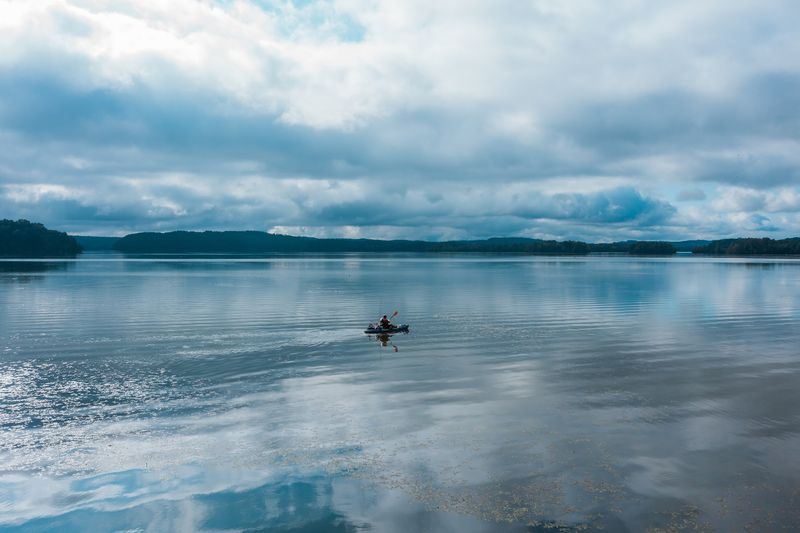
Spring City earned its name from the natural springs that bubble up throughout the area, and while those springs still flow, Watts Bar Lake now defines this Rhea County community’s identity. The town occupies a prime spot on the lake’s eastern shore, where the Tennessee River widens into a basin that offers some of the best recreational boating in East Tennessee.
The absence of summer crowds reveals Spring City’s true personality. Local marinas shift from frantic summer operations to a more relaxed pace where dock hands have time to share fishing reports and boat maintenance tips. The lakefront restaurants that were packed with tourists in July suddenly have tables available with sunset views, and servers who can recommend dishes based on what actually tastes good rather than what moves quickly.
Downtown Spring City maintains a collection of historic buildings that date back to when the railroad made this a significant regional hub. Antique shops, small galleries, and locally-owned cafes occupy storefronts that have been serving the community for over a century. You won’t find chain stores here, which means every shopping experience feels personal and every meal supports someone’s family business.
Watts Bar Lake’s main channel runs deep enough for serious boating, while countless coves and tributaries provide protected waters for kayaking and paddleboarding. Fall brings striped bass and hybrid bass into shallow waters where they feed aggressively before winter sets in. The surrounding hills blaze with color from late October through November, creating photo opportunities that summer’s green canopy simply can’t match.
Spring City doesn’t compete with Gatlinburg or Nashville for tourist attention, and locals prefer it that way.
9. Smithville, Tennessee – Center Hill Lake
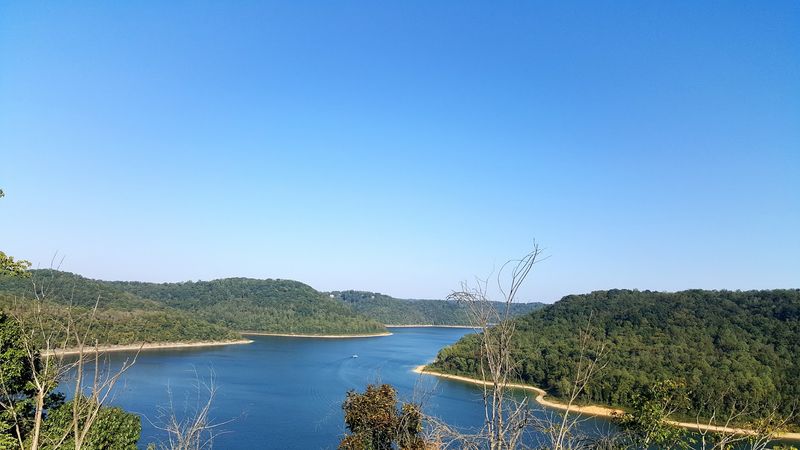
Center Hill Lake carved itself into the Eastern Highland Rim, creating a reservoir with some of the most dramatic topography you’ll find on any Tennessee lake. Smithville sits just minutes from the water, serving as DeKalb County’s seat and the cultural heart of this lake region. The town square features a classic courthouse surrounded by locally-owned businesses that have weathered economic changes by staying authentically themselves.
The Appalachian Center for Craft, part of Tennessee Tech University, operates year-round just outside town. This nationally-recognized craft school offers workshops in everything from blacksmithing to fiber arts, and fall and winter sessions often have more availability than summer programs. You can spend a morning on the lake and an afternoon learning to throw pottery or work with glass, creating a vacation that engages your hands as much as your relaxation instincts.
Center Hill Lake’s depth exceeds 200 feet in some spots, creating water conditions that stay surprisingly clear even after heavy rains. The steep surrounding hills funnel winds in unpredictable ways, which makes sailing interesting and keeps powerboaters on their toes. Fall walleye fishing here ranks among Tennessee’s best, with cooler temperatures triggering feeding patterns that make these typically finicky fish more cooperative.
Smithville hosts the Fiddlers’ Jamboree each July, but the town’s musical heritage doesn’t disappear with summer. Local picking sessions happen throughout the year at various venues, and without festival crowds, you can actually hear the music and maybe even join in if you brought your instrument. The combination of lake recreation and genuine mountain culture makes Smithville feel like a place that exists for residents first and visitors second.
10. Jefferson City, Tennessee – Cherokee Lake
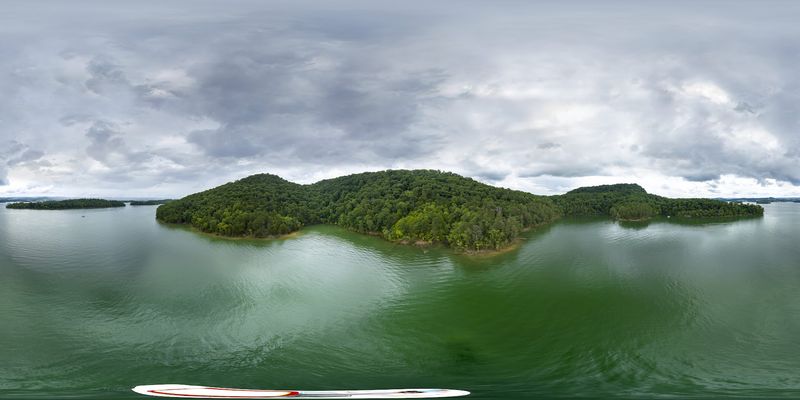
Jefferson City sprawls along the valley floor between Cherokee Lake and the foothills that eventually rise into the Great Smoky Mountains. This location gives the town a geographic advantage that becomes obvious once you start exploring. You can fish the lake in the morning and be hiking in the mountains by afternoon, all without driving more than thirty minutes in any direction.
Carson-Newman University brings a steady population of students to town, creating an energy that many small lake communities lack. Coffee shops, pizza joints, and bookstores cater to college kids year-round, which means Jefferson City maintains more cultural amenities than you’d expect from a town of 8,000 people. The university’s performing arts calendar continues through fall and winter, offering concerts and theater productions that rival anything you’d find in much larger cities.
Cherokee Lake itself stretches for over 28,000 acres, with the Holston River feeding cool mountain water into the reservoir. Bass fishing remains productive year-round, but fall brings the added bonus of white bass and hybrid bass runs that can produce non-stop action when you find the schools. The lack of summer boat traffic means you can work shorelines and points without constantly repositioning to avoid wakes.
The nearby Cherokee National Forest provides endless outdoor recreation opportunities that improve dramatically once summer’s heat and crowds dissipate. Waterfalls flow stronger after fall rains, and trails that were dusty and crowded in July become peaceful paths through forests displaying every shade of red, orange, and gold imaginable. Jefferson City serves as the perfect base camp for exploring both water and mountains without feeling like you’re fighting tourist traffic at every turn.
11. Camden, Tennessee – Kentucky Lake
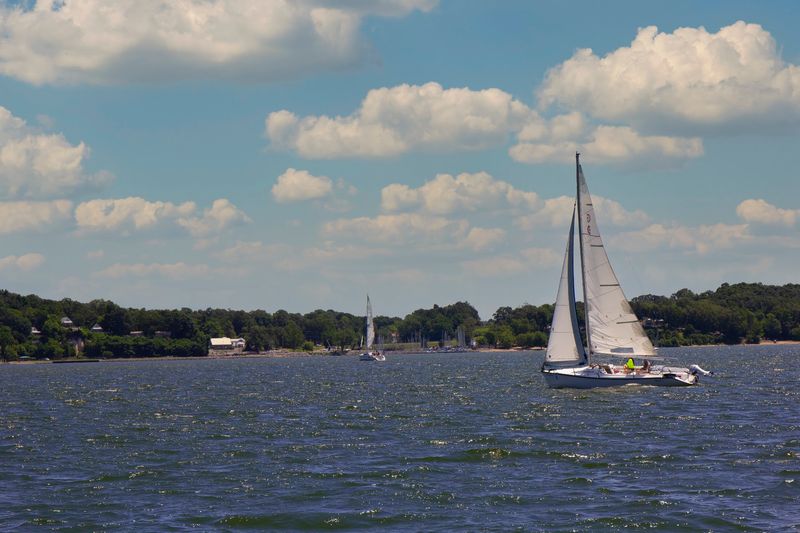
Camden sits along the western edge of Tennessee where Kentucky Lake sprawls across the landscape like an inland sea. The Big Sandy Unit of Tennessee National Wildlife Refuge occupies a significant chunk of shoreline here, creating a protected ecosystem that attracts waterfowl by the thousands once migration season kicks into gear. Watching ducks and geese descend on these wetlands at sunset ranks among Tennessee’s most underrated natural spectacles.
Kentucky Lake holds the distinction of being the largest man-made lake east of the Mississippi River, and Camden’s location provides access to some of its most productive fishing waters. Crappie fishing here becomes almost ridiculously good during fall and winter months when fish stack up in predictable patterns. Local guides stay busy year-round because the fishing doesn’t stop when the calendar flips to October.
Downtown Camden maintains that authentic small-town Tennessee atmosphere where people still wave at strangers and local restaurants serve sweet tea so cold it hurts your teeth. The Benton County Courthouse anchors the square, surrounded by businesses that have been operating since your grandparents were kids. Antique stores here actually sell antiques rather than reproductions, and prices reflect local market realities rather than tourist expectations.
Nathan Bedford Forrest State Park offers camping, hiking, and lake access without the crowds that pack more famous state parks. The park museum tells the story of the Civil War’s western theater, and the surrounding trails provide excellent wildlife viewing opportunities. Fall colors arrive slightly later here than in East Tennessee, extending the leaf-peeping season for folks who plan ahead.
Camden proves that sometimes the best lake towns are the ones that never tried to become tourist destinations in the first place.
Share this story