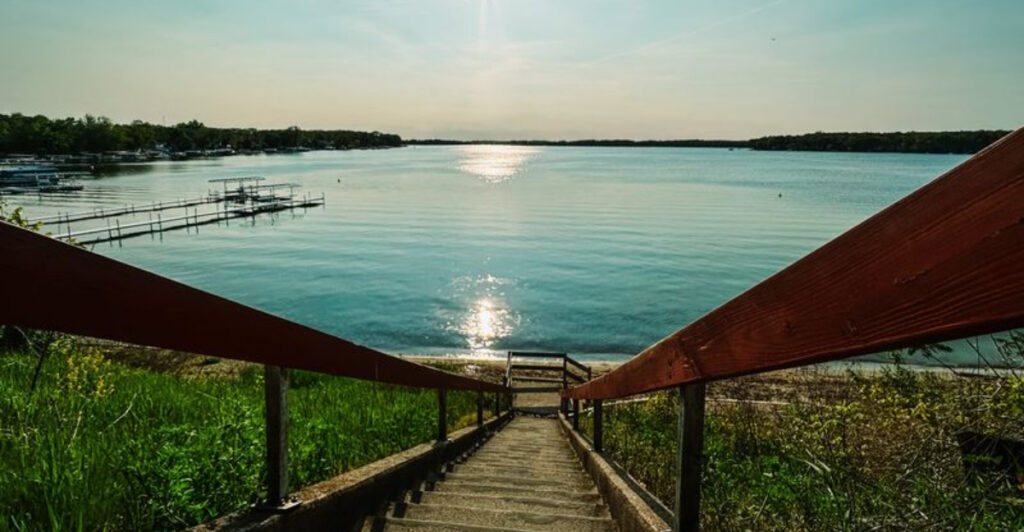
Sunlight reaches surprisingly deep into the water at Clear Lake in northeast Indiana, giving this spring-fed lake the clarity that has helped define the community around it. Generations of residents have treated that unusually clean water as more than beautiful scenery, supporting efforts to preserve the lake and its surrounding watershed.
On warm days, the sparkling surface creates the kind of scene that can feel almost unexpected in the Midwest. Yet keeping it that way requires attention long after summer ends. At Clear Lake, protecting the water means protecting the natural centerpiece of a community that has grown up around its shores.
Water So Clear It Stops You Cold
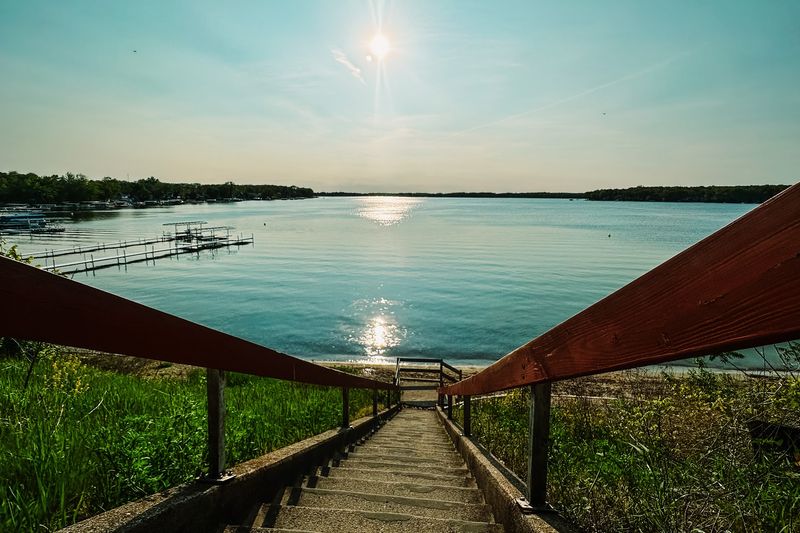
One glance across Clear Lake explains why locals speak about it with such care. The water often looks bright and glassy, with a level of clarity that lets the lakebed show through in the shallows, turning an ordinary shoreline view into something surprisingly striking for northern Indiana.
That clearness is closely tied to the lake being spring-fed. Springs help supply fresh water, and that steady natural input can support the crisp look people notice right away, especially on calm days when sunlight reaches down through the surface instead of bouncing off murky water.
Clarity changes the whole experience of being near the lake. Swimmers can better see where they are stepping, boaters can read the shallows more easily, and anyone standing at a dock gets a sharper sense of the underwater world, from sandy patches to waving plants.
Clear water is beautiful, but it is also delicate. Runoff from lawns, oil from roads, disturbed sediment, failing septic systems, and invasive species can all affect how a lake looks and functions, which is why protection efforts matter far beyond appearance alone.
For residents, clean water is tied to everyday choices. Fertilizer use, shoreline landscaping, boat cleaning, trash handling, and even how rainwater moves off a property can add up over time, either helping preserve the lake or slowly putting stress on it.
That is part of what makes Clear Lake stand out. The view is not only pretty, it is a visible sign of environmental health, and locals understand that if the water loses its clarity, the lake loses one of the qualities that gives the town its identity.
A Spring-Fed Lake With Real Stakes
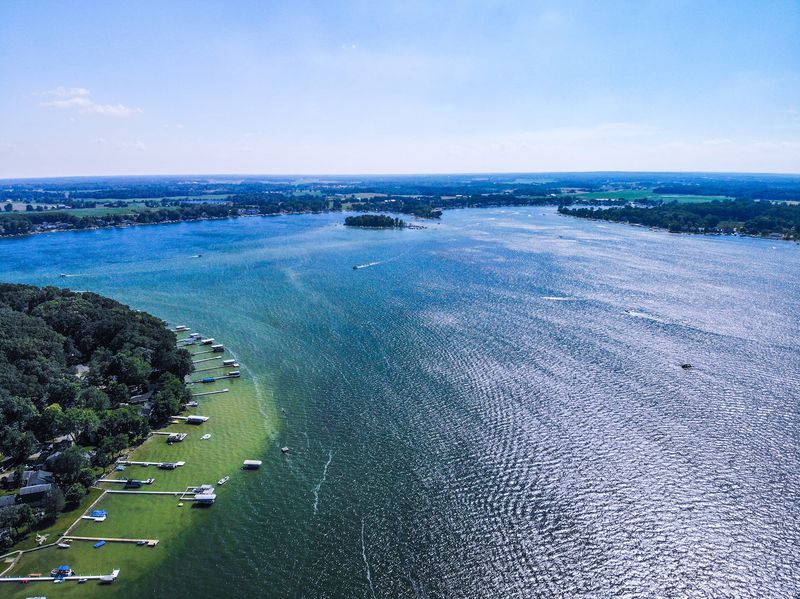
Plenty of lakes are pretty from a distance, but spring-fed lakes ask for closer attention. Clear Lake is part of that category, and the phrase matters because it points to a water source and a lake character that people in town know is worth guarding.
Spring-fed water helps shape clarity, temperature, and the overall look of the lake. Even without turning the shoreline into a science class, it is easy to understand the basic idea: when a lake is fed by groundwater, its condition depends on what happens both at the surface and below it.
That makes protection more than a simple shoreline issue. Pollution does not need to arrive in a dramatic spill to cause trouble, because nutrients and contaminants can travel in smaller, quieter ways through runoff, soil movement, and everyday property habits.
Locals who care about the lake often focus on prevention instead of repair. Once clear water turns cloudy or algae becomes a seasonal problem, fixing the damage can be expensive, slow, and uncertain, so the smarter path is to reduce pressure before it builds.
Practical steps can be surprisingly ordinary. Keeping natural buffer plants near the shore, limiting fertilizer, checking septic systems, preventing erosion, and cleaning boats before moving them between lakes are not flashy actions, but they can make a real difference over time.
For visitors, understanding that background changes how the place is seen. A quiet paddle, a swim, or a morning at the dock becomes more meaningful when it is clear that the lake stays appealing only because many small decisions work together behind the scenes.
Clear Lake’s beauty is easy to photograph, yet its health depends on habits that are harder to notice. That mix of visible reward and invisible effort is exactly why residents are so protective of what they have.
Where Indiana Turns Into Lake Country
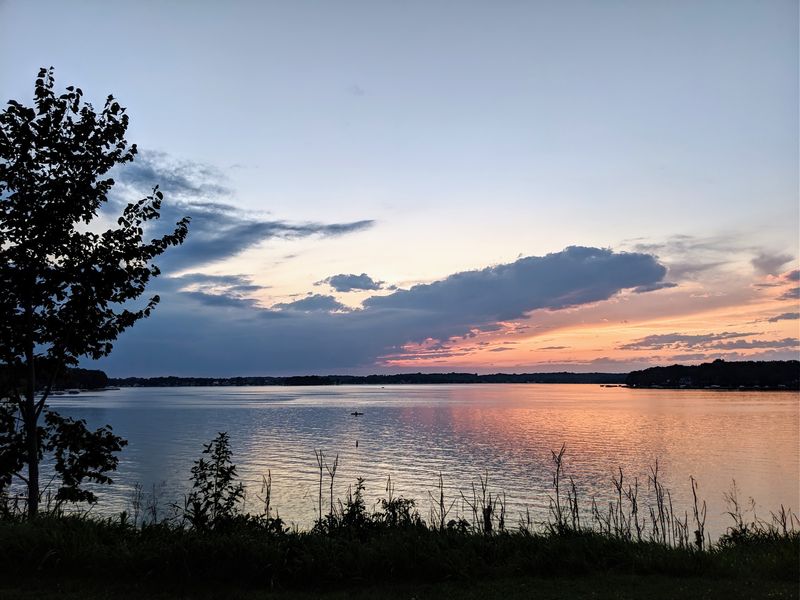
Clear Lake sits in the northeast corner of Steuben County, in a part of Indiana where lakes shape the map and daily routine. The town is small, but its setting gives it an outsized presence, especially for anyone who thinks of Indiana only as flat farmland and highways.
Here, water is not an afterthought tucked behind the town. It is the center of the view and the reason the community developed the way it did, with homes, docks, streets, and public spaces arranged around the shoreline and the rhythms of lake life.
The location also adds a quiet point of pride. Clear Lake is the northeasternmost community in Indiana, which gives the place a borderland character, part small-town Indiana, part tri-state lake region, with Michigan and Ohio not far from the conversation.
That setting helps explain why preservation matters so much. In a place where the lake is the defining feature, any decline in water quality would not stay hidden in one cove or one season.
It would affect recreation, scenery, habitat, and the identity of the town itself. Walking or driving near the shoreline makes that relationship easy to read.
Boats, piers, lakefront houses, and open water keep appearing in the frame, reminding everyone that the natural resource here is not separate from community life. It is woven into it.
Even simple plans tend to orbit the water. A weekend visit might include a slow drive through town, time at the shore, a look across the docks, and a pause to watch how light shifts across the surface through the afternoon.
Clear Lake does not need a giant downtown or a long list of attractions to make its case. The geography does the work, and the lake at the center explains why the town has earned such loyal attention from the people determined to keep it healthy.
Life at the Shoreline, Up Close
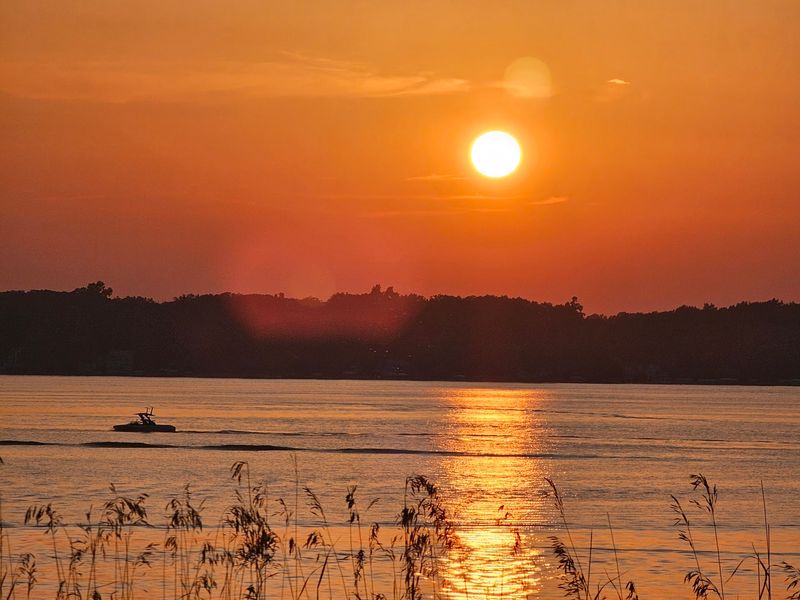
Stand near the edge instead of looking only from the road, and Clear Lake starts revealing its finer details. The shoreline is where the lake’s beauty becomes practical, because clear shallows, docks, and near-water plant life all shape how people move, swim, launch, and relax.
On a calm day, the transparency near shore can be the first thing noticed. It is easier to see bottom changes, patches of sand, and places where aquatic plants begin, which helps explain why shoreline conditions matter so much to both recreation and habitat.
Healthy lake edges do more than frame nice views. Native plants can help reduce erosion, slow runoff, and filter some of what would otherwise wash into the water, making them part of the protection story even when they are less tidy-looking than a trimmed lawn.
That can be a challenge in lake communities, where people naturally want easy access and open sightlines. The most successful approach is usually balance, keeping room for docks and swimming while also respecting the natural edge that helps the lake protect itself.
Boating adds another layer. In clear water, prop wash and wave action can disturb sediment in shallow zones, so careful driving near shore is not just polite, it helps limit unnecessary churn where the lake is most vulnerable and most visible.
For families spending a day outside, the shoreline is also where kids learn lake habits. Watching for plants, avoiding litter, respecting private docks, and noticing how rain can wash straight downhill into the water are small lessons that connect fun with stewardship.
That closeness is one reason Clear Lake inspires loyalty. Protection is not an abstract policy topic here. It happens right at the water’s edge, where every yard, dock, and launch point can either help preserve the lake’s clarity or slowly work against it.
Why Locals Push Back Against Lake Threats
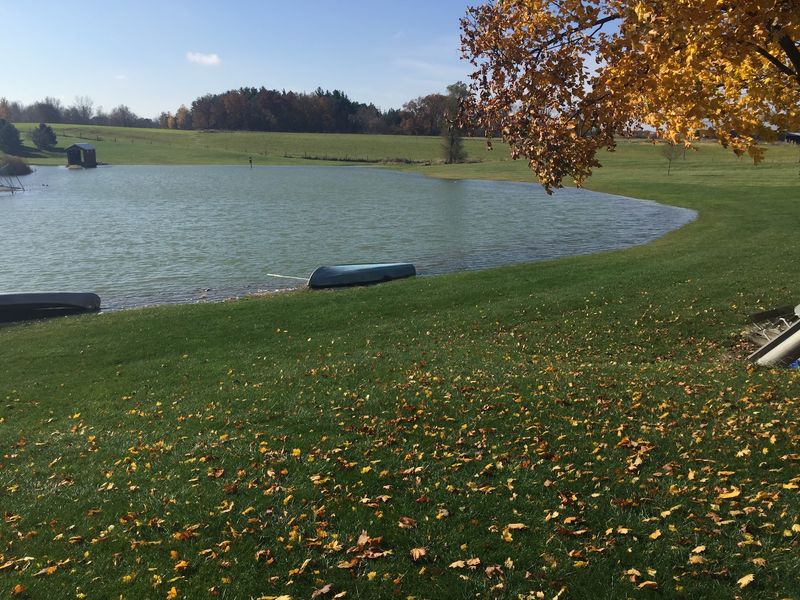
Protectiveness around Clear Lake is not hard to understand once the stakes come into view. When a lake is known for clear water, any threat to that clarity feels immediate, and residents tend to notice changes faster because the lake is part of daily life, not a once-a-year backdrop.
The concerns are usually familiar ones, but they are serious. Excess nutrients can feed algae, invasive species can alter the water and habitat, shoreline erosion can cloud shallows, and careless boating or property management can create pressure that builds season after season.
Fighting to protect a lake does not always mean dramatic protests or big headlines. More often, it looks like local meetings, water-quality discussions, cleanup efforts, support for sensible rules, and neighbor-to-neighbor conversations about how to care for land that drains toward the water.
That local energy matters because small communities often rely on shared habits. If one property owner reduces runoff but others do not, progress is limited.
When many households buy into the same goal, the lake gets a better chance to stay healthy over the long term.
There is also a practical side that reaches beyond scenery. Water quality can affect swimming, fishing, boating enjoyment, property conditions, and the overall appeal of the town. Protecting the lake is environmental work, but it is also civic maintenance in the broadest sense.
Visitors can support that effort without much trouble. Staying off sensitive areas, leaving no trash behind, respecting wake rules where posted, and cleaning boats and gear before arriving are simple actions that fit easily into a day on the water.
At Clear Lake, local advocacy grows from closeness and consequence. When the lake outside the window is also the town’s defining feature, defending clean water becomes less of a campaign slogan and more of a basic way of looking after the place.
The Best Way to Experience Clear Lake
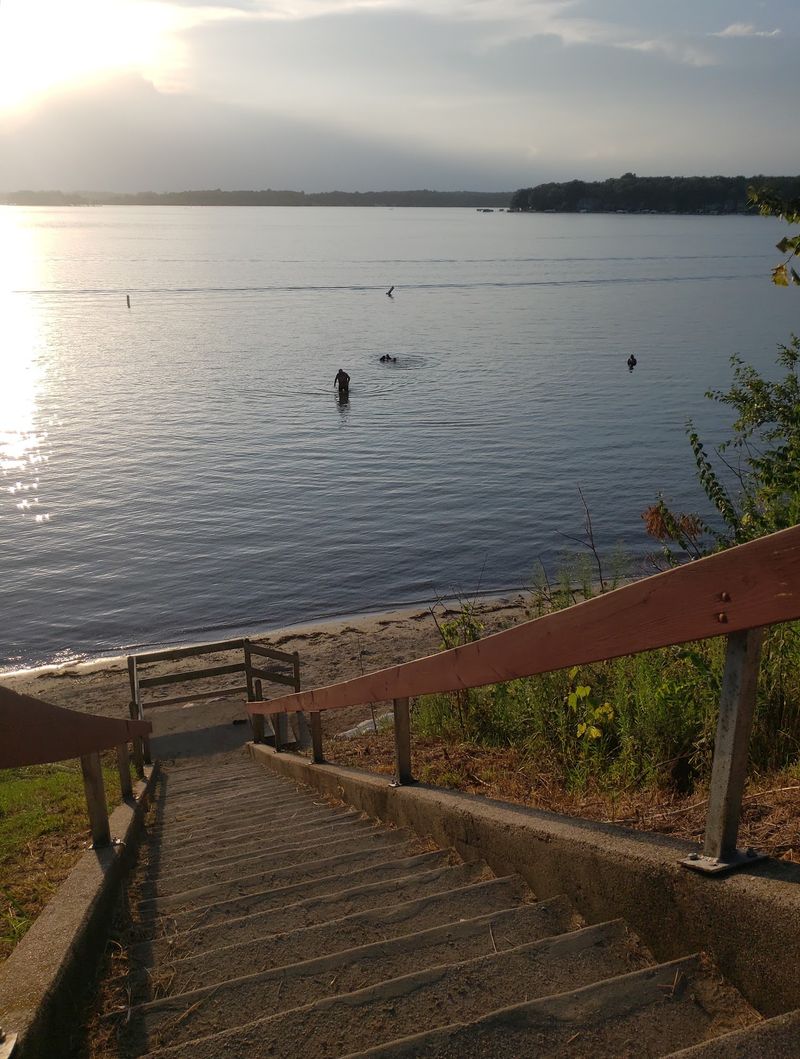
Clear Lake works best when it is experienced at an unhurried pace. Fast schedules miss the point, because the main reward here is visual and environmental, watching clear water shift in color, seeing the shoreline sharpen in the light, and noticing how calm conditions reveal more of the lake.
Morning is often a smart time to start. Lighter winds can make the surface smoother, which helps the water’s clarity stand out, and quieter hours also suit paddling, shoreline walks, and slow dockside time before busier boating periods arrive.
Kayaks, canoes, and small boats are especially good matches for a lake known for transparency. They let people glide over shallower areas with a close view of the water below, while creating a more intimate sense of the lake than a quick pass from a larger craft.
Swimming can also be a highlight, especially when the appeal is simply being in clean-looking water rather than chasing a packed attraction. Clear conditions add confidence and comfort, though smart lake habits still matter, including checking footing and staying alert around docks and boats.
For photographers or casual sightseers, changing light is part of the show. Bright midday sun can bring out the color and visibility near shore, while late-day light can soften the houses, boats, and tree line into a calmer lakeside scene.
The strongest plan is simple: keep expectations focused on the lake itself. Clear Lake is not about rushing from one attraction to another. It shines when time is left open for observing, floating, paddling, and letting the setting do the work.
That approach also fits the spirit of protection. A slower visit naturally leads to more awareness of the water, the shoreline, and the reasons residents are careful with both. In a place built around clarity, paying attention is part of the experience.
Planning a Visit Without Missing the Point

A visit to Clear Lake is easiest when planned around conditions rather than a packed checklist. Since the star attraction is the water itself, timing, weather, and lake activity levels shape the day far more than a long menu of built attractions ever could.
Late spring through early fall is the obvious window for most lake outings. Warmer weather supports boating and swimming, while greener shorelines and stronger sunlight help show off the lake’s clear surface and the tidy, lived-in character of the surrounding town.
Weekdays or quieter hours can offer a calmer look at the place. Less traffic on the water often means easier paddling, gentler noise levels, and more chances to notice the details that make Clear Lake special, from near-shore visibility to reflections along the docks.
Visitors should also think like caretakers. Parking considerately, respecting private property, avoiding litter, and following any local rules around boating or shoreline access are basic habits, but they help maintain good relations in a small community where residents live with the lake every day.
Weather matters more here than it might at a museum or city stop. Wind can rough up the surface, storms can change visibility, and busy holiday traffic can shift the tone of the lake, so flexible plans are better than rigid ones if the goal is to see Clear Lake at its best.
Packing light but smart goes a long way. Water shoes, sunscreen, a dry bag, drinking water, and a camera or binoculars can make a simple shoreline day more comfortable without turning the outing into a gear-heavy production.
The key is to arrive knowing what kind of place this is. Clear Lake rewards people who come for clarity, quiet observation, and lake-centered recreation. Treat it as a living community first and a scenic destination second, and the visit tends to make much more sense.
Small Town, Big Responsibility
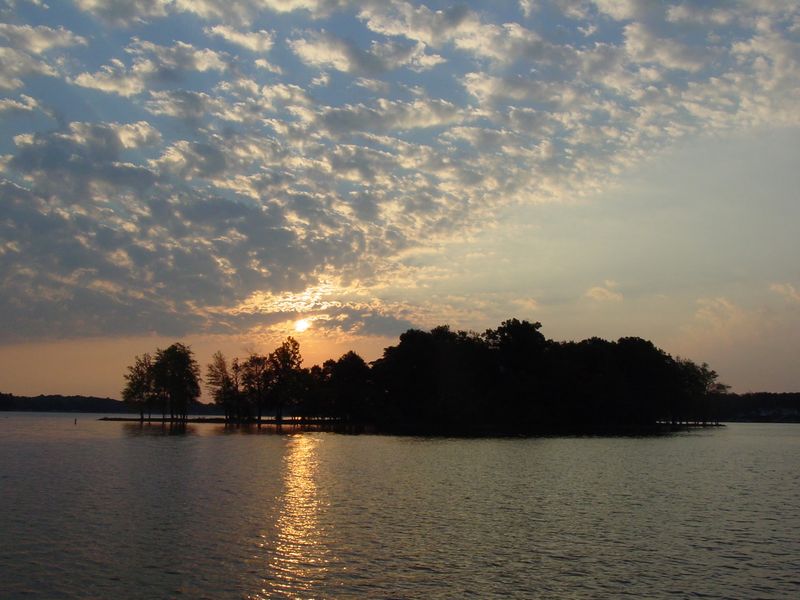
Clear Lake’s strongest impression comes from the contrast between its size and its significance. The town is small, yet the lake at its center carries major weight, shaping scenery, recreation, property use, environmental choices, and the way residents talk about where they live.
That is why the phrase locals fight to protect rings true even without dramatic language. In places like this, protection usually means steady vigilance, noticing changes early, supporting responsible lake practices, and treating clear water as a resource that can be lost if taken for granted.
The lake’s spring-fed character raises the standard. People are not simply trying to keep a familiar shoreline neat.
They are trying to preserve a condition, a level of clarity and health that gives Clear Lake an identity different from many other communities in the region.
There is a lesson in that for travelers too. Scenic places are often easiest to admire at surface level, but Clear Lake asks for a deeper kind of attention, one that connects beauty with maintenance, recreation with restraint, and simple pleasures with long-term care.
Seen that way, the town becomes more than a dot on the map in Steuben County. It turns into an example of how local pride works when natural assets are central to daily life, and how environmental protection can grow from ordinary routines instead of grand speeches.
Even the most casual stop can reveal that connection. A dock view, a clear shallow edge, a quiet boat ride, or a neighborhood street beside the water all point back to the same truth: the lake is both the attraction and the responsibility.
Clear Lake stands out because its beauty is visible and its fragility is easy to understand. That combination gives the place unusual force.
In northeastern Indiana, this clear-water lake is not only admired. It is watched over, argued for, and treated as something too valuable to neglect.