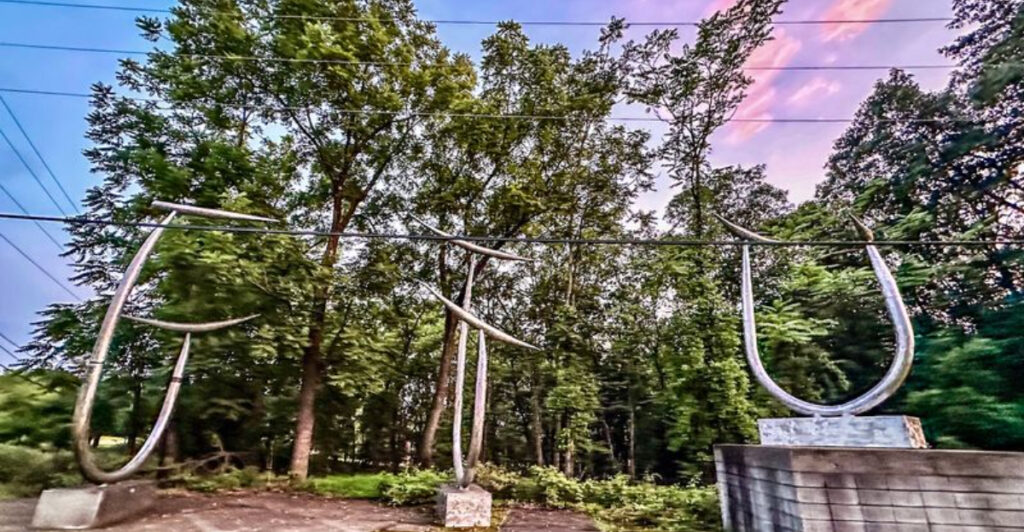
Three stainless-steel whale tails rise above a hill in Livingston, surrounded by colorful studios, outdoor sculptures, and the skeletal remains of old radar towers. It looks like an artist had a particularly strange dream and persuaded Essex County to build it.
The real story is even better. From 1954 to 1974, this 42-acre property served as part of the United States Army’s Nike air-defense system, helping guard the New York metropolitan area against a potential Soviet bomber attack.
After the base became obsolete, Essex County acquired it from the federal government for the almost comical price of one dollar. The abandoned military buildings eventually became Riker Hill Art Park, a working community where artists paint, shape clay, blow glass, make jewelry, and teach classes.
The grounds are open throughout the year, but twice-annual studio weekends reveal the full transformation from tightly controlled military installation to one of New Jersey’s most wonderfully unconventional creative spaces.
Riker Hill Art Park Once Helped Defend New York City
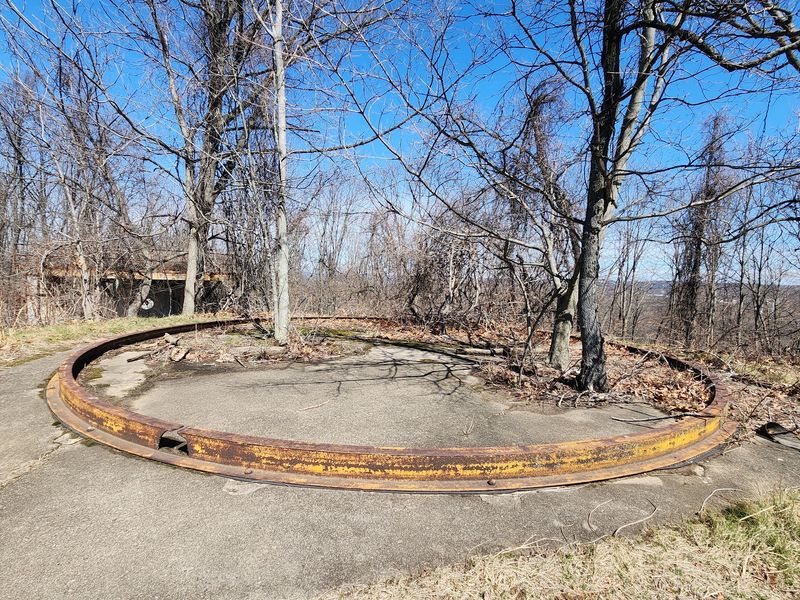
Picture a hilltop built for tension, not paintings. Riker Hill Art Park sits on land that once played a role in protecting nearby New York City during the Cold War, and that contrast is what makes the place so memorable.
You are not just looking at studios and paths here; you are walking through a site where defense planning once shaped the landscape.
That backstory changes the way a visit feels. Ordinary walls seem heavier, open spaces feel more purposeful, and even the quiet has a story behind it.
For local history fans, it is a rare chance to see how a military property can shift into something welcoming without losing its edge.
If you go, give yourself time to look beyond the artwork. Notice the sturdy construction, the layout of the grounds, and the feeling of being slightly tucked away from everyday traffic.
Kids may notice the adventure first, while adults often catch the history. Either way, the park turns a past built around fear into a present shaped by curiosity, creativity, and community for many New Jersey visitors.
Essex County Bought the Former Missile Base for Just One Dollar
Nothing says strange local history quite like buying a former missile base for one dollar. Essex County took over the property for a price that sounds almost made up, yet it points to a bigger truth about old military sites.
Once their original job ends, communities have to decide whether to abandon them, erase them, or imagine something new.
That tiny price tag makes the park feel like a bargain with a second chapter attached. Instead of leaving the grounds sealed off or forgotten, county leaders opened the door to reuse.
For readers who care about local change, that matters more than the number itself.
There is also a lesson here for anyone who loves New Jersey oddities. Places with complicated pasts do not always need shiny reinvention to become useful again.
Sometimes the best move is practical, patient, and bold. The result at Riker Hill is proof that public spaces can grow from unlikely deals.
A visit is fun, but the takeaway is bigger: creative reuse can rescue land, preserve history, and give neighbors something to enjoy together.
Abandoned Military Buildings Found New Life as Artist Studios
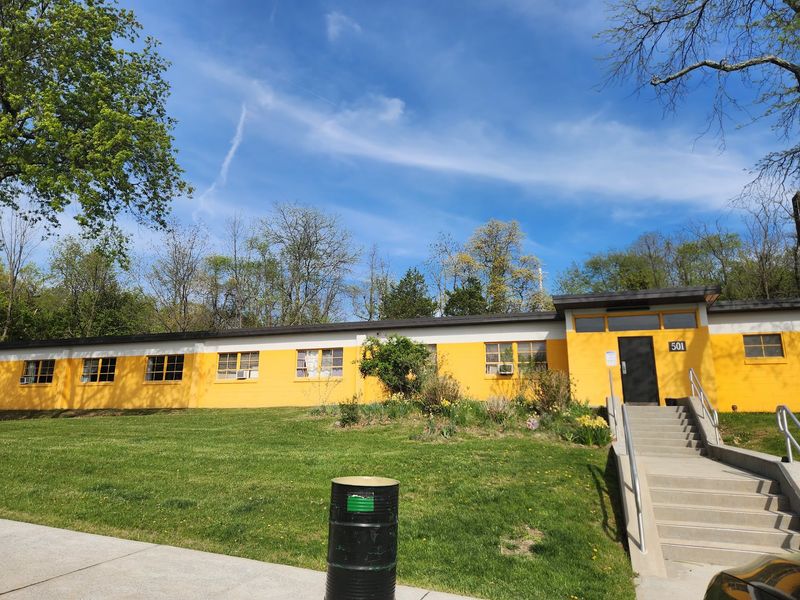
Step inside one of the old buildings and the place starts to make sense. Structures once tied to military work now serve artists, and that reuse gives Riker Hill Art Park its striking twist.
The walls hint at their purpose, but the energy inside is about making, testing, and trying again.
That change matters because studios are not just rooms with supplies. Artists need space, light, storage, and freedom to work on messy ideas before they become pieces.
Reusing buildings can support that process while keeping the site’s history visible instead of hiding it away.
Visitors enjoy the contrast. One minute you are thinking about the Cold War, and the next you are peeking at brushes, clay, tools, or shelves of experiments.
It feels not polished within an inch of its life. If you like places that show their layers honestly, this park delivers.
The old base did not become a slate. It became something more interesting: a creative space where past purpose and imagination share the same roof with no need to pretend the story never happened.
Painters, Potters and Glassblowers Now Create Inside the Old Base
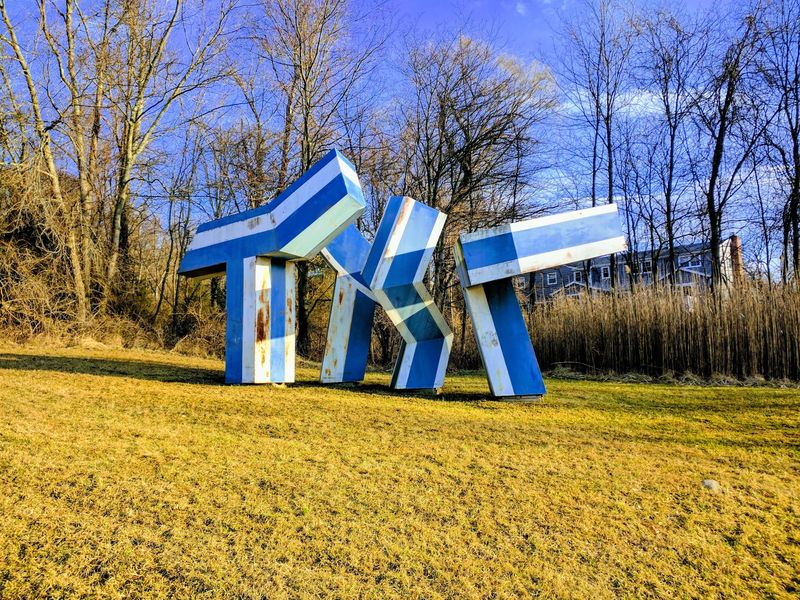
The surprise here may be how busy the old base feels today. Painters, potters, and glassblowers work in spaces once built for a different kind of mission, and that activity keeps the park from feeling frozen in history.
It is not a museum scene behind glass. It is a place where people make things.
Each art form adds its mood to the grounds. Painting can bring color and focus, pottery adds texture and rhythm, and glasswork suggests heat, timing, and skill.
Even if you do not know about art, seeing crafts side by side makes creativity feel less mysterious.
That mix is fun for families or visitors. One studio might feel like a workshop, while another looks like a solving lab with aprons, tools, and works in progress everywhere.
Try asking artists about process instead of aiming for questions. Most people connect when they hear how a piece starts, changes, or fails before it succeeds.
At Riker Hill, the base is no longer about guarding the sky. It is about hands, materials, and ideas turning rooms into places of motion, color, heat, and surprise.
Outdoor Sculptures Share the Grounds With Cold War Relics
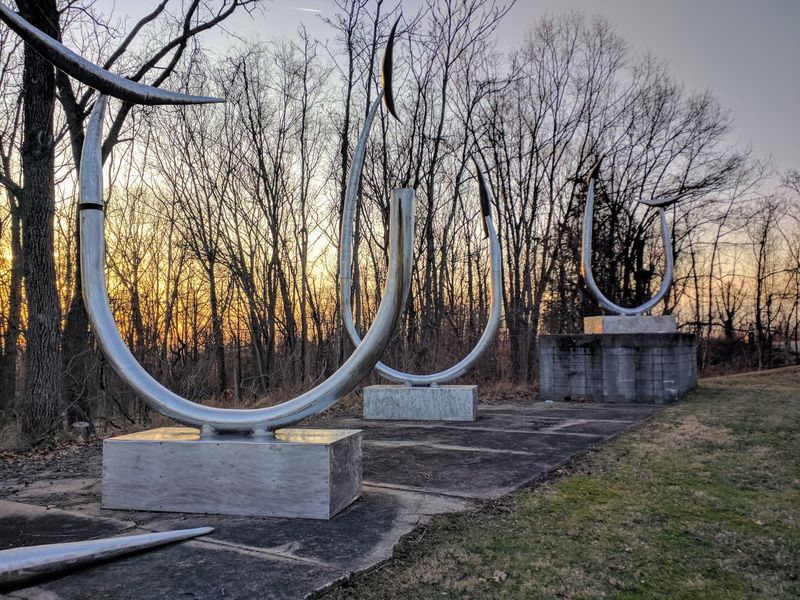
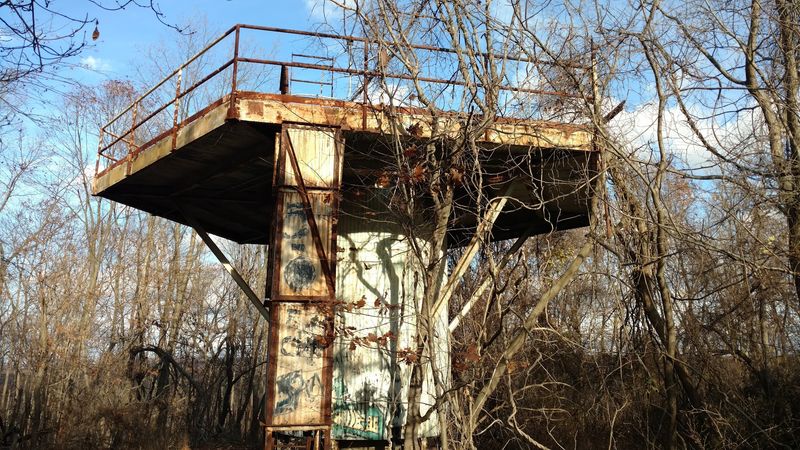
Out on the grounds, the park starts to feel like two stories happening at once. Sculptures stand in the air while Cold War leftovers remind you what the property used to be, and that pairing gives the site its mood.
Art does not erase the past here. It shares space with it.
That is part of the fun for walkers. A path can lead from a piece made for viewing to a detail that looks like it came from another era.
The shift keeps your eyes moving and makes the landscape feel more layered than a park visit.
Bring shoes and keep your phone for photos. Outdoor art changes with weather, season, and sunlight, so the sculpture can look bold at noon and mysterious later in the day.
Meanwhile, features add texture and context without requiring a lecture. Kids may treat the grounds like a trail, while adults notice the reuse.
Riker Hill works because it lets history stay visible while ideas rise around it. That gives visitors something more than a stop.
It is a place to look, wonder, and remember.
Open Studio Weekends Let Visitors Meet the Artists Behind the Work
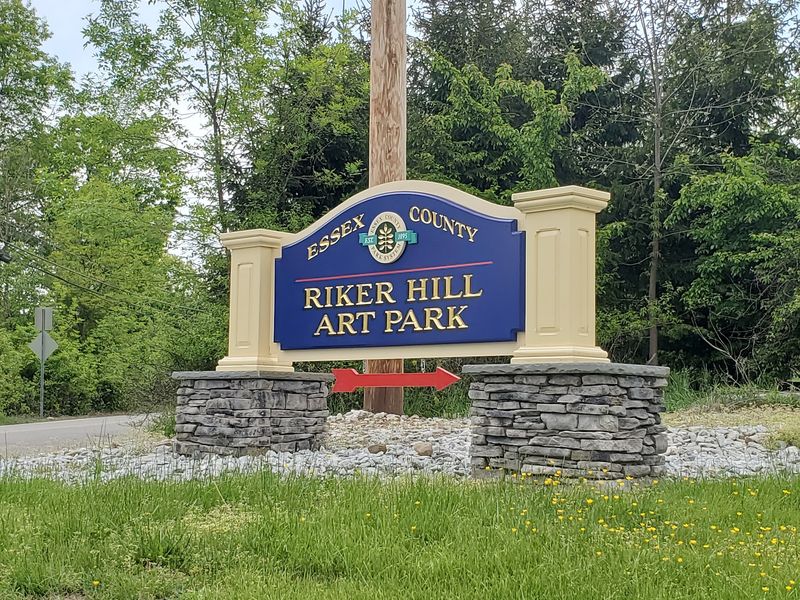
If you like seeing where art comes from, studio weekends are the draw. Visitors can meet artists, look inside their spaces, and get a sense of how ideas turn into pieces.
That access changes the experience from viewing to connection.
Instead of staring at a and guessing, you can ask about materials, process, or. Some artists may chat about others’ work, experiments, or the road between a start and a final work.
For visitors, that can make it feel less distant and more human.
There is also a rhythm to these weekends that suits exploring. You can wander, pause, look, then move on without needing a tour or knowledge.
A tip is to ask questions, notice what is in progress, and remember that studios are workplaces as well as spaces.
Riker Hill shines in these events because the story becomes. Cold War history explains the setting, but the artists give it a voice.
You leave with more than photos. You leave with conversations, details, and a feeling for how a New Jersey place is remaking itself creatively.