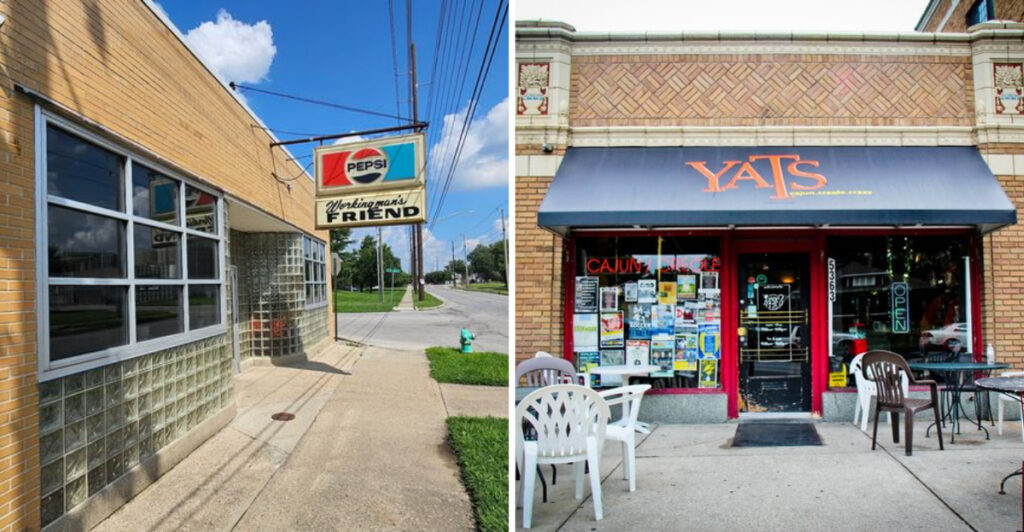
A dining room filled with regulars is often one of the best signs that you have found somewhere worth eating. Around Indiana, longtime restaurants, neighborhood favorites, and unassuming local spots keep winning people over without relying on tourist buzz or flashy gimmicks.
Some are known for comforting classics, while others have built loyal followings around generous portions, family recipes, or one dish customers refuse to stop ordering. What connects them is the steady support of people who live nearby. For travelers hoping to eat beyond the obvious stops, these 11 Indiana restaurants offer a taste of where locals actually return.
1. Workingman’s Friend (Indianapolis)
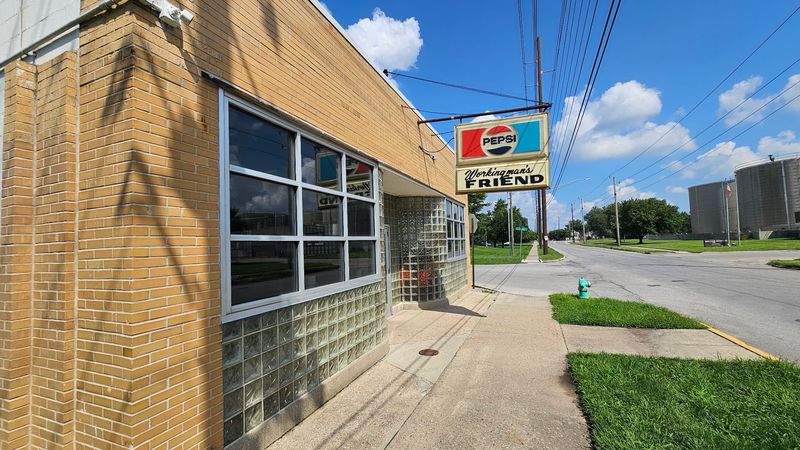
Plenty of restaurants try to look old-school. Workingman’s Friend does not have to try. The place has the kind of straightforward style that comes from doing the same thing well for a very long time, and that shows up most clearly in the burger.
Locals talk about the smashed patties because they are the main event, not because the menu needs a sales pitch. Thin beef, crisp edges, melted cheese, and a soft bun give you the sort of meal that makes overbuilt burgers seem unnecessary.
Order fries, grab a drink, and keep expectations pointed toward flavor instead of fancy extras. The room matches the food. Nothing feels designed for social media first, which is part of the appeal for people who want Indianapolis on a plate rather than a polished version of it.
Regulars, neighborhood stories, and a tavern setup with real history create a setting that seems settled and confident.
That matters when choosing where to eat in a city with plenty of buzzier options. A tourist trap usually adds noise around the meal, but here the meal carries the whole experience.
There is no need for gimmicks when generations of diners already know what they came for. First-timers should keep the order simple and avoid overthinking it. A cheeseburger is the obvious move, and leaning into the no-frills spirit is half the fun.
Go with patience, especially at busy times, because places with this kind of local reputation do not need to rush their identity.
Indianapolis has plenty of trendy restaurants, but not all of them show the city in such a plainspoken way. Workingman’s Friend offers the sort of meal locals protect with quiet pride. That alone says more than a flashy ad campaign ever could.
2. Bluebeard (Indianapolis)
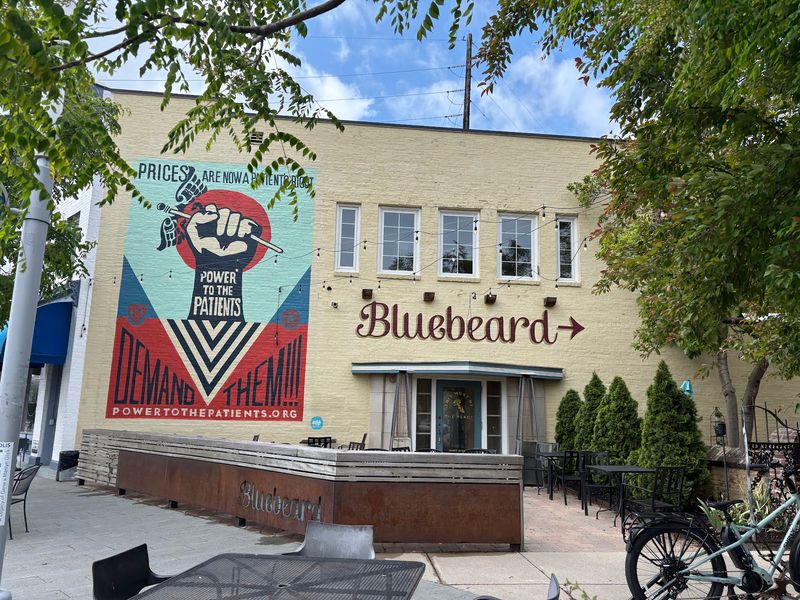
Bluebeard has national attention, yet it still reads like a restaurant built for Indianapolis first. Set inside a renovated warehouse, it balances industrial character with a warm dining room that never seems stiff.
That mix makes it appealing to locals who want serious cooking without a formal mood. The menu is one reason people stay interested.
Seasonal ingredients from local and regional producers give the kitchen room to shift dishes often, so repeat visits can lead to a different meal each time. Instead of locking itself into a greatest-hits routine, Bluebeard lets the calendar guide the plate.
That approach can sound lofty on paper, but the result is easier to enjoy than to explain. Fresh vegetables, thoughtful sauces, and carefully prepared meats or fish come together in combinations that feel current without becoming showy.
Diners who like trying new things usually find enough variety, while those who prefer familiar flavors can still build a comfortable meal.
The setting helps keep the experience grounded. A historic warehouse carries more personality than a generic upscale dining room, and the Indianapolis location gives the whole place a stronger sense of connection to the city around it.
Even with acclaim, it does not read like a restaurant chasing visitors with a canned version of local culture. Going here works best with an open mind. Check the menu before arriving if you want a sense of what is in season, but leave room for surprises.
Sharing a few plates can also make the experience more fun, especially for groups that like comparing bites and discovering favorites together.
For locals, Bluebeard fits into real dining life rather than special-event theater. It is polished, yes, but still tied closely to Indianapolis through its ingredients, building, and loyal following. That balance gives it far more staying power than trend alone.
3. The Log Inn (Haubstadt)
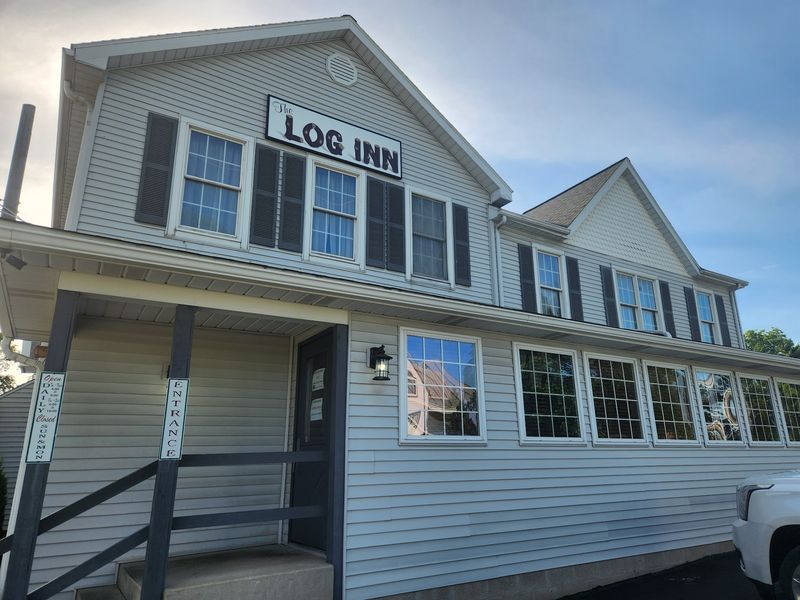
Drive through Southern Indiana long enough and flashy restaurant trends begin to fade. The Log Inn belongs to a different rhythm, one built around hearty meals, big tables, and the kind of comfort food people crave without needing a special occasion.
Fried chicken is the headliner, and it earns that role honestly. Family-style service changes the pace in a good way. Instead of everyone guarding a single plate, the table starts to share, pass, and compare favorite sides.
That simple setup turns dinner into a group experience, which suits a place with deep regional roots. History also adds weight here, but not in a staged way.
A long-running restaurant in a rural setting already carries a sense of endurance, and the old-fashioned mood works best when diners let it stay uncomplicated.
There is no reason to overanalyze mashed potatoes, green beans, or chicken with a crisp bite when the main goal is a satisfying meal.
Visitors expecting sleek presentation may miss the point. The Log Inn appeals to people who care more about generous portions and steady cooking than novelty.
In that sense, it stands apart from restaurants built to catch passing traffic with loud themes and forgettable food.
For the best experience, show up hungry and lean into the house style. Sharing is part of the charm, and classic sides matter almost as much as the chicken.
Families, road trippers, and anyone tired of tiny portions usually settle in quickly once the bowls start landing on the table.
Haubstadt is not a place most travelers associate with buzzy dining, which may be exactly why this restaurant stands out. It reflects local eating habits better than a polished destination spot ever could.
The Log Inn succeeds by sticking close to what people actually want: a filling meal in a place with real staying power.
4. Bonge’s Tavern (Perkinsville)
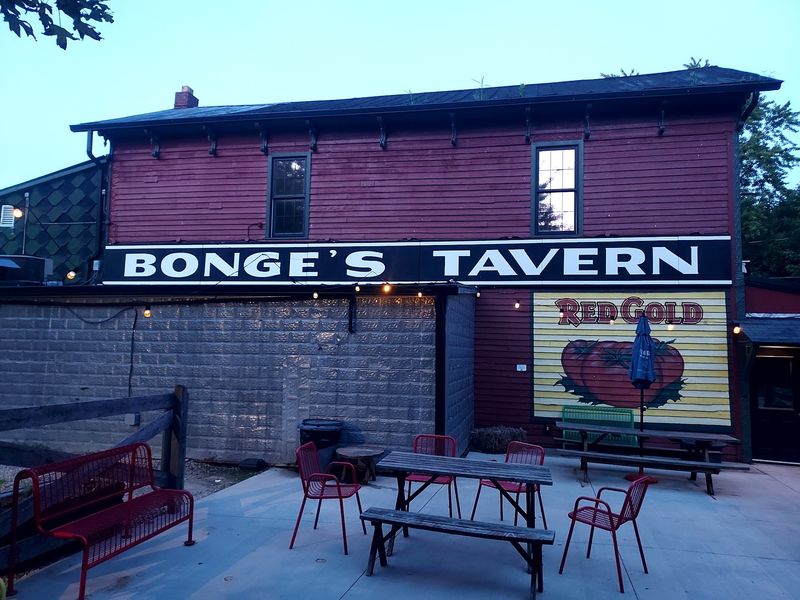
Bonge’s Tavern does not blend in with ordinary dinner plans. Out on the country roads in Perkinsville, the meal often begins before anyone reaches a table, thanks to the restaurant’s famous tailgating tradition. That playful pre-dinner ritual gives the place a social energy all its own.
Even so, the food is the reason Bonge’s has held people’s attention for so long. Creative American cooking, a frequently changing menu, and the well-known Perkinsville Pork give diners plenty to talk about once they sit down.
The kitchen clearly enjoys offering dishes with a bit more personality than the average rural tavern. The contrast is part of the fun. Outside, the scene can feel casual and lively, with people gathering, snacking, and chatting before service.
Inside, the small tavern setting brings everyone back to the main point, which is a carefully prepared dinner served in a place that does not seem interested in smoothing out its quirks.
That rough-edged charm helps separate Bonge’s from tourist-minded restaurants that package weirdness as a gimmick. Here, the unusual custom grew out of the restaurant’s own culture, not a marketing plan.
Locals and repeat visitors understand the rhythm, and newcomers usually catch on fast once they see how relaxed the whole thing is.
Planning ahead is smart. Rural location, limited seating, and a devoted following mean dinner here can require patience and flexibility.
Bring a good attitude, arrive ready for a slower evening, and treat the tailgating tradition as part of the experience rather than a sideshow.
Perkinsville is tiny, but Bonge’s has an outsized place in Indiana dining conversations. That is not because it tries to act important.
It comes from a strong sense of place, memorable cooking, and a tradition that could only have taken root in a spot this specific.
5. 9th Street Bistro (Noblesville)
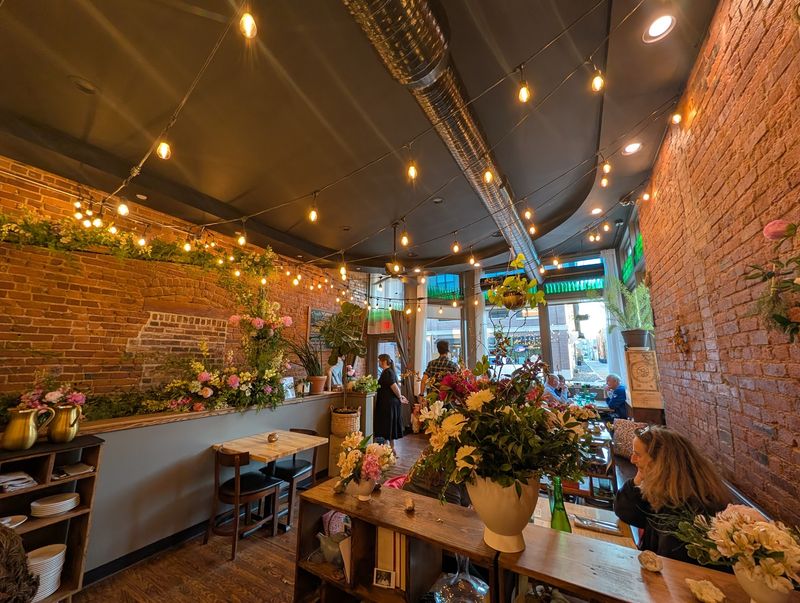
Not every local favorite announces itself with a giant sign or a packed parking lot. In downtown Noblesville, 9th Street Bistro works on a smaller scale, and that is part of its strength.
The restaurant offers an intimate setting where scratch-made food gets the spotlight without much noise around it.
The menu draws from global influences, which gives the kitchen room to be creative without drifting into confusion. Seasonal dishes help keep the lineup fresh, so the meal can shift with the time of year instead of staying frozen in one safe formula.
That variety rewards repeat visits, especially for diners who enjoy seeing what a chef does with changing ingredients.
Its location in historic downtown Noblesville matters, too. A restaurant tied to an older city center tends to pick up local character naturally, just by being part of daily life there.
Rather than functioning like a dining attraction built to lure outsiders, 9th Street Bistro fits into the neighborhood around it.
The dining room likely appeals most to people who enjoy conversation over spectacle. Smaller restaurants can create a more personal pace, where servers, cooks, and guests all seem a little closer to the experience.
That scale also makes each visit feel more intentional, whether it is a date night, a dinner with friends, or a quiet meal after walking downtown.
New visitors should arrive ready to read the menu carefully and trust the house a little. Seasonal cooking usually shines brightest when diners order with curiosity instead of sticking only to familiar terms. Asking what is especially popular that week can be a smart move.
Noblesville has grown plenty, but places like 9th Street Bistro help keep its dining scene from turning generic. It offers personality, neighborhood roots, and thoughtful food in one compact package. That combination gives locals a reason to claim it as their own.
6. Mama Carolla’s (Indianapolis)
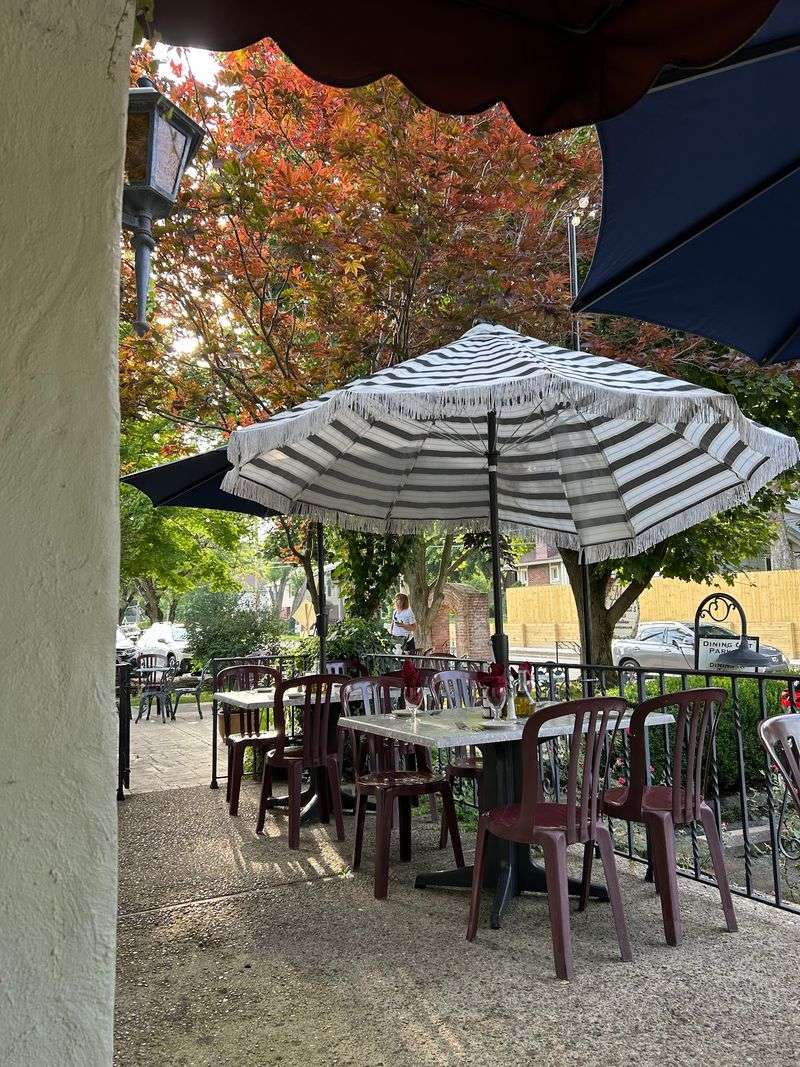
A house turned into an Italian restaurant already has a head start on charm, and Mama Carolla’s uses that advantage well. Set inside a 1920s home, it offers a more intimate kind of dinner that stands apart from louder, trend-driven places around Indianapolis.
The outdoor terrace adds another layer, especially when the weather is right. Food is where the restaurant anchors itself. Homemade meatballs and steamed mussels get named often, and that says a lot about how people return to familiar favorites here.
A menu built around Italian staples can go stale in the wrong hands, but loyal local support suggests the kitchen understands how to keep classic dishes satisfying.
The home setting changes the pace of the meal. Rooms in a converted house tend to create corners, nooks, and a more relaxed flow than a big open dining room.
That can make dinner feel a little more personal, whether guests are celebrating something or simply meeting for a weeknight meal.
Indianapolis has no shortage of Italian options, so standing out requires more than red sauce and candlelight. Mama Carolla’s seems to succeed by giving people a complete setting that works with the food rather than trying to overpower it.
The terrace, the house, and the neighborhood following all support the meal instead of distracting from it. For first-timers, this is a good place to settle in rather than rush through courses.
Ordering a few known favorites, sharing where possible, and enjoying the setting usually makes more sense than treating dinner like a checklist. Outdoor seating can be especially appealing when available, so planning ahead may help.
Restaurants last in a city because they become part of people’s routines and celebrations. Mama Carolla’s has that kind of hold on Indianapolis diners. It offers comfort, character, and enough consistency to remain a staple without sliding into predictability.
7. The Overlook Restaurant (Leavenworth)
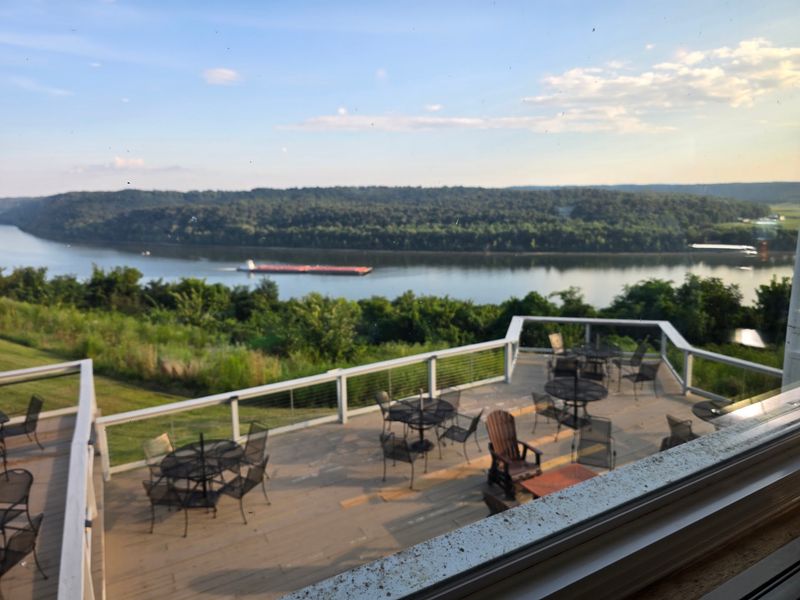
Views can sometimes do too much work at a restaurant. At The Overlook in Leavenworth, the scenery is a major draw, but it is not the whole story.
Looking out above the Ohio River is memorable, yet the food stays practical and familiar enough to give the place broader appeal.
That balance matters. A restaurant with a dramatic setting can slide into charging for the view while letting the menu drift into the background.
The Overlook avoids that trap by leaning on approachable homestyle cooking, the kind of food that invites a wide range of diners rather than only people chasing a special photo.
Southern Indiana also shapes the experience. The region has its own pace, and restaurants tied closely to local roads, river scenery, and repeat customers often carry a steadier personality than spots built for high turnover tourism.
Here, the setting may catch your eye first, but the restaurant’s lasting regional popularity hints at a deeper connection.
For visitors, the smartest move is to treat the trip as both a meal and a pause. Take time to enjoy the landscape, but do not skip over the value of simple food done in a welcoming way.
Comfort dishes make sense in a place like this because they let the view complement the meal instead of competing with it.
Families, couples, and weekend drivers can all find a lane here. Some come mainly for the river backdrop, others for dependable lunch or dinner in a scenic part of the state. The overlap of those groups helps give the restaurant its broad appeal without turning it into a gimmick stop.
Leavenworth is small, and that works in the restaurant’s favor. The Overlook reflects regional habits more than tourist performance, which is exactly why locals continue to back it. A sweeping vista may start the conversation, but steady cooking helps the place hold its ground.
8. Yats (Indianapolis)
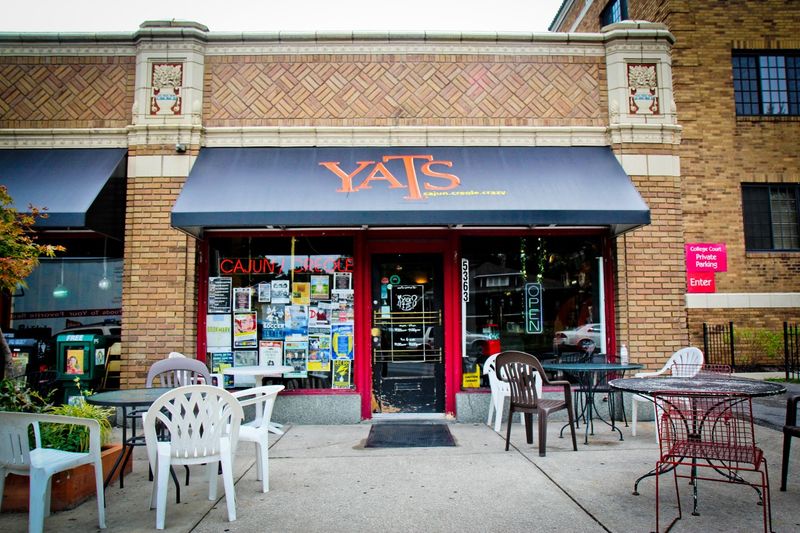
Some restaurants win people over by refusing to make dinner complicated. Yats has built its reputation in Indianapolis on that exact idea, serving Cajun and Creole-inspired dishes quickly, casually, and in portions that do not leave anyone guessing about value.
The result is a place locals can use often, not just occasionally. The chalkboard menu adds a little suspense in the best way. Rotating selections mean regulars have reasons to return, but the format stays simple enough that ordering never turns into a project.
Pick what sounds good, expect bold flavors, and do not worry about a long list of extras. Affordability is a huge part of the restaurant’s staying power.
When prices stay friendly and servings stay generous, a spot has a better chance of becoming part of normal city life instead of only a once-in-a-while splurge.
That makes Yats especially appealing in a dining scene where some newer places ask customers to pay more for less.
The relaxed mood helps, too. Fast service and casual surroundings send the message that the focus is on getting people fed well, not staging an elaborate event. Lunch breaks, easy dinners, and low-key meetups all fit naturally here.
Newcomers may benefit from embracing the pace and narrowing the decision fast. A short chat at the counter, a glance at the chalkboard, and a willingness to try whatever sounds richest or spiciest usually leads to a good first experience. Carryout can also make sense if the goal is comfort food without a long sit-down meal.
Indianapolis diners have plenty of options for quick food, but not every quick option builds this kind of local affection. Yats stands out because it combines personality, value, and strong flavors without piling on fuss. In a world full of overdesigned lunch spots, that straightforward confidence is easy to appreciate.
9. Oasis Diner (Plainfield)
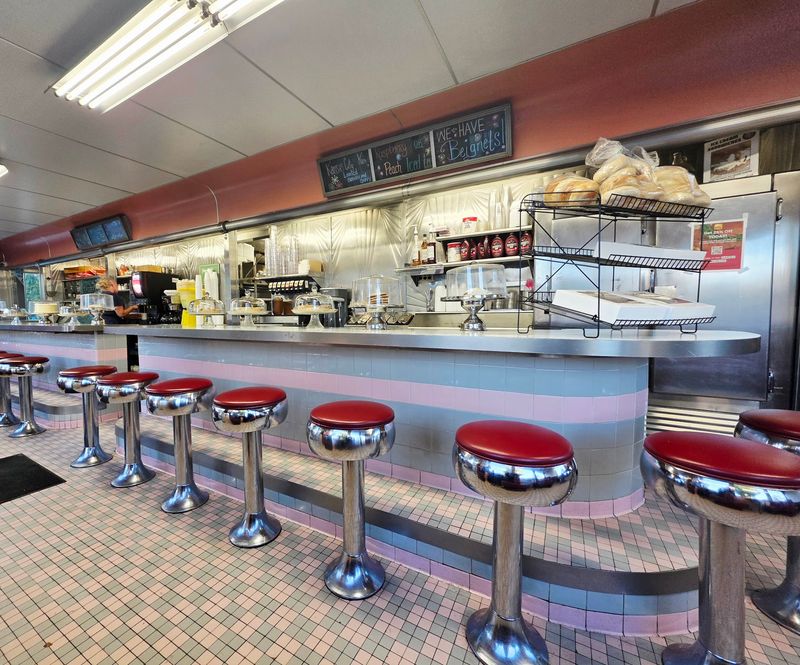
Sliding into a classic diner still has a charm that trendier restaurants cannot copy. Oasis Diner in Plainfield leans into that style with breakfast favorites, burgers, sandwiches, and the kind of nostalgic setting that encourages people to slow down a little.
It works because the concept matches the town-scale warmth around it. Diners succeed when they cover everyday cravings well. Coffee, eggs, toast, burgers, and simple sandwiches are not flashy items, yet they become memorable when served in a place with rhythm and consistency.
At Oasis, the vintage surroundings do part of the storytelling, but the food still needs to deliver the comfort people expect from a real diner.
Small-town energy also changes the visit. Instead of reading like a polished retro theme restaurant built to mimic the past, Oasis carries more of a community fixture vibe.
That difference matters, because local restaurants do best when they feel woven into daily life rather than arranged for visitors first.
Breakfast may be the obvious move, though lunch has its own appeal for anyone chasing a classic American meal. Going with familiar diner staples is usually the smartest first step, especially for travelers who want a dependable plate rather than culinary fireworks.
A booth, a mug of coffee, and a straightforward order fit the setting perfectly. Another advantage is flexibility. Diners work for solo meals, family stops, road break refuels, and weekend meetups without requiring much planning.
That easy usefulness is part of why places like Oasis matter in a state where local favorites often earn loyalty through repetition, not spectacle.
Plainfield is close enough to Indianapolis to see plenty of traffic, but Oasis Diner offers a change from chain-heavy routines. It brings together nostalgia, comfort food, and local identity in a form people instantly understand. Sometimes the best restaurant pick is the one that knows exactly what it is and stays there.
10. Turoni’s Forget-Me-Not Inn (Evansville)
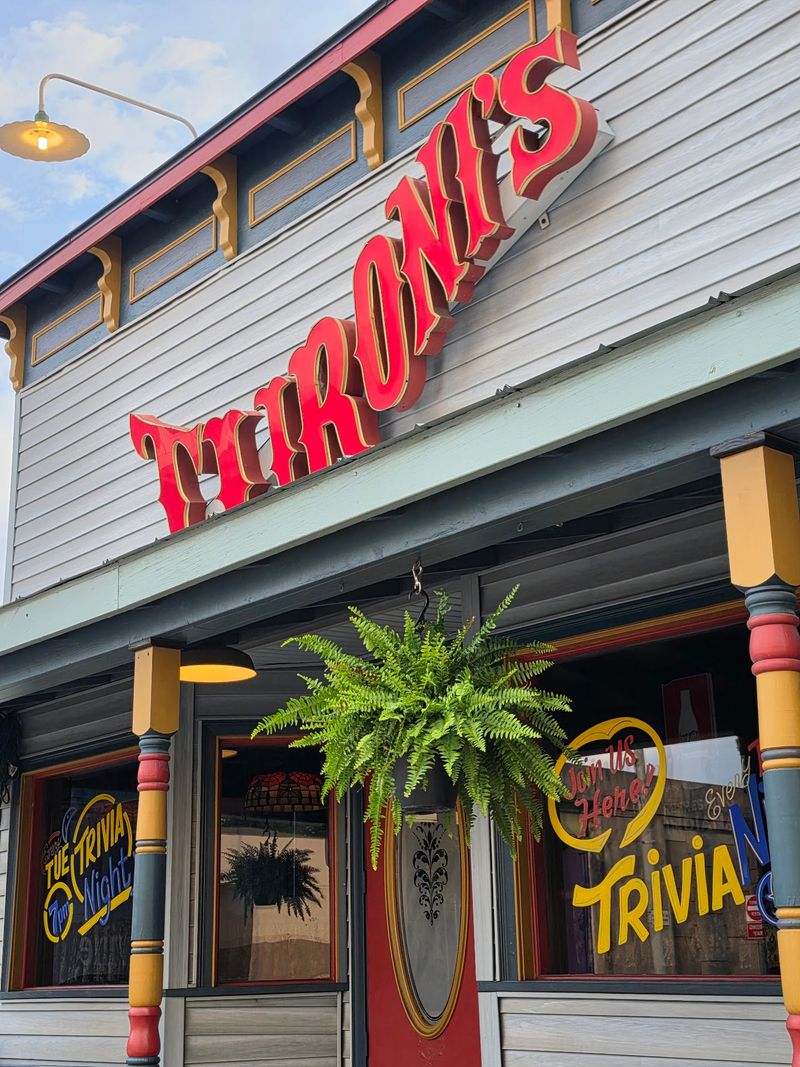
Pizza places often become local landmarks without trying very hard, and Turoni’s Forget-Me-Not Inn proves why. In Evansville, its reputation rests on thin-crust pizza, a relaxed neighborhood setting, and beer brewed close to home.
That trio gives the restaurant a steady identity people can build traditions around. Thin crust changes the tone of a pizza meal. It is less about towering slices and more about crisp texture, easy sharing, and the kind of pie that works for families, groups, or regular weeknight dinners.
Add locally brewed beer to the mix, and the place gains another layer of hometown flavor without turning overly precious about it.
Longtime community loyalty matters here as much as the menu. When generations connect a restaurant with birthdays, team gatherings, casual Friday nights, or familiar carryout orders, the food becomes part of a city’s memory.
That kind of status cannot be manufactured quickly, and it usually signals that the place serves real local needs. The Forget-Me-Not location also carries its own neighborhood personality.
A pizzeria with repeat regulars tends to develop a relaxed social rhythm, where the room works equally well for conversation, sports talk, family meals, and unplanned meetups.
Restaurants built for that kind of flexible use often outlast trendier competitors. Visitors should play to the strengths of the house. Pizza is the clear lead, and pairing it with the local beer makes the experience more complete for those who want a fuller sense of the place.
Going in with a group can be especially smart because thin crust is made for passing around the table. Evansville has deep food loyalties, and Turoni’s sits comfortably inside them. It is familiar without being dull, and local without putting on a performance about it.
For travelers looking beyond the obvious stops, that kind of neighborhood confidence can be far more satisfying than any heavily promoted restaurant district.
11. John’s Famous Stew (Indianapolis)
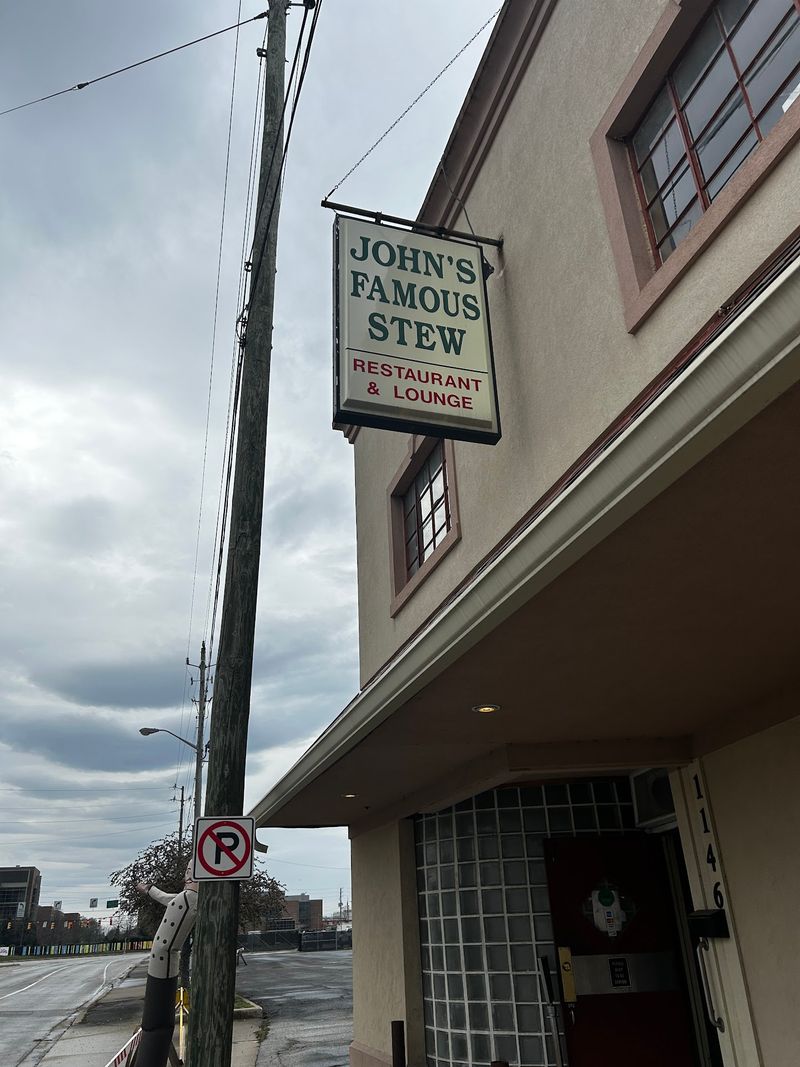
Any restaurant still known for one signature dish after more than a century has clearly tapped into something solid. John’s Famous Stew in Indianapolis built its name around that bowl of stew, and the staying power alone tells you this is not a place living off temporary buzz.
Add giant breaded tenderloins, and the menu starts sounding very Indiana very quickly. Older restaurants often succeed because they give people a reliable point of return. At John’s, the vintage setting strengthens that pull without needing to be polished or theatrical.
The room, the name, and the straightforward lineup suggest a business more interested in feeding regulars than reinventing itself every few years.
The stew remains the obvious order for first-time visitors. House specialties with this kind of long reputation usually carry the clearest story about why a restaurant matters locally.
Pairing it with another regional favorite, like a breaded tenderloin, turns the meal into a crash course on old-school Indianapolis tastes.
There is also value in how simple the whole idea is. A namesake stew, a classic sandwich, and a long-running restaurant formula can sound almost too basic in an era of constant rebranding.
Yet that basic quality is part of the appeal, especially for diners tired of menus filled with trend language and inflated promises.
Going here works best when expectations stay focused on substance. This is a place to appreciate longevity, hearty food, and the rare comfort of a restaurant that seems content being itself.
Lunch can be an especially good time to see how naturally it fits into local routine. Indianapolis has changed over the decades, but John’s Famous Stew gives a glimpse of an older eating culture that still holds on. That sense of continuity matters.
It turns an ordinary meal into a reminder that local favorites are often the restaurants that never stopped serving their city the way they always had.