A steam whistle cuts through the woods. A giraffe lifts its head above the trees.
Around the next bend, an abandoned mill village appears where hikers expected nothing more dramatic than another patch of ferns. New Jersey’s parks have a habit of hiding their best tricks in plain sight.
The trails may get people through the entrance, but they are rarely the whole story. Scattered across the state are parks containing working farms, grand country estates, historic railroads, wildlife encounters, crumbling military defenses, and even an active airport.
Some places can turn a simple afternoon walk into a history lesson; others offer enough unexpected activities to fill an entire day. The ten parks below reward anyone willing to wander beyond the usual loop.
Bring comfortable shoes, certainly, but leave room in the plan for lighthouse stairs, blacksmith shops, zoo animals, cranberry buildings, and several very convincing reasons to forget about counting steps.
1. Allaire State Park – Wall Township
The sound of a blacksmith’s hammer feels perfectly at home in this wooded corner of Wall Township. At the center of the park stands the Historic Village at Allaire, a preserved 19th-century ironmaking community once known as Howell Works.
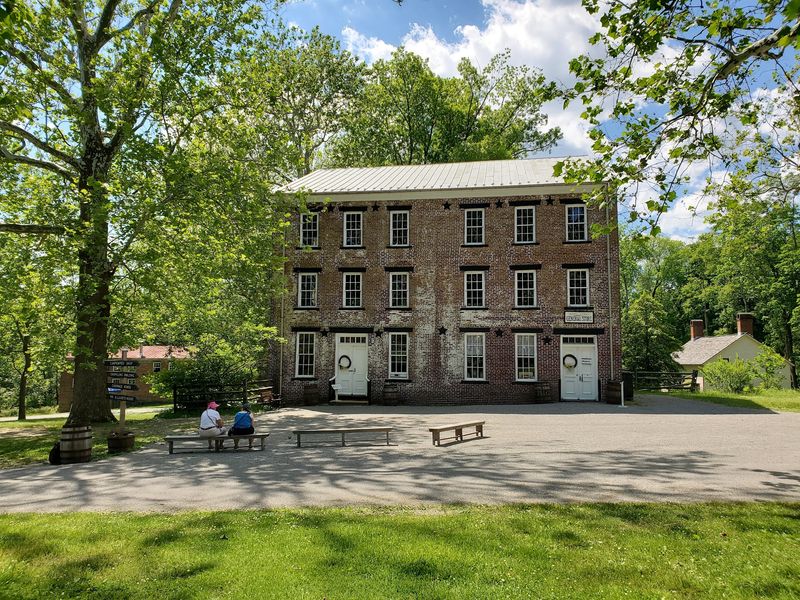
Its furnaces produced iron goods, while workers and their families lived in a company town with its own store, chapel, bakery, and other essential buildings. Many of those structures remain, giving visitors considerably more to explore than trees and picnic tables.
Costumed interpreters and demonstrations occasionally bring old trades back to life, and the village hosts seasonal programs that range from craft events to history-focused celebrations. The General Store is an especially fun stop, while the row house offers a clearer picture of how workers lived when the iron industry powered the community.
Then there is the Pine Creek Railroad, a narrow-gauge railway operated separately within the park. On scheduled days, small trains carry passengers through the surrounding landscape, creating the delightful experience of hearing a locomotive while standing in the middle of the woods.
Trails, fishing areas, picnic grounds, and campsites round out the visit, but the historic village deserves the largest block of time. Admission arrangements and operating schedules can vary for village events and train rides, so check ahead before promising younger passengers a trip.
Arriving early also makes it easier to explore before special-event crowds fill the main lots.
2. Holmdel Park – Holmdel
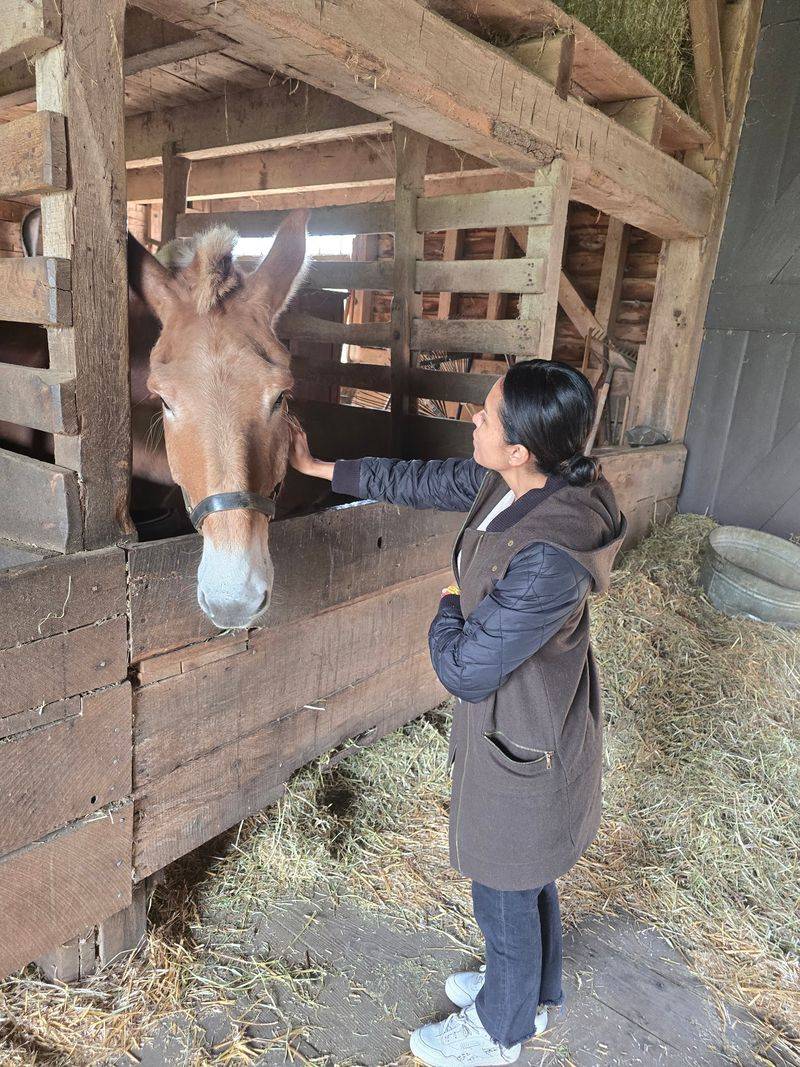
Chickens scratching beside a farmhouse are not what most people expect to find minutes after parking at one of Monmouth County’s busiest recreation spots. Historic Longstreet Farm recreates rural life in the 1890s, complete with livestock, period buildings, antique equipment, and traditional farming activities.
Depending on the day, visitors might see staff caring for animals, working in the garden, cooking on a wood-burning stove, or demonstrating a skill that disappeared from most households generations ago. It feels like a small living-history museum, yet admission is free and the setting remains refreshingly low-key.
The park has another historical surprise nearby: the Holmes-Hendrickson House, a mid-18th-century home displaying the Dutch building traditions once common in the region. Tours are offered seasonally, so it is worth checking the schedule before making that the centerpiece of a visit.
Beyond the old buildings, the 719-acre property includes an arboretum, fishing pond, playgrounds, picnic areas, tennis courts, and nearly ten miles of trails. Those rolling paths are famous among cross-country runners, although families can have an excellent day here without tackling the tougher hills.
In winter, the park becomes a favorite sledding destination when conditions cooperate. Start at the farm while everyone still has energy and patience for looking inside barns, then shift to the playground or pond.
With animals, historic houses, and enough open grass for an unhurried picnic, this is one park where “just a walk” tends to become a full afternoon.
3. South Mountain Recreation Complex – West Orange
A giraffe peering over a fence is a fairly strong clue that this is not an ordinary county park. Turtle Back Zoo anchors the South Mountain Recreation Complex in West Orange, bringing animals from around the world into a setting beside the wooded South Mountain Reservation.
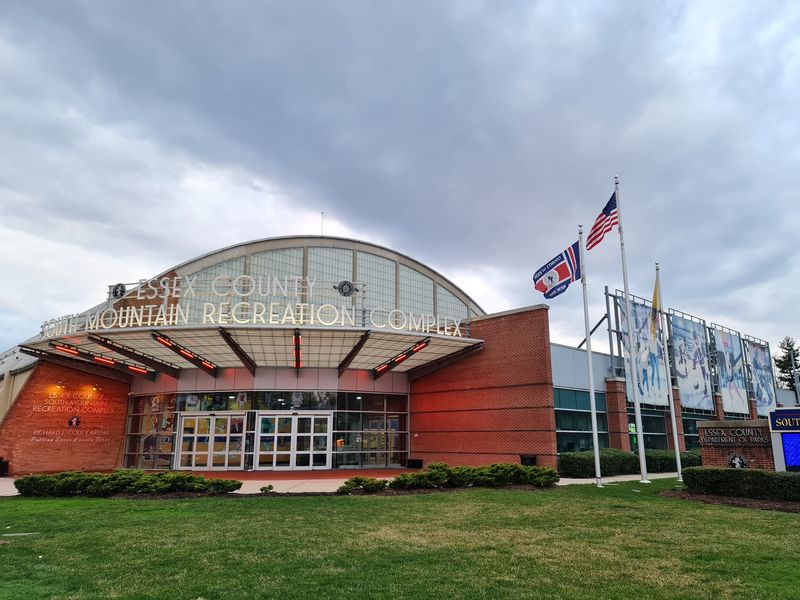
The zoo alone can occupy several hours, but it is only one piece of an unusually packed recreation area. Visitors can test their balance on the Treetop Adventure Course, play a safari-themed round of miniature golf, rent a paddleboat, or head to Codey Arena for public ice-skating sessions.
The waterfront area adds a 1.7-mile paved loop, seating beside the reservoir, and the nautical Regatta Playground, which tends to become an immediate priority for younger visitors. This abundance makes the complex useful for mixed-age groups: one person can enjoy a quiet lap beside the water while everyone else negotiates for zoo time or mini golf.
Activities have separate hours, admission charges, and seasonal schedules, so a little planning prevents the day from turning into an ambitious tour of locked gates. Weekends can be busy, particularly when good weather, zoo events, and arena programs overlap.
Arriving near opening time generally means easier parking and shorter waits. Pack a picnic if simplicity is the goal, or plan around the food options inside the zoo.
Calling this place a park almost undersells it; it behaves more like several family outings conveniently gathered around one reservoir.
4. Watchung Reservation – Mountainside
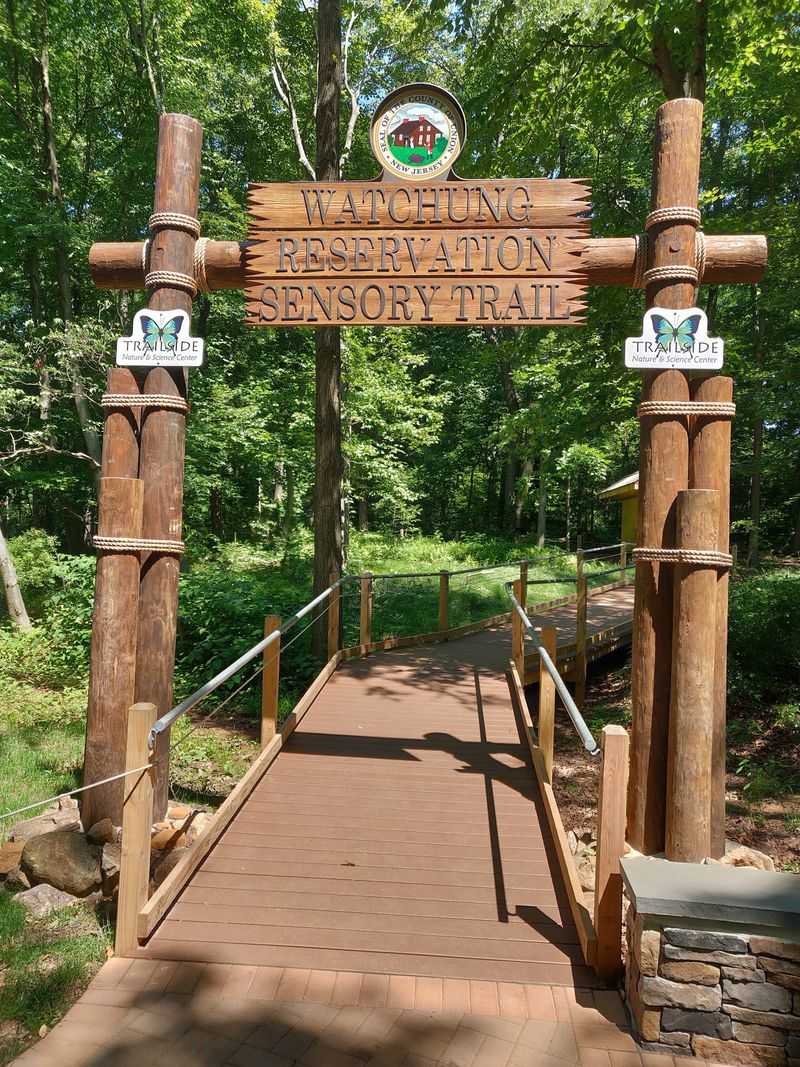
The empty porches appear gradually through the trees, making Feltville look like the opening scene of a particularly tasteful ghost story. This collection of surviving buildings began as a 19th-century company town created by businessman David Felt, whose printing operation supported a community of roughly 175 residents by 1850.
After the enterprise declined, the settlement briefly earned its “Deserted Village” nickname. It later found a second life as Glenside Park, a summer resort where guests played tennis, danced in the barn, and escaped city heat before Jersey Shore vacations became easier.
Today, interpretive panels and a self-guided route explain the remaining cottages, cemetery, Church/Store, and Masker’s Barn. The village grounds are open from dawn to dusk, and their stillness is more intriguing than frightening in daylight.
Elsewhere in the 2,065-acre reservation, Trailside Nature & Science Center offers another reason to leave the hiking plan flexible. Its interactive exhibits include a 34-foot American beech tree rising through the atrium, along with displays that introduce the region’s plants, wildlife, and geology.
Admission to the center is free, though its operating days and hours are more limited than the surrounding park. Families can also seek out Lake Surprise, picnic areas, playgrounds, and Watchung Stable.
Because the reservation is large and its attractions use different entrances, map the stops before arriving. Otherwise, a quick drive through the woods can become an accidental tour of every parking area except the one you need.
5. Liberty State Park – Jersey City
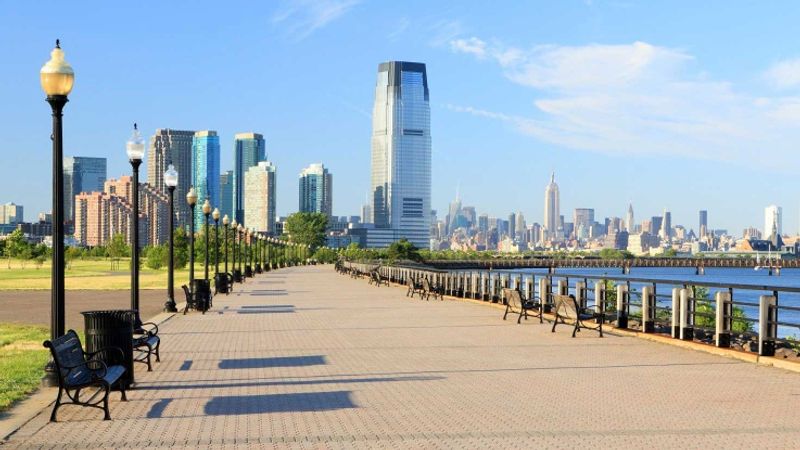
Few picnic lawns come with a view this theatrical: the Statue of Liberty straight ahead, Manhattan across the river, and ferries cutting white lines through the harbor. Yet the skyline is merely the beginning at this Jersey City landmark.
The historic Central Railroad of New Jersey Terminal recalls the millions of immigrants who continued their journeys from this waterfront after passing through Ellis Island.
Its grand train shed and brick headhouse give the park a tangible connection to the era when railroads, ferries, and ocean liners moved enormous numbers of people through New York Harbor.
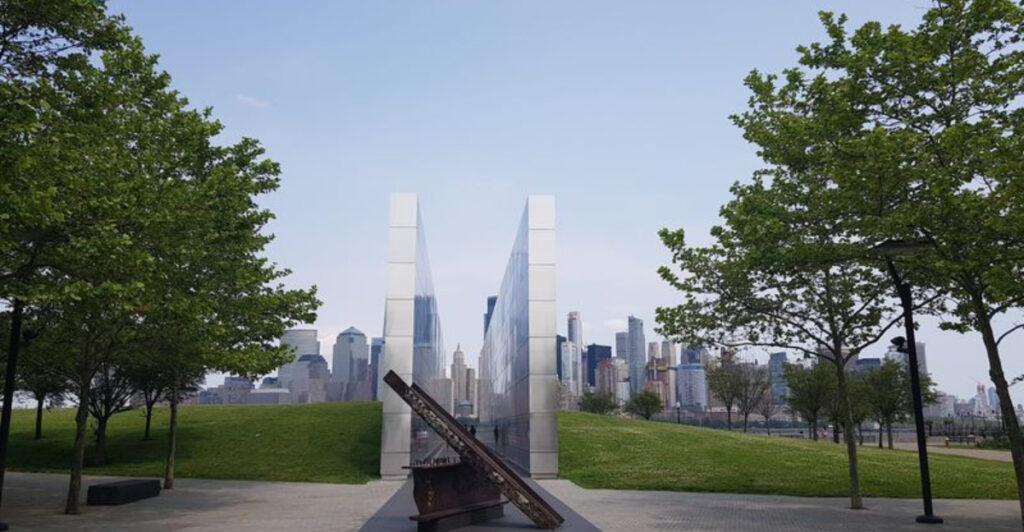
A short distance away, Empty Sky, New Jersey’s official September 11 memorial, frames the former location of the World Trade Center between two long stainless-steel walls engraved with victims’ names. It is spare, quiet, and powerful without demanding elaborate explanation.
Families can add an entirely different experience at Liberty Science Center, which sits within the park and requires separate admission. Its hands-on galleries, live presentations, and planetarium can rescue a visit when rain ruins waterfront plans—or become the main event from the start.
The park also has broad lawns, playgrounds, picnic areas, fishing access, and the two-mile Liberty Walk along the river. Parking is available in several areas, but choosing the lot nearest your priority saves considerable backtracking.
Sunset delivers the most dramatic city views, while mornings offer more breathing room around the memorials and waterfront.
6. Ringwood State Park – Ringwood
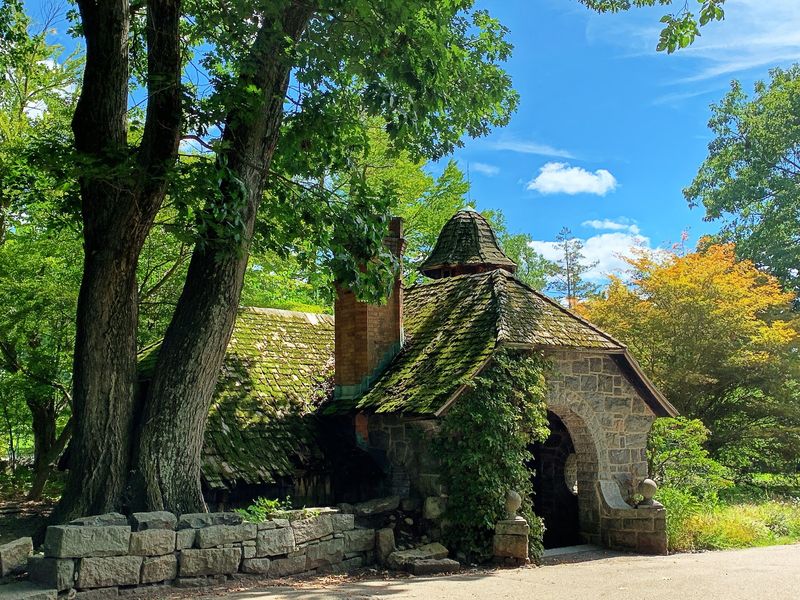
One minute the road is winding past thick North Jersey forest; the next, an elegant stone manor appears with gardens arranged around it. Ringwood State Park holds not one but two estate landscapes, each with a very different story.
Ringwood Manor grew around an ironmaking property associated with families who helped shape the region’s industry. The house contains layers of architectural additions, furnishings, decorative objects, and family history accumulated over generations.
Guided tours, offered on a seasonal schedule, reveal much more than a look at the exterior ever could. Several miles away within the same park, Skylands Manor stands amid the New Jersey Botanical Garden.
Its formal terraces, tree-lined approaches, wildflower areas, and specialty gardens turn an ordinary park visit into something resembling a country-estate ramble. Spring brings flowering trees and bulbs, while summer and early fall fill the grounds with richer color.
Garden admission is generally free, although parking fees may apply during certain seasonal periods and manor access depends on scheduled programs. The park also contains Shepherd Lake, where visitors can fish, paddle, picnic, or use the beach when swimming is officially available.
Hikers and mountain bikers get plenty of rugged terrain, but the historical sites make this a rewarding choice for anyone who prefers architecture to elevation gain. Since Ringwood Manor and the botanical garden are in separate sections, trying to walk casually between them is not the clever shortcut it may appear to be.
Drive from one to the other and give both enough time.
7. Cape May Point State Park – Cape May Point
The old concrete bunker looks as though the Atlantic washed it ashore. Built as part of the coastal defense system during World War II, the massive structure once stood farther inland and was partially covered by earth.
Decades of shoreline movement left it exposed near the beach, where it now creates a stark contrast with dunes, migrating birds, and vacationers carrying binoculars. The park’s most recognizable structure is far more graceful.
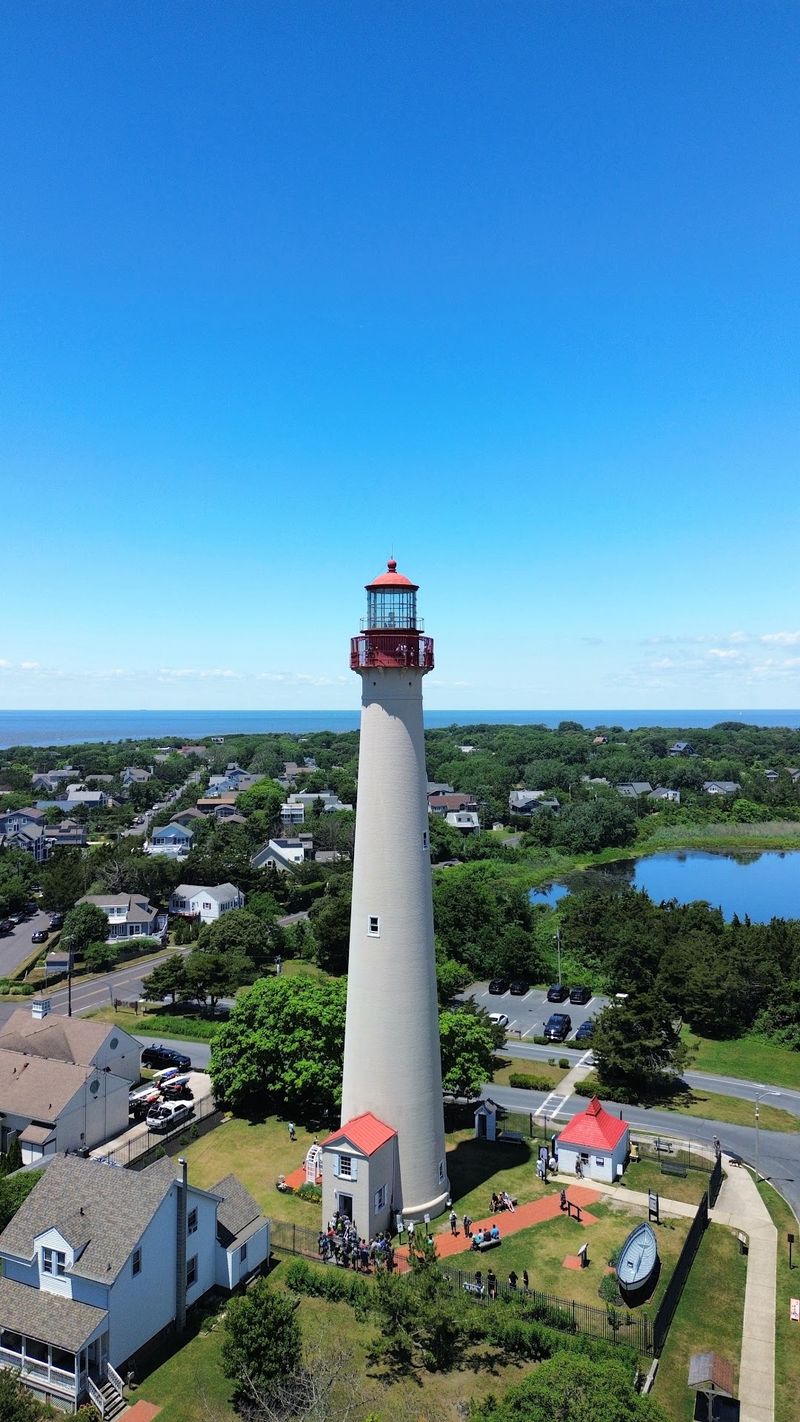
Cape May Lighthouse has guided ships since 1859, and visitors willing to climb 199 steps can earn a sweeping view across the peninsula, ocean, and Delaware Bay. Admission is charged for the climb, and hours vary by season, but simply seeing the tower rise above the trees adds drama to the visit.
This corner of New Jersey is also one of North America’s celebrated bird-migration corridors. In fall, hawks pass overhead in impressive numbers, while observation platforms around the park make it easy to watch without committing to a long hike.
The nature center provides displays on local habitats and wildlife, and boardwalk sections cross ponds where turtles, ducks, and wading birds often steal attention from the lighthouse. Swimming is not permitted at the park, so save the beach blanket for another stop.
Bring binoculars instead, arrive early during peak migration weekends, and expect serious birders to spot something exciting several seconds before everyone else figures out where to look.
8. Washington Crossing State Park – Titusville
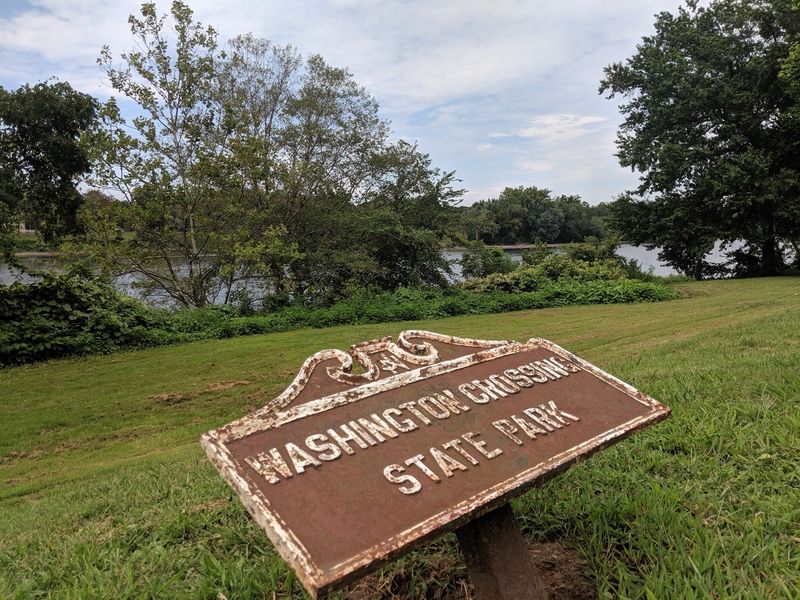
Before dawn on December 26, 1776, George Washington’s troops marched away from this stretch of the Delaware River toward a victory that changed the momentum of the Revolutionary War. The famous crossing began in Pennsylvania, but the New Jersey side preserves the landscape where the army landed and prepared for its advance on Trenton.
That history gives the park a gravity that its peaceful fields and picnic groves do not immediately reveal. Inside the visitor center, the museum places the crossing within the larger military campaign through maps, artifacts, and exhibits.
History becomes even more personal at the Johnson Ferry House, a circa-1740 farmhouse and tavern near the landing area. Alexander Hamilton and other officers are believed to have stopped there as troops moved inland, and interpretive programs help visitors imagine the confusion, cold, and urgency of that winter night.
Annual reenactment-related events draw the most attention, but quieter visits leave more room to study the river and follow the route at an unhurried pace. The park also contains the open-air Washington Crossing Theater, picnic areas, a playground, and wooded paths connecting historic points.
Museum, house, and theater schedules do not always match general park hours, so confirm what will be open before driving to Titusville. Even when the buildings are closed, standing beside the Delaware offers its own payoff—especially on a cold morning, when the weather supplies a small, sharp reminder of what the crossing required.
9. Kittatinny Valley State Park – Andover
Small aircraft rolling toward a runway create an unexpected soundtrack for a day in the woods. Aeroflex-Andover Airport sits within Kittatinny Valley State Park, and its single runway remains active for light planes and gliders.
Visitors may catch takeoffs and landings from designated public areas, adding a dose of aviation watching to an outing otherwise shaped by forests, wetlands, and old railroad corridors. The effect is wonderfully odd: dragonflies skim a pond, a heron waits in the reeds, and then a glider appears overhead with barely a sound.
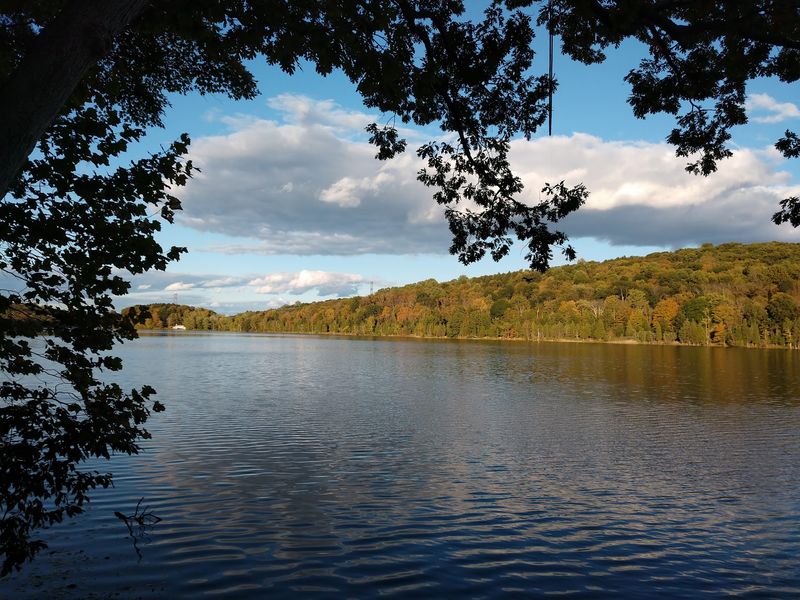
Lake Aeroflex offers another surprise. Reaching depths of more than 100 feet, it is widely recognized as New Jersey’s deepest natural lake.
Anglers come for trout and other freshwater species, while paddlers can explore its clear, narrow waters from the boat launch. Nearby Gardner’s Pond provides a smaller and quieter alternative.
Remnants of the former Sussex Branch rail line run through the park, explaining why several routes are broad and relatively level compared with the surrounding terrain. Cyclists, horseback riders, and walkers all use the corridor, while narrower paths branch into fields and woods.
There is no swimming area, and facilities are simpler than those at recreation-heavy parks, so bring water and whatever food the group needs. Aircraft activity naturally varies with weather and scheduling, meaning a plane sighting is never guaranteed.
Even so, the combination of a remarkably deep lake and an operating rural airport makes this one of the state park system’s strangest pairings.
10. Double Trouble State Park – Bayville
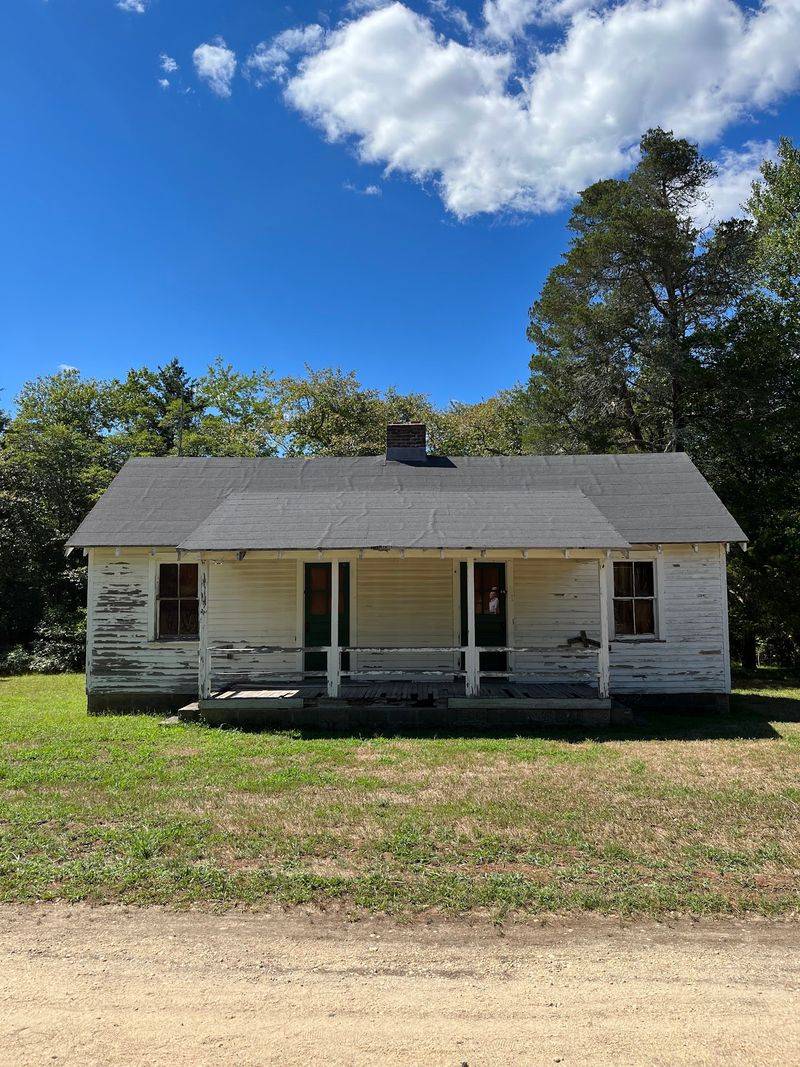
Cranberries once traveled through this Pine Barrens village by the barrel, passing from flooded bogs into sorting and packing buildings before heading to market. Double Trouble preserves the remains of that industry in a remarkably complete company settlement near Bayville.
The unusual name predates the state park and has inspired several stories, but the real attraction is the cluster of historic structures beside Cedar Creek. A sawmill, cranberry sorting house, general store, schoolhouse, bunkhouse, cottages, and other buildings reveal how a remote community functioned around lumber and berry production.
Guided village tours are the best way to see inside selected buildings and understand the machinery, work routines, and families behind the operation. Tour availability varies, so spontaneous visitors should expect to explore the exteriors and interpretive displays unless they have confirmed a program.
The surrounding landscape also explains why these industries flourished here. Atlantic white cedar grew in the wetlands, sandy soil suited cranberry cultivation, and Cedar Creek supplied both waterpower and transportation.
Paddlers still use the tea-colored creek today, though its twists, fallen branches, and changing water levels reward people who know what they are doing. Walking routes pass old bogs and forest, but the village remains the park’s memorable centerpiece.
Wear shoes that can handle sand and damp ground, bring insect repellent in warm weather, and resist the temptation to treat fragile buildings as photo props. Double Trouble is most compelling when allowed to look exactly as it should: weathered, quiet, and slightly mysterious.