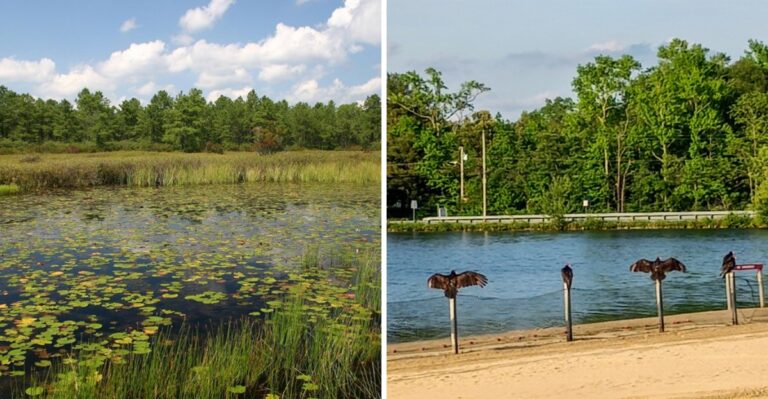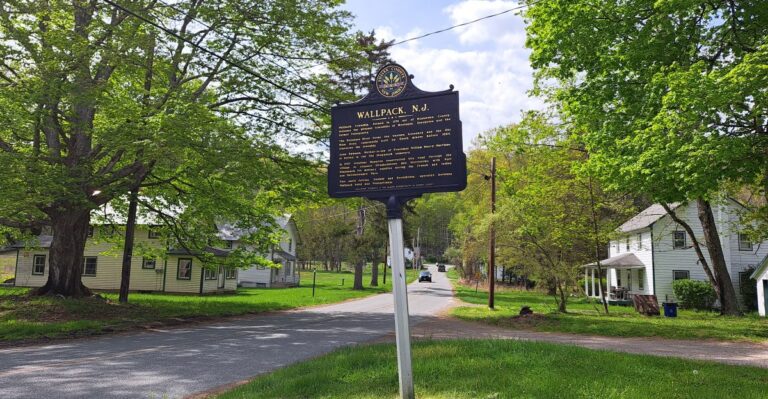
A sandy path slips between pitch pines, a heron lifts off from a marsh, and—best of all—there is not a steep climb anywhere in sight. New Jersey may have its rocky ridgelines and calf-burning scrambles, but a satisfying hike does not have to involve marching uphill until every conversation stops.
Some of the state’s most rewarding routes follow old canal towpaths, circle quiet reservoirs, cross coastal wetlands, and wander through the wonderfully level Pine Barrens. These are places where the scenery does the heavy lifting.
The 11 hikes below range from quick boardwalk strolls to outings long enough to fill an afternoon, yet all keep elevation changes reassuringly modest. Roots, sand, mud, and uneven ground can still add a little adventure, so “mostly flat” does not always mean effortless.
Still, anyone who prefers watching wildlife to chasing summits will find plenty to love—and no shame whatsoever in saving those knees for another day.
1. Batsto Lake Trail – Wharton State Forest
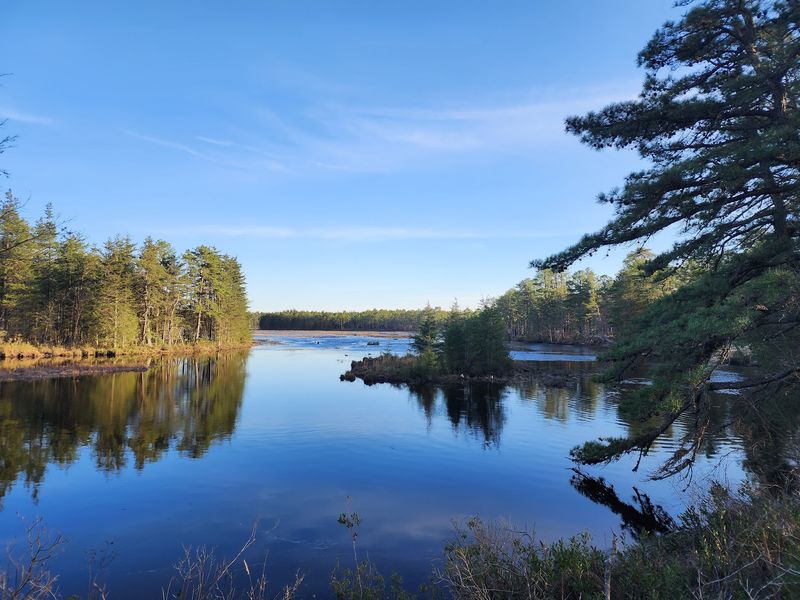
Packed sand, whispering pines, and dark tea-colored water set the tone on this easygoing loop through Wharton State Forest. The white-blazed Batsto Lake Trail covers roughly four miles, but barely changes elevation along the way.
That makes it a strong choice for hikers who want enough distance to feel accomplished without spending the afternoon trudging up and down hills. The route initially travels through classic Pine Barrens woodland before bending toward the Batsto River and lake.
Water views become more frequent during the latter part of the loop, especially as the path begins tracing the shoreline. The ground is generally forgiving, though loose sand, roots, and damp patches can slow the pace after wet weather.
Begin near the Batsto Village parking area, where the trail connects with several shorter routes. Anyone unsure about tackling the full loop can follow the red or blue markers for a more compact walk.
Save a little energy for the village afterward. Its preserved ironmaking and glassmaking buildings, old sawmill, mansion, and general store turn the trip into more than a woodland wander.
Restrooms are typically available near the visitor center when it is open. Bug spray is a smart addition during warmer months, but the flat terrain keeps the main challenge focused exactly where it belongs: choosing how far to walk.
2. Pakim Pond Loop – Brendan T. Byrne State Forest
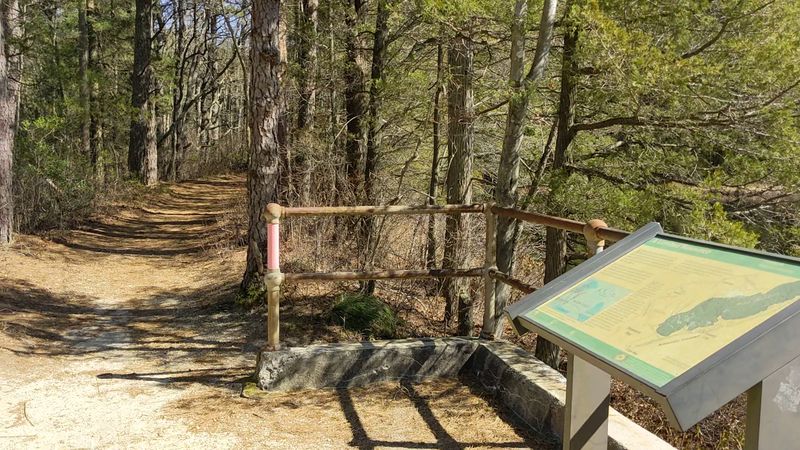
There is something delightfully low-pressure about walking beside a pond that looks as though it has been sitting quietly among the pines forever. Pakim Pond occupies a peaceful corner of Brendan T.
Byrne State Forest, and the surrounding trails can be combined into a mostly flat loop of approximately three miles. The landscape is pure Pinelands: sandy earth, scrub oak, pitch pine, cedar wetlands, and stretches where the only obvious movement comes from dragonflies skimming the water.
Rather than dramatic overlooks, the rewards arrive in small details. Watch for turtles near the shoreline, listen for woodpeckers in the forest, and notice how the pond changes color as clouds move overhead.
Some sections may be soft or wet, particularly after heavy rain, but serious climbing is not part of the equation. Parking is available near the Pakim Pond picnic area, making this an easy outing to pair with lunch at one of the tables.
Trail connections also allow energetic walkers to extend the route without suddenly encountering mountain terrain. Blazes can overlap in the forest, so photograph the posted map or carry one before setting out.
The area feels especially inviting in fall, when russet shrubs and golden grasses warm up the muted Pine Barrens palette. Come for a gentle walk and stay long enough to enjoy the kind of silence that makes three level miles feel like a proper reset.
3. Blueberry Trail – Double Trouble State Park
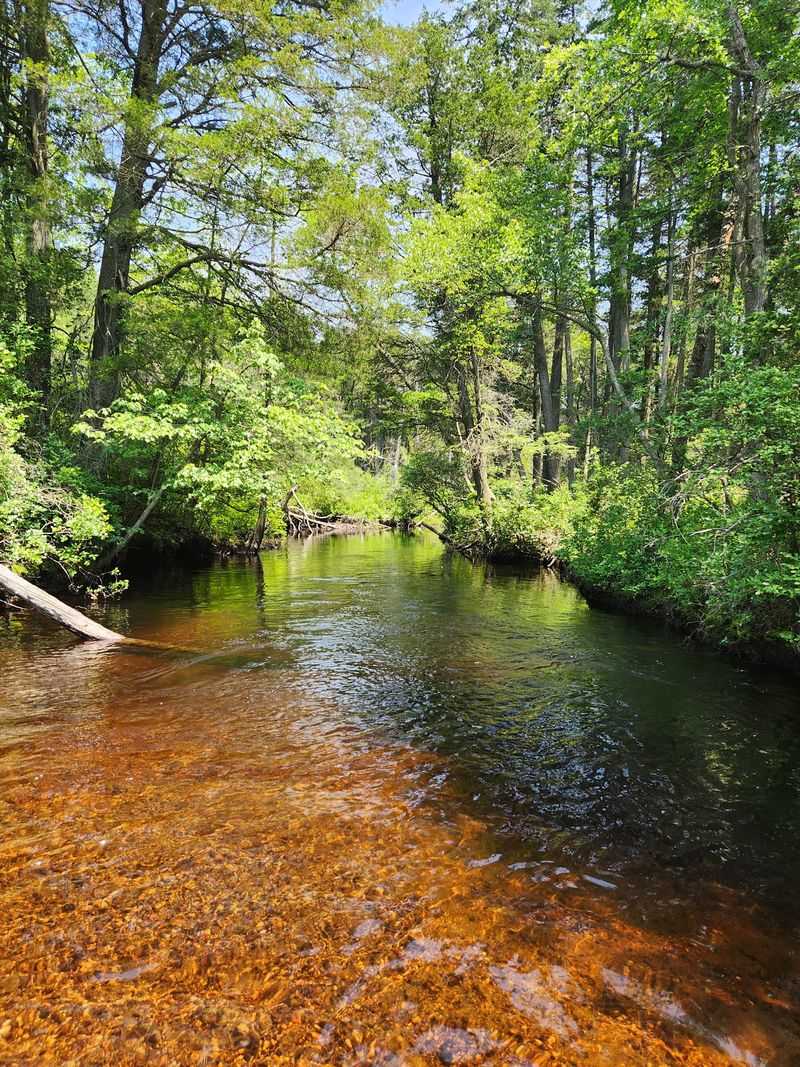
An abandoned cranberry bog may not sound like an obvious hiking destination, but at Double Trouble State Park it creates one of the most distinctive flat walks in Ocean County. The Blueberry Trail travels through woodland and past old bogs that recall the property’s agricultural past.
Water-control channels, sandy roads, and straight rows of vegetation give the landscape a geometry that feels very different from a typical forest loop. There are no meaningful hills to conquer, although wet ground and standing water can provide their own obstacles after storms.
Sturdy shoes are useful even when the forecast is dry. Start near Double Trouble Village, a preserved company town associated with cranberry farming and lumber production.
The historic buildings make a natural bookend to the hike, so allow time to walk around before or after heading onto the trail.
Portions of the route share the woods with longer paths, including connections toward the Batona Trail, which means paying attention at intersections is more important than worrying about elevation.
Blueberries, mountain laurel, and other low-growing plants add color in season, while cedar-stained waterways supply the classic brown-and-gold tones of the Pinelands. Mosquitoes and ticks can be enthusiastic during warm weather, so repellent is not optional equipment.
For hikers fascinated by local history, wetlands, and landscapes shaped by human hands, this route delivers plenty to inspect without demanding a single breathless ascent.
4. D&R Canal Towpath – Delaware and Raritan Canal State Park
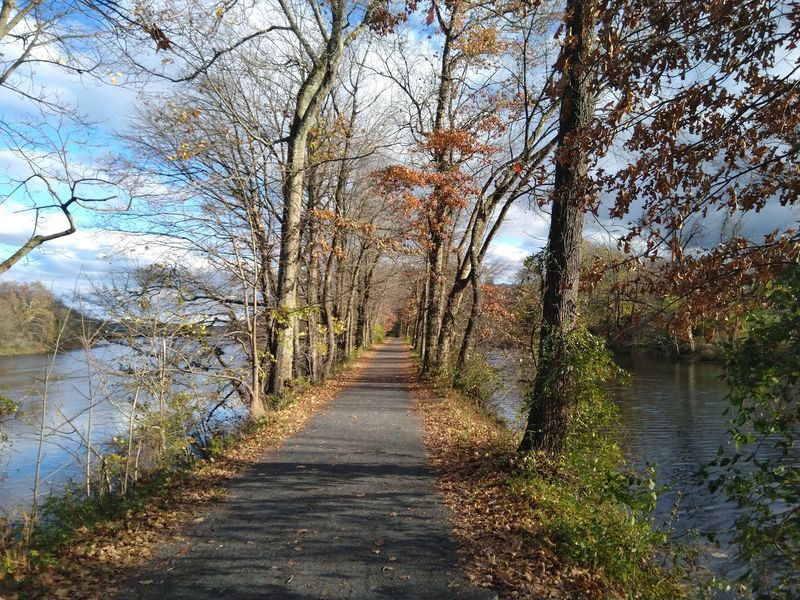
Mules once pulled cargo boats along this corridor, which explains why the trail is so agreeable to people who would rather not climb. The Delaware and Raritan Canal towpath follows an engineered waterway across central New Jersey, remaining almost entirely level for long stretches.
Because the complete park extends for many miles, hikers can choose their own distance instead of committing to a fixed loop.
Princeton, Kingston, Griggstown, Blackwells Mills, and Lambertville all provide appealing starting points, each with a slightly different mix of canal scenery, stone bridges, locks, historic structures, and river views.
A simple out-and-back walk works perfectly: turn around when hunger, weather, or common sense suggests it. The crushed-stone and packed-earth surface is generally easy underfoot, though puddles and mud can linger after rain.
Cyclists also use the towpath, so stay aware on narrow sections and keep to one side when groups approach. Wildlife regularly appears along the canal, from turtles sunning on logs to great blue herons waiting motionless in the shallows.
Tree cover provides welcome shade in summer, while autumn brings long reflections of red and gold foliage in the water. Parking arrangements vary by access point, so choose a trailhead before leaving home.
Few New Jersey hikes make it this easy to customize the mileage while keeping hills almost completely off the schedule.
5. Manasquan Reservoir Perimeter Trail – Howell
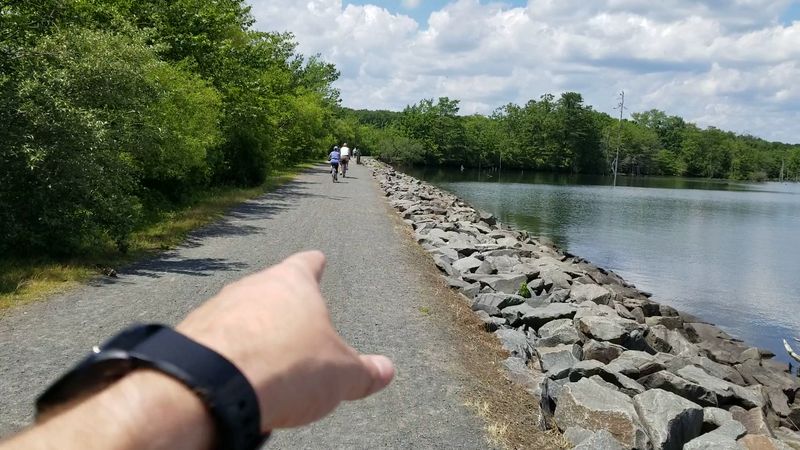
Five miles around a reservoir sounds like a serious outing, but this loop is far kinder than the distance might suggest. The Perimeter Trail at the Manasquan Reservoir follows a broad dirt-and-gravel route with modest elevation changes and frequent views across the water.
It is long enough to provide a satisfying half-day walk without introducing the rocky climbs found farther north. Mile markers help track progress, and the route is generally straightforward, leaving hikers free to watch the shoreline instead of repeatedly consulting a map.
Ospreys are the local celebrities, though bald eagles, herons, waterfowl, and white-tailed deer may also make appearances. Bring binoculars if wildlife spotting is part of the plan.
The main visitor area and environmental center provide convenient access, while Chestnut Point offers another way to reach the trail. Because walkers share portions of the route with cyclists and equestrians, courtesy matters; keep right and give horses plenty of space.
The surface can become muddy or rutted following rain, but steep grades are rare. Summer offers open-water views and plenty of green, although spring and fall tend to deliver more comfortable walking temperatures.
If five miles feels ambitious, the shorter Cove Trail near the environmental center offers an easier alternative. The full circuit, however, has a satisfying rhythm: woods, water, wildlife, repeat—without a hill arriving to spoil the mood.
6. Sandy Hook Multi-Use Path – Gateway National Recreation Area
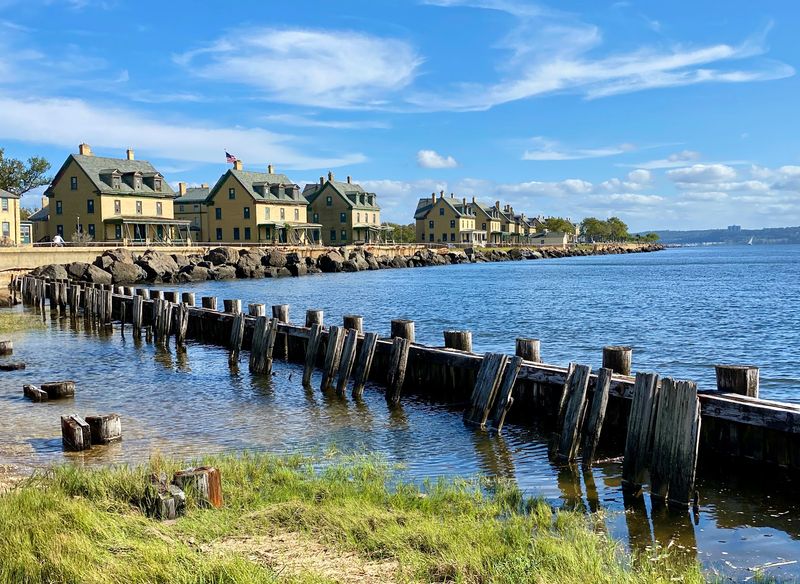
Salt air does a fine job of making a paved walk feel like a full-fledged coastal adventure.
Stretching about seven miles along the Sandy Hook peninsula, the multi-use path passes beaches, maritime woods, former military defenses, and the historic Fort Hancock district.
It is level, even, and welcoming to walkers who prefer predictable footing. There is no need to cover the entire route; numerous parking areas make it easy to create a shorter out-and-back trip centered on the scenery that sounds most appealing.
Head north for old gun batteries, Officers’ Row, and the Sandy Hook Lighthouse, or choose a beach access point for more time near the ocean. The path is shared with cyclists and in-line skaters, so walk to the right and listen for anyone passing from behind.
Shade comes and goes, making sunscreen and water especially important on hot days. Breezy spring and fall afternoons are often ideal, while summer visits may involve entrance fees, larger crowds, and busy parking lots.
Wildlife adds another layer to the walk, particularly around dunes, bayside wetlands, and protected nesting areas. Seasonal closures can limit access to sensitive habitats, so follow posted signs.
This is not a rugged backcountry trail, but it offers something better for hill-averse hikers: miles of changing scenery with a horizon that remains beautifully, dependably flat.
7. Wildlife Observation Center Trails – Great Swamp National Wildlife Refuge
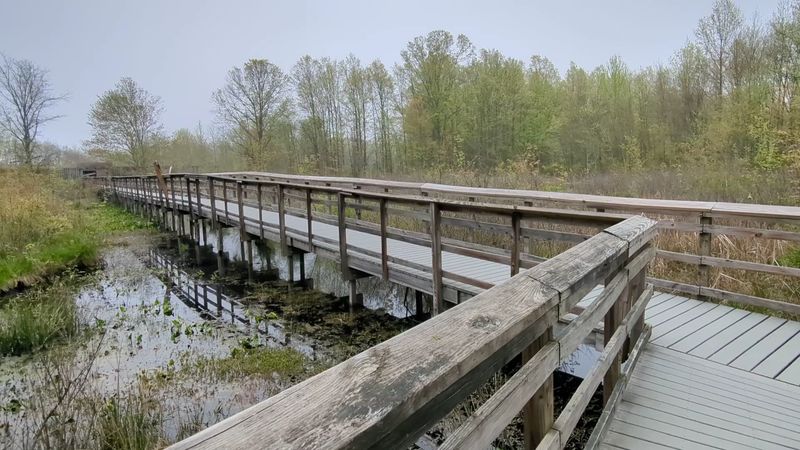
Boardwalks carry visitors directly into the wetlands at Great Swamp without requiring wet socks or heroic balance. The Wildlife Observation Center in the refuge’s eastern section offers two short, mostly level trails leading to observation blinds and platforms.
Combined, they create an unhurried walk of roughly a mile and a half, depending on which spurs are followed. Distance is not the attraction here.
The real pleasure comes from slowing down enough to notice frogs near the water, turtles on half-submerged logs, woodpeckers working the trees, and birds slipping through reeds that initially looked empty.
Sections alternate between boardwalk and natural surface, with benches and viewing areas providing plenty of reasons to pause.
The terrain is accessible and family-friendly, though boardwalks can become slippery when wet and natural portions may be muddy. Arriving early improves the odds of seeing wildlife before conversations and footsteps become more frequent.
Binoculars are useful, but patience matters more. The refuge sits within one of the most densely populated parts of New Jersey, yet the trails quickly replace traffic noise with birdsong and rustling leaves.
Parking is available at the observation center, and admission is free. Keep food packed away, leave pets at home, and resist the urge to rush.
This is a hike measured less by elevation or mileage than by how many times something moving in the marsh makes everyone stop mid-sentence.
8. Cape May Point State Park Trail Loop – Cape May Point
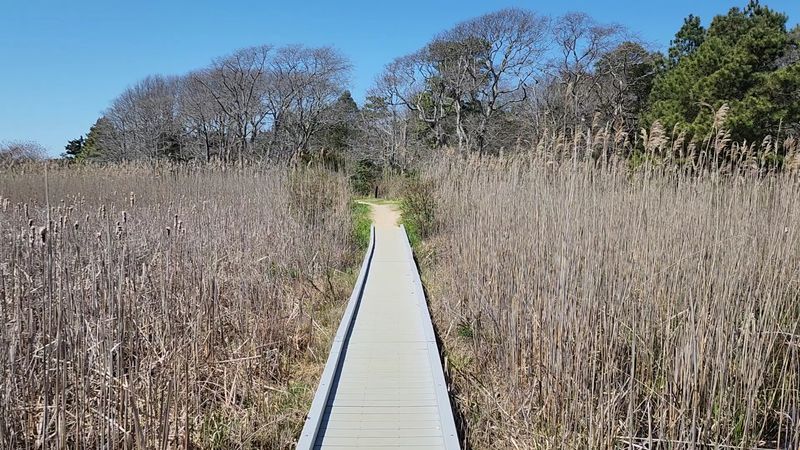
Few hikes offer a lighthouse, freshwater ponds, coastal dunes, and migratory birds without asking walkers to scale anything taller than a boardwalk ramp. Cape May Point State Park contains three color-coded nature trails that can be combined or enjoyed separately.
The half-mile red route provides the quickest outing, while the yellow and blue options extend the walk through additional wetland and woodland habitats. Even the longest combination remains largely level, making the park ideal for groups with different energy levels.
Elevated boardwalks cross damp areas, and observation platforms overlook ponds where swans, ducks, herons, and seasonal visitors gather. During spring and fall migrations, the sky can become as interesting as the trail.
Hawks pass overhead, songbirds pause among the trees, and experienced birders seem capable of identifying tiny silhouettes from impossible distances. Everyone else can simply enjoy the show.
The Cape May Lighthouse anchors the park and provides a useful visual reference whenever the trails emerge from the woods. Climbing it is entirely optional—and, for the purposes of this list, perhaps beside the point.
Parking is available near the visitor facilities, but busy migration weekends can fill the lot quickly. Coastal weather changes fast, so bring a light layer even on sunny days.
The park delivers impressive variety in a compact area, proving that flat terrain does not have to mean repetitive scenery.
9. Main Trail to the Beach – Cattus Island County Park
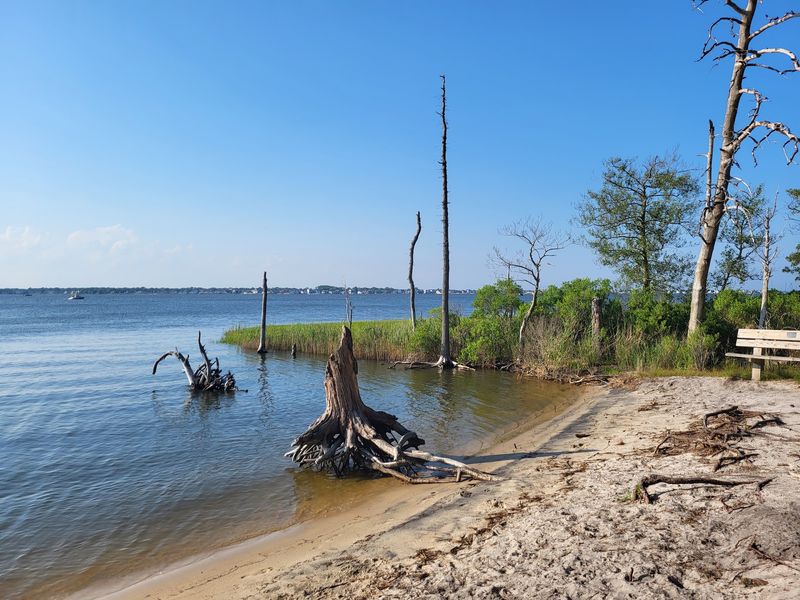
The reward at the end of this walk is not a concession stand or a crowded swimming beach. It is a quiet strip of shoreline facing Barnegat Bay, reached by wandering through maritime forest and salt-marsh country.
Cattus Island County Park contains about seven miles of trails, but the main route to the beach makes an approachable centerpiece for a mostly flat outing. Broad paths lead away from the Cooper Environmental Center before narrowing as the landscape becomes wilder.
Side trails and boardwalks provide chances to explore without adding much elevation. Ospreys are commonly seen around the bay, and the park’s mix of marsh, woodland, and open water attracts egrets, hawks, songbirds, and the occasional fox.
The sandy beach itself is more of a scenic turnaround point than a swimming destination. Spend a few minutes watching boats and birds before retracing the route or linking additional trails into a loop.
Roots, sand, and muddy patches add texture underfoot, but hills are essentially absent. Families can begin with the accessible boardwalk near the environmental center, which also contains exhibits on local habitats and wildlife.
Parking and restrooms are conveniently located near the center. In summer, bug spray earns its place in every backpack; during cooler months, brisk wind off the bay becomes the bigger concern.
Either way, the walk feels satisfyingly removed from suburban Toms River without demanding a difficult trek.
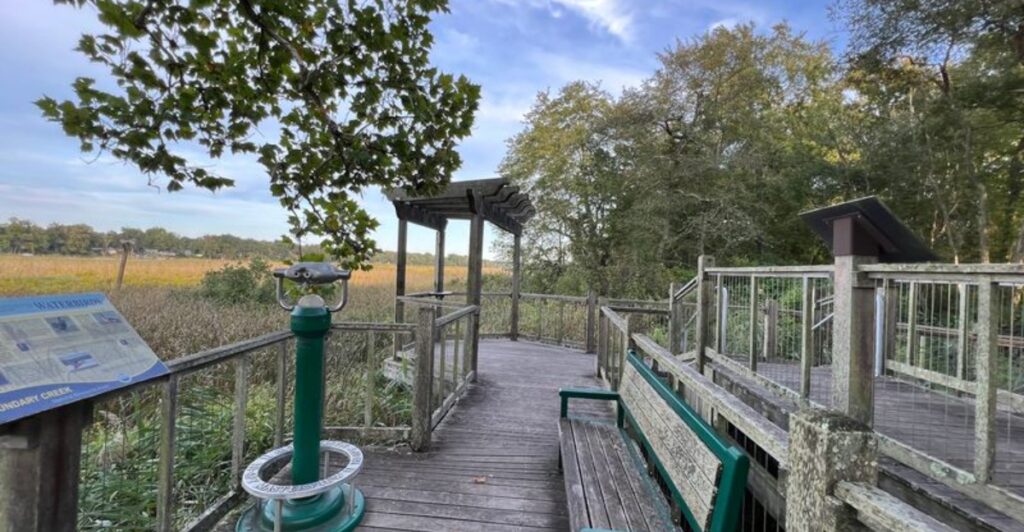
10. Boundary Creek Trails – Boundary Creek Natural Resource Area
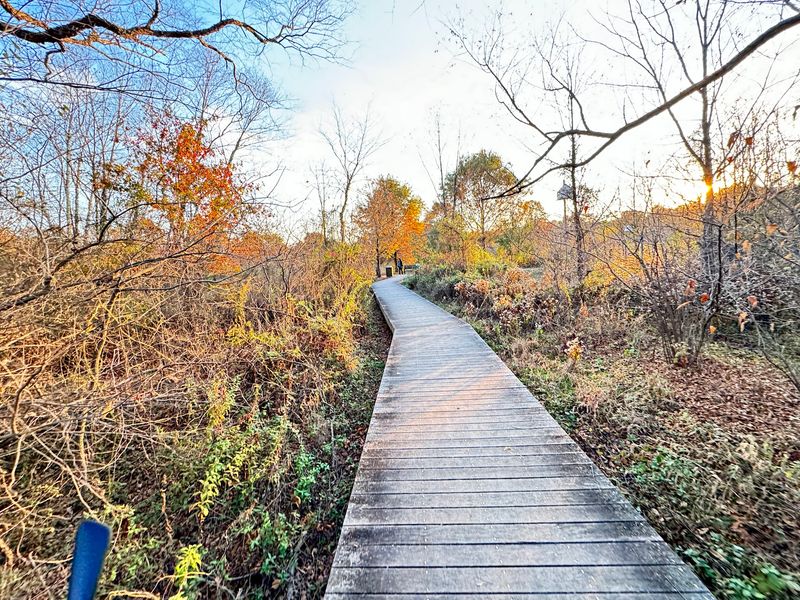
A former peach orchard now serves as a front-row seat for birds, butterflies, and the changing tides of Rancocas Creek. Boundary Creek Natural Resource Area in Moorestown covers only 34 acres, yet its 1.3-mile trail network squeezes an impressive range of habitats into a short, nearly level walk.
Footpaths cross open fields and wooded areas before boardwalks carry visitors over low, damp ground toward the creek. Observation platforms and wildlife blinds encourage quiet stops, turning what could be a quick loop into a pleasantly slow exploration.
More than 30 bird species live here year-round, and migration seasons bring additional warblers, vireos, flycatchers, and waterfowl. Ospreys and wading birds are often the easiest for casual visitors to spot.
Since the preserve was designed for passive recreation and nature study, this is not the place for racing through with a loud group. Walk softly, bring binoculars, and let the marsh reveal itself.
The trails are clearly contained within a compact property, so getting seriously lost would require unusual determination. Permanent restrooms and on-site parking make the preserve particularly convenient for families and newer hikers.
Low terrain can mean insects and occasional soggy spots, especially after rain. Those minor nuisances aside, Boundary Creek delivers exactly what a reluctant hill climber wants: varied scenery, useful facilities, and enough wildlife activity to make a short, flat route feel much larger than it is.
11. Swamp Trail Boardwalk – Estell Manor Park
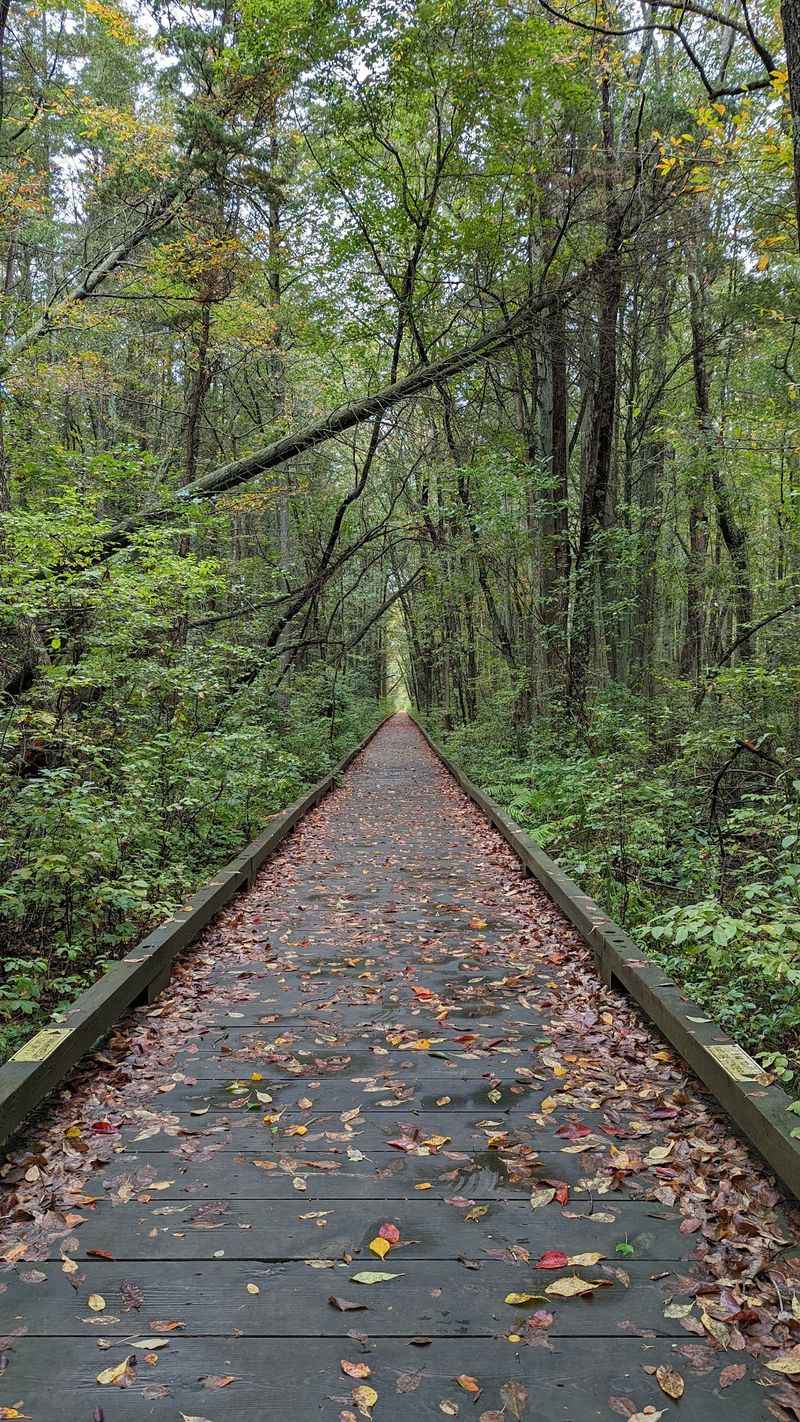
Old railroad beds and ammunition ruins give this Atlantic County boardwalk an unexpectedly dramatic backstory. Much of Estell Manor Park occupies land once used by the Bethlehem Loading Company, which produced munitions during World War I.
Today, the Swamp Trail threads through wetlands and forest where concrete remnants of that industrial complex still appear among the trees. Long boardwalk sections keep walkers above the damp ground, creating a level route that feels part nature walk and part open-air history hunt.
Interpretive signs help explain what once stood here, while the surrounding swamp supplies its own distractions: frogs calling below the boards, dragonflies darting across openings, and birds moving through the cedar and hardwood forest.
The wooden surface makes the walk easier than the habitat might suggest, although damp boards can be slick and occasional damage or maintenance closures may affect the route.
Check posted conditions when arriving and avoid venturing onto any closed section. The broader park contains additional trails, picnic areas, and historic features, so the outing can be shortened or expanded without hunting for a new destination.
Parking is available within the park, and the trail system is free to explore. Fall brings comfortable temperatures and fewer insects, while spring fills the wetlands with sound.
For anyone who thinks a flat trail might lack character, this one answers with ruins, boardwalks, and a swamp that has thoroughly reclaimed its industrial past.
Share this story