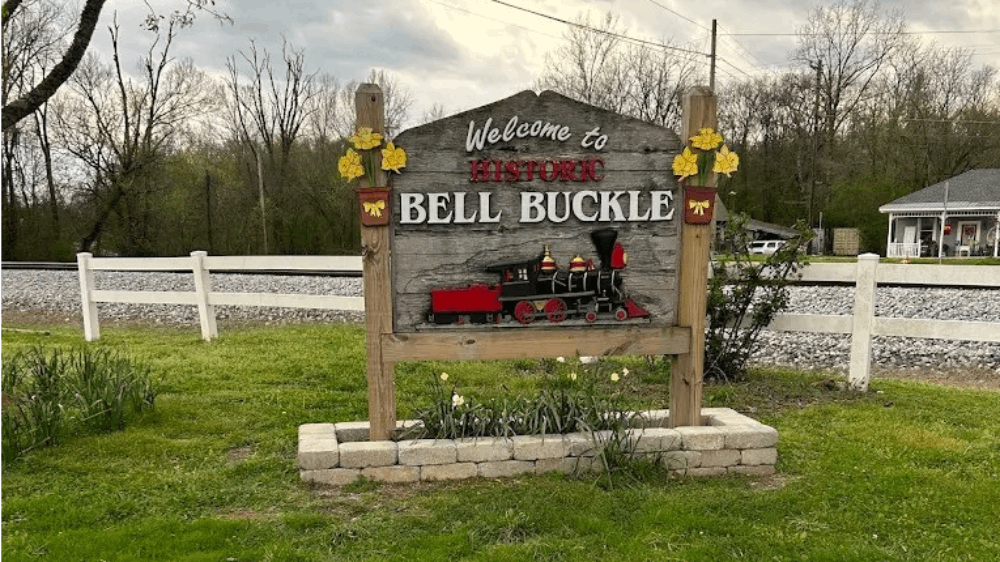
Some Tennessee towns have no interest in chasing trends or modernizing their downtown squares. Instead, they hold tight to their historic buildings, old-fashioned shops, and slower rhythms of life.
For the people who live there, this isn’t about being stuck in the past—it’s about preserving what makes their communities special and worth protecting.
1. Jonesborough
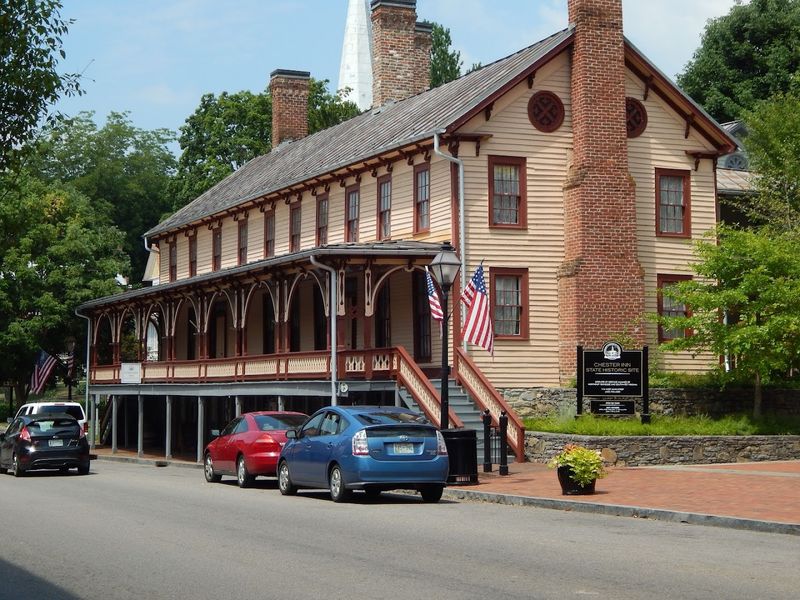
Tennessee’s oldest town wears its age like a badge of honor. Founded in 1779, Jonesborough has managed to keep its historic character alive through careful preservation and genuine community pride.
Walking down Main Street feels like stepping back two centuries. The brick sidewalks remain uneven and authentic, while the buildings still showcase their original facades. Every October, the National Storytelling Festival brings thousands of visitors who come to experience oral traditions that have been passed down for generations.
Locals fiercely protect their town’s heritage, rejecting chain stores and modern developments that might compromise its unique atmosphere.
2. Bell Buckle
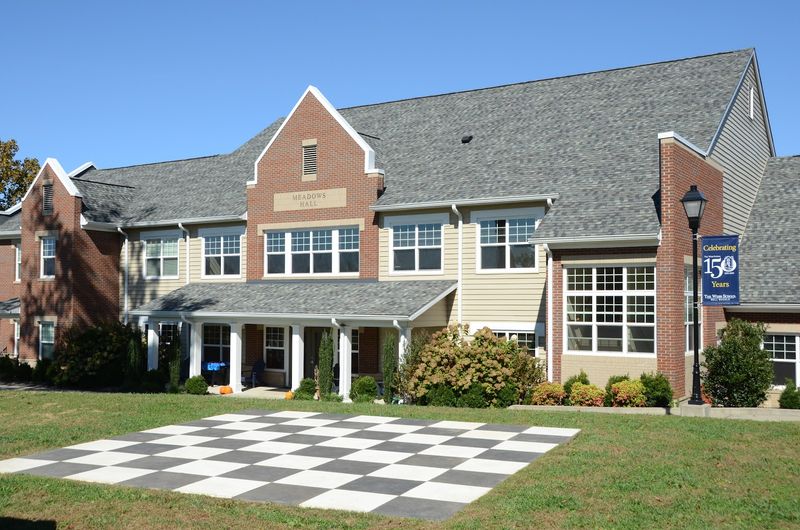
Population barely tops 500, yet Bell Buckle punches way above its weight in charm. This tiny town embraces its quirks with enthusiasm, from the antique shops lining every street to the annual RC Cola and Moon Pie Festival that celebrates Southern nostalgia.
The Bell Buckle Cafe serves home-cooked meals in a building that’s seen generations pass through its doors. Walking into the general store feels like entering a time capsule, complete with creaky wooden floors and shelves stocked with old-fashioned candies.
Nobody here seems bothered by the lack of modern amenities—they prefer things exactly as they are.
3. Lynchburg
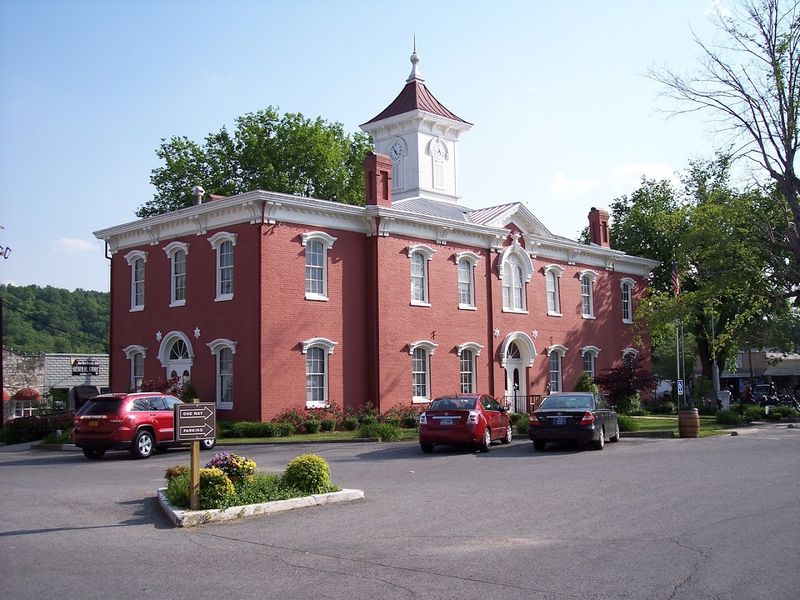
Most people know Lynchburg for Jack Daniel’s whiskey, but the town itself tells a different story. Beyond the distillery gates, life moves at a deliberate pace that hasn’t changed much since the 1800s.
The town square remains refreshingly simple, with locally-owned shops and restaurants that serve traditional Tennessee fare. Moore County stays dry despite producing the world’s most famous whiskey—a contradiction that locals find perfectly reasonable. There are no traffic lights, no chain restaurants, and certainly no rush hour.
4. Rogersville
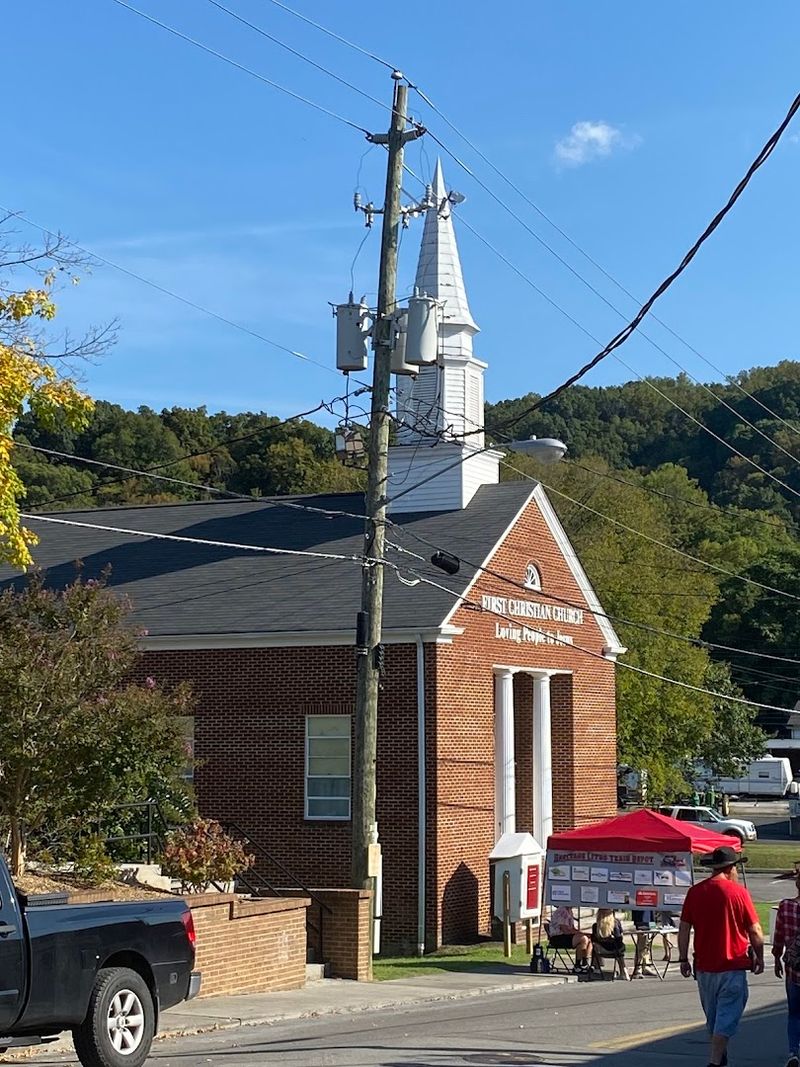
Established in 1786, the town has maintained its architectural heritage with remarkable dedication, preserving buildings that witnessed the early days of American expansion.
Main Street showcases structures from the Federal and Victorian periods, many still serving their original purposes. The pace of life here hasn’t accelerated with modern times—people still gather on porches, wave to neighbors, and take time for conversation. Local businesses remain family-owned, passed down through generations.
5. Dandridge
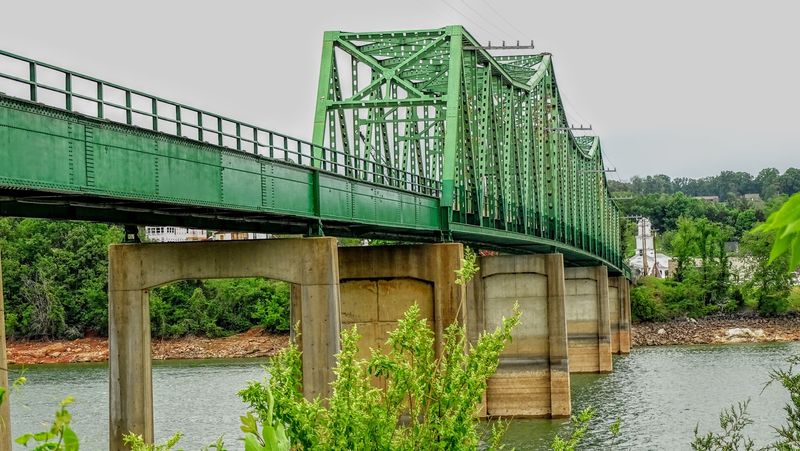
Perched along Douglas Lake, Dandridge earned the distinction of being Tennessee’s second-oldest town. Its early-American charm remains intact, from the historic courthouse to the bed-and-breakfasts occupying homes built centuries ago.
When the Tennessee Valley Authority created Douglas Lake in the 1940s, Dandridge fought to preserve its downtown rather than relocate. That determination set the tone for how the community approaches change—cautiously and with deep respect for history.
6. Columbia
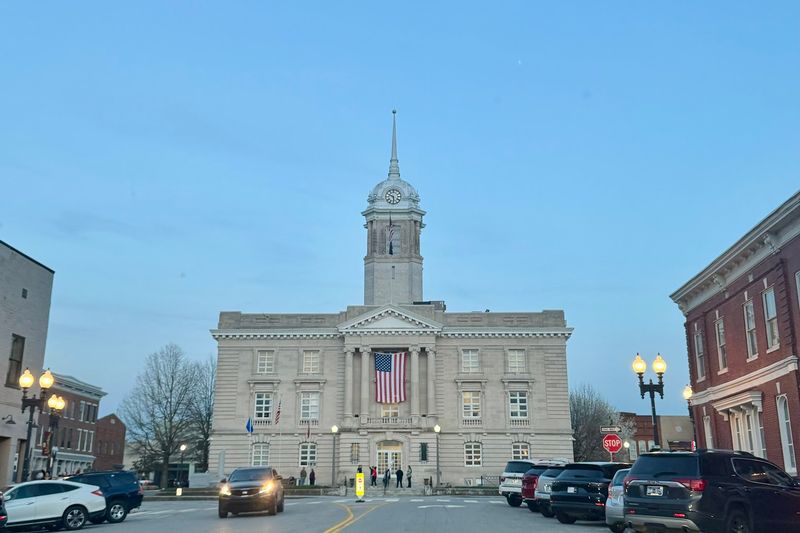
Columbia’s courthouse square serves as the heart of a community deeply connected to Southern traditions. The Maury County Courthouse, rebuilt in 1904 after a fire, anchors a downtown filled with vintage shops and locally-owned businesses that have served generations.
Antebellum homes dot the surrounding neighborhoods, maintained with care by families who understand their historical significance. The town celebrates Mule Day each April, honoring its agricultural heritage with parades and livestock shows that feel authentically old-fashioned.
Chain stores exist on the outskirts, but downtown remains fiercely independent and traditional.
7. Greeneville
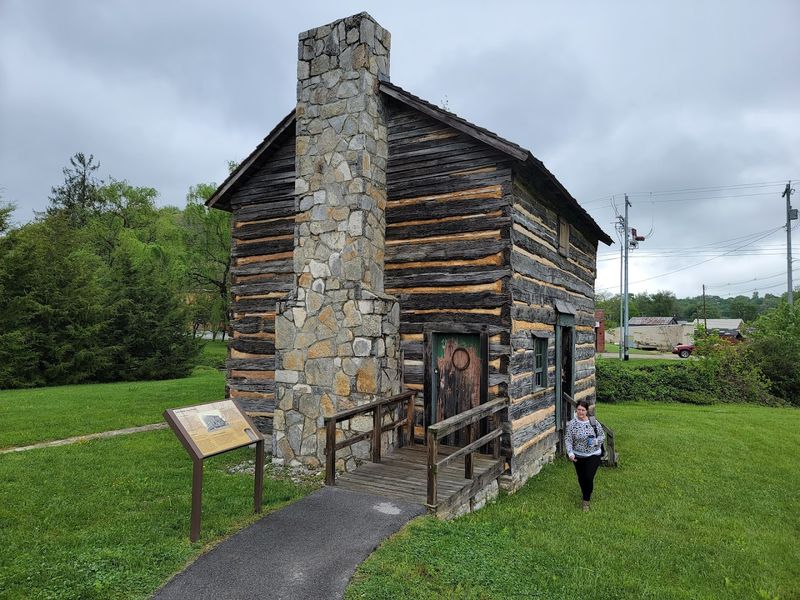
Andrew Johnson’s hometown hasn’t forgotten its presidential connection or its 19th-century roots. Greeneville’s downtown district features dozens of buildings on the National Register of Historic Places, creating an authentic historical experience.
The Andrew Johnson National Historic Site attracts history enthusiasts, but the town’s appeal extends beyond presidential tourism. Local businesses occupy structures that witnessed the Civil War and Reconstruction, their thick walls and original details telling stories modern construction never could.
Residents take pride in maintaining these connections to the past, viewing preservation as both a responsibility and a privilege.
8. Townsend
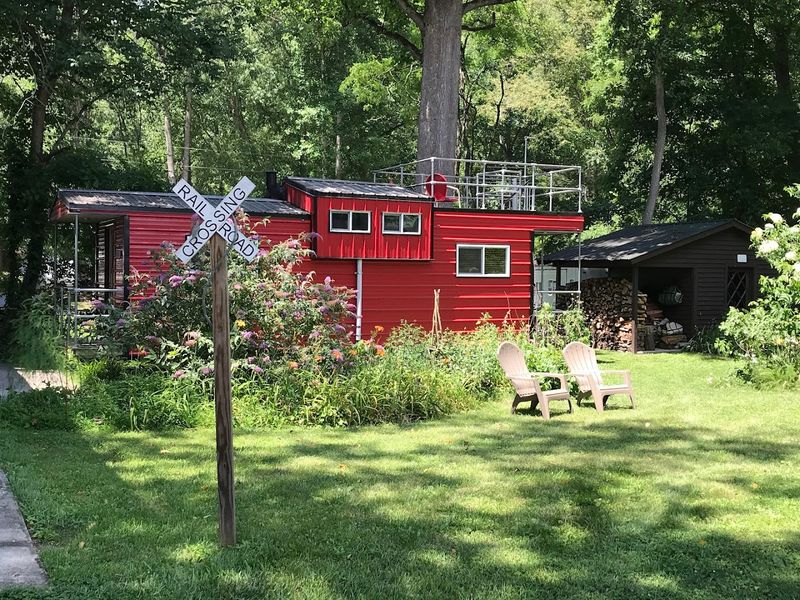
Billing itself as the “peaceful side of the Smokies,” Townsend made a conscious choice decades ago to avoid the commercial development that transformed nearby Gatlinburg and Pigeon Forge. The result is a gateway town that feels more like a quiet mountain community than a tourist destination.
You won’t find go-kart tracks, outlet malls, or neon signs here. Instead, Townsend offers access to Great Smoky Mountains National Park without the crowds and chaos. Local businesses cater to nature lovers seeking tranquility rather than entertainment complexes.
The Little River flows through town, its banks undeveloped and accessible.
9. Paris
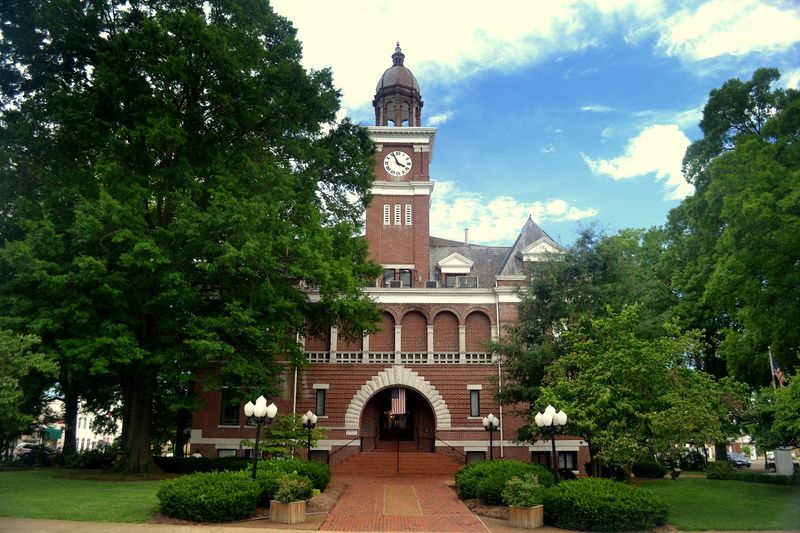
West Tennessee’s Paris holds onto a different era with determination and pride. The downtown square maintains its nostalgic appeal, with locally-owned shops occupying buildings that have served the community for generations.
Life here moves at a deliberately slower pace than in Tennessee’s growing cities. People still gather at local diners for coffee and conversation, treating these daily rituals as important social glue rather than time-wasting habits.
Chain restaurants and big-box stores exist on the periphery, but downtown remains authentically small-town and unhurried.
10. Wartrace
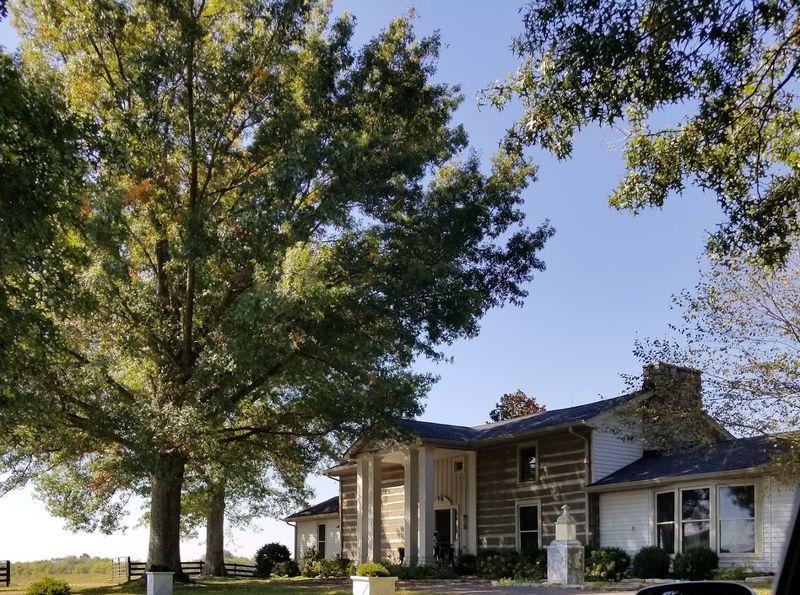
Railroad tracks still run through the center of Wartrace, just as they did when this town served as an important stop on the Nashville and Chattanooga line. The trains that made Wartrace prosperous are less frequent now, but the town’s character remains tied to that railroad heritage.
Tennessee walking horses put Wartrace on the map in the 20th century, and that tradition continues through local farms and training facilities. The Walking Horse Hotel, built in 1917, still welcomes guests seeking an authentic historical experience. Small-town life here centers on traditions—horse shows, community gatherings, and maintaining connections that span generations.