Woodland Cemetery and Arboretum in Dayton looks calm and beautiful at first glance, but it holds stories that helped shape America. Its rolling hills, trees, and historic graves connect visitors to inventors, writers, and local leaders from the past.
This special place is more than a cemetery because it also feels like a garden, museum, and outdoor history book. A visit here can be quiet and relaxing while still teaching you something unforgettable.
1. Where a Garden and History Meet
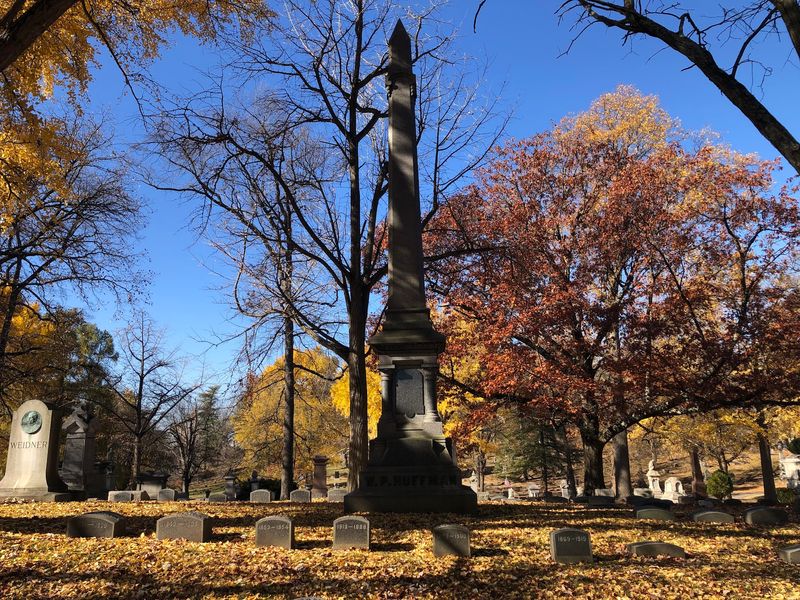
Many visitors expect a cemetery to feel sad or plain, but Woodland feels more like a large historic garden. The grounds cover about 200 acres, and the hills, trees, and seasonal flowers give the property a calm, open look.
That mix helps people slow down and notice both nature and history.
As an arboretum, Woodland is not only a burial place. It is also a landscape filled with different kinds of trees and carefully kept green spaces.
Reviews often praise the clean grounds, flowering bushes, and scenic roads, which make simple walks or quiet drives feel memorable.
If you visit, wear comfortable shoes and give yourself extra time. Some of the best moments come when you wander beyond the famous graves and notice the shapes of old monuments, the changing light on the hills, and the peaceful feeling that makes Woodland stand out in Dayton.
2. Stone Gates With a Storybook Feel
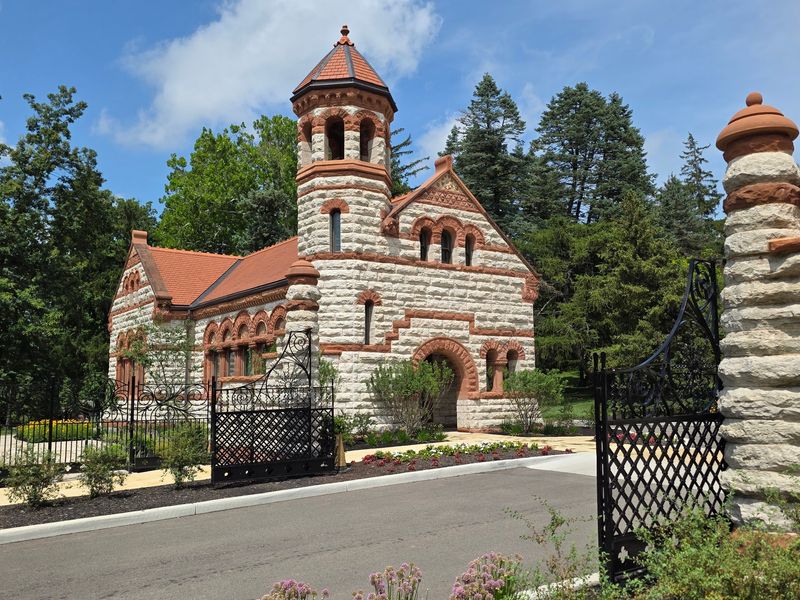
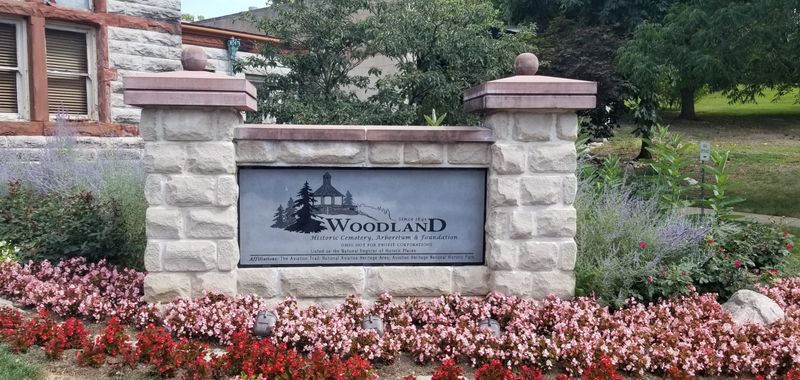
Right from the entrance, Woodland makes a strong first impression. The stone buildings near the gate have a castle-like look that surprises people and sets the mood before they even begin exploring.
Several visitors mention how striking the entrance feels, almost like stepping into another time.
That sense of arrival matters because Woodland is listed on the National Register of Historic Places. The architecture tells you this is not just a local cemetery but a place with deep roots in Dayton’s story.
Even a short stop near the welcome area can help you understand the layout and learn where famous graves are located.
A smart first move is to stop by the office during open hours and ask for a map. Staff members are known for being helpful, and the map can save time, especially since the grounds are large and hilly.
Starting well makes the whole visit easier and far more enjoyable.
3. The Wright Brothers Rest Here
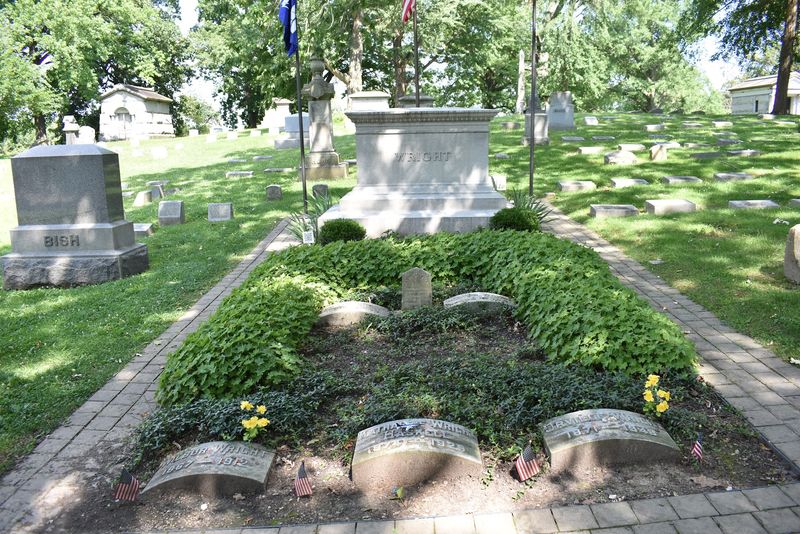
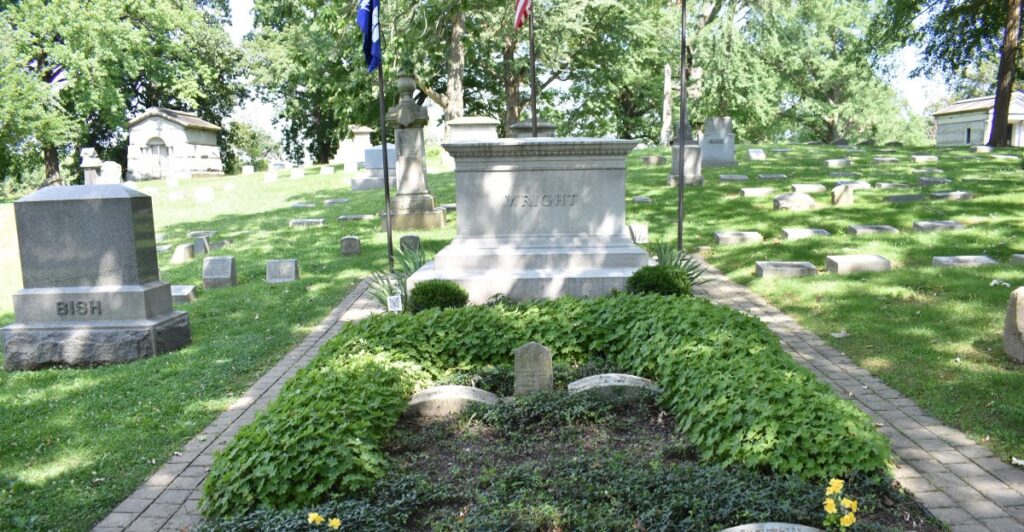
Few places connect quiet ground with world-changing ideas like this one. Woodland is the final resting place of Orville and Wilbur Wright, the Dayton brothers whose work helped humans take flight.
Seeing their graves in such a peaceful setting can feel surprisingly powerful.
Visitors often head here first, and signs help guide the way. Some people leave coins or tiny airplanes as a tribute, which adds a personal touch without taking away from the respectful mood.
Nearby, a bench honoring the brothers gives people a chance to sit, think, and take in the moment.
If the Wright family site is your main reason for visiting, pick up a map before you start driving or walking. The cemetery is big enough that planning helps.
Once you arrive, pause for more than a photo. Reading the markers and standing quietly there can make American history feel real in a very human way.
4. Paul Laurence Dunbar’s Lasting Legacy
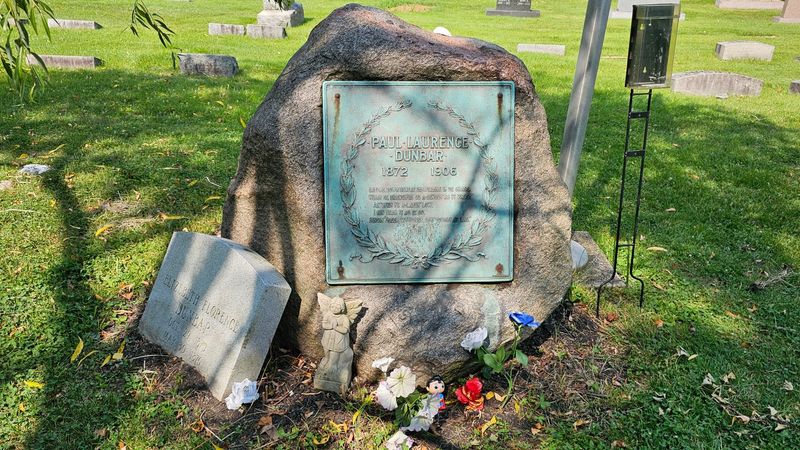
Another important stop at Woodland honors Paul Laurence Dunbar, one of the first Black poets in America to gain national fame. His life was short, but his writing left a deep mark on literature and on Dayton’s history.
Visiting his grave adds another layer to the meaning of this place.
Dunbar’s presence reminds visitors that American history is not only about inventions and industry. It is also about art, language, and voices that changed how people saw the country.
A quiet moment at his gravesite can encourage readers to learn more about his poems, stories, and the challenges he faced.
For families or students, this stop works especially well as part of a learning day. Read one of Dunbar’s poems before you go, then visit the site and talk about why words matter.
Woodland becomes more than a tour stop when you connect a grave marker to a real person and his lasting work.
5. Famous Names Around Every Turn
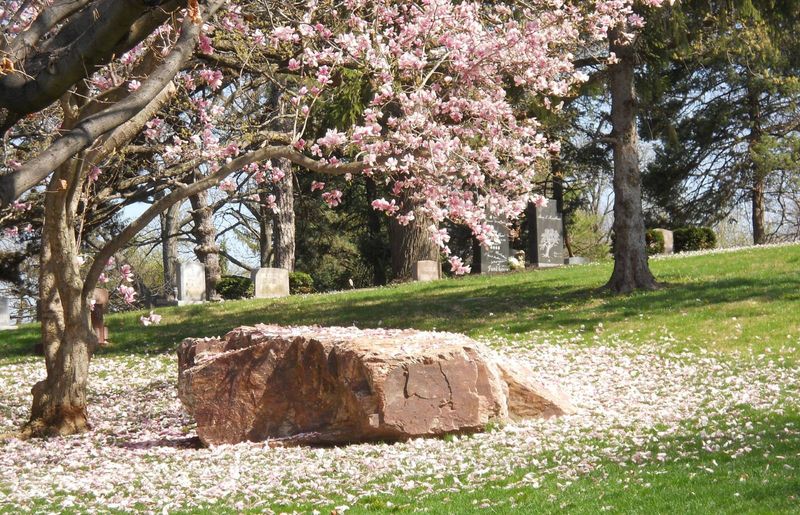
One reason Woodland feels like an outdoor museum is the number of notable people buried there. Beyond the Wright brothers and Paul Laurence Dunbar, visitors can also find Erma Bombeck and other Dayton figures tied to business, invention, and public life.
Each name turns a quiet walk into a history lesson.
Erma Bombeck’s gravesite is especially memorable because of the huge boulder placed there, a tribute linked to her writing life. Elsewhere on the grounds, visitors can search for inventors connected to the folding step ladder and the cash register.
Small discoveries like these make Woodland rewarding even for people who arrive with only one grave in mind.
The best approach is to stay curious. Use a map, follow signs, and scan posted codes when available for extra details.
You do not need to know every name before coming. Part of the fun is learning how many important stories are gathered in one peaceful corner of Dayton.
6. Hills, Views, and Memorial Art
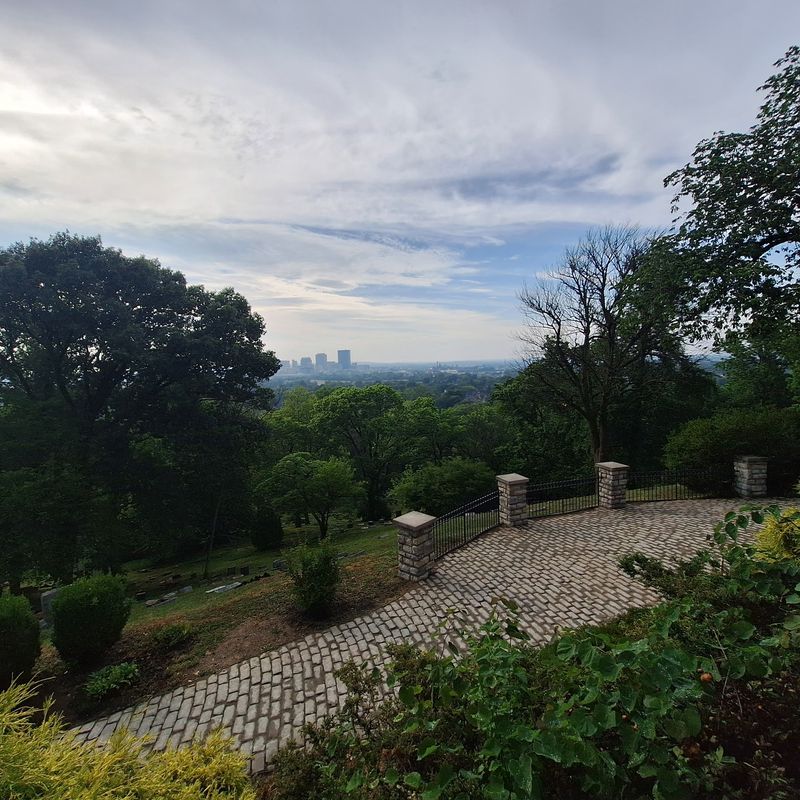
Not every history site comes with a skyline view, but Woodland does. Set on high ground, the cemetery offers sweeping looks across Dayton, and many visitors mention the overlook as one of the most impressive parts of the visit.
The steep, rolling topography gives the property drama and beauty.
Then there is the stonework. Large mausoleums, carved markers, statues, and family plots appear throughout the grounds, turning the cemetery into a kind of open-air art gallery.
Some memorials are simple and quiet, while others are bold and ornate, showing how different families chose to remember loved ones.
Bring a camera, but remember to act respectfully. Early morning or late afternoon light can make the monuments and trees look especially striking.
If you enjoy drawing, photography, or architecture, Woodland offers plenty to study. It is a place where landscape design and memorial art work together to create a lasting impression.
7. How to Make the Most of Your Visit
A little planning can turn a short stop into a rich experience. Woodland Cemetery and Arboretum is open daily from 8 am to 7 pm, and the large size means it helps to know whether you want a quiet walk, a scenic drive, or a history-focused visit.
Any of those choices can work well here.
Many reviewers suggest parking near the entrance first, then deciding what to do next. You can walk if you want a slower pace, or drive to major sites like the Wright brothers and Paul Laurence Dunbar.
Maps from the office are useful, especially if road work, ceremonies, or temporary closures affect your route.
Most of all, come ready to be respectful and unhurried. Woodland is still an active cemetery, so people may be visiting loved ones.
Keep your voice low, stay aware of surroundings, and take your time. The more gently you move through the space, the more its history and beauty seem to open up.
Share this story