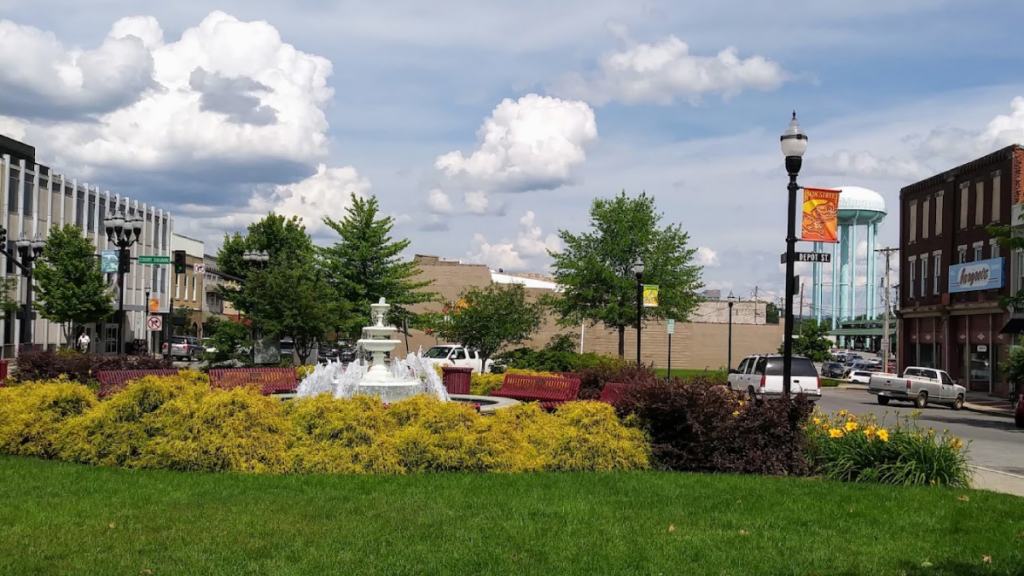
Tennessee is packed with famous destinations that draw millions of visitors every year, but some of the state’s most charming experiences hide just down the road from those crowded hot spots. These lesser-known towns offer the same natural beauty, historic character, and authentic local flavor without the traffic jams and tourist traps.
Whether you’re looking for mountain views, river access, or a walkable Main Street lined with local shops, these twelve communities prove you don’t need to follow the crowds to find something special.
1. Townsend
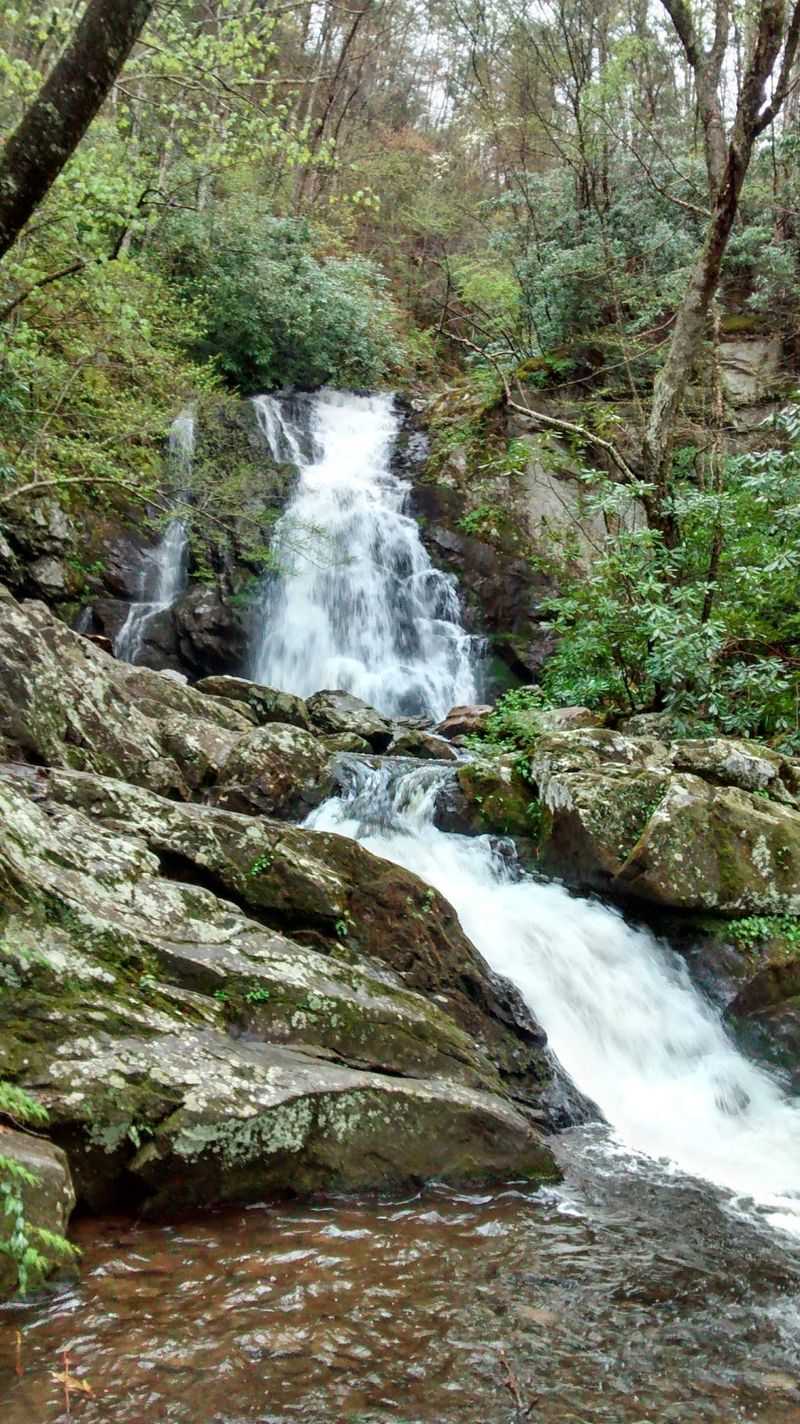
Townsend sits at the edge of Great Smoky Mountains National Park, offering the same stunning mountain access as Gatlinburg but with a fraction of the commercial buzz. The town has kept its small-scale character intact, with locally owned shops, family-run restaurants, and lodges that feel more like mountain retreats than tourist complexes.
You can drive straight into Cades Cove from here without fighting the traffic that clogs up the Gatlinburg entrance.
The Little River runs right through town, creating natural swimming holes and tubing spots that locals have enjoyed for generations. Hiking trails branch off in every direction, leading to waterfalls, old-growth forests, and ridgeline views that rival anything you’ll find in busier parts of the park.
Fishing here is excellent, with rainbow and brown trout thriving in cold, clear mountain water.
Downtown Townsend keeps things simple, with a handful of antique shops, craft stores, and cafes that serve homemade biscuits and local trout. There’s no neon-lit strip of attractions competing for your attention.
Instead, you get front-porch rockers, riverside picnic spots, and the kind of quiet that makes you realize how loud other mountain towns have become.
Fall brings spectacular color without the bumper-to-bumper leaf-peeping traffic. Winter turns the surrounding peaks white and opens up long-distance views through bare hardwood forests. Spring wildflowers carpet the forest floor, and summer evenings stay cool enough for campfires.
Townsend proves you can have all the Smoky Mountain magic without surrendering to the theme-park atmosphere that has taken over nearby tourist hubs.
2. Dandridge
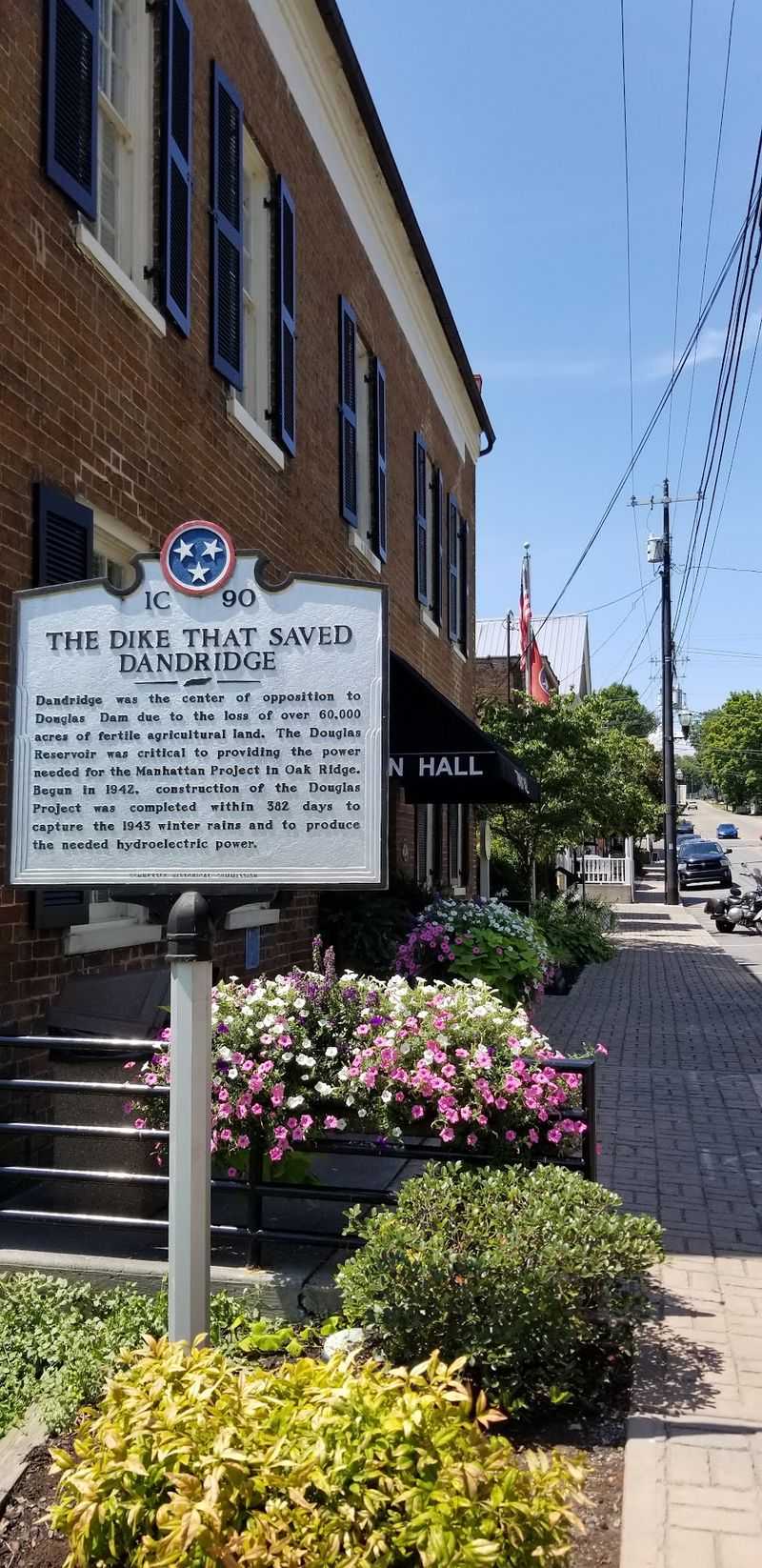
Dandridge holds the title of Tennessee’s second-oldest town, and its historic downtown still looks the part. Brick storefronts line a compact Main Street that hasn’t been polished into a tourist attraction but still functions as a real community hub.
You can walk the whole downtown in twenty minutes, poking into local shops, grabbing lunch at a family diner, and admiring architecture that dates back to the early 1800s.
Douglas Lake stretches out just beyond town, offering 30,000 acres of water for boating, fishing, and lakeside camping. The lake was created by TVA in the 1940s, and it’s remained a local favorite ever since, drawing anglers after bass, crappie, and catfish.
Marinas dot the shoreline, renting pontoon boats and providing access to quiet coves that feel a world away from the Pigeon Forge strip.
The surrounding landscape mixes rolling farmland with distant mountain views, giving Dandridge a softer, more pastoral feel than the steep terrain around Gatlinburg. You’re close enough to the Smokies for day trips but far enough away to skip the traffic and commercialization.
Local farms sell fresh produce, and roadside stands pop up in summer with tomatoes, sweet corn, and peaches.
Dandridge doesn’t try to compete with Pigeon Forge’s entertainment options, and that’s exactly the point. There are no go-kart tracks or wax museums here.
Instead, you get a genuine East Tennessee town with a working courthouse, a couple of BBQ joints, and a lakefront that invites you to slow down. It’s the kind of place that reminds you what the region looked like before tourism took over.
3. Leiper’s Fork
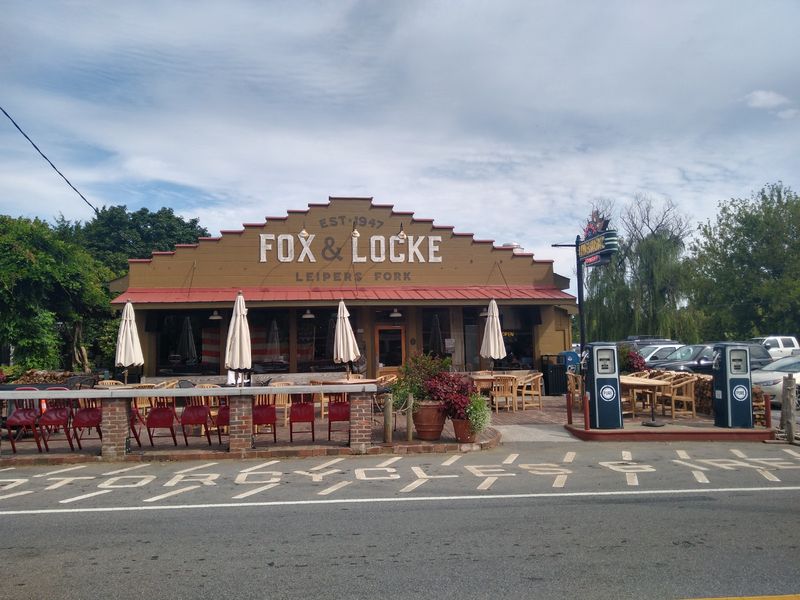
Leiper’s Fork feels like a postcard from another era, with a tiny village center, rolling pastures, and a music scene that draws players from Nashville without the downtown crowds. National Geographic recently spotlighted this community as one of the destinations pulling travelers beyond the city limits, and it’s easy to see why.
The town consists of a handful of blocks lined with galleries, antique shops, and cafes that serve farm-to-table lunches in settings that look straight out of a country magazine.
Live music happens almost every day here, with Puckett’s Grocery hosting performances that range from bluegrass pickers to Nashville songwriters testing new material. The vibe is intimate and authentic, with locals and visitors sitting shoulder to shoulder on picnic benches.
You’re not watching a polished Broadway show or a stadium act. You’re hearing real players in a setting that feels more like a living room than a venue.
The countryside around Leiper’s Fork is classic Middle Tennessee, with horse farms, stone walls, and winding roads that beg for a slow drive with the windows down. Hiking trails follow Leiper’s Creek through hardwood forests, and the Natchez Trace Parkway runs nearby, offering miles of scenic driving without a single stoplight or billboard.
Restaurants here focus on local ingredients and Southern classics done right, from fried chicken to seasonal vegetables. Shopping means browsing handmade crafts, vintage finds, and art from regional painters and potters.
Leiper’s Fork doesn’t try to replicate Nashville’s energy. Instead, it offers a quieter, more grounded version of Tennessee culture that feels refreshingly real in a state where tourism often drowns out local character.
4. Bell Buckle
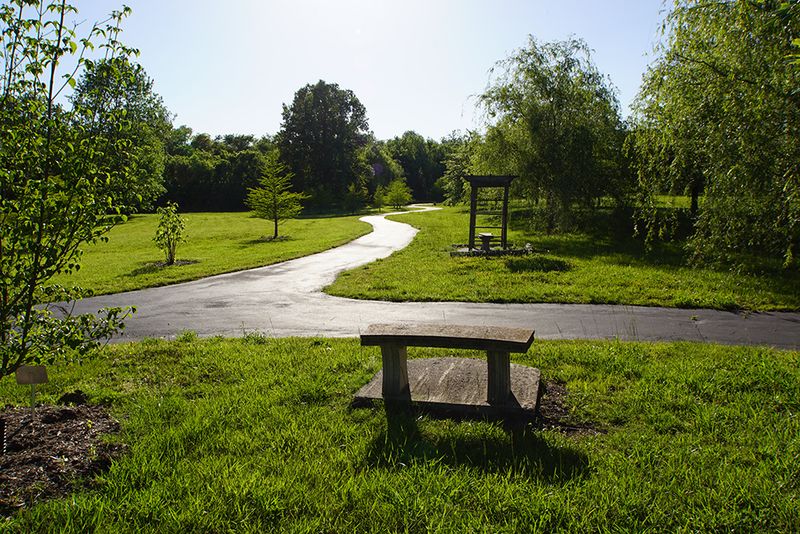
Bell Buckle’s downtown looks like it was pulled straight from the 1950s and carefully preserved for modern visitors who appreciate small-town character. The entire business district fits into a couple of blocks, with antique stores, gift shops, and cafes housed in original storefronts that haven’t been modernized into oblivion.
It’s the kind of place where store owners know your name by your second visit and locals still gather at the corner drugstore for coffee.
Antique shopping here is serious business, with multiple dealers offering everything from Victorian furniture to vintage farm tools. You can spend hours wandering through booths and backrooms, uncovering treasures that range from practical kitchen items to collectible glassware.
The town has built a reputation among pickers and collectors, drawing shoppers from across the region who know Bell Buckle’s dealers stock quality merchandise.
The Moon Pie General Store anchors one end of Main Street, celebrating the South’s favorite marshmallow snack with shelves full of nostalgic treats and locally made goods. It’s quirky without being contrived, and kids love the old-fashioned candy selection while parents browse handmade soaps and regional cookbooks.
Bell Buckle doesn’t have Franklin’s polished boutiques or upscale restaurants, but that’s exactly what makes it appealing. There’s no valet parking or reservation-only dining here.
Instead, you get a genuine small town that happens to have excellent shopping, friendly locals, and a pace that encourages you to sit on a bench and watch the world go by. The surrounding countryside is beautiful, with rolling hills and horse farms providing scenic drives between shopping stops.
5. Cookeville
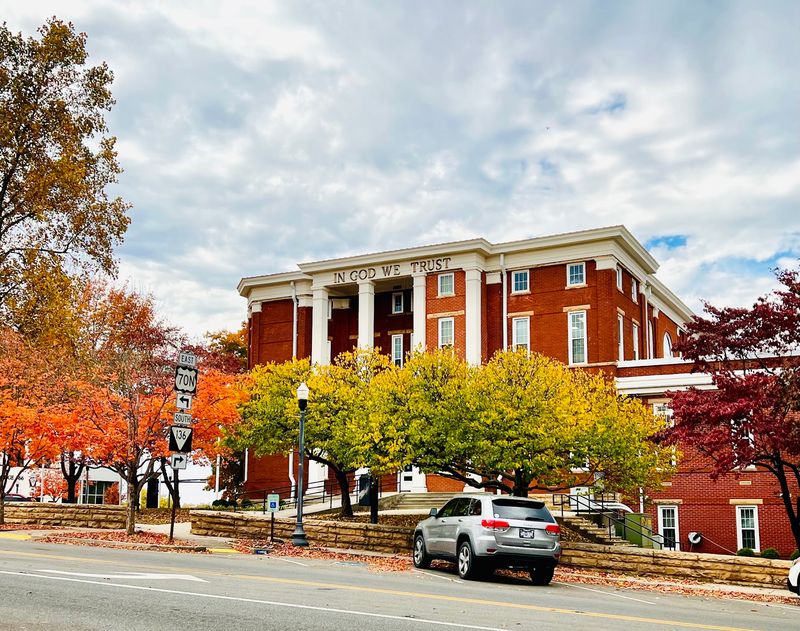
Cookeville has quietly built a reputation as an outdoor recreation hub without the crowds and commercialization that define Gatlinburg. The town sits on the Cumberland Plateau, giving it access to dramatic gorges, cascading streams, and forests that stay cool even in summer.
Cummins Falls State Park lies just minutes from downtown, featuring one of Tennessee’s most impressive waterfalls and a swimming hole that draws locals on hot afternoons. The hike down to the falls involves some scrambling over rocks, making it feel more adventurous than touristy.
Burgess Falls offers another stunning waterfall series, with multiple cascades visible from an easy walking trail that’s perfect for families.
Downtown Cookeville has undergone a genuine revitalization in recent years, with locally owned restaurants, breweries, and shops filling historic buildings around the courthouse square. You’ll find farm-to-table dining, craft cocktails, and coffee roasters that take their beans seriously.
The vibe is college-town casual, with Tennessee Tech students mixing with outdoor enthusiasts and long-time residents.
The surrounding area offers rock climbing, mountain biking, paddling, and fishing opportunities that rival anything in the Smokies. Standing Stone State Park provides rustic camping and hiking, while Center Hill Lake offers boating and water sports.
You can easily fill a long weekend here with outdoor activities, good meals, and evening strolls through a downtown that feels alive without being overrun. Cookeville proves Tennessee has mountain town options beyond the obvious choices, and smart travelers are starting to take notice.
6. Kingston Springs
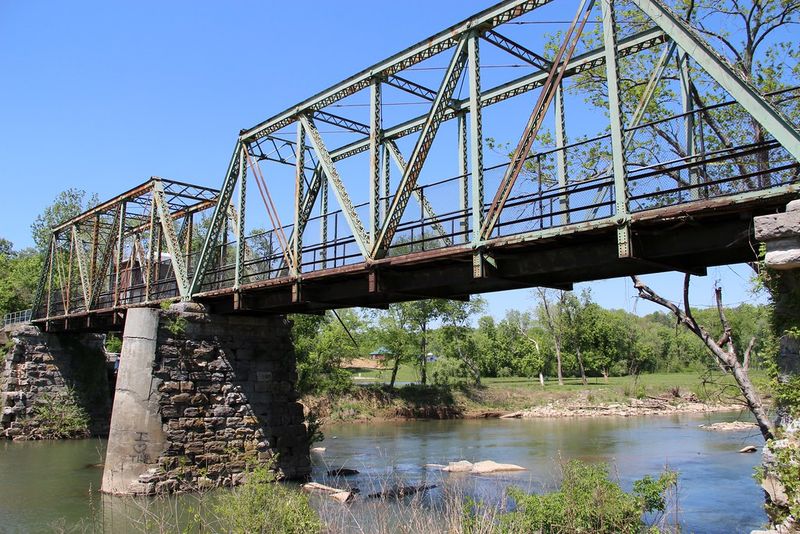
Kingston Springs sits close enough to Nashville for an easy day trip but feels completely removed from the city’s traffic and noise. The Harpeth River runs through town, creating miles of paddling routes, fishing spots, and scenic overlooks that attract outdoor lovers who want quick access to nature without a long drive.
You can launch a kayak or canoe right in town and spend hours floating through limestone bluffs and hardwood forests.
The Harpeth River State Park protects several sites along the waterway, including historic Newsom’s Mill and the famous Narrows of the Harpeth, where the river makes a dramatic horseshoe bend through solid rock. Hiking trails follow the river and climb to ridge tops with views across Middle Tennessee’s rolling landscape.
Fishing is excellent, with smallmouth bass, rock bass, and sunfish thriving in the clear, cool water.
Kingston Springs itself is a small community without much commercial development, which means you won’t find tourist shops or chain restaurants cluttering the landscape. Instead, you get river access points, trailheads, and a few local spots where paddlers grab sandwiches before heading out.
The lack of development is exactly what makes it appealing for people seeking genuine outdoor experiences.
The proximity to Nashville makes Kingston Springs perfect for locals who need a quick nature fix or visitors who want to balance city exploration with river time. You can spend the morning paddling or hiking, then head back to Nashville for dinner and live music.
The Harpeth’s consistent flow and manageable rapids make it ideal for beginners, while the scenery stays beautiful year-round. Kingston Springs proves you don’t need to drive hours to find Tennessee’s natural beauty.
7. Granville
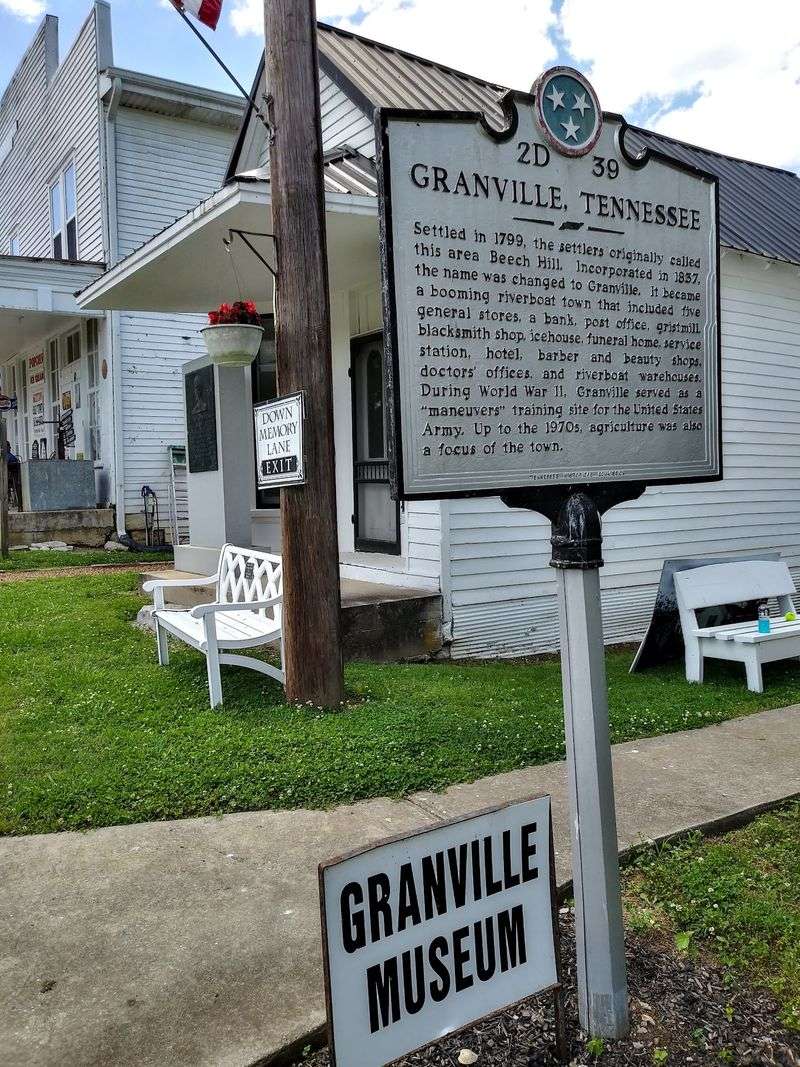
Granville hugs the Cumberland River about an hour east of Nashville, offering a slice of small-town Tennessee that feels frozen in time. The Main Street district features preserved buildings that date back to the town’s 19th-century heyday as a river port, and several have been converted into museums and shops that celebrate local history.
Walking these streets feels like stepping into a different era, with original storefronts, vintage signs, and architecture that hasn’t been modernized into blandness.
Bluegrass music thrives here, with regular jam sessions and festivals that draw pickers from across the region. The Granville Museum documents local history, including the town’s connection to river commerce and the musicians who’ve called this area home.
You’ll find displays on everything from Civil War skirmishes to the evolution of country music, all housed in buildings that are historical artifacts themselves.
The Cumberland River provides a scenic backdrop and recreational opportunities, with fishing, boating, and riverside picnicking all easily accessible. The surrounding countryside is classic Middle Tennessee, with rolling hills, tobacco barns, and winding roads that invite exploration.
You won’t find tourist crowds or commercial development here. Instead, you get a genuine community that has preserved its character without turning itself into a theme park.
Granville’s appeal lies in its authenticity and its commitment to celebrating local culture without selling out to tourism trends. There are no gift shops hawking mass-produced souvenirs or restaurants serving mediocre food to captive audiences.
What you find instead is a real Tennessee town with deep roots, friendly locals, and a Main Street that still functions as a community gathering place rather than a tourist attraction.
8. McMinnville
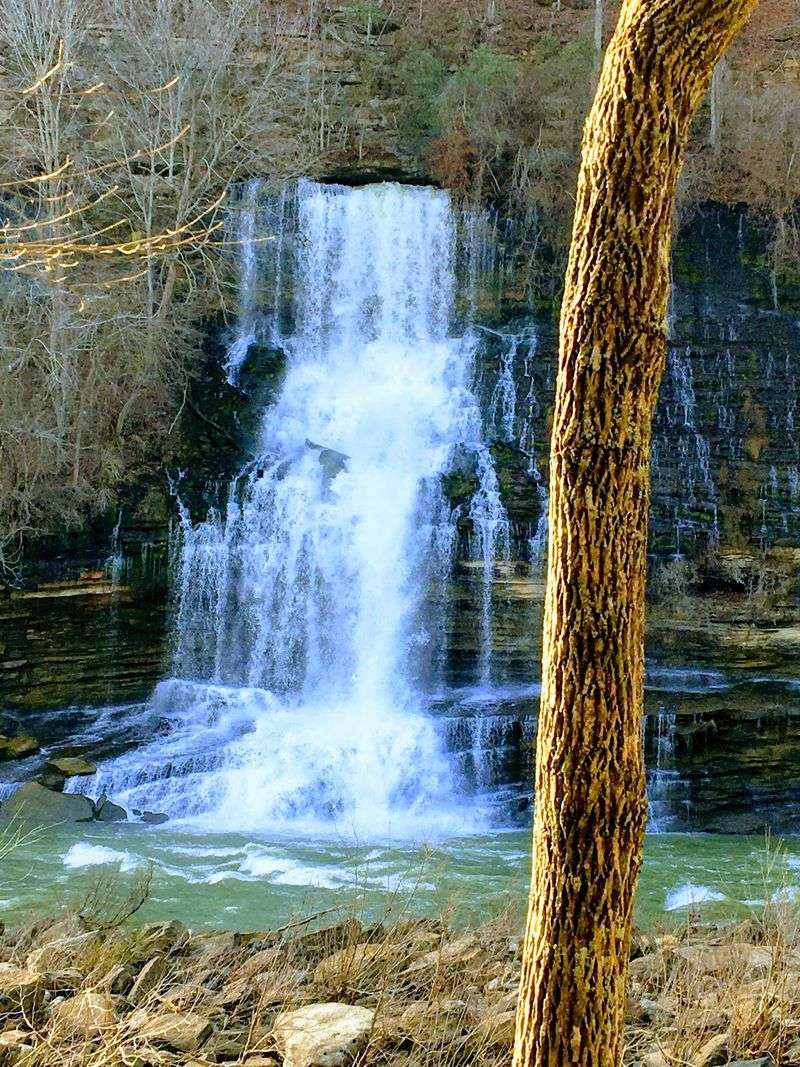
McMinnville combines natural attractions with a functional downtown that serves locals first and tourists second. The town sits in the heart of Tennessee’s nursery country, surrounded by farms that grow ornamental plants for landscaping projects across the Southeast.
That agricultural heritage shows up in the landscape, with rolling fields, greenhouses, and a rural character that feels authentic rather than manufactured for visitors.
Rock Island State Park lies just outside town, featuring dramatic waterfalls where the Caney Fork River plunges through a rocky gorge. The falls are powerful and photogenic, and the surrounding park offers hiking, camping, and swimming in natural pools.
Cumberland Caverns provides another outdoor adventure, with underground tours that explore massive cave chambers and unusual rock formations.
Downtown McMinnville centers on a traditional courthouse square with local shops, restaurants, and businesses that have served the community for decades. You’ll find Southern cooking, barbecue joints, and cafes that brew strong coffee and serve homemade pie.
The pace is relaxed, the prices are reasonable, and the atmosphere is welcoming without being overly polished.
McMinnville doesn’t try to compete with Chattanooga’s urban amenities or tourist attractions. Instead, it offers a smaller-scale experience that feels more manageable and less overwhelming.
You can visit the waterfalls, explore the caves, eat a good meal, and browse local shops without dealing with traffic, crowds, or inflated prices. The town works well for travelers who want natural beauty and small-town charm without the complications that come with more popular destinations.
It’s Tennessee at a comfortable scale, with enough to see and do without feeling like you’re missing out.
9. Dover
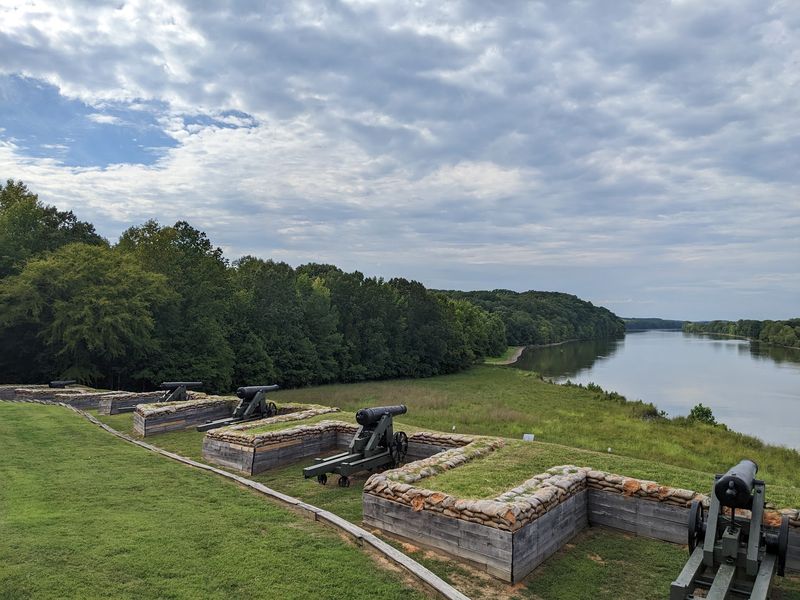
Dover sits where the Cumberland River widens into Kentucky Lake, creating a waterfront setting that’s been highlighted among Tennessee’s overlooked river towns. The location puts Dover at the intersection of water recreation and Civil War history, with Fort Donelson National Battlefield preserving the site of a crucial 1862 battle.
The fort’s earthworks, river batteries, and cemetery remain remarkably intact, offering a powerful glimpse into the conflict that shaped the region.
Kentucky Lake dominates the landscape here, providing endless opportunities for fishing, boating, and waterfront camping. The lake is famous for bass, crappie, and catfish, drawing anglers who appreciate the less-crowded access compared to busier lake towns.
Marinas rent boats and provide launching facilities, and the shoreline is dotted with coves and inlets perfect for exploring by kayak or canoe.
Dover’s downtown is small and unpretentious, with a handful of local restaurants, shops, and services that cater to residents and the occasional visitor. You won’t find tourist traps or souvenir stands. Instead, you get a working river town that happens to sit in a beautiful location with significant historical importance. The pace is slow, the locals are friendly, and the waterfront views are spectacular.
The combination of natural beauty and historical significance makes Dover appealing for travelers who want more substance than a typical lake vacation offers. You can spend the morning touring the battlefield, learning about the siege and surrender that helped open the way for Union forces to advance into the South.
Then you can spend the afternoon fishing, paddling, or simply sitting by the water watching the sun set over Kentucky Lake. Dover proves Tennessee’s river towns offer depth and character beyond the obvious tourist destinations.
10. Clifton
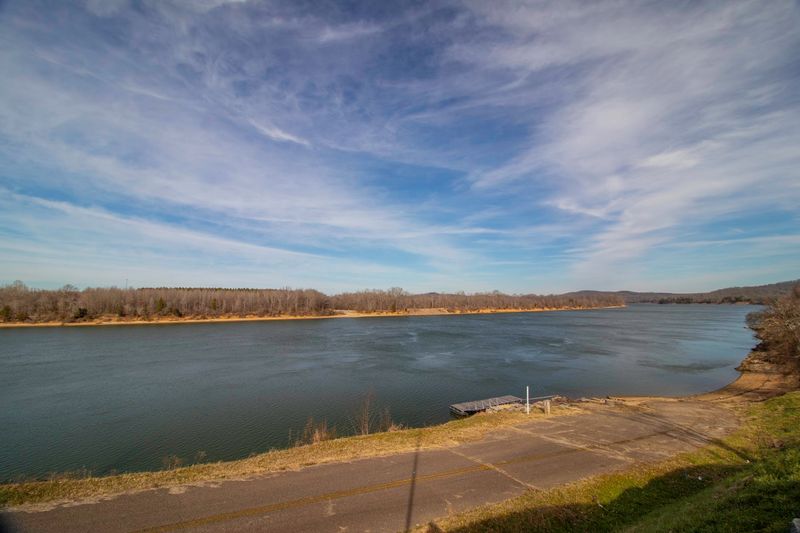
Clifton is tiny even by small-town standards, with a population that barely breaks a thousand and a downtown that consists of a few blocks along the Tennessee River. What it lacks in size, it makes up for in character, with historic buildings that date back to the town’s days as a river port and resort destination.
The architecture here is impressive, featuring Victorian homes, old hotels, and commercial buildings that hint at a more prosperous past.
The Tennessee River provides the town’s defining feature, with wide water views, public access points, and a slower pace than you’ll find in bigger river cities. Fishing is popular, with catfish, bass, and crappie all abundant in this stretch of the river.
Boating access is easy, and the surrounding landscape is beautiful, with wooded bluffs and quiet backwaters perfect for exploring by kayak.
Clifton doesn’t have much in the way of tourist infrastructure, which is exactly what makes it appealing for travelers seeking authenticity. There are no chain hotels or franchise restaurants.
Instead, you get a genuine river town that has held onto its historic character without turning itself into a tourist attraction.
Locals still use the river for recreation and livelihood, and the town functions as a real community rather than a staged experience.
The contrast with Memphis is striking. Where Memphis offers urban energy, museums, and famous barbecue, Clifton provides quiet waterfront scenery, historic architecture, and a pace that encourages you to slow down and notice details.
It’s not a destination for people seeking action or entertainment. It’s a place for travelers who appreciate small-town Tennessee, river culture, and the kind of understated beauty that doesn’t advertise itself but rewards those who make the effort to find it.
11. Jonesborough
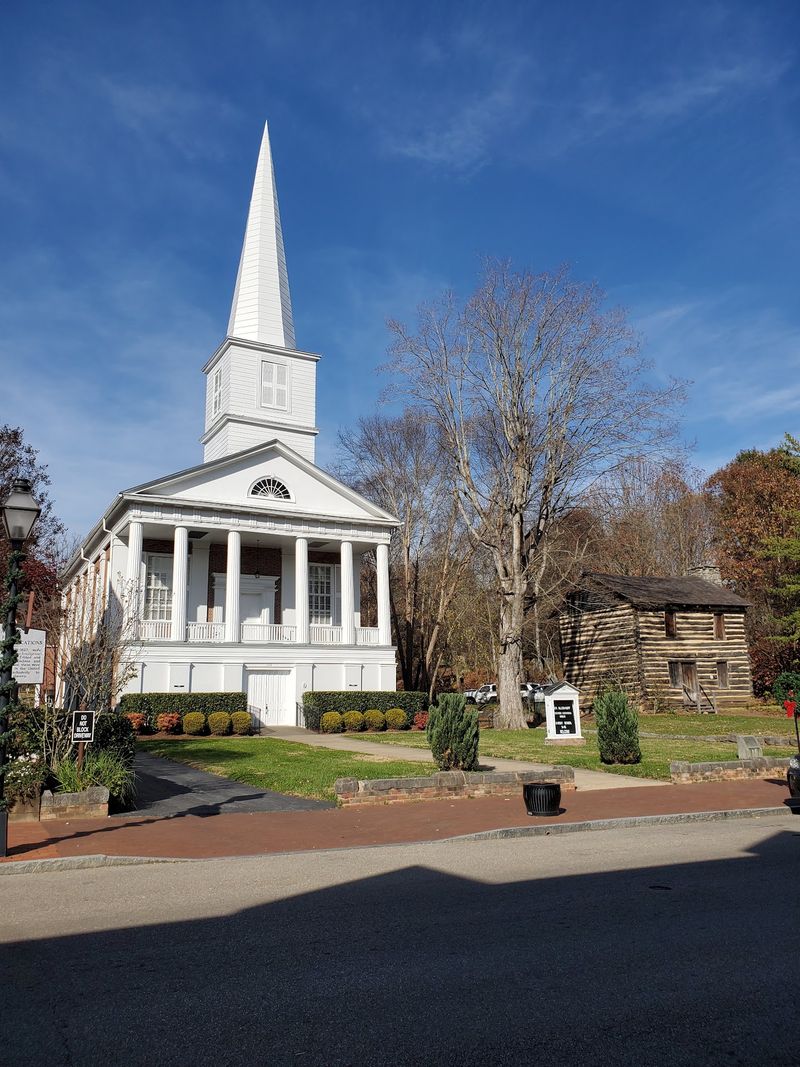
Jonesborough claims the title of Tennessee’s oldest town, and its remarkably intact historic center backs up that distinction. The Main Street district features dozens of buildings that date back to the late 1700s and early 1800s, creating a streetscape that looks more like a living history museum than a modern town.
Brick sidewalks, period architecture, and carefully preserved storefronts transport you back to an era when this was the capital of the short-lived State of Franklin.
The town has built a national reputation around storytelling, hosting the International Storytelling Center and an annual festival that draws performers and audiences from around the world. This isn’t the kind of contrived theme-park entertainment you find in bigger tourist towns.
It’s a genuine celebration of an oral tradition that has deep roots in Appalachian culture. The festival features tellers sharing everything from traditional folktales to personal narratives, all in settings that range from formal theaters to outdoor stages.
Beyond storytelling, Jonesborough offers excellent browsing in locally owned shops that sell everything from handmade crafts to regional books and gourmet food. Restaurants serve Southern classics and farm-to-table dishes, often using ingredients from nearby farms.
The quality is consistently high, and the atmosphere is welcoming without being touristy.
The surrounding landscape is classic East Tennessee, with mountain views, rolling farmland, and easy access to outdoor recreation. Jonesborough is close enough to other Appalachian destinations for day trips but far enough from the tourist corridors to maintain its own identity.
The town proves you don’t need commercialization to draw visitors. Instead, you need authentic character, preserved history, and a commitment to celebrating local culture in ways that feel genuine rather than manufactured.
12. Rogersville
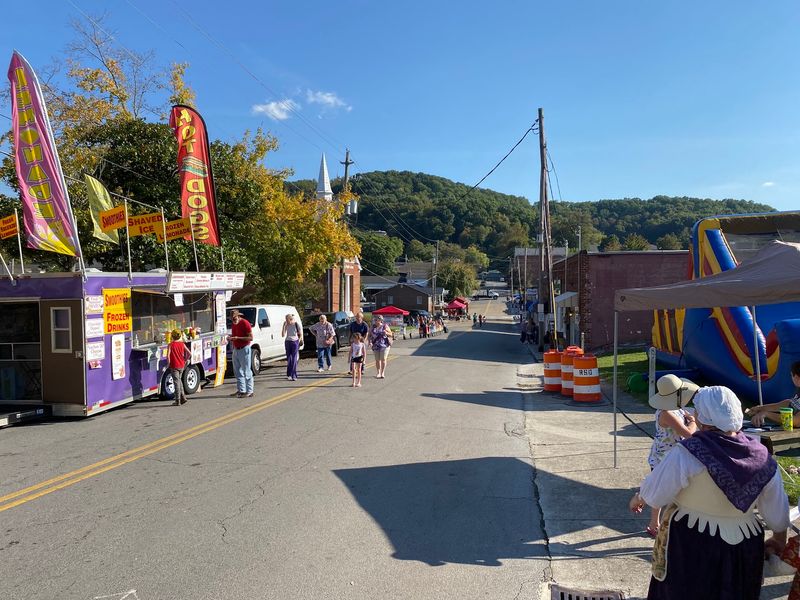
Rogersville boasts one of Tennessee’s oldest and most intact historic districts, with a Main Street that has retained its 19th-century character while adapting to modern life. The buildings here are the real deal, not reconstructions or facades, and they house locally owned businesses that serve the community rather than tourist crowds.
You can walk the entire downtown in fifteen minutes, admiring architecture that spans from Federal to Victorian styles.
The town square centers on a historic courthouse that’s still in use, surrounded by shops, restaurants, and professional offices that keep the downtown functioning as a real business district. This isn’t a place that empties out after five o’clock or sits dormant except during tourist season.
Rogersville is a living town where people work, shop, and gather, and that authenticity makes it far more interesting than destinations that exist solely for visitors.
The surrounding East Tennessee countryside is beautiful, with mountain views, winding roads, and access to outdoor recreation without Knoxville’s urban development. You’re close enough to the city for day trips but far enough away to enjoy small-town peace and quiet.
Local farms sell produce in season, and the area’s rural character remains intact despite growth pressures affecting other parts of the region.
Rogersville doesn’t advertise itself heavily or try to compete with bigger tourist destinations. Instead, it quietly preserves its history, supports local businesses, and maintains a quality of life that attracts people looking for something more substantial than manufactured attractions.
The result is a town that feels genuinely Tennessee, with deep roots, friendly locals, and a Main Street that still serves as the community’s heart rather than a stage set for tourists.