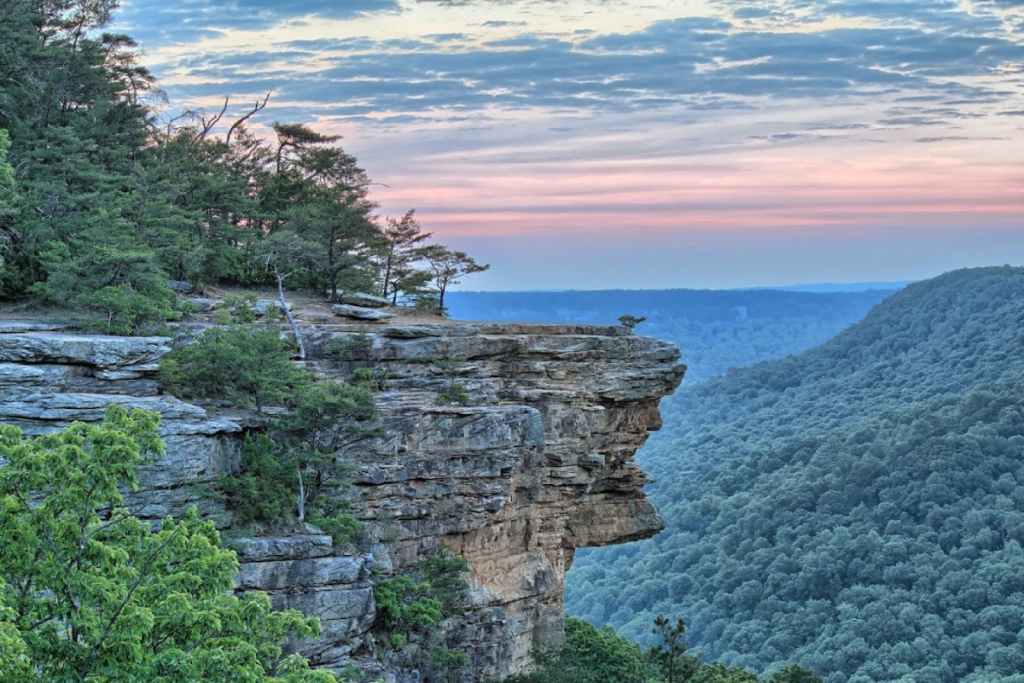
Tennessee’s trails offer incredible views, waterfalls, and wilderness adventures, but they also come with a wild side that demands respect. Copperheads, one of the state’s venomous snakes, blend perfectly into rocky terrain and leaf-covered forest floors, making them easy to miss until you’re uncomfortably close.
Knowing which trails pass through prime copperhead habitat can help you hike smarter and safer. Here are nine Tennessee trails where watching your step isn’t just good advice, it’s essential.
1. Alum Cave Trail, Great Smoky Mountains National Park
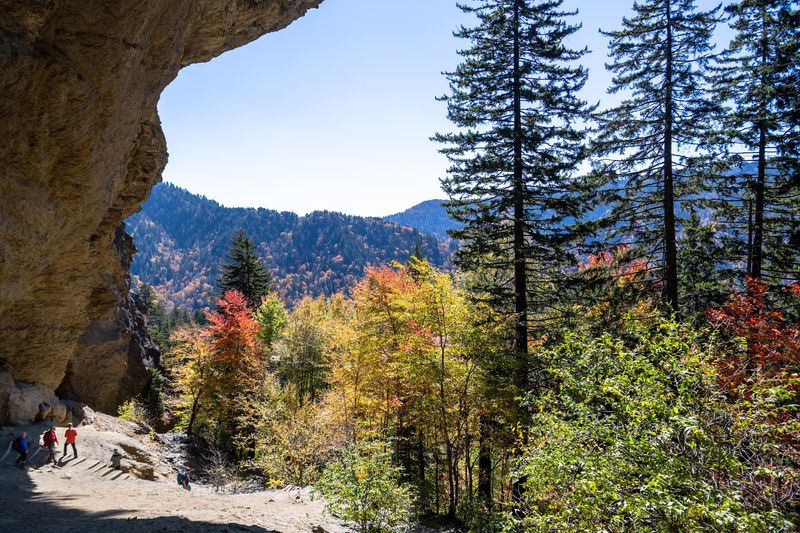
Alum Cave Trail ranks among the most popular hikes in the Smokies, drawing thousands of visitors each year with its dramatic rock formations and stunning mountain views. What many hikers don’t realize is that this heavily wooded, rocky route also provides ideal habitat for copperheads.
The trail’s combination of shaded terrain, abundant leaf litter, and countless rock crevices creates perfect hiding spots for these well-camouflaged snakes.
Copperheads are one of only two venomous snake species documented in Great Smoky Mountains National Park. They’re masters of disguise, with brown and copper-toned bands that blend seamlessly into fallen leaves and rocky surfaces.
Along Alum Cave Trail, you’ll encounter plenty of both, especially as you climb through the dense forest toward the namesake bluff.
The trail gains elevation quickly, winding past Arch Rock and Inspiration Point before reaching Alum Cave. Rocky outcroppings and root-filled sections require careful foot placement even without the snake factor.
Add the possibility of a copperhead sunning itself on a warm rock or tucked beside a log, and you’ve got good reason to keep your eyes on the ground.
Early morning and late afternoon present the highest risk, as copperheads tend to be most active during cooler parts of the day. Summer months see increased snake activity, though you might spot one any time from April through October.
Wearing sturdy hiking boots helps, as does making noise as you walk to give snakes time to move away.
If you’re scrambling over rocks or stepping over logs, take a moment to look before you place your hands or feet. Copperheads rarely strike unless threatened or surprised, so giving them space and respect goes a long way.
The trail’s beauty makes it worth the visit, just remember to watch where you step and keep your hands visible at all times.
2. Chimney Tops Trail, Great Smoky Mountains National Park
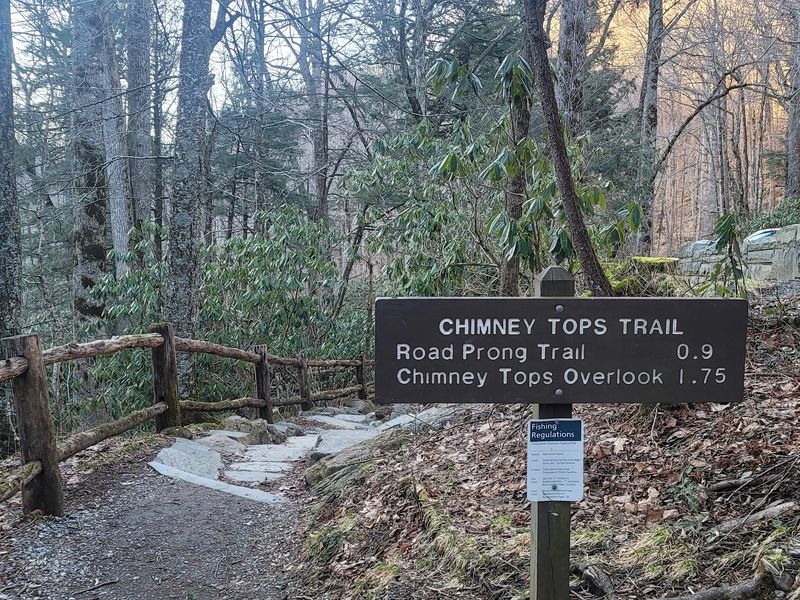
Chimney Tops Trail packs a serious punch in just two miles, climbing nearly 1,400 feet to a rocky summit with panoramic views. The steep, challenging hike takes you through thick forest where exposed roots, slick rocks, and tight passages keep you focused on every step.
That focus serves double duty here, because this trail runs through prime copperhead country.
Like Alum Cave, Chimney Tops sits within Great Smoky Mountains National Park, where copperheads are well-documented residents. The trail’s rocky, forested environment gives these snakes plenty of places to hide and hunt.
You’ll pass countless logs, boulders, and leaf-covered sections where a copperhead could be resting completely unnoticed.
The real danger comes from the trail’s technical nature. Scrambling over rocks and grabbing onto roots or boulders for balance means your hands go places your eyes can’t always check first.
Copperheads often tuck themselves into shaded crevices or beneath overhanging rocks, exactly the spots where hikers reach for support.
Park rangers emphasize the importance of looking before you grab or step. A copperhead bite won’t kill you, but it will definitely ruin your hike and require immediate medical attention.
The nearest hospital sits miles away, and getting an injured hiker down this steep trail presents serious challenges.
Warm, humid days bring copperheads out more frequently, though they prefer staying cool in shaded spots rather than basking in direct sun. Spring and fall see increased activity as snakes hunt more actively to prepare for winter or recover from it.
If you spot a snake on the trail, give it at least six feet of space and wait for it to move on.
The summit views from Chimney Tops make this hike incredibly rewarding, but getting there safely requires constant awareness. Keep your hands visible, step deliberately, and resist the urge to rush.
Your knees and your safety will both thank you for the extra caution on this beautiful but demanding trail.
3. Emory River Nature Trail, Obed Wild and Scenic River
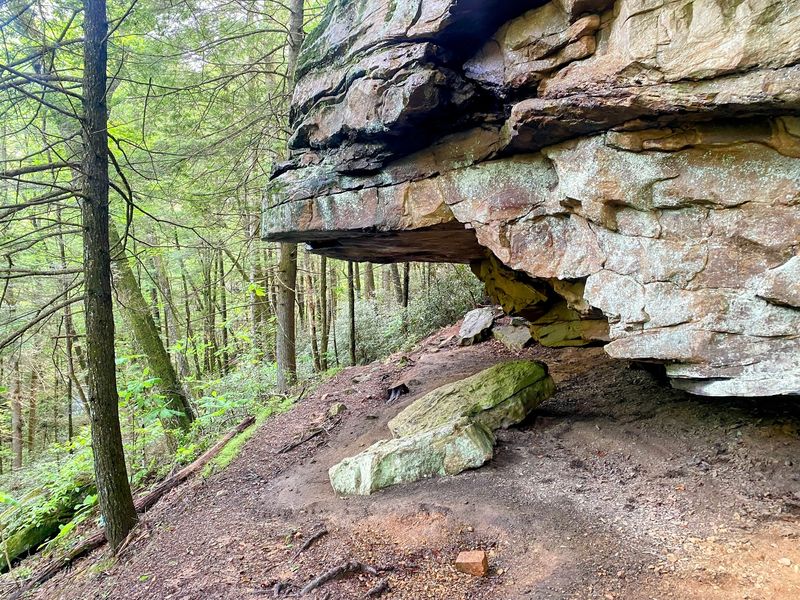
Emory River Nature Trail makes the copperhead connection crystal clear. The National Park Service’s own hiking page for this trail features a photograph of a juvenile copperhead spotted right along the path.
If that doesn’t convince you to watch your step, nothing will. This one-mile loop might be short, but it passes through textbook copperhead habitat.
The trail winds through wooded gorge terrain dotted with sandstone boulders and rocky outcroppings. These geological features create countless hiding spots where copperheads can ambush prey or simply rest out of sight.
The mix of sun and shade along the trail means snakes can thermoregulate by moving just a few feet, making them unpredictable in their exact location.
Juvenile copperheads, like the one photographed here, actually pose a particular concern. Young snakes haven’t learned to control their venom delivery as precisely as adults, sometimes injecting more venom when they bite.
They’re also more nervous and defensive, striking more readily when surprised. Their bright yellow-green tail tips help them lure prey, but they don’t help hikers spot them against leaf litter.
Despite its short length, this trail deserves your full attention. The rocky terrain requires careful footing anyway, and adding snake awareness to your mental checklist just makes sense.
Stay on the marked path, avoid stepping over logs without checking the other side first, and keep children close and supervised.
The trail’s proximity to the Emory River adds another layer of beauty to the hike, with opportunities to spot wildlife and enjoy the sound of flowing water. Copperheads actually swim quite well and occasionally hunt near water sources, though you’re more likely to encounter them in the forested sections away from the river.
Bring a walking stick if you have one. Tapping the ground ahead of you as you walk gives snakes advance warning and time to move away. It’s a simple precaution that significantly reduces your chances of a surprise encounter.
The Emory River Nature Trail offers a wonderful introduction to the Obed Wild and Scenic River area, just remember that you’re sharing the space with some well-camouflaged neighbors.
4. Cumberland Trail, Emory River Gorge Section, Obed Wild and Scenic River
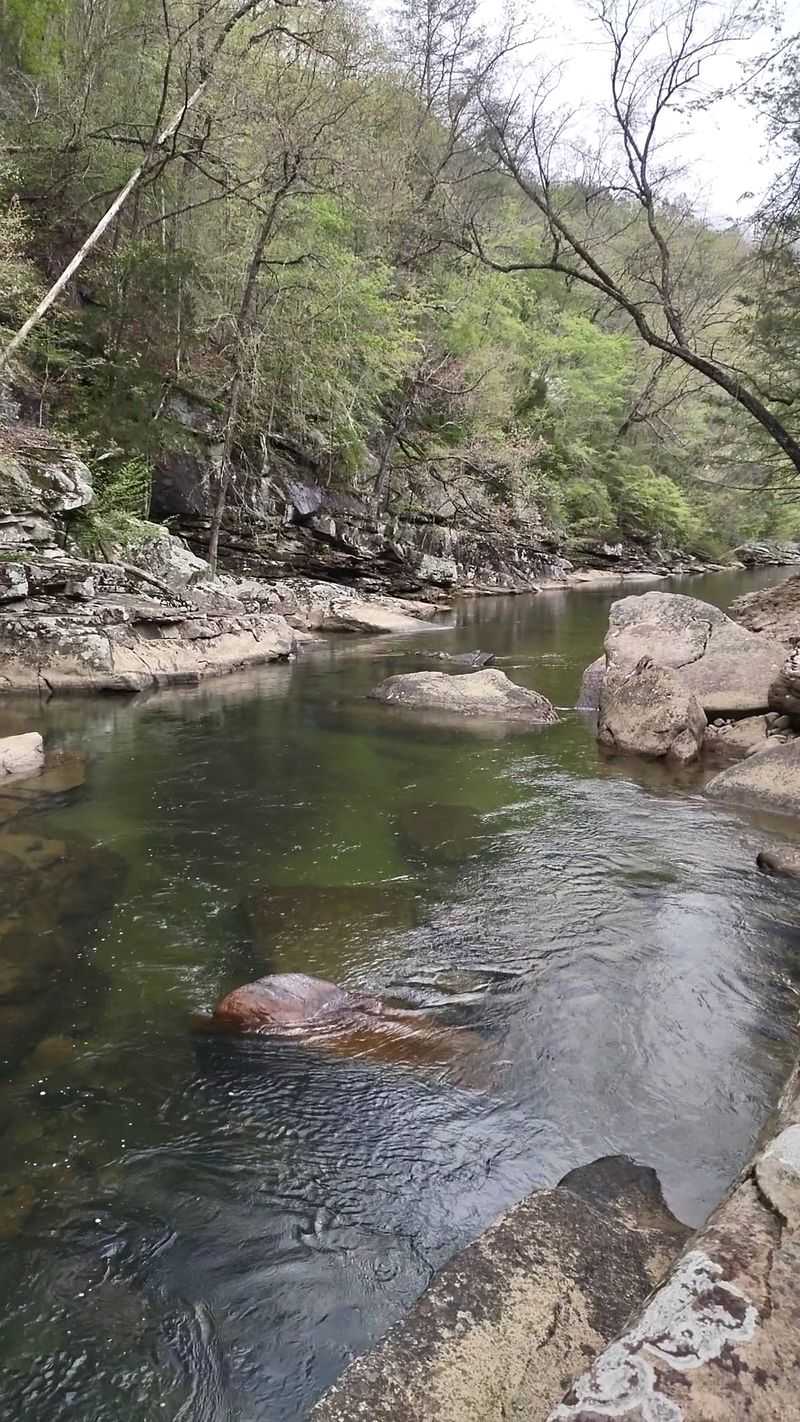
Stretching through the same protected landscape as the Emory River Nature Trail, the Cumberland Trail’s Emory River Gorge section covers 2.6 miles of moderate terrain above the river. The longer distance and more varied topography mean more opportunities to encounter wildlife, including the copperheads documented throughout this area.
The trail follows the gorge rim and dips into forested sections where visibility drops and leaf litter thickens. These transition zones between open and wooded areas attract copperheads because they offer both hunting opportunities and quick access to cover.
A snake might bask on a sun-warmed rock at the forest edge in the morning, then retreat into the shade by afternoon.
Rocky sections of trail require hand-over-hand climbing in spots, and that’s where extra caution pays off. Copperheads often position themselves on or near rocks that hold warmth, making them less obvious against the mixed browns and grays of Tennessee sandstone.
Before you reach for that perfect handhold, take a second to scan the surface and the area around it.
The gorge itself creates microclimates that copperheads find attractive. Cool, moist areas near the river contrast with drier, warmer sections up on the rim.
This variety means snakes can find their preferred conditions somewhere along the trail at almost any time of day or season. You can’t predict exactly where they’ll be, so consistent vigilance matters more than trying to avoid specific spots.
Hiking with a partner makes good sense here. Four eyes spot more than two, and if someone does get bitten, you’ll need help getting to medical care quickly.
Cell service can be spotty in the gorge, so don’t count on calling for immediate assistance. Prevention beats treatment every time when it comes to snake encounters.
The views from this section of the Cumberland Trail showcase the rugged beauty of the Cumberland Plateau. Deep gorges, dense forests, and rocky outcrops create stunning scenery that’s absolutely worth experiencing.
Just pack your awareness along with your water bottle, and remember that copperheads have every right to be here. Respecting their space keeps everyone safer and happier.
5. Twin Arches Loop, Big South Fork National River and Recreation Area
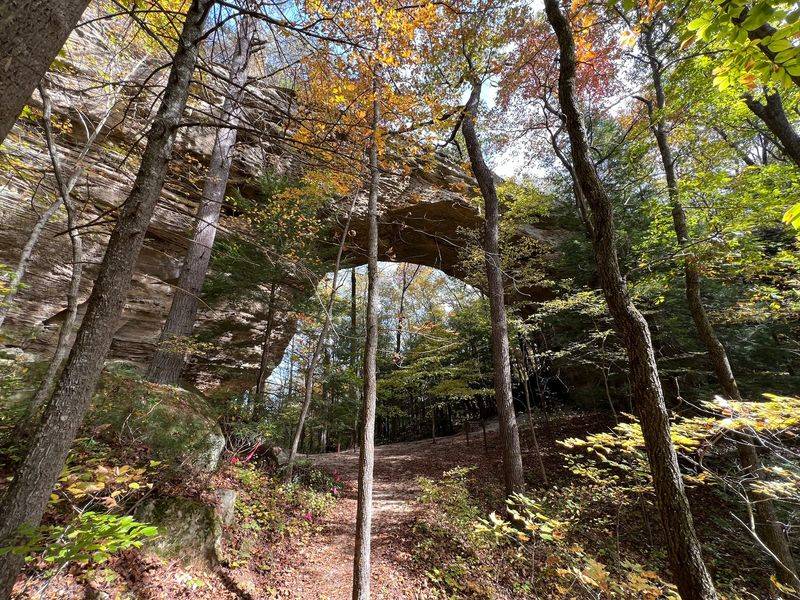
Twin Arches Loop delivers one of Tennessee’s most impressive natural features, a pair of massive sandstone arches that rank among the largest in the eastern United States. Getting there requires a 4.5-mile loop through forest, past rock shelters, along cliff edges, and by old homesite ruins.
Every bit of that terrain screams copperhead habitat.
Rock shelters and overhangs provide cool, protected spaces where copperheads rest during hot weather. Old homesites, with their collapsed structures and scattered debris, create edge habitat that attracts rodents, which in turn attracts snakes.
Even the forest sections, thick with leaf litter and fallen logs, offer perfect camouflage for these ambush predators.
The trail’s moderate difficulty means you’ll be watching your footing on uneven terrain, stepping over roots, and navigating rocky sections. That natural caution serves you well in snake country.
The key is maintaining that awareness throughout the entire hike, not just on the obviously tricky sections. Copperheads don’t only hang out on the hard parts.
Big South Fork’s location on the Cumberland Plateau means the area supports healthy populations of various wildlife, including several snake species. Copperheads thrive here because the habitat provides everything they need: prey, shelter, and varied terrain for temperature regulation.
You’re hiking through their home, so treating the space with appropriate respect makes sense.
The arches themselves sit in open areas where you’re less likely to encounter snakes, but getting there and back requires passing through prime habitat. Morning hikers should be especially alert, as copperheads often position themselves to catch morning sun before retreating to shade.
Late afternoon sees similar activity as they emerge to hunt during cooler evening hours.
Photography enthusiasts love this trail for good reason, but remember to watch where you stand and sit when setting up shots. That perfect low angle might put you closer to a copperhead than you’d like.
Keep your gear organized and avoid setting packs or tripods down without checking the area first.
The loop’s length means you’ll spend several hours in the woods, so pack water, snacks, and a basic first aid kit. Knowing what to do if someone gets bitten, stay calm, remove jewelry, keep the affected limb still, and get to medical care, can make a real difference in outcomes.
6. Slave Falls and Needle Arch Trail, Big South Fork
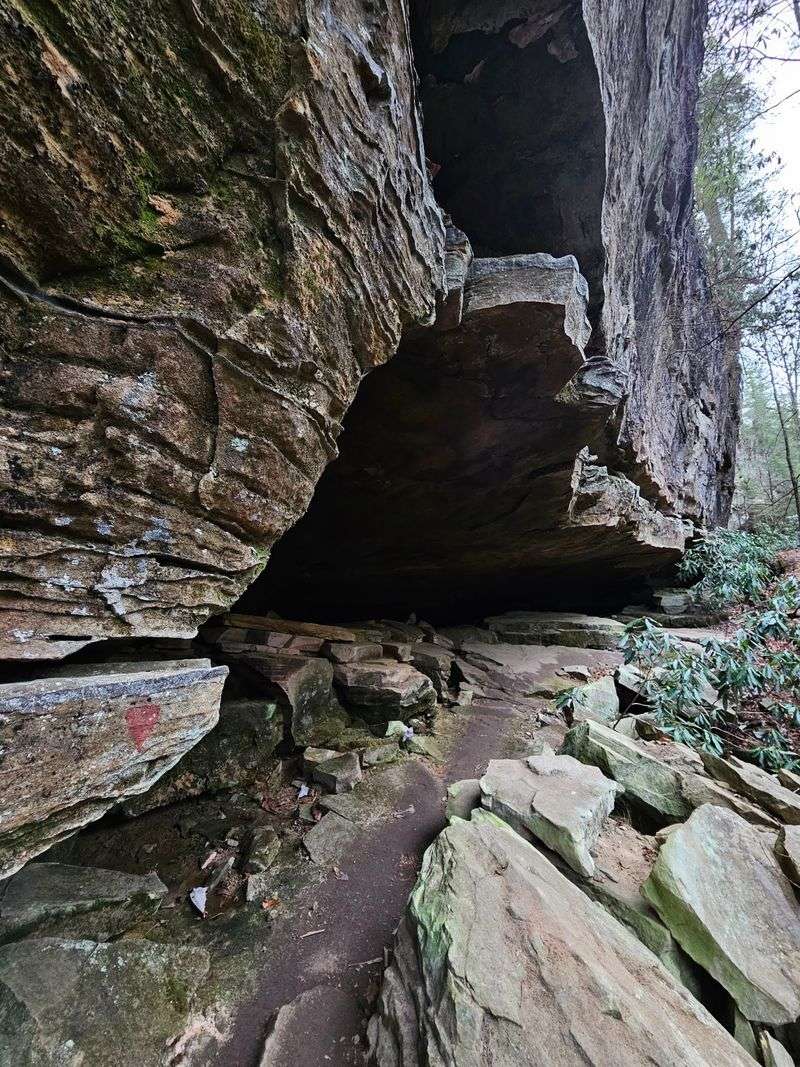
Roughly 1.5 miles each way, the trail to Slave Falls and Needle Arch packs impressive scenery into a relatively short distance. A waterfall, a natural arch, rocky terrain, and dense woodland create the kind of diverse habitat that supports abundant wildlife.
That includes copperheads, which find everything they need in this varied landscape.
Waterfalls attract hikers, but they also attract the small mammals and amphibians that copperheads hunt. Moist areas near the falls support salamanders, frogs, and other prey species, making the vicinity a productive hunting ground for snakes.
The rocks around waterfalls also provide basking spots and hiding places, so extra caution near Slave Falls makes sense.
The approach to Needle Arch takes you through typical Cumberland Plateau forest, with rocky sections and plenty of leaf litter. Natural arches form in areas with specific geological conditions, often involving cliff lines, overhangs, and boulder fields.
These same features create ideal copperhead habitat, with countless crevices and sheltered spots where snakes can hide.
The trail’s moderate length means it’s popular with families and less experienced hikers. That’s wonderful for making the outdoors accessible, but it also means some visitors might not be thinking about wildlife encounters.
If you’re hiking with kids, use this as a teaching opportunity. Show them how to watch their step, why we don’t reach into dark spaces, and what a copperhead looks like so they can recognize one.
Stick to the established trail rather than bushwhacking or taking shortcuts. Copperheads rely on camouflage and often hold still when approached, counting on remaining unseen.
Stepping off-trail into less-traveled areas increases your chances of surprising a snake that hasn’t learned to associate human presence with danger.
The combination of waterfall and arch makes this trail especially photogenic, but don’t let the scenery distract you from basic trail awareness. It’s entirely possible to enjoy the beauty while staying alert to your surroundings.
In fact, slowing down and paying attention often helps you notice more wildlife, plants, and geological features you’d miss while rushing.
Big South Fork protects a significant chunk of wild Tennessee landscape, and that wildness includes predators, venomous snakes, and other animals that deserve respect. Visiting safely means accepting that you’re entering their space and adjusting your behavior accordingly.
7. Savage Gulf Trails, Savage Gulf State Park
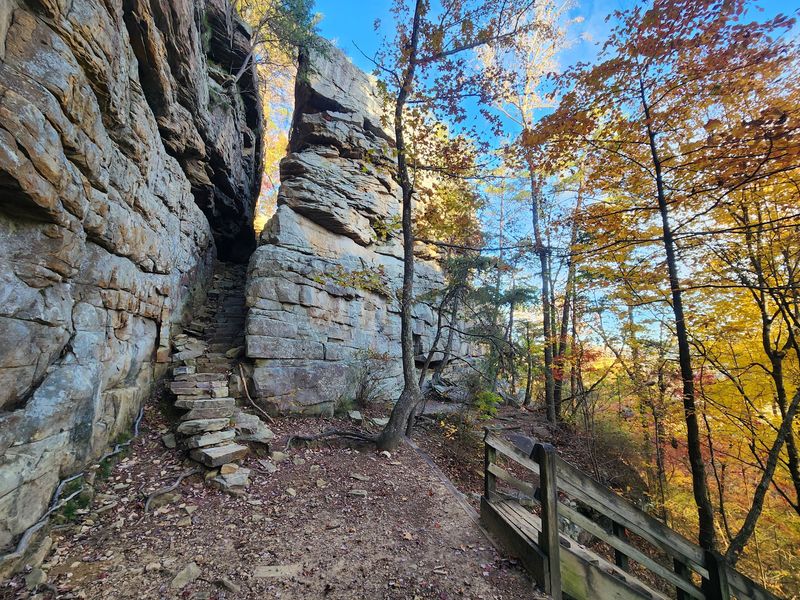
Savage Gulf lives up to its name with some of the most rugged terrain on the Cumberland Plateau. Sandstone cliffs, massive boulders, tangled roots, and deep forest create a landscape that’s both beautiful and challenging.
For copperheads, it’s paradise. For hikers, it’s a place where paying attention to every step isn’t optional.
The park’s trail system offers multiple routes of varying difficulty, but they all share common features: rocky terrain, dense forest, and dramatic elevation changes. These conditions create countless microhabitats where copperheads can find their preferred temperature and humidity levels throughout the day.
A snake might be anywhere, which means your vigilance can’t be selective.
Cliff bases and rock overhangs deserve special attention. These areas stay cool even on hot days and often collect leaf litter and debris that provides cover.
Copperheads frequently rest in these spots, positioned where they can strike at passing prey. Hikers scrambling near cliff bases or ducking under overhangs should check carefully before placing hands or feet.
The gulf’s depth creates a sense of wilderness that’s increasingly rare in Tennessee. That remoteness adds to the experience but also means help is far away if something goes wrong.
A copperhead bite in the depths of Savage Gulf requires a significant hike out before you can reach medical care. Prevention through awareness beats treatment through evacuation every single time.
Trail conditions vary seasonally, with spring and fall offering the most pleasant temperatures. These seasons also coincide with peak snake activity, as copperheads emerge from winter dormancy or prepare to enter it.
Summer heat pushes snakes into shadier, cooler areas, often the same spots where hikers seek relief from the sun.
The visual drama of Savage Gulf makes it a favorite among Tennessee hikers who want a real wilderness experience. Waterfalls, stone bridges, and breathtaking overlooks reward those who make the effort to explore.
Just remember that this landscape’s ruggedness is exactly what makes it perfect copperhead habitat.
Hiking boots with good ankle support help prevent twisted ankles on uneven terrain and provide some protection against snake bites. While a copperhead can bite through boot leather, the material often reduces venom injection.
More importantly, boots force you to be more deliberate about foot placement, naturally increasing your awareness of where you’re stepping.
8. Cumberland Trail, Tennessee Sections
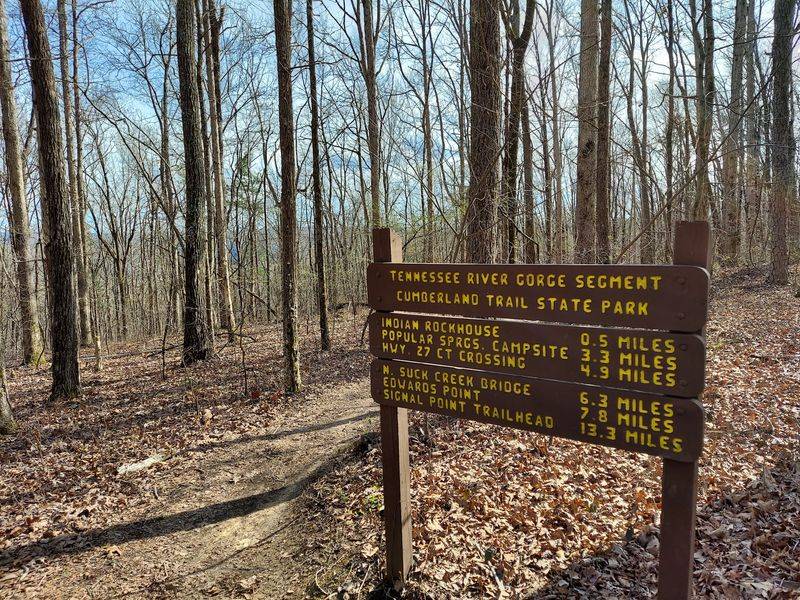
When complete, the Cumberland Trail will stretch more than 300 miles across Tennessee, connecting the Cumberland Plateau’s most spectacular landscapes. Multiple sections are already open and attracting hikers to wooded ridges, stream valleys, and rocky plateau country.
That extensive mileage means extensive copperhead habitat, making this trail system a natural fit for a snake-awareness discussion.
The trail’s length and variety mean you could encounter copperheads in almost any section. Ridge tops with rocky outcrops, stream crossings with moist banks, and forest sections with thick leaf litter all provide suitable habitat.
There’s no single “danger zone” to avoid; instead, the entire trail requires consistent awareness.
Long-distance hikers face unique challenges when it comes to wildlife encounters. Fatigue reduces awareness, and the repetitive nature of miles-long hikes can lead to complacency.
That’s exactly when mistakes happen. If you’re tackling a long section of the Cumberland Trail, build in regular breaks to rest and reset your focus.
The trail passes through both state parks and more remote public lands, meaning the level of trail maintenance and visitor traffic varies significantly. Less-traveled sections see fewer hikers, which means snakes in those areas may be less accustomed to human presence and potentially more defensive when surprised.
Stream crossings deserve extra attention. Copperheads hunt near water sources and sometimes rest on rocks in or near streams.
Before stepping on that convenient rock in the middle of a creek, take a moment to scan it carefully. The few seconds of caution could prevent a bite that ends your hike.
The Cumberland Trail offers an incredible opportunity to experience Tennessee’s natural diversity, from mountain views to river gorges to hardwood forests. Each ecosystem supports its own wildlife community, but copperheads appear throughout the trail’s range.
Learning to recognize their preferred microhabitats helps you stay alert in the right places.
Trail communities often share information about recent wildlife sightings, including snakes. If you’re planning a Cumberland Trail hike, check online forums or contact local hiking groups for current conditions.
Knowing that copperheads have been spotted recently in your planned section helps you maintain appropriate caution throughout your hike. The trail’s beauty makes every mile worthwhile, but respecting the wildlife that calls it home ensures everyone stays safe.
9. Lookout Mountain Trails, Chickamauga and Chattanooga National Military Park
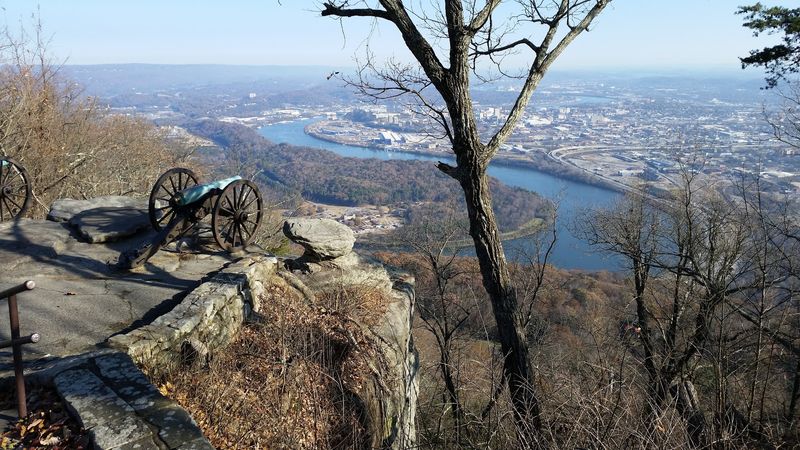
Lookout Mountain’s trails combine Civil War history with natural beauty, creating a unique hiking experience where you’re walking through both past and present. The National Park Service manages this site and specifically warns visitors to watch for venomous snakes, including both copperheads and timber rattlesnakes.
That official warning should tell you everything you need to know about taking snake safety seriously here.
Historic battlefields often feature a mix of open areas, wooded sections, and rocky terrain that’s been relatively undisturbed for more than 150 years. This varied landscape supports diverse wildlife populations, including healthy numbers of venomous snakes.
The same rock walls and fortifications that played roles in Civil War battles now provide shelter for copperheads.
The mountain’s elevation creates microclimates that allow different species to thrive at different elevations and aspects. Copperheads might be more common on south-facing slopes that receive more sun, while timber rattlesnakes prefer cooler, north-facing areas.
Understanding these patterns helps, but the safest approach is assuming any section of trail could host venomous snakes.
Tourist traffic at Lookout Mountain is significant, with thousands visiting the battlefield and its famous attractions each year. Heavy foot traffic doesn’t eliminate snake encounters; it just makes them less frequent.
Snakes learn to avoid high-traffic areas during peak times, but early morning and evening hikes on less-traveled trails still bring you into prime snake territory.
The park’s historical significance sometimes overshadows its natural features, but the two are inseparable. The forests and rock formations you see today are similar to what soldiers experienced during the battle.
Trail etiquette at historical sites includes staying on marked paths to protect both yourself and the archaeological resources. Fortunately, this practice also reduces your snake encounter risk.
Copperheads off the main trail are less accustomed to human presence and more likely to feel threatened by your approach.
Combining historical interpretation with wildlife awareness creates a richer experience. You’re not just walking through a battlefield; you’re moving through a living ecosystem that’s been recovering and adapting for more than a century and a half.
Respecting both the history and the current residents, including copperheads, shows proper appreciation for this special place.