Nashville Zoo at Grassmere sprawls across more than 200 acres of rolling Tennessee hills, offering enough attractions and animal exhibits to fill an entire day and then some. With thousands of animals from around the world, interactive experiences, historic sites, and kid-friendly play areas, this isn’t just a quick stop on your Nashville itinerary.
Families routinely arrive when the gates open at 9 AM and find themselves still discovering new corners of the zoo as closing time approaches at 6 PM.
Why Nashville Zoo Is Worth Setting Aside a Full Day For
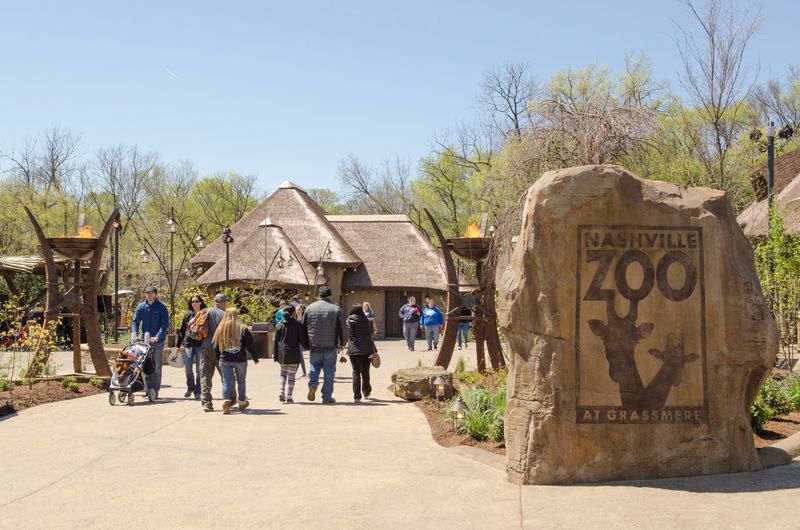
Covering an impressive stretch of land in South Nashville, this zoo gives animals room to roam in habitats that mirror their natural environments. That means you’ll be doing plenty of walking too, but the payoff is worth every step.
Spacious enclosures let you observe animals behaving naturally rather than pacing in cramped quarters.
The sheer variety keeps things interesting from morning until evening. One moment you’re watching red pandas nap in bamboo groves, the next you’re face-to-face with a curious kangaroo.
The zoo houses everything from African elephants and Sumatran tigers to local Tennessee wildlife and exotic birds that’ll land right on your shoulder.
What really sets this place apart is how much there is beyond just animal viewing. You can zip through the treetops on the Soaring Eagle zipline, explore a historic 19th-century farm, let kids burn energy on one of the largest zoo playgrounds in the country, and still have time for a leisurely lunch.
Seasonal events and special exhibits add even more reasons to linger.
Most visitors report spending five to seven hours here without seeing everything. The grounds stay meticulously clean despite heavy foot traffic, and staff members genuinely seem to love their jobs.
Their enthusiasm shows when they’re answering questions or explaining animal behaviors during feeding times.
Membership holders often visit multiple times before they feel like they’ve experienced it all. With new babies being born in the animal hospital and exhibits constantly being improved, there’s always something different to discover.
Pack comfortable shoes, bring sunscreen, and clear your calendar because rushing through this zoo would be doing yourself a serious disservice.
Start With the Zoo’s Most Popular Animal Exhibits
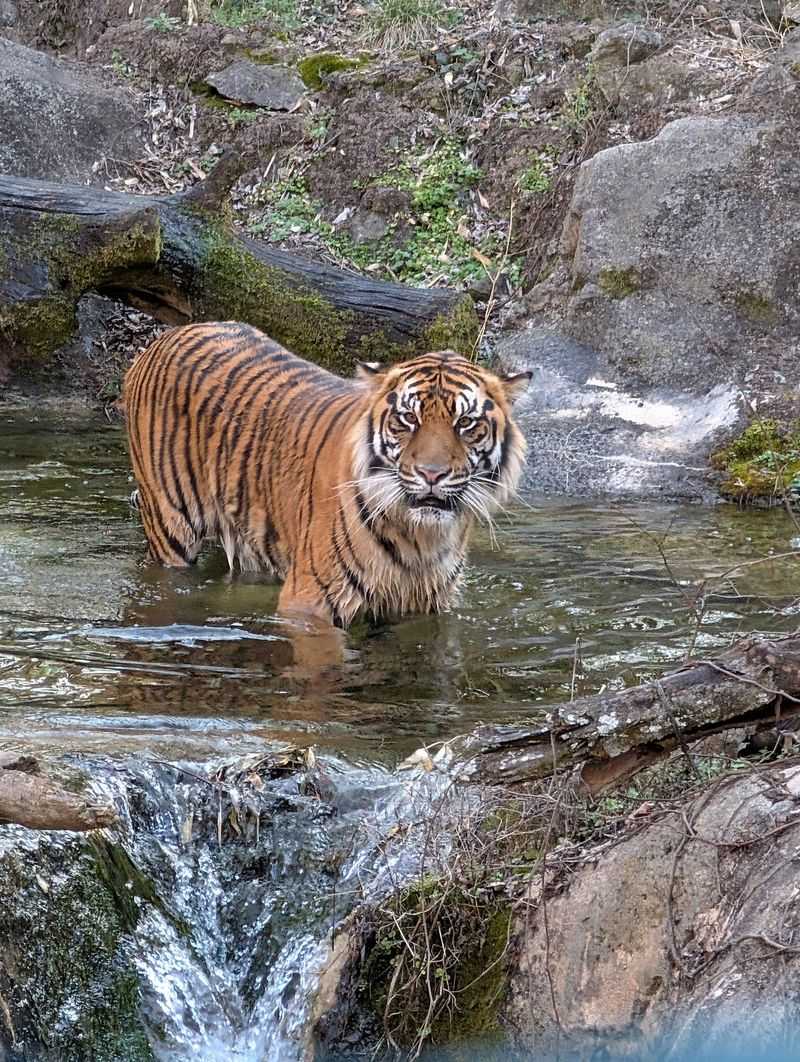
Sumatran tigers reign as one of the zoo’s biggest crowd-pleasers, and for good reason. These critically endangered cats command attention with their striking orange coats and powerful presence.
The viewing areas give you multiple vantage points to watch them prowl, play, or lounge in the shade during hot Tennessee afternoons.
Red pandas steal hearts despite their habit of sleeping through much of the day. Arrive early for your best chance to catch them active and munching bamboo.
Their reddish fur and bushy tails make them look like a cross between a raccoon and a teddy bear, and visitors regularly camp out by their exhibit hoping for that perfect photo opportunity.
The kangaroo kickabout might be the most talked-about experience at the entire zoo. You can actually walk into their habitat and pet these surprisingly soft marsupials as they hop around freely.
Kids especially love this hands-on encounter, though adults find themselves just as enchanted by how gentle and curious these animals are.
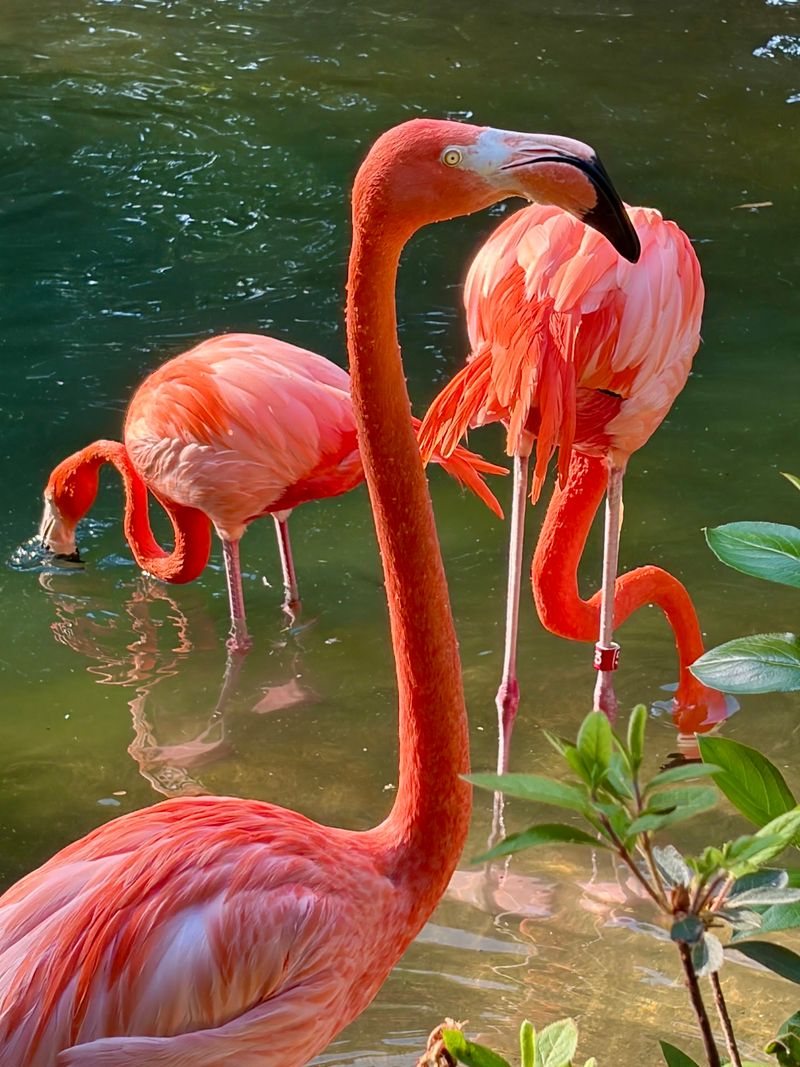
Flamingos create a vibrant pink spectacle near the zoo’s entrance, their synchronized movements and honking calls impossible to ignore. The flock’s size makes for dramatic group photos, especially when they’re all standing on one leg or preening their feathers in unison.
Giraffes tower over their African-themed habitat, their long necks stretching to reach leaves from elevated feeding platforms. Watching them move with such grace despite their height never gets old.
The rhinos share nearby space, offering a complete safari-like atmosphere without leaving Middle Tennessee. Each of these exhibits receives constant care and attention from knowledgeable keepers who can share fascinating details about animal personalities and conservation efforts.
Don’t Miss These Close-Up Wildlife Encounters
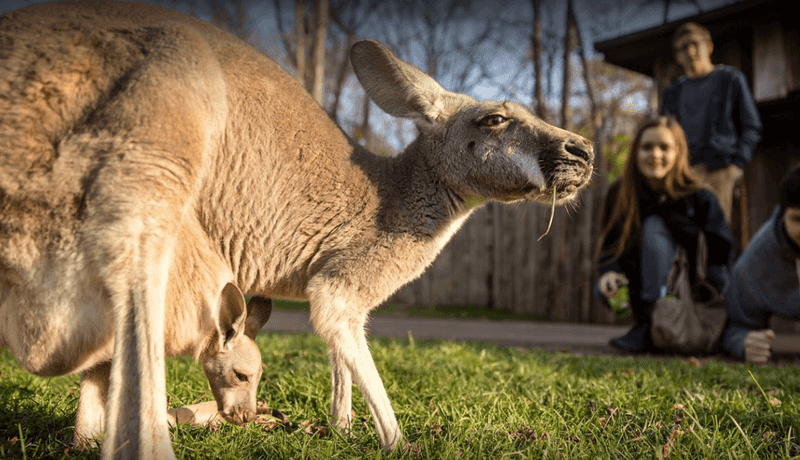
Getting within arm’s reach of a kangaroo ranks high on most visitors’ highlight lists. The kangaroo kickabout lets you step right into their space where these Australian natives roam freely across the grass.
They’re incredibly soft to touch, almost velvety, and surprisingly tolerant of gentle pats from excited zoo-goers of all ages.
The Lorikeet Landing aviary transforms a simple zoo visit into an interactive adventure. These brilliantly colored parrots will perch on your arms, shoulders, and even your head if you stand still long enough.
For a few dollars, you can purchase nectar cups that turn you into an instant bird magnet, with multiple lorikeets competing for sips while you try not to laugh at their antics.
Special behind-the-scenes encounters take things even further for those willing to book ahead. The okapi experience lets small groups meet Mosi and other animals not typically on public display while learning about the zoo’s breeding programs.
You’ll explore back areas most visitors never see and even get to hand-feed these rare creatures lettuce while keepers share conservation stories.
The goat contact area provides another hands-on opportunity, especially perfect for younger children who might feel overwhelmed by larger animals. These friendly farm animals eagerly approach anyone who enters their space, looking for scratches and attention.
It’s a low-key encounter that somehow never fails to bring smiles.
During keeper talks scheduled throughout the day, you can watch feeding demonstrations and ask questions directly to the staff caring for various species. These informal chats often reveal personality quirks of individual animals and give insight into daily zoo operations.
Timing your visit around these talks adds educational value without feeling like a classroom lesson.
Take a Break and Explore the Historic Grassmere Home and Farm
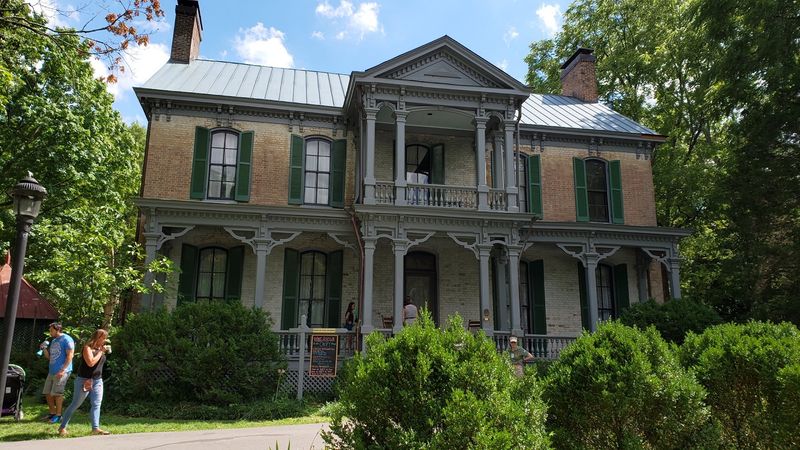
Tucked away from the main zoo paths, the historic Grassmere estate offers a completely different kind of experience. This 19th-century home and working farm once belonged to the Croft family and now serves as a living history exhibit within the zoo grounds.
The white farmhouse stands as a reminder of Nashville’s agricultural past, surrounded by heritage breed animals and period-appropriate gardens.
Heritage livestock graze in pastures around the historic buildings, representing breeds that would have been common on Tennessee farms generations ago. You might spot rare chicken varieties, heritage pigs, or sheep breeds that nearly disappeared from American agriculture.
It’s a quieter, more contemplative space compared to the excitement of exotic animal exhibits.
The farm area gives kids a chance to see where food actually comes from and understand the difference between wild animals and domesticated livestock. Educational programs here focus on sustainable farming practices and the importance of preserving genetic diversity in agricultural animals.
It’s surprisingly engaging even for visitors who came primarily to see lions and tigers.
Note that the historic home itself operates on a limited touring schedule and may not be open every day. Many visitors mention wishing they’d known to check ahead about tour availability.
When it is open, docents lead groups through restored rooms filled with period furnishings and share stories about the families who lived here.
This section of the zoo provides natural shade and benches perfect for a mid-day rest. The peaceful atmosphere offers a welcome contrast to busier animal exhibits.
Pack a picnic to enjoy at nearby tables, or simply sit and watch heritage breed chickens scratch in the dirt while you catch your breath before tackling the next section of the zoo.
Kid-Friendly Attractions Make the Zoo Even More Fun
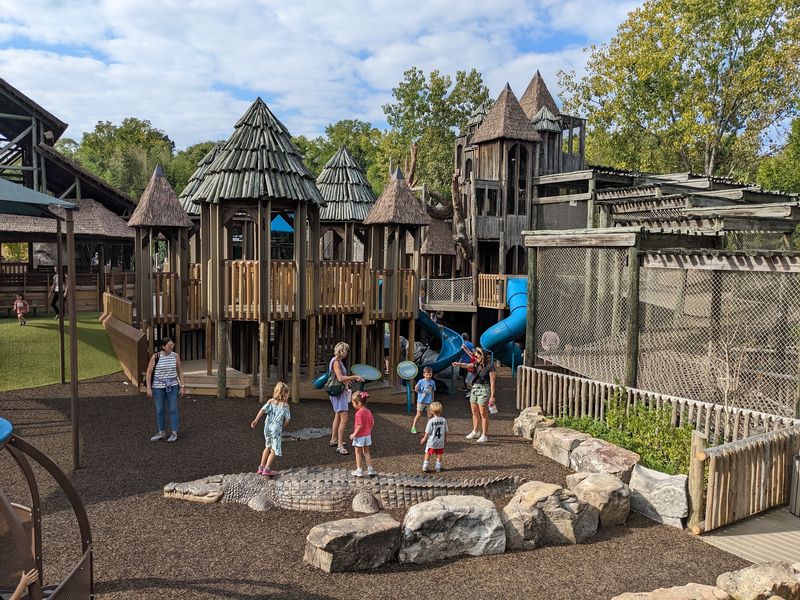
The jungle gym playground at Nashville Zoo isn’t just big, it’s absolutely massive. Multiple interconnected play structures spread across a huge area, each designed for different age groups and energy levels.
Kids can climb, slide, swing, and explore for an hour or more without repeating the same activity twice.
Parents quickly learn that keeping track of children here requires strategy. The playground’s size and multiple levels mean little ones can disappear from view in seconds.
Many families joke about needing GPS trackers, and it’s honestly not a bad idea to establish a meeting point before letting kids loose in this maze of fun.
The Wild Animal Carousel offers a gentler option for younger visitors or those needing a break from walking. Hand-painted animals spin to cheerful music, providing that classic carnival experience right in the middle of the zoo.
It’s included with certain admission packages or available for a small additional fee.
An optional adventure pass unlocks extra experiences scattered throughout the grounds, including a dinosaur trail that winds through wooded areas. Life-sized prehistoric creature replicas lurk among the trees, complete with sound effects and educational plaques.
This add-on costs extra but keeps dinosaur-obsessed kids thoroughly entertained.
The Soaring Eagle zipline provides thrills for older children and adults brave enough to try it. Gliding over zoo pathways gives you a bird’s-eye view of exhibits below and definitely gets your heart pumping.
Weight and height restrictions apply, so check requirements before getting kids excited about this attraction.
Cooling stations with large fans are positioned strategically around the zoo, crucial during hot Tennessee summers. These rest areas near play zones let parents recharge while kids continue burning energy.
The thoughtful placement of these amenities shows the zoo understands what families actually need during long visits.
Where to Eat, Relax, and Recharge During Your Visit
Food prices at the zoo follow typical attraction pricing, meaning you’ll pay premium rates for standard fare. A bottle of water or soda runs around six dollars, and full meals from the main cafe can add up quickly for a family.
Popcorn costs more than seven dollars, which catches some visitors off guard.
Here’s the money-saving secret that many first-timers don’t know: you’re allowed to bring your own food and drinks. Picnic tables dot the grounds in shaded areas, perfect for spreading out lunches packed from home.
This single tip can save families significant money and lets you eat foods you actually enjoy rather than settling for whatever’s available.
If you do buy food on-site, expect typical theme park options like burgers, pizza, chicken tenders, and fries. The quality is decent but nothing exceptional.
Some visitors with dietary restrictions note limited healthy or gluten-free choices, making the bring-your-own-food option even more appealing.
Multiple snack kiosks are spread throughout the zoo, so you’re never too far from cold drinks or quick bites. These smaller stations offer grab-and-go items like ice cream, pretzels, and bottled beverages.
Their strategic placement means you don’t have to trek back to the main cafe when someone needs a snack.
Shaded seating areas appear regularly along the pathways, giving you places to rest without necessarily eating. Large fans in many of these spots provide relief during summer heat.
The zoo clearly designed these spaces with comfort in mind, understanding that people need frequent breaks when covering this much ground.
Some families actually leave the zoo for lunch at nearby restaurants and return the same day using hand stamps. The zoo sits close enough to other dining options that this strategy works if you prefer a sit-down meal with air conditioning during the hottest part of the day.
What to Know Before Spending a Day at Nashville Zoo
Parking costs ten dollars and fills up during peak times, especially on weekends and holidays. The lot is large but can still reach capacity on busy days.
Arrive early to snag a spot close to the entrance and beat the crowds to popular exhibits when animals are most active.
First-time visitors sometimes struggle finding the zoo entrance from the parking lot because directional signage could be better. If you’re unsure which way to walk after parking, look for the largest building or follow other families.
It’s a minor inconvenience but worth mentioning so you don’t waste time wandering.
The zoo operates from 9 AM to 6 PM daily, giving you nine hours of potential exploration time. Most guests need at least five hours to see highlights without rushing.
If you’re trying to experience everything including special encounters and attractions, plan for the full day.
Comfortable walking shoes are non-negotiable. You’ll cover several miles on paved paths that wind up and down gentle hills.
Some visitors joke about needing electric scooters by the end of the day, and they’re not entirely kidding. The expansive grounds mean lots of steps.
Check the zoo’s website before visiting for any exhibit closures or construction updates. Animal habitats occasionally close for improvements or because weather conditions aren’t ideal for certain species.
The train, for example, sometimes goes down due to battery issues since it’s an older model.
Many local zoo memberships from other cities qualify for reciprocal discounts through zoo association programs. If you belong to a zoo elsewhere, check whether Nashville participates in reciprocal admission before paying full price.
The savings can be substantial for families.
Summer visits require sunscreen, hats, and plenty of water even though fans and shade structures help. Tennessee heat and humidity are no joke, and you’ll be outside most of the day.
The zoo remains open rain or shine, so check weather forecasts and pack accordingly.