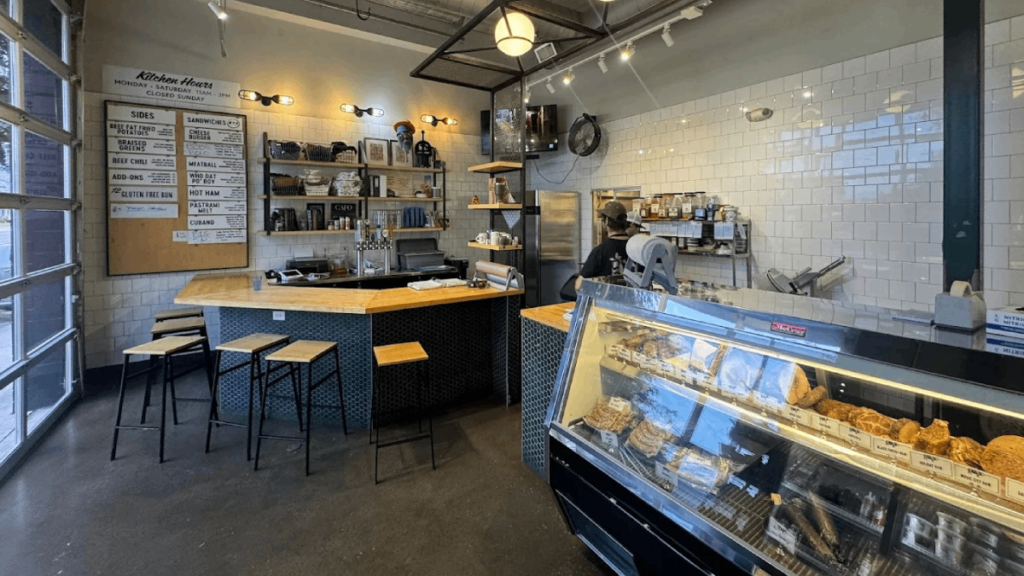
Finding a grocery store that truly understands quality meat can transform your cooking from ordinary to extraordinary. Tennessee is home to butcher shops and local markets where the meat counter isn’t just an afterthought—it’s the main attraction.
From family-owned operations raising their own livestock to longtime neighborhood grocers who’ve spent decades perfecting their craft, these eleven spots have earned loyal followings for their exceptional cuts, knowledgeable staff, and commitment to serving their communities with pride.
1. Tennessee Premium Beef — Covington
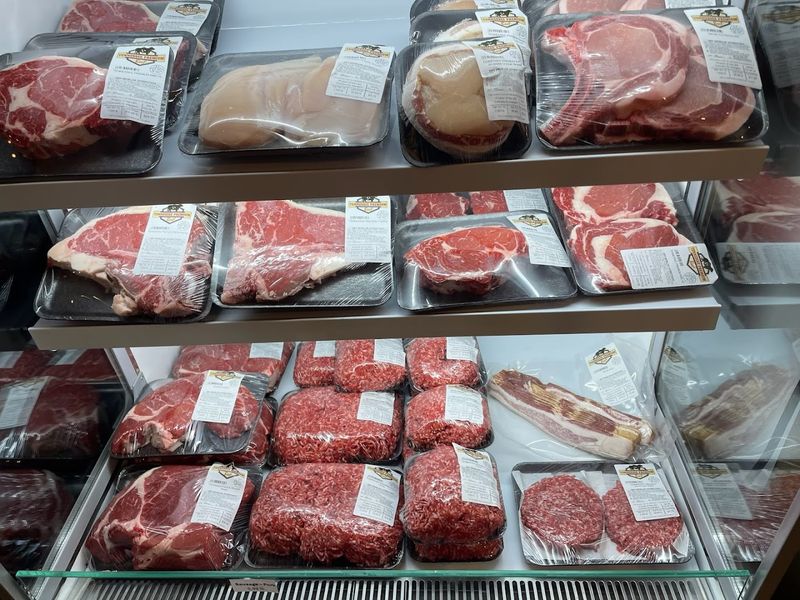
Out in Tipton County, Tennessee Premium Beef runs its own USDA-certified operation, which means they control quality from pasture to plate. That kind of oversight matters when you’re selecting a ribeye for Saturday night or stocking up on ground beef for the week.
The family behind this butcher shop didn’t just open a store—they built a full operation around raising and processing beef with care. You’ll notice the difference in marbling, tenderness, and flavor because they’re not middlemen; they’re the source.
Custom cuts? No problem. Special requests? They’ve heard them all.
What sets them apart is the transparency. You’re buying from people who know exactly where each cut came from and how it was handled. That level of traceability is rare, even in farm country.
Whether you’re grilling, roasting, or slow-cooking, the meat here holds up to high expectations.
2. E.W. James & Sons Market — Union City
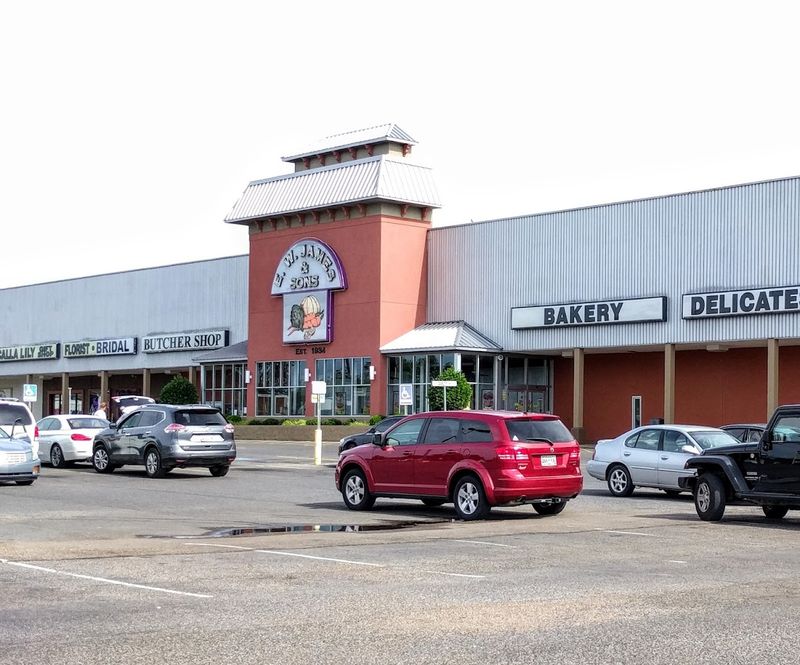
Union City’s E.W. James & Sons Market has carved out a reputation across West Tennessee as the go-to spot when you need more than shrink-wrapped supermarket cuts. This isn’t a chain trying to be everything to everyone—it’s a dedicated market-and-butcher-shop hybrid that knows its lane and stays in it.
Walk in and the meat department commands attention. The butchers here take pride in hand-cutting steaks, trimming roasts, and preparing specialty items that bigger stores don’t bother with anymore. If you’ve been disappointed by thin, inconsistent cuts elsewhere, this is where you reset your expectations.
The local identity runs deep. Generations of families have shopped here, and that loyalty didn’t happen by accident. It came from consistent quality, fair pricing, and people who treat customers like neighbors, not transactions.
You can ask questions and get real answers, not corporate scripts.
Whether you’re planning a backyard cookout or just need reliable weeknight proteins, E.W. James delivers without the fuss. Their selection balances everyday staples with premium options, so you’re covered whether it’s Tuesday meatloaf or Sunday prime rib.
3. Hartsville Foodland — Hartsville
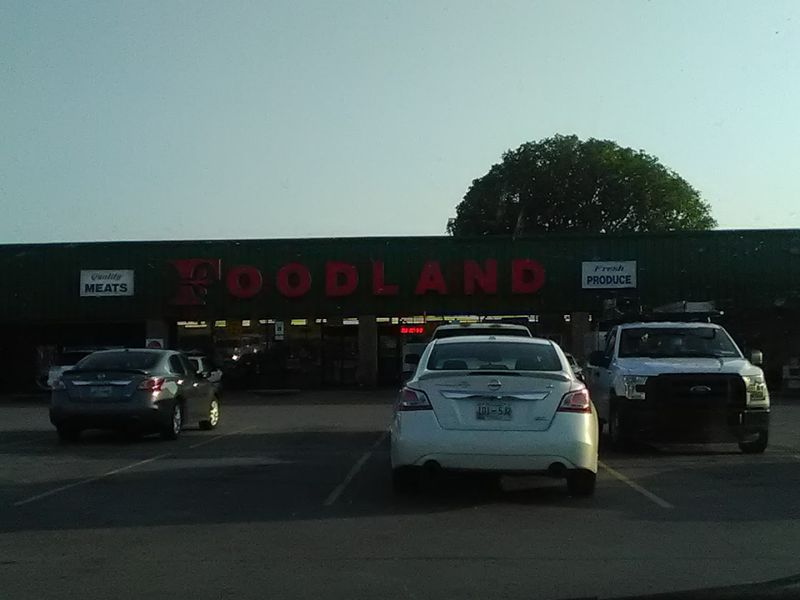
Hartsville Foodland doesn’t hide what it does best—the store explicitly promotes its high-quality meats and fresh produce, and one trip through the meat section proves it’s not just marketing talk. This is a true hometown grocery where the standards haven’t slipped just because it’s not in a big city.
The meat counter here reflects what a community store should be: well-stocked, carefully maintained, and staffed by people who’ve been doing this long enough to know a good cut when they see one.
What makes Hartsville Foodland stand out is the balance. You get the convenience of a full grocery store without sacrificing the quality you’d expect from a dedicated butcher. Pork chops, chicken breasts, ground beef, steaks—all handled with the same attention to detail that keeps regulars coming back week after week.
Small-town grocers like this survive because they deliver on promises. You’re not gambling on mystery meat or guessing at freshness dates. You’re shopping somewhere that stakes its reputation on every package that crosses the counter, and that accountability makes all the difference when dinner’s on the line.
4. Holt’s IGA — Fayetteville
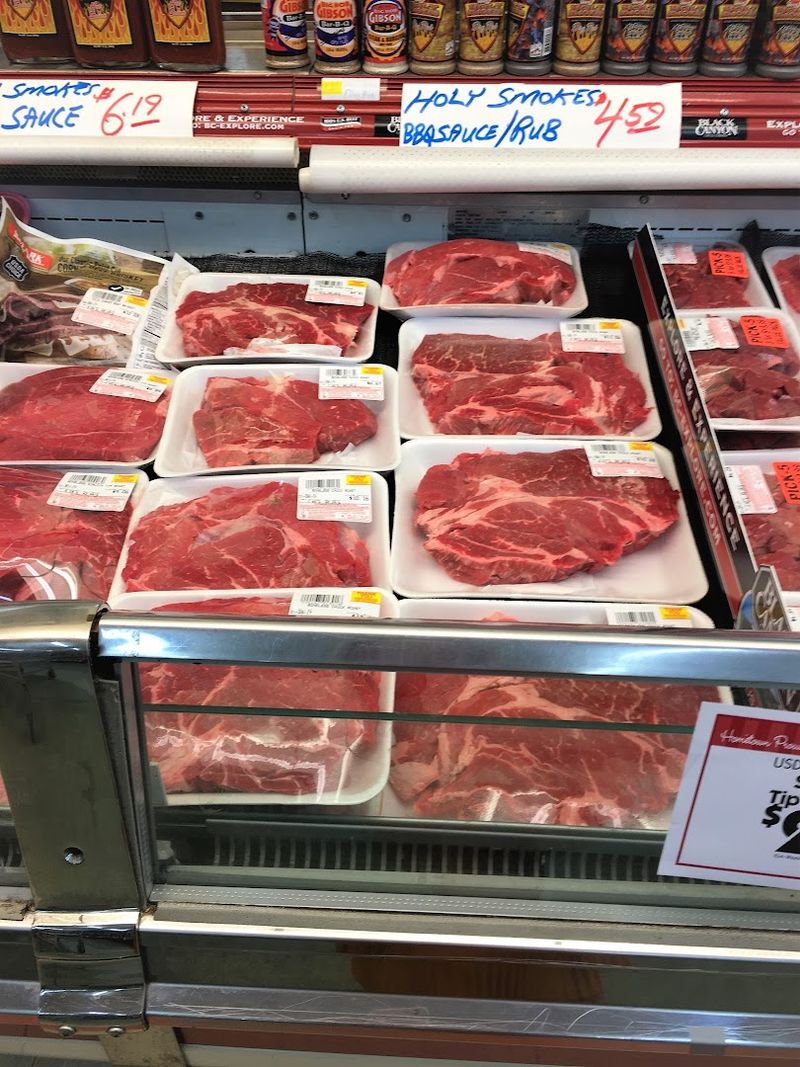
Fayetteville’s Holt’s IGA earned national recognition from IGA corporate, and the meat department was specifically called out as the store’s standout feature. That’s not a participation trophy—that’s validation from people who’ve seen thousands of grocery operations and know what excellence looks like.
Family ownership makes a difference here. The Holt family didn’t build this business by cutting corners or settling for mediocre suppliers. They built it by making the meat counter a point of pride, somewhere customers could trust without hesitation.
The butchers know regulars by name and remember preferences without being asked twice.
Selection runs deeper than most small-town grocers manage. You’ll find premium cuts alongside everyday staples, all maintained to standards that would make corporate auditors nod approvingly. Marbling, trim, portion size—details matter, and Holt’s doesn’t let them slide.
When your meat department gets singled out for national recognition, you’re doing something right—and Holt’s has been doing it right for years.
5. Stone Mountain Meats — Greeneville
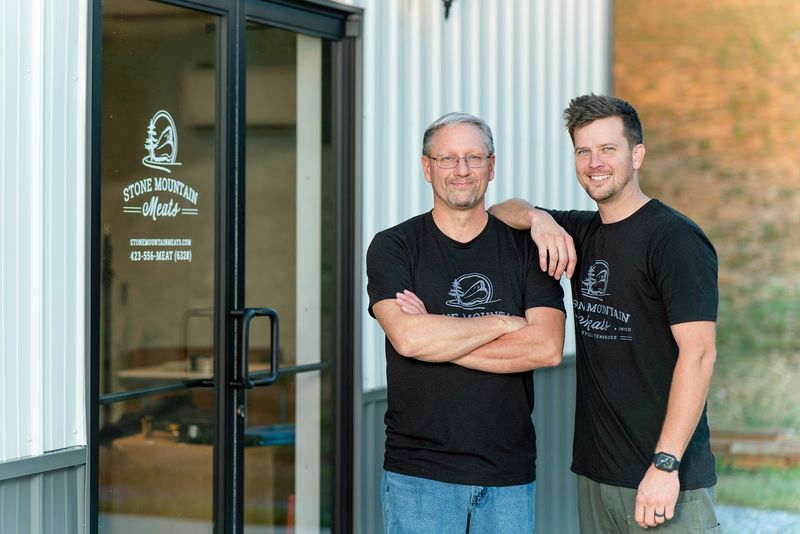
Greeneville’s Stone Mountain Meats operates as a true butcher house, not a grocery store with a meat counter tacked on as an afterthought. The family behind it focuses on locally raised animals and custom cutting, which means you’re not limited to whatever’s pre-packaged under fluorescent lights.
Locally raised meat carries advantages beyond feel-good marketing. Animals raised nearby often mean fresher product, better traceability, and support for regional farmers who care about how their livestock is treated.
Custom cuts set this place apart from typical grocery meat departments. Need a specific thickness for your steaks? Want a roast tied a certain way? Prefer your pork chops bone-in or boneless? The butchers here handle requests that would get blank stares at chain stores.
East Tennessee has no shortage of scenic views, but Stone Mountain Meats offers something better—consistently excellent meat handled by people who know their trade inside and out.
6. Troyer’s Mountain View Country Market — Limestone
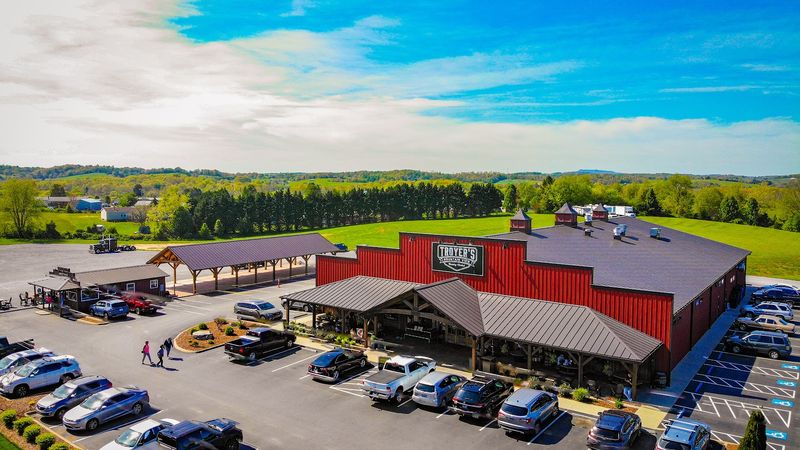
Tucked into East Tennessee near Limestone, Troyer’s Mountain View Country Market brings a family-run, old-school approach to fresh meats and local products. The name alone hints at the kind of place this is—no corporate polish, no focus-grouped branding, just straightforward quality from people who’ve been doing this their whole lives.
The market specializes in local products, which means the meat selection reflects what’s available from nearby farms rather than what some distant distribution center decided to ship. That connection to the region shows up in freshness and flavor. You’re buying meat that hasn’t spent days in transit or weeks in cold storage limbo.
Fresh meats here aren’t just fresh by grocery store standards—they’re fresh by farmer’s market standards. The difference is noticeable the moment you start cooking. Better color, better texture, better taste.
It’s what happens when quality isn’t sacrificed for convenience or shelf life.
7. Lazy J Farms Butcher Shop — Kingsport
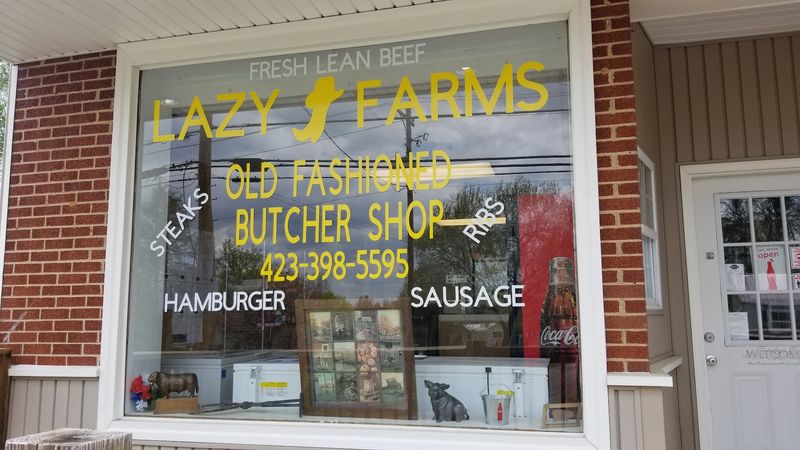
Kingsport’s Lazy J Farms Butcher Shop runs its own beef program, raising animals specifically for their shop and selling all-natural meats without the additives and shortcuts common in mass-market operations. Farm-to-table isn’t just a trendy phrase here—it’s the literal business model.
All-natural matters more than marketing departments want you to believe. Meat raised without unnecessary antibiotics, hormones, or sketchy feed practices tastes different and cooks differently. Fat renders cleaner, flavor profiles are more pronounced, and you’re not left wondering what exactly went into producing your dinner.
The butcher shop setup allows for custom orders and specialty cuts that typical grocery stores won’t touch. Planning a special meal? Need something specific for a recipe?
The staff here can accommodate requests that would get shrugged off elsewhere. That flexibility comes from actually knowing the craft, not just following corporate cutting guidelines.
If you’re in the Kingsport area and haven’t checked them out yet, you’re missing one of the region’s best-kept secrets.
8. Seven Cedars Butcher Block — Lebanon
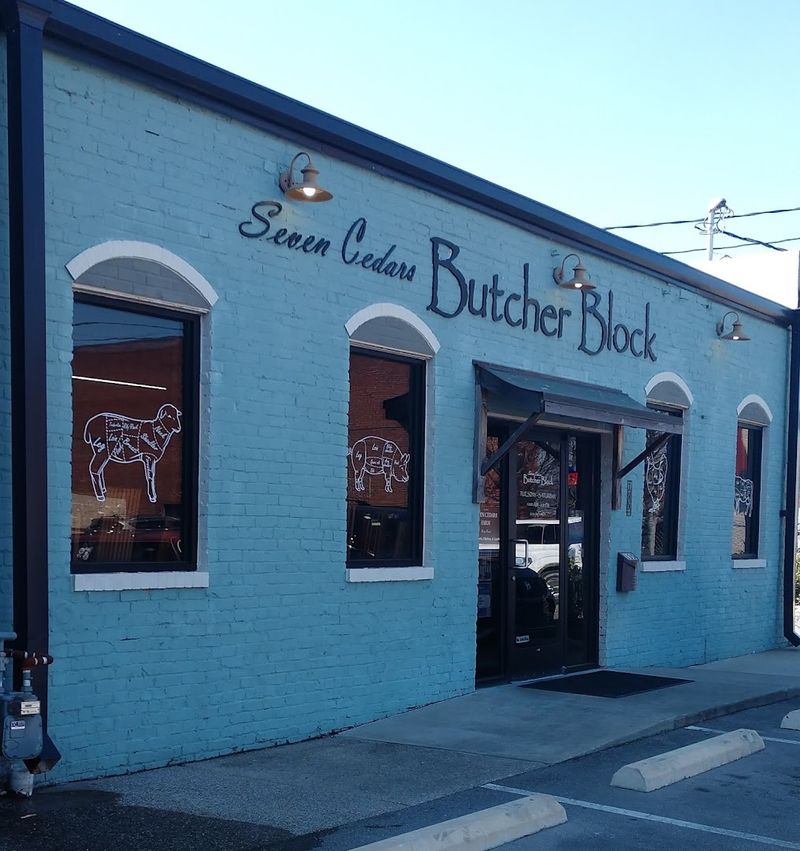
Lebanon’s Seven Cedars Butcher Block focuses on locally raised beef, pork, chicken, and lamb, offering a range that goes beyond what most butcher shops bother stocking. Family ownership keeps standards high and ensures the operation stays rooted in quality rather than chasing volume or cutting costs.
Locally raised livestock means shorter supply chains and better oversight. When your butcher shop sources from nearby farms, you can verify conditions, ask questions, and know exactly what you’re getting. Seven Cedars built their business on these relationships, prioritizing transparency and traceability over cheap, anonymous wholesale suppliers.
The variety here is impressive—beef for traditionalists, pork for versatility, chicken for everyday meals, and lamb for when you want something different. Each protein gets the same careful attention, from sourcing to cutting to packaging. Nothing feels like an afterthought or a sideline product just filling shelf space.
Middle Tennessee has plenty of grocery options, but Seven Cedars carved out a niche by doing one thing exceptionally well: providing high-quality, locally sourced meats with the kind of service that makes customers feel valued.
9. Jr’s Foodland — Murfreesboro
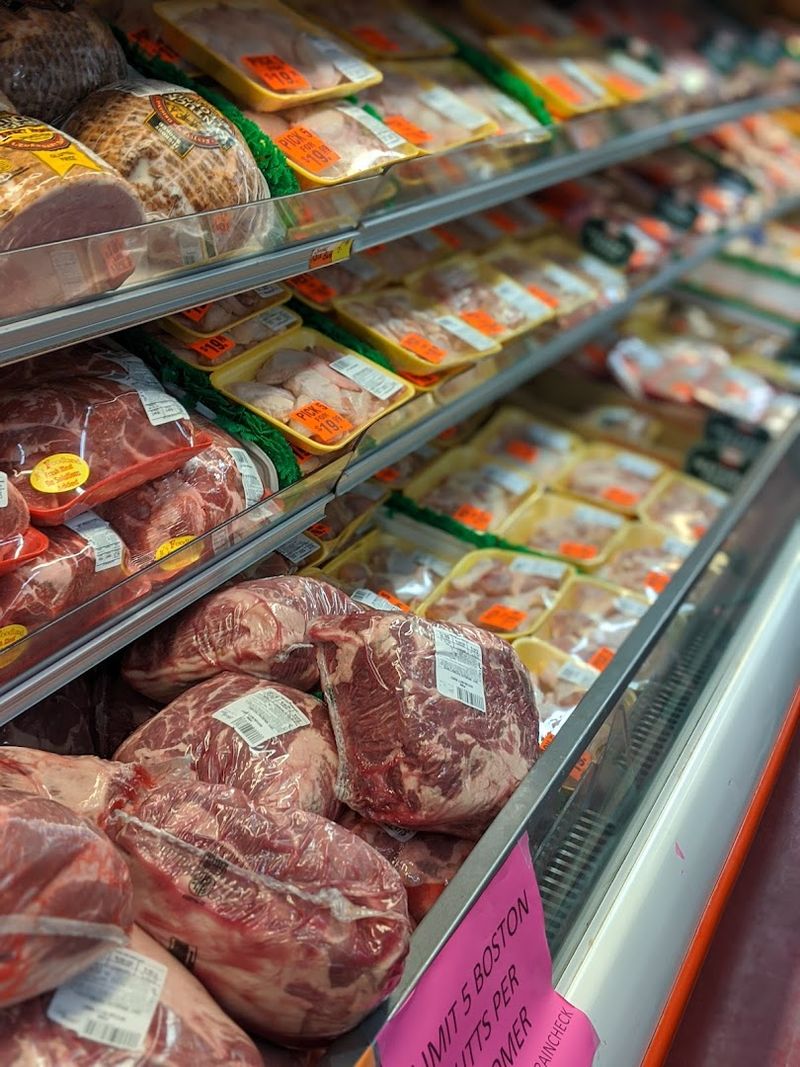
Jr’s Foodland in Murfreesboro doesn’t just sell meat—they market themselves around their “legendary meats,” a bold claim that only works if you can back it up consistently. Decades in business suggest they’ve been backing it up just fine, building a reputation that keeps locals coming back instead of defaulting to bigger chain stores.
Legendary status doesn’t happen overnight. It comes from years of maintaining quality, training staff properly, and refusing to let standards slip even when it would be easier or more profitable to cut corners. Jr’s Foodland clearly decided early on that the meat department would be their calling card, and they’ve stuck with it.
The meat counter here reflects that commitment. Fresh cuts, knowledgeable butchers, and a selection that balances popular staples with premium options. Whether you need ground beef for tacos or a perfect ribeye for a special occasion, the quality stays consistent.
That reliability matters when you’re planning meals and don’t want to gamble on disappointing dinners.
Murfreesboro has no shortage of grocery options, yet Jr’s Foodland thrives by doing what they do best and doing it better than most competitors. When your meats are legendary enough to become your identity, you’ve earned something most stores never achieve—a reputation worth defending and customers willing to drive past other options to shop with you.
10. Cordelia’s Market — Memphis
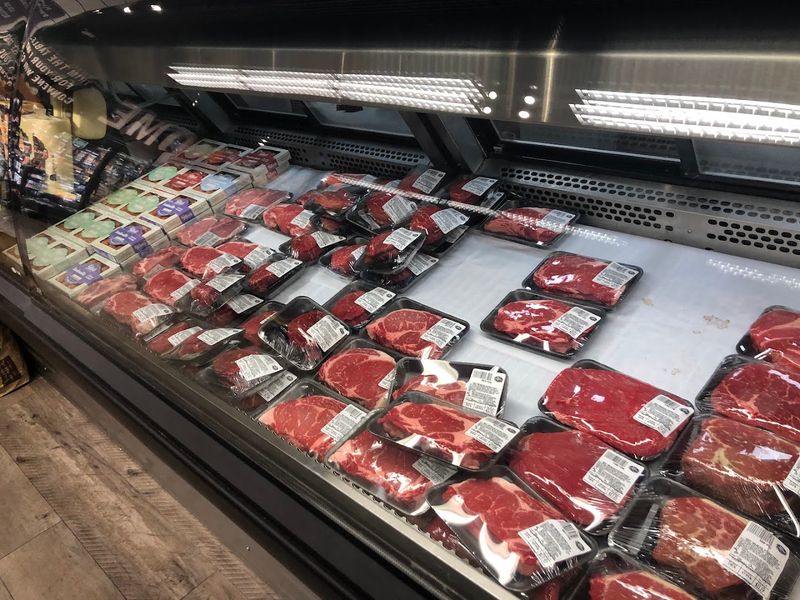
This isn’t a massive supermarket trying to be everything; it’s a focused operation that knows its customers and serves them well.
Curated meat selections mean someone’s actually thinking about what goes in the case rather than just ordering whatever the distributor recommends. Quality over quantity, carefully chosen cuts over overwhelming variety that mostly sits unsold. That approach requires more effort but delivers better results for customers who care about what they’re buying.
The neighborhood-market identity matters in a city like Memphis, where big chains dominate but often fail to connect with communities in meaningful ways. Cordelia’s fills that gap, providing a place where shopping feels personal rather than transactional. The meat counter reflects that philosophy—approachable, reliable, and staffed by people who care about getting it right.
Strong community ties keep local markets like this thriving even when they’re competing against stores with bigger budgets and more locations. Cordelia’s Market proves that doing right by your neighborhood, maintaining quality standards, and treating customers like neighbors creates loyalty that no amount of corporate marketing can manufacture.
For Memphians who value that connection, it’s worth seeking out.
11. Bare Bones Butcher — Nashville
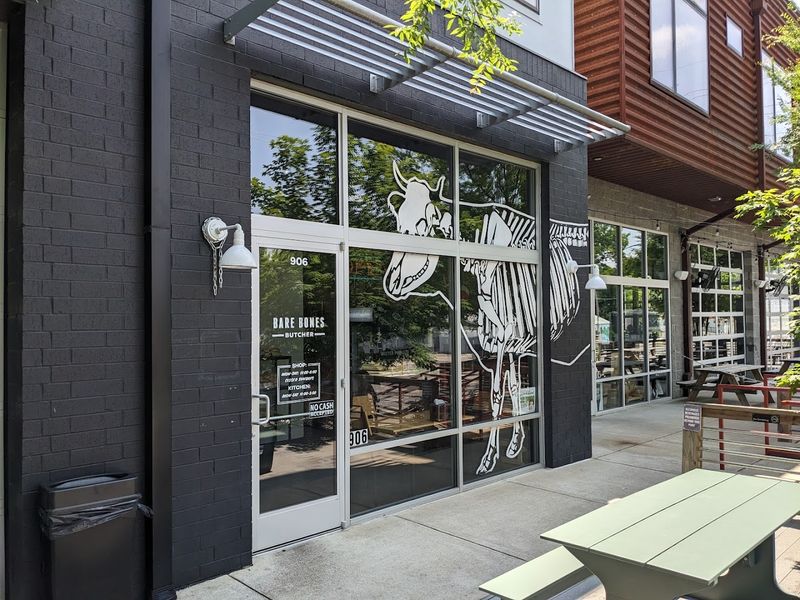
Nashville’s Bare Bones Butcher represents a newer wave of butcher shops—urban, craft-focused, and committed to whole-animal butchery and transparency. The name itself signals the philosophy: stripping away unnecessary additives, processing shortcuts, and mystery sourcing to deliver meat in its purest, most flavorful form.
Whole-animal butchery is a lost art that Bare Bones has reclaimed. Instead of ordering pre-cut primals from distributors, they break down entire animals, using every part and offering cuts you won’t find in typical grocery stores. That approach reduces waste, supports better sourcing, and gives customers access to a variety that most markets have abandoned.
Bare Bones butchers can explain where each cut comes from, how to cook it, and why it tastes the way it does. That level of expertise transforms shopping from a transaction into an education, especially for home cooks looking to expand their skills.
Nashville’s food scene has exploded in recent years, and Bare Bones Butcher fits perfectly into that evolution—serious about quality, passionate about craft, and unafraid to do things the hard way if it means better results. Whether you’re a seasoned cook or just tired of mediocre supermarket meat, this is where Nashville’s meat game steps up.