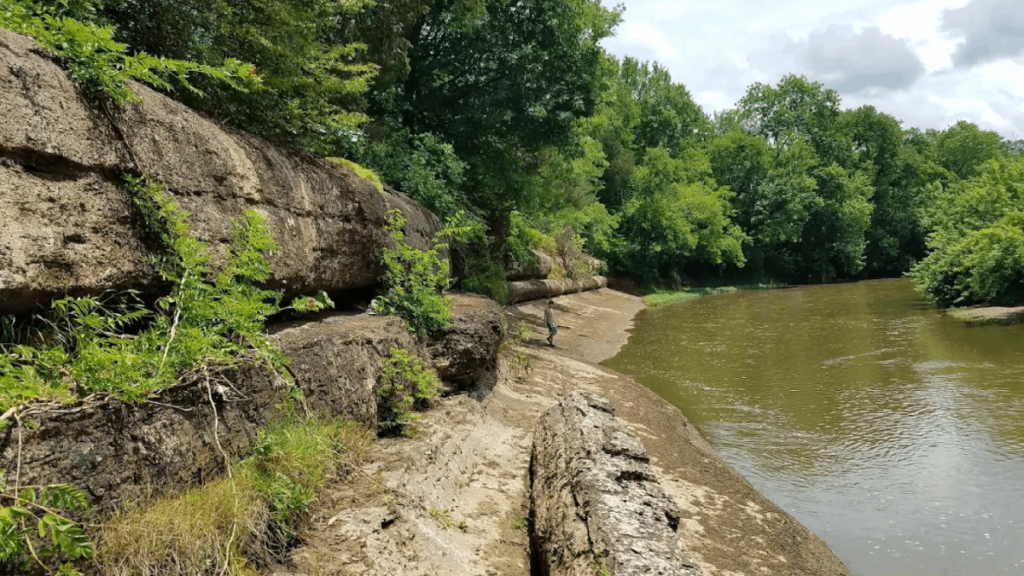
Tennessee’s rivers deserve a lot more attention than they usually get. While places like the Ocoee tend to steal the spotlight, there are plenty of other waterways flowing quietly across the state that offer just as much beauty, adventure, and charm—just without all the attention.
These lesser-known rivers wind through some of Tennessee’s most scenic landscapes, where you’ll find peaceful stretches of water, abundant wildlife, and the kind of calm that is getting harder to come by.
What makes these hidden gems so special is the different way they let you experience the state. Instead of crowded overlooks or busy trails, you get a view from the water, where everything feels a little slower and a little more connected to the landscape around you.
Whether you’re in the mood for an easy float, hoping to cast a line in a quiet fishing hole, or looking for a more rugged backcountry paddling trip, these rivers offer a fresh and memorable way to see Tennessee’s natural beauty.
1. Duck River
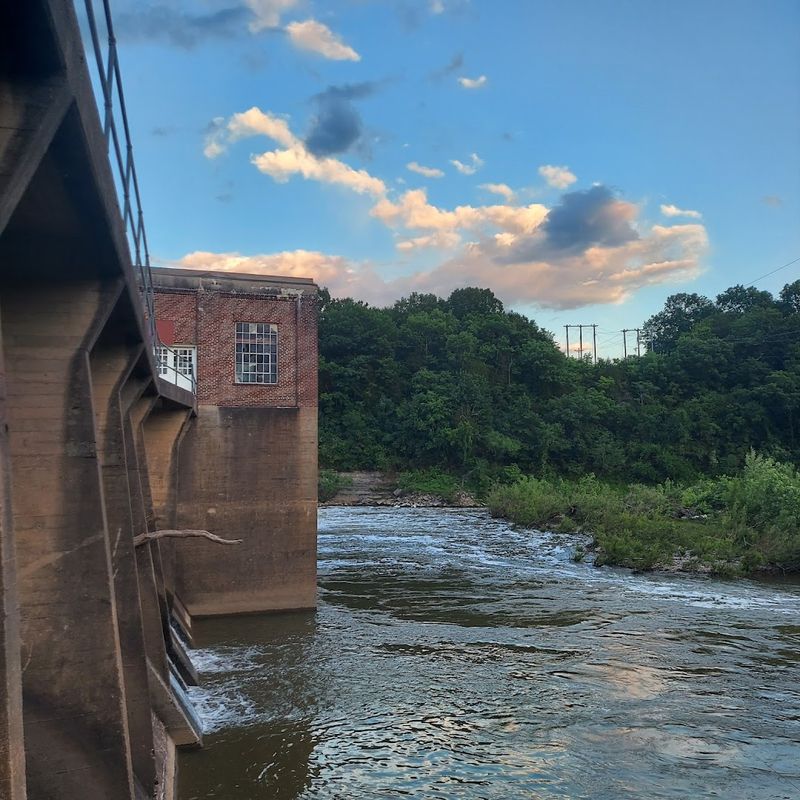
Middle Tennessee holds one of North America’s most biologically diverse rivers, yet most travelers pass it by without a second glance. The Duck River stretches over 280 miles and supports more than 150 species of fish and 60 types of freshwater mussels, making it an ecological treasure that rivals far more famous waterways. If you’re into wildlife spotting, this is your river.
Paddlers love the Duck for its gentle current and scenic beauty. The water stays clear most of the year, and the tree-lined banks create a canopy effect that feels almost magical on summer mornings. You’ll find plenty of access points for canoes and kayaks, especially around Columbia and Shelbyville, and the river rarely gets crowded even during peak season.
Fishing here is exceptional. Smallmouth bass, rock bass, and catfish are common catches, and the variety of aquatic life means you’re always discovering something new. Birdwatchers should bring binoculars—herons, kingfishers, and eagles frequently appear along the banks.
The Duck also offers a mix of easy floats and slightly more challenging sections, so beginners and experienced paddlers both find something to enjoy. Most trips take between two and four hours, depending on your chosen stretch.
Pack a lunch, bring a camera, and prepare to be surprised by how wild and beautiful this river truly is.
2. Buffalo River
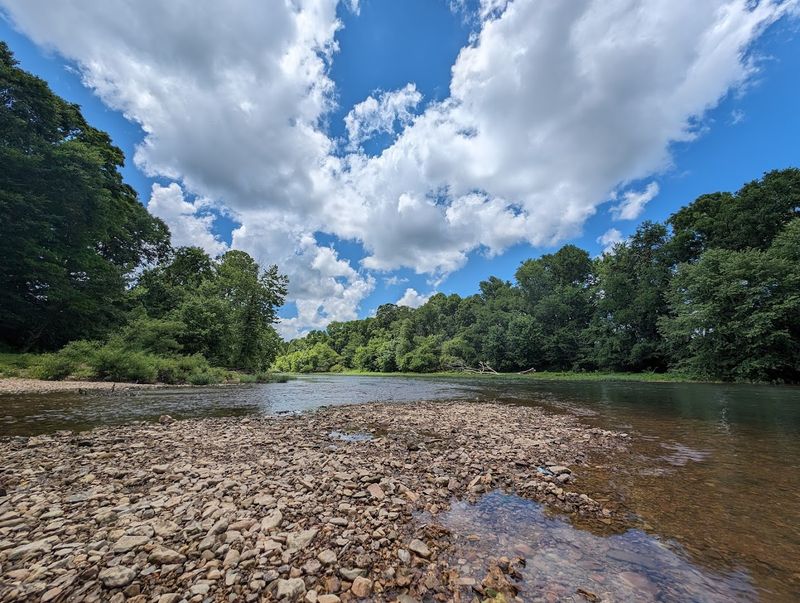
Tucked away in Middle Tennessee, the Buffalo Scenic River offers one of the quietest, most peaceful floats in the state. Unlike some rivers that only run during specific seasons, the Buffalo’s lower stretches stay floatable year-round, while upper sections typically open from November through August. That flexibility makes it a reliable choice no matter when you plan your trip.
Tennessee added a new paddlecraft access point here in 2025, which has made the Buffalo even more accessible for kayakers and canoeists. The additional launch site reduces crowding at older access points and opens up new sections of the river that were previously harder to reach.
It’s a small change that makes a big difference for anyone planning a day on the water.
The Buffalo moves at a relaxed pace, perfect for families or anyone who prefers a laid-back paddling experience. The surrounding landscape features limestone bluffs, wooded hillsides, and occasional sandbars where you can stop for a picnic or a quick swim. Wildlife sightings are common—deer, turtles, and a variety of birds call this area home.
Fishing is solid here, too, with smallmouth bass and rock bass being the main targets. The river stays relatively shallow in most spots, so wading is easy if you want to try your luck from the banks. Overall, the Buffalo delivers a classic Tennessee river experience without the noise and chaos of more popular destinations.
3. Obed River
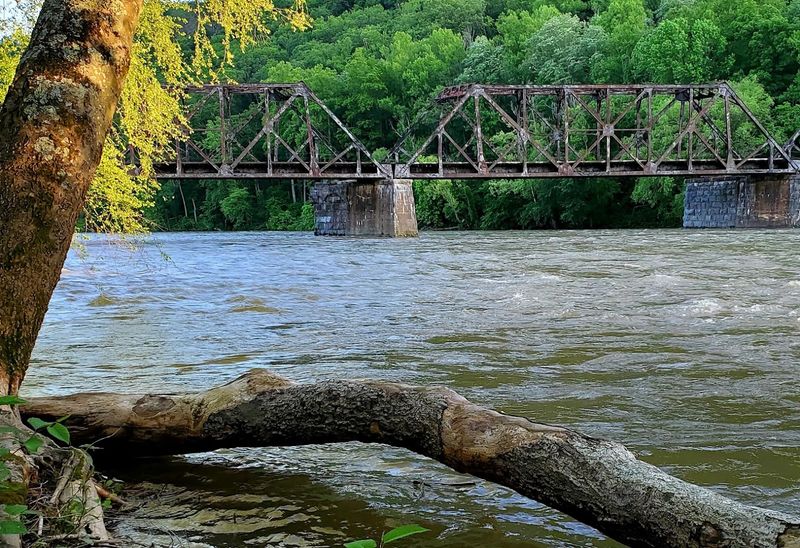
For those craving something wilder, the Obed River delivers big time. Part of the Obed Wild & Scenic River area on the Cumberland Plateau, this river system cuts through dramatic gorges and dense forests, creating a backcountry feel that’s hard to find elsewhere in Tennessee. It’s a place where nature still feels untamed.
Public access for canoes, kayaks, and rafts makes the Obed a favorite among paddlers who want more than a lazy float. Depending on water levels, sections of the river range from calm stretches perfect for beginners to technical rapids that challenge even experienced boaters.
Always check current conditions before you go—this river can change character quickly after heavy rain.
Beyond paddling, the Obed area offers world-class rock climbing, with sandstone cliffs that attract climbers from across the Southeast. Hiking trails wind along the river gorge, offering stunning overlooks and chances to spot wildlife like wild turkeys, white-tailed deer, and black bears. Camping is available at several primitive sites, letting you extend your adventure into a full weekend.
The Obed doesn’t get the same mainstream attention as some Tennessee rivers, which means you’ll often have long stretches to yourself. Bring your sense of adventure, pack appropriately for changing conditions, and expect a river experience that feels more remote and rugged than most.
It’s the kind of place that reminds you why Tennessee’s wild spaces are worth protecting.
4. Hiwassee River
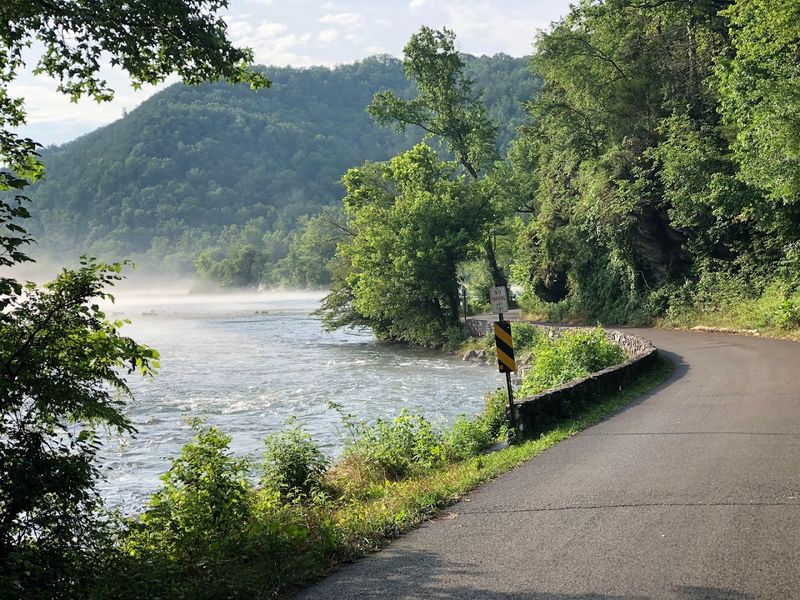
While the Ocoee River grabs most of the whitewater headlines in Southeast Tennessee, the Hiwassee quietly offers a 23-mile managed stretch that’s every bit as beautiful—and often more enjoyable. This river gives you stunning mountain scenery without the same level of crowds and commercialization, making it a smart pick for anyone seeking a more relaxed experience.
The Hiwassee works for multiple activities. Canoeists and rafters find plenty of manageable rapids mixed with calm pools, creating a balanced float that’s exciting without being overwhelming. Anglers target trout in the upper sections, especially below the dam where cold water releases create ideal conditions.
Hikers can explore trails along the riverbanks, and photographers will find endless opportunities to capture mountain views reflected in the water.
One of the best things about the Hiwassee is its variety. Some sections flow gently through pastoral farmland, while others cut through forested gorges with steep hillsides rising on both sides. The changing scenery keeps things interesting throughout your trip, and you’ll rarely feel like you’re seeing the same landscape twice.
Local outfitters offer guided trips and equipment rentals, but the river is also accessible for independent adventurers who prefer to plan their own routes. Water levels stay fairly consistent during the paddling season, and multiple access points make it easy to customize your trip length.
The Hiwassee proves you don’t need extreme whitewater or massive crowds to have an exceptional river day in Tennessee.
5. Harpeth River
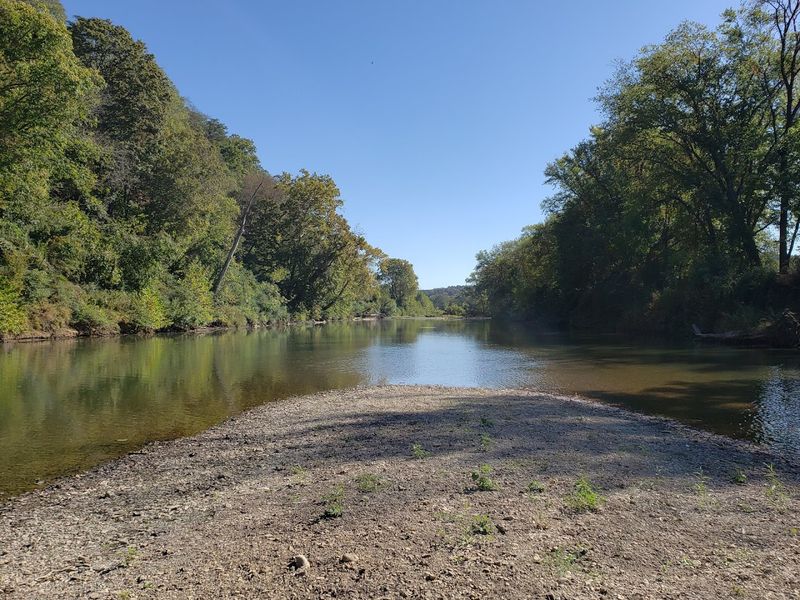
Just outside Nashville, the Harpeth River flows through 40 miles of surprisingly peaceful countryside that feels worlds away from the city’s hustle. Harpeth River State Park manages nine river access sites along this stretch, making it incredibly easy to plan a day trip without spending hours on logistics. It’s one of those rivers that’s simple to enjoy yet easy to underestimate.
The Harpeth is perfect for casual floats. The current moves steadily but gently, and you’ll rarely encounter anything more challenging than a few small riffles. That makes it ideal for families, beginners, or anyone who wants to spend more time relaxing than navigating rapids.
Most paddlers complete a typical section in three to five hours, leaving plenty of time to stop for lunch or exploration along the way.
History buffs will appreciate the historic sites dotting the riverbanks. Old mills, Civil War-era structures, and Native American sites add cultural depth to your river trip. The state park offers interpretive information at several access points, helping you understand the area’s rich past while you enjoy its natural beauty.
Because the Harpeth sits so close to Nashville, it’s become a favorite for locals who need a quick nature escape. Weekends can get busy during summer, but weekday trips usually offer more solitude.
The combination of accessibility, gentle water, and historical interest makes this river a hidden gem that deserves more recognition beyond Middle Tennessee’s paddling community.
6. Clinch River
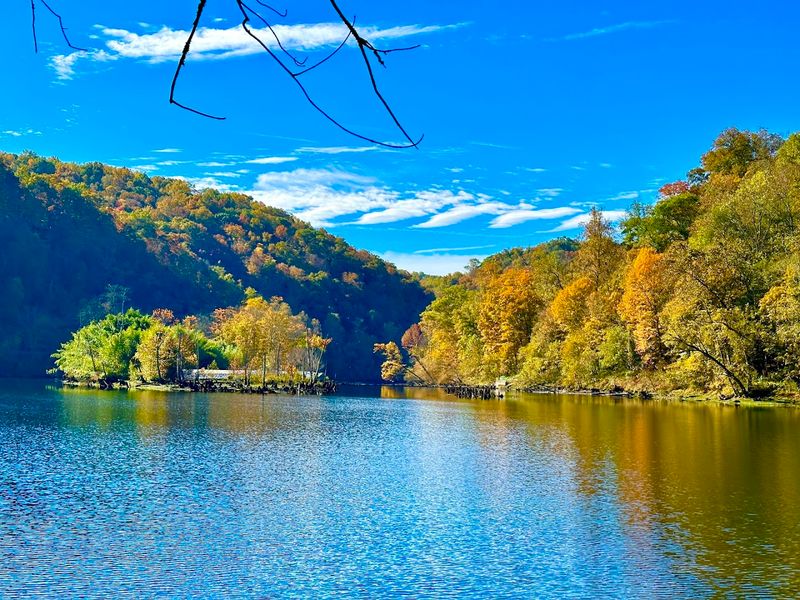
East Tennessee’s Clinch River doesn’t always make the shortlist of must-paddle waterways, but locals know better. The lower Clinch near Knoxville holds designated scenic river status, and the proposed Pellissippi Blueway is opening up new recreational opportunities along sections that were previously less accessible.
It’s becoming a go-to option for paddlers who want something different from the usual East Tennessee river routes.
The Clinch flows through a mix of landscapes, from agricultural valleys to wooded hillsides, creating diverse scenery that keeps your attention throughout the trip. Water quality is generally excellent, and the river supports healthy populations of fish, including smallmouth bass, muskie, and catfish. Anglers often have better luck here than on more crowded rivers simply because fewer people fish the Clinch regularly.
Paddling conditions vary by season and section. Spring brings higher water levels and faster currents, while summer and fall offer calmer floats better suited for beginners. The Blueway project is adding launch points and improving access, making it easier than ever to explore different sections without complicated shuttle arrangements.
Wildlife sightings are common along the Clinch. Herons stalk the shallows, turtles sun themselves on logs, and you might spot otters if you’re lucky and quiet. The river maintains a peaceful, uncrowded atmosphere even during peak season, partly because it hasn’t received the same tourism marketing push as other Tennessee waterways.
That’s good news for anyone seeking a more authentic, less commercialized river experience.
7. Hatchie River
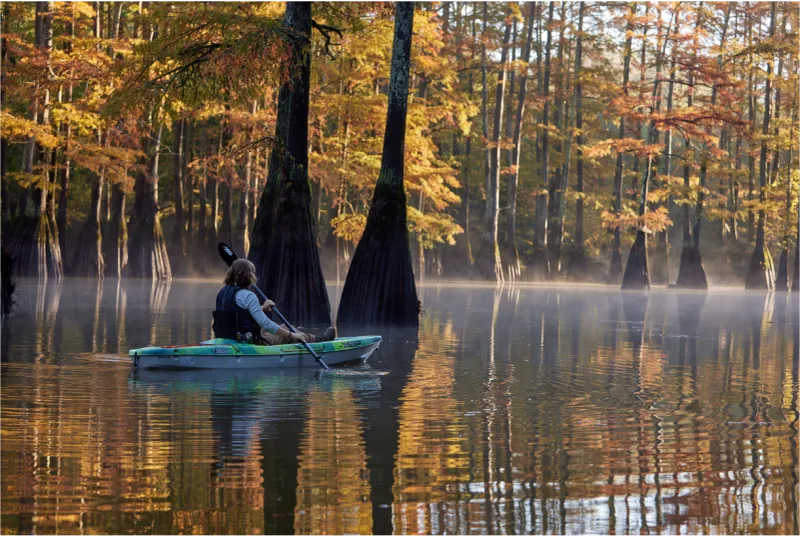
Way out in West Tennessee, the Hatchie River holds a distinction no other Tennessee waterway can claim—it’s the only river in the state designated as scenic along its entire length. It’s also the longest free-flowing tributary of the lower Mississippi River, which gives it an ecological richness and remoteness that’s increasingly rare. This isn’t a river you stumble upon by accident; you have to seek it out, and that’s part of its appeal.
The Hatchie feels different from most Tennessee rivers. Cypress trees rise from the water, creating an almost swampy atmosphere in some sections that’s more reminiscent of deep Southern waterways than typical Tennessee landscapes. The surrounding bottomland hardwood forests support an incredible diversity of wildlife, including species that are uncommon elsewhere in the state.
Birdwatchers especially love the Hatchie for its populations of waterfowl, wading birds, and neotropical migrants.
Paddling here requires more planning than on developed rivers. Access points are limited, and you’ll need to be comfortable with more primitive conditions. Water levels can fluctuate significantly, and some sections become difficult or impossible to navigate during low water periods.
Check conditions before you go, and consider connecting with local paddling groups who know the river well.
The Hatchie’s remoteness is exactly what makes it special. You’ll paddle for miles without seeing another person, surrounded by wild landscapes that feel genuinely untouched. It’s a river for adventurers who value solitude and ecological richness over convenience and amenities.
8. Caney Fork River
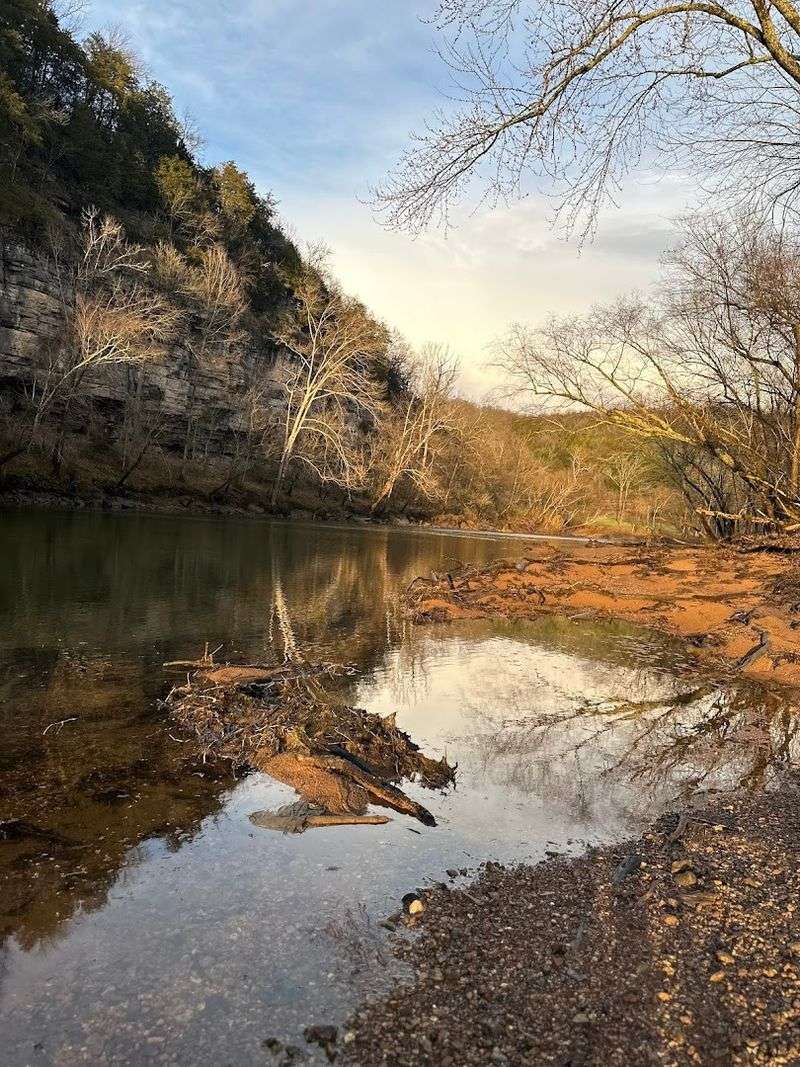
Overshadowed by nearby Center Hill Lake and more famous rafting destinations, the Caney Fork River quietly offers some of the prettiest water in Middle Tennessee. Long scenic stretches wind through forested countryside, and the river maintains a peaceful, unhurried character that’s perfect for anyone seeking relaxation over adrenaline.
It’s the kind of place where you can spend a full day on the water and never feel rushed or crowded.
Fishing is a major draw on the Caney Fork. The tailwater section below Center Hill Dam stays cold year-round, creating ideal habitat for trout. Anglers target rainbow and brown trout in these waters, and the fishing can be spectacular, especially during hatches.
Downstream sections warm up and support bass, catfish, and other warmwater species, giving you options depending on what you want to target.
Boaters appreciate the variety here. Calm sections near the lake are perfect for leisurely paddling or motorized craft, while other stretches offer gentle current and occasional riffles that add interest without requiring advanced skills. The forested shoreline provides shade during hot summer days, and sandbars create natural stopping points for picnics or swimming breaks.
Access is relatively easy, with multiple public launch sites serving different sections of the river. The Caney Fork doesn’t demand the same level of planning or skill as wilder Tennessee rivers, making it accessible for families and beginners. Yet it still delivers genuine natural beauty and excellent recreational opportunities that rival far more famous waterways.
Sometimes the best rivers are the ones that don’t make the loudest noise.