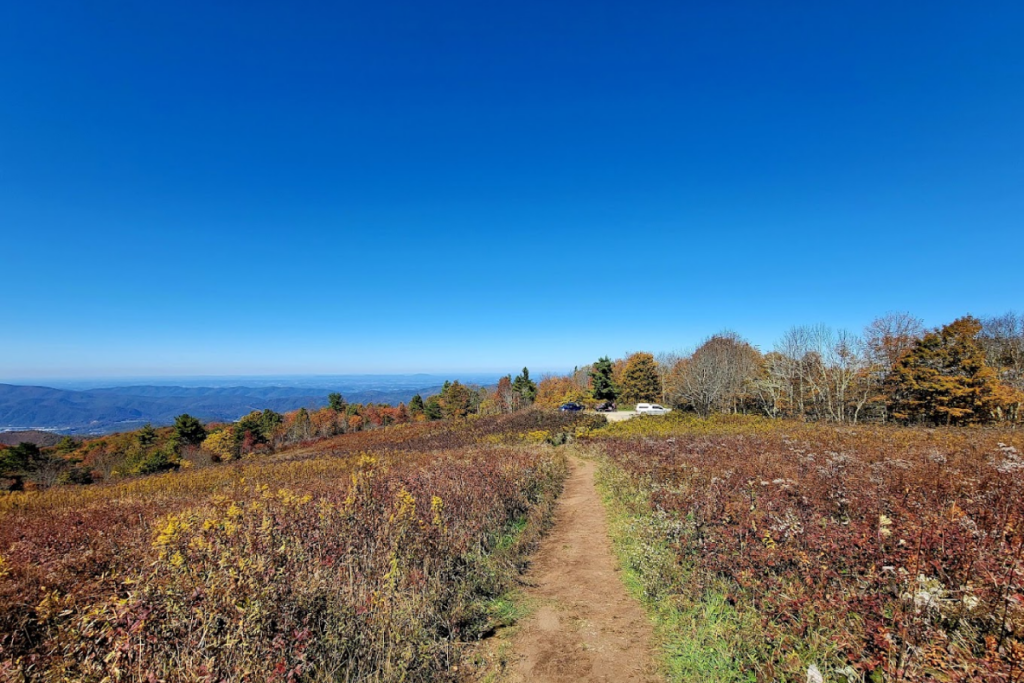
Tennessee stretches far beyond the neon glow of Broadway and honky-tonk bars. From underground waterfalls plunging into cavern depths to mountaintop adventures with glass gondolas, the Volunteer State hides some of the country’s most jaw-dropping attractions in its hills, valleys, and forgotten corners.
Whether you’re chasing waterfalls in ancient state parks, exploring flooded cypress forests, or riding roller coasters at world-class theme parks, these 15 spots prove Tennessee’s best experiences happen far from the capital’s crowds.
1. Great Smoky Mountains National Park
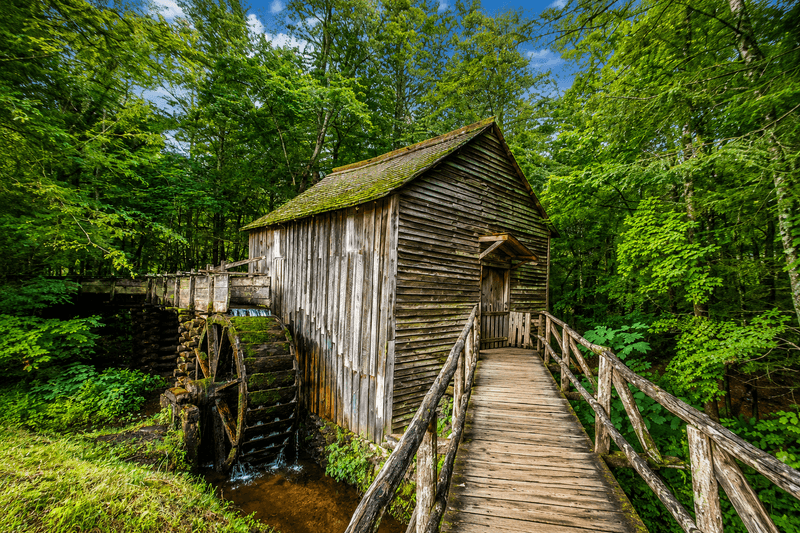
America’s most-visited national park sits right on Tennessee’s doorstep, yet it feels a world away from any city. Over 800 square miles of protected wilderness sprawl across the border with North Carolina, offering everything from easy roadside overlooks to backcountry trails that’ll test your stamina.
The park recorded more than 13 million visitors in recent years, but its sheer size means you can still find quiet corners if you know where to look.
Cades Cove loops through historic farmland where deer graze near preserved cabins and churches from the 1800s. Clingmans Dome rewards a short but steep paved walk with 360-degree views from the park’s highest point.
Laurel Falls, Grotto Falls, and Abrams Falls each offer different waterfall experiences, from family-friendly strolls to rockhopping adventures.
Wildlife watching here ranks among the best in the eastern United States. Black bears roam the forests, elk bugle in Cataloochee Valley during fall, and salamanders outnumber all the park’s other vertebrates combined.
Spring brings wildflower explosions, summer delivers lush green canopies, fall paints the mountains in fiery reds and golds, and winter occasionally dusts the peaks with snow.
The park charges zero entrance fees, making it one of the country’s most accessible natural wonders. Multiple gateway towns offer lodging and supplies.
Gatlinburg and Townsend provide the closest access to major trailheads. Rangers lead free programs year-round, from guided nature walks to evening talks about the park’s history and ecology.
Plan extra time because distances take longer than maps suggest on winding mountain roads. Cell service disappears in many areas, so download maps beforehand.
The park’s 800 miles of trails range from wheelchair-accessible paths to rugged scrambles requiring real hiking experience and proper gear.
2. Dollywood
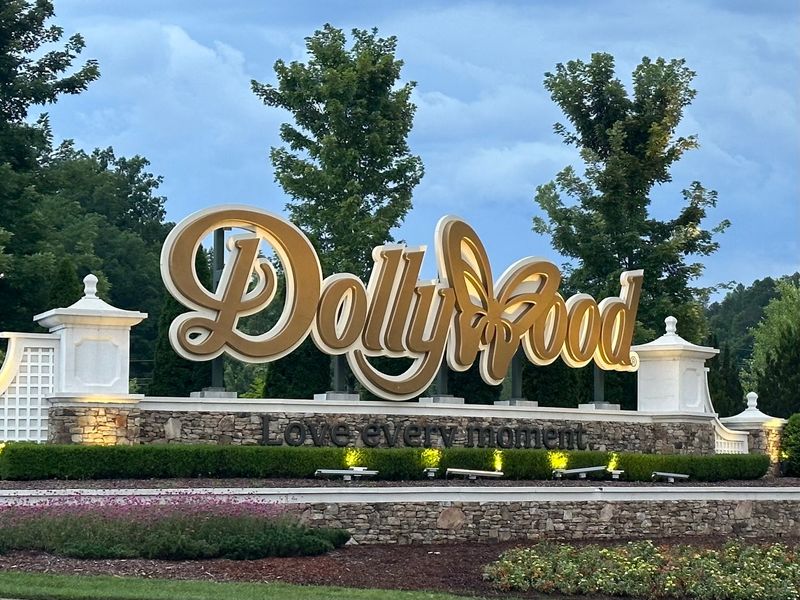
Dolly Parton’s namesake park has grown from a regional attraction into one of America’s top theme parks, blending world-class thrill rides with authentic Appalachian culture. Spread across 160 acres in Pigeon Forge, the park draws millions annually who come for the coasters but stay for the craftspeople, live music, and food that tastes like someone’s grandmother made it.
The park’s commitment to showcasing mountain heritage sets it apart from cookie-cutter corporate theme parks.
Roller coaster fans have plenty to scream about. Lightning Rod launches riders from zero to 45 mph in under four seconds before racing through a terrain-hugging course.
Wild Eagle soars riders face-down above the treetops. Big Bear Mountain, the newest coaster, winds through the forest with family-friendly thrills that don’t require an iron stomach.
The 2026 season brought NightFlight Expedition, an attraction that extends Dollywood’s evening offerings and adds another reason to stick around after sunset. Combined with the park’s signature Christmas lights display and seasonal festivals, there’s always something new pulling visitors back for repeat trips.
Dollywood’s Splash Country water park next door operates during warmer months.
Craftspeople demonstrate blacksmithing, glassblowing, woodcarving, and other traditional mountain trades throughout the park. The Grist Mill grinds cornmeal you can actually buy and take home.
Multiple stages host bluegrass, gospel, and country performances daily, and the park’s own shows rival anything in nearby Branson or even Nashville itself.
Food here goes way beyond typical theme park fare. Cinnamon bread has achieved cult status. Southern classics like fried chicken, biscuits and gravy, and pulled pork appear on menus park-wide.
The park stays open late during peak seasons, and spring’s Flower and Food Festival brings special menus and garden displays worth planning a trip around.
3. Ruby Falls
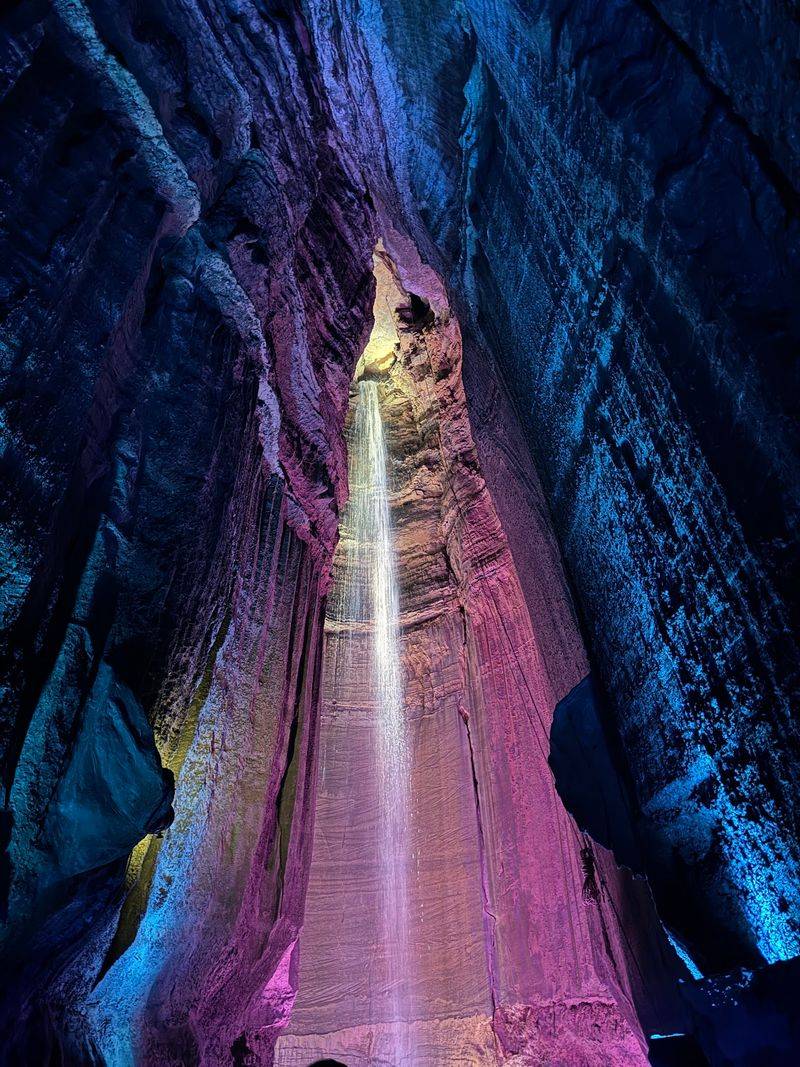
Descending 260 feet beneath Lookout Mountain to witness a 145-foot underground waterfall sounds like something from a fantasy novel, but Ruby Falls delivers exactly that experience. Discovered in 1928 when cave explorer Leo Lambert drilled an elevator shaft and found a previously unknown cavern, the falls have been stunning visitors for nearly a century.
The combination of natural wonder and human ingenuity makes this one of Tennessee’s most unique attractions.
Guided tours lead groups through narrow passageways lined with limestone formations that took millions of years to form. Stalactites hang from ceilings like stone icicles.
Flowstone cascades down walls in frozen waterfalls of rock. The formations have earned whimsical names like Dragon’s Foot and Elephant’s Ear based on their shapes, and guides share both geological facts and local legends.
The main event arrives after roughly 20 minutes of walking through the cave system. The cavern opens into a tall chamber where Ruby Falls plunges from a crack in the ceiling, illuminated by colored lights that shift through the spectrum.
The theatrical lighting adds drama, though purists might prefer a simpler presentation. Either way, standing beside a waterfall inside a mountain creates a memorable moment worth the admission price.
Above ground, the Lookout Mountain Tower offers panoramic views stretching across three states on clear days. The Blue Heron zipline course lets adrenaline seekers soar above the treetops.
A café and gift shop provide the expected amenities. The entire experience typically takes two to three hours from arrival to departure.
Tours require moderate walking and navigating some uneven surfaces, but most visitors handle it fine. The cave maintains a constant 60 degrees year-round, so bring a light jacket even in summer.
Book tickets online during peak seasons because tours fill up quickly. Photography is allowed, though the low light and moving groups make great shots challenging without patience and a steady hand.
4. Tennessee Aquarium
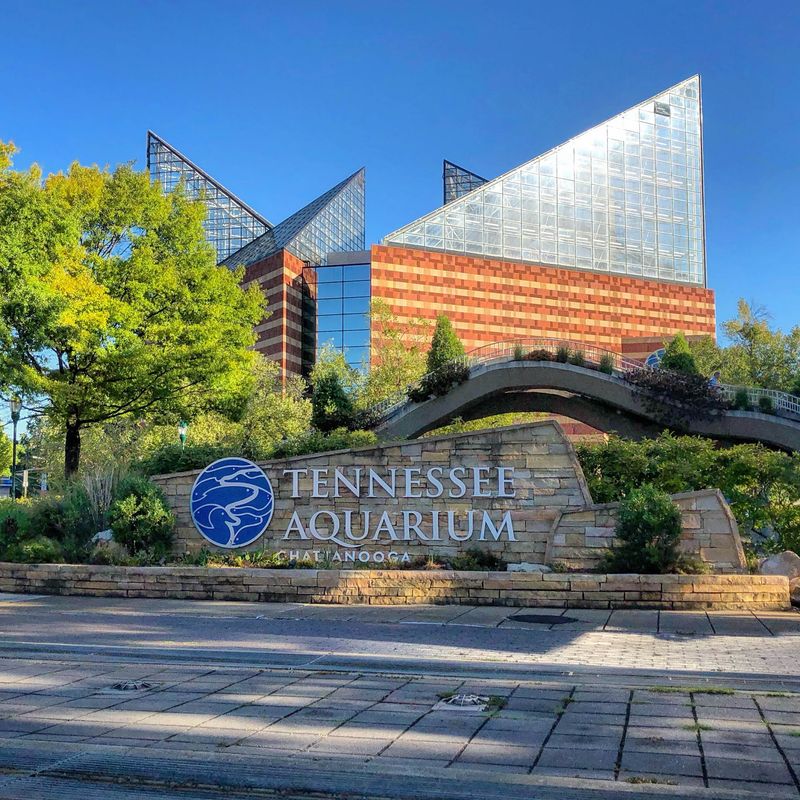
Two massive buildings on Chattanooga’s revitalized riverfront house one of the country’s finest aquariums, focusing on freshwater ecosystems in one tower and ocean habitats in the other. This dual-building approach lets the aquarium tell stories about rivers, lakes, and seas with more depth than most single-building facilities manage.
Families can easily spend an entire day here without covering everything, especially if kids linger at the touch tanks or catch one of the dive shows.
The River Journey building traces water from Appalachian mountain streams down through the Tennessee River system to the Gulf of Mexico. Exhibits recreate each ecosystem with native fish, turtles, and other creatures.
River otters play in a naturalistic habitat that’s consistently mobbed by delighted kids. A massive two-story tank holds sturgeon, paddlefish, and other river giants that most people never see in the wild.
Ocean Journey takes visitors from tropical reefs to cold Pacific waters. Butterfly gardens bloom year-round in a climate-controlled space where hundreds of colorful species flutter freely.
The penguin exhibit features a rocky shore habitat where the birds waddle, swim, and generally steal the show. Jellyfish tanks mesmerize with their alien grace, backlit to highlight their translucent bells and trailing tentacles.
Touch tanks throughout both buildings let visitors feel stingrays, horseshoe crabs, and other creatures under staff supervision. Daily programs include penguin feedings, dive shows in the big tanks, and educational talks about conservation efforts.
The aquarium participates in breeding programs for endangered species, adding a serious conservation mission beneath the entertainment surface.
Combo tickets covering both buildings offer the best value since seeing just one leaves the experience incomplete. Peak summer weekends get crowded, so weekday mornings provide easier viewing.
The location in downtown Chattanooga puts other attractions like the Hunter Museum of American Art and Coolidge Park within walking distance. Parking garages nearby charge reasonable rates, or the free electric shuttle connects downtown destinations.
5. The Lost Sea Adventure
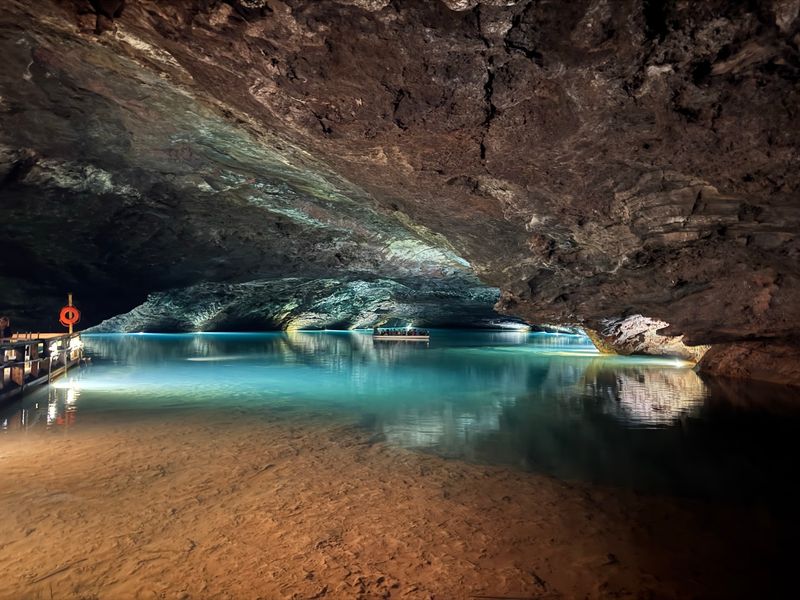
Certified by Guinness World Records as America’s largest underground lake, the Lost Sea hides beneath the Craighead Caverns in Sweetwater, roughly an hour southwest of Knoxville. Glass-bottom boat tours glide across the 4.5-acre lake that early settlers discovered, and scientists still don’t know the full extent of the water system beneath the surface.
The combination of geological wonder and historical intrigue makes this more than just another cave tour.
The adventure begins with a descent through well-lit cave passages featuring impressive formations. Anthodites sprout from walls like crystalline flowers.
Massive columns connect floor to ceiling where stalactites and stalagmites merged over millennia. Guides share stories about the cave’s use as a Cherokee council chamber, a Civil War saltpeter mine, and a Prohibition-era speakeasy, adding human history to the geological timeline.
After about a half-mile walk, the path reaches the Lost Sea itself. The lake’s water maintains remarkable clarity and a constant 58-degree temperature year-round.
Glass-bottom boats carry visitors across the dark water while guides point out rare cave fish and explain how the lake formed. The ceiling disappears into darkness overhead, and divers have explored connected passages extending far beyond what tours visit.
Above ground, the property includes nature trails, gemstone mining for kids, and a village of shops and cafés. The Craighead Caverns complex tries to offer something for everyone, though the underground lake remains the undisputed star attraction.
Tours run year-round regardless of weather since cave temperatures stay consistent.
The tour involves walking about three-quarters of a mile on paved paths with some inclines, manageable for most fitness levels but potentially challenging for those with mobility issues. The cave’s constant cool temperature means bringing a jacket even on hot summer days.
6. Cumberland Caverns
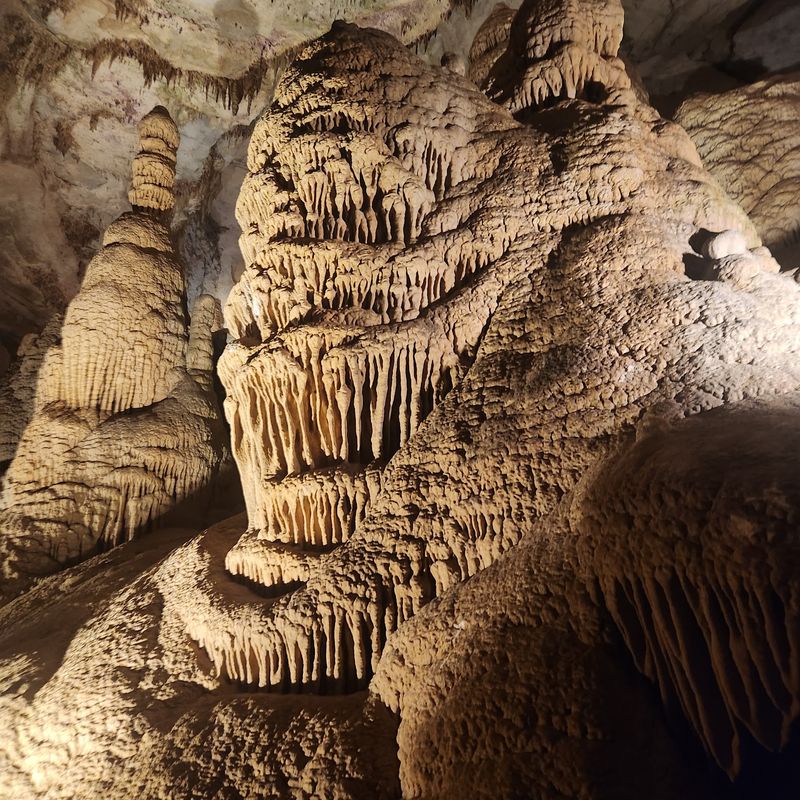
While Ruby Falls and the Lost Sea grab most of the cave tourist attention, Cumberland Caverns near McMinnville offers arguably the most spectacular underground formations in Tennessee. The cavern system stretches for 32 miles beneath the Cumberland Plateau, though tours explore only a fraction of that distance.
What sets this cave apart is the sheer variety of formations and the unique experiences offered beyond standard guided walks.
Regular tours wind through rooms filled with formations that seem to defy gravity and imagination. Flowstone curtains drape from ceilings like stone fabric.
Helictites twist in impossible directions, ignoring the downward pull that shapes most cave formations. The Volcano Room features a massive formation that does look remarkably like a volcano, complete with a crater-like depression at the top.
Ten Acre Hall lives up to its name as one of the largest cave rooms in the eastern United States.
The Bluegrass Underground concert series turned a natural amphitheater 333 feet underground into an intimate music venue where acoustics benefit from the stone surroundings. Artists from multiple genres perform here, and tickets sell out quickly for this bucket-list experience.
The chandelier hanging in the space adds an surreal touch of elegance to the prehistoric setting.
Adventure tours let experienced cavers explore undeveloped sections with helmets, headlamps, and a willingness to crawl through tight spaces. These tours last up to nine hours and require signing waivers, but they reveal the cave as early explorers found it.
Wild cave expeditions aren’t for everyone, but they offer an authentic caving experience impossible to get on paved tourist routes.
The property includes campgrounds, hiking trails, and gem mining activities for kids. A restaurant serves meals on-site, convenient since McMinnville’s dining options are limited.
Tours run year-round with the cave maintaining a constant 56 degrees. The drive from major cities takes longer than to more famous caves, but the smaller crowds and impressive formations reward the extra effort.
Reservations are recommended, especially for weekend visits and special events.
7. Fall Creek Falls State Park
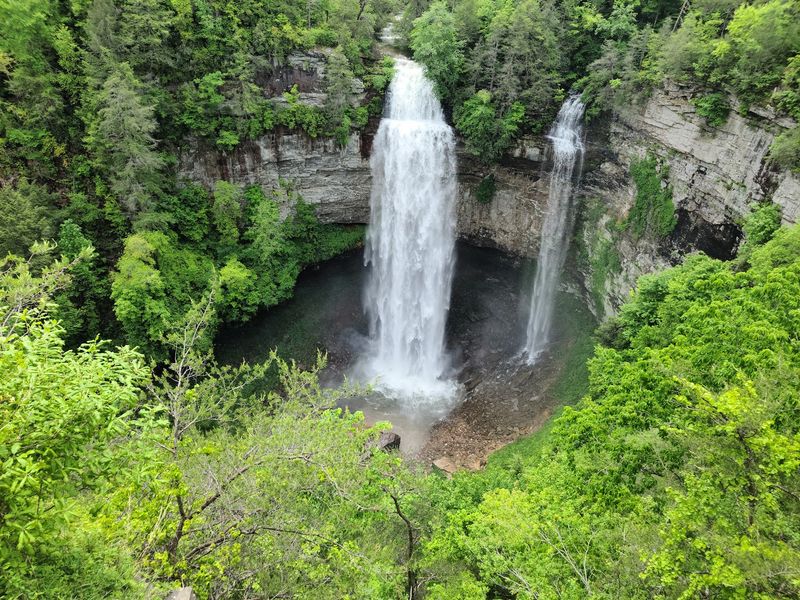
Tennessee’s largest state park sprawls across 30,000 acres of the Cumberland Plateau, centered on a gorge system that holds some of the Southeast’s most impressive waterfalls. The park’s namesake Fall Creek Falls plunges 256 feet, making it one of the tallest waterfalls east of the Rocky Mountains.
But the park offers way more than one big waterfall, with four other major cascades, dozens of miles of trails, and enough outdoor activities to fill a week-long vacation.
Cane Creek Falls drops 85 feet into a picture-perfect pool, accessible via a moderate trail that rewards hikers with close-up views. Cane Creek Cascades spreads across a wide rock face in a series of smaller drops that photograph beautifully.
Piney Falls requires a longer hike but sees fewer crowds. Coon Creek Falls rounds out the collection, each cascade offering different character and requiring varying levels of effort to reach.
The gorge overlooks provide stomach-dropping views into the valleys below. Suspension bridges span creeks, adding adventure to several trails.
Rock formations include natural arches, overhangs, and boulder fields that appeal to climbers and scramblers. The park’s size and diverse terrain support deer, wild turkey, and occasional black bear sightings, along with dozens of bird species that make this a solid birding destination.
Unlike national parks that limit development, Fall Creek Falls offers full resort amenities. An inn provides comfortable rooms with gorge views. Cabins scattered through the woods range from basic to luxurious. Campgrounds accommodate tents and RVs.
The park includes a restaurant, swimming pool, golf course, and nature center, making it possible to visit without camping gear or roughing it at all.
Spring brings wildflowers and full waterfalls from seasonal rains. Summer offers swimming and the fullest range of activities, though crowds peak. Fall delivers spectacular foliage that rivals anything in the Smokies. Winter quiets down considerably, with some facilities closed but trails still accessible for hardy hikers.
The park sits about 70 miles southeast of Cookeville, far enough from major cities to maintain a peaceful atmosphere even during busy seasons.
8. Museum of Appalachia
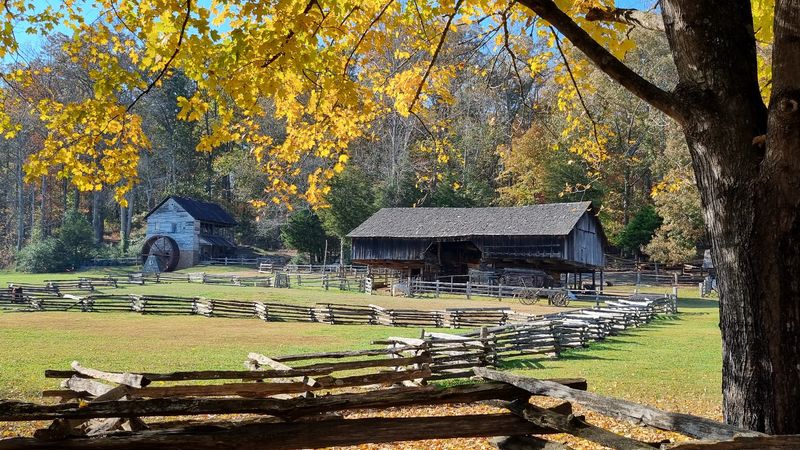
Stepping onto the grounds of the Museum of Appalachia feels like traveling back to the 1800s when life moved slower and people made everything by hand. Spread across 65 acres near Clinton, about 20 miles northwest of Knoxville, this living history museum preserves the material culture and folkways of Southern Appalachia through one of the most extensive collections of its kind.
Founder John Rice Irwin spent decades gathering buildings, tools, and stories before his death, creating a monument to a vanishing way of life.
More than 30 historic structures dot the property, relocated from across the region and restored to their original appearance. Log cabins show how families lived with dirt floors and stick-and-mud chimneys.
A one-room schoolhouse contains wooden desks carved with generations of initials. Barns, smokehouses, and outbuildings demonstrate how people stored food and sheltered livestock.
Each building is furnished with period-appropriate items, from cast-iron cookware to handmade quilts.
The main exhibit hall houses over 250,000 artifacts ranging from farm tools to musical instruments. Homemade toys show the ingenuity of children who had no stores to buy from.
Quilts display patterns passed down through families. Musical instruments include dulcimers, banjos, and fiddles that played at countless square dances.
Reading the handwritten labels reveals personal stories behind many objects, connecting visitors to real people rather than abstract history.
Living history demonstrations happen regularly, with craftspeople showing skills like blacksmithing, weaving, and soapmaking. The annual Tennessee Fall Homecoming in October draws thousands for music, crafts, and food celebrating Appalachian heritage.
Musicians play traditional tunes on the porches of historic buildings, creating an atmosphere that feels authentic rather than staged for tourists.
Plan at least two to three hours to see everything, though serious history buffs could easily spend a full day. The outdoor sections require walking on uneven ground, so wear appropriate shoes.
The museum operates year-round with reduced winter hours. Admission prices are reasonable, and the experience offers way more substance than typical roadside attractions.
This is the real deal for anyone interested in how ordinary people lived before modern conveniences.
9. Reelfoot Lake State Park
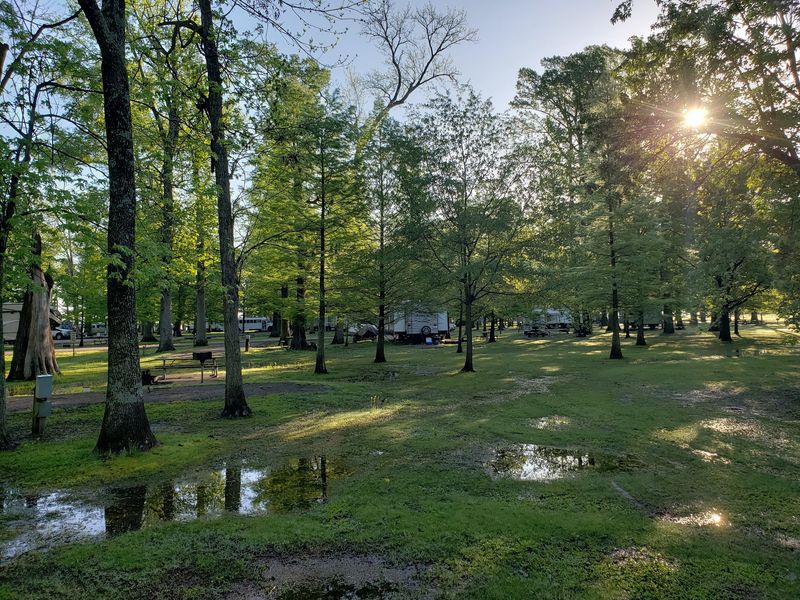
Earthquakes created Reelfoot Lake when the New Madrid Seismic Zone shook the region in 1811-1812, causing the Mississippi River to flow backward temporarily and flooding a forested area. Today the shallow lake covers about 15,000 acres in Tennessee’s northwest corner, its waters dotted with bald cypress trees draped in Spanish moss.
The landscape looks more like Louisiana than what most people picture when they think of Tennessee, offering a completely different ecosystem from the state’s mountainous east.
Bald eagles winter here in impressive numbers, making Reelfoot one of the best eagle-watching spots in the Southeast. The annual Eagle Tours run from January through mid-March, with boat trips and bus tours bringing visitors close to roosting and hunting eagles.
Seeing a bald eagle snatch a fish from the water ranks among wildlife watching’s most thrilling moments. The park’s Eagle Festival in February combines tours with educational programs about these recovering raptors.
Fishing draws anglers year-round for crappie, bass, and catfish that thrive in the shallow, fertile waters. The lake’s stumps and cypress knees create structure that holds fish but also challenges navigation.
Local guides know the safe routes and productive spots, highly recommended for first-time visitors. Fishing regulations are complex, so check current rules before wetting a line.
Boardwalk trails wind through cypress swamps where herons stalk frogs and turtles sun on logs. The flooded forest creates an eerie beauty, especially early morning when mist rises from the water.
Fall migration brings thousands of ducks and geese that darken the sky in massive flocks. Spring fills the air with frog calls and returning songbirds. Each season offers different wildlife viewing opportunities.
The park provides camping, cabins, and a visitor center with exhibits about the lake’s formation and ecology. Pontoon boat rentals let visitors explore at their own pace.
The small town of Tiptonville offers limited dining and supplies. Getting here requires commitment since Reelfoot sits far from interstates in Tennessee’s least-populated corner, but that remoteness preserves the wild character that makes it special.
The drive from Memphis takes about two hours, from Nashville closer to three.
10. Big South Fork National River and Recreation Area
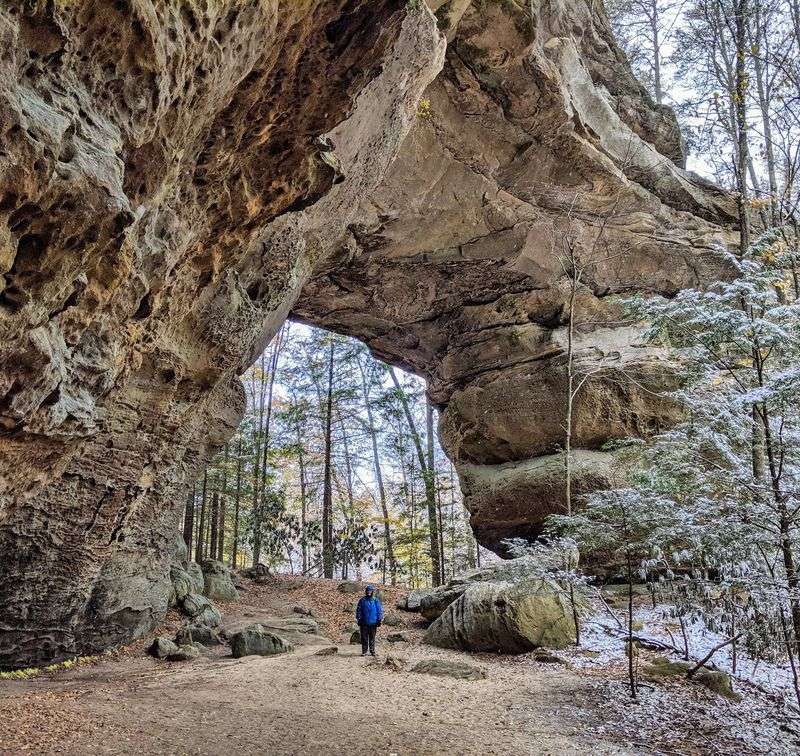
Straddling the Tennessee-Kentucky border, Big South Fork protects 125,000 acres of rugged plateau country carved by the Big South Fork of the Cumberland River and its tributaries. The gorges here drop 500 feet in places, their sandstone cliffs riddled with arches, rockshelters, and waterfalls.
This remains one of Tennessee’s least-crowded major natural areas despite offering scenery and recreation that rival better-known parks, probably because it requires more effort to reach and explore.
The river itself draws paddlers for multi-day canoe and kayak trips through remote gorges. Class II-III rapids provide excitement without requiring expert skills, though spring’s high water can push into Class IV territory.
Outfitters in the area offer guided trips and shuttle services. Commercial rafting operations run during peak seasons, good for families or groups who want the experience without the logistics.
Hiking trails range from easy riverside strolls to challenging ridge-top treks. The Twin Arches trail leads to two of the largest natural sandstone arches in the eastern United States, both impressive enough to rival anything out West.
Yahoo Falls, technically just across the Kentucky line, drops 113 feet and requires only a short walk. The John Muir Trail stretches 50 miles for serious backpackers seeking solitude.
Horseback riding is huge here, with over 180 miles of designated equestrian trails and multiple campgrounds that accommodate horses. The area’s history includes coal mining, and preserved mining camps and equipment add historical interest to some trails.
The Bandy Creek Visitor Center provides maps, permits, and information about current conditions.
Rock climbing and bouldering opportunities abound on the gorge’s sandstone walls, though routes aren’t as developed or documented as in more famous climbing areas. Mountain biking is allowed on many trails, offering challenging terrain for experienced riders.
Hunting and fishing are permitted in season with proper licenses, adding another dimension for outdoor enthusiasts.
Oneida, Tennessee serves as the main gateway town, though facilities are limited. Plan to be self-sufficient with supplies and be prepared for limited cell service.
The park sees heaviest use during spring and fall when temperatures moderate and water levels are reliable. Summer can be hot and buggy in the gorges, winter occasionally brings ice and snow that close roads.
11. Anakeesta
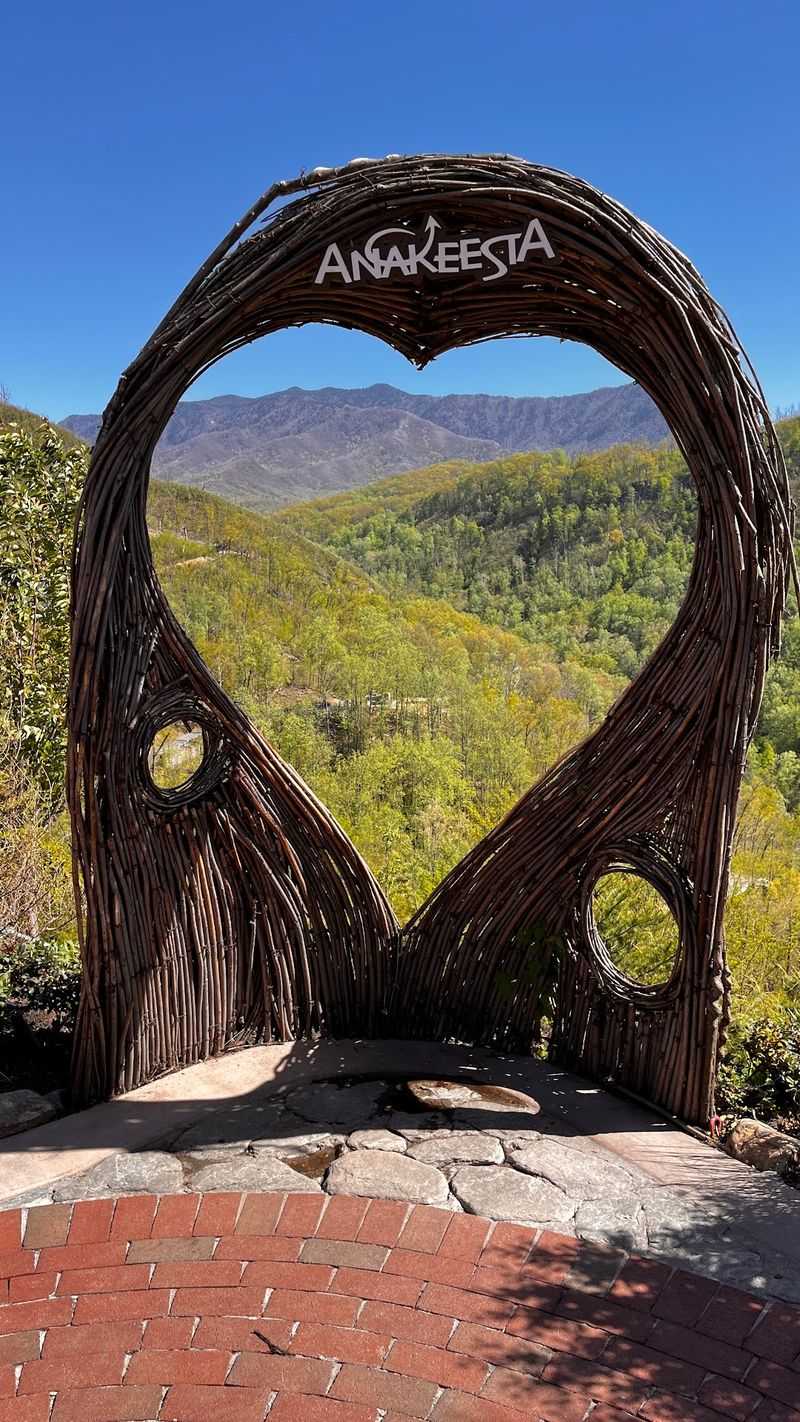
Perched on the slopes above downtown Gatlinburg, Anakeesta transformed a former ski area into a mountaintop playground mixing adventure activities, stunning views, and family-friendly attractions. Since opening in 2017, the park has rapidly expanded, and the 2026 additions pushed it into must-visit territory for Smokies visitors.
The Crystal Express glass gondola now carries guests up the mountain in transparent cabins that let riders see straight down through the forest canopy, an experience that thrills or terrifies depending on your comfort with heights.
The expanded Treetop Skywalk now stretches even farther through the forest canopy on suspension bridges that sway gently as you walk. Views extend across multiple ridges of the Smoky Mountains, spectacular during fall foliage season.
The Rail Runner mountain coaster winds down through the woods at speeds riders control, offering either a gentle scenic ride or white-knuckle thrills. Dueling ziplines let pairs race side-by-side across the mountainside.
New nighttime experiences added in 2026 extend the park’s operating hours and create different atmospheres after dark. Illuminated trails, special lighting effects, and evening entertainment turn Anakeesta into a different place once the sun sets.
The timing works perfectly for visitors who spend days hiking or exploring other Gatlinburg attractions, then head up the mountain for dinner and evening activities.
Multiple restaurants serve everything from quick bites to sit-down meals, all with mountain views that beat any restaurant in town. The Smokehouse barbecue draws consistent praise.
The Black Bear Village shopping area features local artisans and crafts, more interesting than typical tourist trap merchandise. Playground areas keep younger kids entertained while parents relax on the observation decks.
The park sits within walking distance of downtown Gatlinburg hotels, though the uphill grade makes the ridge shuttle or driving more appealing for most visitors. All-day admission includes unlimited rides on the gondola and access to all attractions except the ziplines and coaster, which cost extra.
The park operates year-round with seasonal hours and occasional closures for weather. Book tickets online for modest discounts compared to gate prices.
Plan three to four hours minimum, longer if you want to do everything and enjoy a meal.
12. Northrup Falls at Colditz Cove State Natural Area
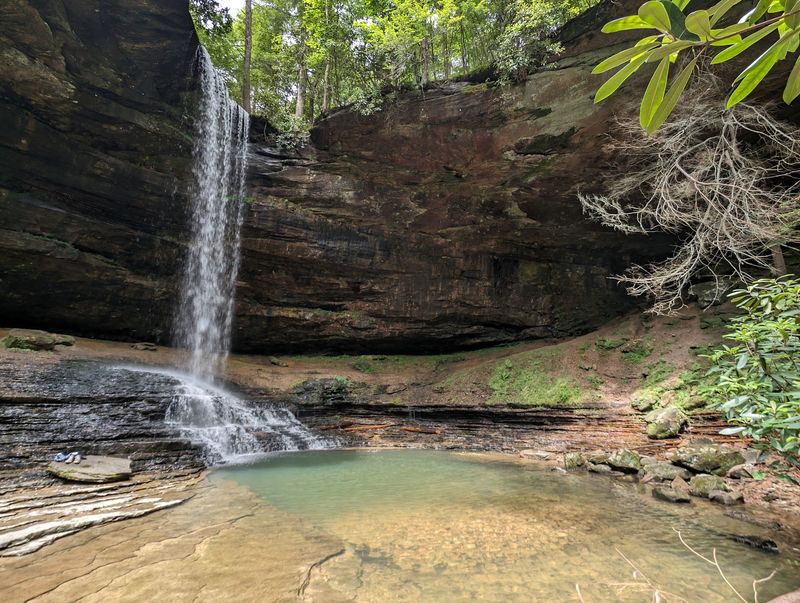
Hidden in the Big South Fork region near Jamestown, Northrup Falls remains one of Tennessee’s best-kept secrets despite being one of its most beautiful waterfalls. The falls drop about 60 feet in a series of cascades over layered sandstone ledges into a crystal-clear pool.
Getting here requires commitment since the trail is unmarked in places and the area receives minimal maintenance, but that’s exactly why it stays uncrowded when more famous waterfalls attract bus tours.
The hike follows an old road grade for the first section before becoming a true trail that descends into the gorge. The path can be muddy and slippery, especially after rain, and creek crossings may require rockhopping or wading depending on water levels.
Navigation skills help since trail markers are sporadic. Most hikers use GPS tracks downloaded beforehand or follow directions from online hiking forums where locals share beta.
The payoff arrives when the trail reaches the falls. The multi-tiered cascade creates several distinct drops, each photogenic from different angles.
The pool at the base is deep enough for swimming during warm months, though the water stays cold even in summer. Smooth rock ledges provide spots to sit and enjoy the scene.
The gorge’s steep walls and forest canopy create a secluded atmosphere that feels miles from civilization despite being only about 90 minutes from Knoxville.
This is not a developed tourist attraction. There are no facilities, no visitor center, no marked parking area with tour buses. The trailhead sits along a rural road with room for a few cars to pull off. Cell service is nonexistent.
Come prepared with downloaded maps, proper footwear, water, and the skills to navigate unmarked trails. Tell someone your plans since you might not see another person all day.
The natural area protects rare plant species and fragile ecosystems, so stay on trails and practice Leave No Trace principles.
Spring brings the highest water flow and wildflowers.Summer offers swimming opportunities. Fall colors the gorge in brilliant hues. Winter can make the trail treacherous with ice.
This waterfall rewards adventurous spirits who don’t need handrails and gift shops to enjoy nature’s beauty in its raw, unpolished form.
13. The Beauty Spot
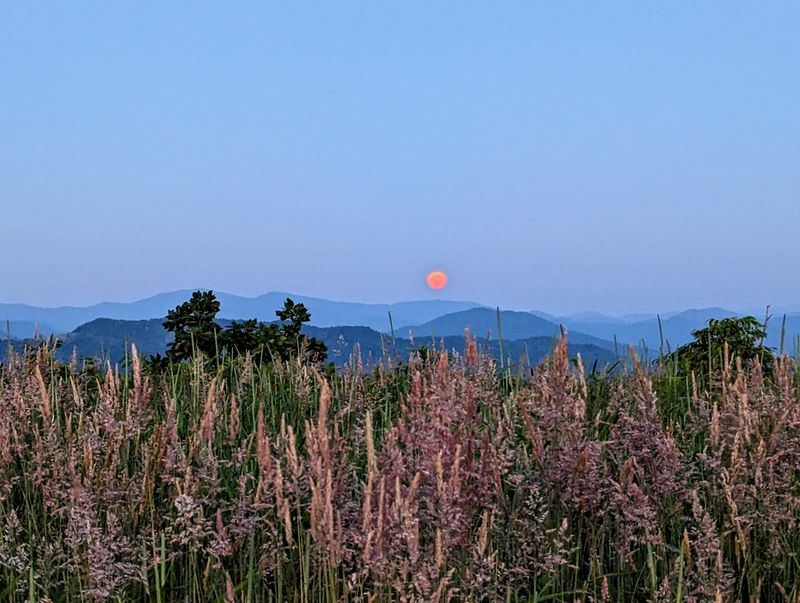
High on Unaka Mountain along the Appalachian Trail, The Beauty Spot lives up to its name with 360-degree views that stretch across multiple states on clear days. This grassy bald sits at about 4,437 feet elevation in the Cherokee National Forest near Unicoi, roughly 20 miles south of Erwin.
Unlike most viewpoints in the Smokies that require significant hiking, The Beauty Spot can be reached by a short walk from a forest service road, making these spectacular views accessible to almost anyone.
The bald itself is a natural meadow maintained by the Forest Service to prevent tree encroachment. Grassy balds like this are rare and ecologically significant, remnants of a time when grazing and natural fires kept mountaintops open.
Standing in the middle of the meadow with mountains rolling away in every direction creates a sense of space and freedom that enclosed forest trails can’t match. Sunrise and sunset paint the scene in colors that justify setting an alarm or staying late.
The Appalachian Trail crosses directly through The Beauty Spot, so through-hikers trudge past regularly during hiking season. Day hikers can walk sections of the AT in either direction for additional views and exercise.
The trail north leads toward Unaka Mountain’s spruce-fir forest. South takes you toward lower elevations and different ecosystems.
Even just walking the meadow and soaking in the views satisfies most visitors.
Getting here requires driving forest service roads that are gravel and somewhat rough but manageable in normal vehicles when dry. Heavy rain or winter weather can make the roads impassable, and they’re not maintained for winter travel.
The final approach follows FS Road 230, which climbs steadily but never becomes extremely steep or scary. Limited parking at the trailhead fills quickly on nice weekends, so early arrival helps.
Bring layers because mountaintop weather changes quickly and temperatures run cooler than in valleys below. Wind often sweeps across the bald, adding to the chill factor.
There are no facilities, so pack out everything you bring in. The area sees heavy use during fall color season when the views become even more dramatic.
Spring wildflowers dot the meadow. Summer offers escape from valley heat. This spot rewards the drive with views that rival any in Tennessee.
14. International Storytelling Center
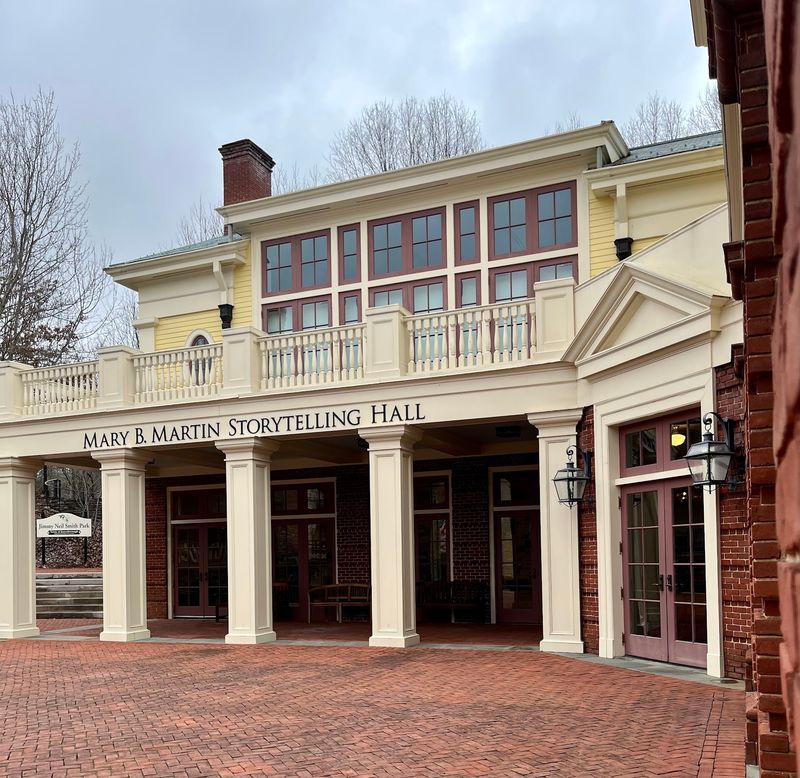
In the tiny town of Jonesborough, Tennessee’s oldest incorporated town, the International Storytelling Center keeps alive the ancient art of oral narrative. This might sound like a niche attraction, but storytelling transcends age and background when performed by masters of the craft.
The center hosts year-round performances, workshops, and events celebrating stories from around the world, anchored by the National Storytelling Festival each October that draws thousands to this town of barely 5,000 residents.
The main performance space feels intimate, with seating arranged so everyone has a clear view of the teller. No props, no PowerPoint, no multimedia gimmicks, just a skilled performer and their voice bringing characters and situations to life.
Stories range from traditional folktales passed down through generations to personal narratives about modern life. Some make you laugh until your sides hurt. Others bring tears or chills. The best storytellers make audiences forget they’re sitting in chairs and transport them completely into the narrative.
The National Storytelling Festival in early October transforms Jonesborough into storytelling headquarters. Multiple tents host simultaneous performances throughout the weekend.
Featured tellers come from across the country and around the world. Evening concerts and special events extend beyond the main festival hours.
The town’s historic district, restaurants, and shops all participate, creating a festival atmosphere that goes beyond just the performances.
Between major events, the center offers regular shows, often on weekends, featuring both established tellers and emerging voices. The on-site museum explores storytelling’s role across cultures and throughout history.
Interactive exhibits let visitors try their hand at crafting and sharing their own stories. The gift shop stocks books, recordings, and resources for anyone interested in the art form.
Jonesborough itself merits exploration, with historic buildings, local shops, and restaurants lining its walkable downtown. The town sits about 10 miles west of Johnson City, easy to combine with other area attractions.
Ticket prices for performances are reasonable, and the experience offers something genuinely different from typical tourist activities. Whether you bring kids who need to hear stories beyond screens or you’re simply curious about this ancient art form, the International Storytelling Center delivers performances that remind us why humans have gathered to share stories since before written language existed.
15. Discovery Park of America
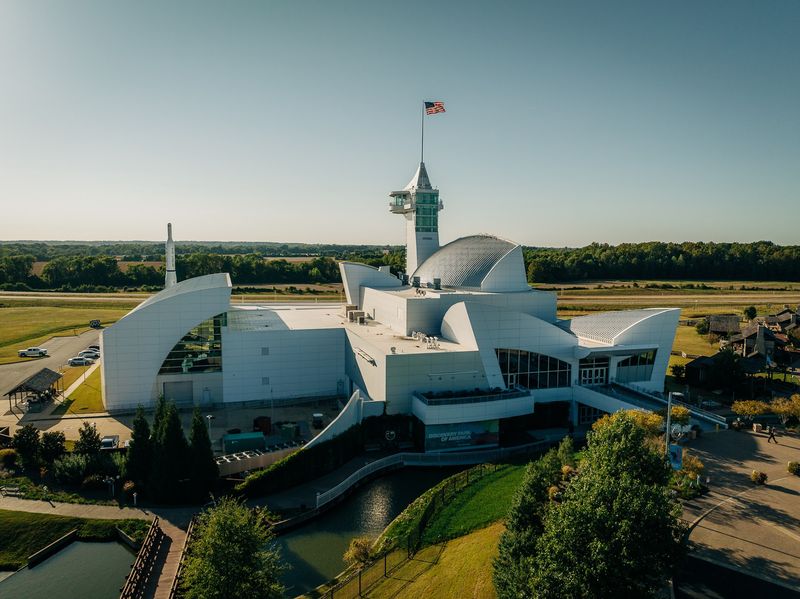
Rising from the farmland of northwest Tennessee near Union City, Discovery Park of America seems wildly out of place, a world-class museum complex in a region with more cotton fields than traffic lights. Opened in 2013 with funding from local philanthropists, the 50-acre campus combines a massive indoor museum with outdoor exhibits exploring science, history, technology, and nature.
The scale and quality rival major city museums, yet it sits in a town of barely 10,000 people.
The main building’s 100,000 square feet hold galleries covering everything from dinosaurs to space exploration. A full-size replica of a WWII-era P-51 Mustang hangs overhead.
A 60-foot-tall earthquake simulator demonstrates seismic forces. The Discovery Hall features a 1.5-acre indoor park with earthquake and tornado simulators, a massive model railroad, and hands-on exhibits about energy, motion, and natural forces.
Kids can spend hours here without seeing everything.
History galleries trace regional and national stories through artifacts and immersive displays. A Civil War section examines the conflict’s impact on this border region.
Pioneer life exhibits show how settlers transformed wilderness into farmland. Native American galleries honor the cultures that thrived here before European contact.
The breadth of coverage prevents any single theme from dominating, though the regional focus keeps everything grounded in place.
Outdoor areas include heritage gardens showcasing plants important to different cultures and time periods. A 1950s-era train depot and vintage railcars let visitors explore transportation history.
The earthquake simulator outside demonstrates how seismic activity affects structures. Walking trails connect different areas of the campus. Special events and temporary exhibits rotate regularly, giving repeat visitors new reasons to return.
The museum’s location in far northwest Tennessee means most visitors make it a destination rather than a quick stop. Union City offers basic hotels and restaurants.
The drive from Nashville takes about two and a half hours, from Memphis closer to two. Plan a full day to see everything without rushing.
Admission prices are reasonable given the scope of exhibits. The facility is fully accessible and designed for families, with clean restrooms, a café, and comfortable spaces throughout.
This hidden gem proves world-class museums don’t only exist in major cities.