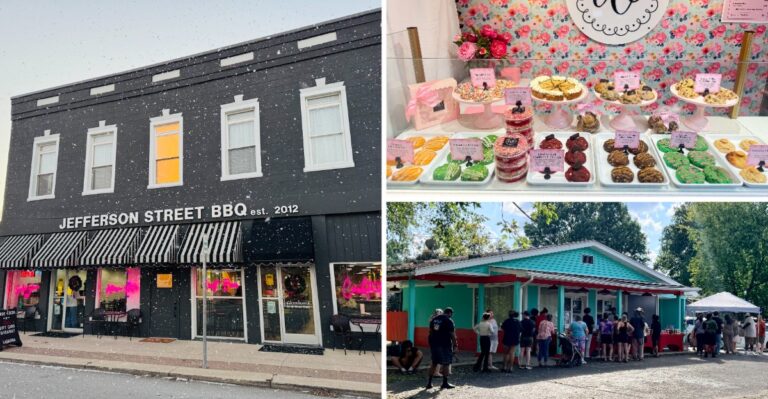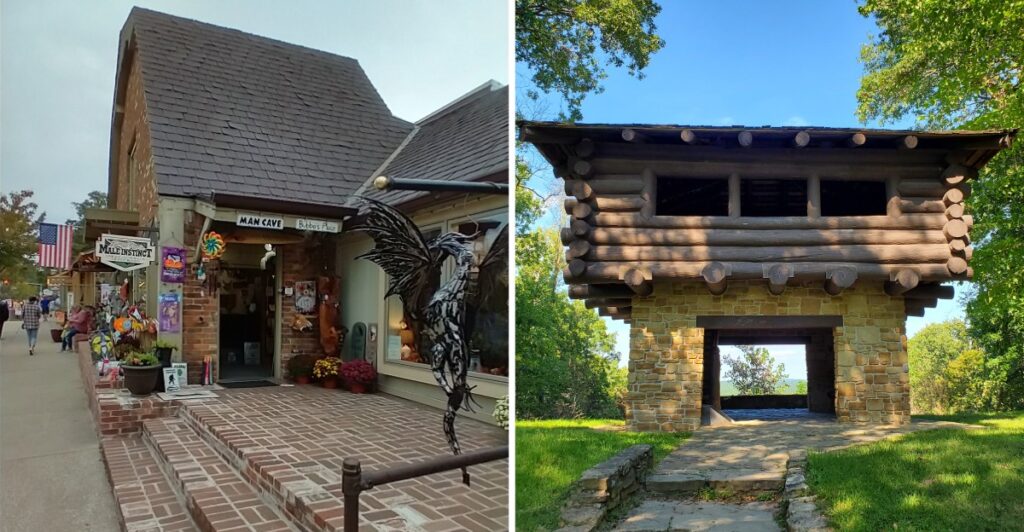
Come hungry to Nashville, Indiana, because this little town can make choosing where to eat surprisingly complicated. Its walkable downtown squeezes cafés, casual lunch counters, sweet stops, and sit-down restaurants among the galleries, boutiques, and colorful storefronts that already make exploring on foot so appealing.
Instead of treating lunch as a break from sightseeing, visitors can build an entire afternoon around sampling local flavors between shopping and wandering. The compact layout means another tempting menu is rarely far away. For such a small Indiana town, Nashville offers enough dining possibilities to make leaving room for just one meal seem almost impossible.
A Short Walk With Plenty of Lunch Choices
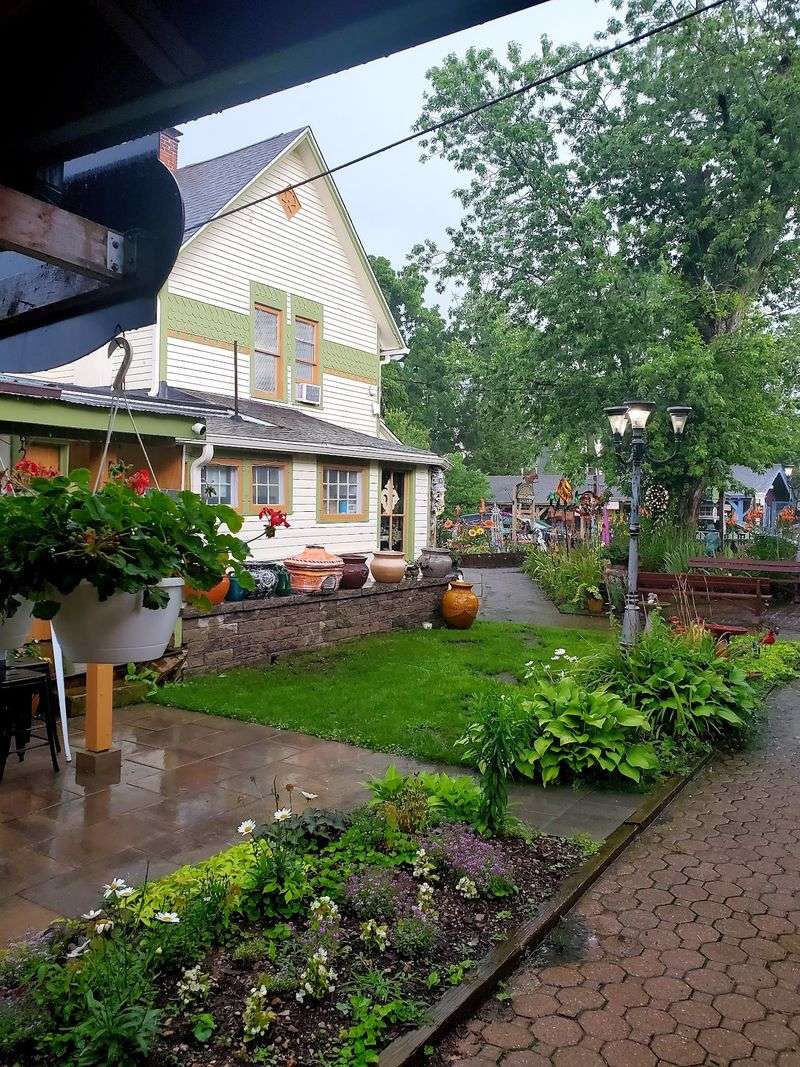
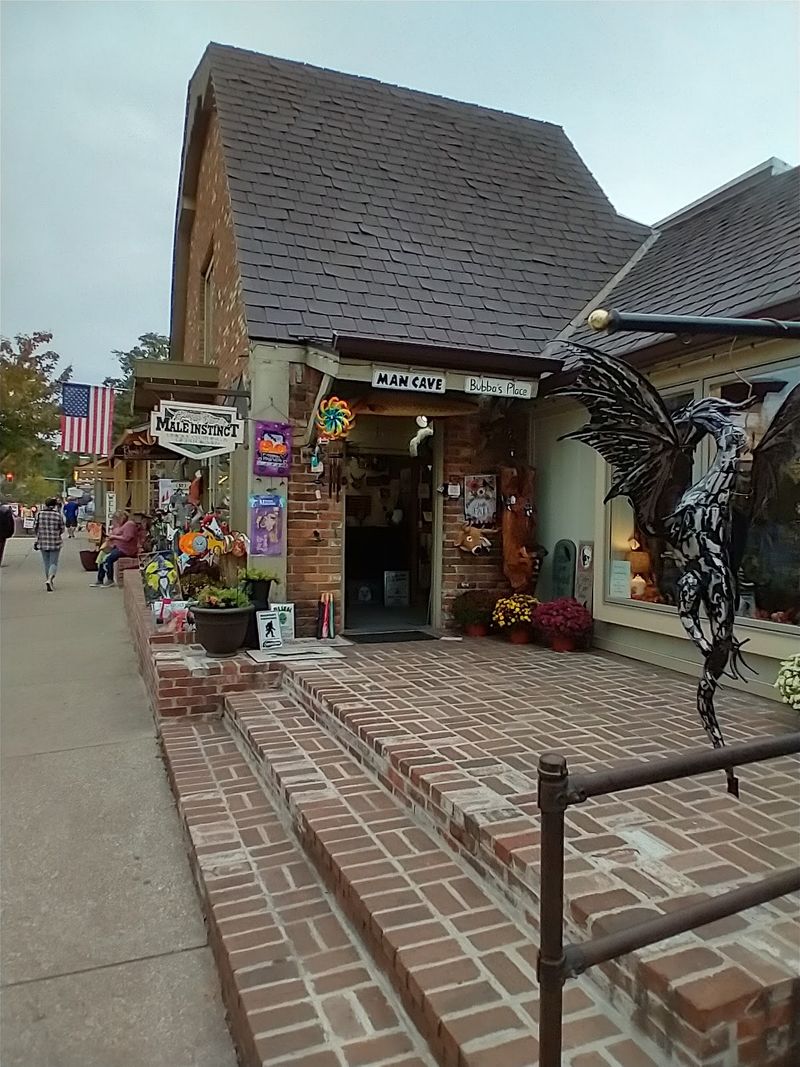
Walk through downtown Nashville near lunchtime, and choosing where to eat can take longer than finding the next storefront. Restaurants and cafes share the compact center with galleries, gift shops, and other small businesses.
You can look at a menu, keep walking, and find another option before the group has settled on what sounds good.
That close spacing changes how a visit works. In a larger town, lunch might require getting back in the car and searching for parking again.
Here, food can be part of the same walk as a gallery stop or a browse through the shops. Someone who wants a quick bite and someone who wants a seated meal can compare choices without splitting up for long.
Start with a slow loop through the central streets rather than choosing the first open door. Notice posted hours and menus as you go, since small-town schedules can change with the day or season.
If a place catches your eye, remember its location. The next few stops may help you decide whether you want a full meal now or a snack before dinner.
The sidewalks also make waiting easier to manage. If one dining room is busy, a nearby shop or gallery gives you somewhere to spend a little time.
Ask about a wait before wandering off, though, and follow the restaurant’s instructions for returning. A short walk is helpful only if you still make it back when your table is ready.
For families or groups, agree on a meeting spot before anyone drifts toward a different window display. Nashville’s size makes the center easy to explore, but its many tempting stops can scatter a party quickly. Once everyone has picked a meal, the walk between choices is measured in storefronts, not miles.
Indiana Art Gives the Menu a Side Trip
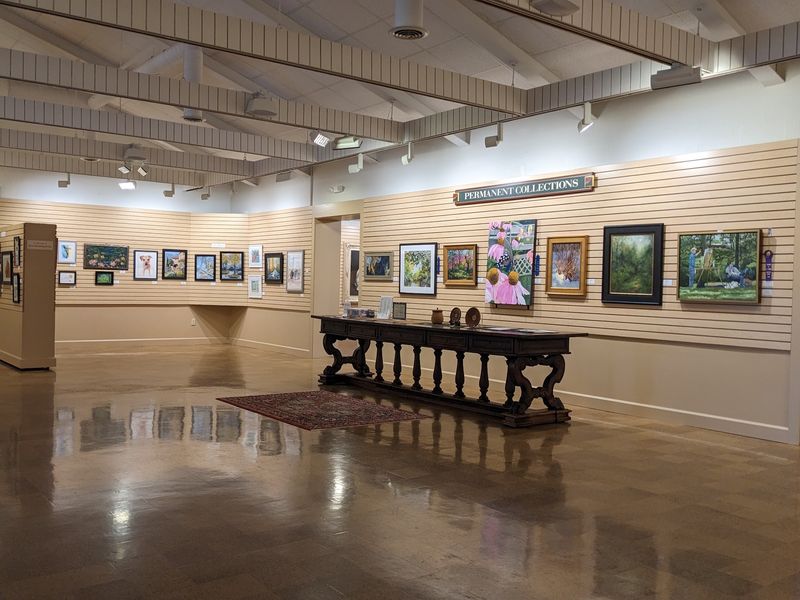
A meal in Nashville can begin with a painting. The town is known as the center of the Brown County Art Colony, which formed in 1907, and art remains a major reason to explore its streets.
That history puts galleries and dining stops into the same outing instead of making them separate trips. Try seeing a gallery before you sit down to eat. Looking at regional landscapes may sharpen your eye for the wooded hills and changing light around town.
Over lunch, there is something concrete to talk about besides what everyone ordered. The Brown County Art Gallery offers one place to connect that conversation with the work of regional artists.
Food also provides a useful pause in an art-heavy day. Galleries reward careful looking, and that can be tiring after a while, especially for children.
A relaxed meal gives everyone time to rest their feet and name a favorite piece. Then the next stop has a purpose: finding work that looks different from what you saw earlier.
Keep your route flexible. A restaurant may draw you in before the gallery you planned to visit, or a display may hold your attention past your usual lunch hour.
Check opening times for any stop you care about most, then build meals around that schedule. You do not need to cover every block to get the connection between Nashville’s food and art.
If you want to extend the story beyond downtown, the T.C. Steele State Historic Site features the artist’s former home, paintings, and a garden.
Treat it as a separate outing rather than a quick stop between nearby restaurants. Back in the center, the pleasing contrast is simple: a place to study a painting, followed by a place to discuss it over food.
Pick Your Pace, Not Just Your Plate
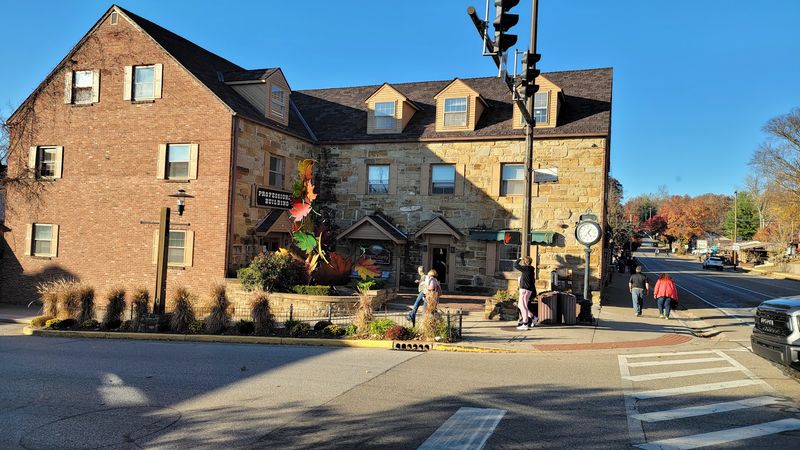
One person is ready for lunch at eleven; another would rather keep shopping. Nashville’s compact dining area makes that disagreement easier to handle.
You can plan a light stop now and a longer meal later, with enough nearby activity to fill the time between them. Before choosing a restaurant, decide how much of the day you want to spend at the table. A quick meal is useful if you have tickets, a planned gallery visit, or children who are eager to move.
A slower one makes sense after several hours on your feet. The right choice depends on your schedule, not on which storefront has the longest line.
Menus posted outside are worth a careful look. Check for a price range that suits the group and enough choices for anyone with a narrow appetite.
If someone has a food allergy or other dietary need, speak with staff directly rather than guessing from a menu description. A pleasant stroll is no substitute for a clear answer about ingredients.
Timing deserves the same attention. Weekend and seasonal traffic can affect how quickly you get seated or served, while hours may differ from one business to another.
If a particular meal matters to your plans, confirm that the place is open before building the day around it. Otherwise, keep a second option in mind within the downtown area.
There is no prize for fitting breakfast, lunch, and dinner into one small block. The advantage of having choices close together is freedom: eat when the group needs a break, then return to the streets without a complicated drive. A bench, a shop window, or a gallery entrance can become the short pause between the next two meals.
Save Room for the Little Stops
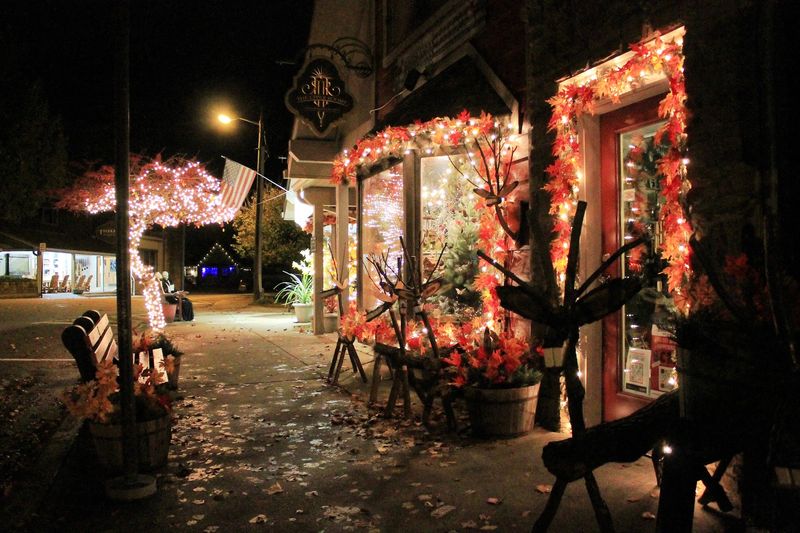
Lunch is not always the only food decision on a Nashville walk. A drink, a sweet treat, or a small snack can turn a stretch of shopping into a welcome break.
With dining stops close to other storefronts, it is easy to make room for one without giving up the rest of your plans.
The trick is not to eat everything at once. If a full restaurant meal is coming later, choose something small enough to enjoy while you are still hungry for dinner.
If lunch ran late, skip the extra stop and keep walking. The close spacing gives you options; it does not require you to use them all.
Small breaks are especially useful when a group moves at different speeds. Someone may want more time with a display, while another person is ready to sit.
Agree on a nearby place to meet and check that it has the seating you need before everyone separates. For children, a planned pause can be more effective than asking them to browse one more shop.
Carry water when you expect to walk for hours, even though food and drinks are nearby. On warm days, a shaded indoor stop may be more comfortable than another turn along the sidewalk.
In colder weather, the same pause offers a chance to warm up and decide which part of town to see next. Let the weather shape the order of your stops.
Be thoughtful about where you take food after buying it. Ask before carrying an open drink into a gallery or shop, and use bins for wrappers when you finish.
Those small courtesies help keep the center pleasant for the next person turning the corner in search of something good to eat.
Old Buildings Add Another Reason to Wander
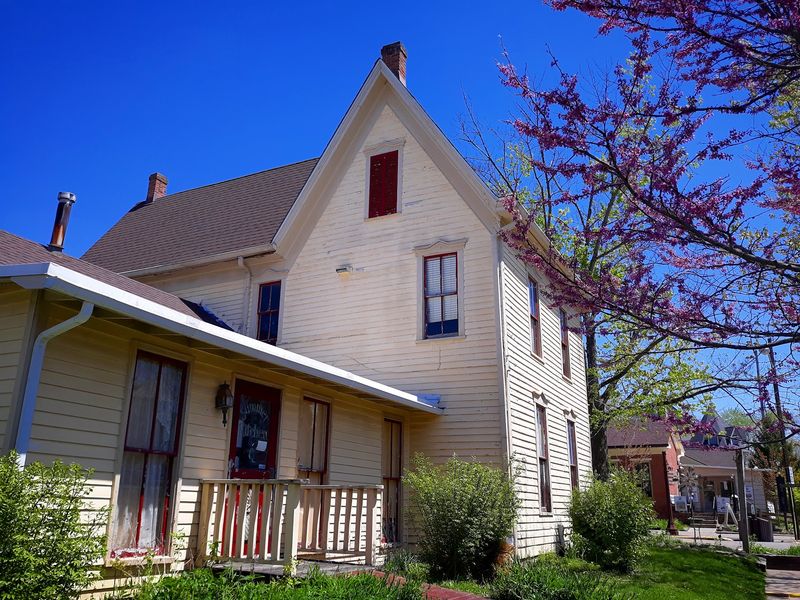
Between meals, Nashville offers a look at a different kind of local history. Brown County Pioneer Village includes restored buildings and the Old Log Jail.
It gives a downtown day a clear change of subject: from reading menus and shop signs to examining how buildings from an earlier period were made and used.
That change can keep a food-focused trip from becoming a string of tables. Plan enough time to walk slowly around the village area, rather than squeezing it into the minutes before a reservation.
Check access and opening details before going, since historic sites may have schedules that do not match nearby businesses. If it is closed, you can still focus your walk on the town’s public streets.
Children may find the Old Log Jail an easier starting point than a long explanation of local history. Ask what looks different from a building they know today.
The size of a doorway, the shape of a roof, or the materials used can lead to good observations without turning the outing into a lesson. Then head back toward lunch with a new detail to discuss.
The village also helps explain why walking matters here. Nashville is not simply a row of dining rooms waiting for customers.
Its older structures, art connections, and present-day businesses sit close enough to shape one another’s rhythm. A visitor can move between them on foot and notice how the setting changes along the way.
Wear shoes that are comfortable for both sidewalks and uneven outdoor ground. Keep your meal plan loose if you are exploring historic spaces with limited hours, and leave a little time to find your way back. When you finally take a seat, the afternoon has a story beyond the choice you made from the menu.
Trail Time Can Set the Dinner Clock
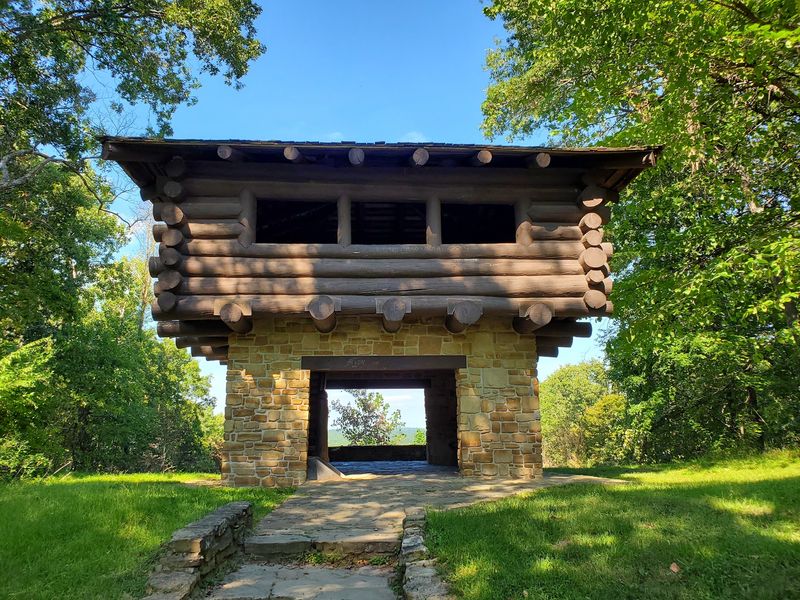
Brown County State Park changes the meaning of dinner in Nashville. After a walk through its forests and trails, a seated meal in town can be the next practical stop, not an afterthought.
The park and the restaurant district serve different parts of the day, so a little planning helps them fit together. Choose your trail before you decide on dinner time. A short walk leaves more room to browse downtown, while a longer hike may send everyone straight toward food.
Allow time to travel between the park and town, clean up if needed, and find parking. Do not assume a trail will take exactly as long as its distance suggests, especially with younger walkers.
Pack water and a suitable snack for the park. Restaurants are part of the town outing, not supplies to count on during a hike.
Check park information for trail conditions and rules before setting out, and turn back with enough daylight to finish safely. A hungry group makes rushed decisions; a prepared one can choose dinner at a calmer pace.
Back downtown, think about comfort as well as appetite. Shoes may be muddy, jackets may be damp, and everyone might want a few minutes before sitting down.
Follow any posted restaurant guidance, and bring a clean layer if the weather looks uncertain. If you plan to eat at a specific place, check its evening hours ahead of time.
There is a useful contrast in this plan. The park gives you space to spread out among trees and trails; Nashville brings your choices close together again.
You can compare menus without another long drive and let the day’s effort decide whether dinner should be quick or unhurried. First, though, make sure every hiker has water for the walk.
One Good Route Beats a Packed Schedule
A tiny town can still fill an entire day if every stop becomes a deadline. Nashville works better with a simple route and room to change it. Pick one activity you most want to do, choose a likely meal window, and let the nearby streets supply the rest.
For an easy downtown visit, start by looking over the central blocks before you commit to lunch. Note a restaurant that suits your group, then visit a gallery or browse a few shops.
Return when you are ready to eat, allowing extra time if the town is busy. Afterward, choose one more stop instead of trying to see everything before leaving.
If your main goal is a park hike or the T.C. Steele State Historic Site, give it its own generous stretch of time. Those destinations are not part of a quick lap between downtown dining doors.
Put the longer outing first or last, then use the town center for a meal and a shorter walk. That order helps everyone know what to expect.
Parking once and walking, when practical, is the simplest way to notice how many choices fit near one another. Wear comfortable shoes, keep track of where you parked, and check closing times before leaving a favorite stop for later.
Anyone traveling with a person who has mobility needs should look into access at specific businesses and sites in advance. Nashville’s surprise is not a claim that every restaurant sits on one street or that every menu is alike.
It is how quickly a food choice appears while you are doing something else: looking at art, studying an old building, or heading back from a shop. Leave a gap in the schedule, and that short walk may lead you to the meal that fits the day.
Share this story