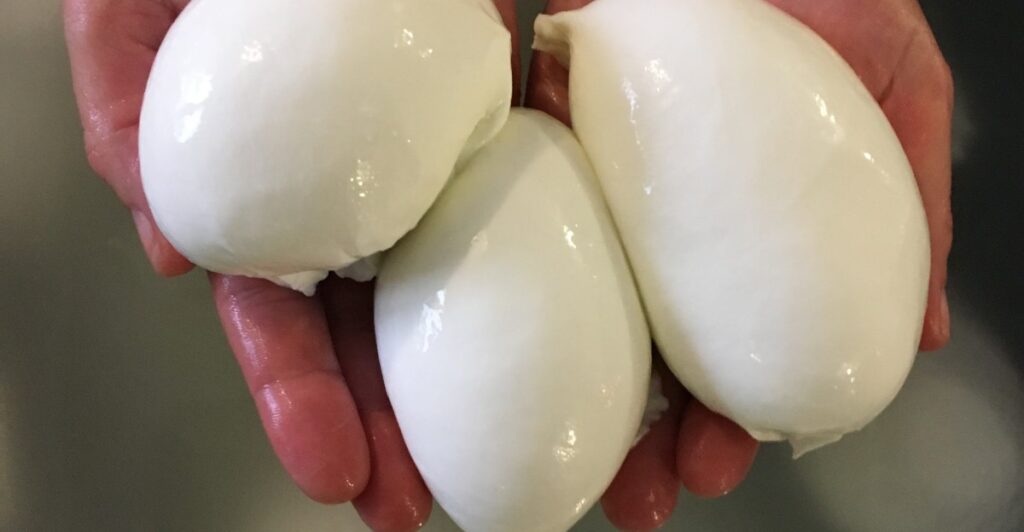
A mozzarella ball looks innocent enough on a cutting board. Add tomatoes, a little salt and some good bread, and dinner is practically handled.
At Riverine Ranch, though, the story behind that cheese begins with water buffalo grazing in New Jersey’s Musconetcong River Valley. Brian and Courtney Foley raise the herd and turn its milk into small batches of mozzarella, yogurt and other dairy products on their farm in Asbury.
It is the kind of local food discovery that makes you pause halfway through assembling a cheese board and ask a few questions. Why water buffalo?
How did they end up in Warren County? And what else can their milk make?
The answers involve a trip to Italy, a herd whose members have names and a farm that has grown around one unusually good idea. Cheese night can wait a minute; this is a story worth hearing first.
Riverine Ranch Brings Water Buffalo Farming to the Musconetcong Valley
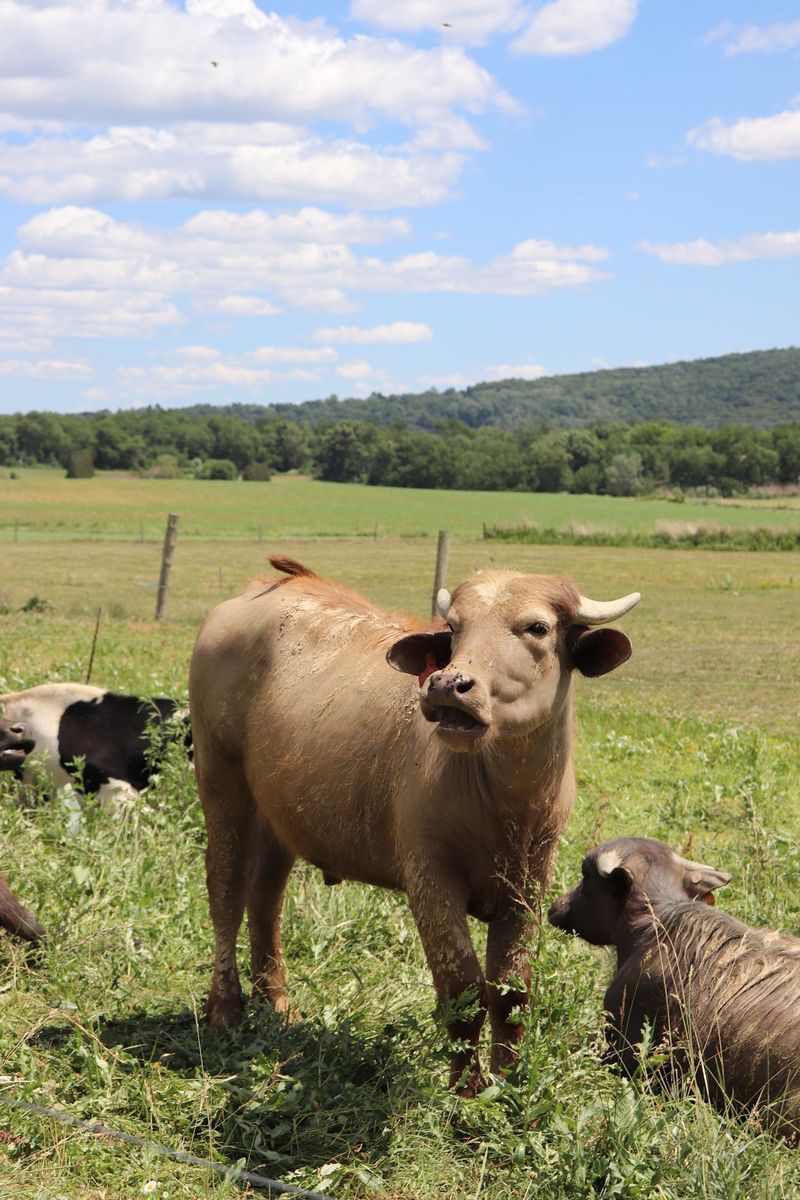
Water buffalo are a rare sight on a New Jersey farm, even in a state that can still surprise you with its agriculture.
Riverine Ranch sits on preserved farmland in Asbury, Warren County, where the Foleys have built a business around animals more often associated with mozzarella from Italy than a drive through the Musconetcong Valley.
The farm began modestly. Brian and Courtney Foley bought a small New Jersey property in 2004 and started experimenting with farming.
In 2010, they moved their growing herd to 62 acres of preserved land in Asbury. Today, the ranch says it farms about 200 acres in the valley and keeps more than 200 water buffalo.
It remains a family operation, with dairy and meat products made from the animals the Foleys raise. That setting matters to the food.
The buffalo graze on pasture, and the farm grows hay for the herd. Manure is composted and returned to the fields, tying the next season’s growth to the work happening now.
These are the practical rhythms behind a cheese that might otherwise seem like a specialty item that appeared from nowhere. Riverine also gives local shoppers a chance to meet an ingredient with a much wider history.
Water buffalo milk is familiar in food traditions across Asia and the Mediterranean, but finding products made from it close to home can take some searching. Here, the connection is unusually direct: the animals, milk and cheesemaking all belong to the same New Jersey farm.
What reaches the table began in a Warren County pasture, which is a fine conversation starter before anyone has even cut the mozzarella.
A Question About Mozzarella Led the Owners All the Way to Italy
Courtney Foley’s question was simple: where does buffalo mozzarella come from? Following it took her and Brian well beyond a recipe search.
The couple studied water buffalo and traveled to Campania, Italy, where they visited working farms and learned cheesemaking techniques from producers with generations of experience using buffalo milk. It was an unexpected direction for two people who had built careers in New York City.
Courtney had long wanted a life closer to open space and animals, but the move into farming did not come with a ready-made plan for a water buffalo dairy. After buying their first New Jersey property in 2004, the Foleys looked for a way to make a living from the land.
Their first water buffalo joined the farm in the following years, and the 2006 trip to Italy helped turn curiosity into a clearer path. Campania is an especially fitting place to look for answers.
Buffalo milk is central to the region’s mozzarella tradition, so the Foleys could see how farmers handled both the animals and the cheese. They brought what they learned back to New Jersey and developed their own farmstead products.
That history gives Riverine Ranch’s mozzarella more to talk about than its unusual source of milk. The cheese connects a question asked by a couple of future farmers, a lesson learned in Italy and years of hands-on work in Warren County.
Brian still works closely enough with the herd to know its members by name, while Courtney continues to teach fourth grade and work on the farm. The story started with mozzarella, but making it became a shared way of life.
Meet the Pasture-Raised Herd Behind the Cheese
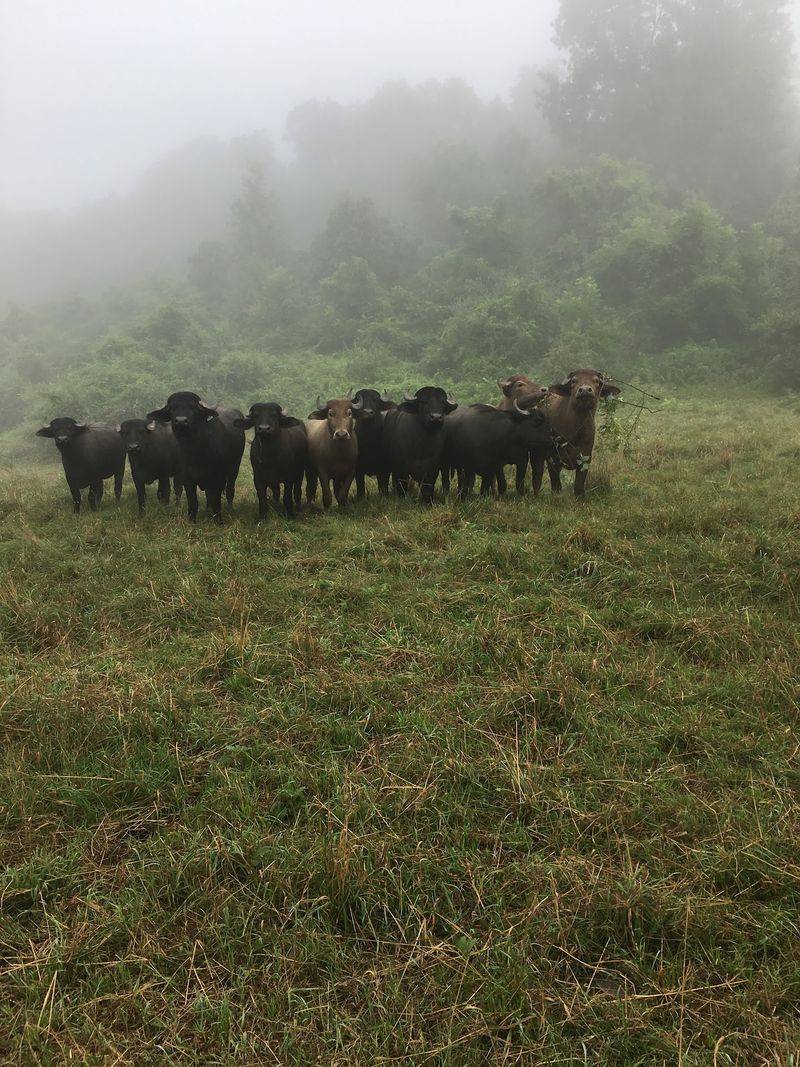
Somewhere in Riverine Ranch’s herd are Otto, whom the farm calls its gentle giant, and Wilson, described as a little explorer. Enzo, Cindy and Carol have their own names and personalities, too.
Those details might sound like the cheerful part of a farm introduction, but they also tell you something about how closely the Foleys work with their animals. The ranch keeps its herd at around 200 water buffalo.
According to the farm, each animal has a name, a birthdate and a place in the group. Brian knows them individually, an approach the Foleys say helps them handle the buffalo with patience and consistency.
The animals graze on pasture in the Musconetcong Valley and eat hay grown for the herd. Water buffalo look imposing, especially when a pair of horns comes into view over a fence.
On this farm, though, they are dairy animals with daily routines. The work involves feeding, tending pasture, milking and making sure the land remains productive for the next season.
The Foleys compost manure and return it to the fields, so caring for the herd and caring for the soil are connected jobs. Their choice of animal also suits the landscape.
Riverine notes that water buffalo handle wet conditions well and graze plants cattle may leave alone. In the river valley, those traits have a practical use beyond the novelty of seeing buffalo in New Jersey.
Knowing the herd by name does not make cheesemaking effortless. It gives the product a more specific beginning.
Before the milk reaches a cheese vat or a yogurt container, there are animals moving through a familiar pasture and farmers who know which one is Otto.
Buffalo Milk Gives the Mozzarella Its Rich, Creamy Appeal
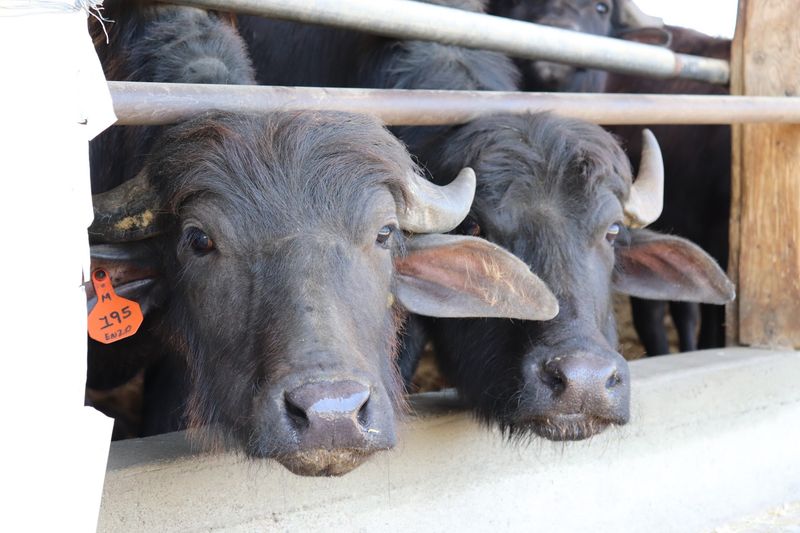
Slice buffalo mozzarella over ripe tomatoes and it can be the main event with very little help. The appeal starts with the milk.
Riverine Ranch describes its water buffalo milk as naturally rich and creamy, and that character carries into the fresh cheese the farm makes in small batches. It is an easy way to turn a plate of tomatoes, fruit or bread into something that feels thoughtfully put together without much actual cooking.
There is plenty of room to play with it. The farm suggests pairing fresh mozzarella with tomatoes, peaches or mango.
Tomatoes and basil keep things familiar; peaches give the cheese a sweet, late-summer partner. For a cheese board, you could put the mozzarella beside crusty bread and let its mild flavor stand on its own before adding anything sharper.
Riverine sells mozzarella alongside other fresh cheeses, though the selection can change. The ranch says its products are made in small batches and reflect the seasons, which helps explain why a particular cheese may be unavailable when you look for it.
Its online listing has shown mozzarella as sold out, so checking availability before making it the centerpiece of dinner is sensible. Buffalo mozzarella also offers a satisfying answer to the question behind the article’s title.
The surprising source is not a clever blend or a secret seasoning. It is milk from water buffalo raised on a New Jersey farm.
You can appreciate that story while giving the cheese the straightforward treatment it deserves: slice it, season it and bring it to the table while everyone is still hungry.
Yogurt, Paneer and Other Farmstead Finds Go Beyond Cheese Night
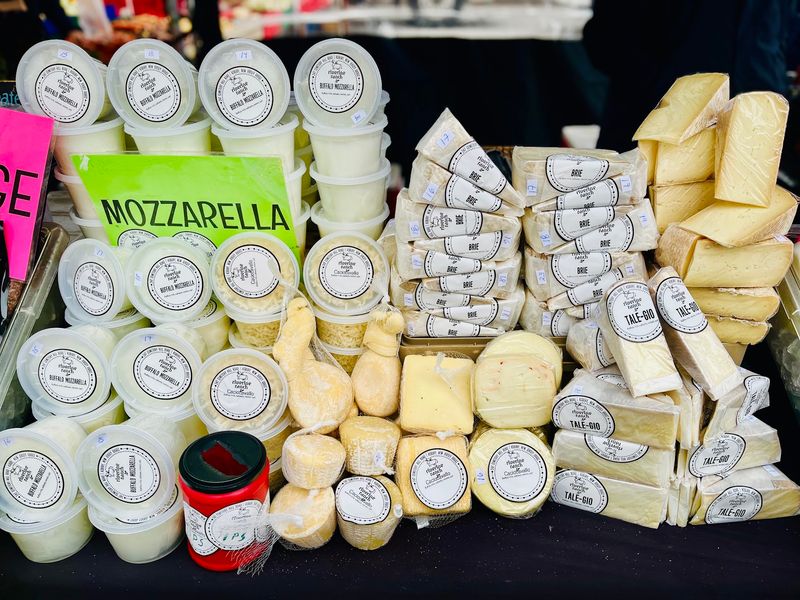
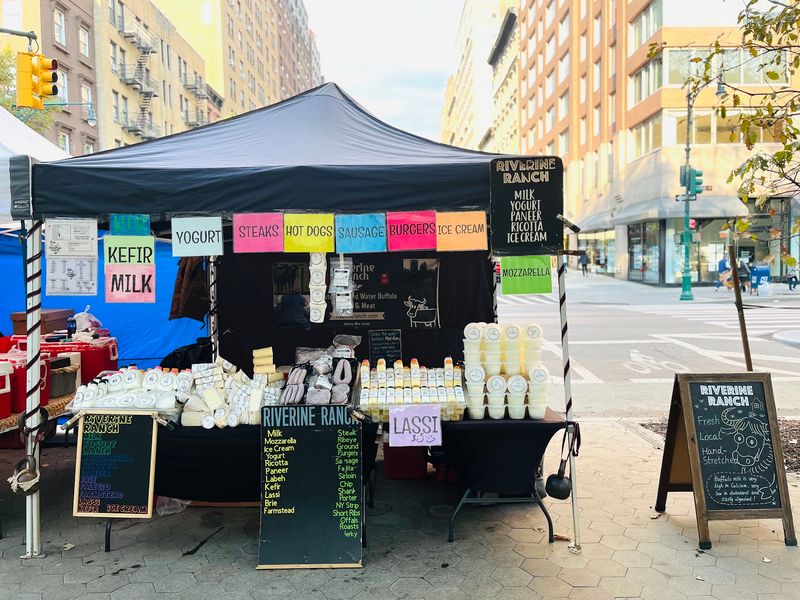
The mozzarella may have brought you here, but it does not have to fill the whole shopping bag. Riverine Ranch makes plain and fruit yogurts, including blueberry, mango and strawberry varieties.
It also lists whole buffalo milk, kefir and mango lassi. Those products give the same herd a place at breakfast or alongside lunch, long after the cheese board has been cleared.
Then the cheese selection branches out. Paneer brings buffalo milk into dishes where the cheese can be cubed and cooked.
Ricotta offers a softer option for toast or pasta, while labneh belongs just as happily beside bread and vegetables. Riverine also lists stracciatella and aged cheeses, including caciocavallo.
The farm matures its aged cheeses in a cheese cave for at least 60 to 90 days, giving shoppers a very different choice from fresh mozzarella. The range reflects the food traditions that first made water buffalo interesting to the Foleys.
Mozzarella may point toward Italy, while paneer and lassi show how useful buffalo milk is in other kitchens. That makes a visit to the product list more interesting than choosing between three versions of the same cheese.
You might arrive planning a tomato salad and leave thinking about breakfast yogurt or a paneer curry. There are savory options beyond dairy, too.
Riverine sells water buffalo meat in forms that have included burgers, sausage and stew meat. Availability varies across the lineup, as you would expect from a farm making products in small batches.
The best part is that the mozzarella can remain your first pick without being your last discovery.
Where to Find Riverine Ranch’s Products Before You Plan Your Spread
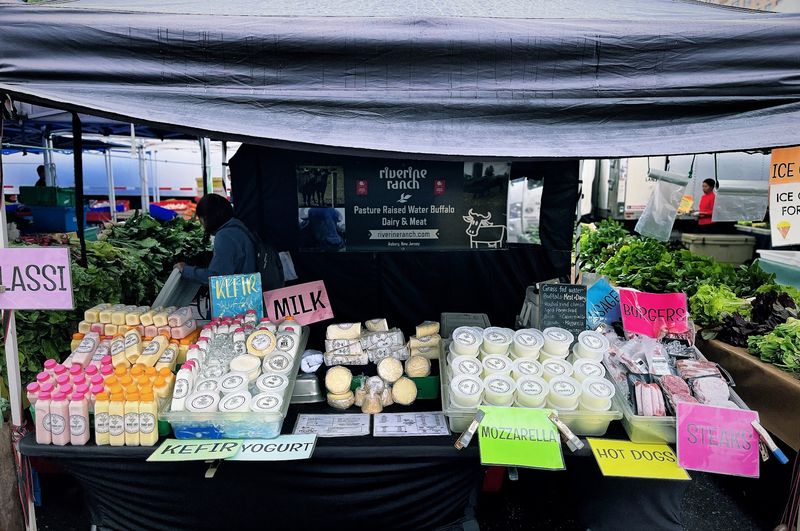
A beautiful cheese board is no fun if the cheese is not in stock. Before you plan around Riverine Ranch mozzarella, check the farm’s official website or social pages for current buying details.
Look for farm pickup information, market appearances, or a list of retailers if one is posted. A quick check can save a disappointing drive.
If you shop through another store, call ahead and ask for the exact product you want. Fresh mozzarella, yogurt, and paneer are different items, and availability may change from week to week.
Ask about pickup times and whether you should preorder. Pack a cooler with ice packs, especially if you have other stops before heading home.
Then plan the food around what you actually find. Mozzarella works well with tomatoes and bread; yogurt can become a dip; paneer suits a warm dish.
Keep the menu small enough that each product gets noticed. For guests, write the milk source on a little card beside the serving plate.
Water buffalo mozzarella makes a great conversation starter, and nobody has to guess why this New Jersey spread tastes a bit different.
Share this story