A train pulls into Ridgewood beneath a sweep of white stucco and red tile, and for a moment the station looks more suited to a California postcard than a Bergen County commute. That little jolt of surprise turns up elsewhere in New Jersey, too.
A Shore hotel borrowed the look for its grand arrival, a Newark movie palace brought a Spanish courtyard indoors, and a Florence school gave its brick facade an unexpectedly ornate entrance.
Some buildings on this list are easy to step inside; others are best appreciated from the sidewalk, where their arches, balconies, and rooflines still reward a closer look.
Together, they show how widely architects used Spanish-inspired design in the early 20th century. You can find it beside railroad tracks, above downtown storefronts, and at the edge of the boardwalk.
Once you know what to look for, these places become much harder to walk past.
1. The Flanders Hotel – Ocean City
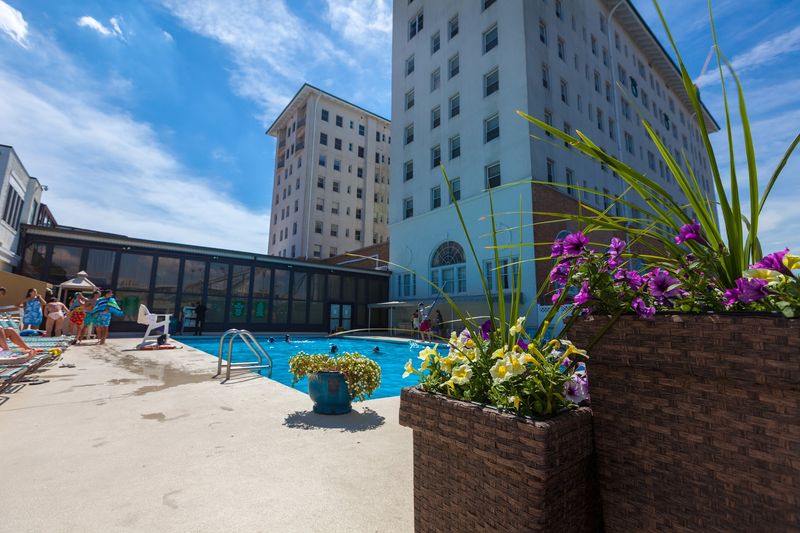
A white tower rising beside the boardwalk was a bold addition to Ocean City in 1923. Most nearby buildings were much shorter, and the Flanders was meant to make an impression before guests even reached the front door.
Local architect Vivian B. Smith gave the hotel a Spanish Mission Revival design, with a pale exterior and tile roof that looked striking against the resort’s Victorian surroundings.
The scale still catches your eye today, especially when you approach from the boardwalk and see the hotel standing above the shops and rides. Its history adds another reason to pause.
Ocean City residents helped finance the project, which was named in memory of the World War I battlefields of Flanders. Just four years after opening, its sturdy construction helped it survive the devastating 1927 boardwalk fire.
The building remains a working hotel, so this is one place on the list where you can make the architecture part of an overnight stay. You can also dine at Emily’s Ocean Room and linger over the details without booking a room.
Start outside, though. The view from the boardwalk makes clear why the Flanders became an Ocean City landmark in the first place.
2. Ridgewood Train Station – Ridgewood
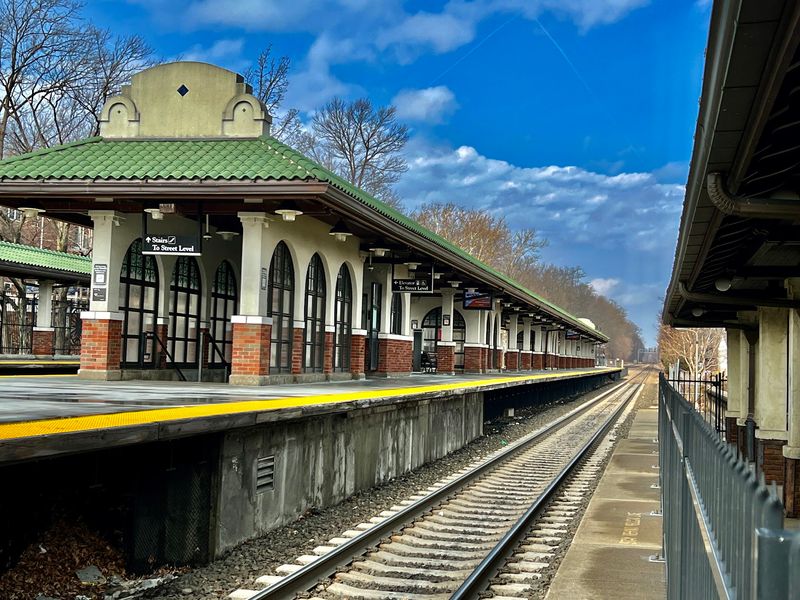
Commuters have a train to catch, which makes it easy to miss how unusual this station is. Look up from Garber Square and you’ll find rounded arches, curving gables, smooth stucco, and Spanish tile roofs arranged across a remarkably complete Mission Revival complex.
Built in 1916, Ridgewood Station brought a style strongly associated with California railroads to a New Jersey village.
Frank A. Howard, one of the engineers credited with its design, had previously worked in California; that connection helps explain the unexpected choice. The building feels especially satisfying because the details belong to an everyday place.
Its arches frame the routine movement of people heading to work, coming home, or crossing into downtown Ridgewood. Nothing about the station requires a special tour or ticket beyond an ordinary train trip.
If you’re arriving by rail, give yourself a few extra minutes before heading into town. Walk far enough back to see how the rooflines and arcade fit together, then take a closer look at the curves around the openings.
The station is also a useful reminder that Spanish-inspired architecture in New Jersey was never limited to grand hotels and theaters. Sometimes it was built for people hurrying to make the morning train.
3. Lyons Train Station – Bernards Township
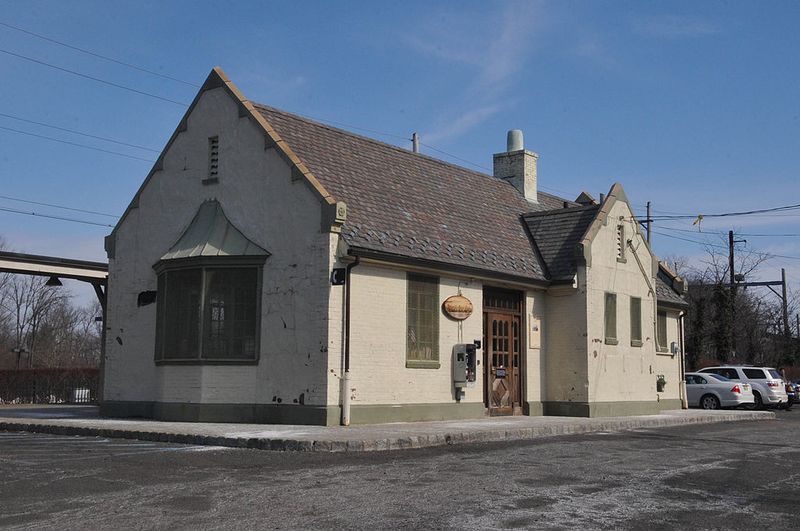
The slate roof might make you think of an English cottage first. Then the stucco, shaped gables, and gently curving details complicate the picture.
That mix is precisely what makes Lyons Station an interesting stop: its 1931 design draws from both Tudor Revival and Mission Revival traditions, without looking quite like any other depot on the line. The small building stands along the Gladstone Branch in the Lyons section of Bernards Township.
It was built as travel increased to the nearby veterans hospital, and its modest size makes the architectural choices feel all the more deliberate. Get close enough to notice the brickwork, the many-paned windows, and the chimney topped with a terra-cotta pot.
This is a quieter find than the big theatrical buildings elsewhere on the list. There’s no grand lobby to seek out and no need to make it an all-day outing; the pleasure is in seeing how much character fits into a working local station.
For the best view, take a moment on the platform before or after a train journey and study the building as a whole. Lyons proves that Spanish influence can show up as a few well-chosen curves within a design that happily borrows from somewhere else, too.
4. College Hall at Montclair State University – Montclair
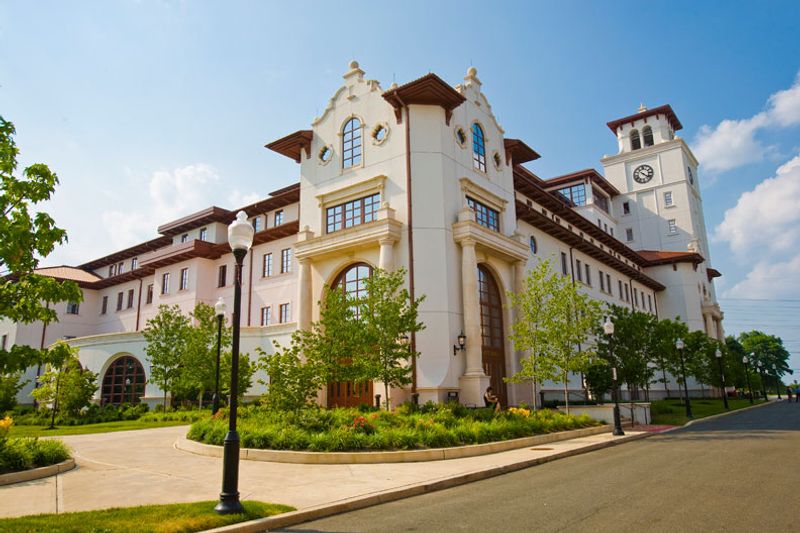
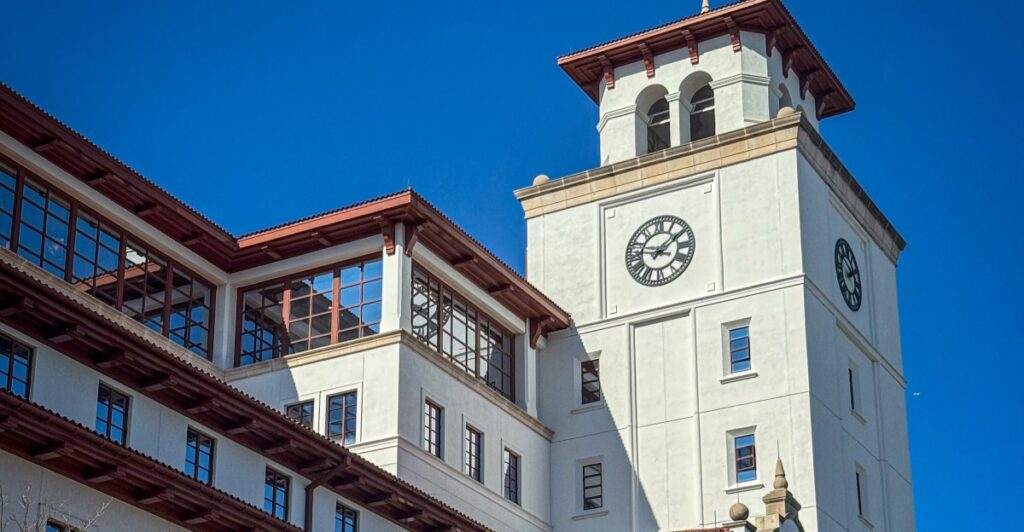
One trip to California helped shape the look of an entire New Jersey campus. Edward Russ, an early supporter of what became Montclair State University, admired the Spanish missions he saw there.
When the school opened in 1908, its first and only building, College Hall, carried that influence in its white facade, red tile, and mission bell tower. More than a century later, the building remains the place to begin an architectural walk around campus.
It has since been renovated and renamed Susan A. Cole Hall, so you may encounter either name when asking for directions.
The restoration kept signature historic elements, including red tiles, wood finishes, tin ceilings, and the bell, while giving the building a new role as a center for student services. Outside, stand back near Alumni Green to take in the original building and the surrounding campus.
You’ll notice how later halls continue the same visual language, making this more than a single Spanish-style curiosity. College Hall established a look that Montclair State chose to keep developing as it grew.
A campus visit lets you see that story in sequence: start with the 1908 building, then follow the red roofs and pale walls to its newer neighbors.
5. Loew’s Jersey Theatre – Jersey City
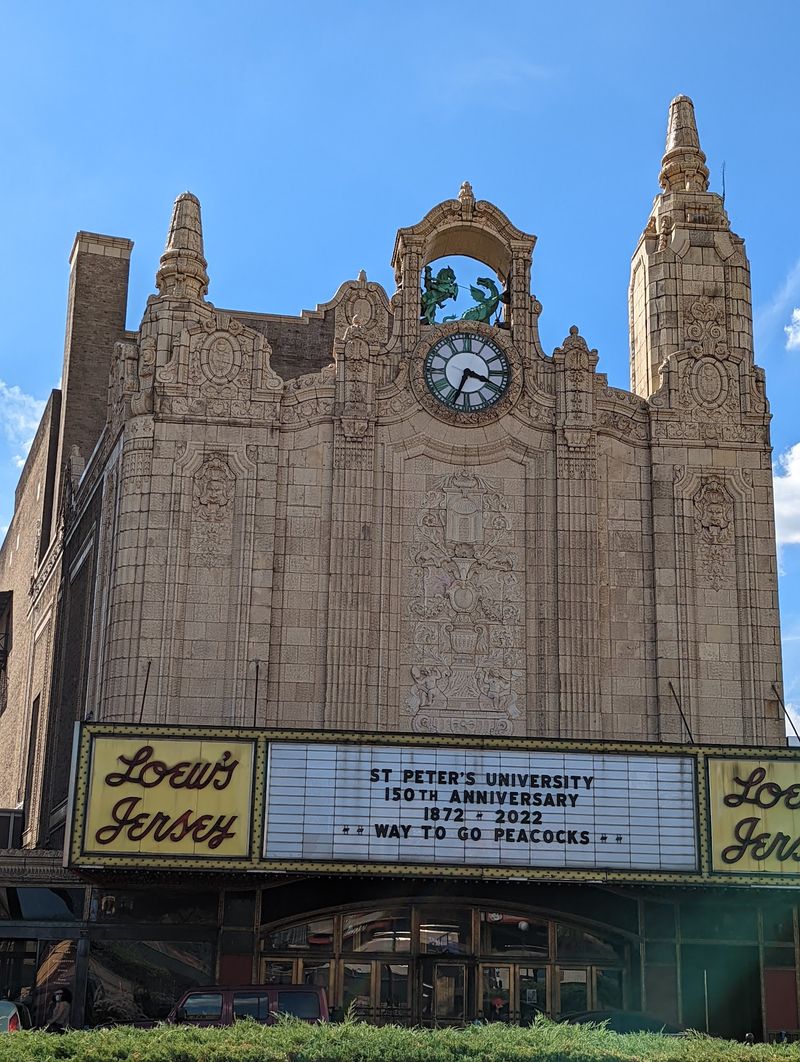
Journal Square’s movie palace was built for a night that felt like an event before the picture started. When Loew’s Jersey Theatre opened in 1929, its program combined a film, an orchestra, and live entertainment.
Architects Rapp and Rapp designed it in an ornate Spanish Baroque style, giving Jersey City the kind of elaborate setting that could compete with anything happening on the screen. This building’s story also has a dramatic second act.
It closed in 1986 and faced demolition, but residents fought to save it. After years of partial use and a major restoration, the theater is scheduled to reopen for performances in November 2026.
That timing matters if you’re planning a visit now: admire the exterior in Journal Square, then check the upcoming program for a chance to see the restored interior once performances begin. The theater sits across from the Journal Square transportation hub, making a trip by PATH or bus straightforward.
When you do get inside, allow time before the show to look around. The architecture is part of the evening, from the scale of the space to its lavish ornament.
Loew’s is the grandest example on this list of a Spanish-inspired design built to turn an ordinary outing into an occasion.
6. The former Stanley Theater – Newark
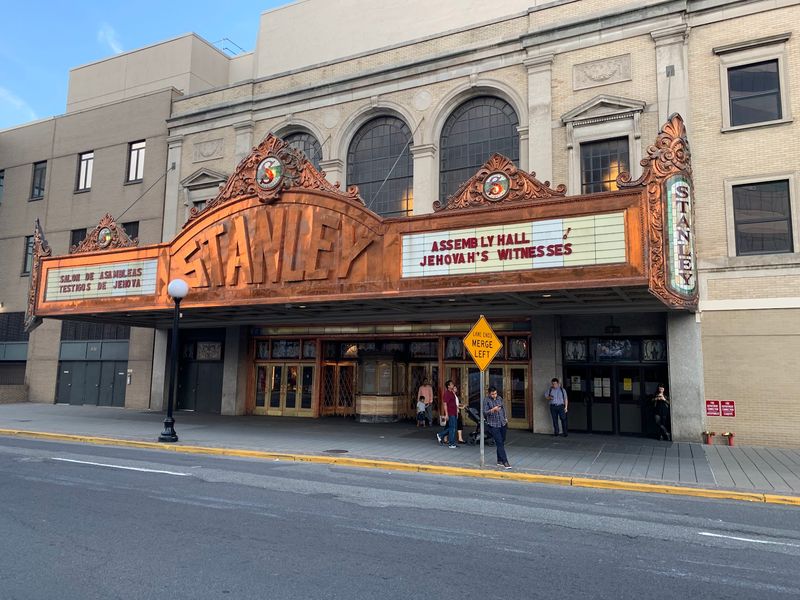
A moviegoer at the Stanley once sat beneath lighting designed to suggest the sky. Opened in 1927, the Newark theater was an “atmospheric” movie palace: its Spanish-influenced auditorium used stage-set decoration and carefully controlled light to make an indoor space feel like an outdoor courtyard.
Local architect Frank Grad designed the building on South Orange Avenue for the Stanley-Fabian theater chain. It was an ambitious bit of make-believe, and the effect went far beyond hanging a few decorative arches on a wall.
The theater later found a different purpose as a space used by Newark Gospel Tabernacle, with preservation work helping protect its roof and skylight. That change makes a present-day visit different from a night at a restored cinema.
You can see the exterior from South Orange Avenue, but the building is an active religious and community space, so interior access depends on its own events and activities. Its inclusion here rests on what the original design attempted: to transport a Newark audience somewhere else while keeping everyone firmly in their seats.
Among the state’s Spanish-inspired buildings, the Stanley may have asked the most of your imagination—and once supplied much of it for you.
7. St. Ann Roman Catholic Church – Keansburg
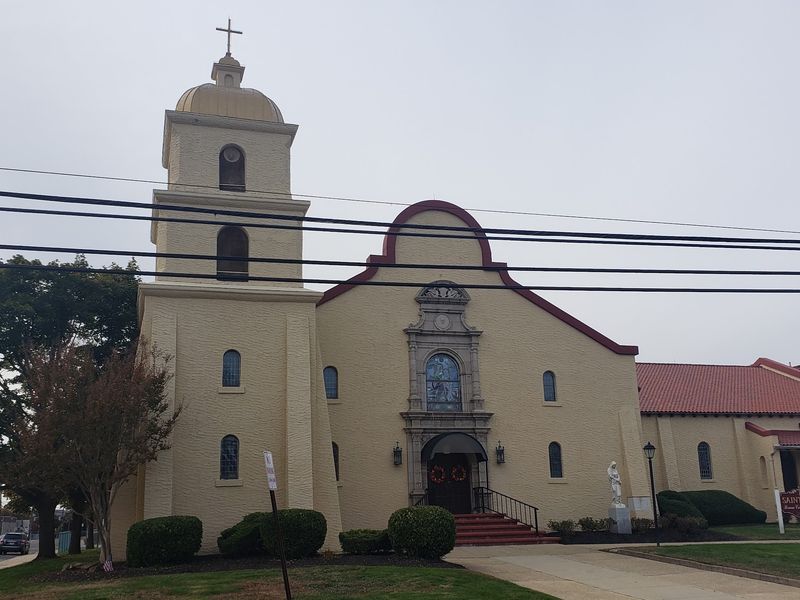
Follow Carr Avenue through Keansburg and a curving parapet and bell tower announce a church with an unusually strong Spanish Colonial Revival identity. St. Ann’s was built in 1916, remarkably early for the style in this part of New Jersey.
Its exterior brings several details together: stucco walls, a tile roof, rounded openings in the tower, buttressed corners, and an elaborate entrance. The school building beside it was also designed in a Spanish Mission style, so the church is part of a larger streetscape rather than a lone architectural flourish.
The details are easiest to appreciate when you slow down in front of the building. Look at the changing shapes around the entrance before your eye moves up toward the tower and roofline.
St. Ann’s remains an active parish, and a service is the appropriate opportunity to experience it inside; otherwise, the exterior alone makes the stop worthwhile. This is also a good example of why the list reaches beyond places built for leisure.
The same design movement that gave hotels and theaters a sense of spectacle could give a neighborhood church a memorable presence. In Keansburg, that presence has lasted for more than a century.
8. Florence Public School No. 1 – Florence Township
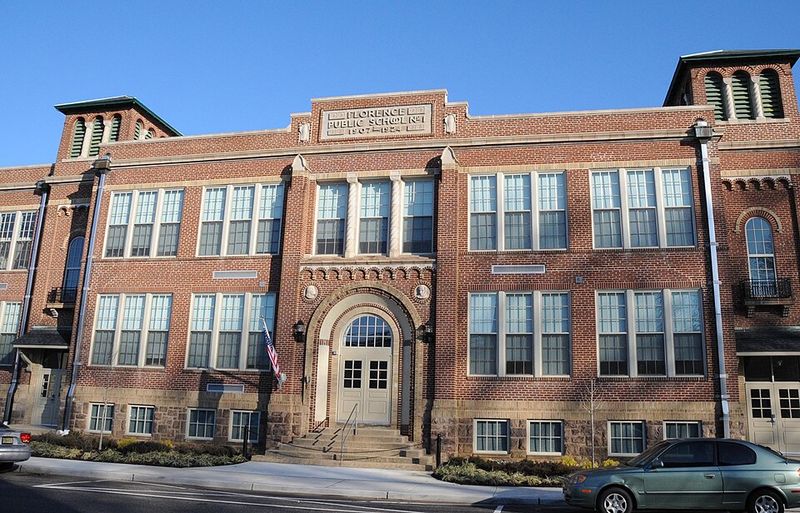
Twisted terra-cotta columns are not what most people expect to find on a former neighborhood school. In Florence, they help frame the entrance of Florence Public School No. 1, a brick building whose Spanish Colonial Revival details stand out all the more because the rest of its design is practical and restrained.
Completed in its present form in 1924, the school has rounded arches, warm brick trim, and stair towers that give its long facade a distinctive rhythm. Generations of local children passed through it.
The building even served as Florence Township’s first high school for a decade, before returning to use as a grade school. It closed as a school in 2007 and has since been adapted into the Duffy School, an apartment community for older adults.
That current use is an important part of planning a look: this is a residential building, so admire it from the public street and respect residents’ privacy. The best feature to focus on is the main entrance, where the playful columns and rounded forms make the Spanish influence easiest to spot.
Florence’s old school shows how an architect could give an everyday civic building a little ceremony without losing its neighborhood scale.
9. The former Collingswood Theatre – Collingswood
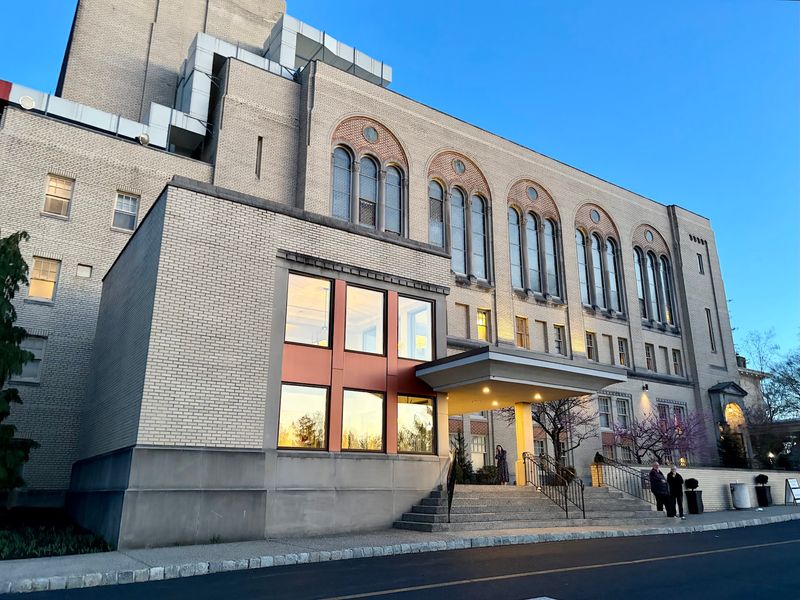
The word Collingswood still appears high on the former theater’s ornate Haddon Avenue facade. Below it, terra-cotta figures, patterned brick, small iron balconies, and decorative lamps give passersby far more to inspect than the average storefront.
Designed in 1928 by David Supowitz, the building wore its Spanish theme proudly, even though the theater behind that elaborate face has long since ceased showing movies. Today the property has commercial uses, and that makes it an excellent example of architecture hiding in plain sight.
You might come downtown for dinner or step out of the nearby PATCO station and walk straight past it without realizing that a movie house once occupied the site. Resist that temptation.
Cross the street for a full view of the upper facade, then move closer to pick out its smaller ornaments and the mix of colors in the terra cotta. The building’s narrow frontage makes the amount of detail particularly impressive.
Its old auditorium had to fit behind a busy shopping street, so the architects put a great deal of theatrical energy into the part everyone could see. The marquee is gone, but the facade still knows how to draw a crowd’s attention.
10. The historic building at 525 Cooper Street – Camden
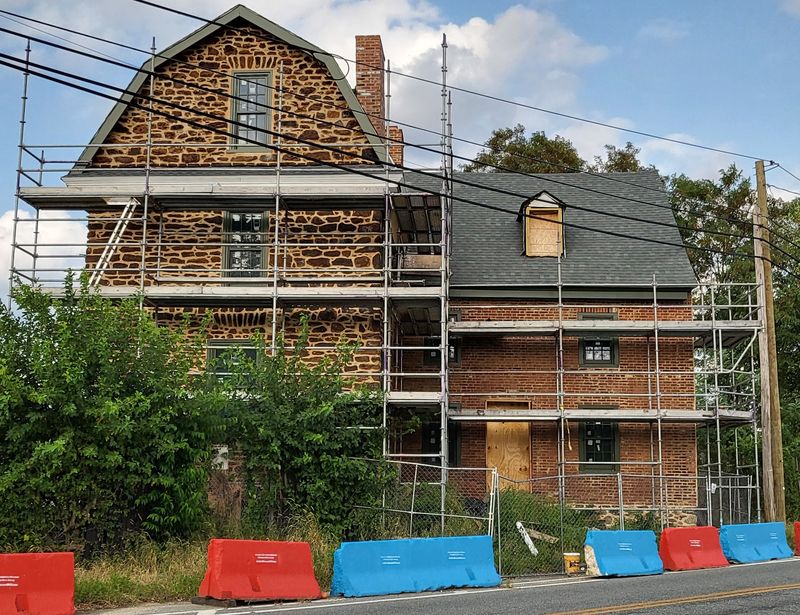
A shallow iron balcony and a small stretch of tile roof make this Camden office building easy to distinguish from its neighbors—provided you look above the ground floor. Built in the 1920s, 525 Cooper Street has a light tan brick Mission Revival facade that fits into a rowhouse-sized lot.
Three French doors open toward the balcony on the upper floor, while the roof tiles and large brackets give the building its strongest Spanish-style accents. It was constructed as Cooper Street was changing from a residential address into a place for legal and insurance offices.
The property had once been the home of Camden historian Charles S. Boyer; the new building kept the scale of the older streetscape while serving a different purpose.
That history makes it rewarding to see as part of a walk along Cooper Street rather than as an isolated landmark. You can appreciate its facade from the sidewalk between Fifth and Sixth streets.
There’s no reason to expect a public tour of a professional building, and its strongest details are visible outside anyway. Stand back far enough to see the whole three-story front, then let your eye travel from the street-level doors to the balcony and roof.
It’s a compact lesson in how much personality can fit into one narrow city lot.
11. The Clairidge – Montclair
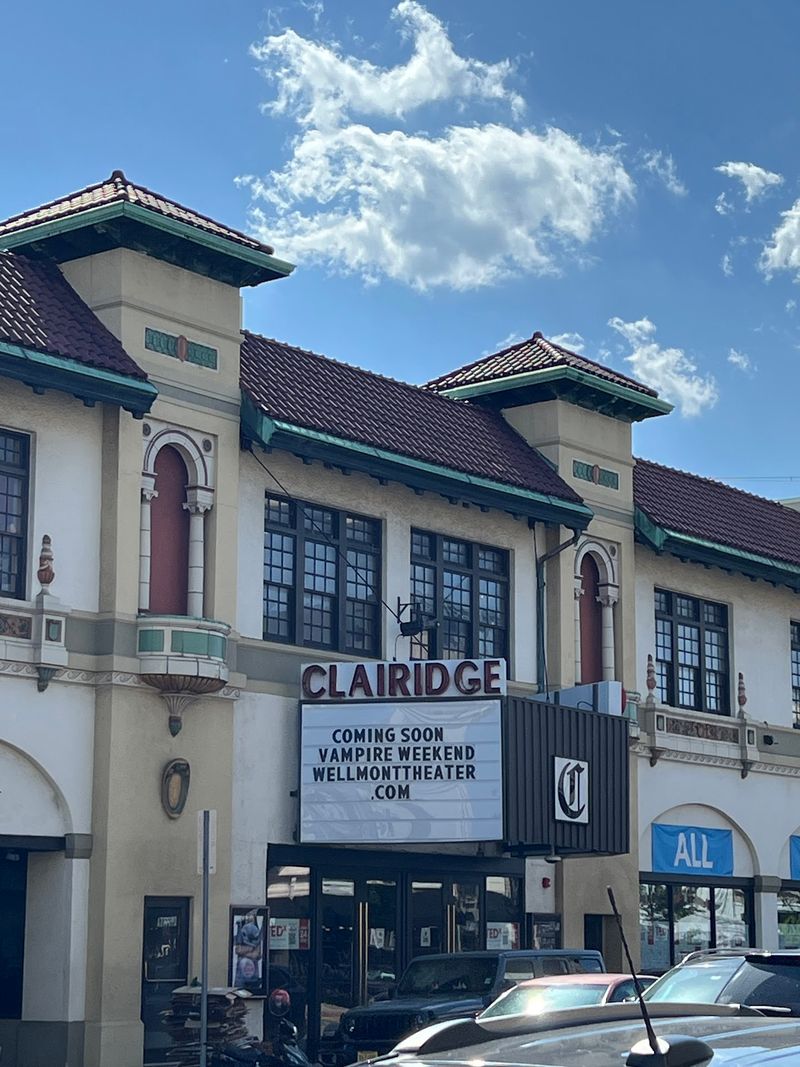
The best way to appreciate this last stop is to buy a movie ticket. The Clairidge opened in Montclair Center in 1922 and remains a working cinema, now operated by Montclair Film.
Its Mission Revival design gives the downtown building a place on this list, while its current program gives you a reason to go beyond a look at the facade. Across six screens, the theater shows independent films, documentaries, international releases, classics, and other first-run movies.
It also hosts filmmaker conversations and special events, so a visit can turn into more than an evening in front of a screen. Check what’s playing before heading into town, then leave a little time to look at the building from the street.
The Clairidge makes a fitting finale because its original purpose is still recognizable. Where some historic theaters have changed uses and others await their next opening night, this one continues to welcome people who want to settle into a seat and watch a story unfold.
Its Spanish-inspired exterior belongs to the same era of imaginative movie-house design as New Jersey’s larger palaces, but the experience here is pleasantly local: pick a film, arrive early, and notice the architecture on your way in.
Share this story