
Right in the middle of downtown Chicago, steps from busy State Street shops and theaters, sits a museum full of iron spikes, cages, and chilling machines from history’s darkest corners. The Medieval Torture Museum explores centuries-old methods of punishment through unsettling displays and the stories behind them, creating an experience that is both educational and deliberately disturbing.
Beyond the shock factor, the exhibits provide historical context for how societies treated prisoners and accused criminals, while encouraging visitors to think about the evolution of human rights and protections against cruel punishment. If you like history with a strong dose of creepy, this spot deserves a place on your Chicago list.
A Dungeon Hiding Behind a State Street Storefront
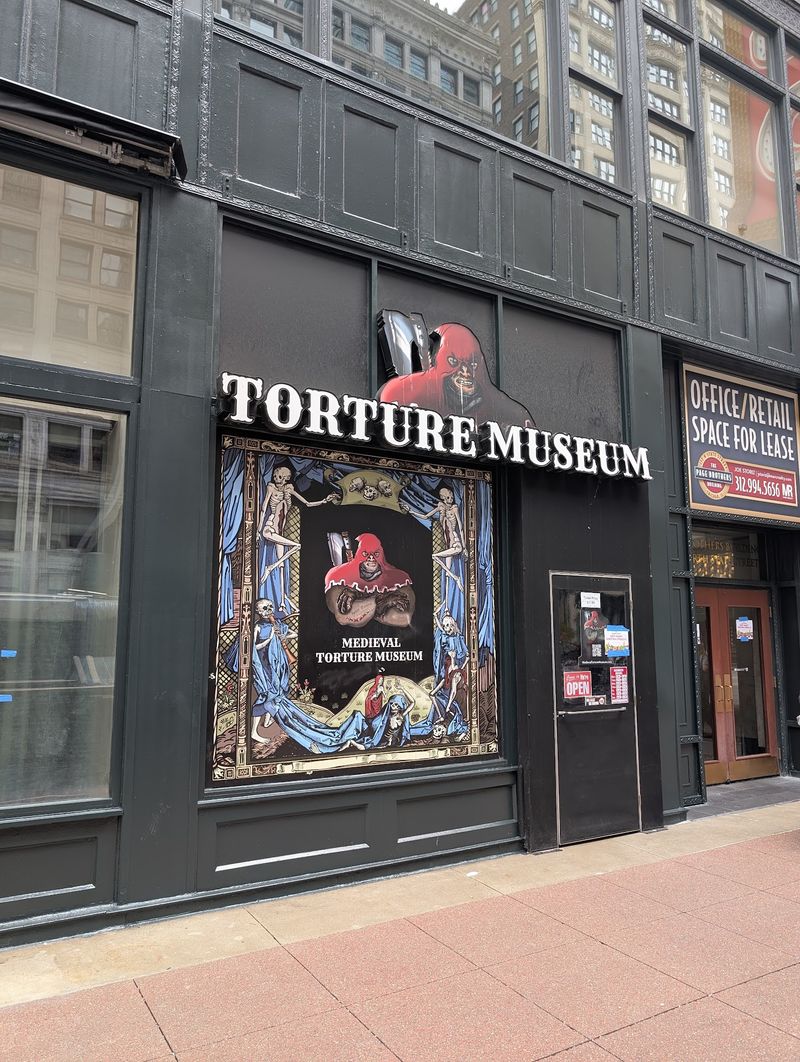
Shoppers stroll past with coffee cups. Theater crowds hurry toward their shows. Meanwhile, just behind a plain glass entrance at 177 N State St, a collection of iron collars and wooden racks waits in dim light.
The contrast is the first surprise. Chicago’s Loop is bright, loud, and full of famous landmarks, so nobody expects a medieval dungeon to be tucked between everyday storefronts. Plenty of people discover it by accident, simply wandering by and deciding to step inside on a whim.
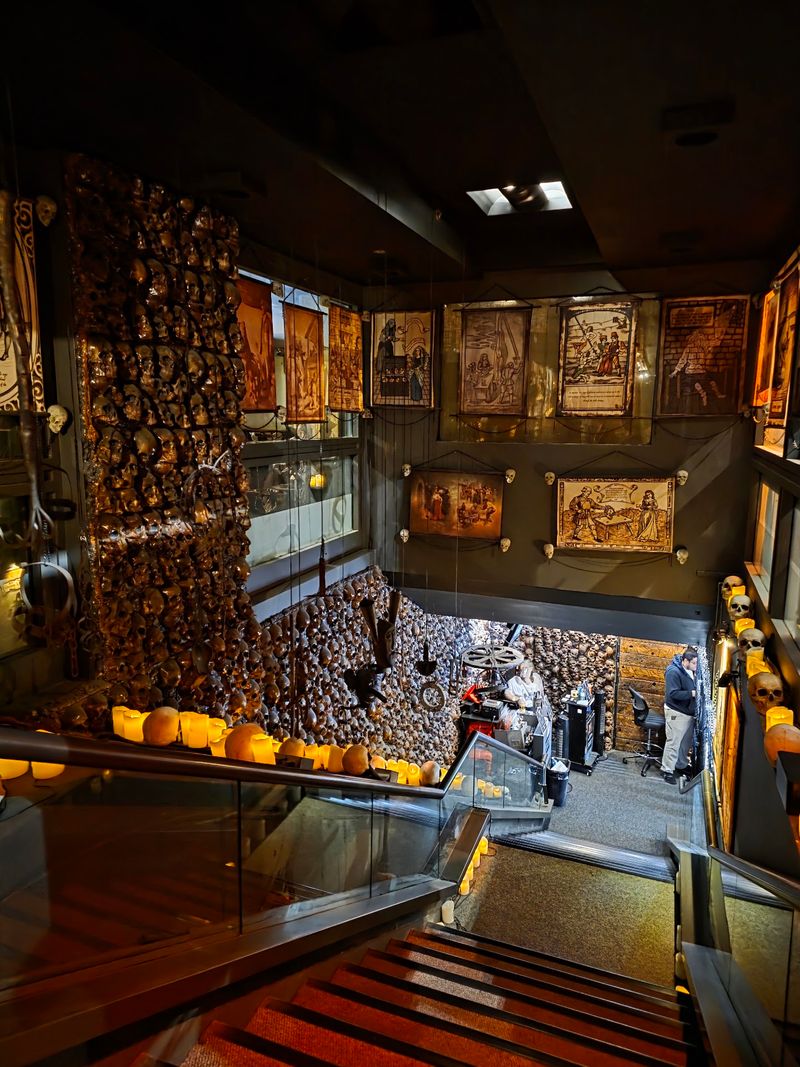
Once the door closes behind you, the city noise fades fast. Lighting drops low, walls turn dark, and shadowy corners take over.
Red and amber glows pick out rusted metal edges, leather straps, and splintered wood. The soundtrack of traffic is replaced by quiet footsteps and the occasional nervous laugh from another group.
Size is another shock. From the street, the building gives no hint of how much is packed inside. Room after room unfolds, each one holding more devices, more life-sized figures, and more stories than the entrance suggests.
Location makes it easy to fit into a downtown day. The museum sits close to the Chicago Theatre, Millennium Park, and several L train stops, so it pairs well with shopping or sightseeing nearby. You can spend the morning admiring the Bean and the afternoon staring at a spiked chair.
Walk-in tickets are usually available at the front desk, which helps if plans change suddenly. Still, weekends and holiday periods bring bigger downtown crowds, so arriving earlier in the day can mean calmer rooms and fewer people waiting to get close to the displays.
Look up at the signage before heading in. That dark storefront is the only warning you get before stepping several centuries backward.
Iron, Spikes, and the Machines of Medieval Punishment
Picture a wooden bed with ropes and a crank at each end. Turn that crank, and the person strapped down gets stretched, slowly and painfully. The rack is one of dozens of devices on display here, and it is far from the worst.
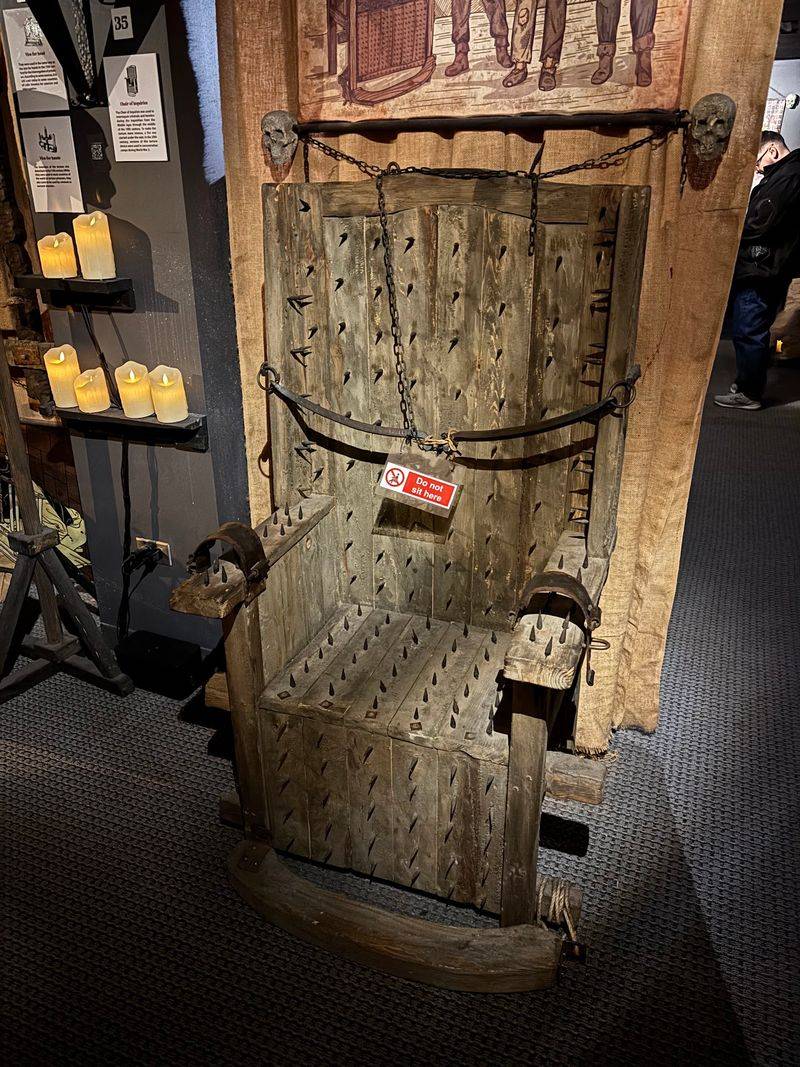
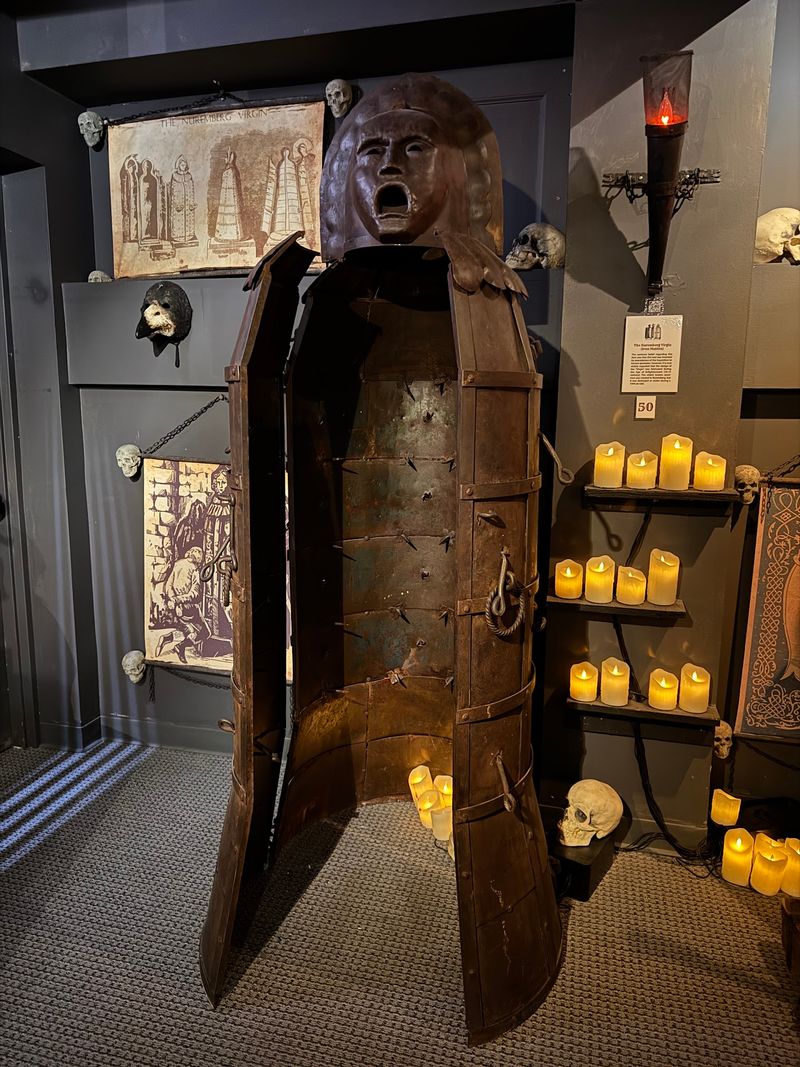
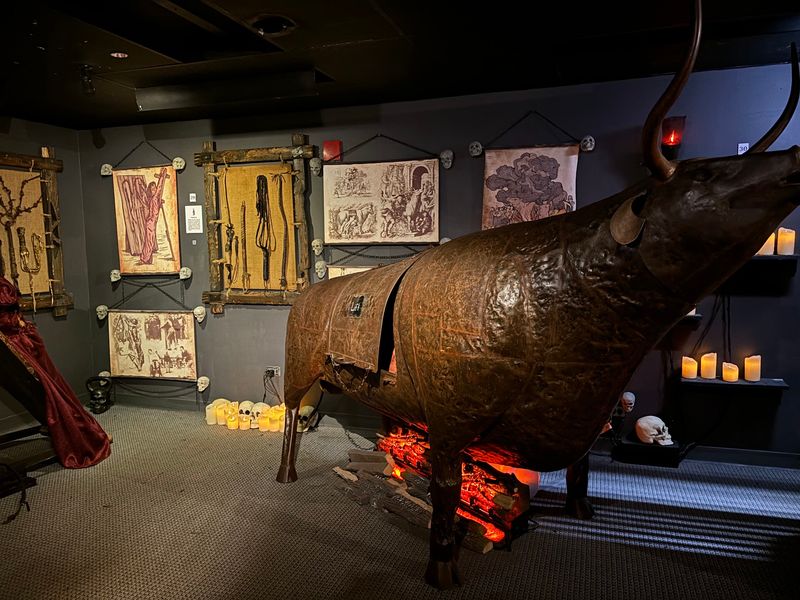
The heart of the museum is its huge lineup of punishment tools. Some names are familiar from movies and Halloween stories, like the iron maiden and the guillotine. Others are far stranger, with odd shapes and purposes that only make sense after reading the explanation beside them.
Each device comes with a plaque that explains where it was used, who it was used on, and why. Some punished thieves or rule-breakers.
Others targeted people accused of witchcraft or simply speaking against those in power. Reading these stories turns cold metal objects into real pieces of human history.
Life-sized mannequins show many devices in action. The figures are detailed enough to make you pause, with painted wounds and twisted poses that leave little to the imagination. Be ready for blood and gore, because the museum does not soften what these tools did.
A few facts land harder than expected. Certain methods shown here were not limited to the Middle Ages, and some forms of cruel punishment have continued into modern times in parts of the world. That connection makes the museum feel less like a spooky show and more like a serious lesson.
Exhibits are numbered, which keeps the route clear and helps you avoid missing anything. Following the numbers in order also lets the stories build, moving from simpler punishments to more complicated and disturbing machines.
Bring patience for reading. The plaques pack in plenty of detail, and skimming them means missing the strangest parts of each story.
Go Ahead, Touch the Exhibits

Most museums have a golden rule: look, but never touch. Here, that rule gets tossed out the window, and honestly, it changes everything about the visit.
Many of the displays are hands-on. You can lock your head and wrists inside wooden stocks, sit in certain chairs, or hold replica tools to feel how heavy they are. Suddenly, a device that seemed like a picture in a textbook becomes very real when it is pressing against your own neck.
Photos are welcome and even encouraged. Friends line up to snap pictures of each other trapped in pillories or peeking out from behind bars. Families trade goofy poses, and couples take turns acting out dramatic scenes. The mix of laughing and gasping gives the rooms a surprisingly lively energy.
Not every device is open to touch, so check the signs before grabbing anything. Some pieces are meant only for viewing, especially the more fragile or complicated ones. The hands-on stations are clearly set up so you know where you are free to experiment.
Here is a smart tip for photo lovers. Keep your phone charged, since you will likely use it both for pictures and for the museum’s audio guide. A small portable charger in your bag can save the day if your battery starts running low halfway through.
Another tip: plan shots with a partner. Some interactive displays work best when one person is locked in while another takes the photo from the front, capturing the full scene.
Groups of friends tend to have the most fun here, turning the visit into a series of challenges. Who can stay in the stocks longest? Who dares to sit on the chair with the scariest name? Those small competitions keep everyone moving from room to room.
Ghost Hunting With Your Phone
Ghosts in a torture museum? It almost makes too much sense. Tucked inside the museum’s app is a ghost hunting game that turns the walk-through into a spooky scavenger hunt.
Here is how it works. As you move through the rooms, you use your phone to search for hidden ghosts lurking among the exhibits. Point your screen in the right direction, and a spirit might pop up, ready to be caught. The goal is to track down every one before you leave.
The game adds a fun layer, especially for teens and anyone who loves a challenge. It pushes you to look more closely at corners, ceilings, and shadowy spots you might otherwise walk past. Some visitors end up noticing extra details simply because they were hunting for a floating spirit.
Expectations matter, though. The game is simple and light, more of a bonus than the main event. People looking for a high-tech video game may find it a bit basic, while casual players tend to enjoy it as a playful extra.
A good strategy is to play the game and follow the exhibits at the same time. Switching between them keeps the visit balanced, so you learn the history while also chasing ghosts. Rushing only for the game means missing the stories that make this museum stand out.
Download the app before arriving if possible. Downtown cell service is usually strong, but getting set up ahead of time saves a few minutes at the entrance and lets you start hunting right away.
For families, the ghost game can be a helpful way to keep younger teens interested between reading stops. It gives them a mission, and a mission tends to beat boredom every time. Catching the final ghost makes a satisfying finish on the way to the exit.
Headphones On for the Creepiest Tour in Illinois
Silence is spooky. A calm voice describing exactly how a spiked collar worked, whispered right into your ears, is spookier.
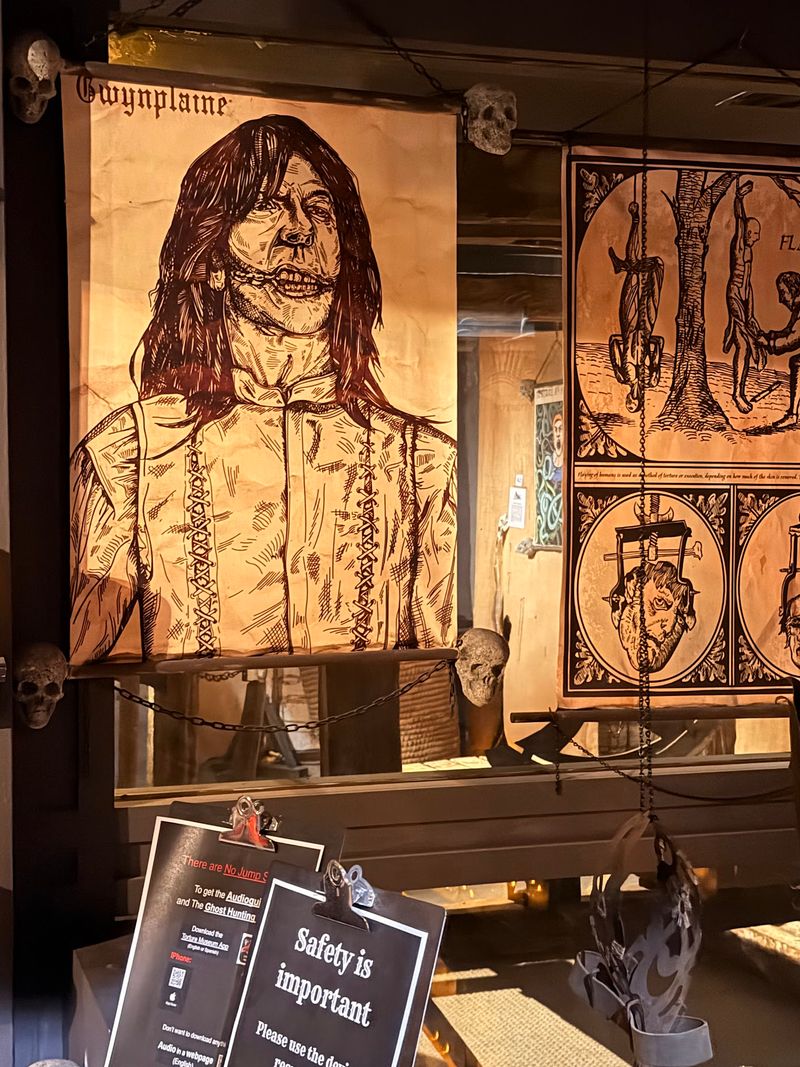
The museum’s audio guide runs through a free app on your own phone. Each numbered exhibit has a matching audio track, so you simply tap the number and listen as the story plays. The narration adds background, details, and a creepy tone that the written plaques cannot fully match.
Bring your own earbuds or headphones. This is one of the most useful tips for the whole visit, because playing audio out loud would disturb other guests and ruin the mood. Wired or wireless both work, as long as they connect to your phone.
The audio is optional. Some people prefer wandering freely and reading the plaques at their own speed, and that works perfectly well too. Others mix both, listening to the stories that grab their attention and skipping the rest.
Pace is completely in your hands. There is no guide rushing you along and no group to keep up with. Want to spend five minutes staring at one chilling mannequin? Go for it. Want to breeze past a display that feels too gory? Nobody will notice.
Listening through the full guide adds real depth. The tracks explain how devices were built, why certain punishments were chosen, and what those moments in history looked like for ordinary people. It turns the museum into something closer to a storytelling experience than a simple walk past objects.
One more helpful habit is to stand slightly aside while listening. Rooms can get snug, and stepping back lets others squeeze past to reach the displays. With earbuds in and the lights low, the next room is waiting around the corner.
Timing, Tickets, and Who Should Come Along
Plan on about an hour to ninety minutes. That is the typical time needed to see everything, read the plaques, and listen to the audio at a comfortable pace. Slow readers and photo lovers can easily stretch it longer, since there is no time limit once you are inside.
Hours are generous. The museum opens at 10 AM every day, closing at 8 PM Monday through Thursday and at 9 PM Friday through Sunday. Those late closing times make it a solid option for an evening activity after dinner in the Loop.
Tickets run around 32 dollars per adult, which is on the pricier side for a museum visit. Searching online for coupon codes before going can sometimes lower the cost. Walk-up tickets are usually easy to buy at the counter.
Age matters here. The displays are graphic, bloody, and in a few spots include adult themes, so this is not a place for small children. Teens around 15 and older tend to handle it well, while kids around 10 might manage with a parent making the call.
Anyone who faints at the sight of fake blood should think twice. On the bright side, there are no jump scares or actors leaping out of dark corners. The fright comes from the realism and the stories, not surprise shocks.
Driving downtown can be tricky. Parking in a garage on a side street and walking a block or two is often the easiest choice. The CTA trains are another simple option, with several stations close by.
Save a few minutes at the end for the gift shop. Its shelves hold a wide mix of souvenirs, some creepy and some random, so browsing can be half the fun. Clean restrooms near the exit are a welcome bonus too.
Why Cruel and Unusual Punishment Is Banned
Tucked into the Eighth Amendment of the United States Constitution is a short phrase: no cruel and unusual punishment. After an hour inside this museum, those words suddenly carry a lot more weight.
That is the sharpest takeaway here. Beneath the creepy lighting and photo-friendly stocks, the museum tells a serious story about power, fear, and justice. Every device shows what can happen when rulers or crowds decide pain is the right answer to a crime, or even to a rumor.
Many of the victims described on the plaques were not dangerous criminals. Some were accused of witchcraft with little proof. Others broke small rules, owed money, or angered the wrong person. Learning this shifts the visit from spooky entertainment to real reflection about fairness.
The realism helps the lesson land. Seeing a lifelike figure trapped inside a device makes history harder to ignore than reading a paragraph in a textbook. It pushes visitors to imagine daily life in times when public punishment was normal and even treated as a crowd event.
Students studying history, government, or law may find the museum especially useful. It connects ancient practices to modern rights in a way that is easy to understand. True crime fans and lovers of the dark and strange will also find plenty to chew on.
With a 4.9-star rating from thousands of visitors, the museum clearly strikes a chord. It manages to be fun, educational, and unsettling all at once, which is a rare mix for any attraction in Illinois.
Walk back out onto State Street afterward and the city looks a little different. The traffic, the crowds, and the ordinary noise of a free society suddenly seem worth noticing.
Share this story