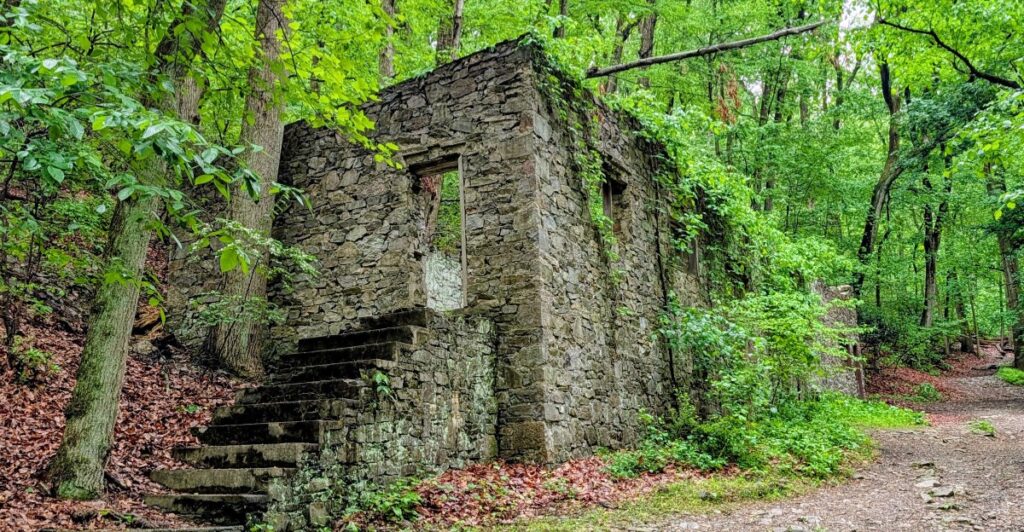
A short hike near Phoenixville leads to the remains of the Colonial Springs Bottling Plant, where weathered walls and traces of the old site offer a glimpse into an overlooked chapter of the area’s past. Many people pass through this part of Valley Forge without knowing why the old walls are there or what once stood on the land. The site tells a story about spring water, local business, and the way the surrounding landscape changed over time before eventually becoming part of a park.
As you follow the trail, it is easy to walk past without giving the ruins much thought, but taking a closer look reveals small details that help bring the history to life. What might seem like a quiet stop along the trail becomes a fascinating piece of Pennsylvania history hiding in plain sight.
1. An Old Plant Beside the Trail
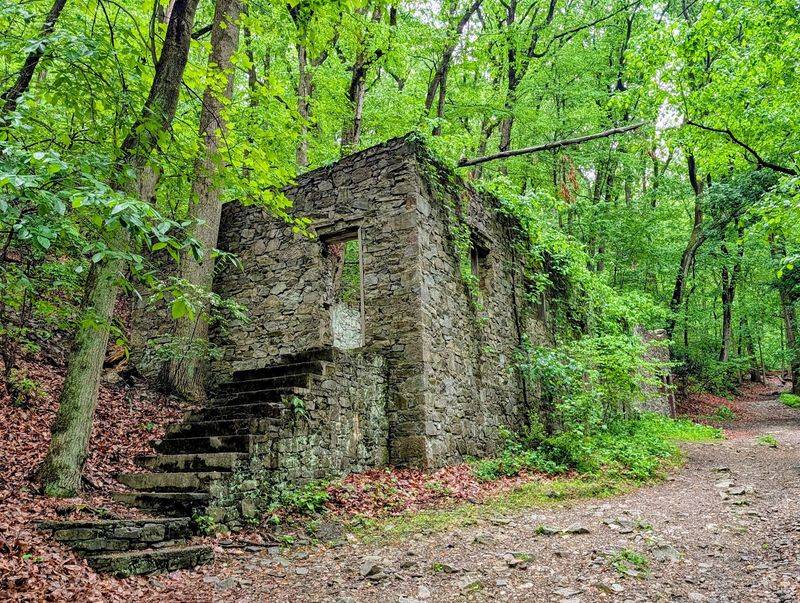
Old walls have a way of stopping a hike in its tracks.
The Colonial Springs Bottling Plant sits near the Horse-Shoe Trail in the Valley Forge area, where its remains can surprise walkers who came mainly for the woods.
It is a historical landmark, but it does not look like a busy visitor center.
Part of its appeal is seeing a work site slowly become part of the landscape.
Pause on the trail and look at the walls from a safe distance.
Notice how the site sits close to water and within reach of paths through the hills.
Those details help explain why a water business might have chosen this spot.
You do not need to climb into a ruin to enjoy it.
Loose stone, mud, and hidden drops can make old structures risky.
A careful look from outside leaves the plant intact for the next curious hiker who comes along.
2. The Spring Behind the Story
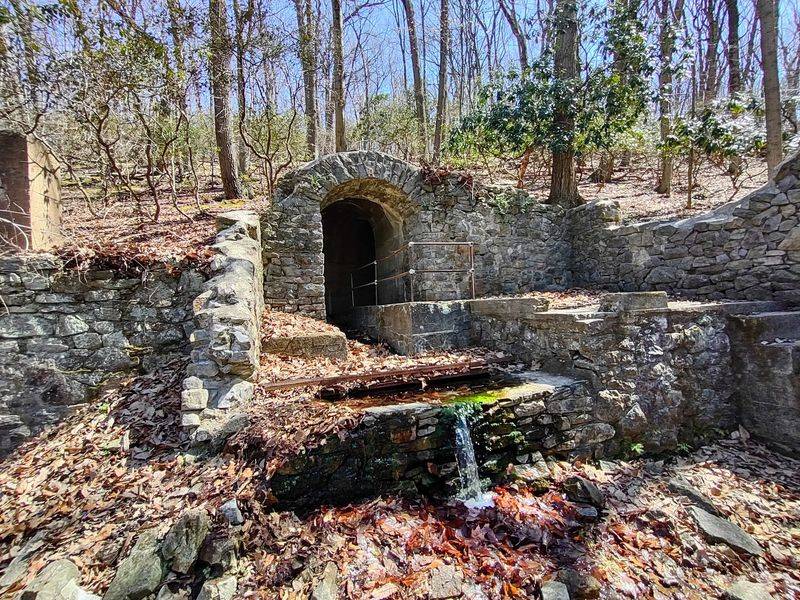
Before bottles or business deals, there was a spring.
Water is the reason the Colonial Springs site mattered to people who hoped to sell something gathered from this hillside.
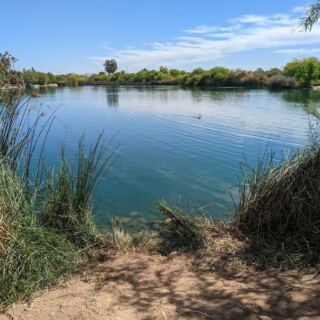
Today, the setting can feel peaceful, and visitors sometimes remark on the clear water nearby.
Its appearance, however, cannot tell you whether it is safe to drink.
Bring your own water for the hike instead of filling a bottle at the ruins.
The spring also gives you a useful way to picture the old work.
Water had to be collected, handled, and moved away from a wooded slope before it could reach customers.
That takes more planning than a modern bottle on a store shelf suggests.
While you look around, imagine the effort involved without assuming every surviving wall had one certain job.
Much of the site’s detailed history remains hard to verify, so the landscape offers clues rather than a complete set of answers.
3. A Lease That Puts a Date on the Map
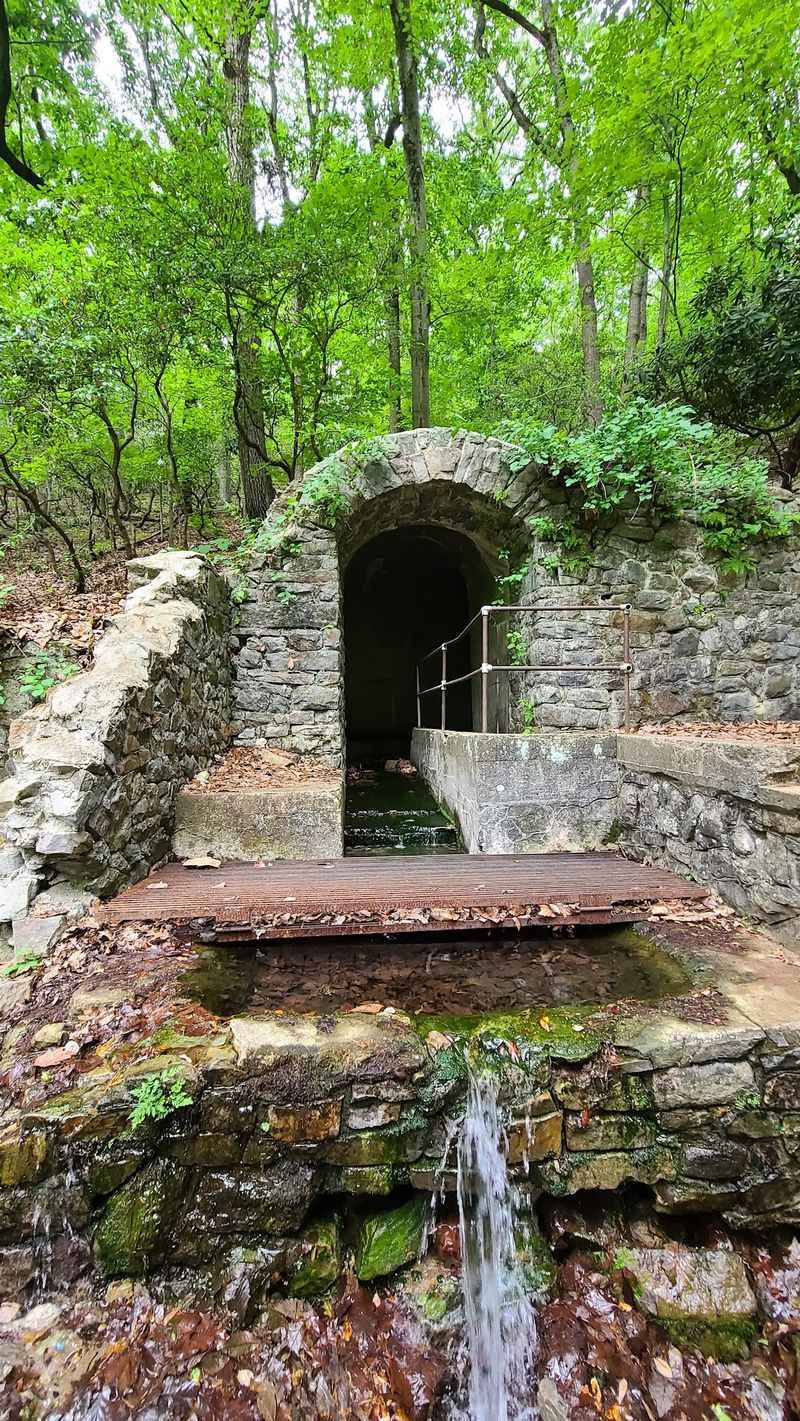
A date can make an old pile of stone feel much less mysterious.
According to historical details shared by visitors who have researched the site, General Benjamin Franklin Fisher leased use of Cold Spring water to the Colonial Springs Company in 1908.
One visitor also cites an earlier, 1900 agreement for C. T. Chase to buy at least 5,000 gallons of spring water each month.
Those accounts point to business interest here before most of the stories now told on the trail.
Treat these dates as leads, not as labels for every stone you see.
Without a detailed plan of the plant, a foundation alone cannot prove where a particular task happened.
If you enjoy local history, write down the names and dates before your visit.
They give you a starting point for further research and help separate documented agreements from guesses made while looking at the remains today.
4. The Root Beer Rumor
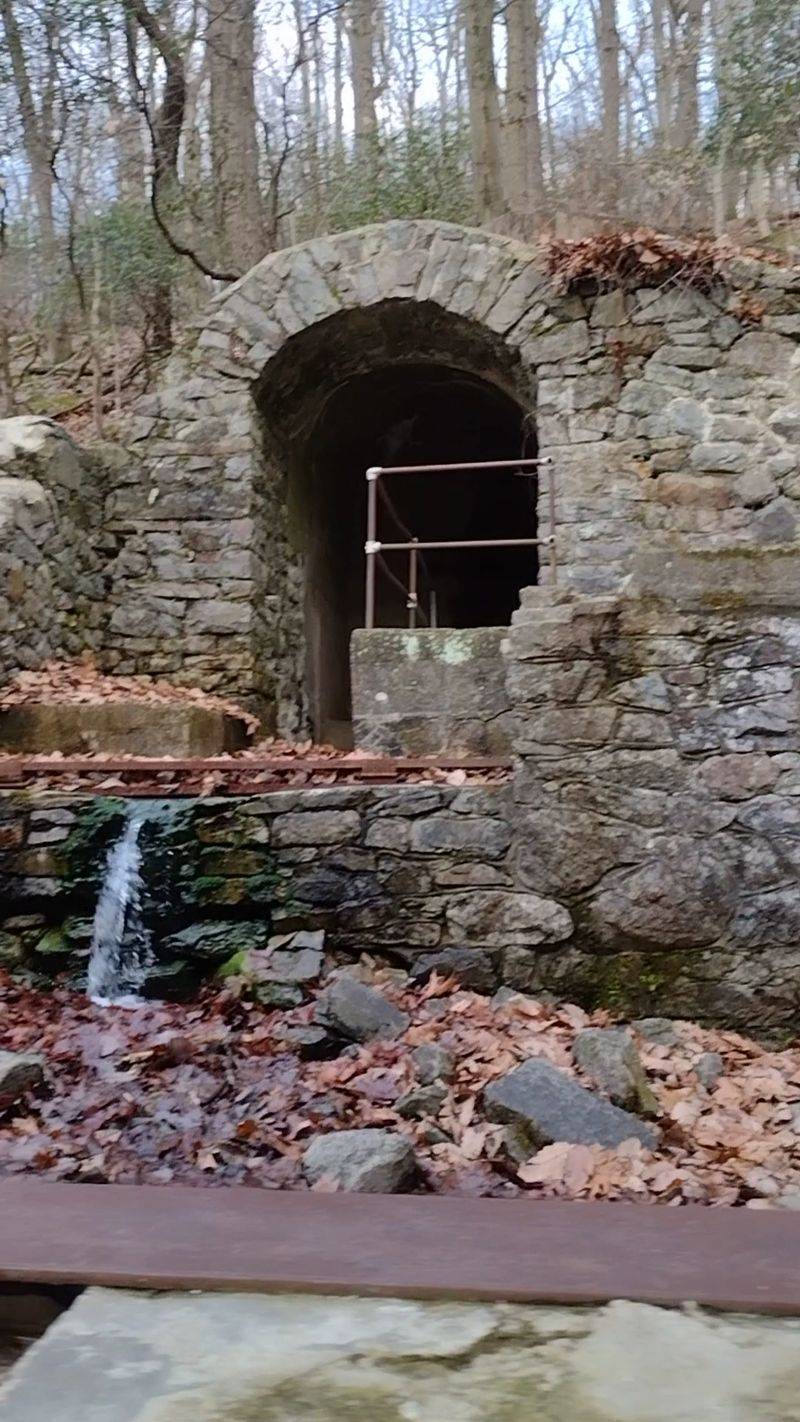
Root beer is the twist that makes this place sound like a tall tale.
Visitors have connected the property with Charles Hires, whose name is famous for root beer, and one account says Fisher’s heirs sold the land to him after Fisher died in 1915.
That connection is interesting, but owning land is not the same as making soda there.
The visitor accounts provided for this site do not establish that Hires produced root beer at the spring.
When a friend calls the ruins a root beer factory, share the more careful version of the story.
A later owner may have been linked to a familiar drink, while the work known here centered on spring water.
Old nicknames can preserve a memory, yet they can also blur what really happened.
Keeping the distinction clear makes the plant more interesting, not less.
It shows how easily a small place can gather a much bigger legend.
5. Getting Water Off the Hill
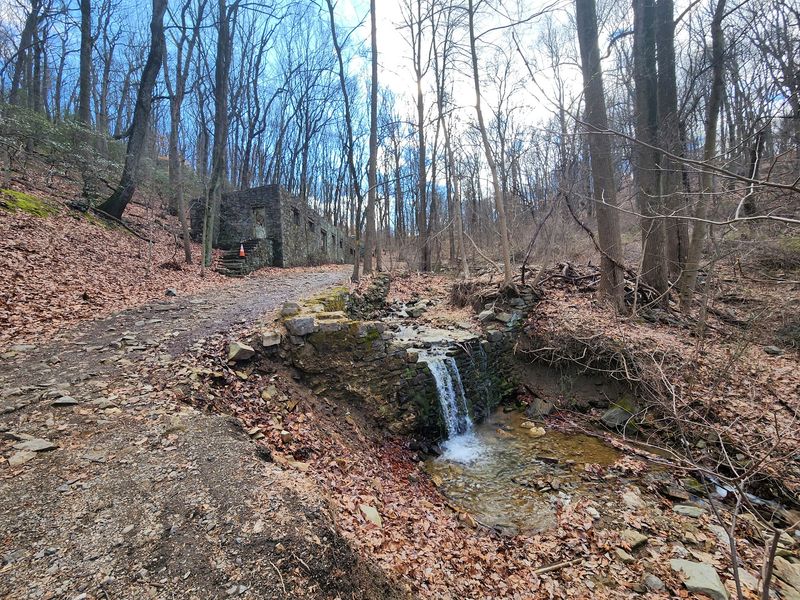
Imagine carrying heavy water containers across a rocky hillside, and the site’s business story starts to feel real.
One visitor who researched Colonial Springs describes water traveling in large carboys toward nearby railroad tracks for delivery to customers in Philadelphia.
That account is more specific than the familiar picture of small bottles rolling off a factory line.
The surviving ruins alone cannot confirm exactly how much bottling happened on this spot.
The route matters because a spring is useful to a business only if its water can reach buyers.
Think about the distance between the hillside and transport links as you walk, without leaving marked trails to hunt for old routes.
A container full of water gets heavy fast, and uneven ground adds work to every trip.
The plant’s location raises practical questions about labor, storage, and delivery.
Those questions are worth asking even when the historical answers are not fully settled.
6. A Hike With Real Ups and Downs
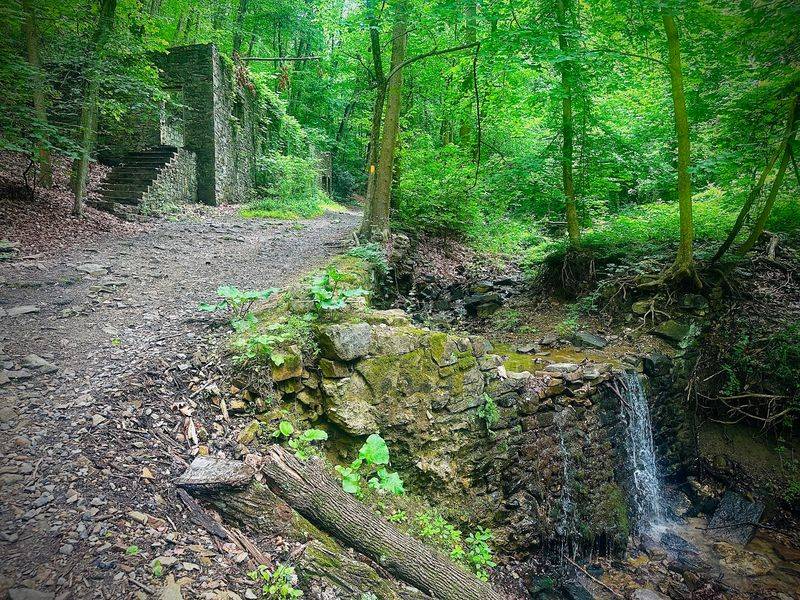
The ruins may be the goal, but your shoes will remember the trail.
Visitor reviews describe the walk near Colonial Springs as rocky, hilly, and full of changes in elevation.
Some hikers suggest boots or walking poles, especially for people who want extra support on slopes.
Mud can also gather around the remains, so a dry day does not promise clean footing at the site.
Check current park trail information before setting out, and choose a route that matches your comfort level.
Wear shoes with a good grip, carry drinking water, and leave enough time to return before closing.
The supplied place listing gives daily hours of 7 a.m. to 8 p.m., but posted park notices should guide your visit.
If a parking area is full, wait for a legal space rather than blocking an entrance.
A little preparation makes the surprise of finding the plant much more enjoyable.
7. What the Walls Cannot Tell You
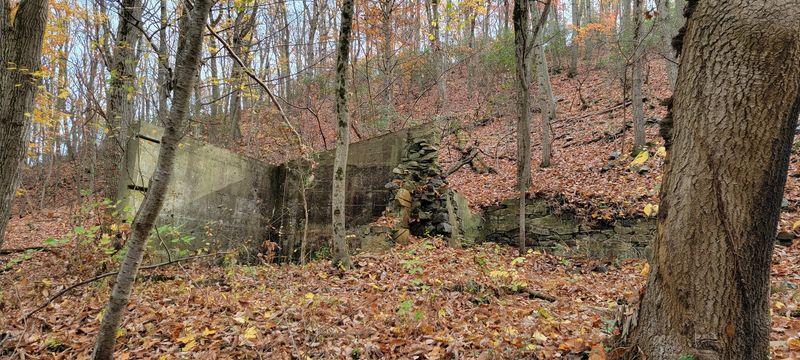
A ruin leaves plenty of room for imagination, but not every guess deserves to become history.
At Colonial Springs, visitors have wondered about the plant’s original layout, the people who worked there, and how water was handled.
Even accounts shared by careful local researchers disagree with some popular assumptions about bottling at the site.
There is no need to fill every gap with a confident story.
Look for features you can actually see, such as surviving walls and the relationship between the structure and the nearby trail.
Then keep those observations separate from what you have heard.
A photograph taken from a safe public spot can help you compare changes on a later visit.
Avoid moving stones or entering unstable spaces to get a better view.
Small acts of care protect whatever evidence remains.
They also leave future visitors the chance to ask their own questions about this unusual place.
8. A Quiet Stop Worth Protecting
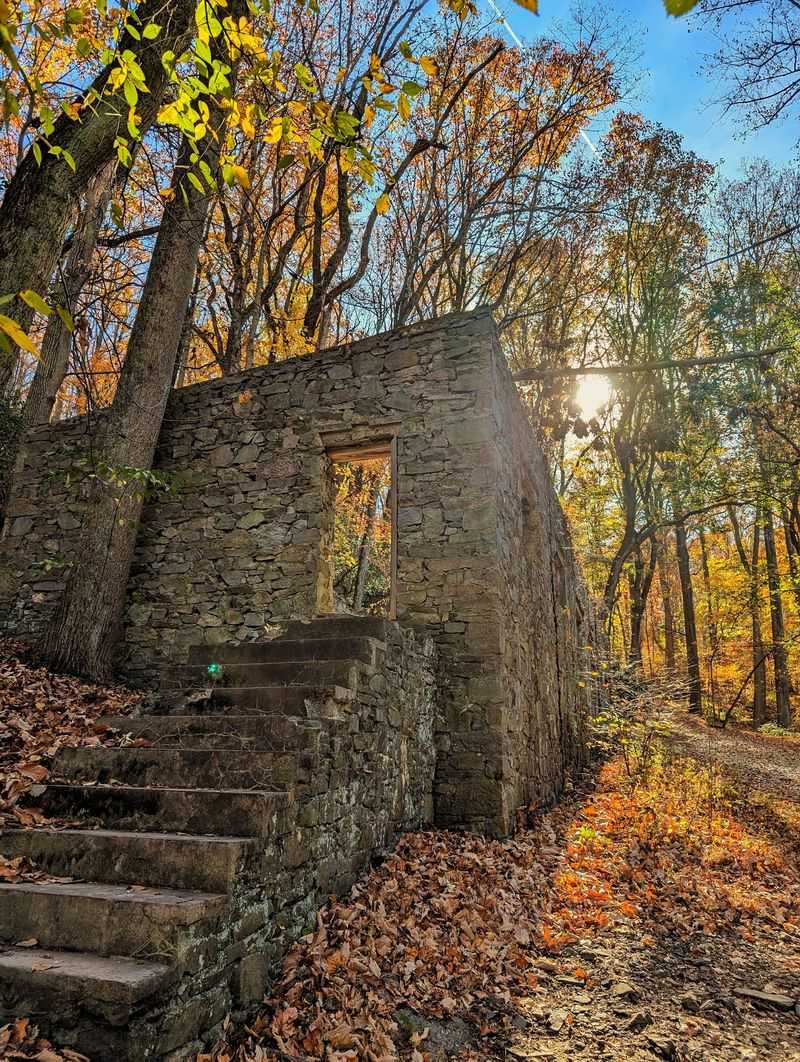
Not every landmark needs a grand entrance to leave an impression.
Colonial Springs is easy to pass if you are focused on the next hill, yet its old stonework marks a chapter of local life beyond the park’s better known stories.
Visitors mention birds, wildflowers, and the pleasure of finding a historical surprise during a hike.
That mix of nature and history is what makes the stop memorable.
Give yourself a few minutes here rather than rushing through for a photograph.
Read any current park guidance, stay on permitted paths, and carry out everything you bring.
If you share the location with friends, mention the uneven walk as well as the ruins so they can prepare.
For questions about access, check the National Park Service visitor information before leaving home.
The best way to honor this overlooked plant is simple: enjoy it carefully and let the next person discover it too.
Share this story