Pennsylvania has grand churches that tell stories through stone, stained glass, intricate details, and works of art. Some stand along busy city streets, where their impressive architecture can be easy to overlook amid the surrounding activity, while others welcome visitors in quiet hill towns and peaceful communities. Each one offers a different glimpse into the state’s history, faith, and craftsmanship, making them worthwhile stops even if you are visiting simply to admire the architecture.
You can visit for prayer, history, photography, or simply a few peaceful minutes away from the noise of everyday life. Take your time looking at the details, from soaring interiors and colorful windows to statues, paintings, and other features that reveal something about each building’s past. Before setting out in 2026, check each site’s visiting hours and any visitor guidelines so you can arrive at the right time and enjoy the experience at its best.
1. The National Shrine of Saint Rita of Cascia, Philadelphia
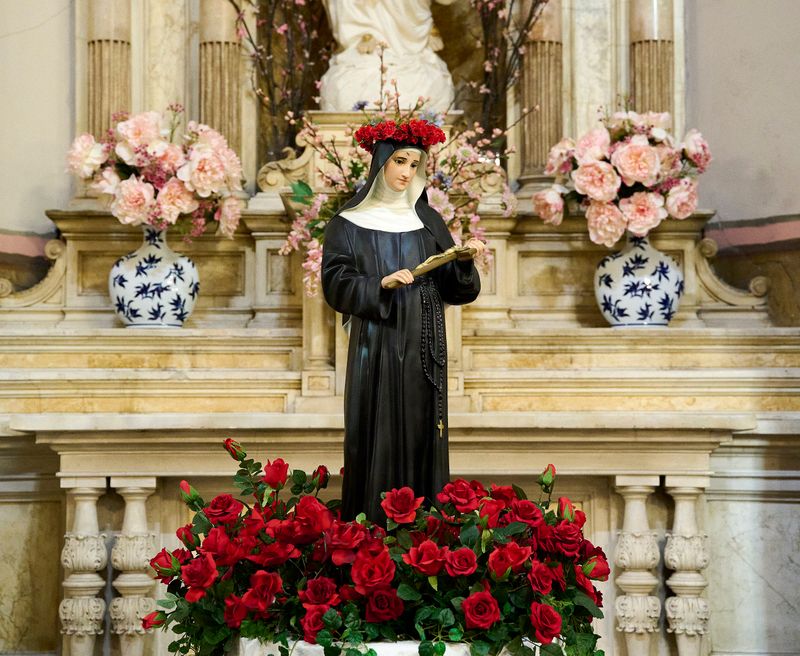
A quiet doorway can feel like a welcome break from a busy city.
In South Philadelphia, the National Shrine of Saint Rita of Cascia gives visitors a place to pause, pray, and learn about a saint known for hope during difficult times.
Even if you are not familiar with her story, the shrine offers a thoughtful stop.
Saint Rita lived in Italy and is often called the patron saint of impossible causes.
People come here carrying worries about family, illness, or other challenges.
Knowing that helps explain why the space feels personal rather than grand or distant.
You may notice visitors sitting quietly long after they enter.
Take time to look at the religious art instead of walking through quickly.
Images and symbols can help tell Saint Rita’s story, especially if you read the signs available on site.
A visit can also spark a good conversation with children about kindness, patience, and how people seek comfort.
This shrine works well as part of a South Philadelphia outing, but treat it differently from a typical sightseeing stop.
Speak softly, silence your phone, and leave clear paths for people attending worship.
If a service is underway, ask before taking photographs or wait until it ends.
Check the shrine’s official schedule before traveling in 2026.
Hours for visits, Mass, and special events may differ, particularly around Saint Rita’s feast day in May.
Public transit or a planned parking spot can make a city visit easier, and comfortable shoes help if you are exploring nearby streets.
Give yourself enough time to sit for a few minutes after looking around.
You do not need a long itinerary to appreciate the place.
Its strongest impression may be the simple sight of neighbors finding a moment of peace together.
That feeling stays with many visitors long after the city noise returns outside again.
2. Sacred Heart Basilica, Hanover
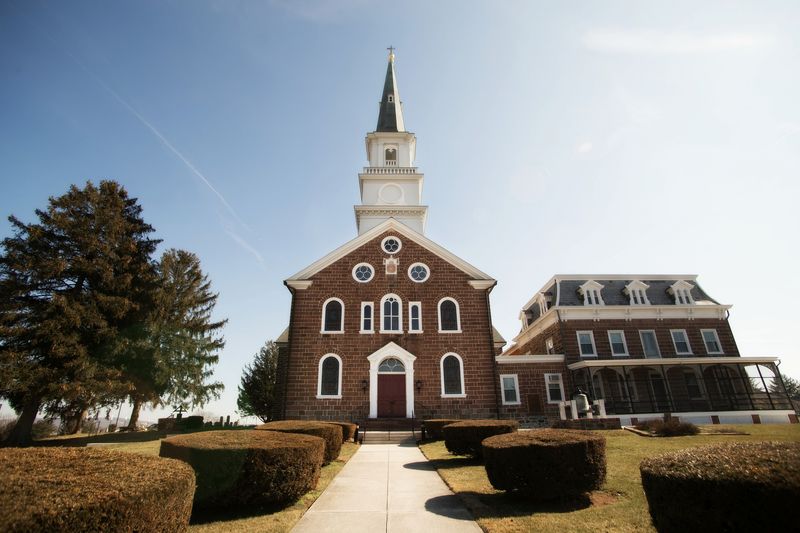
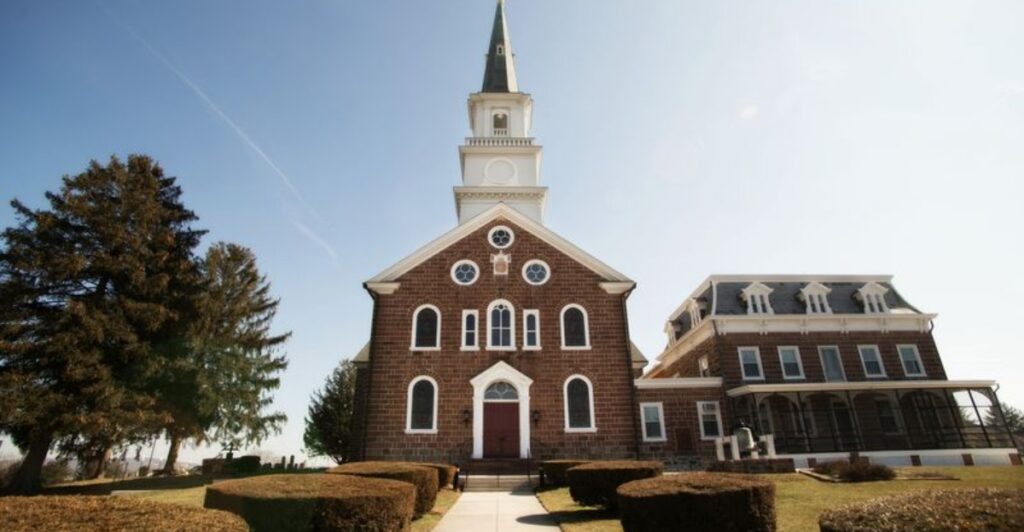
Old stone walls can make history feel close enough to touch.
Sacred Heart Basilica, in the Hanover area of Pennsylvania, invites visitors to slow down and notice a church community with deep roots.
Its peaceful setting offers a different experience from the state’s busier city cathedrals.
The parish traces its story to early Catholic life in the region.
That makes the basilica more than an attractive building: it is a reminder that generations gathered here for worship, weddings, and everyday support.
Look at the exterior first, then step inside if the church is open to visitors.
A basilica is a church given a special title by the pope.
It does not mean the building must be the largest nearby.
At Sacred Heart, the title offers a chance to ask how local history and wider Catholic traditions meet in one place.
Younger visitors may enjoy spotting details that look different from modern buildings.
Bring a camera for outdoor views, but be considerate inside.
Avoid flash, keep conversations low, and make room for anyone who has come to pray.
If doors are locked, do not assume you have arrived at the wrong place; many active churches limit access outside scheduled hours.
Before a 2026 trip, confirm the current address, visiting arrangements, and service times with the parish.
The church is associated with the Hanover area, but using its exact address will help you avoid confusion on country roads.
If you attend Mass, arrive a little early and dress in a way that respects worship.
Leave space in your day for a slow look at the grounds.
Rural Pennsylvania has a way of making small details stand out, from weathered stone to the changing light.
A short visit here can connect a road trip to the people who shaped the area over many years.
That is a reward even without a formal tour.
3. The National Shrine of St. John Neumann, Philadelphia
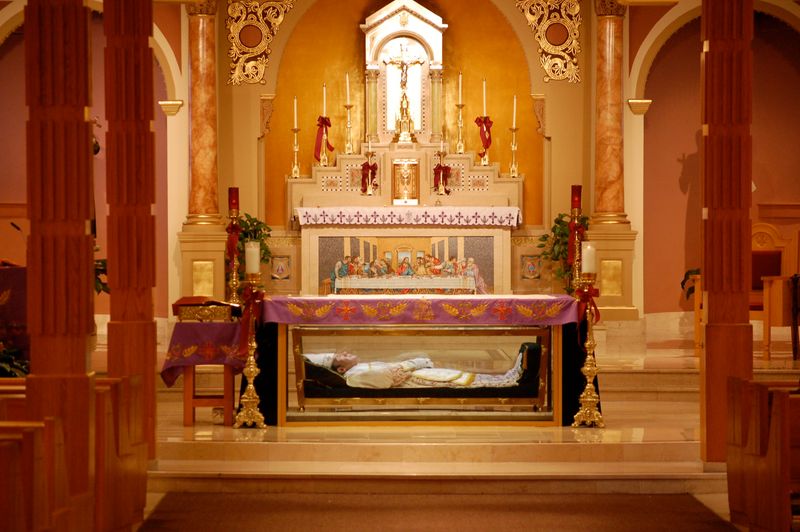
Imagine walking into a city church and meeting a story that reaches across Pennsylvania.
The National Shrine of St. John Neumann honors a former bishop of Philadelphia whose work helped Catholic schools and parish communities grow.
His tomb makes this an important pilgrimage stop, yet visitors can also come simply to learn.
The shrine is at St. Peter the Apostle Church, so check that name when planning your route.
Inside, watch for artwork and displays that explain Neumann’s life and service.
Reading a little beforehand can help children understand why people remember a bishop who lived in the nineteenth century.
His story is not only about a title or a date.
Neumann traveled to serve communities, cared about education, and became a symbol of steady work done for others.
As you explore, consider how schools and neighborhood churches can change a city over time.
That question makes the visit feel connected to daily life.
Because people may be praying near the tomb, keep your voice low and your phone silent.
Follow posted photography rules, especially during Mass.
If you are visiting with a group, gather outside before discussing what you saw.
Small acts of care help keep the shrine welcoming for pilgrims.
Philadelphia traffic and parking can take longer than expected.
Check the shrine’s official website for 2026 hours, events, and any changes to access before leaving home.
Public transit may be easier than driving, depending on where your trip begins.
Allow extra time if a special service is scheduled.
Rather than rushing to the next landmark, spend a few minutes looking at the space around you.
A shrine can tell a story through a tomb, an image, and the people who still visit.
Here, history feels less like a page in a book and more like a living part of the neighborhood today.
4. Saint Peter Cathedral, Erie
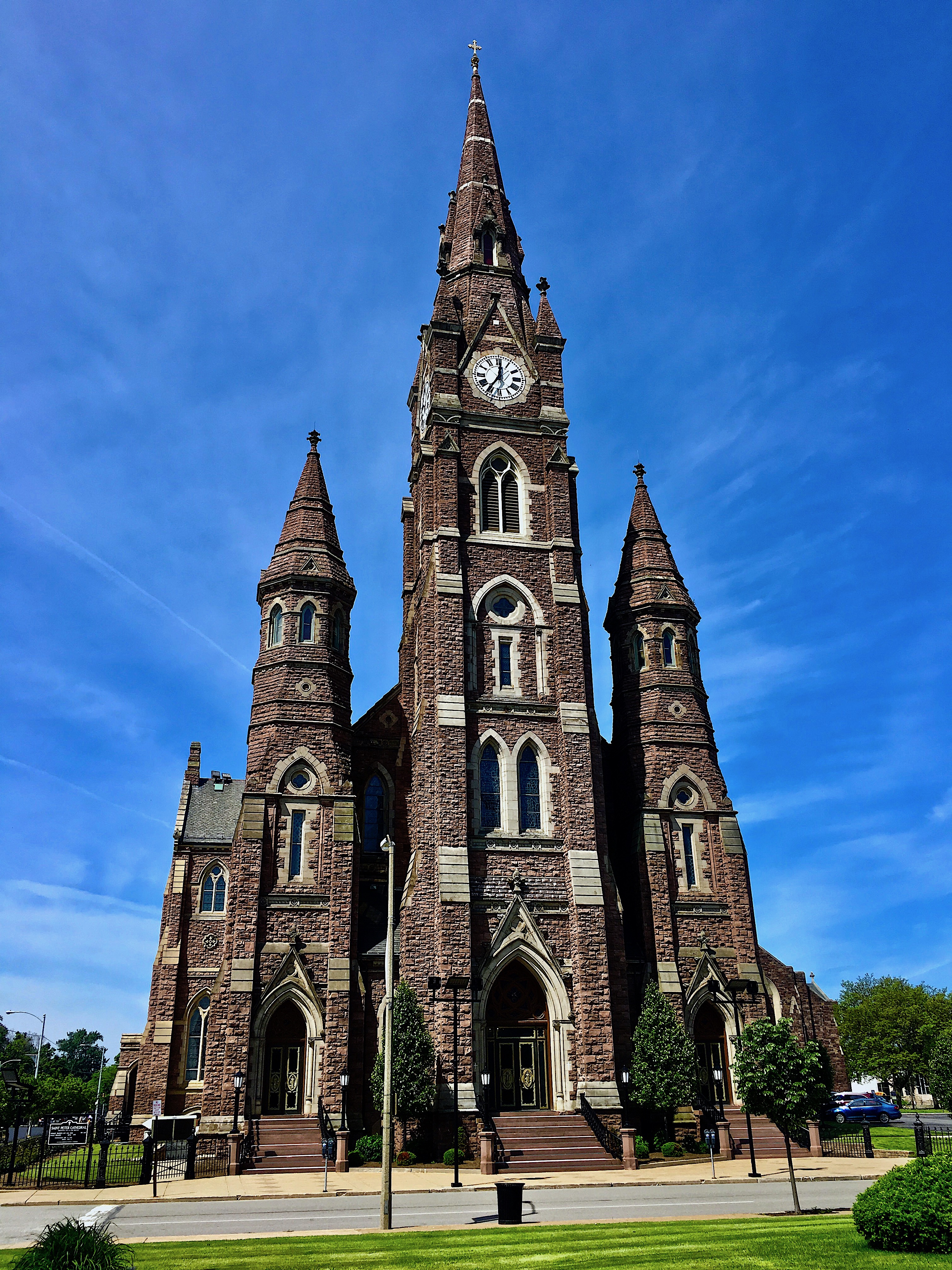
Look up when you reach this Erie landmark.
The tall towers of Saint Peter Cathedral give its exterior a strong, memorable shape against the sky.
From the sidewalk, it is easy to understand why the building catches the eye of people exploring the city, even before they know its story.
Saint Peter is the cathedral of the Catholic Diocese of Erie.
A cathedral is the church that holds the bishop’s chair, a symbol of the bishop’s role in the diocese.
That fact gives visitors a simple way to understand why this church matters beyond its size and appearance.
Spend a moment studying the stonework outside before entering, if visitor access is available.
Inside, details such as stained glass and the high ceiling can reward a slower look.
Try choosing one window or design and asking what story it tells.
That small task can turn a quick stop into a more memorable visit.
Active worship comes first here.
Check the cathedral’s schedule before your 2026 trip and avoid wandering during a service unless you plan to attend.
Speak quietly, follow signs, and ask whether photography is allowed.
If you bring children, explain these expectations before going through the door.
Erie’s weather can change quickly, especially in colder months, so dress for the walk between your car or bus stop and the entrance.
A clear day is helpful for viewing the towers, but an indoor visit offers a good break when rain arrives.
Confirm any accessibility needs with the parish before traveling.
Pair the cathedral with other stops in Erie if you have time, but do not pack your schedule too tightly.
The pleasure here is partly in noticing how a striking church fits into an everyday city street.
It has served generations, and it still gives travelers a reason to pause and look upward.
That simple moment is worth making room for.
5. The Basilica Shrine of Our Lady of the Miraculous Medal, Philadelphia
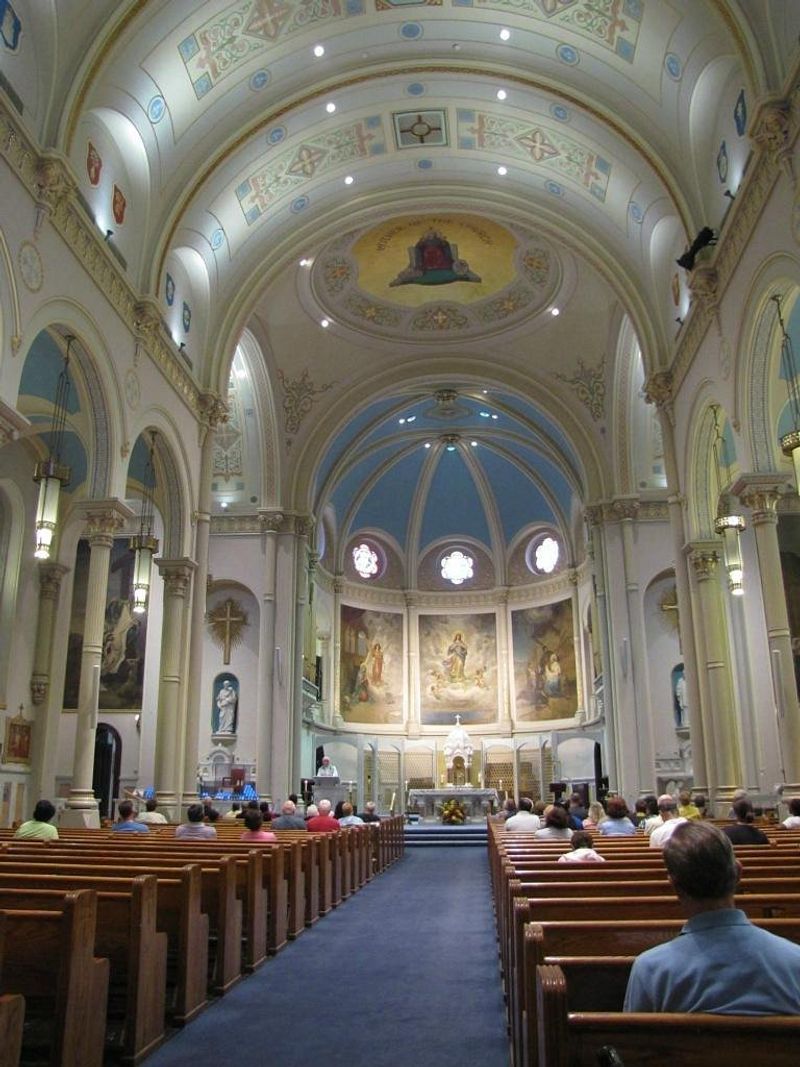
A blue medal small enough to fit in a pocket helped inspire a much larger place of prayer.
Philadelphia’s Basilica Shrine of Our Lady of the Miraculous Medal welcomes people interested in Marian devotion, religious art, and the city’s Catholic history.
You do not need to own a medal to appreciate the setting.
The shrine is connected with the Miraculous Medal, a Catholic devotional item bearing images of Mary.
For many visitors, it represents trust and comfort.
If that tradition is new to you, look for information at the shrine or read its visitor materials before arriving.
A little background makes the symbols easier to understand.
Inside the basilica, give your eyes time to adjust and take in the larger design before focusing on individual details.
Art, color, and quiet can shape the experience as much as a guided explanation.
Visitors who enjoy architecture may want to compare the grand interior with the neighborhood streets outside.
Plan around worship, not through it.
Check the official 2026 calendar for visiting hours, services, and special devotions, which may draw larger crowds.
If you hope to take pictures, confirm the rules first and keep your camera away during prayer unless permission is clear.
A respectful visit is better than a rushed collection of photos.
Philadelphia is easier to explore when you decide on transportation in advance.
Look up transit routes or parking before leaving, and save the shrine’s exact address on your phone.
If you are traveling with someone who needs step free access, ask the shrine about the best entrance.
Leave a few minutes for stillness after you finish looking around.
You might notice the sound of footsteps, the light on a wall, or the way people move through the space.
Those simple details help explain why visitors return to shrines: they offer room to think, even in a busy city.
6. Saint Anthony Chapel, Pittsburgh
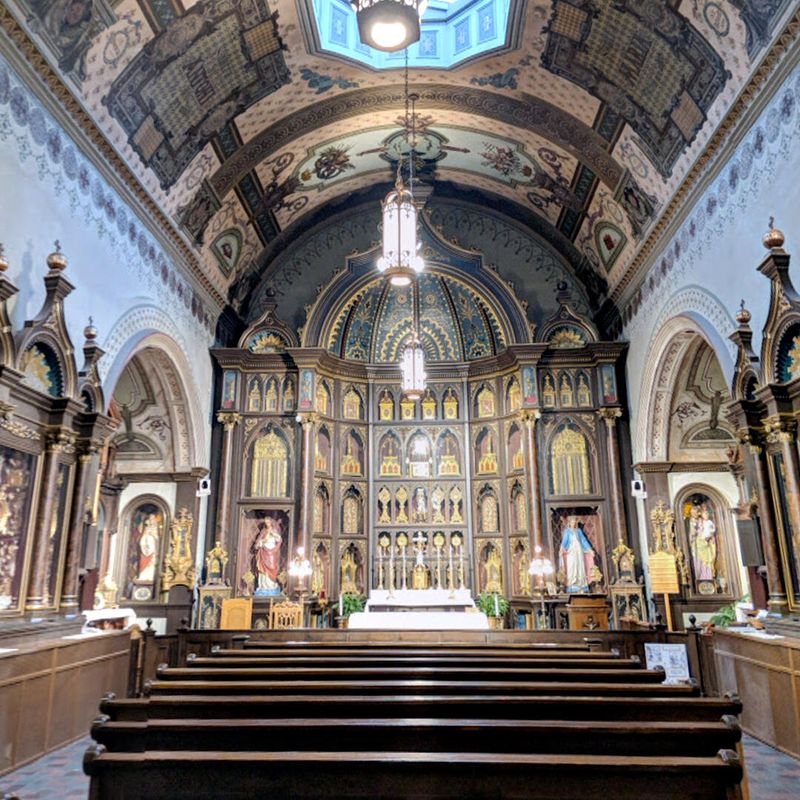
From a Pittsburgh street, you might not guess how much there is to see inside Saint Anthony Chapel.
Its large collection of religious relics has made this Troy Hill landmark famous among visitors who enjoy unusual history.
The chapel is also an active sacred space, so curiosity and courtesy should go together.
A relic is an object connected to a saint or another holy figure.
Catholic visitors may come to honor those connections, while others may be interested in the history and careful display of the collection.
Reading the chapel’s own explanations can help you understand what you are seeing without making guesses.
Do not let the relics distract you from the building itself.
Look at the decorative work, the altar area, and the way many details fill a relatively small space.
There is plenty to notice, so move slowly instead of trying to see everything at once.
Younger visitors can choose one detail to remember and discuss afterward.
Check current tour arrangements and open hours before a 2026 visit.
Access may depend on volunteers, services, or special events, and an online listing might not show every change.
Ask about photography rules before raising your phone.
Keep bags close so narrow areas remain easy for others to pass.
Troy Hill’s streets can be steep, which matters if you are walking or helping someone with limited mobility.
Plan your route, parking, and entrance in advance.
A call to the chapel can answer questions about accessibility more reliably than a quick map search.
After your visit, take a moment to think about why people saved and shared these objects for so long.
The chapel tells a story about faith, memory, and the care given to things that communities consider meaningful.
Whether you arrive for religious reasons or historical interest, it can leave you with questions to explore long after you leave Pittsburgh.
7. Cathedral Basilica of Saints Peter and Paul, Philadelphia
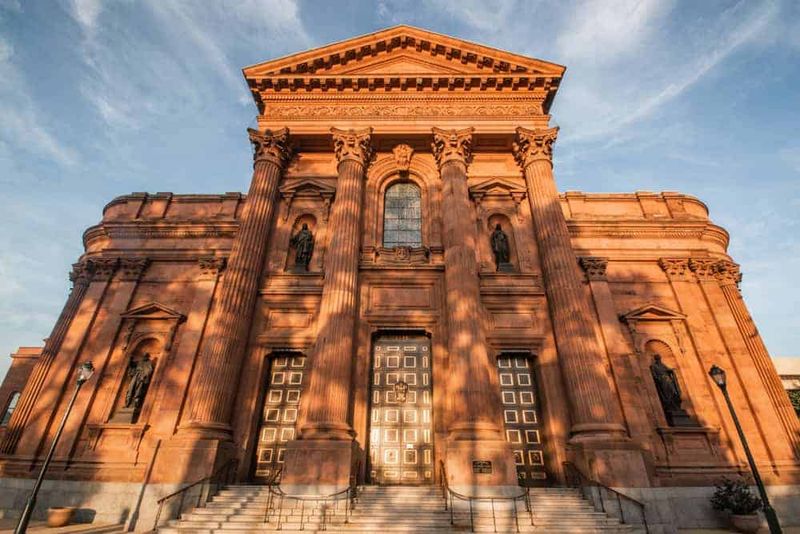
Across from Philadelphia’s Logan Square, a great dome rises above the streets.
The Cathedral Basilica of Saints Peter and Paul feels like a major city landmark before you even step through its doors.
Its scale is impressive, but the most rewarding visit often starts with a slow look at smaller details.
The church serves as the cathedral of the Archdiocese of Philadelphia and also holds the title of basilica.
Those two names have different meanings: cathedral points to the bishop’s church, while basilica is a special honor.
Knowing that can help make sense of the long name on your map.
Outside, study the dome and the strong lines of the facade.
Indoors, look for the way light and space draw your attention forward.
If signs explain an artwork or memorial, pause to read them.
You can learn more by focusing on a few features than by hurrying around the whole building.
Its central location makes it tempting to squeeze the basilica between other attractions.
Try giving it its own time instead.
Check the official 2026 schedule for public visiting hours, Mass, and possible closures.
Services are part of the building’s daily life, not an interruption to sightseeing.
Use a quiet voice and put your phone away during worship.
Ask about photographs if the rules are not posted, and avoid blocking aisles or entrances.
For a visit with children, explain that people nearby may be praying even when no service is taking place.
Walking and public transit can be convenient in this part of Philadelphia, but confirm your route and any accessibility needs ahead of time.
On your way out, look back from across the street if it is safe to do so.
Seeing the full shape of the building helps connect the peaceful interior with the busy city around it.
8. Saint Ann’s Monastery, Scranton
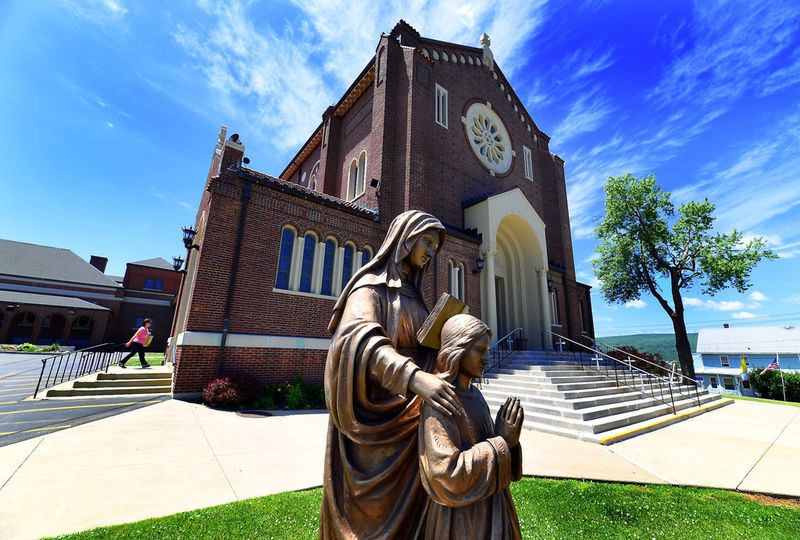
For many Scranton families, devotion to Saint Ann has been passed from one generation to the next.
Saint Ann’s Monastery and its basilica are closely tied to that tradition.
Visitors may find a place where local memory, prayer, and the care of a religious community meet.
Saint Ann is traditionally known as the mother of Mary.
Her feast in July brings special attention to the site, and its annual novena is an important event for many pilgrims.
If you visit during that period, expect a different pace from an ordinary weekday, with more people and scheduled services.
At a quieter time, give yourself room to notice the grounds and church without a tight schedule.
Read any visitor information that is available to learn which spaces are open.
A monastery is not simply a sightseeing property; parts of the site may be reserved for the people who live or work there.
Families can use the visit to talk about traditions.
Why might someone return to the same place each year with a parent or grandparent?
That question can be meaningful even for visitors who do not share the faith.
It shows how buildings can hold stories that belong to a whole community.
Before traveling in 2026, check official updates for service times, novena dates, parking, and public access.
Large events may require extra walking or patience.
If you need an accessible entrance or seating, ask ahead rather than hoping the easiest route will be obvious when you arrive.
Keep voices low inside, follow photography rules, and let worshippers have room to move.
Afterward, take a moment to notice Scranton around you.
The setting reminds visitors that sacred places are part of everyday neighborhoods, not separate from them.
Here, that connection may be the most lasting part of a visit, especially if you arrive with family memories of your own.
9. St. Paul Cathedral, Pittsburgh
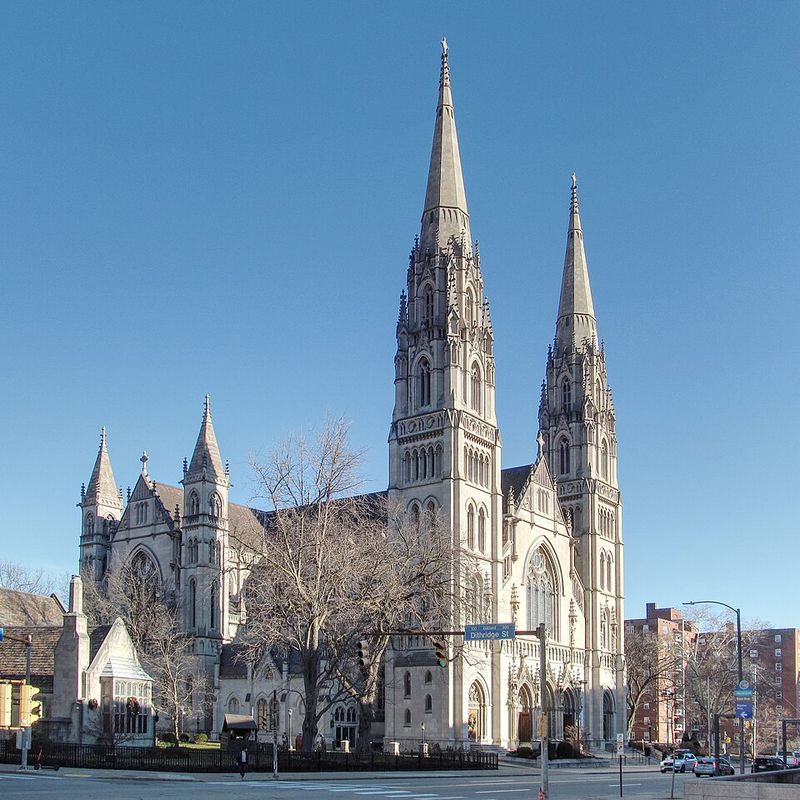
Tall towers give St. Paul Cathedral a striking presence in Pittsburgh’s Oakland neighborhood.
Busy streets and nearby institutions surround it, yet the church offers a place to slow your steps.
It is a rewarding stop for anyone who enjoys architecture that stands out against an active city setting.
St. Paul is the cathedral of the Catholic Diocese of Pittsburgh.
That means it has a role in diocesan life as well as in its local parish.
You may see that wider purpose reflected in the schedule of services and special gatherings.
Check the calendar if you want a quiet visit.
Start outside, where the towers and stone details are easiest to appreciate from a little distance.
Once inside, notice how the height of the space changes the mood.
Stained glass and other decorative features invite a closer look, but take care not to interrupt anyone praying nearby.
Oakland can be lively, especially when schools and cultural sites are busy.
Public transit may save you a search for parking; if you drive, review current parking options first.
Wear comfortable shoes if you plan to add a neighborhood walk.
Weather can also affect how long you want to spend outdoors studying the facade.
For a 2026 trip, use the cathedral’s official information to confirm hours and visitor guidance.
Ask about accessible entrances if needed, since the doorway you first see may not be the best one for everyone.
During Mass, you are welcome to follow the posted customs, but save sightseeing for another time.
Consider bringing a small notebook rather than relying only on photographs.
Write down one feature that surprised you and one question to look up later.
That simple habit helps the building stay in your memory.
When you leave, the contrast between the quiet interior and the lively street makes the visit feel especially vivid.
10. The National Shrine of Our Lady of Czestochowa, Doylestown
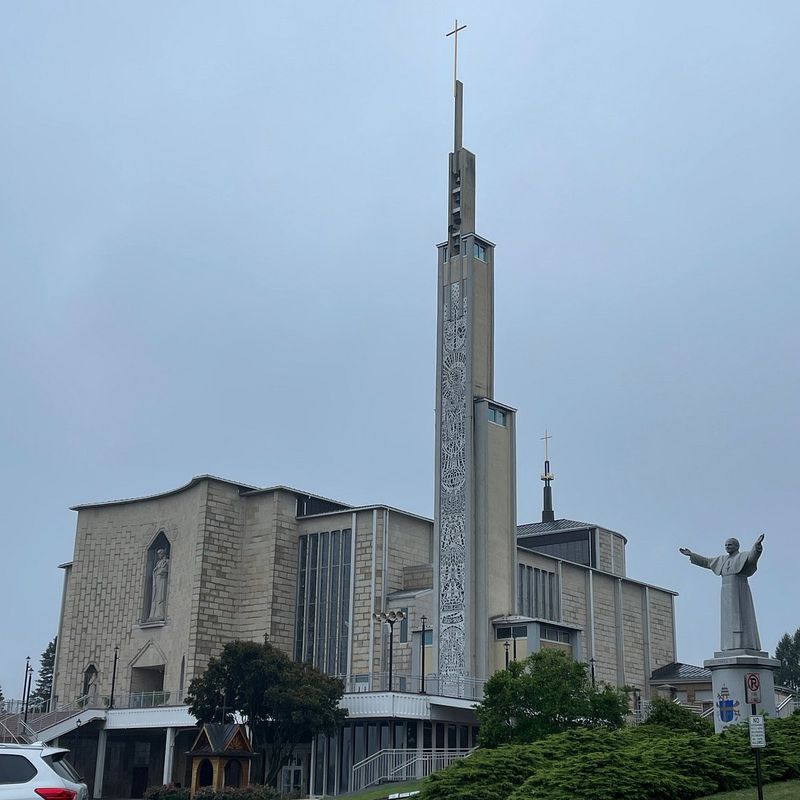
Polish heritage has a strong voice at the National Shrine of Our Lady of Czestochowa near Doylestown.
Pilgrims come to honor Mary under a title linked to a treasured image in Poland.
Other visitors come for the church, grounds, and a chance to learn how a community keeps its traditions alive in Pennsylvania.
The shrine is sometimes called American Czestochowa.
That nickname can help you recognize it in travel listings, but use the official name when checking directions and schedules.
Look for displays or visitor materials that explain the image and its meaning instead of relying on a quick glance.
This is a place to plan with care if you want to see a particular service or event.
Feast days and cultural gatherings can bring large crowds, while an ordinary day may allow more time for quiet thought.
Neither experience is better; they simply offer different views of shrine life.
Allow enough time to walk the grounds at a comfortable pace, and wear shoes suited to the weather.
Check the official 2026 calendar before leaving home.
Confirm where visitors may park, which buildings are open, and whether a tour is offered on your chosen day.
Inside the church, be thoughtful about people who have traveled for prayer.
Keep conversations soft, follow photography signs, and let ceremonies proceed without interruption.
Children may enjoy hearing why a familiar image matters to families across generations, even if they are new to the story.
The Doylestown area makes a pleasant day trip, but avoid treating the shrine as a quick photo stop.
A little reading and unhurried time on site reveal more than a single picture can show.
You may leave with a stronger sense of how art, family history, and faith can connect people across places and years.
11. St Michael’s Basilica, Loretto
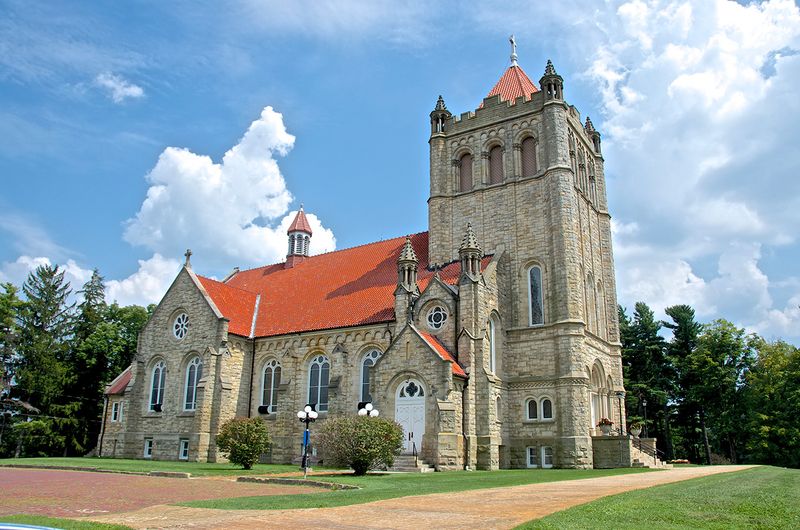
In the small town of Loretto, a large church makes a lasting first impression.
The Basilica of St. Michael the Archangel stands in a part of Pennsylvania closely tied to early Catholic history.
Its setting feels quieter than the state’s major cities, giving visitors a chance to take their time.
Loretto is associated with Prince Demetrius Gallitzin, a priest who served the region in its early years.
Learning about his work adds context to a visit, especially when you think about how difficult travel once was in these hills.
Local history feels more real when you can stand in the place where it unfolded.
Start with a view of the building from outside, then explore the interior if it is open.
Look for details that point to Saint Michael, who is often shown as a protector in Christian art.
Reading a sign or asking a knowledgeable staff member can help you understand what an image represents.
A smaller town does not always mean open doors at every hour.
Before your 2026 trip, check the basilica’s official schedule for visiting times, Mass, and any special events.
Save the exact address for navigation, and ask about accessibility if steps or walking distance could be a concern.
Respect the basilica as an active church.
Keep voices low, avoid taking photographs during services, and leave aisles open.
If you travel with children, challenge them to find one architectural detail they have never seen before.
It gives them a reason to look closely without turning the visit into a race.
Set aside a little time to explore Loretto itself after leaving the church.
The town’s scale helps you picture the community around this landmark.
Here, the building is impressive, but its deeper story comes from people who worshipped, worked, and made a home in the Pennsylvania hills.
12. Cathedral of the Blessed Sacrament, Altoona
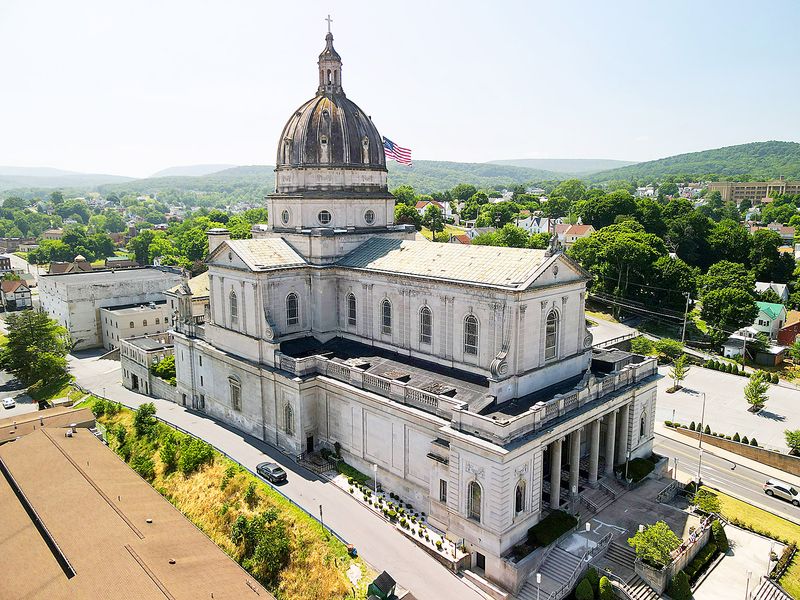
A broad dome helps the Cathedral of the Blessed Sacrament stand out in Altoona.
It is a landmark that can catch your attention before you know anything about the parish inside.
Walk closer, and the building begins to offer a story about worship, local life, and the city around it.
The cathedral serves the Diocese of Altoona-Johnstown.
Like other cathedrals, it has a special connection to the bishop’s role, but it also welcomes people for regular services.
That mix of wider importance and everyday use is part of its character.
Visitors should expect a living church, not a museum.
Look at the dome from outdoors before entering.
Inside, notice how the design directs your eyes through the worship space.
Rather than trying to name every style or symbol, choose a few details that interest you.
If visitor materials are available, use them to check what you noticed.
Check official information for 2026 opening times and service schedules before traveling.
Some days may offer more freedom to look around than others.
If the church is closed when you arrive, the exterior is still worth seeing, but never try a door marked for private use.
Altoona’s streets make it possible to combine the cathedral with another local stop, provided you leave time for traffic and parking.
Ask ahead about an accessible entrance if you need one.
During a visit, silence your phone, avoid flash photography, and keep a respectful distance from anyone praying.
The best final view may be from outside, after you have seen the interior.
Look back at the dome and think about how it marks a place where people have gathered through changing times.
A good travel stop does not have to be complicated.
Sometimes it simply helps you see a Pennsylvania city with fresh eyes.
Share this story