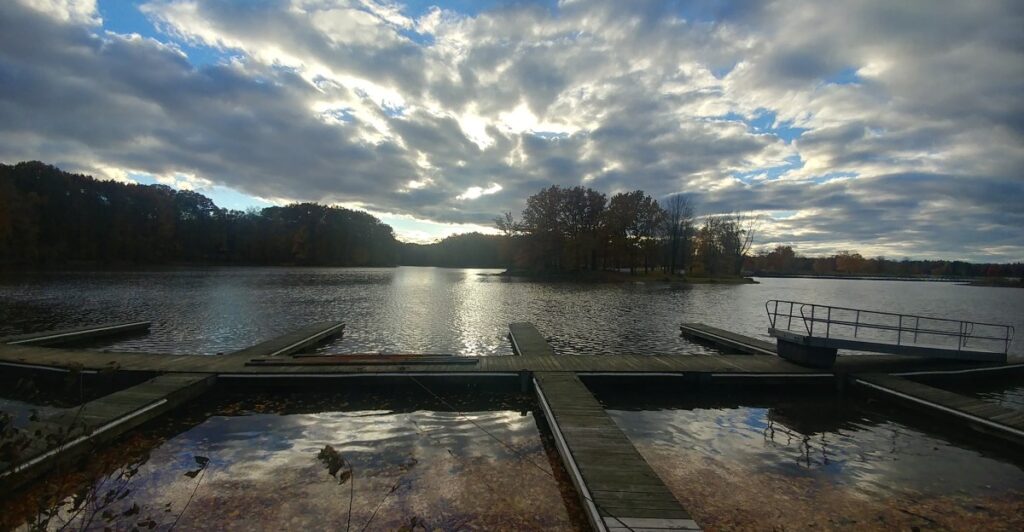
A snake slipping through the water can turn a quiet afternoon at Pymatuning Reservoir into a wildlife adventure. Along its Crawford County shoreline, fish, shallow water, and sunny resting spots create suitable habitat for northern water snakes. These native snakes are not venomous, and their presence does not mean the lake has a proven snake population boom.
Knowing how they live can help you enjoy the reservoir with less worry and more curiosity. Northern water snakes are often found near the water’s edge, where they can hunt for fish and amphibians before retreating to nearby rocks, logs, or vegetation to warm themselves in the sun. Seeing one may be surprising, but it is a natural part of the wildlife found around the reservoir. With a little knowledge and a respectful distance, an unexpected snake sighting can become one of the more memorable moments of a day spent exploring Pymatuning.
1. A Huge Lake Offers Plenty of Snake Habitat
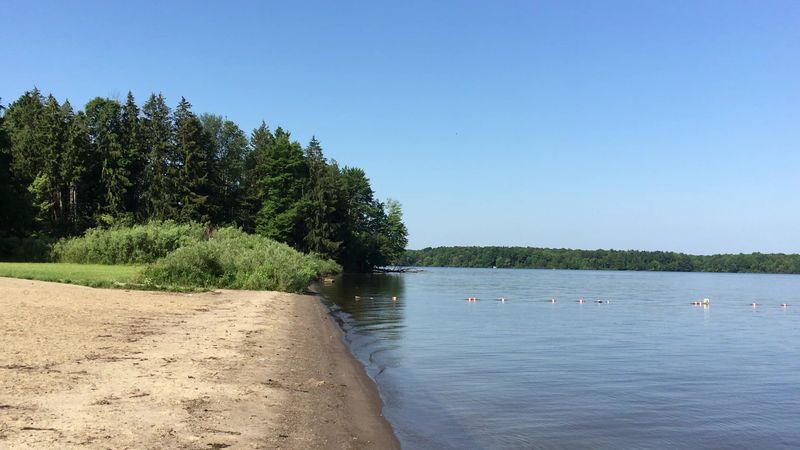
Size matters when you are a snake looking for dinner and somewhere to hide.
Pymatuning Reservoir covers roughly 17,000 acres across Pennsylvania and Ohio, with its Pennsylvania shore offering many different waterfront settings.
Along Crawford County, shallow edges, vegetation, rocks, and fallen wood can provide useful shelter.
Northern water snakes favor places where water and land meet, rather than spending every moment out in the middle of a lake.
That habitat helps explain why a visitor might spot a snake near shore.
However, suitable habitat is not proof that snake numbers have recently increased, and the supplied visitor reviews do not establish a breeding surge.
For a relaxed visit, choose established access areas and scan the ground before stepping beside rocks or brush.
A little awareness goes a long way, especially when your attention is on the reservoir’s broad views instead of the wildlife sharing its edges quietly just a few feet away.
2. Northern Water Snakes Are the Species to Know
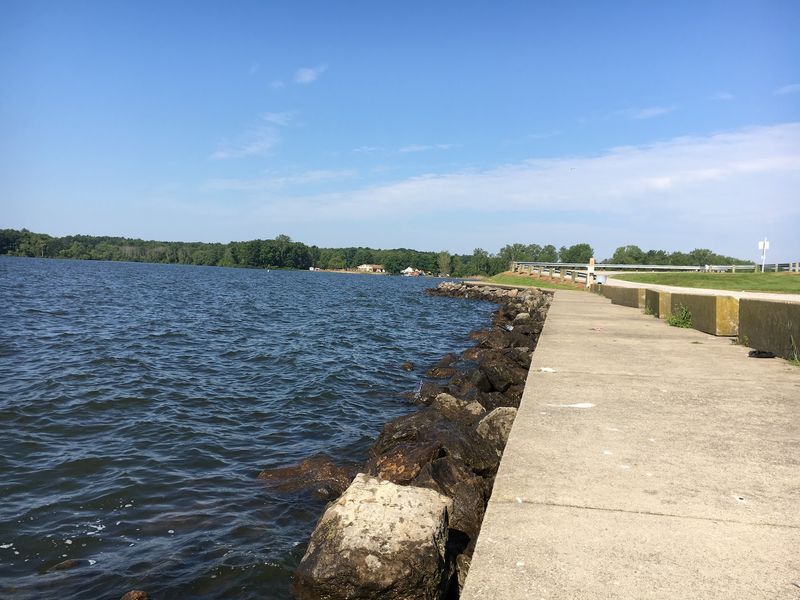
A dark shape on a shoreline rock can look alarming until you know what you are seeing.
The northern water snake is a native Pennsylvania species associated with lakes, streams, ponds, and other wet places.
Its body may show dark bands near the neck and blotches farther back.
Older snakes can look much darker, making those markings hard to notice, especially when their skin is wet.
At Pymatuning Reservoir, a photograph taken from a safe distance can help with identification later.
Color alone is not enough, and a snake should never be picked up just to get a better look.
Northern water snakes are not venomous, but they may bite if grabbed or cornered.
Give any unidentified snake room, keep children from reaching toward it, and ask park staff about local wildlife resources if you want help learning more about the animals found along the Crawford County shoreline during your next lake visit.
3. Fish and Frogs Keep the Shoreline Menu Full
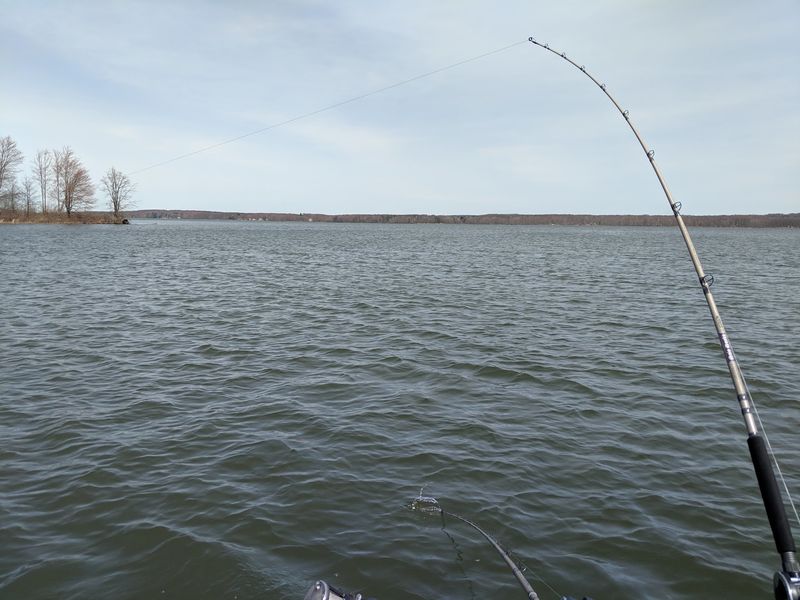
Dinner is a strong reason to stay close to the lake.
Northern water snakes eat animals such as fish and amphibians, making freshwater shorelines useful hunting grounds.
Pymatuning Reservoir is well known for fishing, and its aquatic habitats support a food web much bigger than the fish people hope to catch.
Small fish, frogs, and other shoreline creatures help connect life in the water with life on land.
A swimming snake is not necessarily approaching visitors.
It may simply be moving between hiding places or searching for food, so allow it to pass without splashing at it or blocking its route.
Anglers can help keep encounters uneventful by securing bait and collecting discarded fishing line.
Never offer a snake a fish or try to lure one closer for a picture.
Watching natural behavior from a distance gives you a better view of how the reservoir works as a living habitat for native wildlife.
4. Sunny Rocks Double as Warming Stations
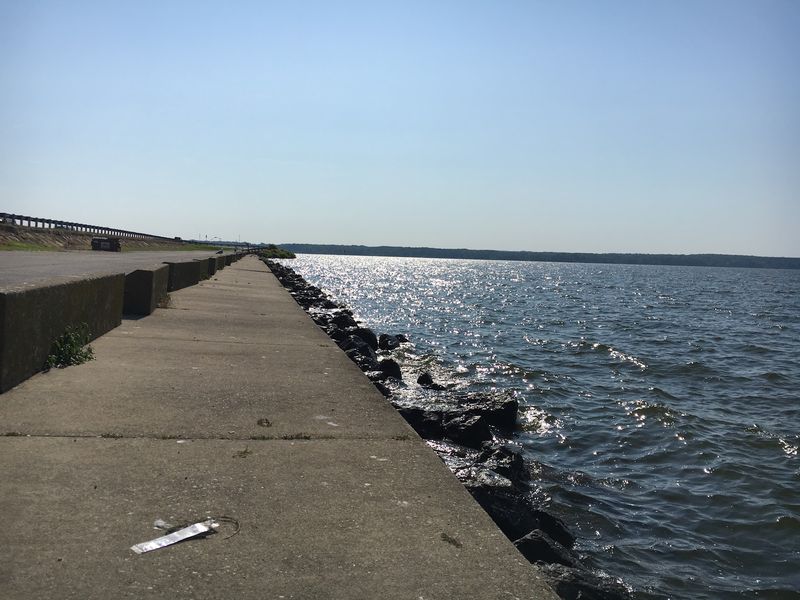
That motionless snake on a warm rock is not guarding the lake.
Like other reptiles, northern water snakes rely on outside heat to help control their body temperature.
Sunny shoreline surfaces can offer convenient resting places near an escape route into the water.
Rocks, logs, and exposed banks may attract basking snakes when conditions are suitable, although sightings are never guaranteed.
At Pymatuning, pause before sitting on driftwood or reaching around a rocky edge.
Looking first protects both your hands and an animal that may be tucked out of sight.
If you spot a basking snake, enjoy the moment without crowding it.
A camera’s zoom is more useful than a closer approach, and you should leave its path to the water open.
Children can practice noticing patterns, posture, and surroundings while staying beside an adult.
That turns a startling discovery into a simple outdoor lesson about how wildlife uses the reservoir’s shoreline daily.
5. Breeding Happens Naturally, Not as a Documented Takeover
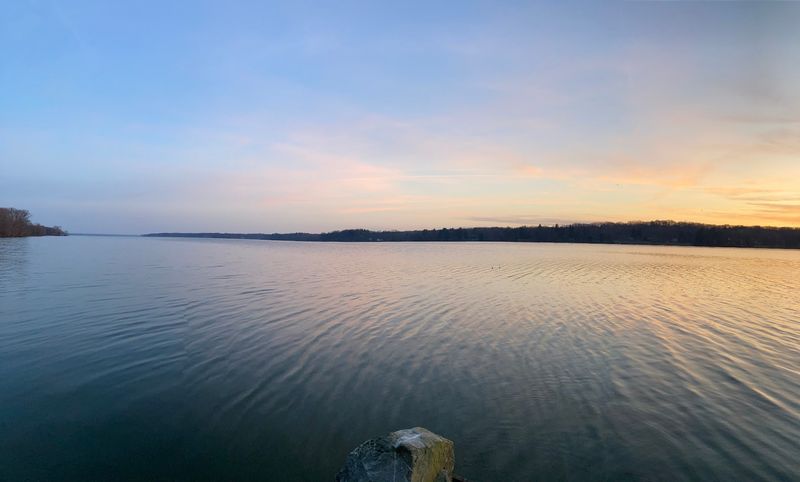
The headline sounds dramatic, but the biology deserves a calmer explanation.
Northern water snakes can reproduce where they have food, shelter, and suitable seasonal conditions, including freshwater shoreline habitats.
They generally mate in spring and give birth to live young later in the warm season.
Unlike many reptiles, they do not leave a clutch of eggs buried along the bank.
Those facts explain how a lake environment can support breeding.
They do not establish that Pymatuning Reservoir has recently become overrun, and no population survey or documented increase is provided here.
Keep that difference in mind when sharing a sighting online.
One snake, or even several seen together, does not measure the size of the local population.
A useful report includes the date, general location, and a clear photograph taken without disturbing the animals.
Park staff may help explain an observation, especially if you are unsure what species you noticed during your visit.
6. Swimming and Fishing Still Belong on the Schedule
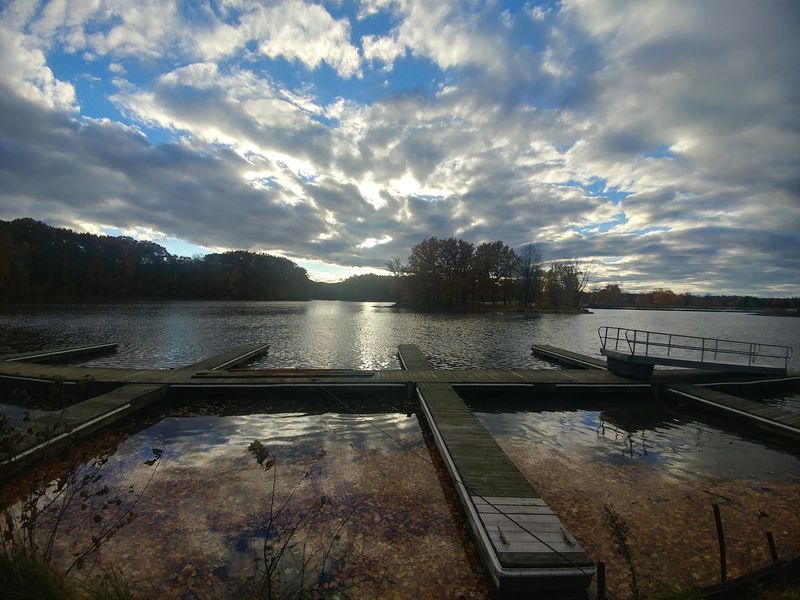
Your lake day does not need to become a snake watch.
Pymatuning Reservoir remains a place for fishing, boating, camping, and enjoying the scenery, even though native wildlife lives nearby.
Use designated swimming areas and follow posted rules rather than entering an unfamiliar stretch of shoreline.
Maintained access points make it easier to see where you are stepping and avoid hidden rocks, tangled brush, or other hazards.
For fishing, keep your work area tidy and look before reaching beneath docks or shoreline objects.
If a snake appears, step back and let it move away instead of poking it with a rod.
Boat users should also follow current park regulations and check weather before heading out.
Snakes are only one small part of outdoor awareness; changing wind and water conditions deserve attention too.
Plan around your favorite activity, give animals space, and let the reservoir’s familiar pleasures remain the focus of your visit today.
7. Kids and Dogs Benefit From a Little Extra Space
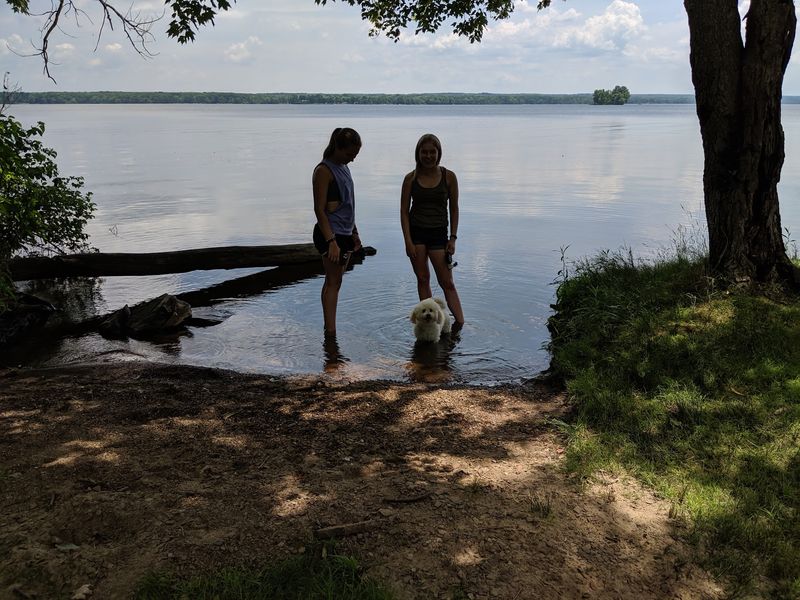
A curious nose or an eager little hand can turn a peaceful sighting into trouble.
Around Pymatuning’s shoreline, simple boundaries help children and pets enjoy wildlife without getting too close.
Teach children to stop, step back, and tell an adult when they see a snake.
They should never try to catch one, even if it looks small or seems easy to reach.
Keep dogs leashed where required and prevent them from nosing into shoreline brush.
A snake that feels trapped may defend itself, while a dog pulling toward the water can create a separate safety problem.
If anyone is bitten, move away from the animal and seek medical advice promptly.
Do not attempt to capture the snake, cut the wound, or suck out venom.
For a pet, contact a veterinarian.
Calm supervision is far more helpful than frightening stories, and it gives families a practical way to share the lake with native animals.
8. Respectful Watching Reveals a Healthier Lake Story
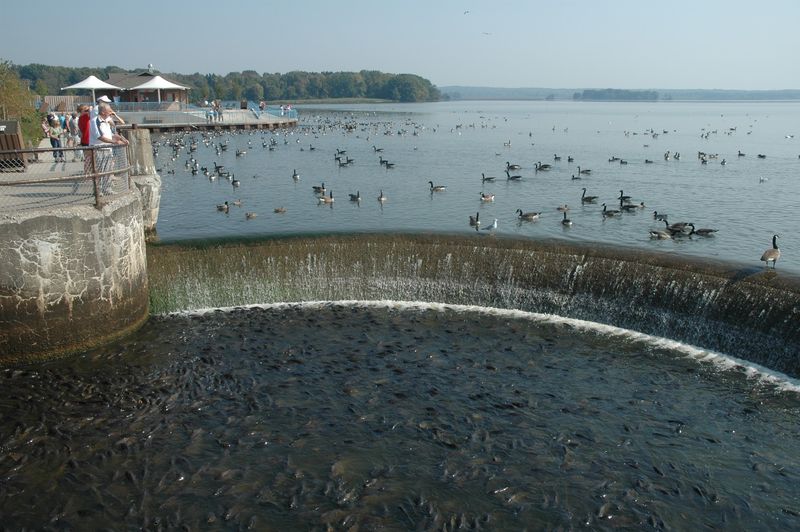
There is more to this shoreline than the famous gathering of carp near the spillway.
Pymatuning’s water, plants, and banks support many kinds of animals, including snakes that often go unnoticed.
Northern water snakes are both predators and prey within that wider community.
Their presence can be part of an ordinary freshwater ecosystem, not a reason to treat every stretch of bank as dangerous.
Leave rocks and logs where they belong, carry out trash, and avoid disturbing vegetation for a better photograph.
Never release a captured snake elsewhere or kill one simply because it surprised you.
Before visiting, check official Pymatuning State Park information for access updates and current rules.
Then bring your curiosity alongside your fishing gear or picnic lunch.
You may see a snake, or you may not, but understanding its place in the reservoir makes the whole outing richer without turning a normal wildlife encounter into an exaggerated scare story.
Share this story