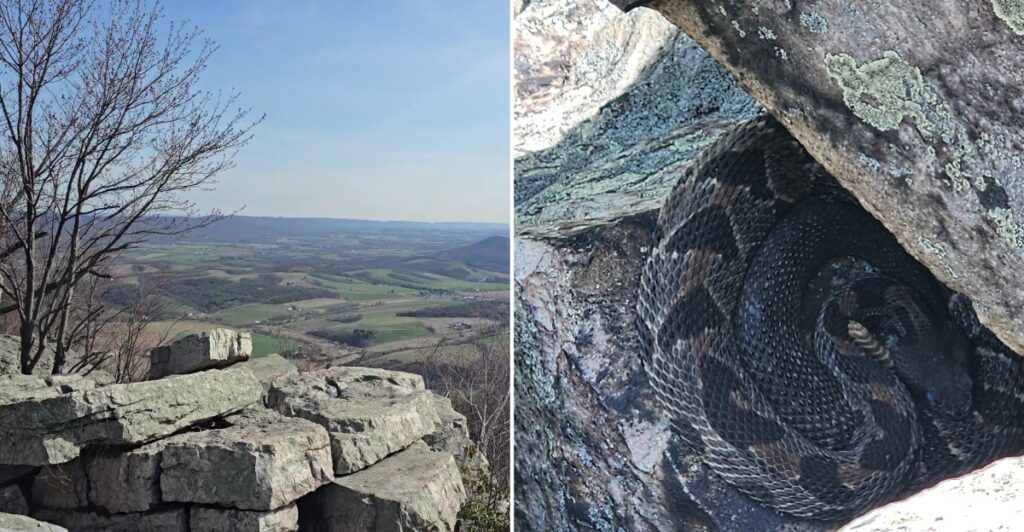
The Pinnacle near Hamburg, Pennsylvania, rewards hikers with wide views, rocky trails, and a surprise worth watching for. Visitors have reported copperheads and a timber rattlesnake near the lookouts reached from Pinnacle Trail Head, AT Access. Those reports do not mean every visit brings a snake encounter, but they are a good reason to watch your steps and stay aware of your surroundings, especially around rocky areas and sunny spots where snakes may warm themselves.
Keeping to established trails and giving any wildlife plenty of space can make the experience more comfortable for both hikers and animals. With a little planning and some extra attention along the way, you can enjoy the sweeping scenery, challenging terrain, and peaceful surroundings without letting the possibility of seeing a snake take away from the adventure.
1. Beautiful Views Come With a Wildlife Warning
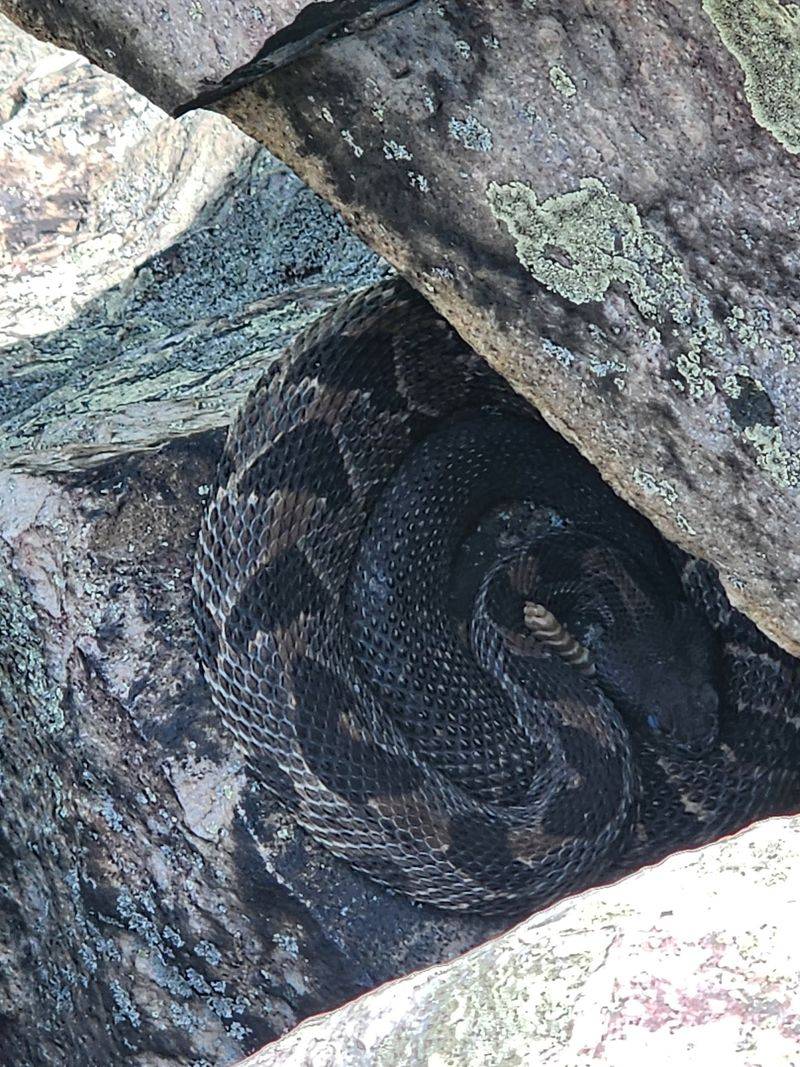
The view may grab your attention first, but the rocks deserve a second look.
Visitors to this hiking area have reported snakes at the Pinnacle and nearby lookouts, including copperheads and a timber rattlesnake.
Those accounts are useful warnings, not proof that snakes gather there every day.
The supplied reviews do not establish how often encounters happen or confirm every species identification.
Think of the title’s hidden snake problem as a reminder about shared habitat rather than a reason to panic.
Rocky mountain terrain offers wildlife places to shelter, while hikers often pause on those same surfaces.
Before settling down for lunch or a photo, scan your immediate surroundings.
Keep your hands out of cracks, leave animals alone, and choose a clear resting spot away from the edge.
The reward remains the scenery.
Paying attention simply makes enjoying it safer for you, your hiking partners, and the wildlife living around the overlook.
2. Copperheads Can Blend Into the Rocky Ground
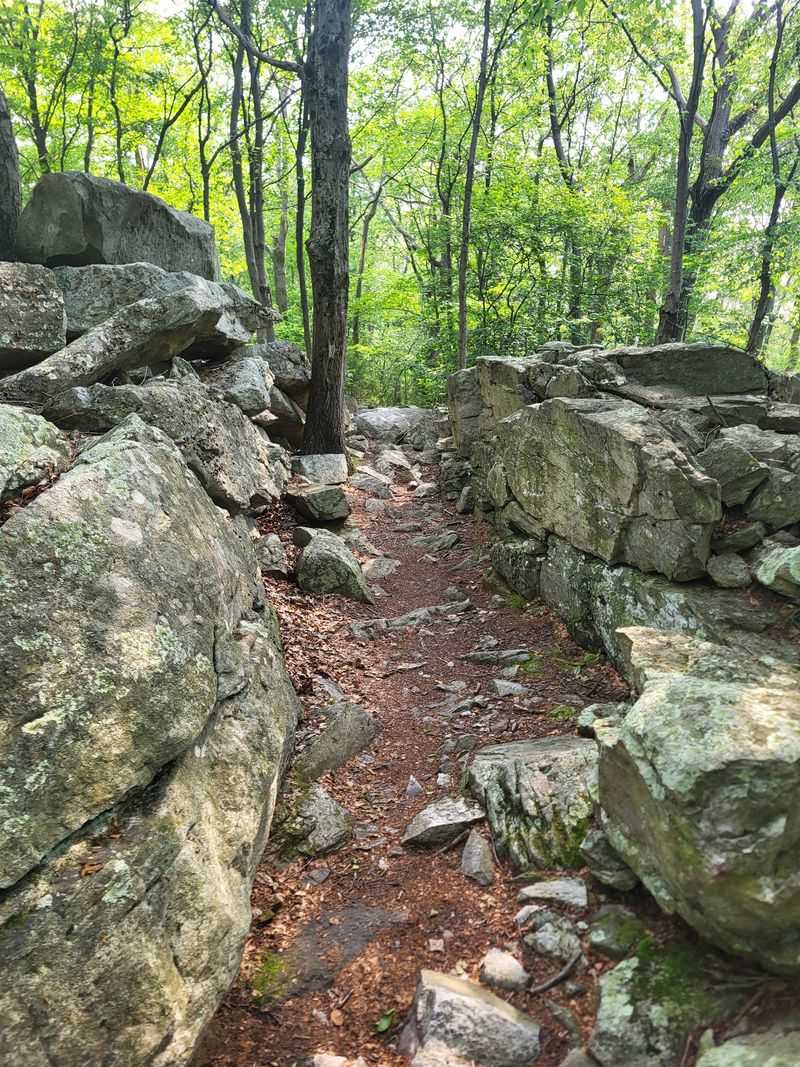
A brown leaf beside a stone can be harder to read than you expect.
Copperheads have been mentioned by visitors to the lookouts, and their coloring can make them difficult to notice against leaves and rocky ground.
Do not rely on spotting a bright, obvious animal across the trail.
Slow down where stones, roots, and leaf piles make your next step hard to see.
Look before stepping over a log or placing a hand on a ledge.
Where possible, choose footing that lets you see the landing area without disturbing nearby cover.
If something looks like a snake, stop and give it room.
You do not need to decide whether it is venomous before backing away calmly.
Trying to identify a snake by moving closer defeats the purpose of being careful.
A distant photo may help later, but leaving it undisturbed matters more than getting a clear picture for your trip album.
3. A Rattlesnake Sighting Calls for Space, Not Panic
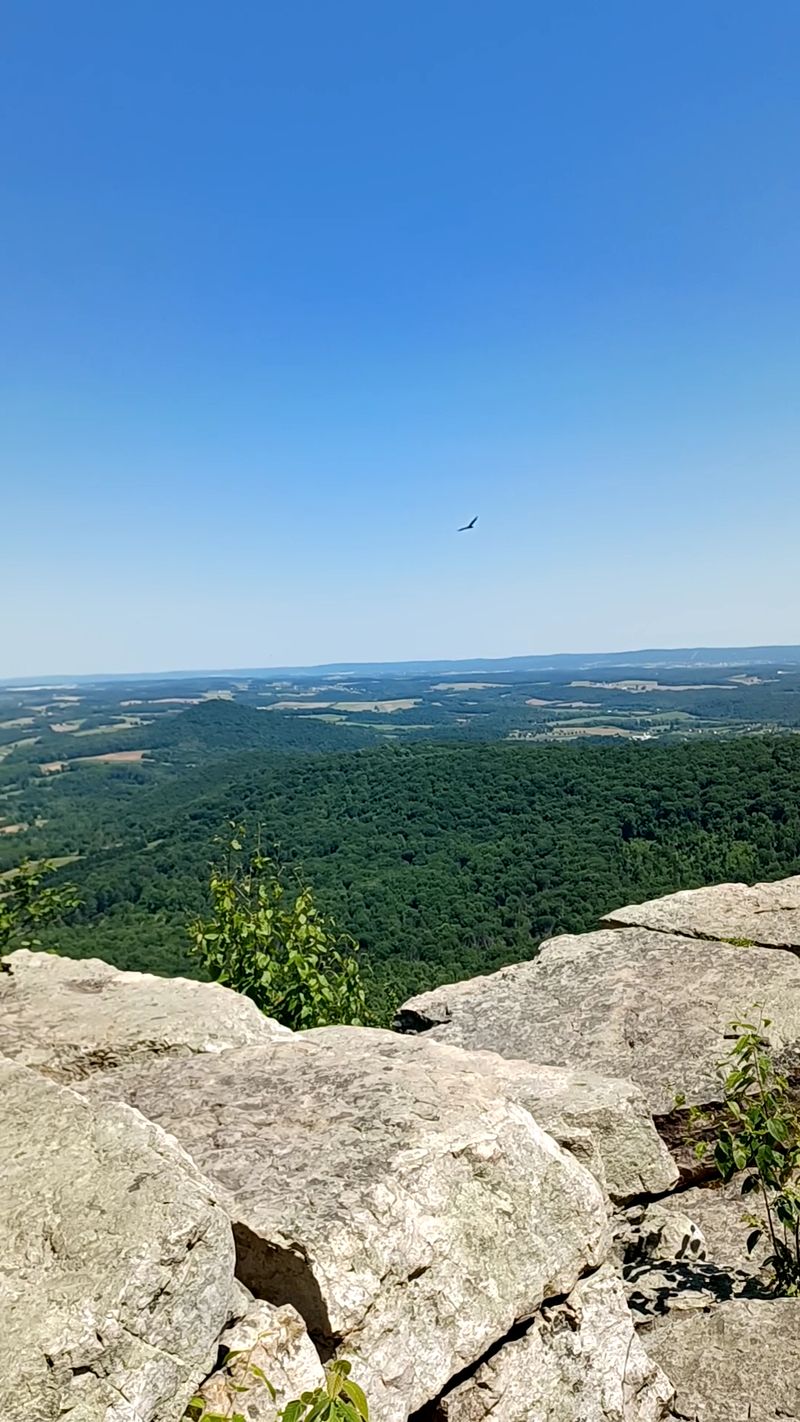
One visitor reported encountering a timber rattlesnake at the lookouts.
That account is a reason to stay alert, but it does not establish that rattlesnakes are present during every hike.
If you see a snake ahead, stop before you get close.
Back away slowly and allow plenty of space rather than attempting to push it off the path.
Never depend on hearing a rattle as your warning.
A quiet snake still deserves distance, and surrounding wind or conversation can make sounds easy to miss.
Let nearby hikers know where the animal is without creating a crowd around it.
If the route is blocked, wait at a safe distance or turn back instead of squeezing past.
Throwing rocks, poking with trekking poles, or trying to move the animal creates needless risk.
The sensible goal is not winning a standoff.
It is getting everyone home while leaving the snake in its natural mountain habitat.
4. Rocky Footing Makes Looking Down Worthwhile
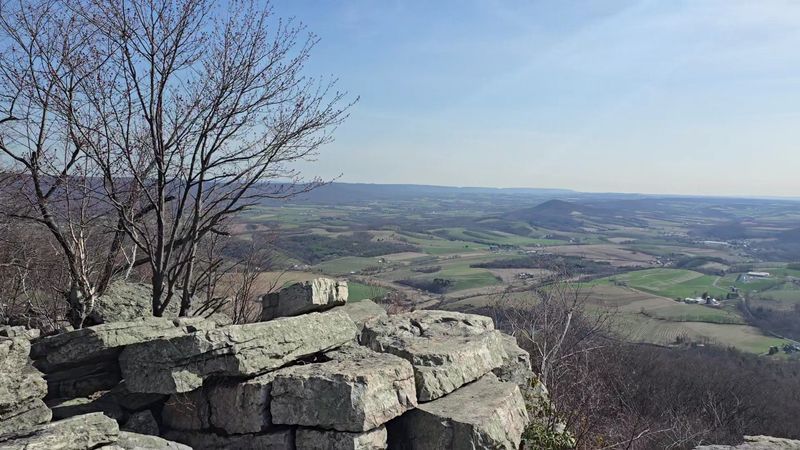
Your ankles may notice the mountain before your camera does.
Reviews repeatedly mention rocky stretches, including the route between Pulpit Rock and the Pinnacle, where uneven footing can slow a hike.
Looking down helps with more than snake awareness.
Loose stones, gaps between boulders, and slippery surfaces can also turn a distracted step into a painful fall.
Wear sturdy footwear with dependable traction, and choose a pace that lets you place each foot carefully.
Trekking poles may help with balance, but they should never be used to prod wildlife.
Stop walking when you want to admire the view or take photographs.
Trying to watch the landscape and negotiate rough ground at the same time is an avoidable gamble.
Keep your hands visible when balancing against rocks, too.
A small pause before a difficult step is easier than dealing with an injury far from the parking area, especially when your legs are already tired.
5. Route Choices Change the Day’s Demands
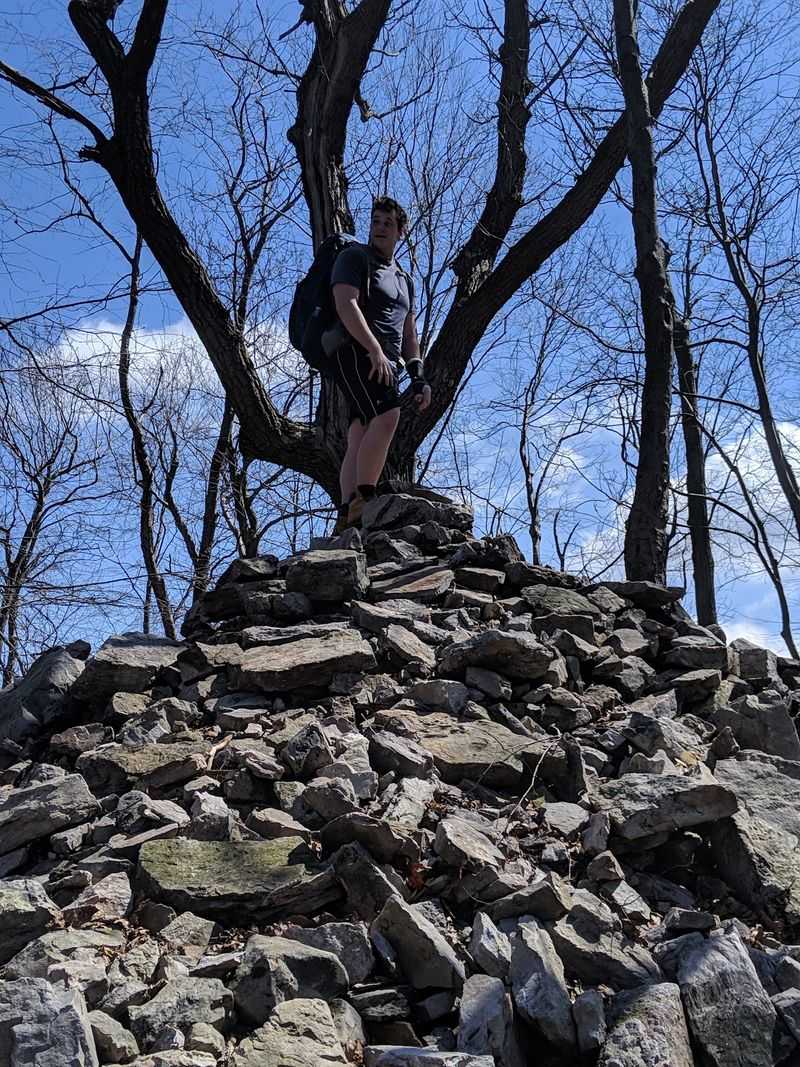
A short walk and a long mountain loop are different promises to your legs.
Visitors describe several routes from the Hamburg Reservoir access, with reported outings ranging from about five and a half miles to roughly ten miles.
Those figures reflect different choices, not one fixed distance for every trip.
A loop including Pulpit Rock and the Pinnacle can require several hours, especially with breaks and rough footing.
Study a current trail map before leaving and decide which overlooks you intend to visit.
Do not assume another reviewer’s mileage applies to your chosen path.
Carry water, food, and enough daylight for a slower return.
Fatigue can make it harder to notice wildlife or place your feet carefully.
Set a turnaround time that leaves room for delays.
Turning back before reaching the overlook is a reasonable choice if your group is struggling, the weather changes, or the route takes longer than you expected.
6. Trail Markers Deserve More Than a Passing Glance
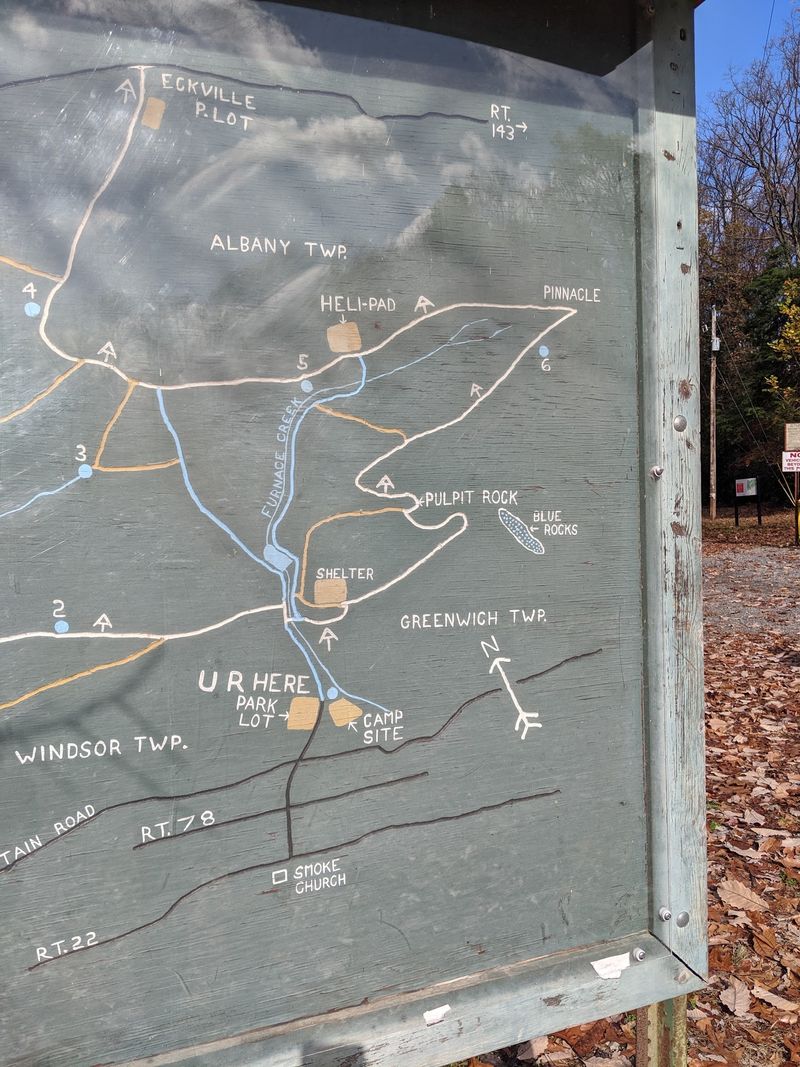
Following the wrong turn can add miles you never planned to walk.
One reviewer described traveling toward Port Clinton before realizing the mistake, while others mentioned faded markers and confusing sections among rocks.
The Appalachian Trail uses white blazes, and reviewers also describe a blue blazed return route near the reservoir.
Colors alone are not enough to confirm that you are heading toward your intended destination.
Bring an offline map and check junctions against your planned route.
If markers disappear, pause rather than continuing simply because the ground looks like a trail.
Retrace your steps to the last confirmed point when necessary.
Avoid wandering through brush or rock piles to hunt for shortcuts, where both footing and wildlife may be harder to see.
Good navigation supports snake safety in a practical way.
Staying on your planned route reduces unnecessary searching and helps preserve the energy and daylight needed for a careful walk back.
7. Children and Dogs Benefit From Clear Boundaries
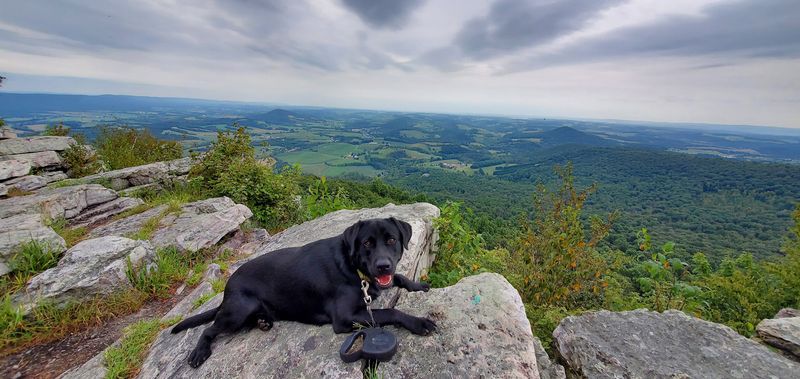
A curious nose or an excited child can reach a rock pile quickly.
On this outing, simple rules help keep the whole group from approaching wildlife before an adult notices it.
Tell children to stop and alert you if they see a snake.
Practice the rule before reaching the overlooks, when everyone is calm and listening.
Keep dogs close on a leash and follow current local rules.
Do not let them sniff into cracks, chase animals, or wander beneath ledges while you enjoy the view.
At rest stops, choose an open area where you can watch both the ground and your companions.
Give younger hikers a clear place to stand away from exposed edges.
If a snake appears, gather your group without crowding the animal.
Move away together and prevent anyone from returning for a closer look.
A calm response teaches a useful outdoor lesson: wildlife can be interesting without becoming something to touch.
8. A Bite Requires Emergency Help Right Away
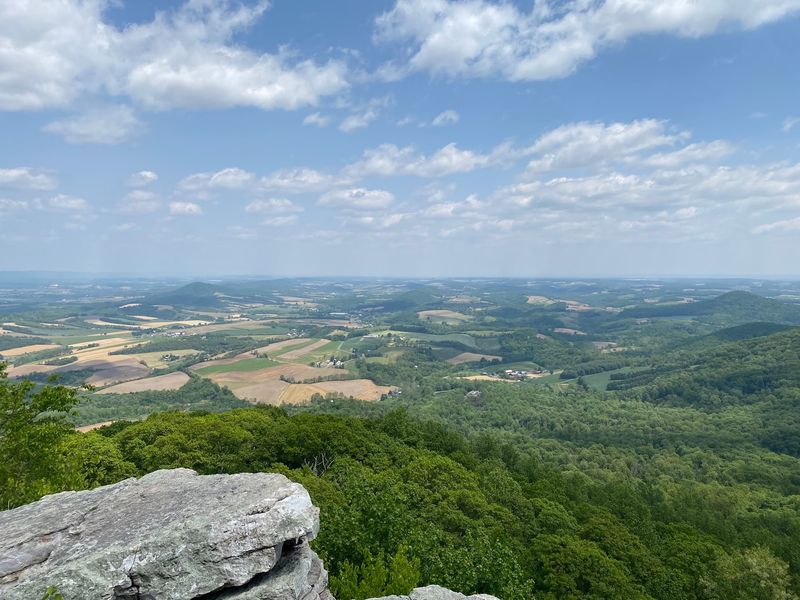
Knowing what to do beforehand is better than improvising on a rocky ridge.
If a snakebite happens during this hike, move away from the animal and call 911 immediately.
Keep the bitten person calm and as still as possible.
Remove rings, watches, or tight items near the affected area before swelling develops, and follow the dispatcher’s instructions.
Do not cut the wound, suck out venom, apply ice, or use a tourniquet.
Do not chase, capture, or kill the snake for identification.
Share your location, the trail or overlook name, and any useful coordinates from your phone.
Describe the animal only from what you safely observed, without delaying the call.
Because this route can involve a long walk over rough ground, avoid having the injured person rush downhill.
Let emergency responders guide the next steps.
Before starting, save your route offline and tell someone where you plan to hike and when you expect to return.
9. Thoughtful Planning Keeps the Overlook Enjoyable
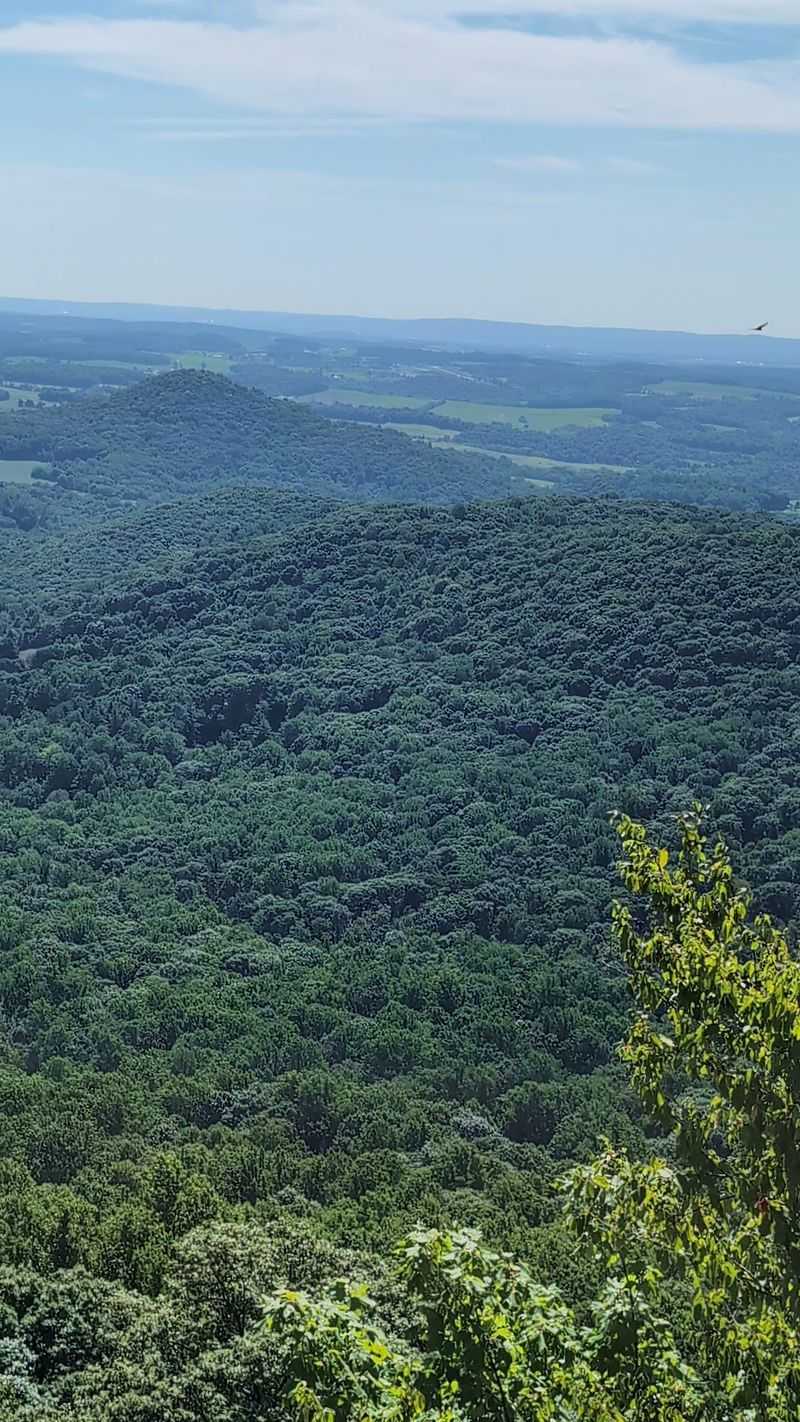
The mountain does not need to lose its appeal because snakes live nearby.
A prepared visit can still include forest walking, challenging rocks, and the memorable views hikers praise at Pulpit Rock and the Pinnacle.
Start with the access at 400 Reservoir Road in Hamburg.
Reviews say parking can fill quickly, so arriving early and sharing a ride may make the morning easier.
Check current access information before traveling.
Although the supplied listing shows the hiking area open around the clock, that does not guarantee overnight parking permission or unrestricted use of every facility.
Plan for basic needs, too.
A reviewer reported no restrooms, so do not assume services will be available at the trailhead.
Watch the weather, carry out your trash, and leave rocks and wildlife undisturbed.
The best response to reported snake sightings is informed caution, not fear.
Enjoy the overlook while remembering that its wild setting is part of the experience.
Share this story