Lancaster, Pennsylvania, is known for its busy market, historic streets, and welcoming downtown. But behind those familiar sights is a surprising story: the city served as Pennsylvania’s capital from 1799 to 1812. It also briefly hosted the nation’s government during the American Revolution, adding an important chapter to its already rich past.
Today, reminders of Lancaster’s history can be found throughout the city, from its preserved buildings and historic landmarks to the streets that have connected generations of residents and visitors. A walk through Lancaster reveals how this small city earned such a big place in history—and how its past continues to shape the character of the community today.
1. A State Capital Hiding in Plain Sight
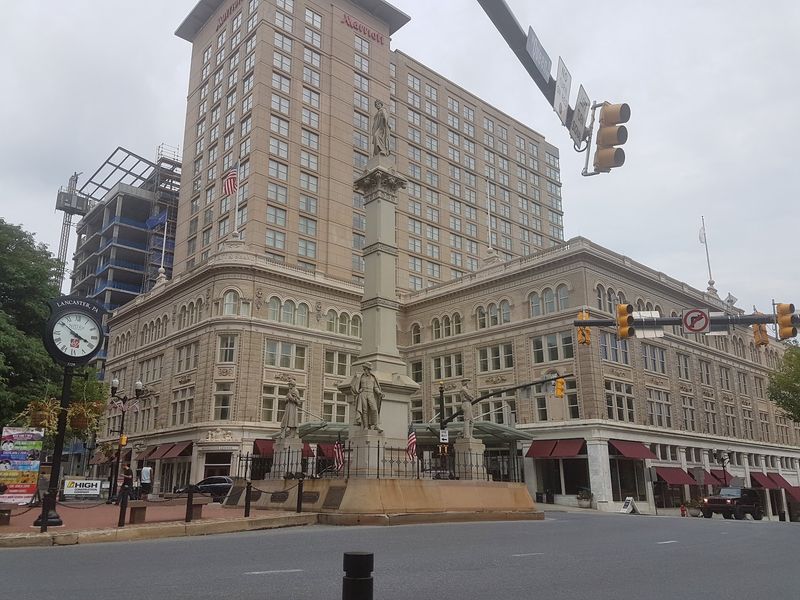
For thirteen years, Pennsylvania’s biggest government decisions had a Lancaster address.
The city served as the state capital from 1799 until 1812, placing lawmakers and public business in the heart of what is now a lively downtown.
That stretch matters because Lancaster was more than a brief stop between better known capitals.
State leaders met here, debated laws, and handled the needs of a growing Pennsylvania during the early years of the United States.
Today, you do not need a museum ticket to begin exploring that story.
Start near Penn Square and picture a city filled with officials, travelers, horses, and conversations about the state’s future.
Knowing the dates adds a useful layer to your visit.
Instead of seeing only attractive old buildings, you can recognize Lancaster as a former center of political power, with everyday streets that once helped shape life across Pennsylvania for people far beyond the surrounding county.
2. Penn Square Marks the Center of the Story
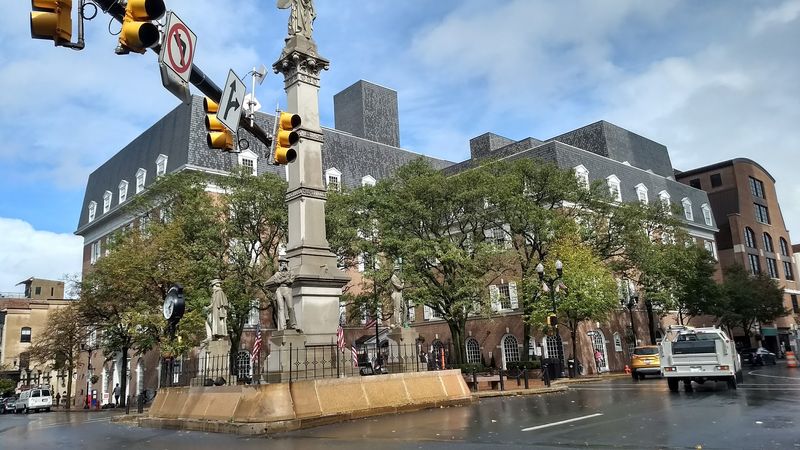
Stand at Penn Square, and the capital story becomes easier to picture.
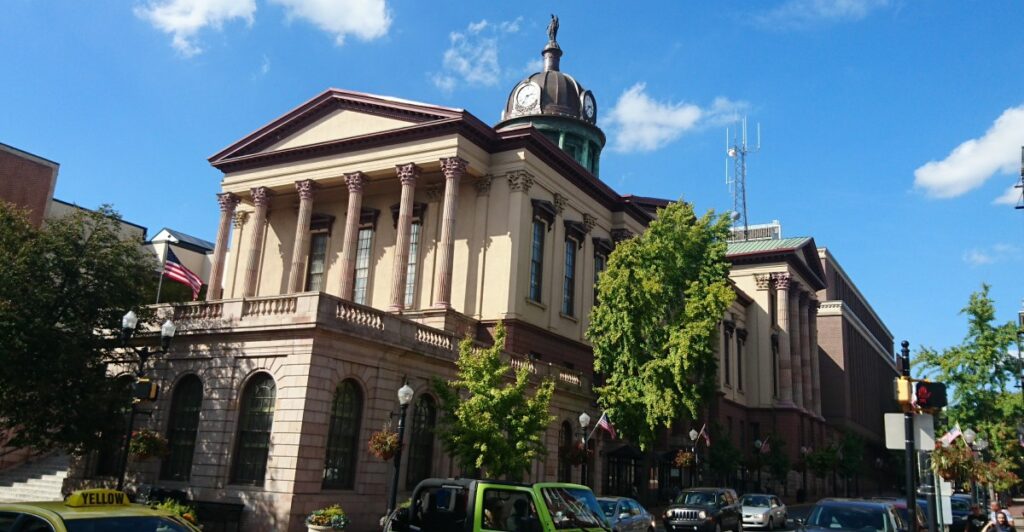
Lancaster’s courthouse once stood at this central crossroads, where King and Queen streets meet, and the building housed Pennsylvania’s legislature during the city’s capital years.
The old courthouse is no longer there.
Its absence can surprise visitors who expect a grand capitol building, but the location still gives you a clear starting point for understanding Lancaster’s role.
Look around before moving on.
The square connects government history with shops, nearby market activity, and the steady movement of people through downtown.
For a simple walking route, begin here and explore the surrounding blocks at an easy pace.
Be careful at crossings, since the square remains part of a working city rather than a closed historic park.
A little imagination helps: replace modern traffic with wagons, and the same intersection begins to feel like the busy meeting place it was centuries ago.
3. One Revolutionary Day Put Lancaster on the National Map
One day was enough to give Lancaster another remarkable place in history.
On September 27, 1777, the Continental Congress met here after leaving Philadelphia as British forces threatened and then occupied that city.
This is why Lancaster is often called the nation’s capital for a day.
The phrase refers to Congress meeting during the Revolutionary War, not to Lancaster serving as Pennsylvania’s state capital at that moment.
Keeping those two events separate makes the story much clearer.
The national episode happened in 1777; the state capital period began more than twenty years later, in 1799.
Both stories connect to the courthouse site at Penn Square.
When you visit, consider how quickly a familiar town could become a place of urgent national business.
For families, the short timeline makes a memorable history lesson.
Lancaster hosted leaders dealing with wartime danger long before it welcomed lawmakers for a much longer stay as the state capital.
4. The Capital Years Ended, but the City Kept Growing
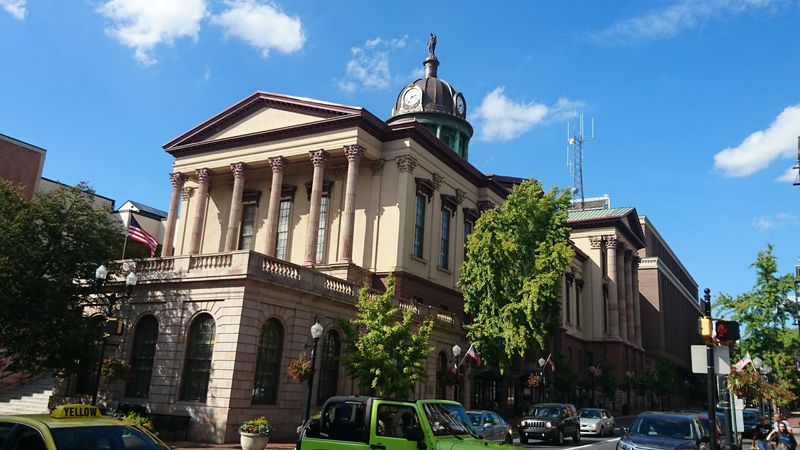
A city does not stop mattering when lawmakers leave.
Lancaster’s time as Pennsylvania’s capital ended in 1812, but its role as a county seat, trading center, and place of local government continued.
That distinction helps explain why downtown still feels active rather than frozen in the past.
Government work was one chapter in a much longer story that also includes markets, manufacturing, transportation, and neighborhood life.
As you explore, resist the idea that every old building must be linked directly to the legislature.
Some places predate the capital years, while others reflect growth that came afterward.
Reading building dates and historical signs can turn a casual stroll into a useful timeline.
You will begin to see different periods sharing the same streets.
The reward is a fuller picture of Lancaster.
Its former capital status is a wonderful surprise, but the city’s lasting appeal comes from the many ways people kept building, working, and gathering here afterward.
5. Central Market Connects History With Everyday Life
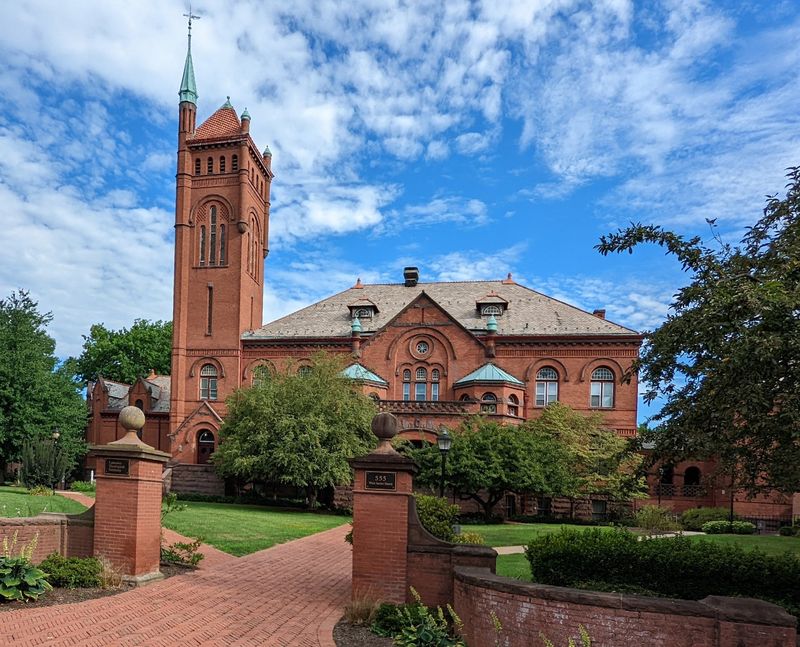
Fresh bread and local produce make history feel surprisingly close.
Lancaster Central Market traces its roots to 1730, meaning market activity was already part of city life long before Pennsylvania’s government arrived.
The handsome brick market building visitors see today opened in 1889.
It belongs to a later chapter, so avoid imagining state lawmakers walking through this exact structure during the capital years.
Even so, the market offers a lively connection to Lancaster’s long tradition of buying, selling, and meeting neighbors downtown.
Food stalls and friendly conversations show how public gathering places can remain useful across generations.
Check the official schedule before visiting, because the market does not operate every day.
Bring a reusable bag and allow time to browse rather than rushing through.
Pair a market stop with nearby Penn Square.
Together, they show two sides of Lancaster’s past: the formal business of government and the everyday business of feeding a growing community.
6. The Soldiers and Sailors Monument Adds Another Layer
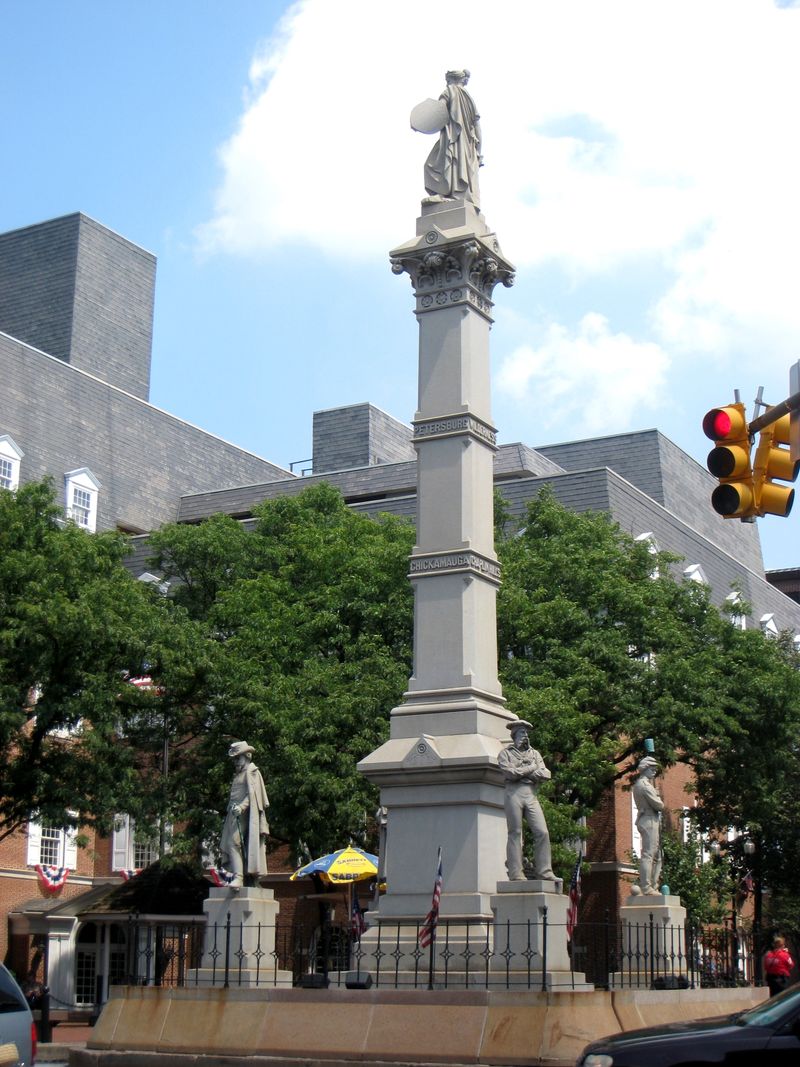
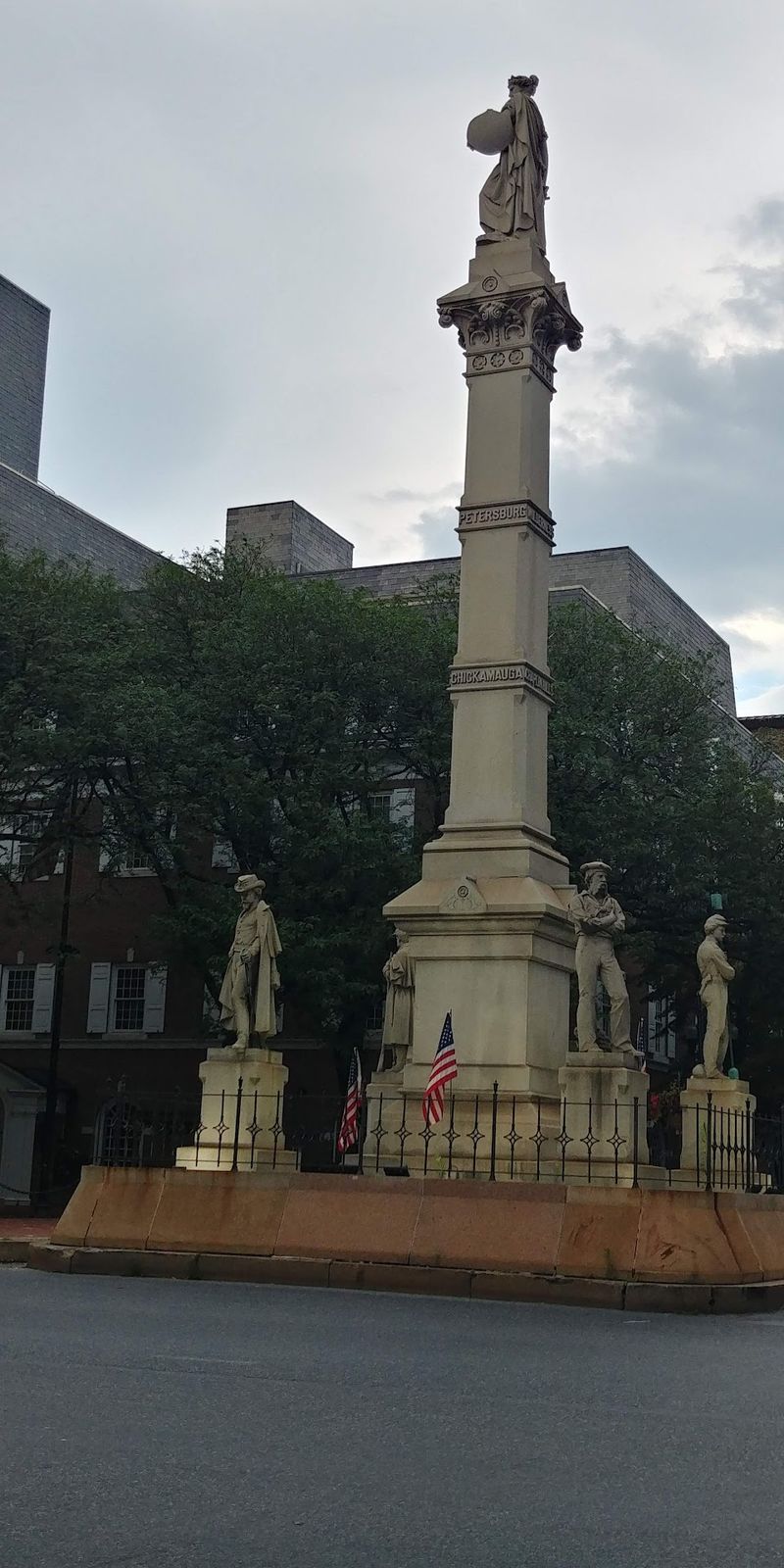
The tall monument at Penn Square catches your eye before the missing courthouse does.
Dedicated in 1874, Lancaster’s Soldiers and Sailors Monument honors local military service and stands at the city’s historic central crossroads.
Its date places it well after Lancaster’s years as Pennsylvania’s capital.
That makes it a separate landmark, not a surviving piece of the state government building.
The distinction is helpful when taking photographs or explaining the square to children.
What you see today reflects how later generations chose to remember service in a place already rich with civic history.
View the monument from safe public areas, and take a moment to study its figures and inscriptions where visible.
Traffic around the square deserves your attention.
Rather than treating the site as a single moment from the past, think of it as several stories stacked together.
Government meetings, wartime memory, and modern city life all share this small but meaningful space.
7. Fulton Theatre Reveals a Later Historic Chapter
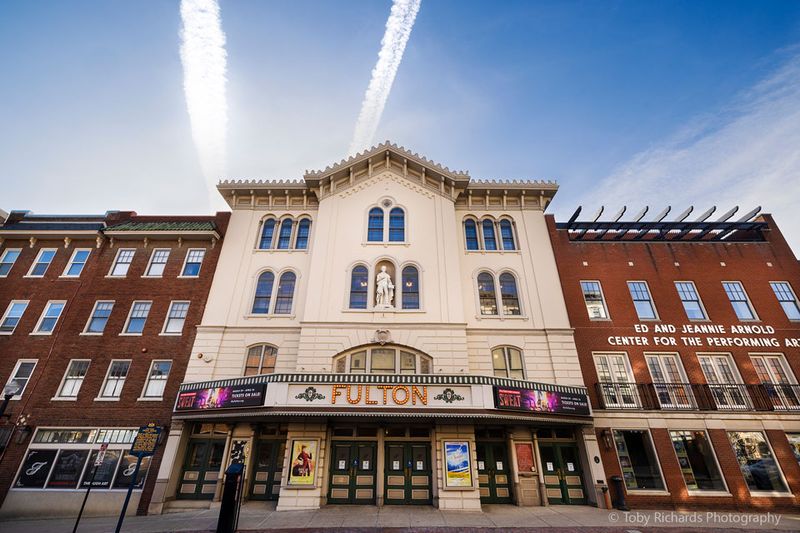
Curtains rose in Lancaster long after its capital chapter closed.
The Fulton Theatre opened in 1852, adding a major cultural landmark to a city that already had decades of political and commercial history.
Located on North Prince Street, the theater gives visitors another reason to explore beyond Penn Square.
Its historic setting and continuing performances connect old architecture with present day entertainment.
Do not mistake the building for a place where Pennsylvania’s legislature met.
Its value lies in showing what Lancaster became after the state government moved away.
If a performance fits your schedule, booking ahead can turn a history focused visit into an evening out.
Otherwise, a look at the exterior still adds variety to a downtown walk.
Check the theater’s current listings and visitor information before making plans.
Historic buildings are most interesting when their stories stay accurate, and the Fulton offers a clear reminder that Lancaster’s cultural life kept expanding beyond its capital years.
8. Wheatland Brings a President Into the Picture
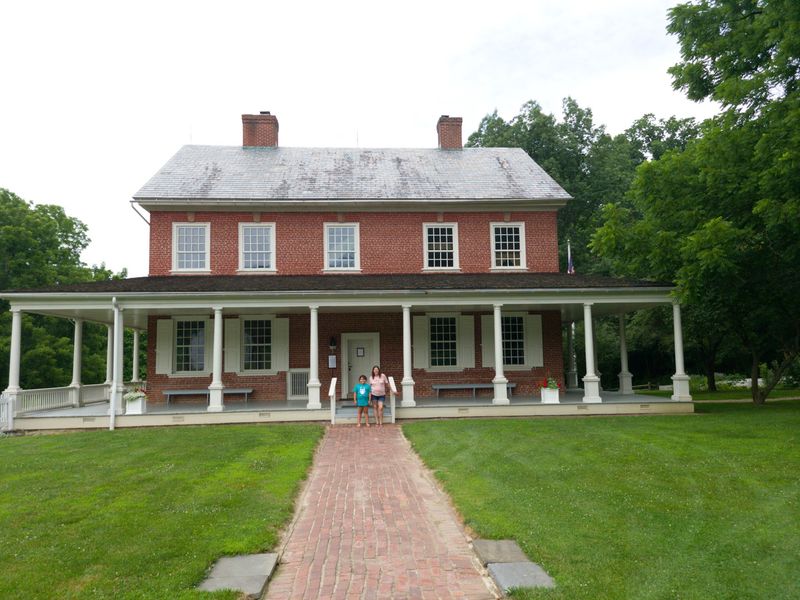
A former state capital with a presidential home has quite a résumé.
Wheatland, the Lancaster home of James Buchanan, adds another political chapter to the city’s story, though it is separate from the capital years.
Buchanan purchased the property in 1848 and later became the fifteenth president of the United States.
The house offers a chance to learn about his life and the troubled period leading toward the Civil War.
Approach the visit with curiosity rather than expecting a simple celebration.
Presidential history includes difficult decisions, and Buchanan’s record deserves thoughtful attention.
Wheatland is outside the central downtown walking area, so plan transportation and allow extra time.
Consult LancasterHistory for current tour details, ticket requirements, and opening hours.
Adding the house to your itinerary broadens the theme of political Lancaster.
The city was not only a place where state lawmakers gathered; it also became home to a figure whose choices affected the entire country.
9. A Downtown Walk Makes the Surprise Stick
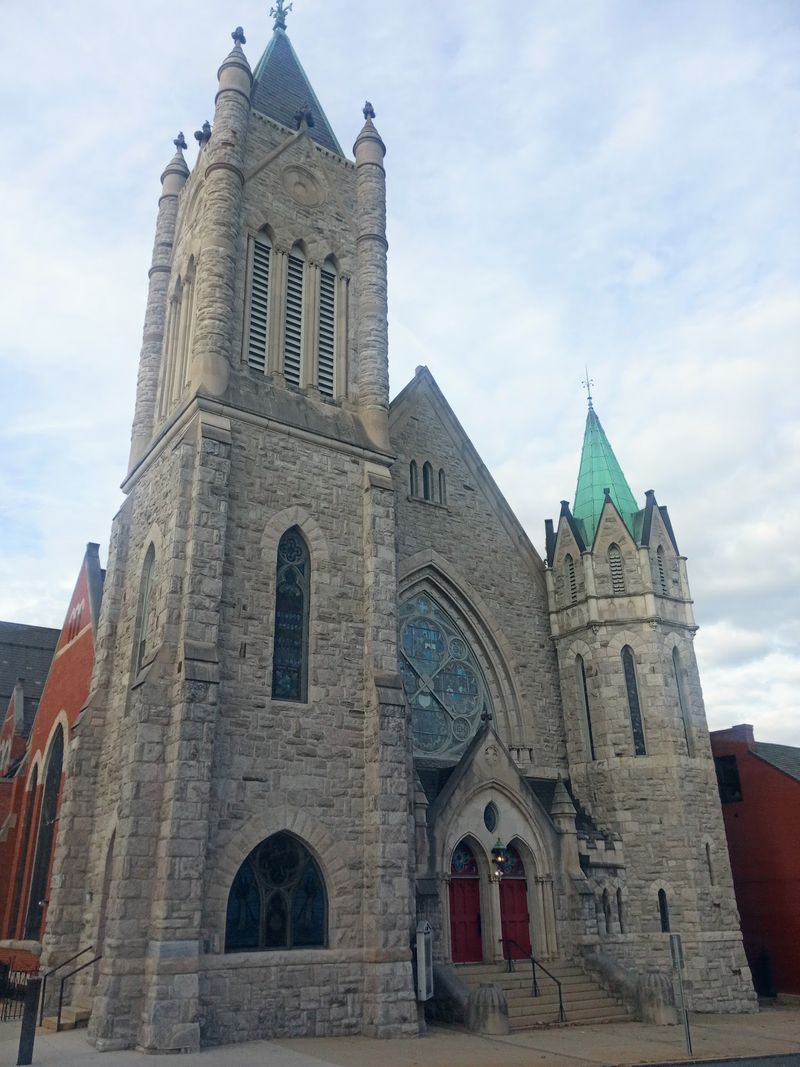
Give the story a pair of walking shoes, and it becomes easier to remember.
A compact downtown outing can connect Penn Square, Central Market, and nearby historic streets without turning your day into a rushed checklist.
Begin at the square, where the courthouse once housed state lawmakers.
Continue to the market when it is open, then wander toward North Prince Street for a look at the Fulton Theatre.
Each stop belongs to a different chapter, which is part of the fun.
You are tracing a city’s growth, not searching for buildings that all existed at the same time.
Wear comfortable shoes, check the weather, and use marked crossings.
Leave room for a snack or an unplanned shop visit.
By the end, Lancaster’s former capital status will feel connected to a real place.
The biggest surprise is not just that government once met here, but that its history still fits naturally into an ordinary day downtown.
Share this story