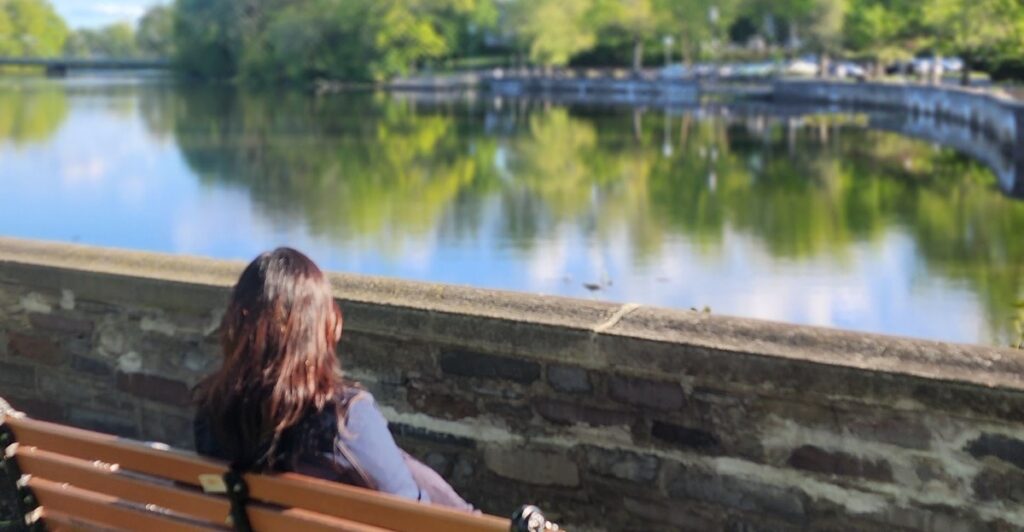
A river bridge glowing at sunset, an old gristmill hiding a coffee shop, a downtown theater with its marquee lit for the evening—some of New Jersey’s best small-town moments happen in places that rarely dominate weekend-trip conversations. These are the towns you may have passed on the way somewhere else, only to discover that the “quick stop” deserves a few hours of its own.
Across the state, compact downtowns still hold independent bookstores, bakeries, antique shops, historic homes, rail trails, old theaters, and restaurants where the dining room feels inseparable from the neighborhood around it. Some lean heavily into their colonial past.
Others have reinvented former railroad or farming communities with art, food, and small businesses. What connects these 14 towns is that none requires an elaborate itinerary.
Park the car, start walking, and see what turns up. More often than not, there is considerably more here than the map suggests.
1. Frenchtown: Trade Your To-Do List for River Time
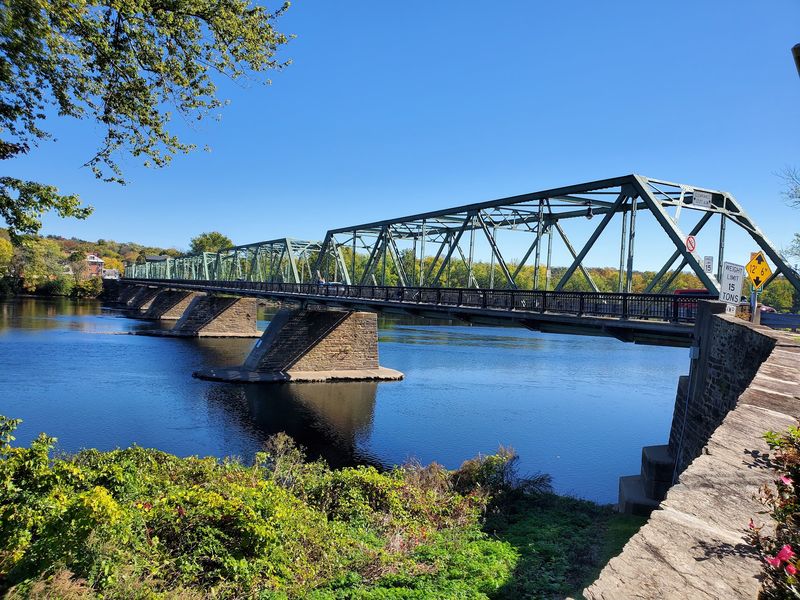
The Delaware River does most of the scene-setting here. Walk down Bridge Street and the water is never far away, with the bridge to Pennsylvania stretching across the river and the wooded hills beyond it making downtown feel surprisingly removed from the busier parts of New Jersey.
Frenchtown is tiny enough to explore without a plan, which is exactly how it should be done. Bridge and Race streets hold independent boutiques, galleries, cafés, restaurants, and old storefronts where browsing tends to take longer than expected.
ArtYard adds an unusually ambitious cultural element for a borough this small, with exhibitions and performances just a short walk from the center of town. Outdoors, the Delaware & Raritan Canal State Park corridor makes Frenchtown especially good for visitors who would rather earn lunch first.
Bring a bike or walking shoes and follow the river before returning downtown for coffee or a meal. The short Mill Race Trail offers another easy option close to town.
Frenchtown also has enough festivals and arts events throughout the year that repeat visits can feel different from one another. The best approach is to arrive before lunch, leave the schedule loose, and resist the temptation to treat it as merely a scenic stop on the way to somewhere else.
2. Bordentown: A Small City with Plenty to Say
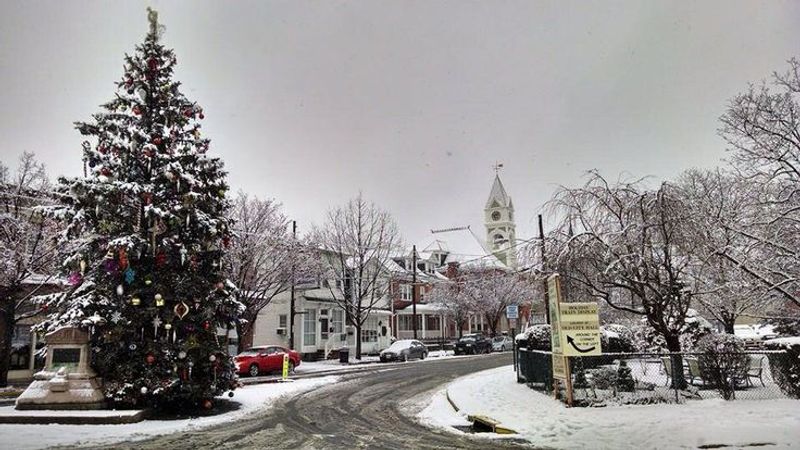
Farnsworth Avenue has the kind of downtown layout that makes you park once and forget about the car. Historic buildings crowd close to the sidewalk, restaurants sit between specialty shops and antique stores, and side streets quickly turn residential, revealing houses that hint at just how long Bordentown has been around.
The city traces its history back to the late 17th century, and that past is not confined to plaques or museum displays. It is built into the street pattern and architecture.
Start around Farnsworth Avenue and browse your way through the downtown before choosing lunch; the dining scene ranges from casual cafés to Italian, Latin American, and more polished dinner spots, so there is no single obvious way to do Bordentown. That variety is part of the appeal.
After eating, head toward the Delaware River side of town. Walking and biking routes, river access, and Bordentown Beach give you an easy excuse to stretch the visit beyond the business district.
This is also a place that works well later in the day, when storefront lights come on and dinner crowds replace afternoon shoppers. Compared with some of New Jersey’s more heavily promoted historic towns, Bordentown feels refreshingly lived-in.
History matters here, but people are still using the downtown rather than simply admiring it.
3. Allentown: The Mill Pond Sets the Pace
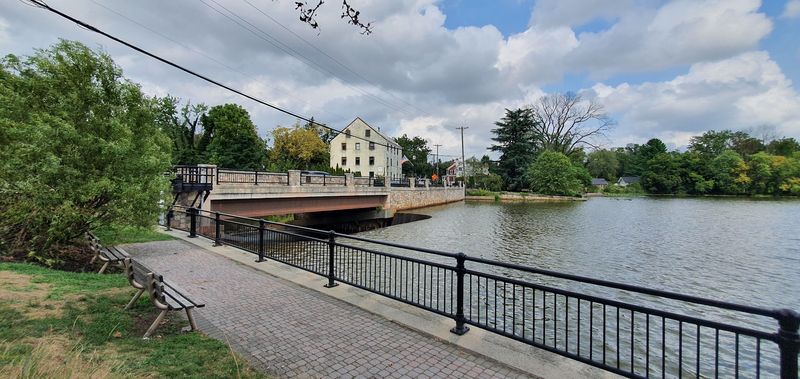
A coffee shop inside an old gristmill tells you almost everything you need to know about this Monmouth County borough. Allentown has held onto its historic bones without turning the whole place into a time capsule.
The Old Mill on South Main Street is the natural starting point. A mill operated on the site for centuries, and the current complex now contains small businesses and creative spaces, including The Moth Coffeehouse.
From there, Main Street unfolds through older homes, independent shops, restaurants, and buildings connected to a surprisingly deep local history. The town was established in the early 1700s, sat along an important colonial travel route, and played a role in Revolutionary-era movement through the region.
Yet a visit does not need to become a history lesson. You can browse handmade goods, vintage pieces, home décor, and local crafts, grab coffee, then wander toward Conines Millpond for a quieter stretch beside the water.
Allentown works especially well when you want a low-effort afternoon: there is enough to occupy several hours, but nothing feels spread out or complicated. Its location near major highways makes the contrast even better.
You can leave fast-moving Central Jersey traffic and, within minutes, find yourself walking past a millpond and buildings that have watched generations come and go.
4. Cranbury: A Main Street Worth Taking Slowly
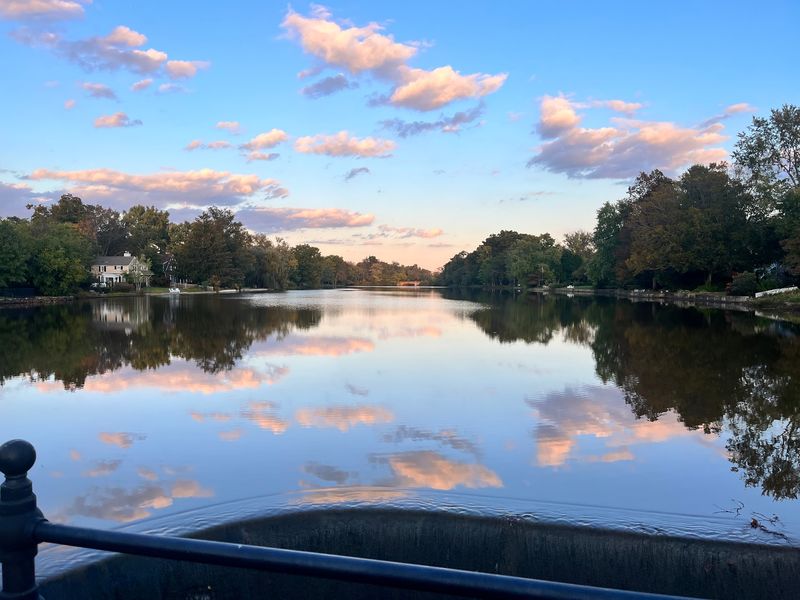
Few places in Middlesex County prepare you for Cranbury’s Main Street. The surrounding area can feel unmistakably suburban, then suddenly the road narrows into a village lined with historic homes, old commercial buildings, trees, and a streetscape that looks as though development simply decided to go around it.
That preservation is not accidental. Cranbury’s historic district contains a substantial collection of older buildings, many dating to the 18th and 19th centuries.
You do not need to know the architectural details to enjoy the effect; just walking Main Street makes the town feel unusually coherent. Food gives you several good reasons to linger.
The Cranbury Inn has roots reaching back to the 18th century, while local cafés, bakeries, delis, and restaurants keep the town from feeling like an outdoor museum. History-minded visitors can stop at the Cranbury Museum or the Elizabeth M.
Wagner History Center, where local artifacts fill in the story behind the houses outside. When you have had enough pavement, Brainerd Lake and Village Park sit close to the center of town, adding walking paths, green space, and water views to the afternoon.
Cranbury is not packed with attractions, and that is precisely why it works. Come to walk, eat, browse, and enjoy how unexpectedly intact the village feels.
5. Hopewell: Follow Your Curiosity, Not a Checklist
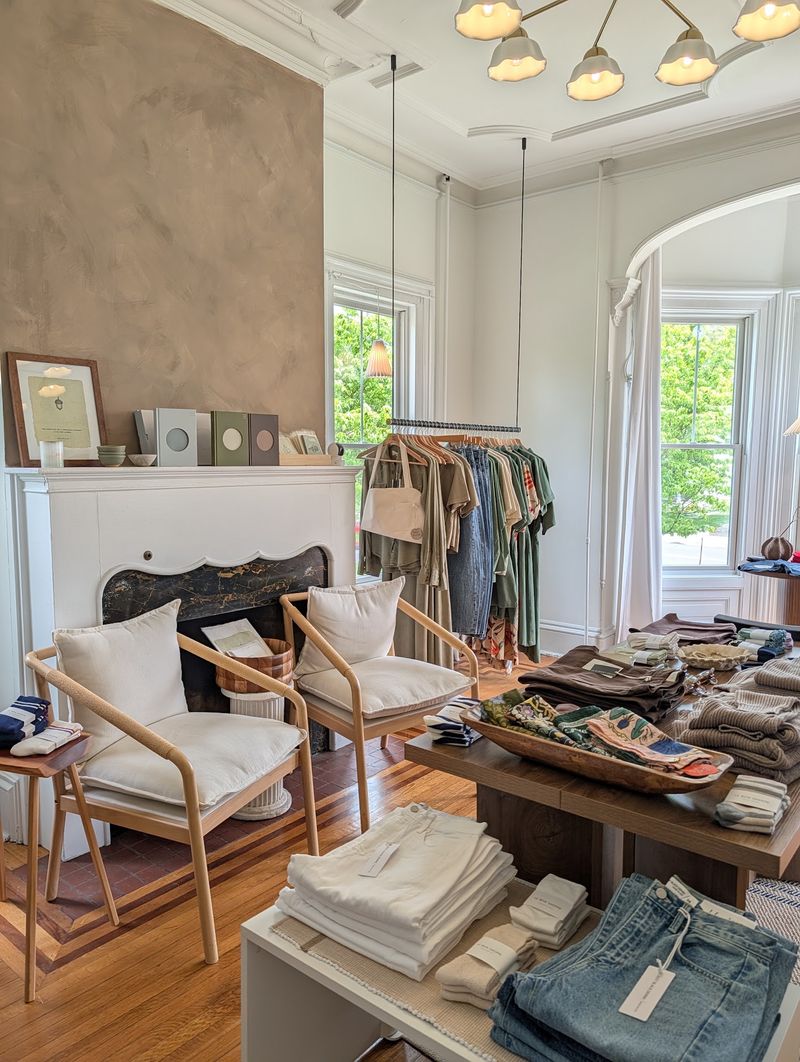
Food is an unusually good reason to discover a town of fewer than 2,000 people. Hopewell Borough packs an impressive collection of independent restaurants into a compact area around Broad Street, from longtime Italian cooking to casual breakfast counters, pizza, and farm-conscious spots.
Aunt Chubby’s Luncheonette is the kind of place that makes breakfast or lunch feel like part of the town rather than a separate destination, while Antimo’s Italian Kitchen and other nearby restaurants give you plenty of reasons to stay through dinner. Between meals, Broad Street and the neighboring blocks reward aimless wandering.
The shopping mix includes antiques, handmade jewelry, gifts, books, photography, vintage furnishings, and small independent stores that are difficult to reproduce in a shopping center. Hopewell Antiques and the multi-dealer Tomato Factory are natural stops if you enjoy hunting through older pieces, while The Bear and the Books gives families a children’s bookstore worth seeking out.
There is real history behind the storefronts, too, including the Hopewell Museum, the old railroad station, and other preserved sites around the borough. Hopewell Park offers trails and green space along Bedens Brook when you want a break from shopping.
The surprise is not that Hopewell is pleasant. It is how much is packed into less than a square mile.
6. Chester: Give the Car a Rest and Browse
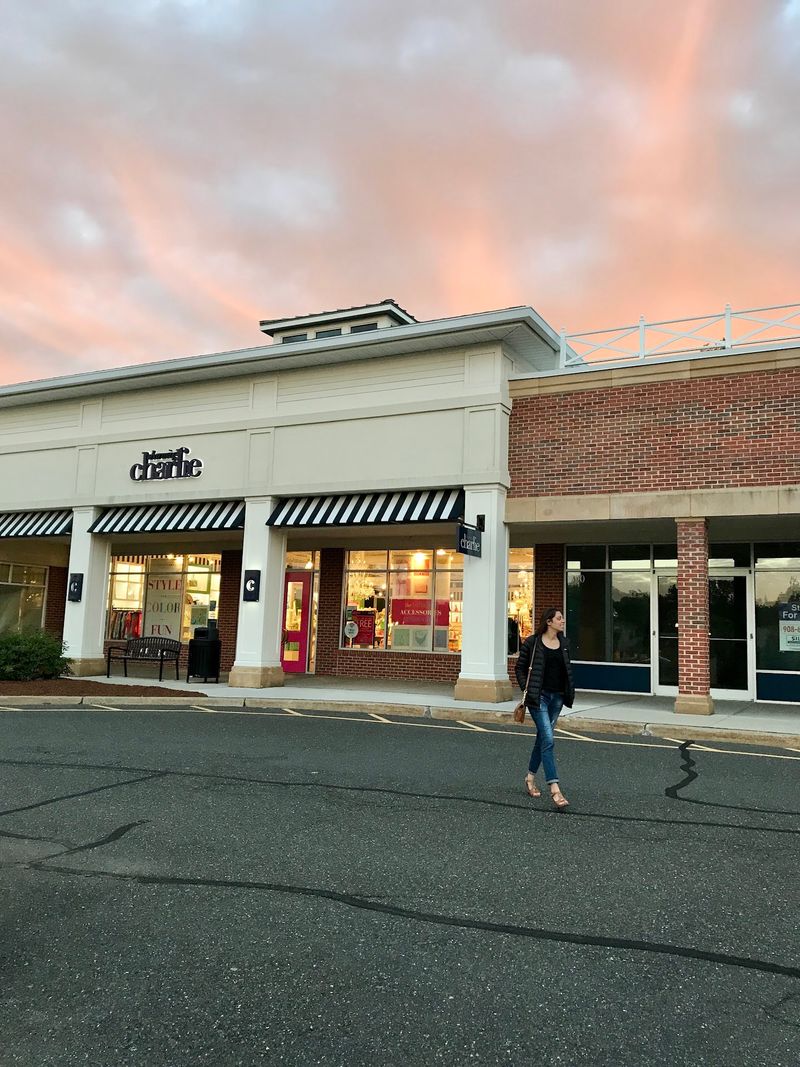
Main Street announces itself with brick sidewalks, old buildings, and enough independent shops that “just taking a quick look” is rarely quick. Chester has built a reputation as one of North Jersey’s strongest small-town shopping stops, but the town works best when you ignore the urge to rush from store to store.
The downtown contains dozens of boutiques, eateries, specialty shops, and places selling everything from home décor and clothing to gifts and antiques. Historic buildings keep the commercial district visually interesting, while the compact layout means you can cover most of it on foot.
This is one town where seasonal timing can noticeably change the experience. Fall brings heavier weekend crowds, while the holiday period turns the downtown into a popular shopping destination.
Visit on a weekday or earlier in the morning if you prefer more breathing room. Chester also benefits from what sits beyond Main Street.
The surrounding Morris County landscape provides hiking, farms, parks, and open space, so it is easy to pair a downtown visit with a few hours outdoors. That combination is the real reason Chester belongs here.
You can browse shops and grab lunch without feeling trapped in a commercial district, then be among woods and rolling countryside shortly afterward. It is polished without feeling overly manufactured, especially once you wander a block or two away from the busiest stretch.
7. Mount Holly: Old Buildings, Fresh Reasons to Visit
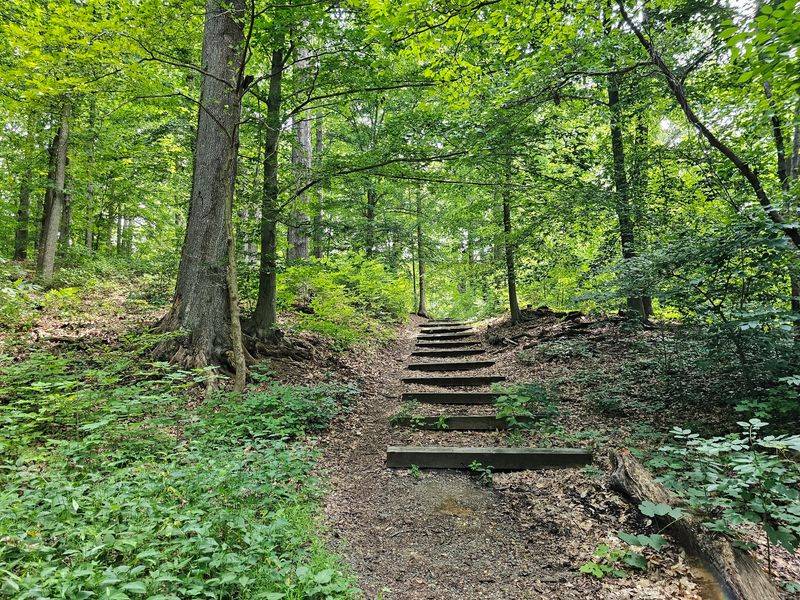
The first surprise is how much history sits within a few walkable blocks. High Street climbs through the center of Mount Holly past old commercial buildings, restaurants, shops, and county institutions, while narrow side streets lead toward structures dating back generations.
This Burlington County seat has Revolutionary-era connections and a downtown that feels distinctly different from the highway development surrounding it. Mill Race Village is one of the most interesting pockets to explore, with small businesses occupying historic buildings near the water.
From there, keep wandering rather than treating High Street as the entire visit. Washington Street and Mill Street add more dining, independent businesses, and older architecture, while nearby Rancocas Creek gives the town a natural feature that is easy to overlook when first arriving.
Mount Holly’s food-and-drink scene has also become broader than many first-time visitors expect, with cafés, restaurants, breweries, dessert stops, and international options clustered in and around downtown. That makes the town especially useful for an afternoon that turns into dinner without much planning.
Mount Holly does not present itself as a perfectly polished historic village, and that actually helps. The streets contain courthouse business, everyday errands, local hangouts, old houses, and newer businesses all at once.
Its charm comes from discovering how many different versions of South Jersey history are layered together in one compact place.
8. Swedesboro: South Jersey with a Swedish Footnote
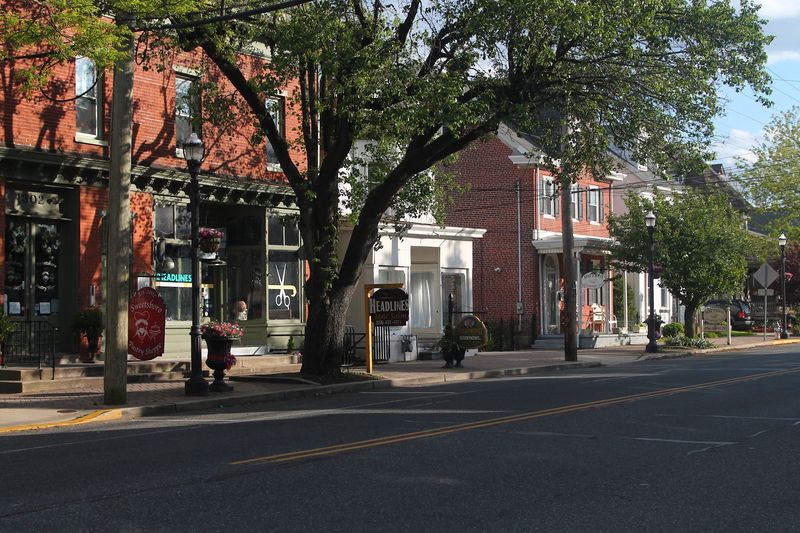
You can cover a surprising amount of American history before finishing lunch here. Swedesboro’s roots reach to the New Sweden settlements of the 1600s, and reminders of that heritage remain woven through a downtown that has evolved into a lively collection of restaurants, businesses, and community spaces.
Among the most notable historic sites are Trinity Episcopal “Old Swedes” Church and several other properties listed on state or national historic registers. But Swedesboro is not interesting merely because it is old.
The commercial district along Kings Highway gives visitors a genuine reason to stay after looking at the architecture. Locally owned eateries, shops, and services fill a downtown small enough to explore on foot, and the restaurant selection is broader than many people expect from a borough covering less than a square mile.
Depending on when you visit, community events can take over parts of downtown and give the town an especially local feel. The best plan is simple: walk Kings Highway, follow whatever storefront catches your attention, then make time for the historic buildings rather than treating them as an afterthought.
Swedesboro also sits conveniently close to major South Jersey routes, making it an easy detour from busier destinations around Philadelphia or Gloucester County. You can spend half a day here without ever feeling as though you are working through a checklist.
9. Hammonton: Bring an Appetite and a Little Curiosity
Blueberries may get top billing, but they are only the opening act. Hammonton has long leaned into its agricultural identity, earning its “Blueberry Capital of the World” nickname and celebrating the crop with a major annual festival, yet downtown has developed into something much more varied.
Bellevue Avenue and the surrounding blocks bring together cafés, restaurants, boutiques, art spaces, breweries, and other independent businesses in a district that is easy to explore on foot. The food scene is where Hammonton really starts breaking expectations.
Italian heritage remains important, but the town also has a strong Mexican culinary presence, giving visitors a much wider range of choices than the classic South Jersey farm-town image suggests. You can build an entire visit around eating, moving from coffee to tacos, pizza, Italian specialties, or something blueberry-filled without repeating yourself.
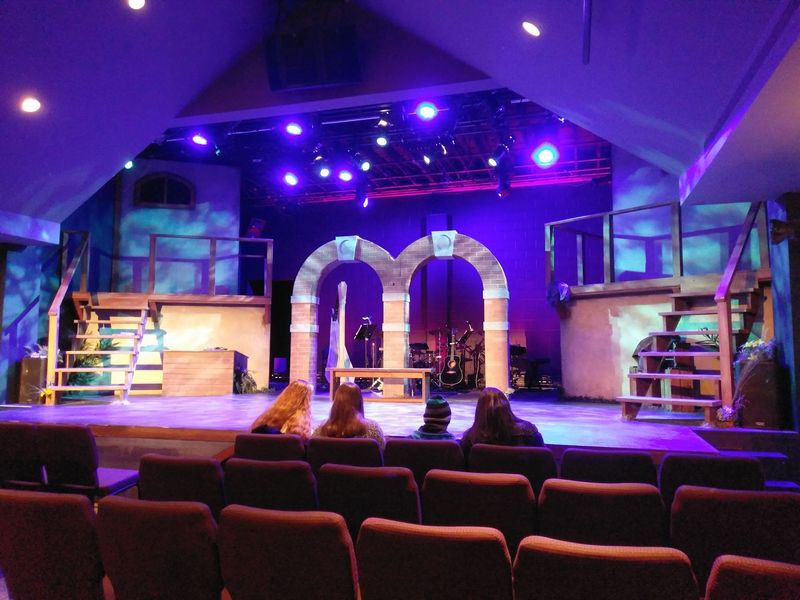
The Eagle Theatre brings live performance into the mix, while galleries and arts organizations give downtown an additional creative streak. Wine is another local connection worth remembering: the surrounding agricultural area supports vineyards and wineries that can easily extend a downtown trip into a full day.
Hammonton is also reachable by NJ Transit’s Atlantic City Rail Line, with the station just a few blocks from the center. Come expecting farm-country tradition; stay because the town has clearly learned how to evolve without losing it.
10. Merchantville: Small Enough to Notice the Details
Tree-lined streets and colorful older storefronts give Merchantville an immediate advantage: it feels like a neighborhood people actually use rather than a downtown staged primarily for visitors. This small Camden County borough sits only a short drive from much busier commercial corridors, yet the center of town has retained an independent streak.
North Centre Street and the nearby blocks are where to start. Small shops, restaurants, community businesses, and occasional street events create enough activity for a relaxed afternoon without the crowds found in better-known South Jersey downtowns.
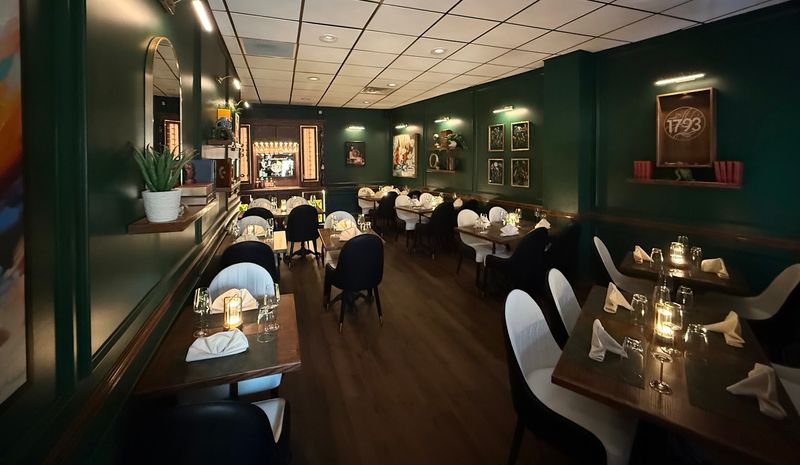
Dining has become an increasingly good reason to pay attention to Merchantville. The town supports everything from casual neighborhood spots to more ambitious destinations, including Restaurant 1793, which opened in 2026 with a multi-course tasting format.
Established local hangouts and cafés round things out, making it easy to choose between a quick meal and an evening built around dinner. Merchantville also understands how to use its streets, with markets, seasonal happenings, and community events periodically spilling outdoors.
The appeal here is subtler than in towns dominated by a major landmark. There is no single “must-see” sight that defines the visit.
Instead, the pleasure comes from walking a few blocks, noticing the older architecture, poking into a store you did not know existed, then realizing you have already spent two hours somewhere you originally planned to pass through.
11. Collingswood: Let Dinner Anchor the Day
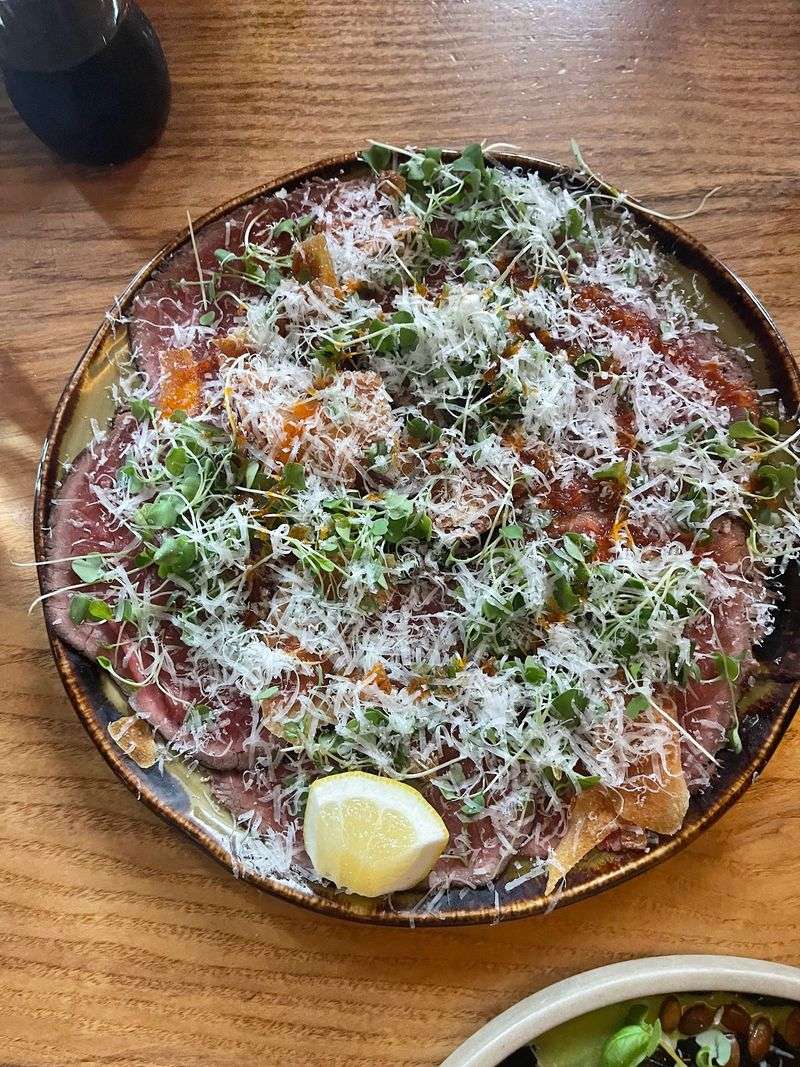
Come hungry. Haddon Avenue can turn a casual walk into a running argument over where to eat, with BYOB dining rooms, Italian kitchens, brunch spots, bakeries, cafés, and restaurants representing cuisines from well beyond South Jersey.
The density is what makes Collingswood different: one restaurant ends and another tempting storefront seems to begin almost immediately. That culinary reputation would be enough to justify the trip, but the town has more going on between meals.
Boutiques, consignment stores, art galleries, and specialty shops stretch along the same walkable corridor, giving you somewhere to wander while pretending you are ready for dessert. Art is particularly visible here.
The Perkins Center for the Arts maintains a Collingswood presence, and annual events such as the Crafts and Fine Art Festival can fill Haddon Avenue with artists and thousands of visitors. During the warmer months, the farmers market adds another layer, bringing produce, baked goods, and local vendors into town on Saturdays.
Collingswood also has the practical advantage of PATCO access, so visitors coming from Philadelphia or elsewhere along the line can leave the car behind. Yes, this is arguably the least “hidden” town on the list for South Jersey locals.
But plenty of people still think of it mainly as a restaurant destination. Give it an afternoon rather than just a dinner reservation, and the town starts showing why locals keep returning.
12. Hightstown: Step Away from the Highway
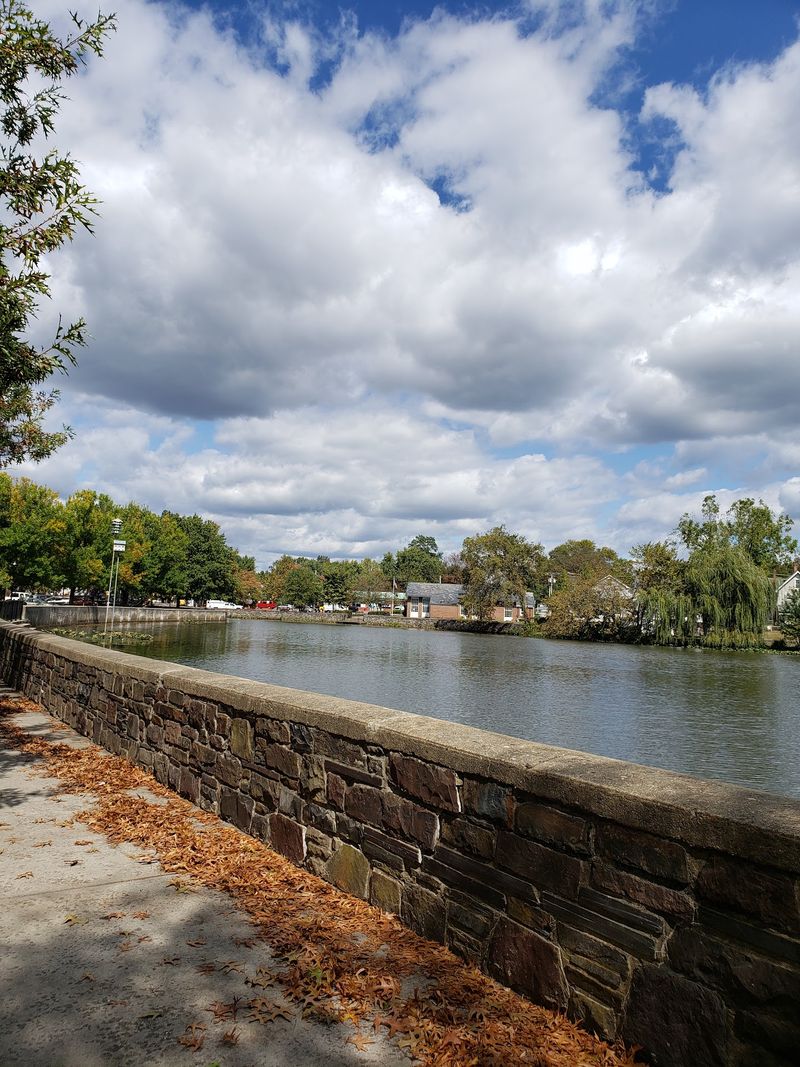
A lake appearing almost directly beside downtown is not what most drivers expect when passing through central Mercer County. Peddie Lake and Rocky Brook give Hightstown a visual anchor that instantly separates it from the suburban development surrounding the borough.
Main Street crosses through the center, where locally owned restaurants, shops, services, and older buildings form a proper downtown rather than another collection of strip malls. History runs deeper than the storefronts suggest.
Hightstown grew around an early settlement and later became an important stop along the Camden and Amboy Railroad, the pioneering rail link between New York and Philadelphia. The preserved freight station and the Stockton Street Historic District still hint at that 19th-century prominence.
For a low-key visit, start around Main Street, grab breakfast or lunch, then walk toward Memorial Park and Peddie Lake. The town’s dining choices include American, Indian, Latin American, pizza, tavern fare, and other casual options, so it is easy to improvise.
Architecture fans should make time for Stockton Street, where houses represent styles ranging from Federal to Victorian. Hightstown’s biggest advantage is contrast: it is surrounded by one of Central Jersey’s busiest suburban zones, yet inside the borough you can walk from a historic district to a lakefront park to an independent restaurant within minutes.
That is a pretty good return for taking the exit.
13. Califon: A River Village with Country Edges
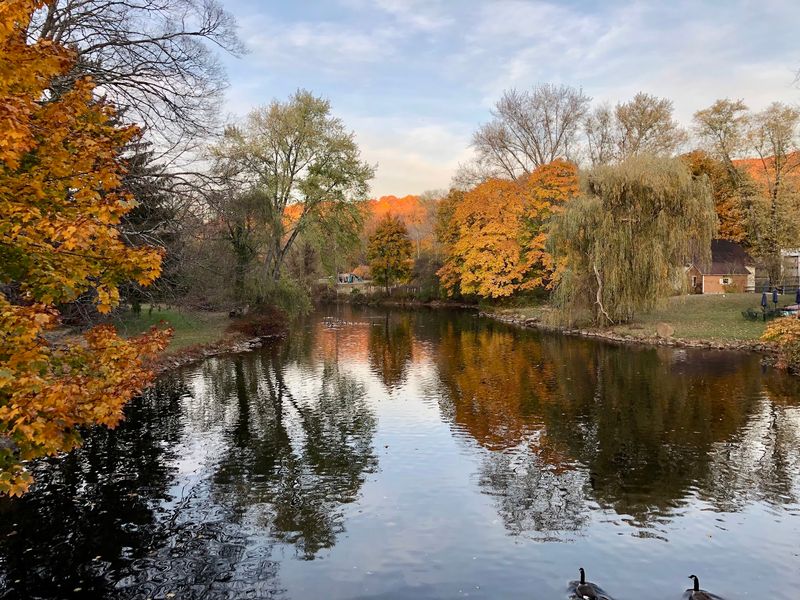
Bring walking shoes before you bring a shopping list. Califon makes the strongest impression when approached through its landscape, particularly the Columbia Trail, which passes directly through the borough along a former railroad corridor.
Walk or bike into town and you encounter the old stone railroad station, now connected with local historical exhibits, before reaching a Main Street that looks wonderfully modest by modern New Jersey standards. Califon was once known as California, a name linked to Gold Rush enthusiasm, and its later history remains unusually visible.
The National Register-listed historic district includes roughly 170 buildings, with many older homes carrying markers identifying builders and construction dates. Main and Academy streets hold local businesses inside some of those historic structures, but this is not a town where you need dozens of stores to stay occupied.
The South Branch of the Raritan River, wooded trail sections, and nearby Ken Lockwood Gorge make nature the bigger attraction. The Columbia Trail continues through a landscape of river views and forest, giving hikers and cyclists an easy way to turn a downtown stop into several hours outside.
Rambo’s Country Store is a convenient place to grab refreshments near the trail. Califon rewards visitors who appreciate small details: a preserved station, Victorian houses, a clear river, and a downtown compact enough that the countryside never feels far away.
14. Pitman: A Theater Night with a Neighborhood Twist
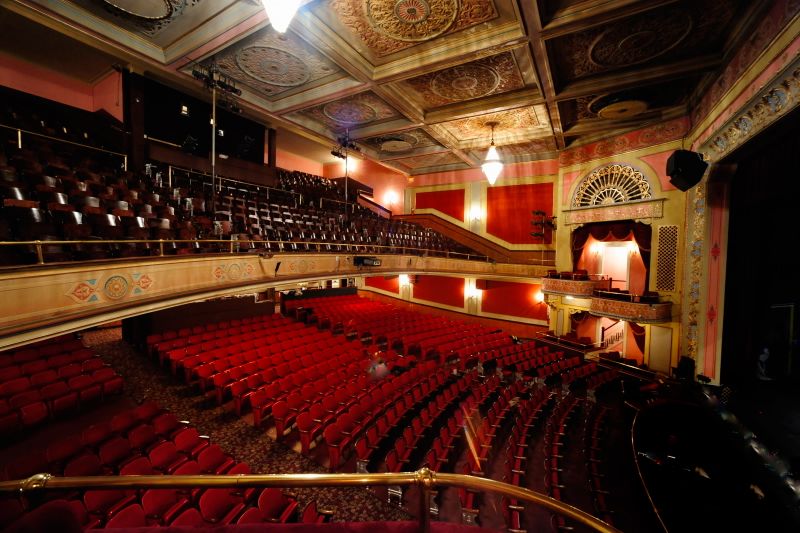
The glowing marquee on Broadway changes the whole feel of this Gloucester County town after dark. The Broadway Theatre of Pitman remains the centerpiece of Uptown Pitman, hosting musicals, tribute concerts, comedy, children’s shows, and other performances that can turn an ordinary downtown dinner into a proper night out.
Before curtain time, there is plenty to explore. The surrounding business district contains cafés, restaurants, boutiques, salons, specialty stores, and delightfully specific shops selling everything from Irish goods to artisan marshmallows.
That variety gives Pitman more personality than a quick drive through Broadway might suggest. Plan to arrive well before a show rather than rushing directly to your seat.
Grab coffee, browse the independent businesses, eat dinner nearby, and walk the side streets to get a sense of the borough beyond the theater. Community events such as Fourth Friday periodically bring live entertainment, food, and family activities into the Uptown district, reinforcing how much local life revolves around this compact center.
Pitman also has an architectural and cultural history tied to its origins as a Methodist summer gathering place, which helps explain the distinctive layout of the nearby Grove area. The theater may be what gets first-time visitors here, but it rarely remains the only reason to come back.
Pitman feels like a town that remembered downtowns are supposed to be useful after 5 p.m.
Share this story