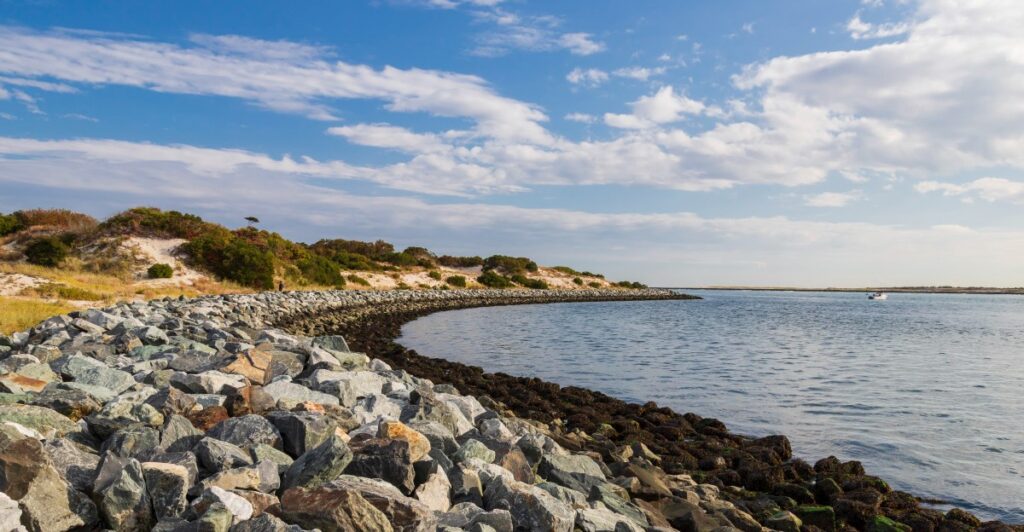
A few miles south of the rides and arcade lights of Seaside Heights, the shoreline changes its priorities. Dunes take over where beach houses might have stood.
Sandy paths slip into thickets. On one side, Atlantic waves roll toward shore; on the other, marsh creeks work their way into Barnegat Bay.
This is Island Beach State Park, a nearly ten-mile stretch of protected coastline that makes a Jersey Shore day feel surprisingly far removed from the usual routine. The secret is less about finding a place nobody knows and more about discovering the parts many beachgoers drive straight past.
There are short woodland walks, bird blinds, bayside overlooks, and places where watching an osprey becomes the afternoon’s main event. Bring your beach chair, certainly, but leave room for walking shoes and binoculars.
The sand is only the beginning of what makes this Ocean County escape worth a closer look.
Island Beach State Park Preserves a Wilder Side of the Jersey Shore
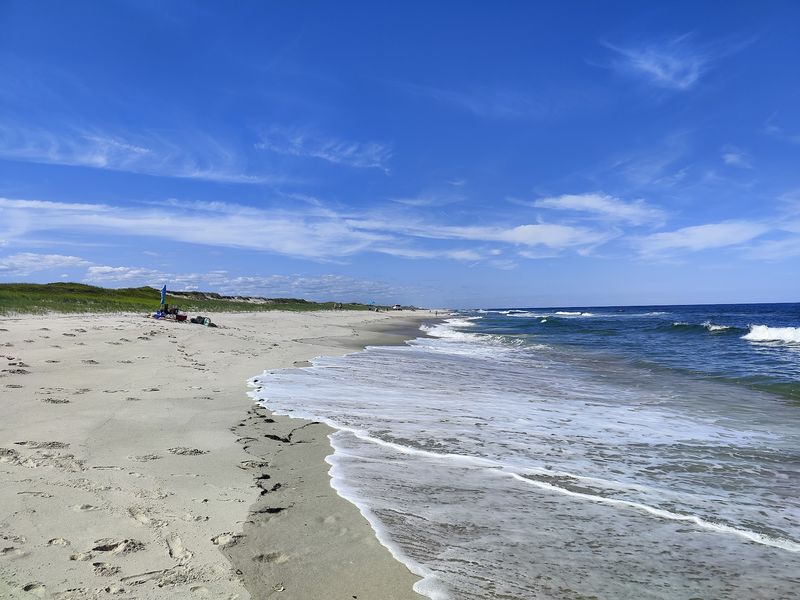
New Jersey purchased the 2,694-acre Phipps estate in 1953, helping protect a stretch of shoreline that could easily have followed its neighbors into development. The park opened in 1959, giving swimmers, anglers, and walkers access to a landscape whose biggest attractions were already there.
Today, roughly 3,000 acres encompass beaches, dunes, maritime forest, and tidal marshes between the Atlantic Ocean and Barnegat Bay. That combination makes the place more interesting than a long beach with a park sign at the entrance.
It preserves an entire cross section of coastal life, including habitats that have largely disappeared beneath development elsewhere along the Shore. You notice the difference as you travel south from Seaside Park.
The park road runs between vegetation and dunes, with marked access points inviting you to stop and investigate. There are facilities and designated recreation areas, so “undeveloped” describes the protected landscape rather than a complete absence of amenities.
You can have a practical beach day here while still seeing what makes a barrier beach distinctive. The plants deserve some attention, too.
Salt spray and wind shape the vegetation, while maritime forest and marsh communities occupy more sheltered ground. A walk across the peninsula can reveal changes that are easy to miss from a car window.
For a first visit, resist treating the entrance as merely the beginning of a drive to a swimming lot. Choose one short trail along the way and give yourself time to notice the transition from exposed sand to wooded cover.
You do not need an ambitious itinerary to appreciate the park. A few deliberate stops are enough to turn a familiar trip down the Shore into a look at the coastline’s older, wilder character.
Nearly Ten Miles of Coastline Let You Leave the Boardwalk Behind
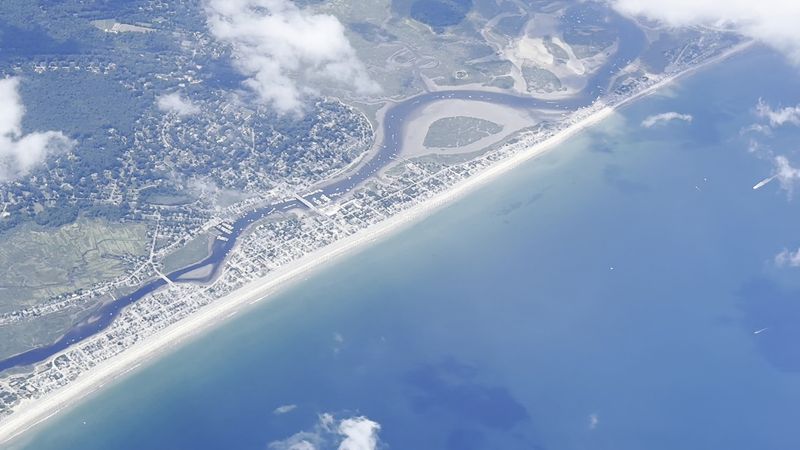
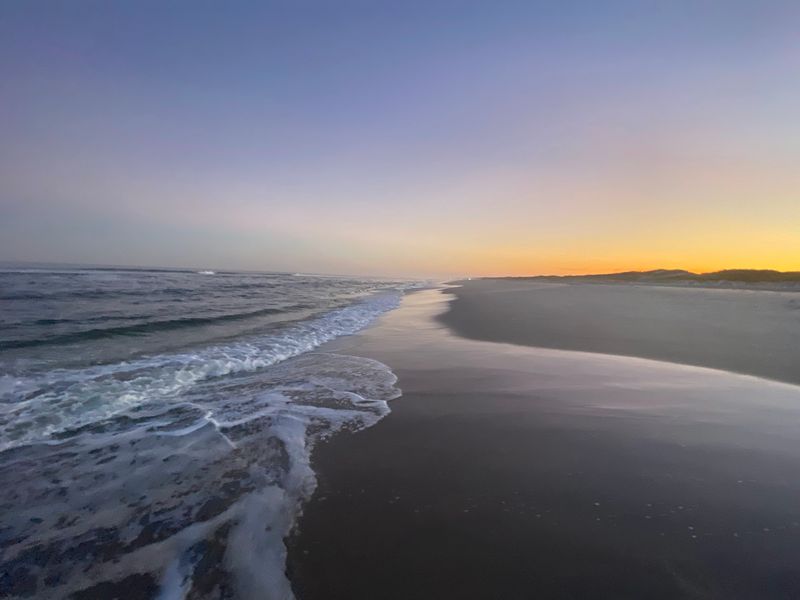
Put your chair down facing the water and the view does much of the work. Waves, sand, and a dune line replace the storefronts and amusement rides associated with nearby Shore towns.
Along this nearly ten-mile barrier beach, the natural landscape gives an ordinary afternoon at the ocean a different backdrop. You can read, watch the breakers, or take a walk without building the day around anything more complicated than the weather.
Still, choosing your access point matters. Ocean Swimming Areas 1 and 2 are the places to plan a conventional summer beach visit, with designated bathing beaches and supporting facilities.
Swimming is permitted only in designated areas while lifeguards are on duty, so a beautiful stretch of empty shoreline should never be mistaken for an additional swimming beach. Beyond the bathing areas, walking and fishing offer other ways to enjoy the coast.
The park has a long surf-fishing tradition, with striped bass and bluefish among the species that draw anglers here. Seeing rods lined along the water adds another layer to the scene: some visitors have come to relax, while others are paying close attention to every change in the surf.
This is also where expectations need a small adjustment. Island Beach is a popular park, and sunny summer weekends can bring enough visitors to fill the swimming-area parking lots.
Its appeal comes from the protected setting and the range of experiences within it; guaranteed solitude is a different matter. For a quieter beach walk, consider a weekday or a visit outside the busiest summer period.
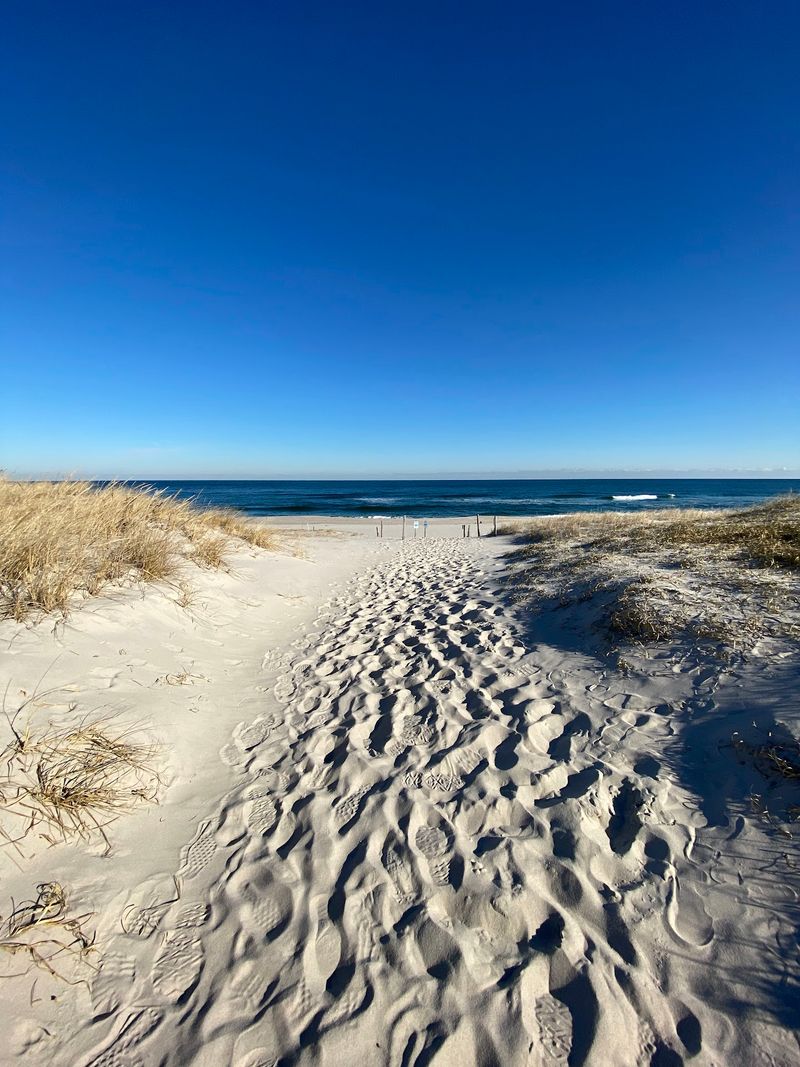
Follow marked routes through the dunes rather than making your own shortcut. Dune plants help hold the sand in place, and the vegetation that makes this shoreline so appealing needs room to do its work.
Sandy Trails Reveal Maritime Forests and Hidden Marshes
Reed’s Road is a useful place to start if your usual Shore walk begins and ends beside the water. Its trailhead sits about half a mile south of the park entrance on the west side of the road, and the 0.4-mile sandy route heads toward Barnegat Bay through coastal thicket and mature maritime forest.
Pitch pine, oaks, and American holly give you something entirely different to look at from the dune grass along the beach. There is human history tucked into the walk as well: the route passes the site of the former Reed Hotel, which hosted artists, fishermen, and sportsmen in the late nineteenth century.
Nothing about the distance demands a major hiking commitment, making this an easy addition to a beach day. For another short outing, the Aeolium Trail forms a 0.2-mile loop through barrier-island plant communities about 1.1 miles south of the entrance.
It offers a manageable introduction to the vegetation you will encounter elsewhere in the park. Farther south, Fisherman’s Walkway at parking area A-7 provides an accessible boardwalk route, with an oceanside section crossing the dune and a bayside section ending at an overlook.
That makes it especially useful when you want to compare both sides of the peninsula without committing to loose-sand paths. Pick a couple of these walks rather than rushing to collect every trail name.
The pleasure lies in noticing how quickly the surroundings change and giving yourself time to look beyond the path. Comfortable shoes help on sand, and insect repellent earns its place in your bag, particularly near the bay.
Carry a trail map, respect posted boundaries, and remember that a short route can still deserve an unhurried hour when the scenery keeps interrupting your progress.
Ospreys and Shorebirds Make Every Walk Worth Taking Slowly
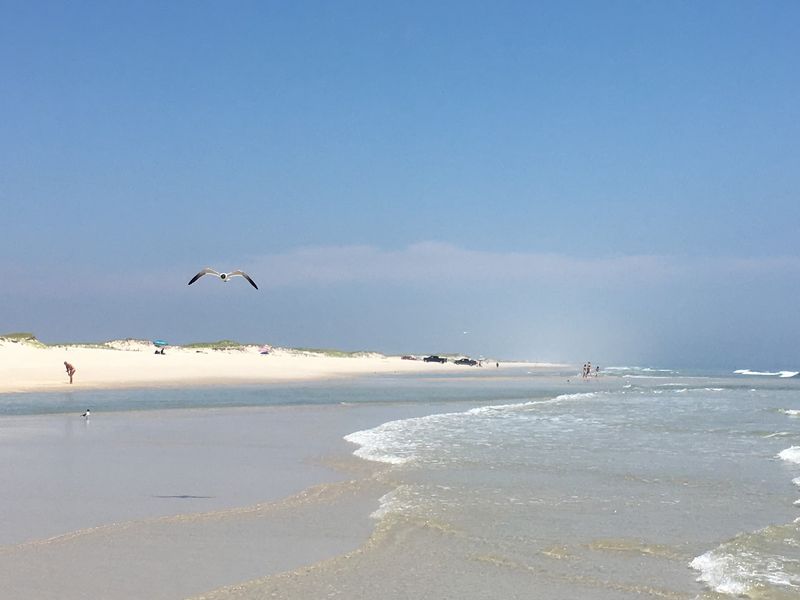
An osprey carrying a fish is a good reason to stop talking halfway through a sentence. Island Beach supports New Jersey’s largest osprey colony, and the bay and marshes give these birds plenty of places to hunt.
Their presence makes binoculars one of the most useful things you can bring, even if birdwatching has never appeared on your weekend plans. You do not need to identify everything you see to enjoy watching a bird circle over the water or settle onto a nesting platform.
Spizzle Creek Trail is a particularly rewarding place to spend some time. Located near parking areas A-19 and A-20, the roughly 0.8-mile route leads toward the bay through a landscape of maritime vegetation and salt marsh.
One branch reaches a bird observation blind; another continues toward the marsh shoreline. The blind gives you a place to pause and watch rather than constantly moving on to the next view.
Herons, shorebirds, and other visitors to the wetlands can make a patient stop worthwhile, though the cast changes with the season. Island Beach lies along the Atlantic Flyway, so migration brings another reason to return.
A walk in spring can offer a different experience from one in autumn, and even repeated visits to the same overlook rarely unfold exactly alike. Let that unpredictability be part of the fun.
Spend a few minutes looking at the water’s edge, then the marsh grasses, then the sky. Movement often catches your eye before any distinctive marking does.
Keep your distance from wildlife and observe posted restrictions around protected areas. The bay-side insects can be enthusiastic company, so repellent helps you stay long enough to enjoy the quieter activity around you.
A bird blind rewards patience, and a few extra minutes can be the difference between an empty view and the moment you remember afterward.
Exploring Barnegat Bay Gives You a Different View of the Park
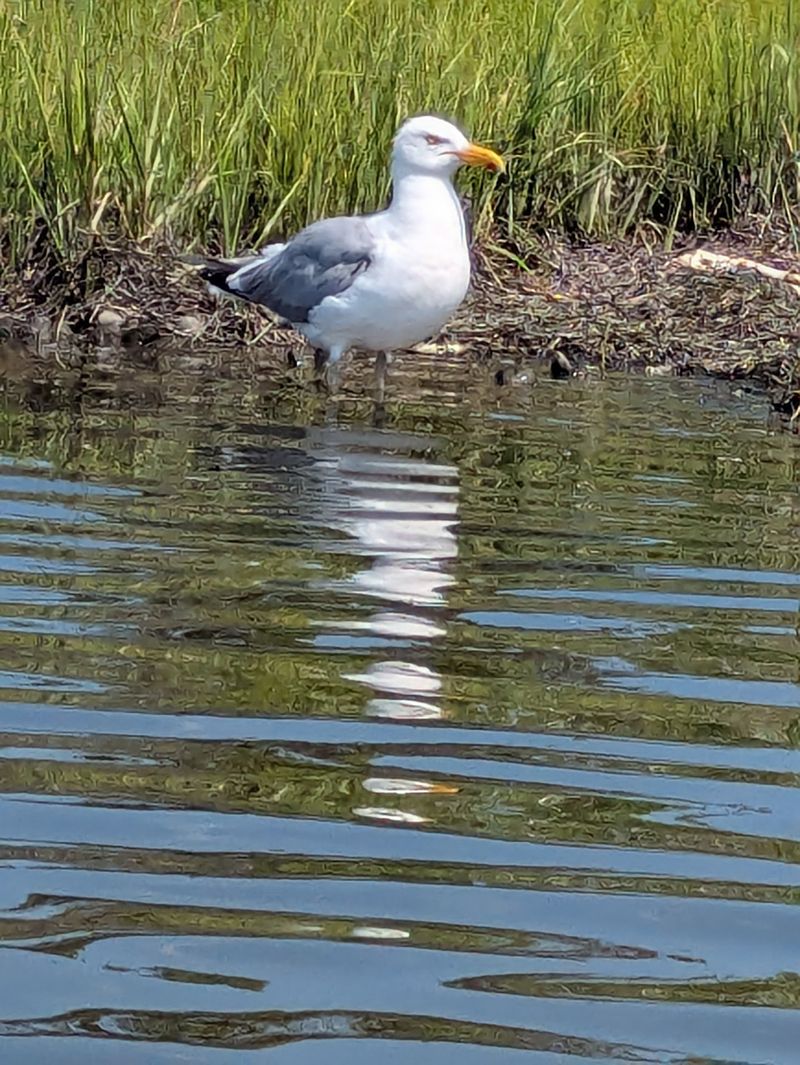
Cross to the western side of the peninsula and the ocean’s broad horizon gives way to marsh islands, shallow water, and winding channels. Barnegat Bay changes the scale of the experience.
Instead of watching waves arrive from offshore, you begin noticing small movements along the edges: a bird stepping through the shallows, grasses shifting in the breeze, or water slipping through a creek. You can appreciate that landscape from a trail overlook, but a kayak lets you see how its pieces fit together.
The Sedge Islands offer water trails through one of the park’s richest wildlife areas, with routes suited to different levels of paddling experience. The mapped Spizzle Creek Water Trail is approximately 1.5 miles and stays relatively close to land, while longer routes explore more open water and tidal channels.
Keep in mind that a short distance does not remove the need to consider wind, tides, and your own abilities. A sheltered-looking bay can still make the return trip harder than expected.
Designated launch sites include parking area A-15 and Winter Anchorage near A-21, serving different routes through the area. For visitors who prefer some guidance, the park’s nature programs offer canoe and kayak outings that combine paddling with explanations of the surrounding habitat; schedules and availability vary.
That can be a useful way to learn what you are looking at instead of simply following the next bend. Leave enough time for a slow trip, because the shoreline invites frequent pauses.
The pleasure here is in watching the marsh from water level and realizing how much was hidden from the road. Even if you leave the boat at home, a bayside walk belongs in the day’s plans.
It gives this beach park depth and makes the drive back along the peninsula feel like a journey between two distinct coastal worlds.
What to Know Before Planning Your Island Beach Escape
The most useful planning decision happens before you pack the cooler: decide whether you want a swimming day, a walking day, or a little of both. That choice determines where you should park and how much equipment you need to carry.
The entrance lies south of Seaside Park, reached by following Route 35 south along the peninsula. From the Garden State Parkway, Exit 82 connects with Route 37 east toward the barrier island.
Normal daytime gate hours run from 8 a.m. to sunset, but operating conditions, admission charges, and swimming schedules deserve a check before departure. Storms can affect access, and summer crowds can trigger temporary closures when the swimming areas reach capacity.
Arriving early helps on busy days, though it cannot guarantee entry. Keep the packing practical.
Bring drinking water, sun protection, a hat, and a bag for carrying your rubbish home. Add walking shoes and insect repellent if you plan to explore beyond the beach; binoculars are a welcome extra for the marsh overlooks.
A light layer is useful when the wind makes the shoreline feel cooler than the parking lot. If swimming is part of the plan, confirm which bathing area is open and use it only while lifeguards are on duty.
For kayaking or beach driving, sort out the relevant access arrangements beforehand rather than expecting every activity to be available on arrival. Mobile sport-fishing vehicles require a specific permit, and driving onto the sand is a separate activity from ordinary park admission.
Give yourself permission to keep the day small. One woodland trail, a picnic, and a stretch of beach can fill an afternoon comfortably.
On the way back, the same road passes the same dunes, but now you know that beyond the vegetation lie forest paths, bird blinds, and marsh creeks quietly carrying on beside the ocean.
Share this story