A great thrift store visit can begin with a simple goal and end with something you never expected to find. Maybe you need a warmer jacket, a sturdy chair, or a few books for a rainy weekend. Across Pennsylvania, secondhand shops offer chances to stretch your budget, discover older pieces with character, and keep useful goods out of the trash. The stops in this guide range from community thrift shops with varied departments to fashion resale stores that focus on clothing, shoes, and accessories. They are not all the same size or style, so think of this list as a treasure hunting route rather than a ranking of square footage. Some places reward a slow walk through household goods, while others are better suited to a focused search for jeans, sneakers, or an outfit for work.
Before leaving home, check each store’s current hours, address, payment options, and shopping policies. Inventory changes often, and furniture, fitting rooms, discounts, and donation services may differ by location. Bring a short wish list, your measurements, and a spending limit to help separate a useful find from a bargain you will never use. From Glenside and Souderton to Lancaster, Pittsburgh, and Philadelphia, these Pennsylvania stops give shoppers plenty of reasons to look beyond buying everything new. Take your time, inspect what catches your eye, and leave room for a surprise. The best treasure is not always the oldest or cheapest item; sometimes it is simply the thing that fits your life right now and serves you well.
1. New Life Thrift (Glenside): A Practical Treasure Hunt
A plain coffee mug can bring back memories of a grandparent’s kitchen, and that is part of the appeal here.
New Life Thrift in Glenside offers the kind of secondhand shopping where everyday needs and unexpected discoveries can share the same trip.
Begin with the category that matters most to you, whether that means clothing, books, or household pieces available that day.
Donations shape the selection, so a previous visit does not tell you exactly what will be waiting next time.
Give yourself enough time to look beyond the first few shelves.
For clothing, check cuffs, collars, seams, and fabric under good light.
A low price feels less exciting when a zipper sticks or a stain will not come out.
Hold pieces against something you already own, or bring your measurements if trying items on is not possible.
Household shoppers should make a slower pass through breakable goods.
Look beneath plates for chips, examine glass rims, and count every part of a matching set before deciding.
If you spot furniture, measure both the piece and the space where it would live.
A small shopping kit can make this stop easier: a tape measure, reusable bag, and phone photos of rooms or shelves you want to update.
Those pictures help you judge colors and sizes without relying on memory.
Set aside a little money for an unexpected find, but keep your main budget clear.
Before traveling, confirm the current Glenside location details, hours, accepted payments, and return rules through the store’s own channels.
Ask staff about any posted discounts rather than assuming an old promotion still applies.
Leave with something useful, beautiful, or genuinely meaningful, not simply another object that needs a home.
Even a visit without a purchase can sharpen your eye for quality and make your next search more rewarding.
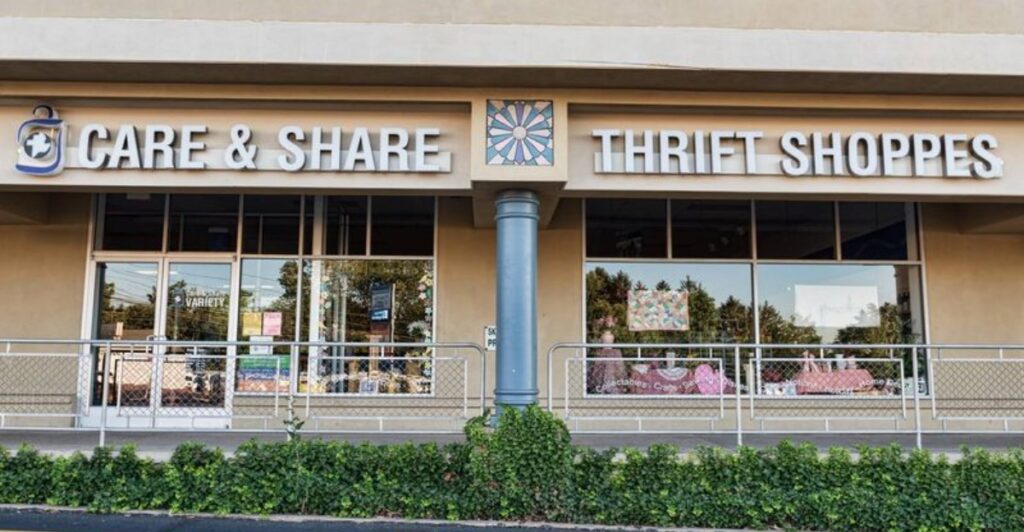
2. Care & Share Thrift Shoppes (Souderton): Make a Day of Browsing
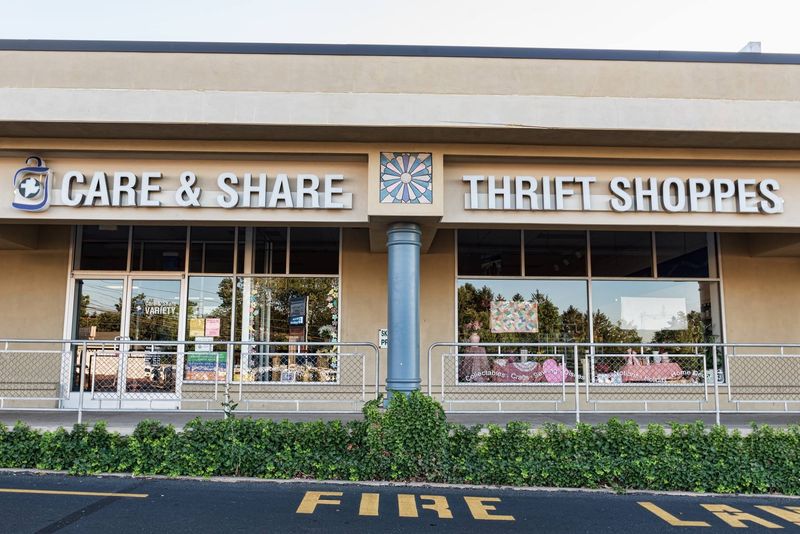
One quick stop can turn into an afternoon when there are several kinds of treasures to explore.
Care & Share Thrift Shoppes in Souderton has a multiple shop format that makes planning your visit especially helpful.
Rather than wandering without a goal, decide which merchandise categories deserve your attention first.
Review the current shop directory before you arrive, since departments and services can change.
If you are shopping with a friend, agree on a meeting point so everyone can browse at a comfortable pace.
Readers can approach book shopping like building a small personal library.
Check bindings, scan for missing pages, and open a few spots to look for writing or water damage.
A familiar author might be a safe choice, but an unfamiliar subject can be the day’s most interesting discovery.
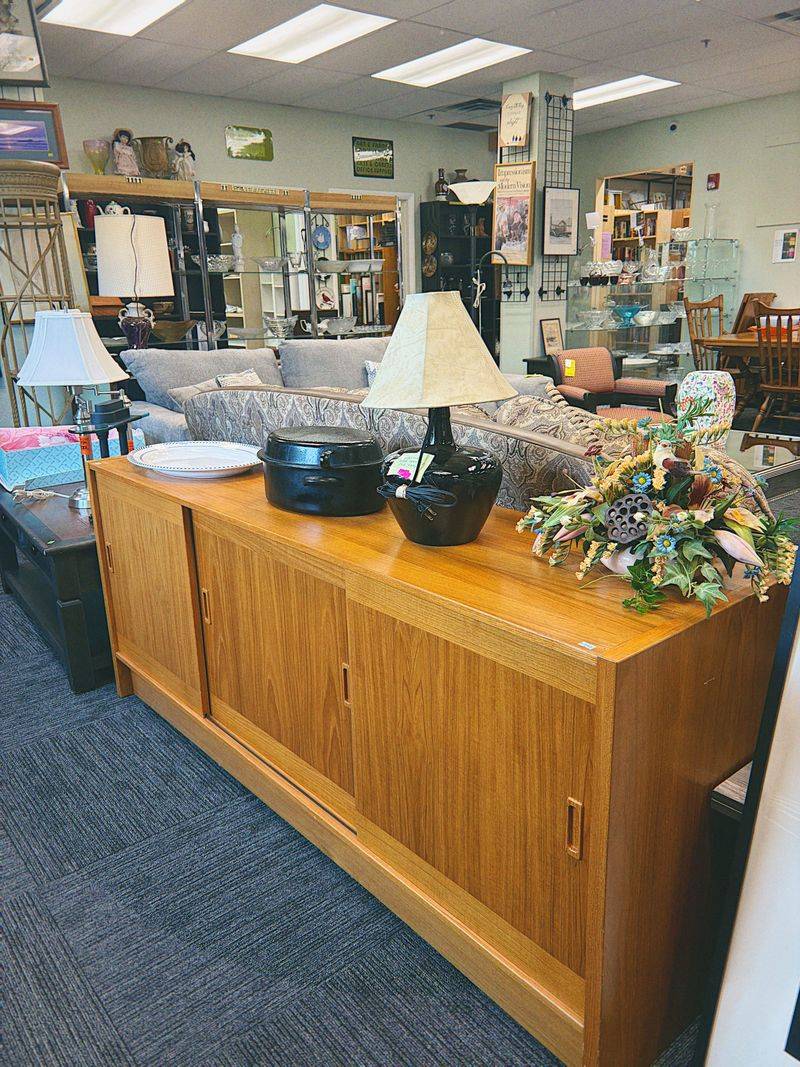
For home goods, imagine the item doing a real job in your house.
A basket might organize winter gloves, while a sturdy serving dish could replace disposable trays at family gatherings.
Buying with a purpose helps keep a fun outing from becoming a clutter problem.
Care & Share connects secondhand shopping with support for Mennonite Central Committee’s work.
That community purpose adds meaning to the visit, but it should not replace careful shopping.
Compare condition and usefulness just as you would anywhere else, and check the organization’s current information if you want to learn more about its mission.
Wear comfortable shoes, allow time between sections, and check current hours for the shops you hope to visit.
Before paying, confirm whether purchases from different areas require separate checkout and ask about pickup arrangements for anything bulky.
Souderton makes a rewarding stop when you arrive curious, shop patiently, and remember that the best collection of bargains is the one you can actually use.
Bring water for the trip and keep your shopping list handy.
3. Uptown Cheapskate (State College): Build a Better Outfit
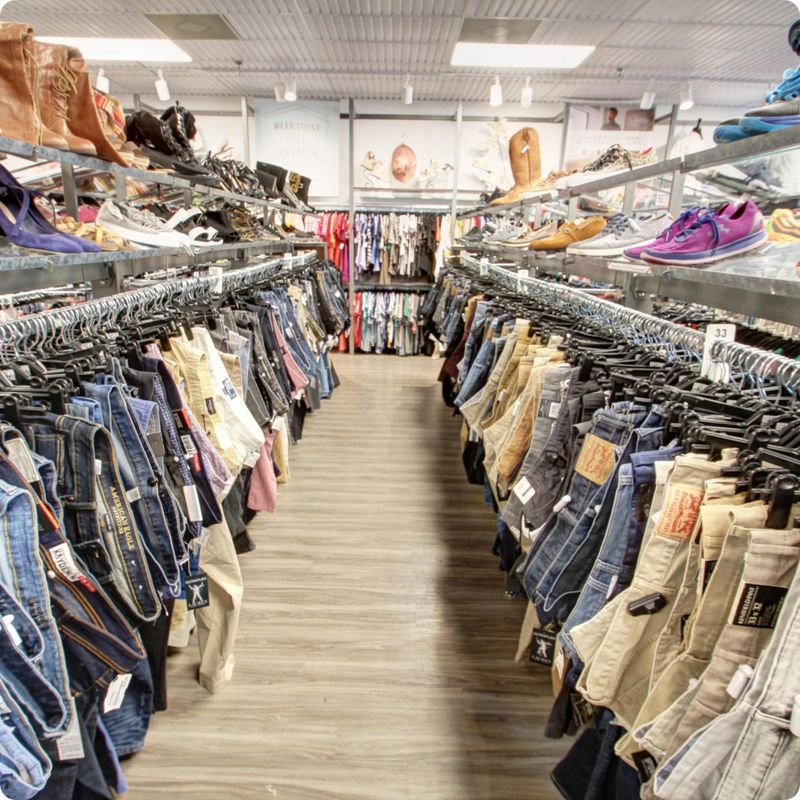
A fresh outfit does not have to come straight from a brand’s newest collection.
At Uptown Cheapskate in State College, the hunt centers on resale fashion rather than the broad household mix found at many traditional thrift shops.
That difference matters when planning your route.
Come here with clothing, shoes, and accessories in mind, and verify the current store’s offerings before expecting furniture or kitchen goods.
The resale model generally involves buying selected pieces from sellers, which creates a different shopping experience from donation based stores.
Try building an outfit around one item you already wear often.
Your favorite jeans might need a warmer layer, or a plain shirt might work better with a textured jacket.
A phone photo of your existing wardrobe can keep you from buying pieces that match nothing at home.
State College’s student setting makes practical wardrobe planning especially useful.
Think about walking between buildings, changing weather, casual gatherings, and interviews rather than chasing every trend.
A comfortable pair of shoes or a versatile sweater may earn its place faster than a dramatic piece worn only once.
Inspect sneaker soles, jacket linings, and the stretch in waistbands before purchasing.
Check care labels too, because an inexpensive garment that needs frequent professional cleaning can cost more over time.
Ask about fitting room access and return policies before making a decision based only on the marked size.
If you hope to sell clothing, contact this location for its current buying hours, accepted styles, identification requirements, and payment options.
Selling and shopping are separate decisions, so do not assume every clean item will be accepted.
Give yourself a budget, compare each find with its condition, and aim for a smaller wardrobe that works harder rather than a larger one that leaves you puzzled each morning.
Useful basics deserve attention alongside standout finds.
4. CommunityAid (Lancaster): Shop With a Clear Game Plan
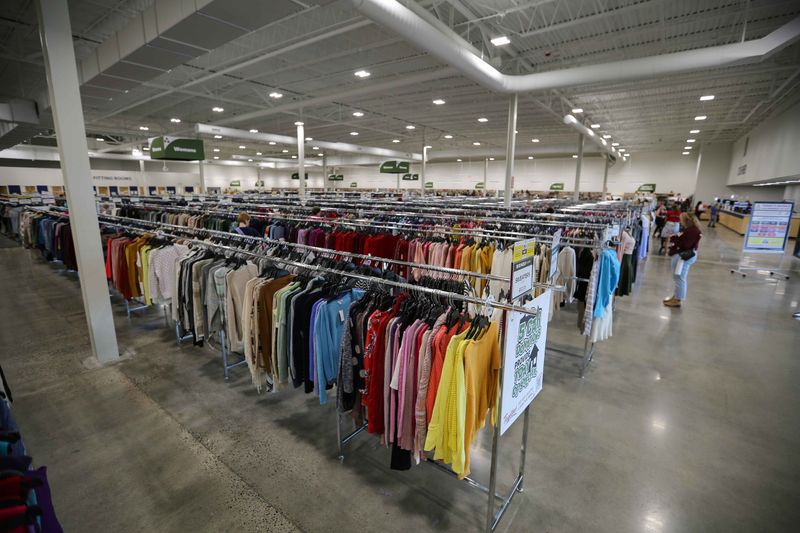
Rows of secondhand choices are exciting until you forget what you came to buy.
CommunityAid in Lancaster is a good place to use a simple game plan, especially if a large selection tends to pull your attention in every direction.
Start with a written list of three priorities.
Perhaps you need school pants, a replacement baking dish, and a winter layer.
Finish those searches before browsing purely for fun, and you are more likely to leave satisfied rather than tired and unsure about your purchases.
Clothing deserves a careful look beyond the size label.
Brands fit differently, older garments may have shrunk, and previous owners may have made alterations.
Compare measurements, examine the fabric between your fingers, and look for wear in areas that rub, including elbows and inner seams.
When browsing household stock, separate useful goods from unfinished projects.
A picture frame needing a quick cleaning is different from an appliance with missing parts or an unknown fault.
Ask what testing information is available, and never treat a thrift store purchase as proof that an electrical item is safe.
CommunityAid’s broader purpose includes supporting community organizations through its secondhand retail operation.
Check its current website for details about partnerships and how donations help.
You can appreciate that mission while still being selective about what goes into your cart.
Before your Lancaster visit, review current hours, posted sale information, and any rules that affect returns or special merchandise.
Discounts may have conditions, so read signs carefully and ask staff when something is unclear.
Do one final cart check before checkout: confirm sizes, inspect damage, and remove anything you only picked up because it seemed cheap.
A focused visit can still include a wonderful surprise, but your best purchases should have a clear place in your daily life.
That is the bargain that lasts longest.
5. Uptown Cheapskate (West York): Give Your Closet a Reset
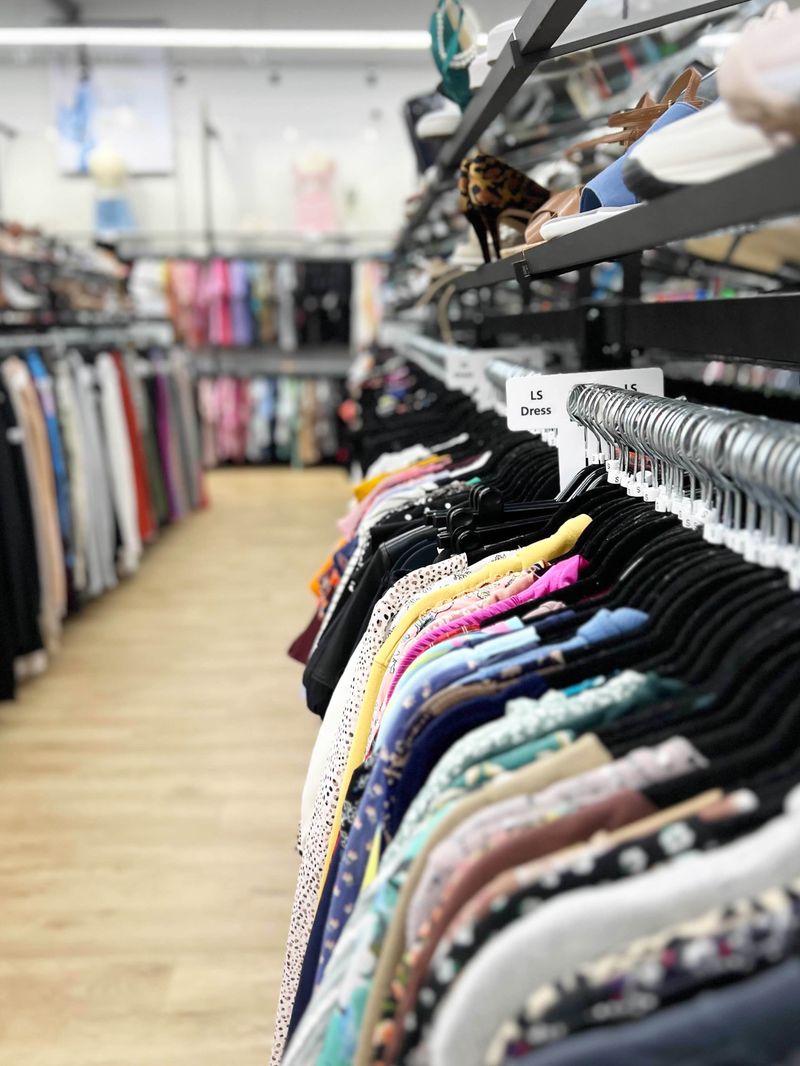
Sometimes the problem is not an empty closet, but a closet full of clothes that no longer work together.
A visit to Uptown Cheapskate in West York can become a wardrobe reset instead of another round of random buying.
Because this is a fashion resale business, keep your expectations centered on wearable finds.
It is a different type of stop from a donation thrift store with furniture and dishes.
Check the location’s current information for merchandise details and any services you want to use.
Before leaving home, identify a gap in your usual outfits.
Maybe your work trousers need a simple top, or your weekend clothes lack a jacket that handles cool mornings.
Shopping for that missing piece gives every rack a purpose and makes it easier to pass on tempting distractions.
Color can be a useful guide without becoming a strict rule.
Choose shades that work with several things you own, then consider one bolder piece if it truly feels like you.
The goal is not to copy a display, but to create combinations you will enjoy wearing.
Give accessories the same attention you give clothing.
Open handbag zippers, check straps and corners, and inspect shoes inside as well as underneath.
For garments, make sure buttons are secure and remember that small repairs still require time, supplies, or money.
Anyone bringing clothes to sell should first ask about the West York store’s current buying process, seasonal needs, and identification rules.
Acceptance depends on the store’s standards, not simply whether an item was expensive when new.
Keep selling expectations separate from your shopping budget so an offer does not push you into unnecessary purchases.
End your visit by picturing three ways to wear each chosen piece; if those outfits come easily, you may have found something that truly earns its closet space for months to come.
6. Re-Uzit Shop of New Holland (New Holland): Find Everyday Character
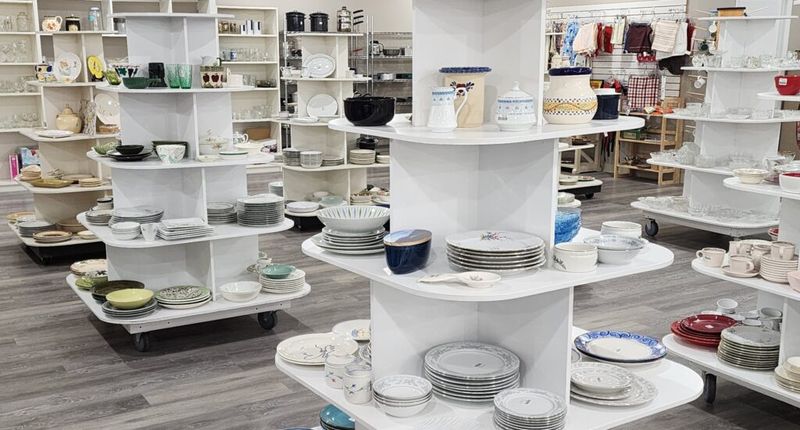
An older serving bowl or solid wooden chair can offer something a matching retail set cannot: a little character.
Re-Uzit Shop of New Holland gives Pennsylvania treasure hunters a reason to look closely at useful objects with a previous chapter.
Let condition lead the search rather than age alone.
An old piece is not automatically valuable, and a newer item is not automatically better.
Look for sturdy construction, complete parts, and materials that suit the way you plan to use your purchase.
If furniture is on your list, arrive with measurements for your room, doorways, and vehicle.
Check joints, inspect underneath, and ask permission before testing drawers or moving a heavy piece.
A great price will not solve the problem of a cabinet that cannot fit through your front door.
Smaller household finds deserve their own careful inspection.
Lift lids, count pieces, and look for cracks that may be hard to see on a crowded shelf.
Treat older dishes with unknown finishes as decorative unless you can confirm they are suitable for food use.
The shop supports Mennonite Central Committee’s work, connecting local resale with a wider service mission.
Visit the organization’s current information to understand that relationship and learn about donation options.
Shopping thoughtfully is still the best approach, even when you feel good about the cause behind the register.
Make this New Holland stop part of a relaxed outing rather than a rushed errand.
Confirm opening hours, payment methods, and pickup arrangements before counting on a larger purchase.
If you are donating too, ask what is accepted and when to bring it, since shopping hours and donation procedures may differ.
Take home the item that solves a need or makes you smile every time you see it, and leave the rest for another shopper’s discovery.
Patience makes the search feel rewarding, even without purchases.
7. Red White And Blue Thrift Store (Pittsburgh): Enjoy the Rack-by-Rack Search
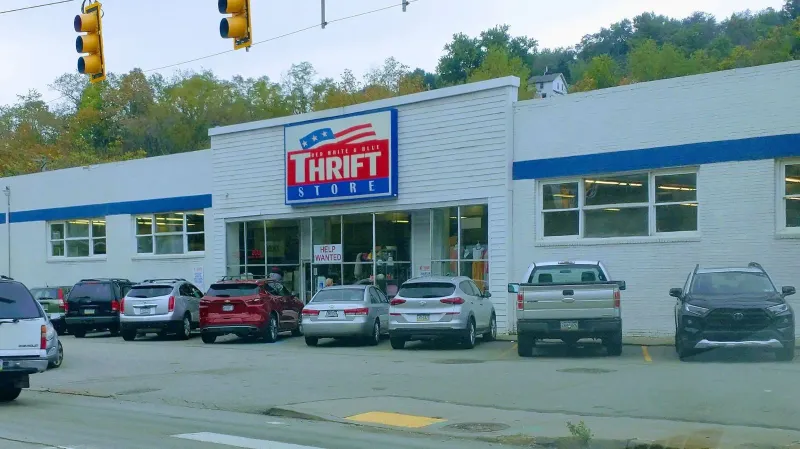
The real thrill often arrives halfway through a rack, when a fabric or pattern stops your hand.
Red White And Blue Thrift Store in Pittsburgh suits shoppers who enjoy the search as much as the final purchase.
Confirm which Pittsburgh area location you intend to visit before starting your drive.
Similar store names and multiple listings can make directions confusing.
Use current official location information, then check hours and payment methods rather than relying on an older review or photograph.
A systematic approach works well when browsing lots of clothing.
Move through one section at a time, checking sizes while staying open to nearby labels that may fit differently.
If a piece looks promising, place it with your selections and inspect it more closely before checkout.
Do not let a recognizable brand do all the thinking for you.
Fabric damage, stretched collars, missing closures, and heavy wear can outweigh the appeal of a familiar label.
Ask yourself whether you would still want the item if its brand tag had been removed.
Household shelves can reward an equally patient search when those goods are available.
Check the backs of frames, the bases of lamps, and the edges of dishes, not just the visible front.
For anything electrical, ask about testing and consider whether replacement parts would make the purchase worthwhile.
Read the store’s current signs for discount details and return restrictions before committing to a full basket.
A short final review can protect your budget: put back duplicates, check every size, and decide which repairs you will realistically finish.
Keep your visit flexible because donated inventory is unpredictable, and avoid expecting a specific brand or collectible.
Pittsburgh’s treasure hunting experience is more enjoyable when you treat a good find as a bonus, not a promise, and give yourself permission to leave empty handed without feeling disappointed afterward.
8. Goodwill of Southwestern Pennsylvania (Moon Township/Coraopolis): Browse for Useful Wins
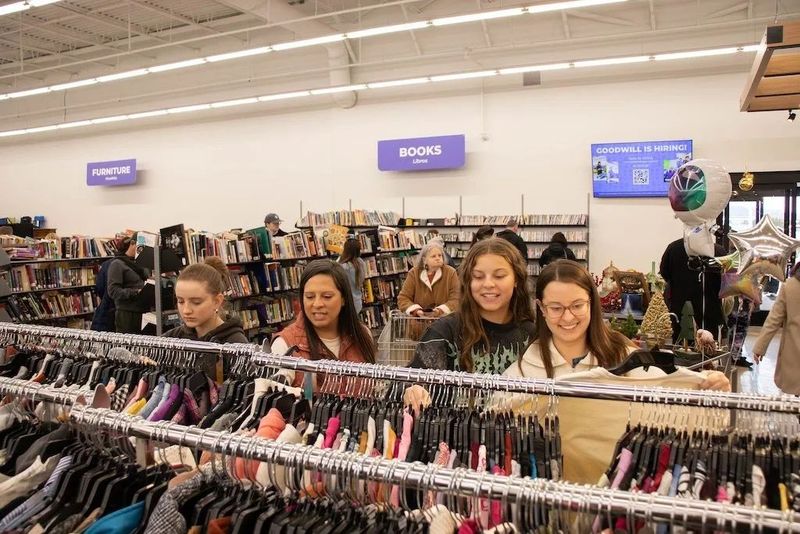
A useful treasure might be a reading lamp, a weekend sweatshirt, or the book you meant to borrow months ago.
The Goodwill stop serving the Moon Township and Coraopolis area is worth approaching with everyday needs in mind.
Use Goodwill of Southwestern Pennsylvania’s current location directory to confirm the exact store and address before traveling.
Nearby community names can appear differently in search results.
Also verify that you are visiting a retail store rather than assuming every Goodwill location offers outlet bins or the same services.
For a first pass, choose one department and finish it before moving on.
That keeps the outing manageable and makes it easier to notice what is actually available.
A second, quicker pass can uncover things you missed without turning your whole afternoon into an endless search.
Books and simple household goods can be satisfying choices for careful shoppers.
Check pages for dampness, make sure board games have their essential pieces, and inspect containers for cracks.
Avoid guessing about the safety of used helmets, car seats, or other protective equipment with an unknown history.
Goodwill of Southwestern Pennsylvania supports employment and related services through its broader work.
For an accurate picture of current programs, read the organization’s own information instead of assuming every Goodwill region operates identically.
Your visit can combine practical shopping with learning more about a local nonprofit.
Before checkout, review posted policies for returns, discounts, and items sold without guarantees.
Ask staff how larger purchases are handled if you find something that cannot travel home immediately.
Bring a bag, keep your spending limit visible, and resist buying extra goods simply to justify the trip.
Even a single well chosen item can make the visit worthwhile when it replaces something you genuinely need, fits your space, and will stay useful long after the excitement of finding it has faded into everyday life.
9. Philly AIDS Thrift (Philadelphia): Follow Your Curiosity
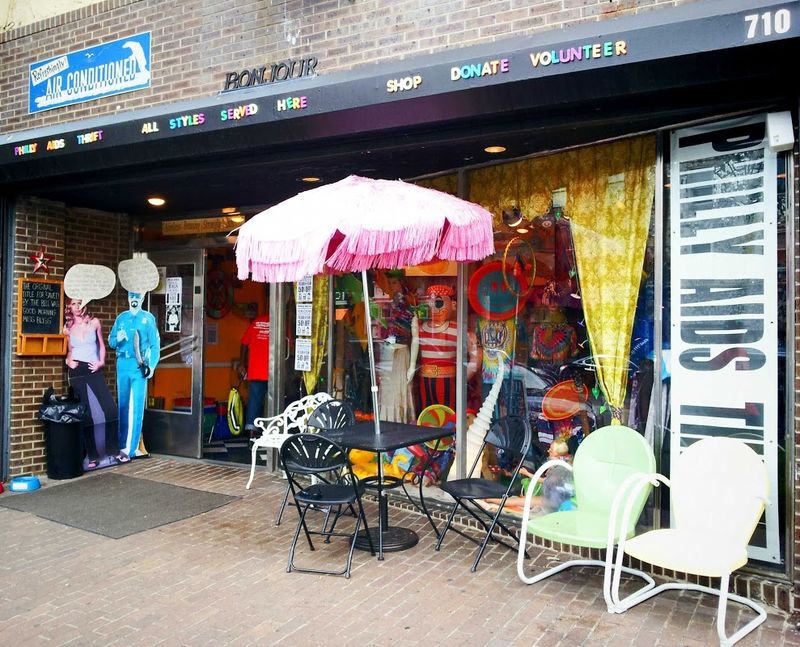
A practical shopping list can coexist with a wonderfully odd discovery.
Philly AIDS Thrift in Philadelphia is a fitting stop for people who enjoy secondhand shopping with personality and a clear community purpose.
The nonprofit raises money to support organizations working on HIV and AIDS related needs.
Read its current mission and grant information if you want to understand where support goes.
That purpose gives the shop meaning beyond the merchandise, while the changing stock keeps each visit different.
Bring curiosity, but give it a spending limit.
Clothing, books, decorative objects, and other donated goods can send your attention in several directions.
Choose one must find category first, then leave some time for the unexpected corners that make an eclectic thrift shop fun.
When a striking piece catches your eye, pause before deciding it belongs at home.
Think about where you will put it, how you will use it, and whether its condition matches the price.
An unusual object can be a great conversation starter without needing to become another unfinished project.
City shopping also benefits from a transportation plan.
Check current directions, nearby parking options, and public transit routes before leaving, especially if you might buy something bulky.
A reusable tote helps with small purchases, but larger finds require arrangements that should be discussed with staff before payment.
Confirm shopping hours, donation procedures, and return policies through the store’s official channels.
If you bring donations, check the accepted items list instead of assuming everything can be taken.
Give other shoppers room, handle fragile pieces gently, and enjoy the search without expecting a particular collectible to appear.
Philadelphia offers plenty to explore, but this stop invites a special kind of attention: noticing overlooked things, finding a fresh use for them, and connecting a personal purchase with an organization working to help others in the local community.
Share this story