A handprint on a jail cell wall has reportedly refused to go away for well over a century. Legend says a condemned coal miner left it as proof of his innocence. People have tried to paint over it and scrub it off. It keeps showing up anyway, according to the story.
That tale hooked me instantly. Then I learned Pennsylvania also has a floorboard with a Civil War bloodstain and a theater with a reported ghostly projectionist. I love that these spooky stories come with real history attached.
The best part is how close they sit. You can drive to a famous prison, a colonial fort, or a creaky old inn and be home by bedtime. Some stops offer guided ghost tours, while others simply let the stories speak for themselves.
So grab a flashlight and a brave friend. Some of these places might start looking different once you know the stories hiding behind their walls.
1. Eastern State Penitentiary
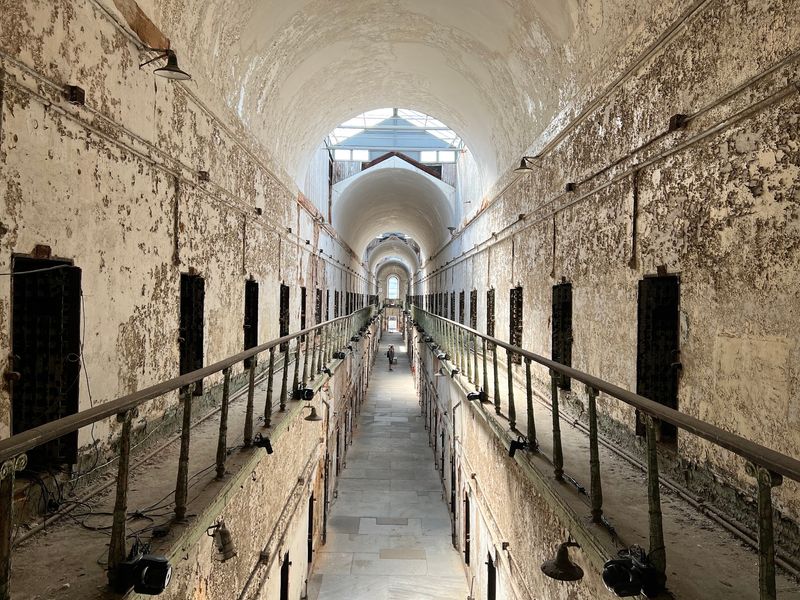
Al Capone once had a cell here with rugs, lamps, and fancy furniture.
The rest of the inmates got far less, and you can see the difference for yourself.
Eastern State Penitentiary opened on October 25, 1829, as the world’s first true penitentiary.
Its castle-like Gothic Revival walls still loom over a busy Philadelphia neighborhood.
The prison introduced the Pennsylvania System, which kept inmates separated in solitary cells.
That approach was officially abandoned in 1913, and the penitentiary ceased operations in 1970 before briefly serving as a city jail in 1971.
Today, the long cellblocks feel frozen in time.
Crumbling walls, rusty doors, and silent hallways give the place a mood no movie set could copy.
Your admission includes an audio tour narrated by actor Steve Buscemi.
His calm, gravelly voice makes the stories feel even creepier as you wander.
You can also join guide-led tours and shorter mini tours.
Art installations and exhibits like The Big Graph and Prisons Today add thoughtful layers to the visit.
Don’t skip Al Capone’s Cell, which is restored to its 1929 look.
Seeing his comfy setup next to bare cells is a strange history lesson all on its own.
Bank robber Willie Sutton spent time here too.
In 1945, he and eleven other men slipped out through a tunnel, which makes a great tale for the drive home.
Another surprise is the Alfred W. Fleisher Memorial Synagogue.
It opened in 1922 and was the first synagogue built inside an American prison.
The central rotunda is worth a pause.
Long cellblocks spread out from it like spokes on a wheel, so guards could watch several hallways at once.
Visit in the fall if you want extra chills.
The site hosts Halloween Nights, a haunted attraction that turns the old prison into a seasonal scream fest.
The penitentiary has been a National Historic Landmark since 1965.
It’s open daily, so this is an easy pick for a spooky Saturday in the city.
Address: 2027 Fairmount Avenue, Philadelphia, PA 19130
2. Fort Mifflin
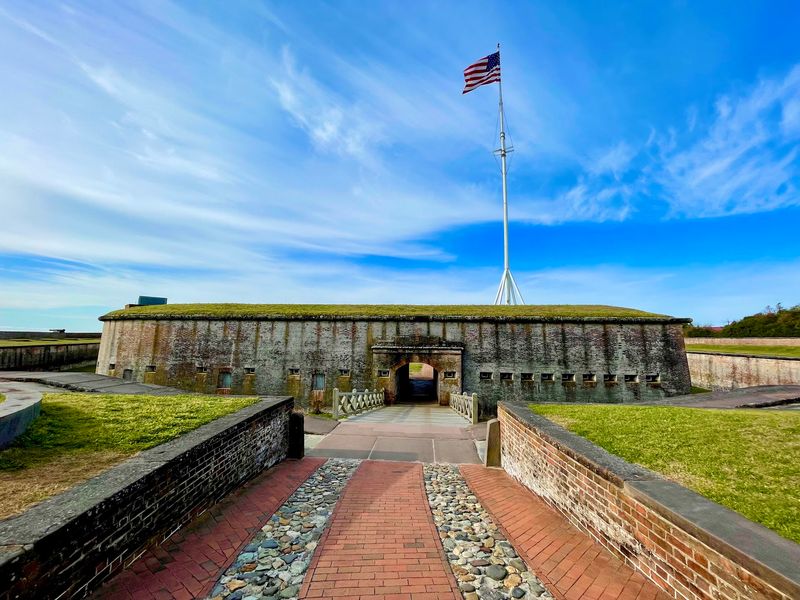
Police have reportedly been called to Fort Mifflin because of a woman’s screams.
The odd part is that no one is ever found, according to the fort’s famous legend.
That ghost is known as The Screaming Woman.
She’s only one of several spooky residents said to haunt this old fort near the Delaware River.
The history is just as gripping as the ghost tales.
Construction started in 1771, and the fort was first called Fort Island Battery or Mud Island Fort.
In 1777, it withstood what’s called the most ferocious bombardment of the Revolutionary War.
The defenders delayed the British and helped George Washington’s army at Valley Forge.
You can still spot signs of that bombardment on tours.
British-made Brown Bess rifles and other wartime tools help bring the story to life.
The fort was rebuilt in 1794.
A year later, it was renamed for Governor Thomas Mifflin, and the name stuck.
Later, it held prisoners during the Civil War.
One ghost story centers on The Faceless Man, believed by many to be Union soldier William H. Howe.
Visitors have also reported disembodied voices and soldier sightings.
Some even describe smelling bread baking or a wood fire when nothing is cooking.
The 40-acre site includes eight surviving buildings.
Look for the blacksmith shop, powder magazine, artillery shed, and soldiers’ barracks.
Need a breather from the spooky stuff?
Picnic areas and nature trails give you room to roam, and leashed pets are welcome on the grounds.
The gift shop sells artifact replicas and Colonial-style candies.
That’s a fun souvenir for kids who survived the ghost talk.
Plan around the season, since the fort is open to visitors March through December.
Weekends bring cannon demonstrations and special events, so check the calendar first.
Address: 6400 Hog Island Road, Philadelphia, PA 19153
3. Grumblethorpe
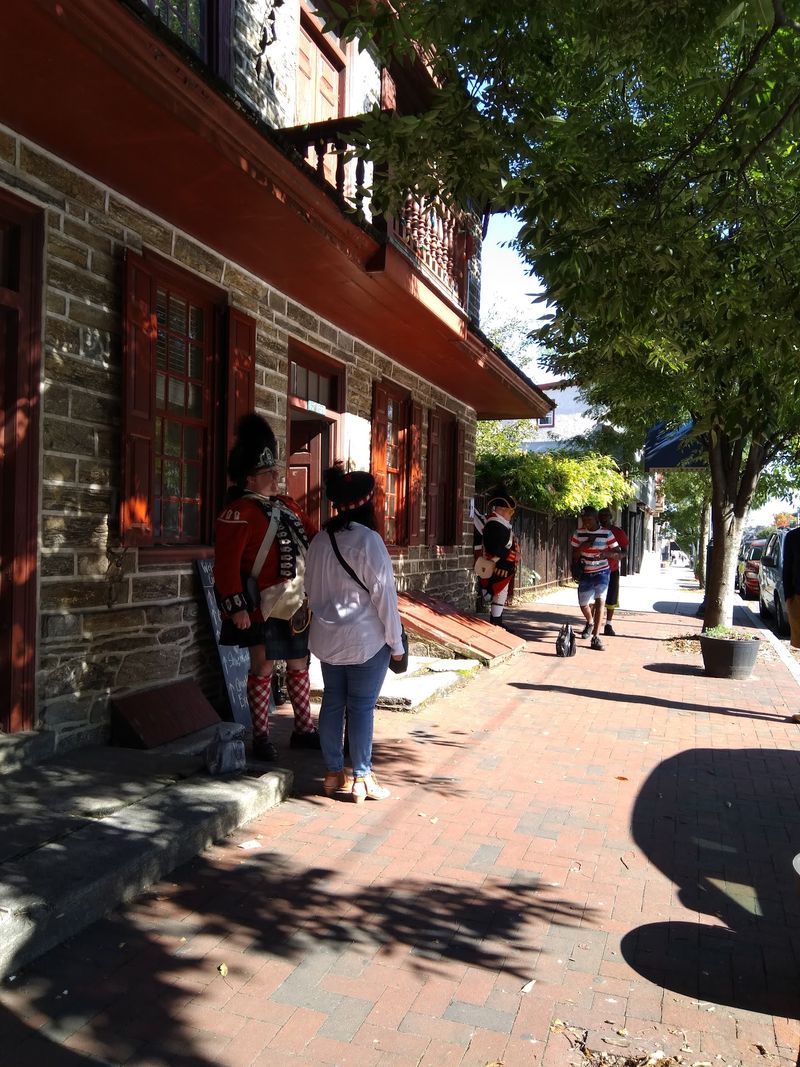
A dark stain on a parlor floor has stayed put since 1777.
People say it came from a British general, and scrubbing hasn’t erased it.
With a name like Grumblethorpe, you already know this house has character.
It was built in 1744 by John Wister as a summer home in Germantown.
During a yellow fever outbreak in 1793, the family moved in year-round.
The house stayed in the family for generations, and their belongings fill the rooms today.
Back in October 1777, British Brigadier General James Agnew used the house as his headquarters.
He was badly wounded during the Battle of Germantown.
He passed away in the front parlor on October 4, 1777.
That famous stain on the floor is identified as his blood.
Ghost stories say the general still wanders the property.
Some claim his moaning is heard on the anniversary of that day.
There’s also a gentler spirit named Justinia.
She was a former house manager, and her presence is linked to the smell of fresh bread.
Staff members have reported seeing a black shape spinning in the house.
Others mention figures or eyes peeking from the dining room mirror.
The grounds offer a lovely break from the shivers.
Restored kitchen gardens, heritage vegetable plots, and wisteria fill the two acres.
One standout is a female ginkgo tree.
It’s considered one of the oldest of its kind in North America.
Exhibits highlight the Wister family’s work in science, gardening, and writing.
Look for Owen Wister’s desk and Sally Wister’s bedroom.
Timing matters here.
The house opens on the second Saturday of the month from May to October, noon to 4 p.m., with private visits by appointment.
Keep an eye out for events like Witches Night Out.
It’s a fun way to see this old home in its spookiest light.
Address: 5267 Germantown Avenue, Philadelphia, PA 19144
4. Jennie Wade House Museum
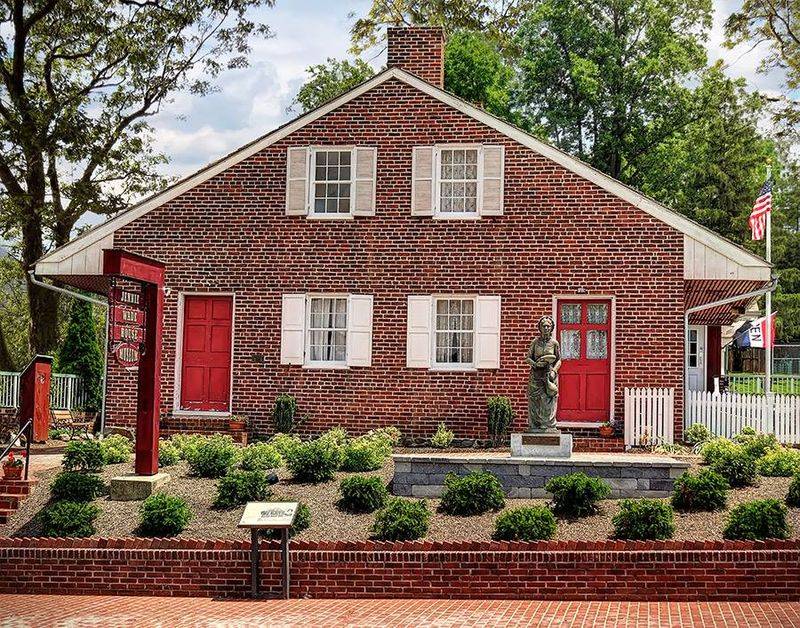
Kneading bread dough is about as ordinary as life gets.
On July 3, 1863, that simple chore turned into one of Gettysburg’s saddest stories.
Mary Virginia Wade, known as Jennie, was 20 years old.
She was struck by a stray bullet in her sister’s kitchen during the battle.
She was the only civilian lost during the Battle of Gettysburg.
Her story still pulls at hearts more than 160 years later.
The house was her sister’s rented duplex.
It opened as a museum in 1901, which makes it the oldest museum in Gettysburg.
Guides in period clothing lead the tours.
Their outfits help you feel like you’ve stepped back to the summer of 1863.
The home is furnished from cellar to attic in Civil War style.
You’ll get a clear sense of what daily life looked like for a family in town.
Some artifacts are hard to forget.
You can see a floorboard with a bloodstain and an artillery shell that punched through the roof.
Small details like those make history feel personal.
It’s one thing to read about a battle and another to stand where it touched a family.
Tours leave about every 30 minutes during open hours.
That makes it easy to fit into a bigger Gettysburg day.
Plan for stairs, though.
The old house isn’t accessible for wheelchairs or strollers because of multiple steps.
The museum is generally open March through December.
Hours shift with the seasons, so check the schedule before you head out.
Stop by the gift shop on your way out.
It’s a nice spot to grab a keepsake from this quiet but powerful visit.
Pair it with other Baltimore Street stops for a full day.
Gettysburg has plenty of history packed into a short walk.
Address: 548 Baltimore Street, Gettysburg, PA 17325
5. Farnsworth House Inn
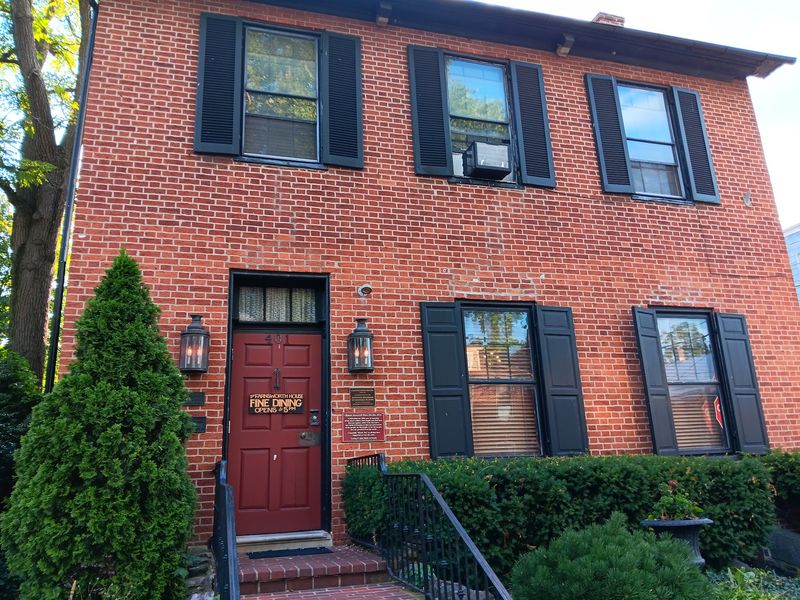
More than 100 bullet holes still mark these brick walls.
During the Battle of Gettysburg, Confederate sharpshooters used the house as a perch.
The original part of the Farnsworth House was built in 1810.
A brick section followed in 1833, decades before the battle reached its doorstep.
In July 1863, the house also served as a makeshift hospital.
That mix of combat and care gives it a heavy, haunting past.
In 1972, Loring and Jean Shultz bought and restored the property.
They renamed it for Brigadier General Elon J.
Farnsworth.
The Shultz family says 16 spirits call the place home.
The list includes an 8-year-old boy, soldiers, and a former midwife.
Some reports are oddly specific.
Guests have described hearing a Jew’s harp playing in the attic.
Others mention footsteps, flickering lights, and a mourning woman named Mary.
A few even say they felt someone tuck them into bed.
Curious?
The inn offers ghost tours, historic house tours, and paranormal investigations, with access to the cellar and attic.
Hungry ghost hunters can stay for a meal.
The Meade and Lee dining rooms serve Pennsylvania Dutch and period fare by candlelight, with servers in period dress.
The house has been featured on Travel Channel’s Ghost Adventures.
It’s also listed on the National Register of Historic Places.
If a day trip turns into an overnight, there are 12 guest rooms.
Some sit in the main house, while others are in garden and cottage buildings.
Free breakfast and a gift shop round out the stay.
Brave guests might want to sleep with the lights on.
It sits on Baltimore Street, close to other Gettysburg stops.
You can easily pair it with a museum visit before dinner.
Address: 401 Baltimore Street, Gettysburg, PA 17325
6. Sachs Covered Bridge
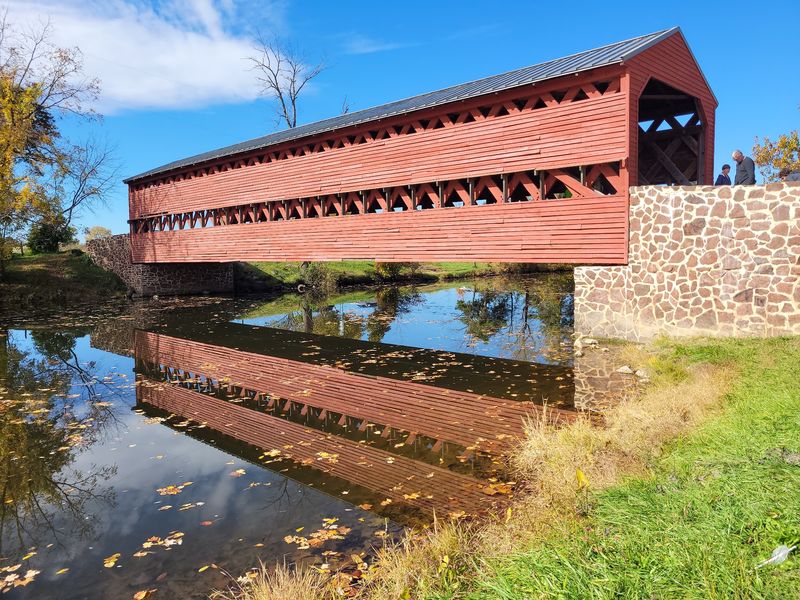
Some visitors say they smell cigar smoke on this bridge.
The catch is that no one around them is smoking.
Sachs Covered Bridge is often called one of the most haunted spots near Gettysburg.
It spans Marsh Creek with a classic red wooden frame.
David S. Stoner built it around 1852 to 1854.
The bridge is 100 feet long and uses a Town lattice truss design.
It played a real role in the Civil War.
Union and Confederate troops both crossed it, including General Robert E.
Lee’s army during its retreat.
The most famous legend involves three Confederate soldiers.
Stories claim they were hanged from the rafters, though history doesn’t confirm it.
That hasn’t stopped the reports.
People describe voices, phantom footsteps, cold spots, and mysterious mists drifting across the boards.
Some have reported strange lights or the feeling of a touch.
Others mention a metallic smell, like gunpowder, hanging in the air.
In daylight, the bridge looks peaceful and pretty.
It’s a favorite place for photos and quiet moments by the water.
Cars haven’t crossed since 1968.
Today it’s open to pedestrians only, so you can wander at your own pace.
A flash flood damaged the bridge in 1996.
It was restored in 1997, and it still shows off its 19th-century build.
In 1938, it was named Pennsylvania’s most historic bridge.
That’s quite a title for a wooden crossing over a country creek.
A small park and a wheelchair-accessible ramp sit at the northern end.
Best of all, it’s free to visit.
Bring a camera and maybe a friend who scares easily.
Their reactions might be the best part of the trip.
Address: Waterworks Road, Gettysburg, PA 17325
7. Pennhurst Asylum
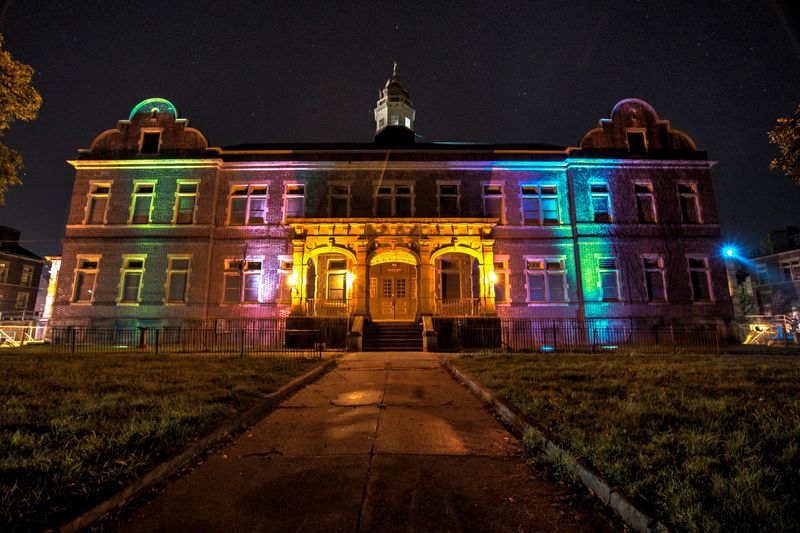
Few haunted attractions can say their scares happen inside a real 1908 building.
Pennhurst Asylum can, and that history adds serious weight.
The institution opened on November 23, 1908.
It ran for 79 years before closing on December 9, 1987.
Its past is painful.
Overcrowding and patient mistreatment were exposed in a 1968 TV report.
That report led to the 1974 Halderman v. Pennhurst lawsuit.
The case helped push the place toward closing its doors.
The campus covers more than 600 acres with over 30 buildings.
Many are made of terracotta, granite, and red brick, linked by tunnels.
In the fall of 2010, the Pennhurst Haunted Asylum attraction opened.
It now runs on weekends from late September into early November.
The main walk-through fills the upper floors of the original Administration building.
Expect animatronics, digital sound, and live actors.
Other attractions carry names like The Morgue, The Tunnels, and The Catacombs.
Those names alone might make you grip your friend’s arm.
New for 2026 is the Pennhurst Paranormal Experience.
It’s a self-guided investigation through several buildings and underground tunnels.
Want something calmer?
Daytime Tours suit history fans and photographers who’d rather skip the screaming.
Overnight Paranormal Investigations are another option.
They include Mayflower Hall and the tunnels, led by a paranormal expert guide.
On busy nights, you’ll find food, games, a gift shop, and restrooms.
Box office hours usually start at 6:30 p.m.
Go with respect for the people who lived here.
Knowing the real history makes the visit more meaningful.
Address: 601 N. Church St., Spring City, PA 19475
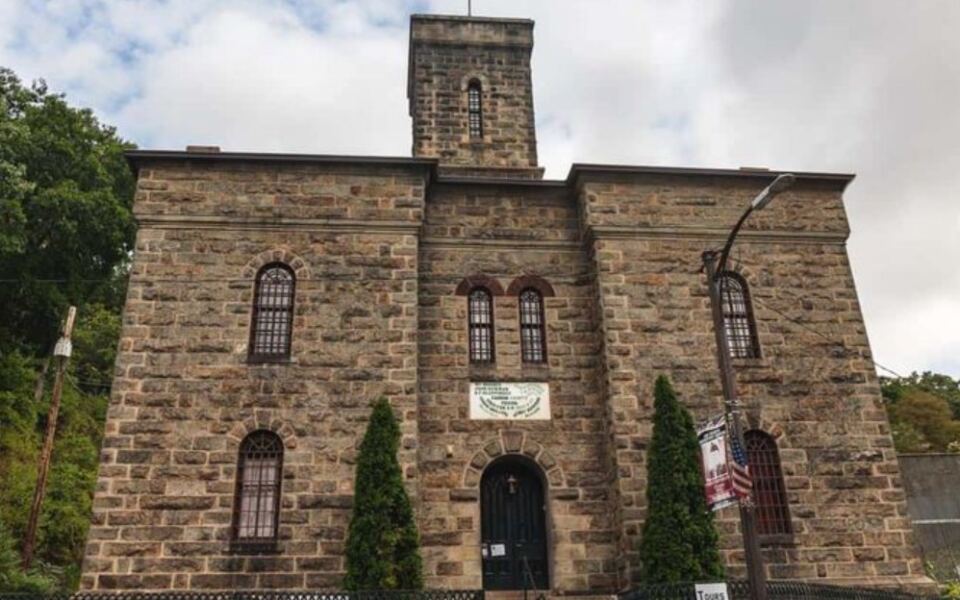
8. The Old Jail Museum
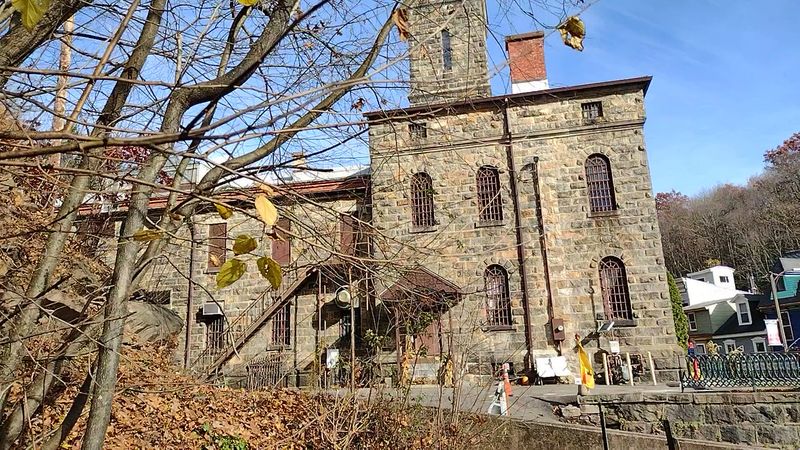
Here’s where that famous handprint lives.
It sits on the wall of Cell 17, and legend says it keeps coming back.
The story goes that a condemned man left it as proof of his innocence.
Some say it was Alexander Campbell, while others point to Thomas Fisher.
Both men were linked to the Molly Maguires.
That group of Irish coal miners was accused of crimes in the 1870s.
Seven of them were executed here.
Many historians now believe several were falsely accused.
Four men were hanged on June 21, 1877.
Three more followed in 1878 and 1879.
The jail itself was built in 1869 and 1870.
It opened in 1871 and served Carbon County until 1995.
Guided tours last about 30 to 35 minutes.
That’s just enough time to feel the chill without losing your whole afternoon.
You’ll see 27 original cells and the women’s cells upstairs.
The warden’s living quarters are part of the tour too.
Down in the basement are dungeon cells.
They were used for solitary confinement until 1980, which is surprisingly recent.
A reconstructed gallows stands in the main cell block.
It marks the exact spot where six Molly Maguires were hanged.
A 10-minute video gives helpful background before you explore.
Movie buffs might enjoy knowing the jail appeared in the 1970 film The Molly Maguires.
Steps sit at the entrances and between floors.
Plan for limited accessibility because of the building’s age.
The museum runs seasonally, mostly May through October.
Check hours before you make the drive to Jim Thorpe.
Address: 128 West Broadway, Jim Thorpe, PA 18229
9. Mauch Chunk Opera House
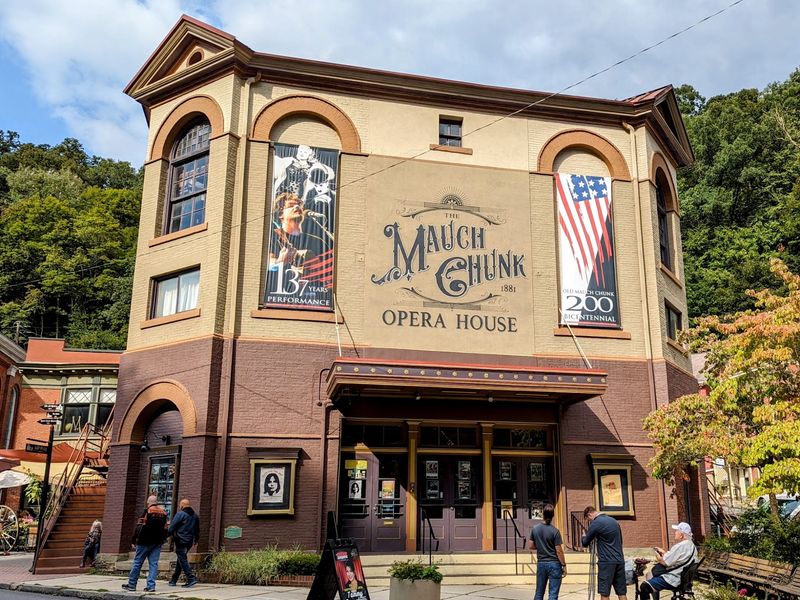
Mae West and Charlie Chaplin once played this stage.
Some folks believe a few old-timers never left the building.
Architect Addison Hutton designed the Mauch Chunk Opera House in 1881.
It officially opened in 1882 and started life as a 900-seat concert hall with a farmer’s market.
It became one of America’s earliest vaudeville theaters.
Picture singers, comics, and acrobats, all under one roof.
In 1926, it switched to silent movies.
The building was renamed the Capitol Theater and ran until 1962.
Then things got rough.
It served as a warehouse and later sat abandoned.
In 1977, the Mauch Chunk Historical Society bought it for one dollar.
That bargain saved it from demolition, and it reopened in 1981.
Paranormal fans call it an active hotspot.
One well-known story involves the spirit of a projectionist near the old booth.
Visitors and investigators have reported other lingering spirits too.
The opera house is a stop on Jim Thorpe Ghost Tours, so you can hear the tales in person.
The best way to visit is to catch a show.
The calendar includes classic rock, jazz, bluegrass, folk, and comedy.
About 450 people fit inside today.
Upgrades to the seats, sound, roof, and stage lighting keep the old hall going strong.
It’s one of America’s oldest continuously operating theaters.
That’s a long run for any stage.
It sits steps from shops, galleries, and restaurants on West Broadway.
The Old Jail Museum is just up the same street.
That makes Jim Thorpe a two-for-one ghost day.
Grab dinner, then let the music and stories carry the night.
Address: 14 West Broadway, Jim Thorpe, PA 18229
10. Harry Packer Mansion Inn
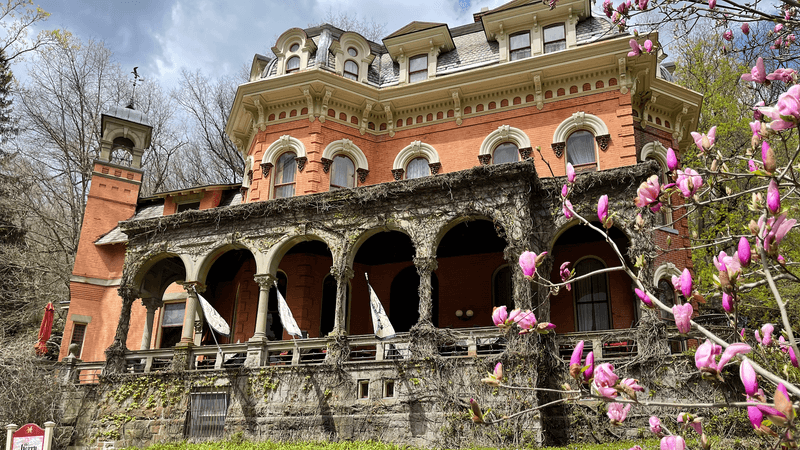
Talk about a generous dad.
In 1874, industrial giant Asa Packer built this grand house as a wedding gift for his son, Harry.
A popular local legend says the mansion inspired the Haunted Mansion at Walt Disney World.
One look at its dramatic rooflines and you’ll see why the story sticks.
The Herter Brothers of New York City decorated the interiors.
They were a top design firm of the era, so the rooms are full of fancy craftsmanship.
The property also includes a Carriage House.
Asa Packer built it in 1861, before the main mansion went up.
Ghost stories here feel straight out of a novel.
Guests have reported phantom family members and icy drafts in the halls.
Some describe beds with dents as if someone just sat down.
Others tell of a ghostly woman searching the hallways.
Want a peek without booking a room?
Self-guided tours of the first and second floors run on Saturday and Sunday afternoons.
Overnight guests can join mystery weekends on select Saturdays.
It’s a playful, theatrical way to explore the house after dark.
There are 12 guest rooms between the main house and Carriage House.
Each has a queen bed, private bath, air conditioning, and WiFi.
Don’t expect TVs in the rooms, though.
The inn leans into its Victorian roots, which suits the ghost-story mood just fine.
A breakfast buffet is included for overnight guests.
A terrace, garden, and free parking add to the stay.
The mansion sits on Packer Hill above downtown Jim Thorpe.
You can stack it with the jail and opera house for a full spooky day.
Address: 19 Packer Hill Avenue, Jim Thorpe, PA 18229
11. The Logan Inn
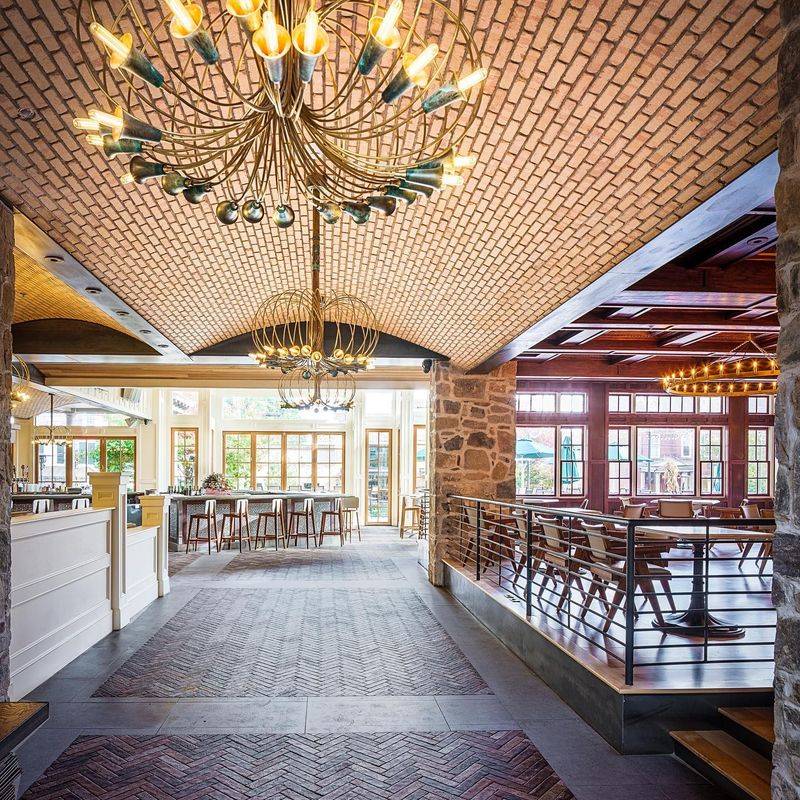
Eight ghosts in one inn?
The Logan Inn reportedly has no fewer than that, which is a crowded guest list.
The building dates to around 1722.
It started welcoming travelers in 1727 as the Ferry Tavern.
Today it’s known as one of America’s oldest continuously running inns.
The Logan Inn name came along in the early 1800s.
Most of the ghost buzz centers on Room 6, nicknamed the Emily Room.
Guests describe footsteps, voices, and figures appearing in mirrors.
Some say pillows get moved and objects shift.
Others mention a sudden scent of lavender drifting through the room.
Then there’s a rumor about Aaron Burr.
People claim to have felt his sightless stare, which sounds unsettling at bedtime.
A major renovation and expansion reopened the inn in 2021.
Now it’s a 38-room boutique hotel with antique touches and modern comforts.
Sixteen rooms are original, and 22 are newer.
Some suites include whirlpool tubs, sitting rooms, or electric fireplaces.
Landmark Tavern, the on-site restaurant, serves American food from an open-hearth kitchen.
It offers lunch, dinner, and Sunday brunch.
The fun keeps going after dinner.
A billiards table, outdoor fire pits, and classic films in a lower-level theater await.
Guests get a continental breakfast with doughnuts and pastries.
That’s a sweet reward after a night of listening for footsteps.
The inn sits in the heart of downtown New Hope.
The Delaware River, galleries, and the New Hope-Lambertville Bridge are steps away.
Spend the day browsing shops along the river.
Then ask about Room 6, if you dare.
Address: 10 West Ferry Street, New Hope, PA 18938
12. Historic Hotel Bethlehem
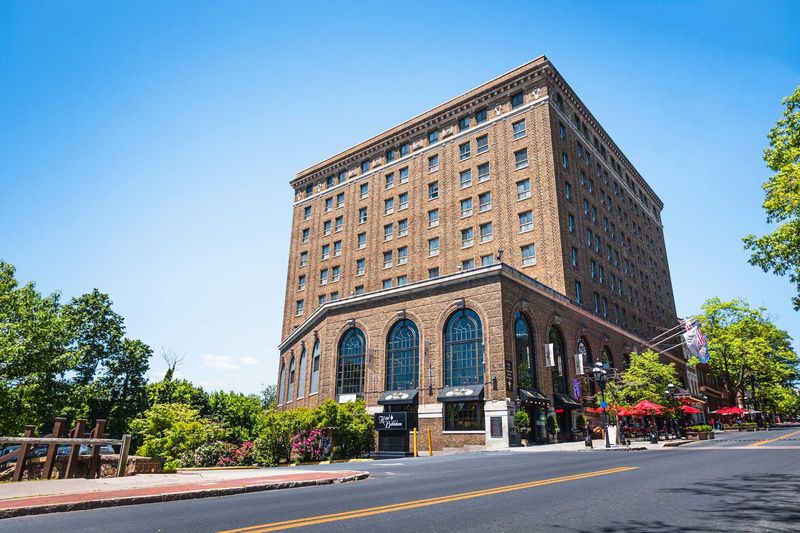
Room 932 has a nickname that tells you everything.
Staff and guests call it the Room with a Boo.
Guests have reported a man asking, Why are you in my room?
Talk about an awkward check-in.
Other reports include flickering lights, orbs, and papers flying off desks.
Some even claim the bathroom wallpaper changed color.
The hotel is known for its friendly spirits, and there’s quite a cast.
Daddy Thomas is said to linger in the boiler room.
Mrs. Brong, a former landlady, reportedly walks barefoot near the kitchen.
May Yohe is said to sing and dance in the lobby.
The current building opened in 1922, funded by steel leader Charles M.
Schwab.
It stands on the site of the First House of Bethlehem from 1741.
Later, the Golden Eagle Hotel occupied the same spot.
That’s a lot of history stacked on one corner of Main Street.
Famous guests have included Winston Churchill and John F. Kennedy.
The 14th Dalai Lama and Amelia Earhart stayed here too.
USA Today readers have voted it Best Historic Hotel in America more than once.
It’s been part of Historic Hotels of America since 2002.
Hungry?
The Tap Room offers casual meals, and 1741 On The Terrace offers a more intimate setting.
Got a sweet tooth?
Look for the Hotel B Ice Cream Parlor and Grandpa Joe’s Candy Shop.
Free Moravian Sugar Cake is offered daily.
That’s a delicious local treat with your coffee.
The hotel sits next to the Moravian Church Settlements, a UNESCO World Heritage Site.
You can easily explore the historic district on foot.
Address: 437 Main Street, Bethlehem, PA 18018
13. Columbus Chapel and Boal Mansion Museum
Christopher Columbus’s personal desk sits in a small town in central Pennsylvania.
That’s not the plot of a novel, and it gets stranger from there.
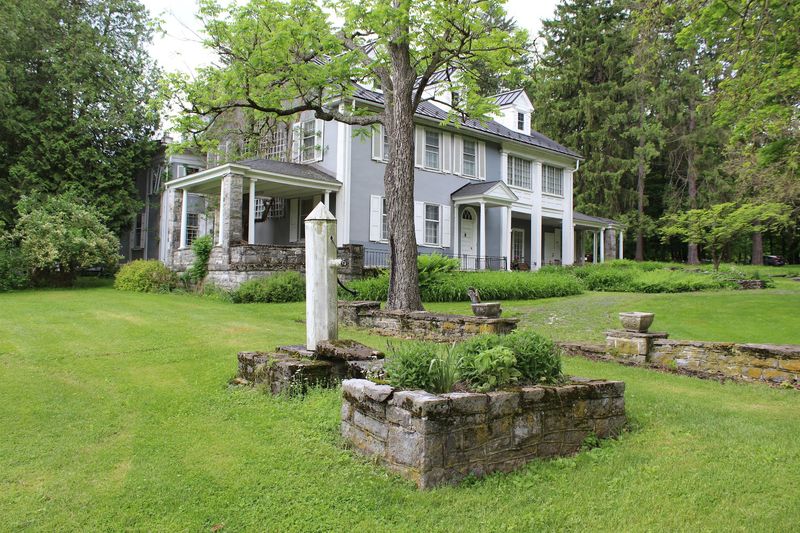
The Columbus Chapel dates to the 16th century.
It was brought over from Spain in 1909 by Colonel Theodore Davis Boal.
His wife inherited it from a Columbus descendant.
Today it holds the largest collection of Columbus artifacts in North America.
Inside, you’ll find European art, religious statues, and vestments.
There are also two pieces said to be from the True Cross.
The mansion has its own treasures.
A lock of Napoleon’s hair and documents signed by five U.S. presidents are part of the collection.
The story began with a pioneer cabin built in 1809.
It grew over time, with Georgian and later Beaux-Arts additions.
The Boal family has lived on the estate for more than 200 years.
Their furnishings, portraits, tools, and weapons fill the rooms.
Paranormal investigators have reported high activity here.
They describe the spirits as friendly and kind, which is a nice change.
One tale involves Fanny Atherton in the attic.
She’s said to watch sadly over her husband’s grave.
Another tells of an old gentleman in funny clothes.
Workers say he held a door open for them.
Guided tours usually run Wednesday through Sunday at 2 p.m., May through October.
Some parts of the tour aren’t wheelchair accessible.
The 48-acre estate includes gardens, hiking trails, and a wildlife platform.
The Boal Amphitheater hosts concerts, plays, and craft fairs.
It’s a fine way to wrap up a ghostly road trip across Pennsylvania.
Friendly spirits and Columbus’s desk make for a memorable finale.
Address: 163 Boal Estate Drive, Boalsburg, PA 16827
Share this story