Texas has plenty of crowded beach towns, but Port Lavaca offers a calmer option on Matagorda Bay. Retirees love it for low costs, fresh seafood, and wide open water views. It sits about 130 miles southwest of Houston, so family can visit easily.
Here are eight reasons this coastal town deserves a spot on your retirement list.
1. Lighthouse Beach and Bird Sanctuary
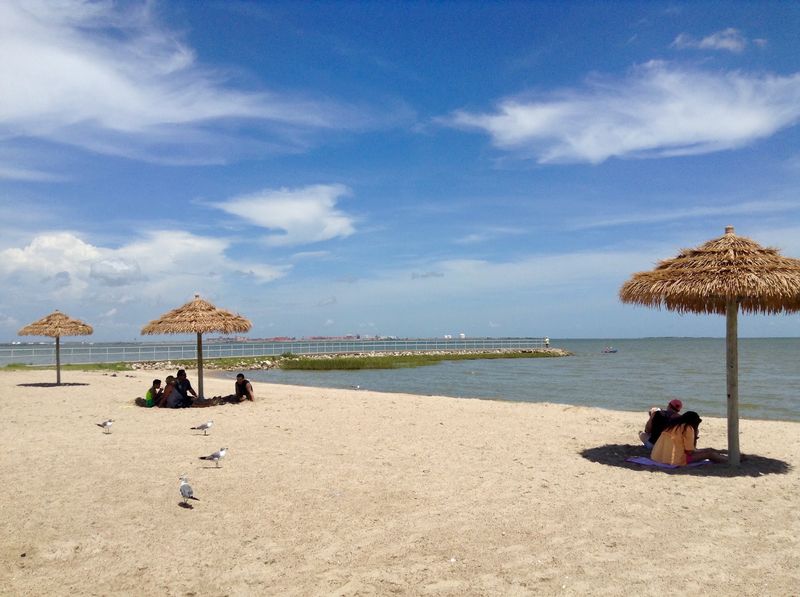
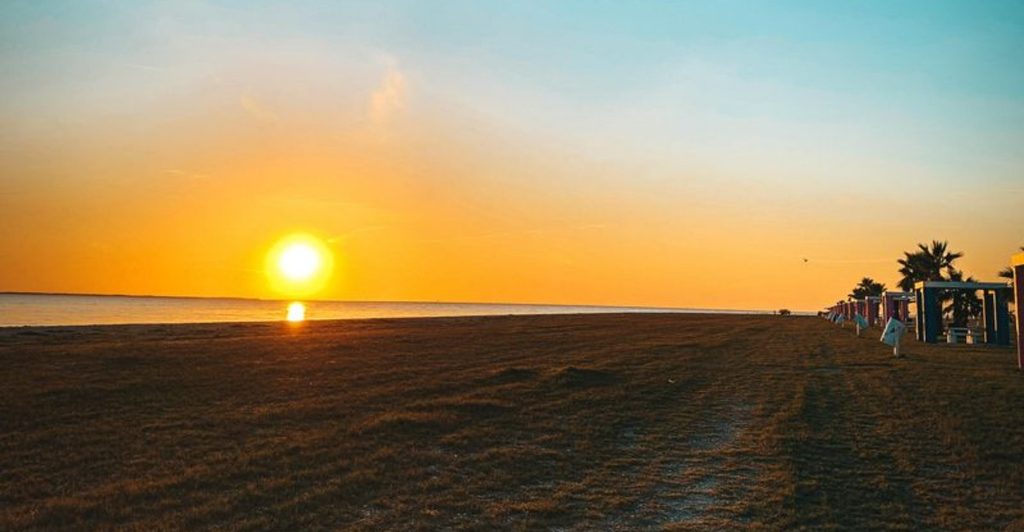
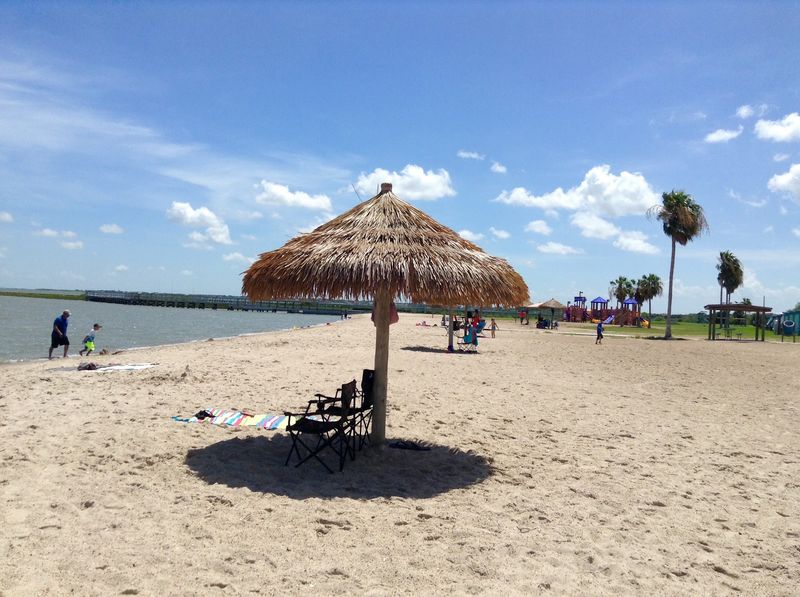
Picture a beach where you can hear the birds louder than the crowd. Lighthouse Beach sits on Lavaca Bay and gives you sand, shallow water, and sunrise views without the elbow-to-elbow towel spots found on busier Gulf shores. It is a gentle place to start a morning.
The beach has a wooden boardwalk, picnic areas, and a bird sanctuary right alongside it. Birdwatchers love the herons, egrets, pelicans, and spoonbills that wade through the shallows. Bring binoculars and a thermos of coffee, and you have a full morning plan.
Fun fact: the original lighthouse for the area was built in the 1850s on Matagorda Island, and the name stuck as a local tradition. The beach itself is a quiet spot with a small-town feel.
Retirees like how easy it is to get around. Parking is close, the walking paths are flat, and benches are placed where you want a rest. Shade is limited in summer, so pack a wide hat and a folding chair with a canopy.
Go early on weekdays for the calmest water and the best light for photos. Sunsets over the bay can turn the sky orange and pink, and the whole show costs nothing. Few things beat a free view that never gets old.
Bring a light jacket in winter, since bay breezes can surprise you. Pack sunscreen too, because the glare off the water is stronger than it looks.
2. The Famous Fishing Piers
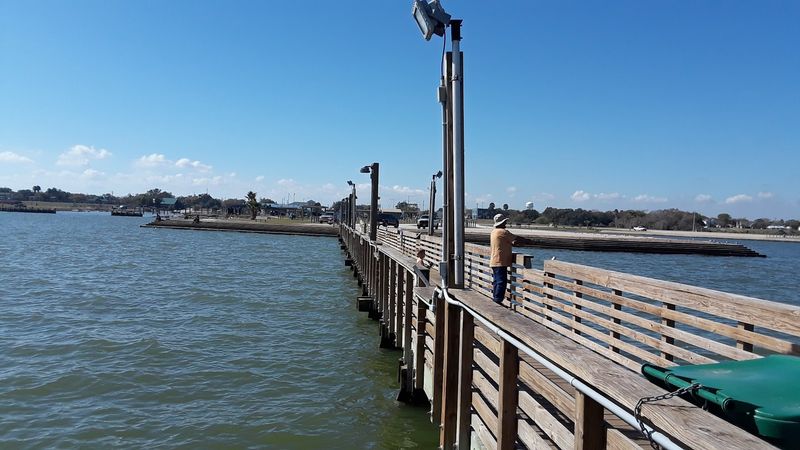
Here is a number that gets anglers excited: Port Lavaca is home to one of the longest fishing piers in Texas, the old causeway piers stretching across Lavaca Bay. They are built from the former highway bridge, and they are lit up at night. That means you can fish when the day gets too hot.
The piers are long, wide, and easy to walk. You will find folks catching redfish, speckled trout, black drum, and flounder. Many visitors never need a boat at all.
Retirees often make the pier part of their daily routine, like a neighborhood coffee shop with a salty breeze. You will meet friendly regulars who share tips about bait and tides. Ask nicely, and someone will usually point you to the best spot.
Check Texas fishing license rules before you cast a line. Seniors born before a certain date may qualify for special exemptions or lower-cost options, so look at the state wildlife website. A saltwater endorsement may also be needed.
Bring a bucket, a cart for your gear, and a stool. Early morning and evening bring the best bites and the coolest air. Shrimp is a favorite bait, and a small cooler keeps your catch fresh until you get home.
Even if you never catch a thing, the pier is a peaceful place to watch pelicans dive and boats pass by.
3. Affordable Living and Home Prices
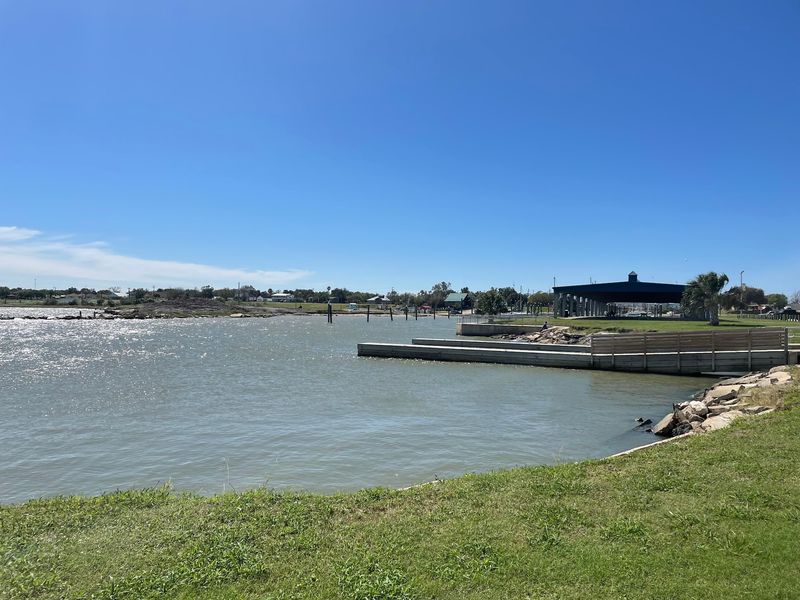
Retirement budgets love Port Lavaca. Home prices here tend to sit well below those in Houston, Austin, and many other coastal spots in Texas. That can mean a comfortable house, a yard, and money left over for hobbies.
You will find a mix of ranch-style houses, older bungalows, and a few homes with bay views. Some neighborhoods sit close to the water, while others are tucked away on quiet streets. Renting is also an option if you want to try the town before buying.
Everyday costs stay friendly too. Groceries, gas, and dining out usually run cheaper than in big metro areas. Texas has no state income tax, which helps when you live on savings or a pension.
Keep in mind that coastal living comes with extra homework. Ask about flood zones, insurance costs, and storm history before signing anything. A local insurance agent can explain wind and flood coverage in plain words.
Visit in more than one season if you can. Summer is warm and humid, while spring and fall feel lovely. A short trial stay shows whether the pace suits you.
Many newcomers say the biggest surprise is how quickly neighbors wave hello. Small-town friendliness is part of the price tag, and it comes free.
4. Fresh Gulf Seafood
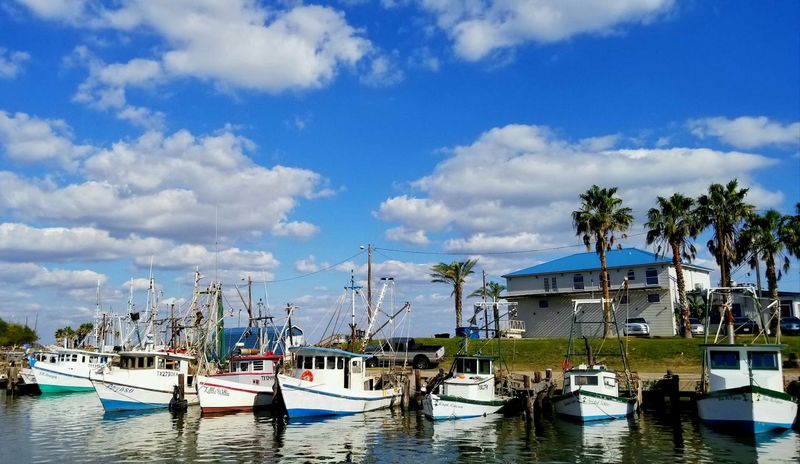
Nothing says coast like a basket of shrimp that was swimming a day ago. Port Lavaca sits beside a working bay, so the seafood on your plate often comes from nearby boats. Local cooks keep things simple and let the flavor do the talking.
Expect fried shrimp, grilled redfish, crab, oysters, and gumbo at casual spots around town. Portions are usually generous, and prices are friendlier than at tourist-heavy beach towns. Lunch specials can be a smart way to eat well for less.
If you like cooking at home, check out local docks and markets for fresh catches. Ask what is in season, because shrimp and oyster availability changes through the year. Fishermen are often glad to talk about what is best that week.
Texas Gulf Coast cooking also leans on Tex-Mex, so you can pair fish tacos with a cold glass of iced tea. Breakfast tacos at a neighborhood cafe are another small joy. Save room for pie, since many diners bake their own.
Sit near a window when you can. Watching shrimp boats drift by makes the meal feel like part of the scenery.
Go a little before the dinner rush to skip the wait. Early eaters usually get the friendliest service and the hottest hush puppies.
5. Texas Wildlife Along Matagorda Bay
Every winter, a rare guest flies into this stretch of coast: the whooping crane. Standing nearly five feet tall, it is one of the rarest birds in North America. The nearby marshes and bays give it a place to rest and feed.
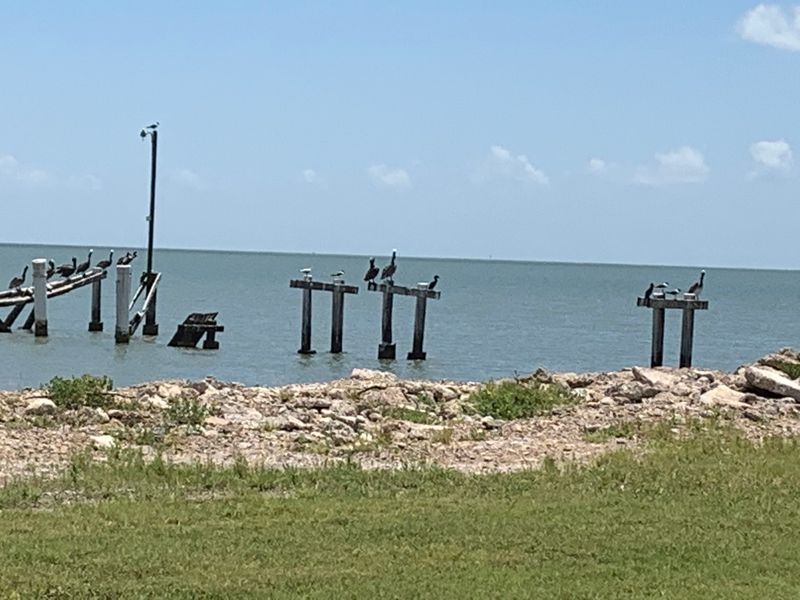
Port Lavaca is close to refuges and wetlands where you can watch wildlife without crowds. Dolphins sometimes surface in the bay, and roseate spoonbills add a splash of pink to the shoreline. Bring a camera with a zoom lens and plenty of patience.
Guided boat tours can take you to see cranes from a respectful distance. Many leave from nearby towns such as Seadrift and Rockport, a short drive away. Winter is the best season for crane sightings.
Retirees often turn birdwatching into a favorite hobby. It costs little, gets you outdoors, and gives you a reason to meet fellow nature lovers. Local bird clubs and wildlife groups are a friendly place to start.
Dress in layers and wear neutral colors so you do not spook the birds. Keep a small notebook to jot down what you spot. Before long, you will recognize species by sound alone.
Remember to keep your distance from nesting areas and never feed wild animals. Quiet visitors see the most.
6. Calhoun County History and the Indianola Story
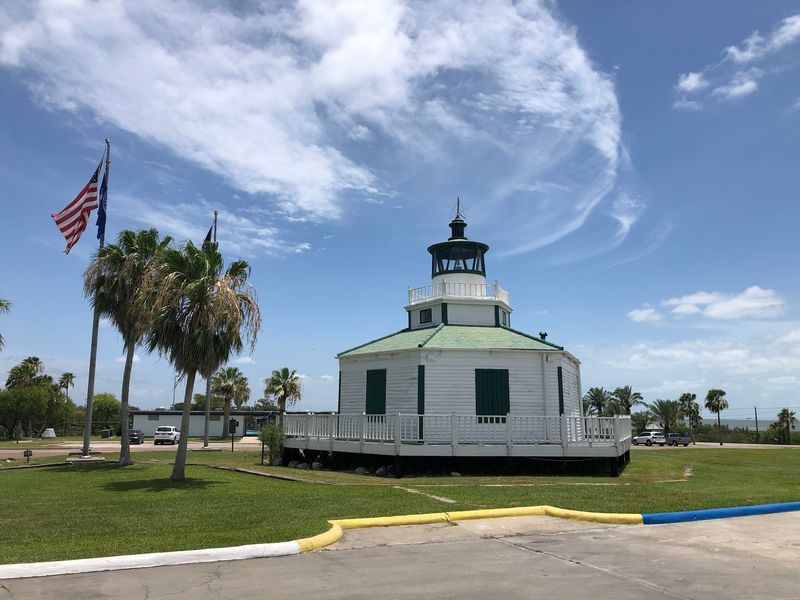
Once upon a time, a bustling port called Indianola nearly became the biggest city on the Texas coast. Then two hurricanes in the 1870s and 1880s wiped it away. Port Lavaca grew in part because survivors moved here, and that story still shapes the area.
History fans can visit the Calhoun County Museum in town to see photos, artifacts, and tales of the bay country. Exhibits cover early settlers, shipping, fishing, and storms. It is the kind of small museum where staff will chat about local family stories.
A short drive takes you to the Indianola Historical Area, where a monument honors the lost town. The explorer La Salle is also tied to the region, and the story of his ill-fated colony is told in nearby exhibits. Bring a camera and a bottle of water, since shade can be scarce.
Port Lavaca is the county seat, so you will find the courthouse and local records close by. Genealogy lovers sometimes dig through archives for family connections. Staff are often happy to point you in the right direction.
Reading about the past makes a stroll around town more fun. You start to notice old buildings and street names with new eyes.
Call ahead for museum hours, since small-town schedules can change with the season.
7. Easygoing Events and Festivals
Small towns throw the best parties, and Port Lavaca proves it every year. The Calhoun County Fair, seafood gatherings, and bayfront celebrations bring neighbors together. You can enjoy live music and good food without fighting for parking.
One favorite is the Texas Gulf Coast fishing tournament scene, where anglers compete for bragging rights. Even if you do not fish, watching the weigh-ins is lively entertainment. Folks cheer for big catches like they are rooting for the home team.
Holiday events add sparkle too. Christmas lights and a boat parade glow across the water in winter, and Fourth of July fireworks reflect off the bay. Bring a blanket and a thermos and settle in.
Festivals are also a smart way to meet people if you are new in town. Volunteers are always needed, and helping out is the fastest path to making friends. Churches, clubs, and civic groups welcome newcomers warmly.
Check the city and chamber of commerce calendars for current dates. Schedules shift from year to year, so confirm before planning a trip. Local Facebook groups also share last-minute news.
Arrive early for the best food lines. Cash helps at small booths, and many vendors sell homemade treats worth the wait.
8. Healthcare, Shopping, and Easy Everyday Life
Retirement is not only about pretty views. It is also about knowing a doctor, a pharmacy, and a grocery store are nearby. Port Lavaca covers those basics, which makes daily life smooth.
The town has a local hospital, clinics, and pharmacies, so routine care is close. For specialists, larger medical centers in Victoria are about 30 miles away, and Houston is roughly 130 miles northeast. Ask about transportation options if you prefer not to drive far.
Shopping is simple. You will find grocery stores, hardware stores, banks, and family-owned shops along the main roads. Traffic is light, parking is easy, and lines are short.
Getting around is straightforward by car. Many retirees like that errands take minutes instead of hours. Senior centers and community groups offer classes, meals, and social events if you want company.
Weather deserves a plan. Hurricane season runs from June through November, so keep an emergency kit, know your evacuation route, and sign up for local alerts. Good preparation gives peace of mind.
Overall, the town feels easy to settle into. You can run to the store, wave to the cashier, and still be home before the afternoon sun gets hot.
Share this story