Tellico Reservoir appears peaceful today, with calm water, wooded shorelines, and mountain views that attract boaters and outdoor travelers. Beneath that scenery, however, lies a complicated story of cultural loss, environmental change, and years of public controversy. Completed in 1979, Tellico Dam transformed the final free-flowing stretch of the Little Tennessee River into a reservoir.
The project required roughly 22,000 acres acquired through eminent domain, flooded several Cherokee archaeological sites, displaced longtime landowners, and altered habitat for numerous native aquatic species. The endangered snail darter sparked a legal battle that reached the U.S. Supreme Court, but Congress ultimately cleared the way for the dam’s completion.
Visitors can learn more about the region’s enduring Cherokee heritage at places such as the Sequoyah Birthplace Museum along the lake.
Before The Reservoir, The Little Tennessee River Ran Wild
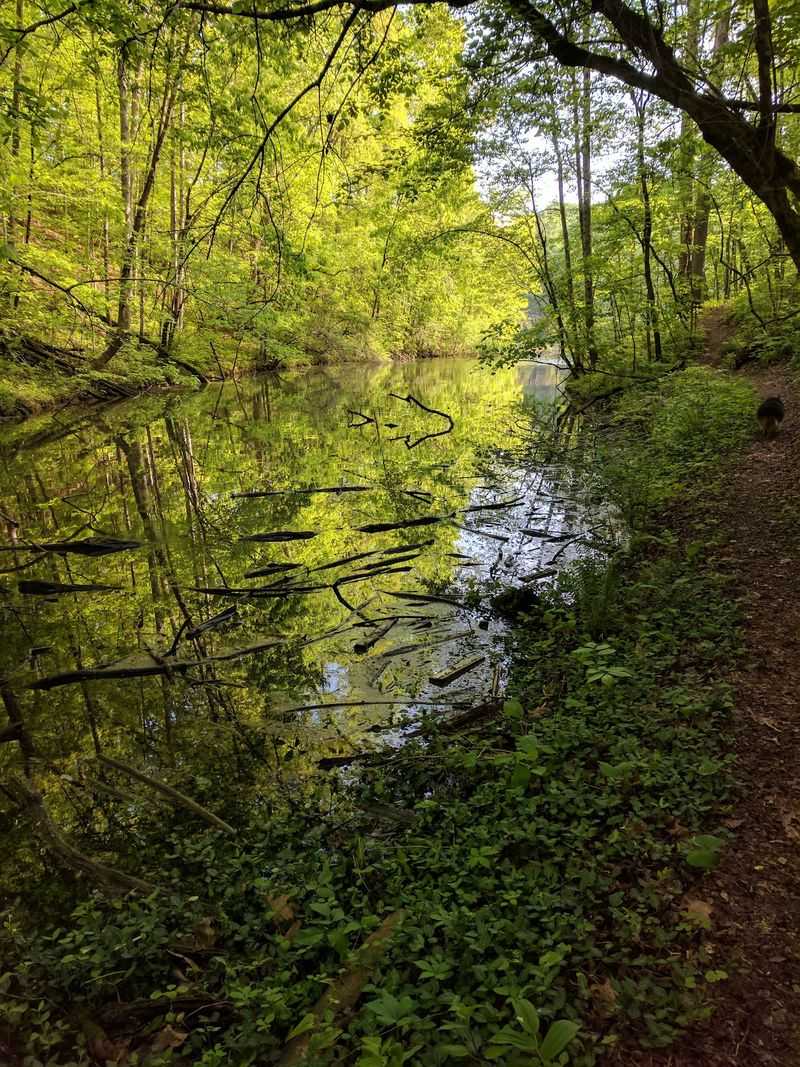
A cold, clear river sliding over rocks and gravel, loud enough that you could hear it before you saw it. That was the Little Tennessee River in its final free-flowing stretch, long before anyone called this place a lake. Folks who remember it often talk about it like an old friend.
The river came down out of the mountains near the North Carolina line and pushed northwest across the valley toward the Tennessee River. Along the way, it passed farms, fields, small communities, and stretches of woods. Shoals and riffles kept the water moving and full of oxygen, which made it a favorite spot for anglers.
Trout fishing was a big deal here. Many people considered this section of river one of the best places in the region to wade in with a rod and a little patience. Families fished, swam, and picnicked along the banks for generations.
Farming mattered just as much. The bottomland soil was rich because the river had been dropping fresh dirt on it for thousands of years. Corn, hay, and other crops grew well, and some families had worked the same land for a very long time.
By the middle of the 1900s, though, wild rivers were getting rare in this part of the country. The Tennessee Valley Authority had already built several dams in the area. Each one turned a moving river into a still lake, and the Little Tennessee was one of the last big stretches left running free.
That fact is a big reason the later fight got so heated. People were not just arguing about one dam. They were arguing about losing one of the final pieces of a river system that used to look and sound completely different.
Here is a fun way to imagine it next time you visit. Stand near the shoreline, close your eyes, and swap the gentle lap of lake water for the rush of a rocky river. That sound filled this valley for thousands of years, and it only went quiet within the lifetimes of many people living nearby today.
Why TVA Chose To Build Tellico Dam
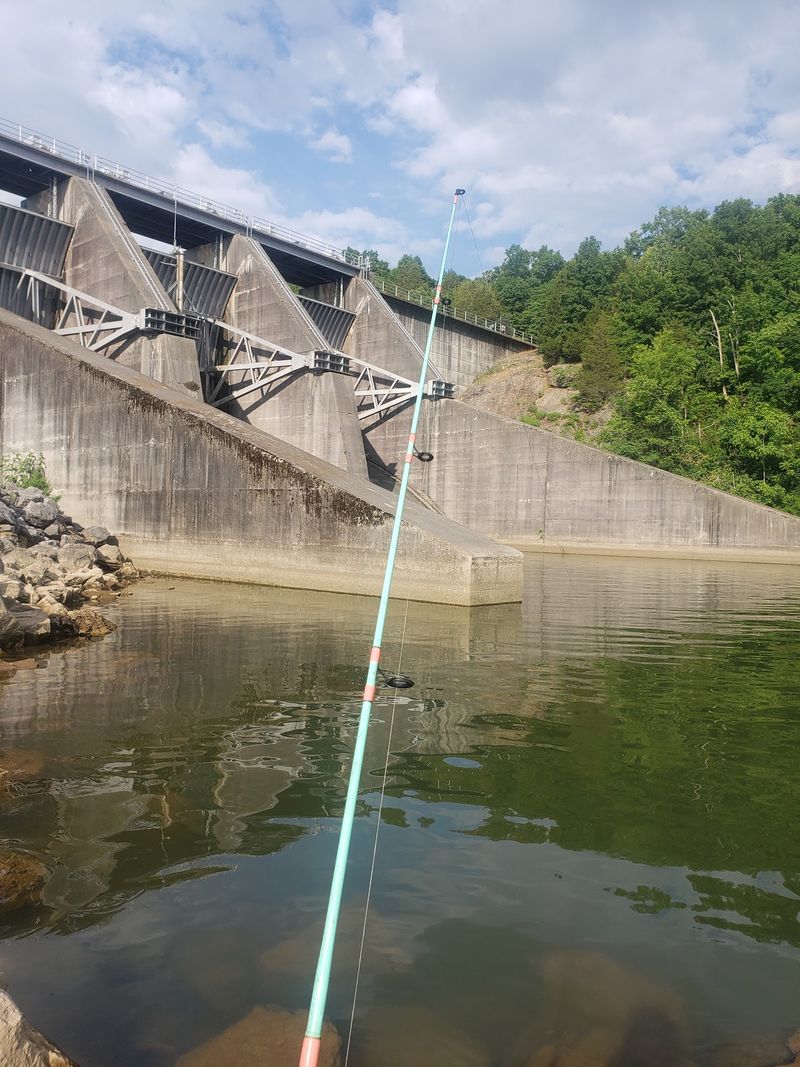
Big plans, big promises. When the Tennessee Valley Authority pushed for Tellico Dam in the 1960s, the pitch sounded exciting on paper.
TVA had a long track record of building dams across the region. Those projects brought electricity, flood control, and jobs to areas that badly needed them during and after the Great Depression. So when the agency looked at the lower Little Tennessee, it saw another chance to shape the valley’s future.
Here is the twist, though. Tellico Dam itself was not planned as a major power plant. Instead, it was designed to connect with nearby Fort Loudoun Reservoir through a short canal, letting water flow over and help produce more power at the Fort Loudoun Dam.
The bigger selling point was growth. Supporters talked about new industry, a planned community, better roads, and lakefront land that could draw businesses and residents. Recreation was part of the picture too, with boating and fishing expected to bring in visitors.
Not everyone bought it. Critics argued that the benefits were thin compared to what would be lost, including farmland, a prized trout river, and deeply important Cherokee sites. Some economists and local landowners questioned whether the promised boom would ever really show up.
Construction started in 1967, even as arguments kept going. Over the next several years, the project faced lawsuits, environmental reviews, and growing public attention. What began as a regional project slowly turned into a national story.
A quick tip for history fans: when you visit the area today, look at the way Tellico and Fort Loudoun sit side by side. One Google reviewer described it perfectly, noting there are two lakes and two dams right next to each other. That setup is the whole engineering idea in one view.
Understanding why TVA wanted this dam helps explain why the fight got so intense. Both sides believed they were protecting the future of the valley. They just pictured very different futures.
Cherokee Towns And Sacred Sites Once Filled This Valley
Long before boat ramps and lake houses, this valley was the heart of the Cherokee world. Towns with names like Chota, Tanasi, Tellico, Citico, Toqua, and Tomotley stood along the river. Some of them were among the most important Cherokee communities of the 1700s.
Chota is a name worth remembering. It served as a leading town, sometimes called a mother town or capital, where major decisions were made and important leaders lived. Think of it as a center of government, culture, and community life all rolled together.
Tanasi carries extra weight for anyone who loves this state. Many historians link the name of Tennessee to this Cherokee town. So in a very real way, the valley under the reservoir helped give Tennessee its name.
The river bottoms also held much older history. Archaeologists found signs that people had lived here for thousands of years, long before the Cherokee towns of the 1700s. Burial grounds, house sites, and tools pointed to a long, rich human story.
Sequoyah, the creator of the Cherokee writing system, was born in this area too. His work let Cherokee people read and write in their own language, which was a huge achievement. The museum honoring him sits near the lake today.
Before the water rose, archaeologists worked to study and record as much as they could. They dug, mapped, and collected items that helped tell the story of the people who lived here. Still, many people felt that no amount of digging could replace leaving the land as it was.
For Cherokee people, these were not just old ruins. They were places tied to ancestors, ceremonies, and identity. Flooding them felt like losing family history that could never be returned.
If you visit, take a moment to slow down. Read the signs, learn the town names, and remember that the quiet water covers places that once rang with voices, music, and daily life.
Thousands Of Acres Were Acquired Before The Water Rose
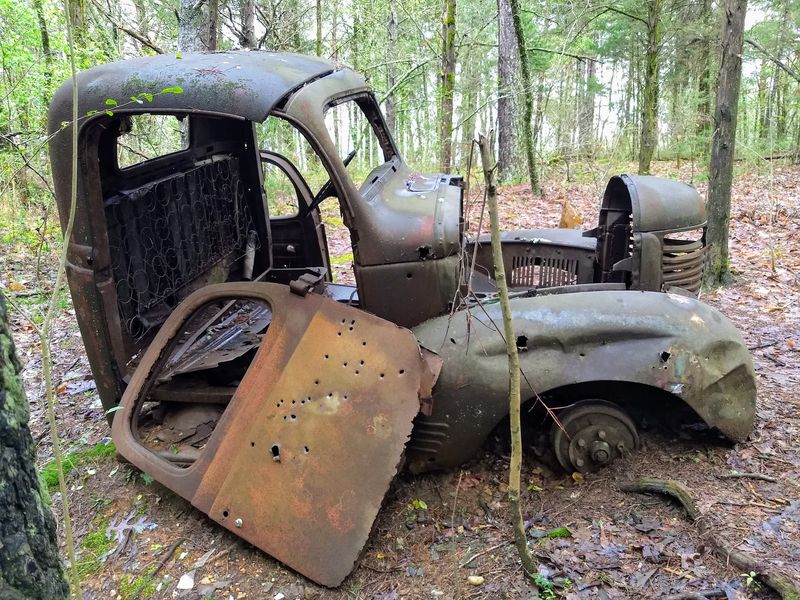
Imagine getting a letter saying your family farm is needed for a government project. For many landowners in the Little Tennessee valley, that was not a what-if. It was real life.
TVA bought up a large amount of land for the Tellico project, reported at around tens of thousands of acres. A good chunk of it would never actually go underwater. The plan was to use extra land for the industrial growth and new community that supporters had promised.
That detail upset a lot of people. It is one thing to give up land because a lake will cover it. It feels very different when your land is taken for development ideas that may or may not happen.
Some families sold willingly. Others fought hard, refused offers, or ended up in court when the government used eminent domain, which is the legal power to take private property for public use with payment. Feelings ran deep, especially for families who had farmed there for generations.
Homes, barns, churches, and roads had to be cleared out. Some buildings were torn down, while others were moved. Whole communities slowly emptied as moving trucks rolled out.
Years later, much of the extra land was sold for private development. That is a big part of why the shoreline today is lined with neighborhoods and nice homes. One Google reviewer pointed out the million dollar houses around the lake and said they take away from it, which shows the debate is not totally gone.
Here is something helpful to keep in mind while exploring. Many of the coves and quiet roads you drive past were once farm lanes and family property. A local history book or a chat with longtime residents can reveal stories you will never find on a map.
The land story is less famous than the fish story, but it hit closest to home. For the people who lived it, the reservoir was about more than politics. It was about leaving the only place they ever called home.
The Tiny Fish That Took Tellico Dam To The Supreme Court
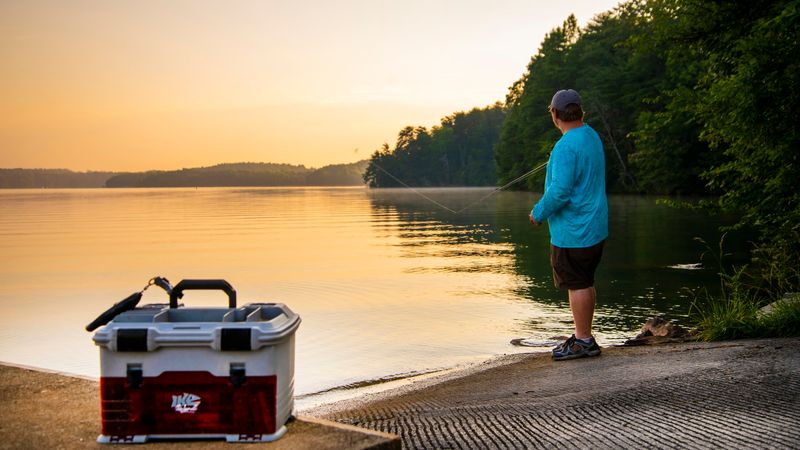
Three inches long. That is roughly the size of the fish that stopped a giant federal dam in its tracks.
In 1973, a biologist found a small fish in the Little Tennessee River that became known as the snail darter. It was soon listed as endangered under the brand-new Endangered Species Act. At the time, scientists believed this stretch of river was its only home.
Opponents of the dam saw a chance. If finishing Tellico Dam would wipe out the fish’s habitat, then the law might block the project. A lawsuit followed, and the case climbed all the way up.
In 1978, the United States Supreme Court ruled in Tennessee Valley Authority v. Hill. The court said the Endangered Species Act meant what it said, and the dam could not be finished if it would destroy the species.
The dam was nearly done, which made the decision even more dramatic.
People across the country had opinions. Some laughed that a little fish was holding up a multimillion dollar project. Others argued it proved that protecting nature should matter, even when it is inconvenient.
Here is a fun bit of trivia for your next lake trip. TVA v. Hill is still taught in law schools and talked about in environmental classes.
A fish from East Tennessee became a national symbol almost overnight.
The snail darter story has a surprising ending too. Biologists moved some of the fish to other rivers, and later more populations turned up elsewhere in the region. Decades later, the species was taken off the endangered list.
Many people also point out that the fish was not the only reason folks opposed the dam. Farmers and Cherokee groups had their own deep concerns. The snail darter just happened to give them a powerful legal tool when other arguments were not winning.
So next time someone jokes about the little fish, you can share the bigger picture.
How Congress Cleared The Way For The Reservoir
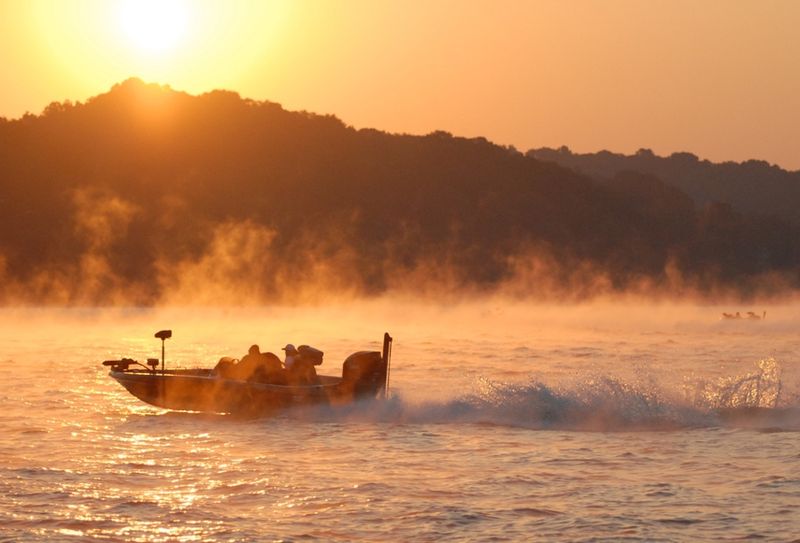
Winning in the Supreme Court should have ended things, right? Not quite. The dam’s supporters simply moved the fight to a different arena.
After the 1978 ruling, Congress created a special committee that could grant exemptions from the Endangered Species Act. People nicknamed it the God Squad because it had the power to decide whether a species could be pushed aside for a project. When it looked at Tellico, the committee did not grant the exemption, partly because it questioned whether the dam made economic sense.
So supporters tried yet another route. In 1979, lawmakers added language to a large spending bill for energy and water projects. That language told the dam to be finished no matter what other laws said.
Tucking a big decision into a long bill is a classic move in Washington. It can pass with less attention than a standalone vote. Critics felt it skipped over real debate about the valley’s future.
President Jimmy Carter had concerns about the project. Even so, he signed the bill, and that decision sealed the valley’s fate. The gates closed, and the water began to rise in late 1979.
Cherokee groups made last-ditch legal efforts to protect sacred sites, but those did not stop the flooding. Some local landowners also kept protesting until the very end. Within weeks, fields and town sites began disappearing below the surface.
A quick tip if you like digging deeper: look up news coverage from 1979 at a library or online archive. Reading the headlines from that year makes the tension feel real. You can almost feel the clock running out.
The way Congress handled Tellico still pops up in debates today. Some people see it as a fair use of lawmaking power. Others see it as a warning about how quietly big decisions can get made.
Either way, this was the moment the reservoir went from argument to reality.
What Remains Of The Valley’s Cherokee History Today
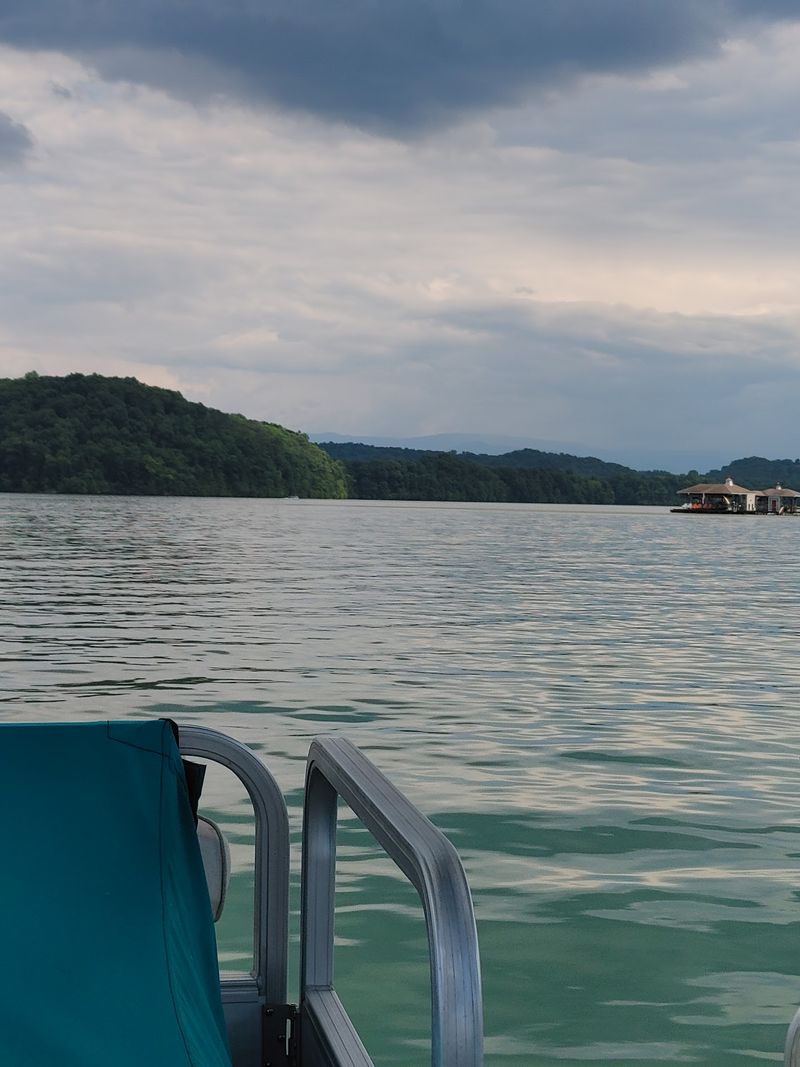
Good news first: not everything was lost. If you know where to look, the Cherokee story around Tellico Reservoir is still very much alive.
The Sequoyah Birthplace Museum sits near the lake in Vonore. It is owned by the Eastern Band of Cherokee Indians and tells the story of Sequoyah and Cherokee life in the valley. Exhibits, artifacts, and memorials help visitors understand what this land meant to the people who lived on it.
The museum grounds also hold a burial mound where remains moved during the reservoir project were reinterred. That detail hits hard once you know it. It is a quiet, respectful spot worth seeing with an open mind.
Up the lake, the Chota Memorial marks the general location of the old town of Chota. It stands on a small peninsula that keeps the site above the waterline. Cherokee leaders and supporters helped create it to honor the town and the people tied to it.
Near the memorial, a separate marker remembers Tanasi, the town connected to the name Tennessee. Standing there, you can look over the water and think about the history under it. Pretty powerful for a quick stop.
Fort Loudoun State Historic Area is close by too. It tells the story of a British fort built in the 1750s in Cherokee territory and the complicated relationship between the two groups. Reenactments and programs there make the past feel close.
Here is some helpful visitor advice. Plan these stops on the same day, since they are all in the general Vonore area. Wear comfy shoes, bring water, and give yourself time to read the signs instead of rushing.
Treat these sites with care. No climbing on memorials, no picking things up, and keep voices low near burial areas. Showing respect is the best way to honor the people whose homes once filled this valley.
The Scenic Lake Visitors See Now Came At A Lasting Cost
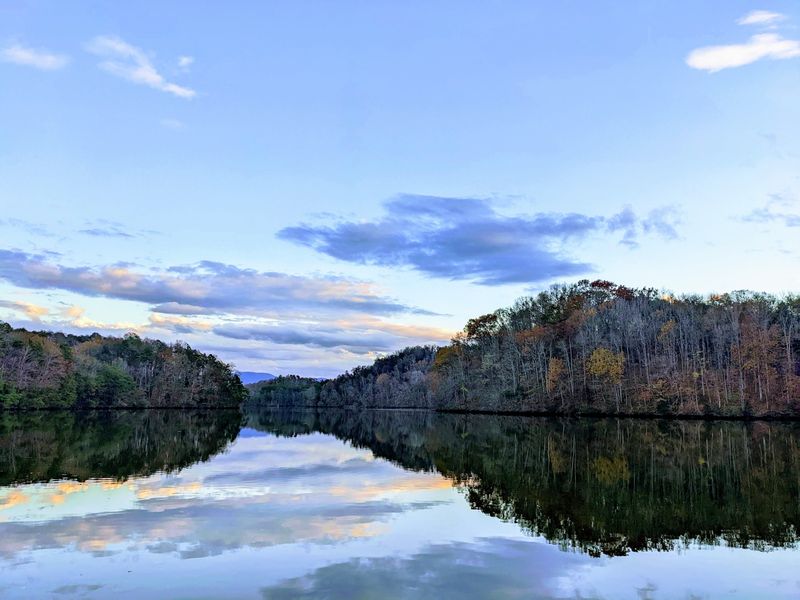
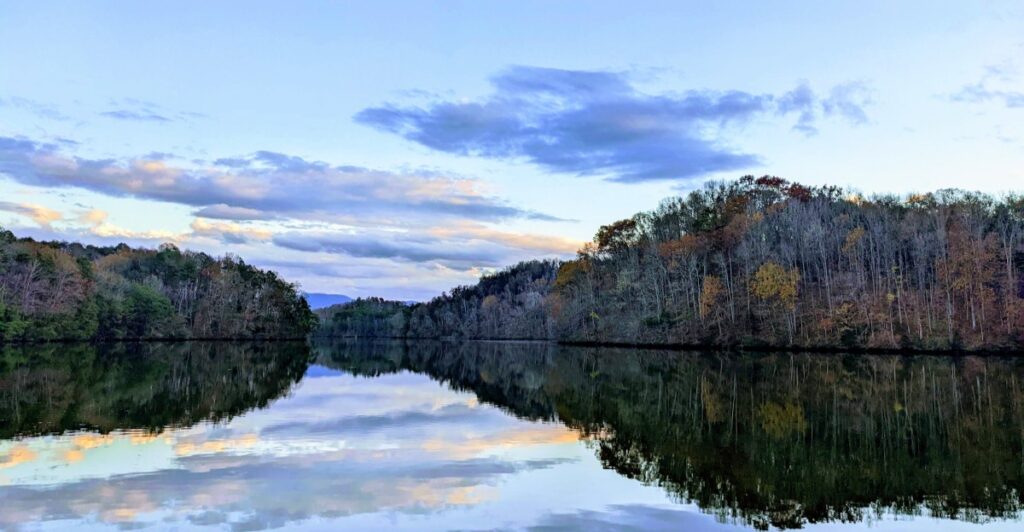
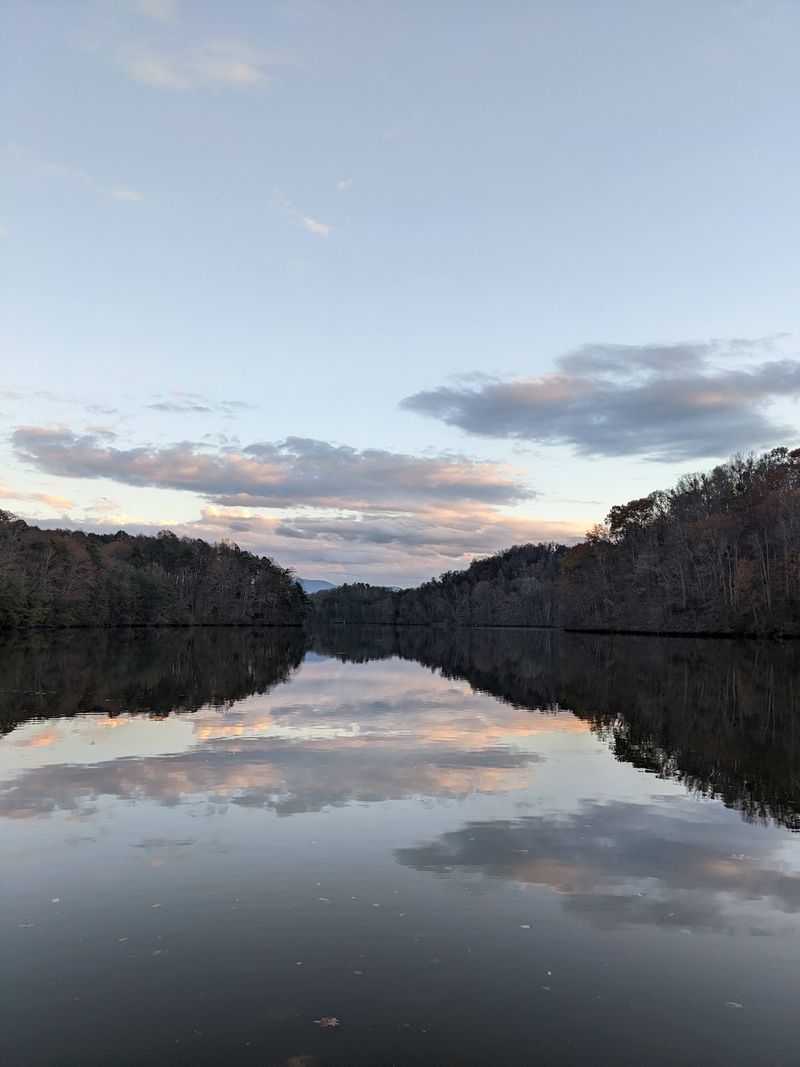
Sunset on Tellico Lake can stop you mid-sentence. Pink sky, still water, and mountains fading blue in the distance make it easy to forget the fight that made it.
Visitors clearly love it. On Google, the reservoir holds a strong 4.6 star rating, with people praising the fishing, boating, kayaking, and views of the Cherokee National Forest. One local reviewer noted that the lake is a little over 30 miles long but has more than 300 miles of shoreline thanks to all its coves and inlets.
Hikers have nice things to say too. One reviewer raved about well marked trails, plenty of parking, and enough hills to leave their legs sore the next day. That kind of feedback shows how much the lake means to people now.
Still, the full picture includes what was given up. A free-flowing river, rich farmland, family homesteads, and sacred Cherokee town sites all sit below the surface. The big industrial boom that supporters promised never really arrived the way they described.
So how should you feel about visiting? Honestly, you can enjoy it and respect its past at the same time. Those ideas are not opposites.
Try this simple approach on your next trip. Spend part of the day on the water, then stop by the Sequoyah Birthplace Museum or the Chota Memorial. Pairing fun with a little learning makes the visit feel richer.
Take care of the place while you are there too. Pack out your trash, follow fishing rules, and stay off private docks. Small habits help keep the lake clean for everyone.
Tellico Reservoir is a great example of how beauty and loss can share the same spot. Every cove has a story, and many of them started long before the water came. Knowing those stories turns a pretty lake into something much more meaningful.
Next time someone calls it just a nice lake, you will know better.
Share this story