A walk through an old Ohio town can feel like opening a family photo album, with brick shops, shaded streets, and front porches that still look familiar after many years. Across the state, communities have kept buildings and public spaces that help tell the story of everyday life long before highways and large shopping centers changed how people traveled and shopped.
Their historic centers offer more than pretty pictures: they give visitors a chance to understand local traditions, support small businesses, and notice details that are easy to miss when driving past.
The towns in this guide have all changed in some ways, so the title is best understood as a nod to their lasting character rather than a claim that time has truly stopped. You will still find modern businesses, busy roads, and people going about their lives, but many streets hold onto an older shape and style.
Some places grew around canals or river landings, while others developed around farming, trade, schools, or shared religious beliefs. Those different beginnings make each stop worth exploring on its own terms.
Plan to walk, leave room for a meal, and check museum hours before setting out, since smaller attractions may open only on certain days or during warmer months. Comfortable shoes help on uneven sidewalks, and a little patience makes parking and busy festival weekends easier.
Whether you choose one afternoon outing or build a longer Ohio road trip, these towns reward anyone willing to slow down and look closely at what remains.
1. Zoar: A Village Built Around Shared Life
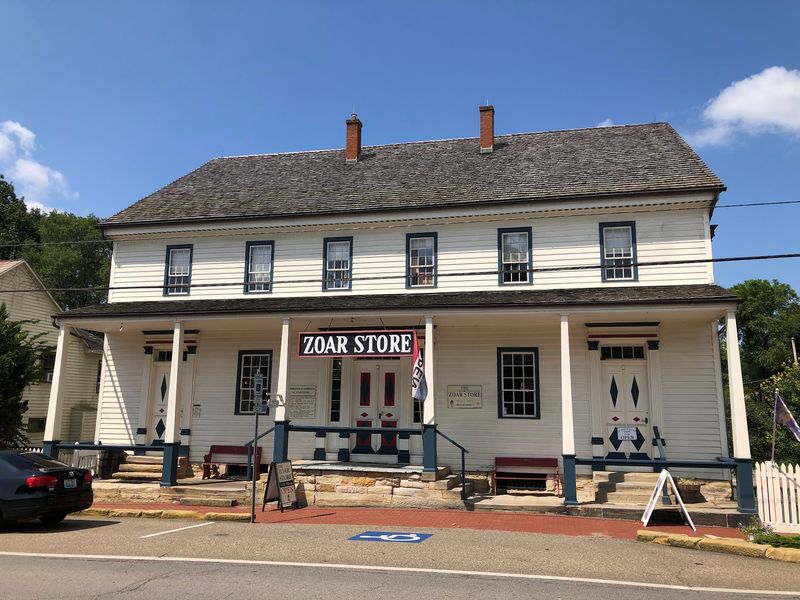
A garden at the center of a village says a great deal about what its founders valued. In Zoar, that shared space helps explain a community built around cooperation, careful work, and a life apart from the world outside.
German Separatists founded the village in 1817, and residents pooled property and labor through the Society of Separatists of Zoar. Their communal way of life lasted until 1898, leaving behind houses, workshops, and public buildings that still give the streets a strong historic identity.
Start with Historic Zoar Village, where guided tours and exhibits explain how the settlement worked. Depending on the available program, visitors can learn about gardening, baking, trade, and the jobs that kept the community running.
Check the current schedule before arriving, because access to building interiors varies.
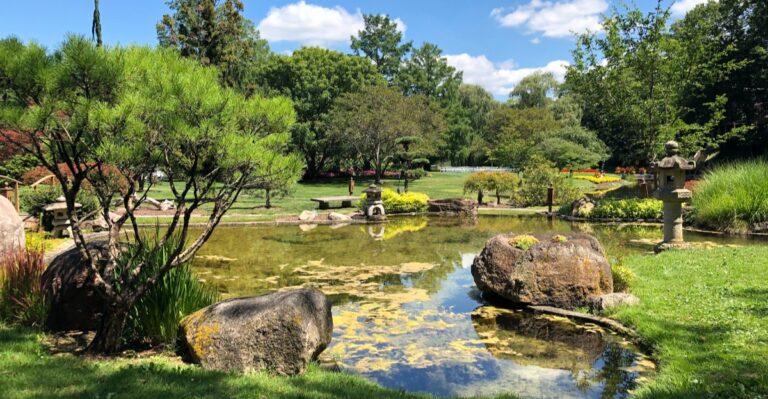
The central garden is a useful place to pause and get your bearings. Paths, planting beds, and the surrounding architecture make it easier to imagine the village as a connected whole rather than a collection of separate attractions.
Photograph the buildings from public areas, and remember that some properties remain private homes.
For a fuller outing, pair the village with nearby walking opportunities along the Ohio and Erie Canal Towpath Trail. Canal construction played a role in Zoar’s finances, connecting its quiet story to a much larger transportation network.
Wear shoes that handle both sidewalks and gravel, and carry water during warm weather.
What makes the visit memorable is not a claim that nothing has changed. It is the clear survival of a place designed around shared purpose.
Give yourself time to read the signs, notice the sturdy building shapes, and think about the daily choices behind them. A slower visit turns the village from a pretty backdrop into an understandable piece of Ohio history, with lessons about teamwork that still feel relevant today.
2. Milan: Edison’s Hometown and a Canal-Era Square
Before a famous inventor made this village a household name, grain and canal boats helped put it on the map. That earlier success still shows in the buildings around Milan’s square, where a short walk reveals a surprisingly rich local story.
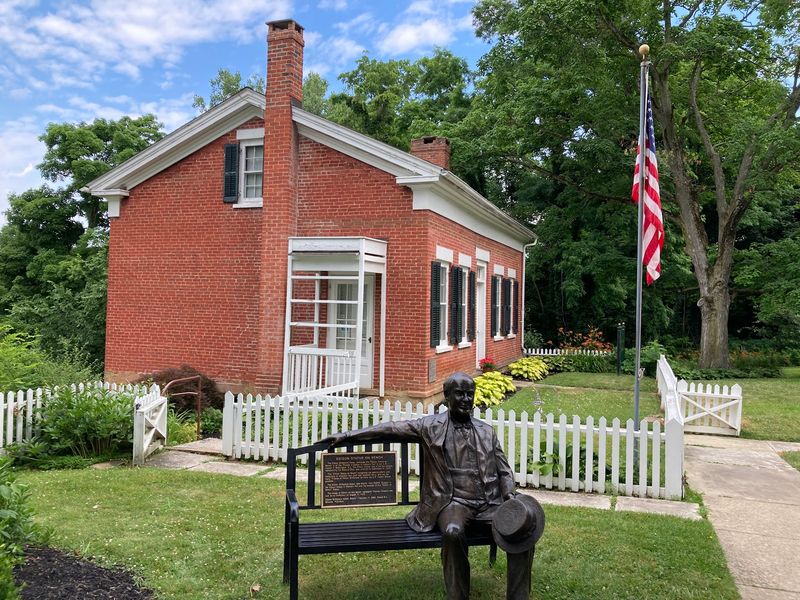
Thomas Edison was born here in 1847, and the Thomas Edison Birthplace Museum remains a major reason to visit. The house offers a more personal starting point than a broad account of inventions.
Confirm tour hours and admission details before planning your day around it.
Milan also prospered through its canal connection during the nineteenth century. Farmers could move grain toward Lake Erie markets, and business grew around that trade.
Although the shipping boom passed, the village kept an architectural legacy that makes its center feel older than the traffic moving through it.
Walk around the square slowly rather than heading straight from one attraction to another. Look above shop windows for brick patterns, tall windows, and decorative rooflines.
Those upper stories often reveal a building’s age more clearly than the modern business signs at street level.
The Milan Historical Museum adds another layer, with local collections spread across historic buildings. It is especially useful if you want to understand the town beyond its best-known resident.
Museum schedules can be seasonal, so check both major attractions separately instead of assuming they share hours or ticket arrangements.
For an easy visit, begin with a museum tour, take a break near the square, and then browse whichever businesses are open. Families can turn the walk into a search for details such as old doors, stone steps, and unusual window shapes.
The appeal is quiet rather than flashy: a compact village where a major inventor’s beginnings sit beside the remains of a once-busy trading center. Together, those stories make Milan more interesting than a single famous birthplace alone could ever be.
3. Burton: Maple Traditions Around the Village Green
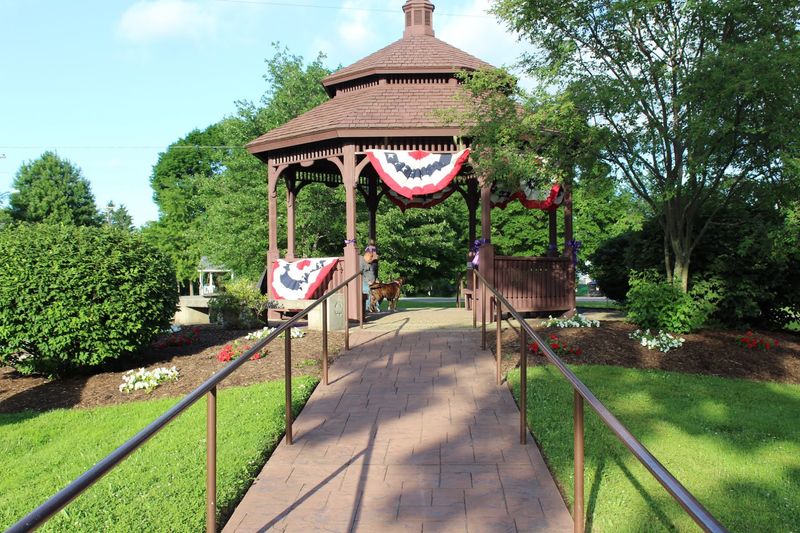
Maple season gives an old village a reason to wake up early. Around Burton’s green, that familiar spring tradition connects local life to the surrounding farms and woods, adding a practical, tasty side to the town’s historic appearance.
Founded in 1798, Burton belongs to the Western Reserve, the northeastern Ohio region shaped in part by settlers from New England. Its village green and surrounding buildings reflect that background.
The layout encourages a walk around a shared center rather than a drive through scattered commercial strips.
The Burton Log Cabin is a well-known landmark on the square and is closely tied to local maple activities. Programs and sales vary with the season, so check current information if syrup making is your main reason for coming.
Early spring weather can swing from mild sunshine to cold rain.
Nearby, Century Village Museum preserves historic buildings and explores life in Geauga County. Its events and guided experiences can help explain the work behind the area’s rural past.
Plan around published opening dates, since an outdoor museum does not necessarily offer full access every day.
Around the village, look for older homes, modest storefronts, and the small details that give the streets their character. Avoid treating the wider area’s Amish communities as an attraction to photograph without permission.
Respectful shopping and careful driving, especially near horse-drawn vehicles, make a visit better for everyone.
Burton works well for travelers who enjoy a town with a living tradition rather than only preserved walls. Leave time for a meal or a local shop, and do not rush the green just because it is compact.
During maple events, expect more visitors and allow extra time for parking. Outside that season, the same streets offer a calmer outing, with history visible in the village plan and rural surroundings.
Bring a light jacket, comfortable shoes, and an appetite for exploring patiently.
4. Peninsula: Canal History Beside the Trails
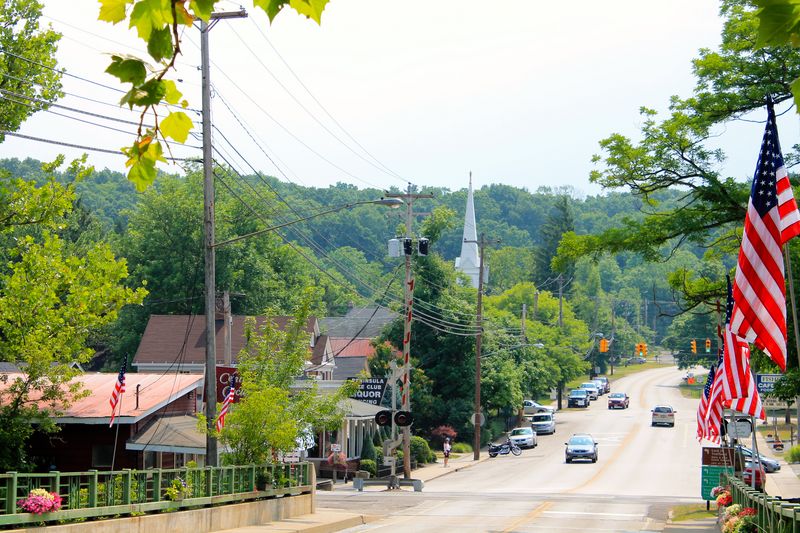
A trail walk and a historic main street rarely fit together as neatly as they do here. Visitors can step away from the woods and find older buildings, local businesses, and reminders of the canal that once carried goods through the valley.
Peninsula sits within the landscape of Cuyahoga Valley National Park, but the village has its own history and daily life. The Ohio and Erie Canal helped it grow during the nineteenth century.
Its surviving buildings make that transportation story easier to picture than a map alone could.
Begin near the village center and explore on foot before choosing a longer outdoor route. The nearby Towpath Trail follows the historic canal corridor and offers a useful connection between scenery and history.
Check National Park Service updates for closures, conditions, and any work affecting access.
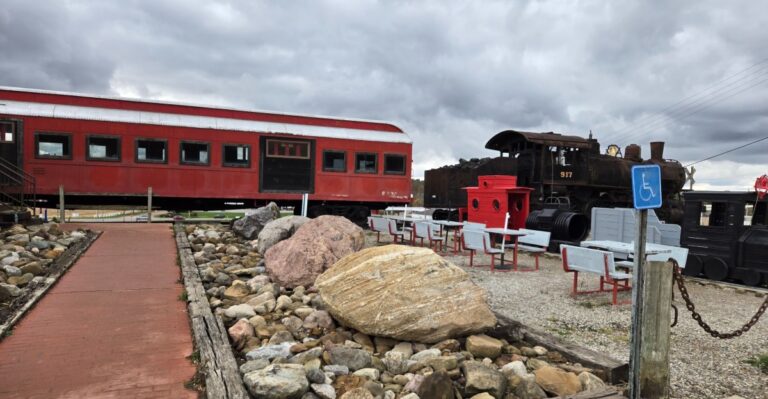
Railroad tracks add another layer to the setting, and the Cuyahoga Valley Scenic Railroad may offer excursions when service is operating. Do not assume a train will run on your chosen day.
Review the current schedule, boarding location, and ticket requirements before building your visit around a ride.
Small shops and places to eat make the village a pleasant stopping point, but parking can fill during busy weekends. Arrive early, use marked public spaces, and keep driveways clear.
If cycling, slow down near pedestrians and follow signs about where bikes may be ridden or parked.
The town’s vintage quality comes from the close relationship between buildings, river, canal, and rail line. Modern recreation now brings many visitors, yet the older layout still shapes how people move through the place.
Pack water and suitable walking shoes, even if your first plan is simply browsing. You may decide to add a short trail outing after lunch.
That mix of useful old streets and accessible natural surroundings makes Peninsula especially rewarding for a relaxed Ohio day trip with friends.
5. Granville: New England Style with Ohio Roots
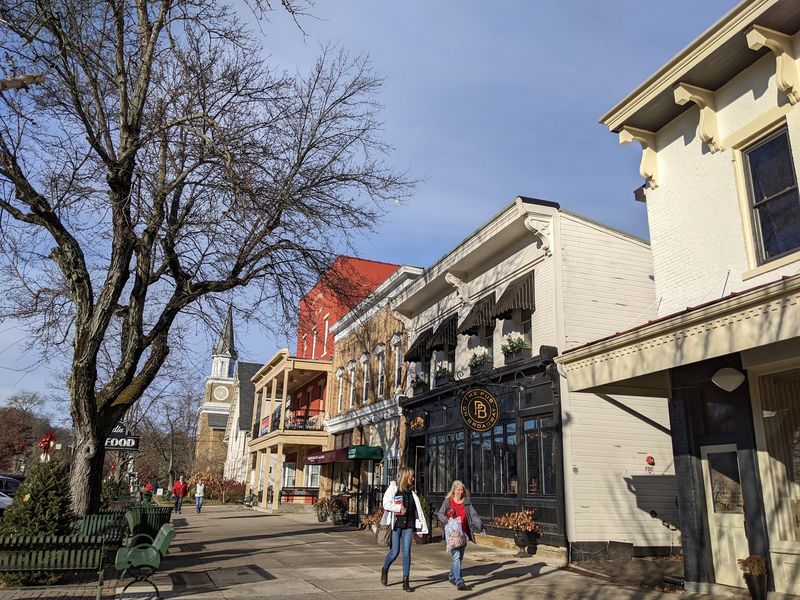
White church steeples and shaded sidewalks can make a walk feel pleasantly familiar, even on a first visit. Granville carries that feeling through a village center shaped by settlers who brought ideas about town life from New England to Ohio.
The community was founded in 1805, and its historic streets still reflect those early roots. Broadway provides a natural starting point, with older buildings and businesses close enough to explore without a complicated plan.
Denison University adds energy nearby without erasing the village’s established character.
Give the Granville Inn and the Buxton Inn a look from the street. Both are useful landmarks for understanding the town’s long connection to hospitality, though their histories and building dates differ.
Check current arrangements if you want a meal, an overnight stay, or access beyond public areas.
A walk uphill toward the university changes the view and helps explain the relationship between village and campus. Expect slopes rather than a completely flat outing.
Comfortable shoes matter, especially if you combine downtown browsing with a longer look around the surrounding streets.
For a deeper visit, consider the Robbins Hunter Museum in the historic Avery-Downer House. Its architecture and collections offer a different experience from shops and restaurants.
Review opening times first, and leave enough room in your schedule to enjoy a guided visit without watching the clock.
Granville is best appreciated through small observations: a front gate, a carefully kept porch, a church entrance, or the way trees frame a block. It is not untouched, and the college calendar can affect how busy it feels.
Still, the village offers a strong sense of continuity rather than a staged version of the past. Choose a quieter weekday if you prefer open sidewalks, or visit during a public event for more activity.
Either way, reserve time to sit and enjoy the street scene.
6. Waynesville: Old Storefronts and Unexpected Finds
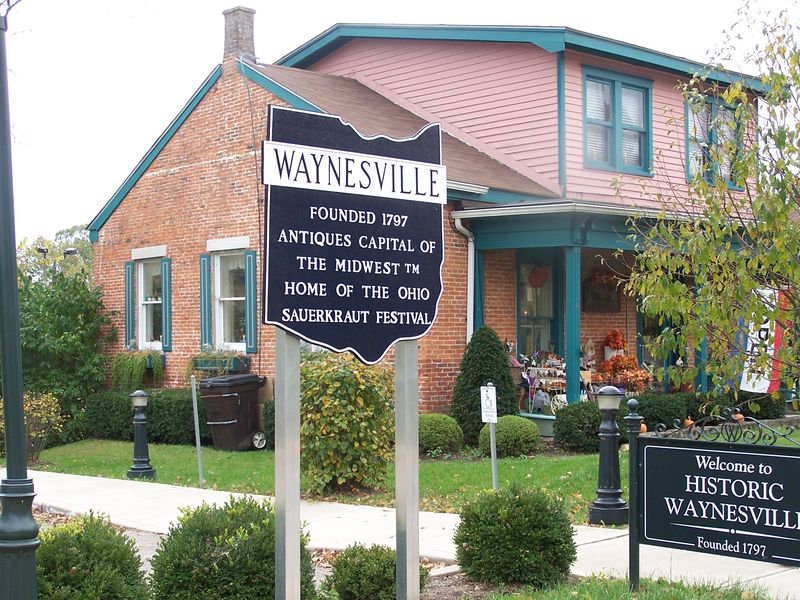
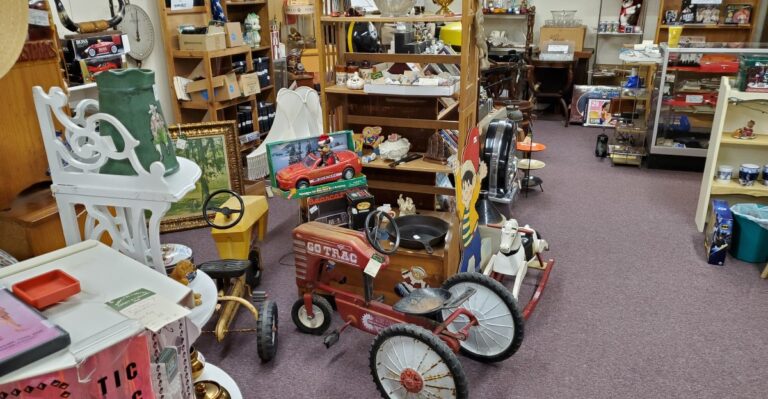
An old chair in a shop window can turn a simple stroll into a small treasure hunt. That is part of the fun in Waynesville, where antiques and historic storefronts give visitors plenty of reasons to slow their pace.
Founded in 1797, the village has a long history that includes a strong Quaker presence. Its older streets and buildings provide a setting that suits the antique trade naturally.
Rather than expecting one large attraction, plan for a series of small discoveries along Main Street and nearby blocks.
Browse with curiosity, but ask before opening drawers, handling fragile objects, or taking photographs inside a shop. If you are shopping seriously, bring measurements and pictures of the space you want to fill.
An appealing vintage piece becomes less useful when it cannot fit through your doorway.
The Museum at the Friends Home offers a way to connect the streets with local stories. Housed in a historic building, it explores Waynesville and the surrounding area through exhibits and programs.
Confirm hours ahead of time, especially if your visit falls outside a busy travel weekend.
Autumn brings the Ohio Sauerkraut Festival, a major event that changes the pace of the village. Festival days are lively, but they are not the best choice for anyone seeking empty sidewalks and quiet browsing.
Check parking plans and road restrictions before heading in during that weekend.
On an ordinary day, let the architecture share your attention with the merchandise. Tall windows, older entrances, and different building materials help show how the business district developed over time.
Stop for lunch, compare a few shops, and leave room for an unplanned detour. Waynesville’s charm comes from the match between what people sell and the surroundings they sell it in.
The village feels used and lived in, not sealed behind glass, which makes its older character especially easy to enjoy.
7. Lebanon: Stagecoach-Era Hospitality Still Matters
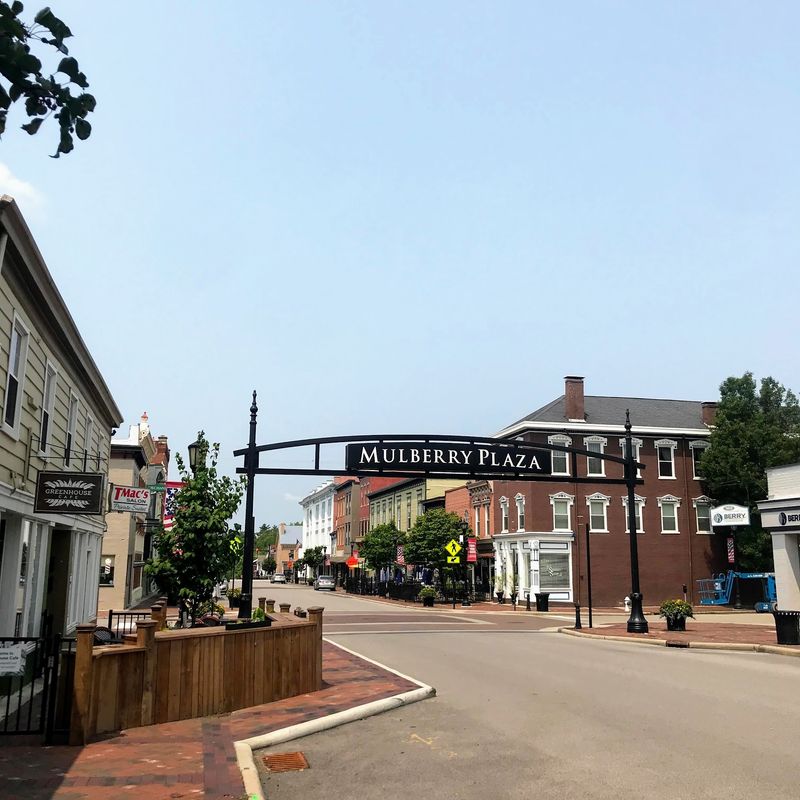
A meal can be the doorway into a town’s past. In Lebanon, the Golden Lamb gives visitors a familiar place to begin, linking today’s diners with a long history of travelers who stopped here for food, rest, and conversation.
The establishment dates to 1803 and is widely recognized for its long-running hospitality. Its historic building anchors a downtown filled with older architecture.
Reservations are sensible if dining there is central to your plans, and current lodging or tour details should be checked directly.
Beyond that landmark, Lebanon rewards a patient walk along its downtown streets. Brick storefronts, decorative upper floors, and older homes create a layered picture of a community that grew through trade and travel.
Look upward occasionally, since modern shop windows can hide the most interesting architectural features.
The Warren County History Center offers exhibits that place the city within a wider local story. A museum stop is especially helpful when you want more than a collection of attractive photographs.
Check its schedule and allow time to read the displays rather than rushing through between meals.
Train excursions associated with the Lebanon Mason Monroe Railroad may add another old-fashioned element when available. Review the actual departure dates and ticket rules before promising children a ride.
Seasonal events can draw crowds, so leave extra time for parking and walking to the boarding area.
Lebanon is a good choice for visitors who like history served with everyday comforts. Build your day around one booked activity, then keep the rest flexible for shops, sidewalks, and a relaxed meal.
The downtown is not frozen in the stagecoach years, but its lasting buildings make that older chapter visible. Respect private homes when exploring side streets, and use public spaces for photographs.
A thoughtful visit balances the famous inn with the broader streetscape, giving the whole town a chance to tell its own story.
8. Tipp City: A Canal Town with Everyday Charm
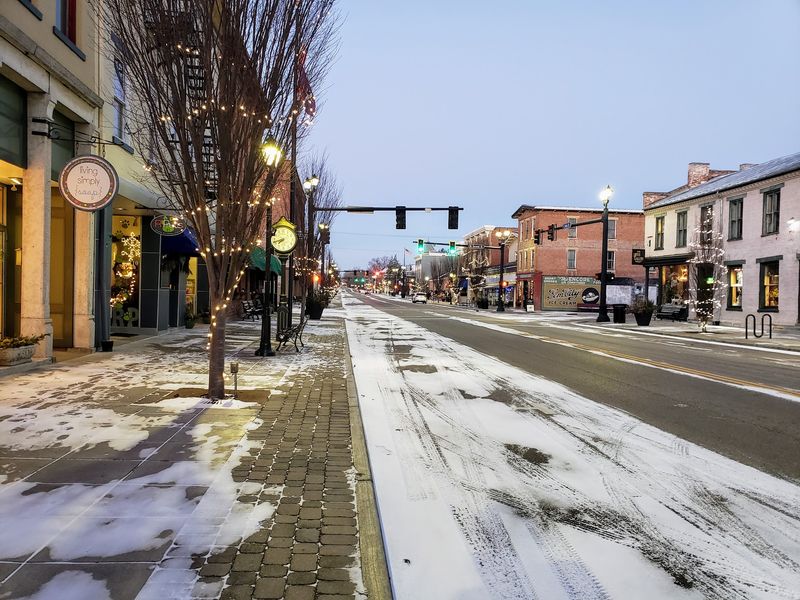
Some historic places feel most convincing when people are simply using them. A customer stepping into a shop or neighbors meeting on the sidewalk can make an old business district seem more alive than any carefully arranged display.
Tipp City’s downtown has that practical appeal. Founded in 1840 as Tippecanoe, the community developed along the Miami and Erie Canal.
Its location helped support trade, and the surviving commercial buildings reflect the town’s growth during the nineteenth and early twentieth centuries.
Main Street is the obvious place to begin, but nearby blocks deserve attention too. Look for differences in brickwork, rooflines, and window shapes instead of assuming every building comes from the same period.
The district’s appeal comes partly from those layers, not from a perfectly matching row of facades.
The Tippecanoe Historical Society can help visitors learn more about the community’s earlier years. Check current museum hours or available programs before arriving.
Smaller local history organizations often depend on volunteers, so a little planning can make the difference between a closed door and a useful conversation.
Shops and restaurants make it easy to spend a few hours downtown without a strict itinerary. Business schedules vary, particularly early in the week, so confirm any must-visit stop.
Use marked crossings and watch traffic while admiring buildings, since a working town is not a pedestrian-only museum.
For a pleasant outing, choose one history stop, one meal, and enough free time to wander. Community events can add music and bustle, while an ordinary weekday may offer a quieter look at the architecture.
Neither experience is more authentic; they simply reveal different sides of the place. Tipp City’s lasting character rests in the continued use of its older center.
That makes it a comfortable choice for travelers who want a vintage setting without needing every hour filled by a formal tour or attraction.
9. Somerset: Courthouse History at a Quieter Pace
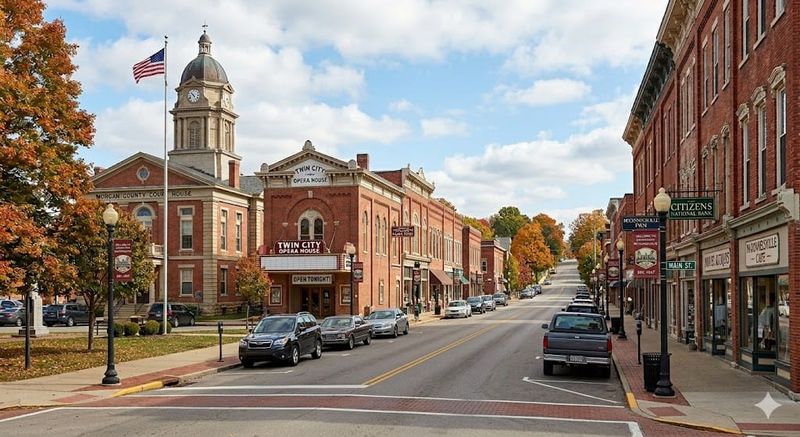
Not every memorable town needs a crowded shopping street. Sometimes a courthouse, a public square, and a few sturdy old buildings are enough to make you stop the car and wonder how much local history has passed through one small place.
Somerset, in Perry County, offers that quieter kind of visit. Founded in the early nineteenth century, it served as the county seat before that role moved to New Lexington.
The old Perry County Courthouse remains a key landmark and gives the village center a strong connection to its earlier importance.
Start around the square and examine the buildings from public sidewalks. The courthouse is best treated as a historic structure with current access rules, not an attraction that is always open for wandering.
Check local information if you hope to see an interior or attend a scheduled program.
A statue honoring Civil War general Philip Sheridan adds another thread to the town’s story. Sheridan spent much of his childhood in Somerset, though he was not born there.
Reading the local markers carefully helps separate an important hometown connection from details that are sometimes simplified in travel accounts.
For a broader look, consider the historic St. Joseph Catholic Church area outside the central square. Its roots reach back to Ohio’s early Catholic history.
Remember that religious buildings are active places of worship, and check visiting arrangements rather than assuming you can enter at any time.
Somerset suits travelers who enjoy observation more than a packed schedule. Bring water, confirm meal options, and allow for businesses that may keep limited hours.
A short visit can still be rewarding if you focus on the square, markers, and surrounding streets. The appeal lies in the village’s modest scale and the survival of landmarks from a time when its public role was larger.
Here, a little background reading can make an otherwise quiet walk surprisingly meaningful.
10. McConnelsville: River Life and an Old Opera House
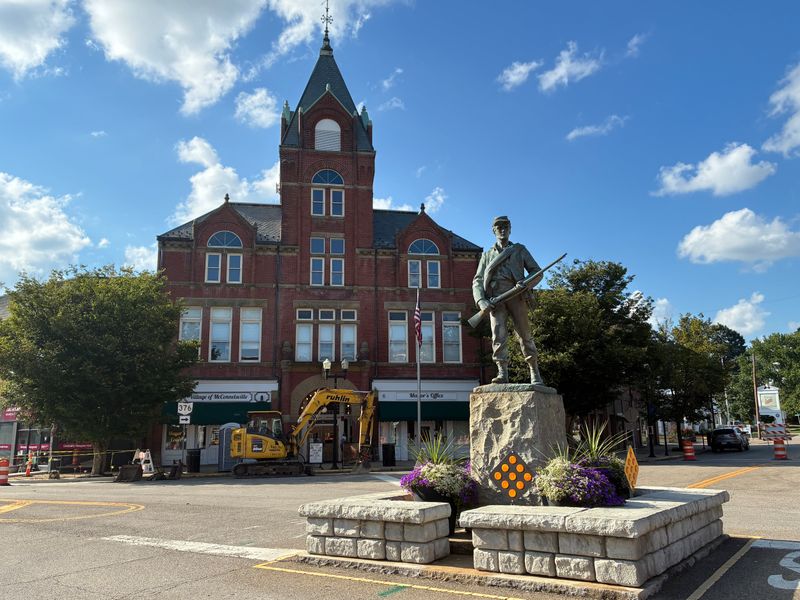
A river town often keeps its history in the shape of its streets. Near the Muskingum River, older buildings and public landmarks hint at the years when water travel mattered far more to local business than a quick drive on the highway.
McConnelsville is the seat of Morgan County, with a downtown that still carries a strong nineteenth-century identity. The river setting is central to its character, not just a scenic extra.
Spend time understanding how the business district sits beside the water and connects with neighboring Malta.
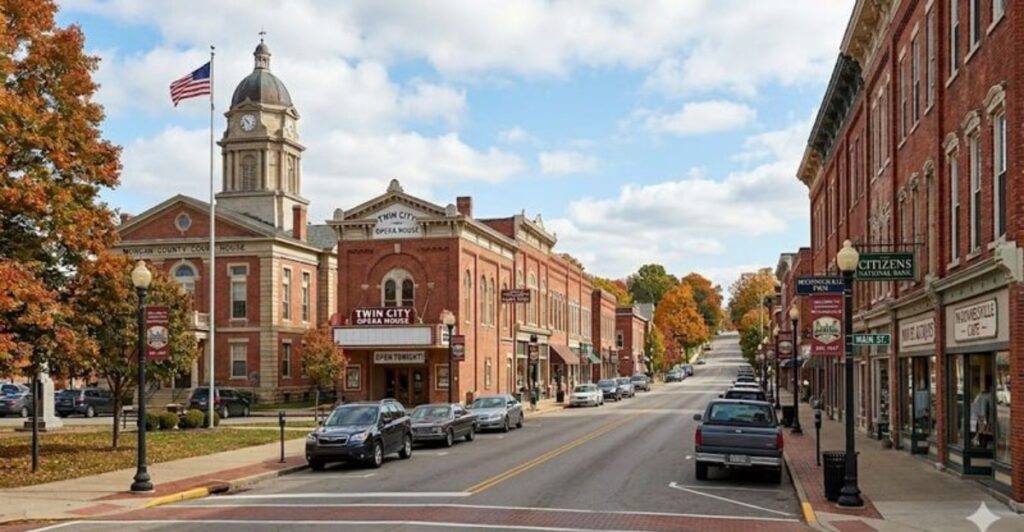
The Twin City Opera House is one of the town’s standout buildings. Opened in 1892, it continues to draw attention for its architecture and entertainment history.
Check the current calendar for performances or tours, since admiring the exterior and attending an event are very different experiences.
The Morgan County Historical Society offers another route into local history through its museum and other resources. Confirm opening arrangements before visiting.
In a smaller community, contacting an organization ahead of time can help you find the right place and avoid arriving when volunteers are unavailable.
Around downtown, notice the courthouse, commercial facades, and changes in street level as you move toward the river. Use designated public areas for water views and stay away from restricted river structures.
After heavy rain, check conditions before planning any activity close to the banks.
Build an easy visit around a downtown walk, a local meal, and whichever history site is open. Evening entertainment can make the opera house a useful anchor, but there is no need to fill every minute.
McConnelsville’s appeal is its combination of public buildings, river geography, and everyday small-town routines. The older setting remains visible without hiding the fact that people still work and live here.
Take photographs thoughtfully, read available markers, and let the river provide context for everything else you see.
11. Ripley: Riverfront Views and Stories of Freedom
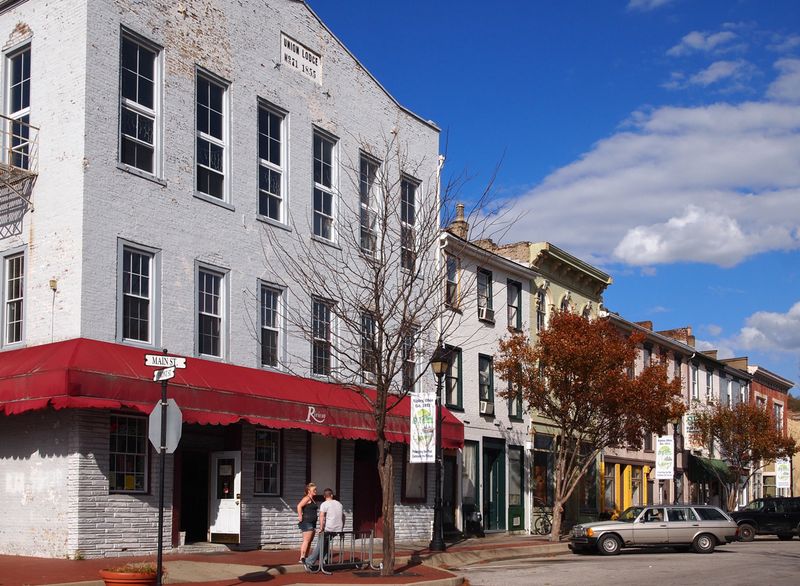
The most powerful part of an old town is not always what you can see from the sidewalk. Along this stretch of the Ohio River, historic homes hold stories of people who risked their safety to help others reach freedom.
Ripley is closely associated with the Underground Railroad. Two especially important sites are the John Rankin House and the John P.
Parker House. Their stories are connected, but each deserves its own attention rather than being treated as a brief stop on a general sightseeing loop.
Rankin’s home stands above the town, offering a view that helps explain the river’s role as both a barrier and a crossing point. Guided interpretation provides essential context about the family and the people they helped.
Check the operating season and be ready for a hillside setting.
Parker was born enslaved, purchased his freedom, and became an inventor, businessman, and active helper of freedom seekers. His house tells a story of courage and skill that broadens any understanding of the town.
Confirm current visiting hours separately, since the two sites may follow different schedules.
Down by the river, older buildings and the waterfront help reveal Ripley’s history as a trading community. Walk only in public areas, and check weather or river conditions before spending time close to the water.
A calm view today should not obscure the danger people once faced here.
Allow enough time for listening and reflection, not just photography. If traveling with children, explain that the Underground Railroad was a network of people and routes rather than an actual railway.
A meal or short waterfront walk can provide a break between tours. Ripley’s preserved character matters because it gives these human stories a clear setting.
The visit is most rewarding when the buildings become a way to understand real lives, difficult choices, and acts of bravery, rather than merely an attractive historic backdrop.
12. Marietta: Two Rivers and Generations of History
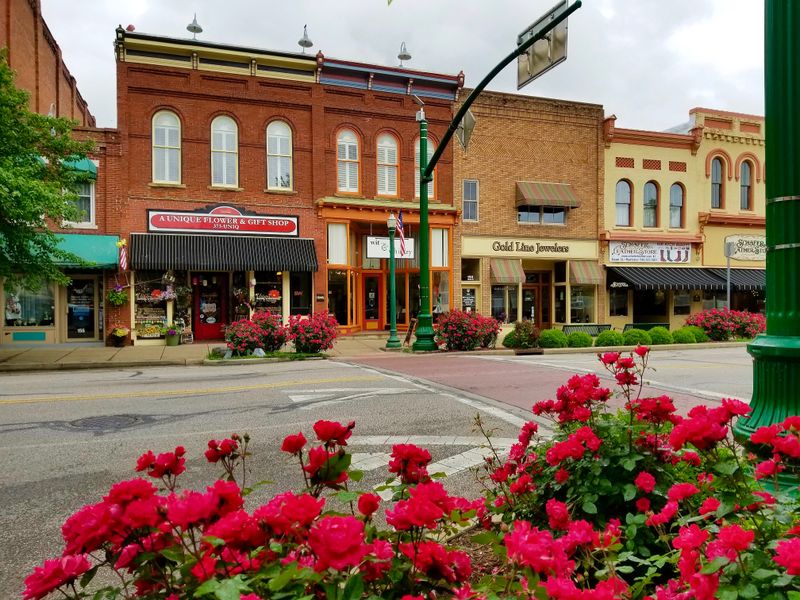
Two rivers give a town more than a good view. They shape its routes, trade, and daily routines, and in Marietta that relationship remains easy to see from the waterfront and the older streets just a short walk away.
Established in 1788, Marietta was the first permanent organized American settlement in the Northwest Territory. That milestone is only part of the area’s story, which includes Indigenous history long before the town’s founding.
Approach the museums with that wider timeline in mind rather than starting history at settlement.
The Campus Martius Museum helps explain early settlement and the people who came to the region. Nearby, the Ohio River Museum explores river history, though access and exhibits should be checked for current updates.
Museum plans can change, so confirm what is open before setting your itinerary.
Downtown streets offer a different kind of lesson through brick buildings, storefronts, and views toward the water. Walk through both commercial blocks and nearby historic areas where public access is allowed.
The town is larger than some villages on this list, so choose a manageable route instead of trying to see everything.
The Castle, a historic Gothic Revival house museum, adds architecture and household history to the mix. Guided visits can reveal details that are easy to overlook from outside.
Check tour times, and be prepared for stairs or other access limits common in older buildings.
Leave space for a riverfront pause between attractions. Comfortable shoes, water, and a weather check make a longer outing easier, especially during summer heat.
Marietta’s old-fashioned appeal comes from several periods layered together, not from a single untouched moment. River commerce, settlement history, homes, and active businesses all share the setting.
Pick two major sites and enjoy the walk between them. That approach gives the city room to feel like a place with living connections to its past, rather than a checklist.
13. Chagrin Falls: A Waterfall in the Village Center
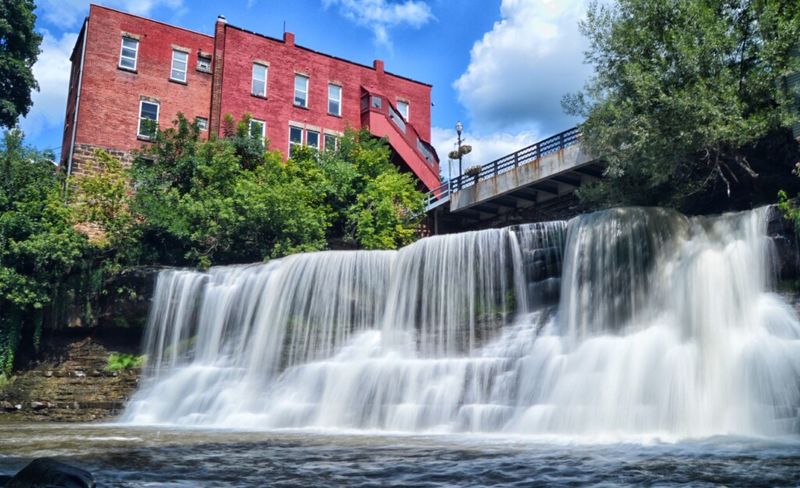
The sound of falling water gives this village a welcome you do not need a sign to notice. Just steps from shops and older buildings, the waterfall adds movement and noise to a downtown that otherwise invites a leisurely walk.
Chagrin Falls developed around the Chagrin River, where water power supported early industry. The village was incorporated in 1844, and its surviving streetscape reflects growth during the nineteenth century.
What now draws cameras once helped support the practical work of mills and other local businesses.
Begin at a designated public viewing area and take time to appreciate the falls safely. Conditions change with rainfall and season, so photographs will not always match the familiar bright summer images.
Stay behind barriers and avoid slippery edges, even when the water looks calm or shallow.
The Chagrin Falls Popcorn Shop is a recognizable landmark near the waterfall and a popular stop for a treat. Check current opening hours rather than assuming it will be available throughout the day.
Nearby businesses give you several ways to turn a brief photo stop into a longer village visit.
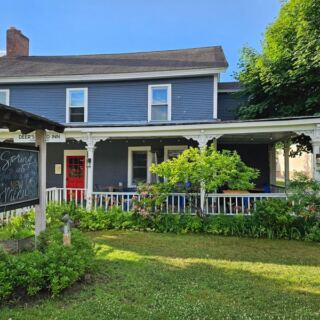
Walk beyond the busiest corner to notice the commercial buildings and surrounding residential streets. Front porches, mature trees, and varied house styles add depth to the village’s character.
Keep photography to public viewpoints and remember that attractive homes are still private places, not open exhibits.
Weekends and public events can bring heavy foot traffic, so arrive earlier if a quieter visit matters to you. Use marked parking areas and leave time to cross busy streets without rushing.
The village feels vintage because its river feature and older center remain closely linked, even as businesses change. A simple plan works well: see the falls, browse a few shops, and sit down for a meal.
The result is an easy Ohio outing where scenery and history share the same walkable setting, without requiring a complicated schedule.
Share this story