A waterfall, quiet ponds, and colorful maples make Schedel Gardens in Elmore, Ohio, a lovely place to slow down. The Japanese garden sits within a historic 17-acre landscape filled with unusual plants and carefully shaped views.
Whether you enjoy taking pictures or simply walking outdoors, there is plenty here to catch your eye. A little planning will help you enjoy the water, trees, and peaceful setting without feeling rushed.
1. A Japanese Garden That Rewards Slow Steps
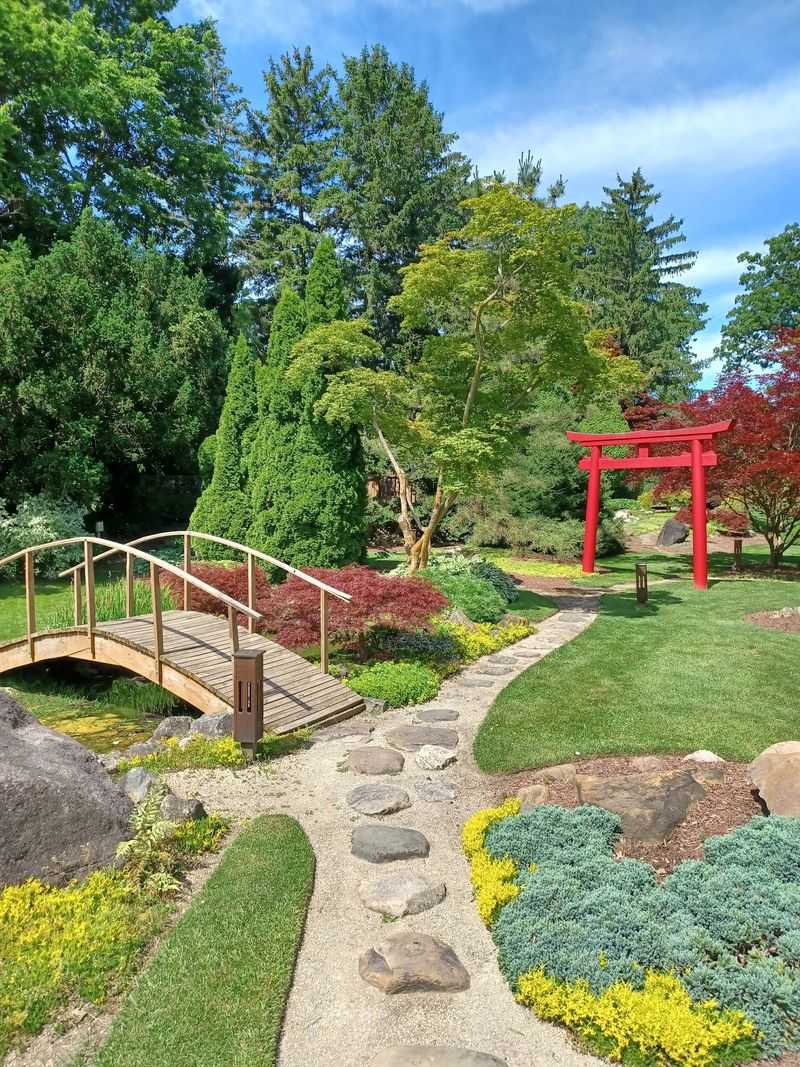
Leave the hurry at the entrance, because the best details here are easy to miss at full speed. Visitors describe a Japanese garden where green plants, red accents, bridges, and moving water create a strong sense of calm.
Rather than treating the area as one quick photo stop, follow the available paths and notice how the view changes. A maple may frame the water from one angle, while a bridge becomes the main feature from another.
Japanese garden design often brings plants, stone, and water together in carefully balanced scenes. At Schedel Gardens, that approach gives visitors something to study without needing any gardening knowledge.
Ask at the entrance whether every part of the Japanese garden is open that day. Private events can affect access, so checking first helps you plan a satisfying walk and avoids disappointment after you have already purchased admission and started exploring the grounds with your traveling companions.
2. The Waterfall Adds Sound to the Scenery
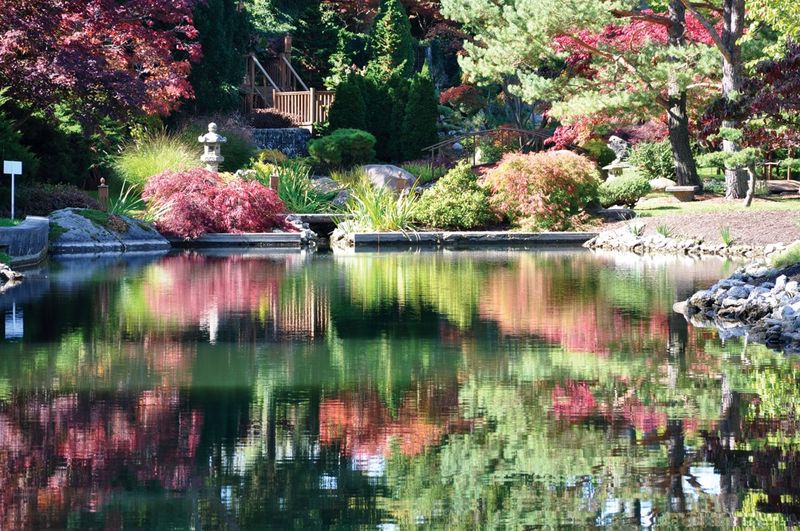
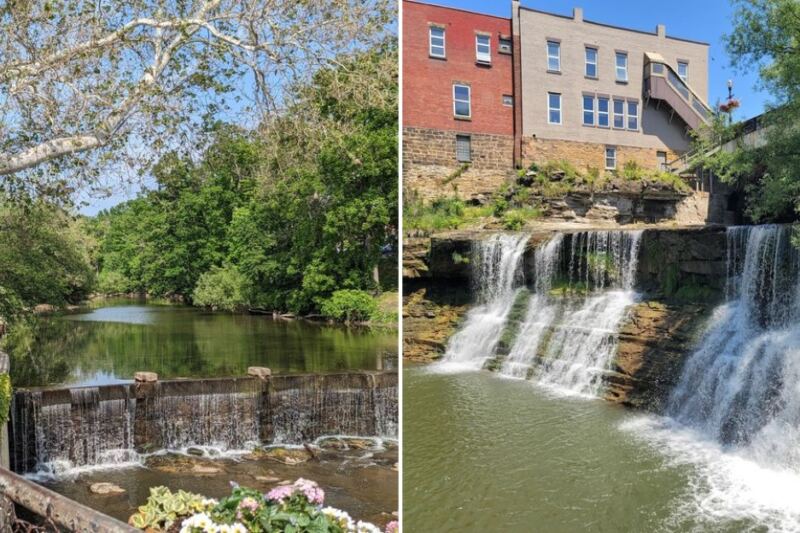
Sometimes your ears notice a garden feature before your eyes do. The waterfall featured in this article’s title gives the Japanese garden a moving centerpiece, adding sound to a setting filled with still leaves and quiet views.
Visitor accounts also mention a stream and waterfall, making the water feature a natural focus for your walk. Pause at a permitted viewing spot and compare the rushing water with the calmer surfaces nearby.
For pictures, try including surrounding plants instead of filling the entire frame with falling water. That wider view better shows how the waterfall belongs to the garden rather than standing apart from it.
Keep your footing in mind, especially after rain, when outdoor surfaces may be slippery. Stay on marked routes, avoid leaning beyond barriers, and give other visitors room to enjoy the view without feeling crowded or rushed during their own stop beside the flowing water and surrounding garden plants.
3. Quiet Ponds Invite a Longer Look
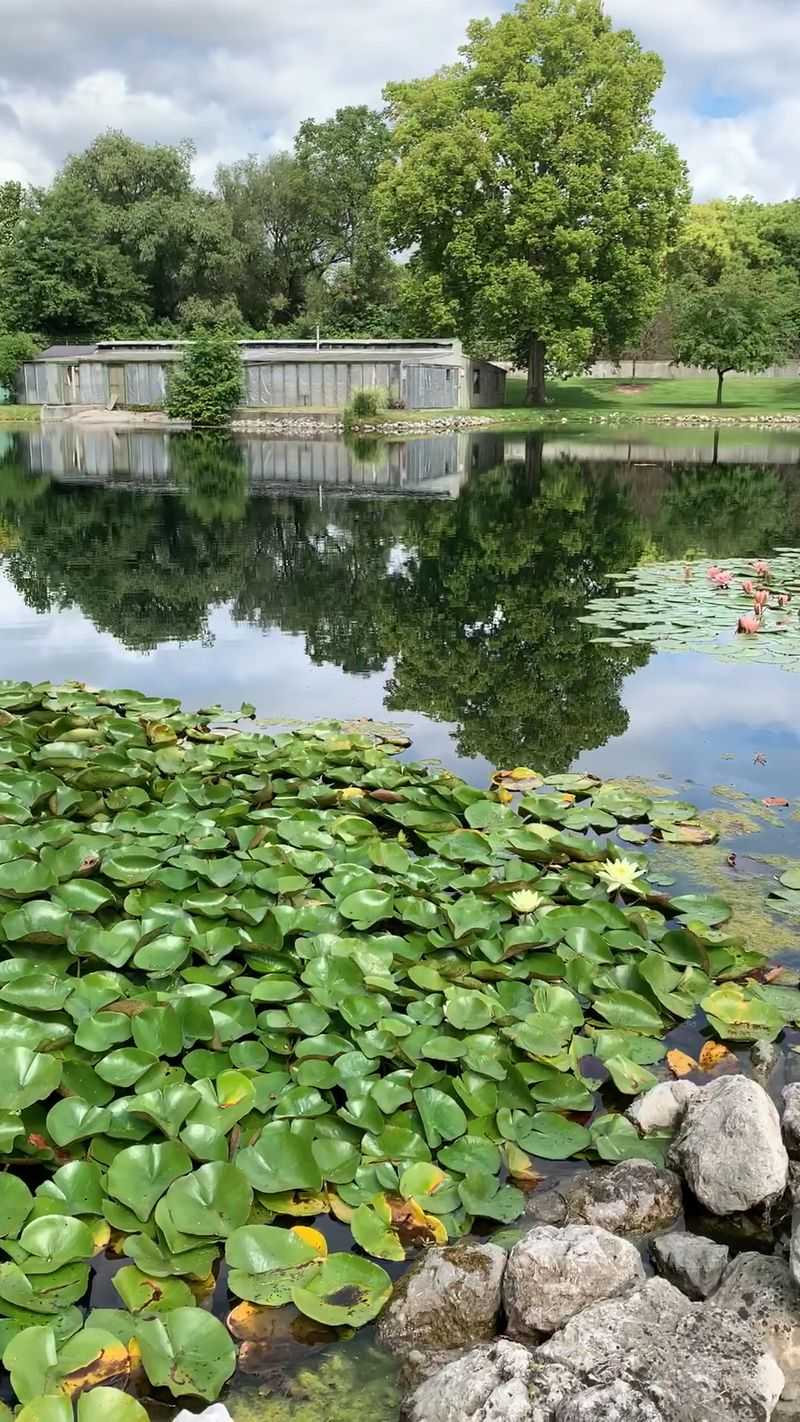
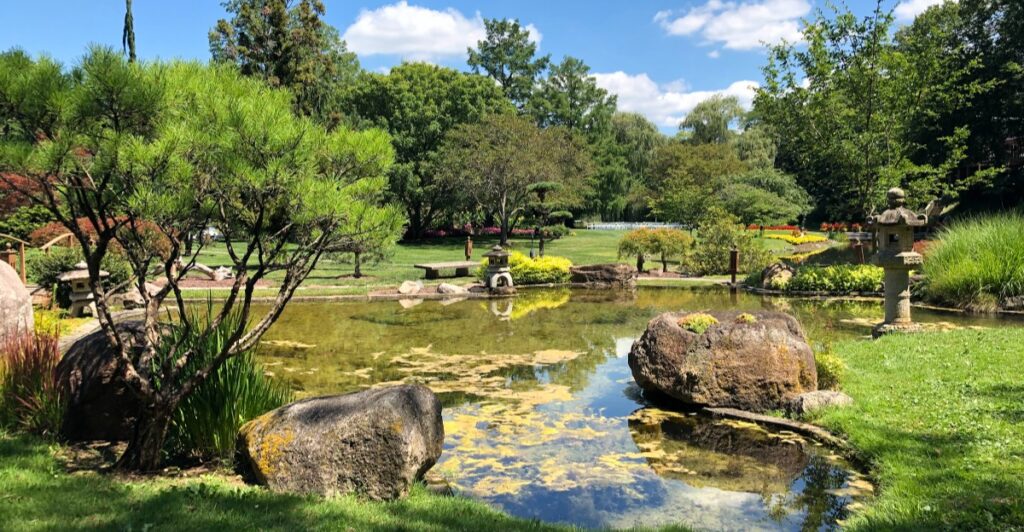
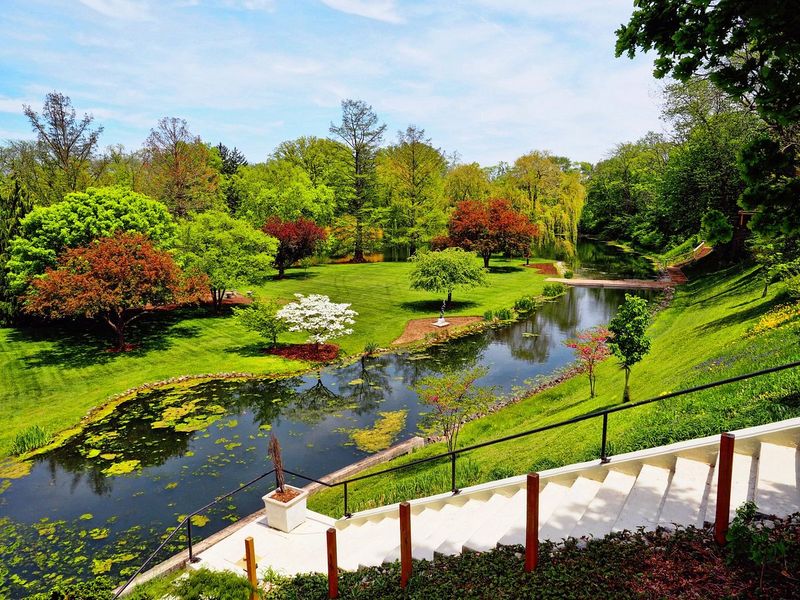
A pond can look simple until you stop beside it. At Schedel Gardens, visitors have noted large ponds, water features, and water lilies, giving the landscape another reason to hold your attention.
Watch for reflections rather than looking only at the water itself. Trees, clouds, and nearby plants can turn the surface into a changing picture, especially when the breeze settles for a moment.
Bring binoculars if you enjoy observing from a distance, but do not expect any particular bird or animal to appear. Some reviews mention swans, yet wildlife sightings and conditions can change between visits.
Keep children close near pond edges and resist the urge to feed animals. A patient pause is more rewarding than trying to draw wildlife toward you, and it helps protect the quiet atmosphere that makes this part of the property appealing to people looking for a relaxed outdoor break during their visit to Elmore, Ohio.
4. Japanese Maples Bring Color and Character
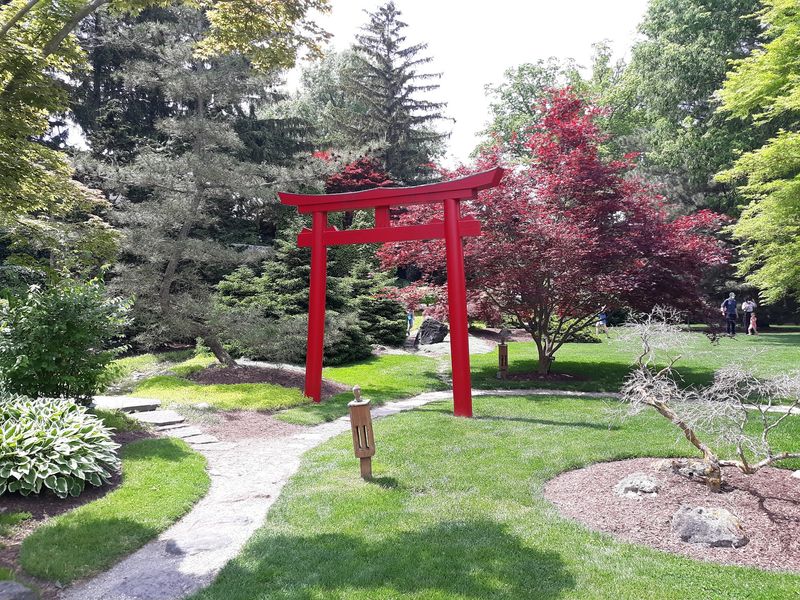
One visitor remembered a Japanese maple with bright red leaves as a highlight of the entire trip. That kind of reaction makes sense when a tree offers both bold color and an interesting shape.
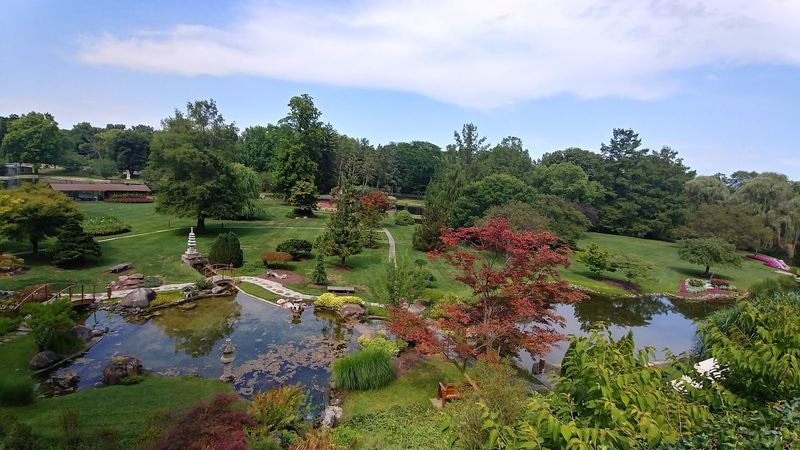
The maples help give the Japanese garden its distinct look. Their leaves can stand out against surrounding greenery, while their branches add structure even when you step back to see the wider landscape.
Color varies with the tree, season, weather, and light, so avoid planning around a guaranteed shade of red. Instead, ask staff what currently looks best and let the garden guide your attention.
A close photograph can show the delicate leaf edges, but a wider picture reveals the tree’s role beside water and paths. Never pull branches into position for a better shot; move yourself instead, and leave each tree exactly as you found it for the next visitor to admire during a peaceful garden walk.
5. Bridges Turn the Walk into Changing Views
Crossing a bridge gives you a small change in perspective without needing to travel far. Reviewers mention maintained bridges in Schedel Gardens’ Japanese area, where paths and water help shape the experience.
Before crossing, take a moment to look at the scene from the approach. Then compare it with the view from the other side, noticing which plants become more visible and how the water catches the light.
Bridges also make useful landmarks when you are finding your way around an unfamiliar garden. Ask for a current map or available visitor guide rather than assuming every path connects where you expect.
For photos, wait until the crossing is clear and avoid blocking people who need to pass. Anyone concerned about steps, uneven ground, or mobility should ask staff about suitable routes before setting out, since visitor reports describe stairs elsewhere on the property and access needs can differ from person to person.
6. A Red Torii Gate Frames the Greenery
Red against green is a combination that catches the eye immediately. A visitor specifically praised the contrast between Schedel Gardens’ torii gate, Japanese maples, and the rich greenery around them.
The gate offers a clear visual landmark within the Japanese garden. Its shape can help frame a photograph, but it is also worth viewing as part of the larger scene rather than as an isolated decoration.
In Japan, torii gates are commonly associated with entrances to Shinto sacred spaces. Seeing one in an Ohio garden can encourage curiosity about the design traditions that inspired the landscape without assuming the site serves a religious purpose.
Try stepping to one side for a picture that includes nearby leaves and the path. Follow posted boundaries, keep hands off garden structures, and let other visitors enjoy their own view of this memorable feature before moving on toward the water and trees along your chosen walking route.
7. Bonsai Offer a Smaller Kind of Wonder
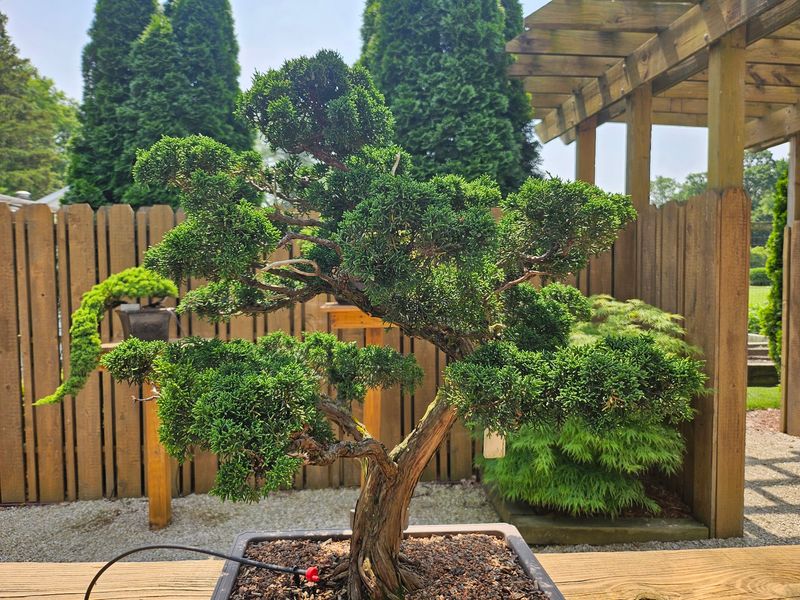
Big scenery is not the only reason to slow down here. Schedel Gardens’ bonsai collection receives repeated praise from visitors, offering a smaller, more detailed contrast to the larger trees and water features.
Bonsai are living trees grown and trained in containers, not simply tiny decorations. Their shapes reflect ongoing care, and looking closely can reveal bark, branching patterns, and leaves that might escape notice on a full-sized tree.
Spend a few minutes comparing different specimens instead of choosing a favorite immediately. One may have a strong upright form, while another catches your attention through a curve or an especially textured trunk.
Keep your hands away from branches, pots, and display surfaces unless staff clearly invite interaction. If you are curious about growing bonsai at home, ask whether educational programs or knowledgeable staff are available during your visit rather than assuming a demonstration will be offered when you arrive at the gardens.
8. Seventeen Acres Give the Garden Room to Breathe
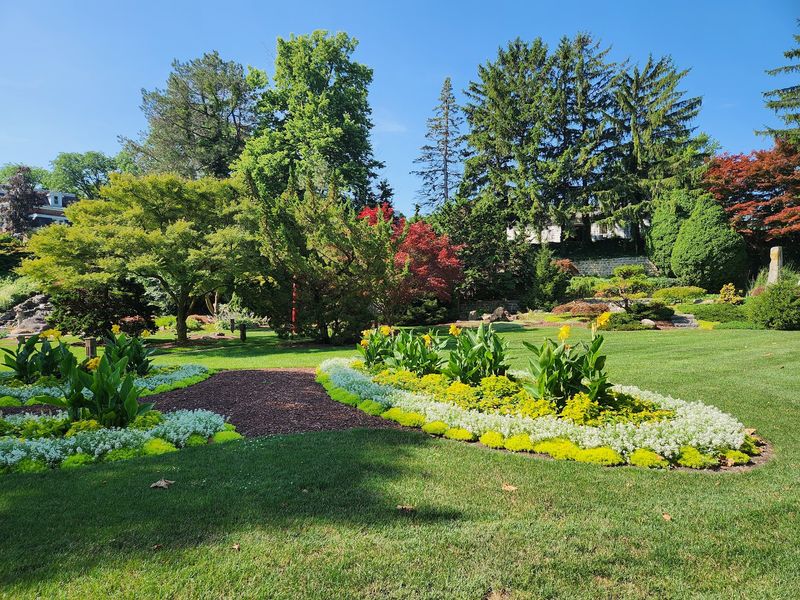
There is more beyond the first beautiful water view. The Japanese garden belongs to a historic 17-acre property known for unusual plant life, giving visitors room to enjoy several kinds of scenery during one outing.
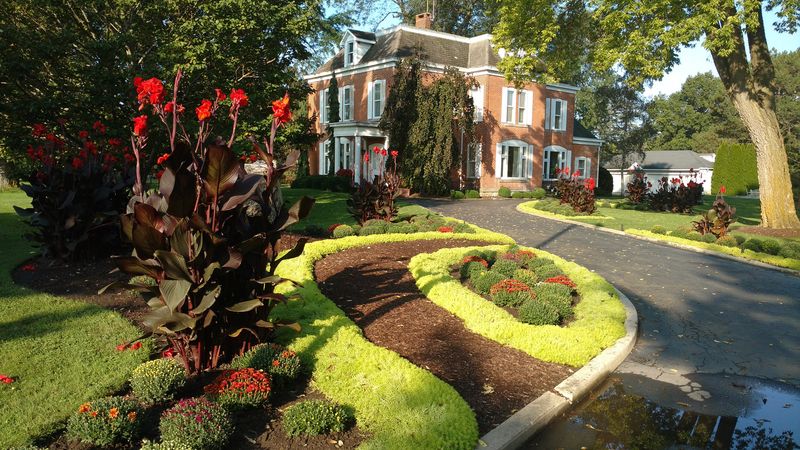
Reviews mention flower gardens, mature trees, and changing seasonal displays alongside the ponds and maples. That variety makes the surrounding grounds worth exploring even if the Japanese garden is your main reason for coming.
Do not expect every flower to bloom at once. A garden visit reflects a particular moment in the season, and visitors have reported seeing different plants at their best on different trips.
Wear comfortable shoes and leave time for pauses rather than trying to cover the property at a fixed speed. If you have a special interest, such as maples or water features, tell staff when you arrive so they can help you focus your walk on accessible areas that suit your plans.
9. Peaceful Moments Need a Little Planning
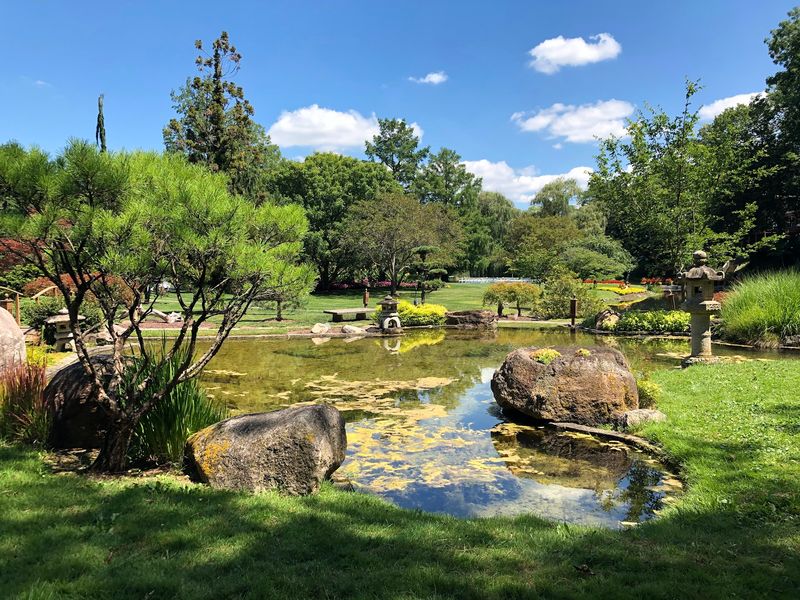
A relaxing outing starts before you reach the pond. Although many visitors praise Schedel Gardens for its peaceful atmosphere, the property also hosts weddings and other events that can affect the day’s experience.
One review describes restricted access to parts of the grounds during a wedding. That does not mean every event closes the same areas, but it does make a quick call especially useful if seeing the Japanese garden is your priority.
Ask whether the waterfall, ponds, and nearby paths will be available during your planned visit. You can also ask about scheduled activities if you prefer a quieter afternoon or want to join an event.
Once inside, keep conversations considerate and give people space at popular viewpoints. Put your phone away for a few minutes, listen to the water, and allow the landscape to hold your attention without turning every stop into another task on a busy sightseeing checklist today.
10. Find Your Way to Elmore’s Garden Retreat
Your garden day becomes much easier when the basic details are settled. Schedel Gardens is located at 19255 W Portage River South Road in Elmore, Ohio, and its phone number is 419-862-3182.
The supplied listing shows Tuesday through Saturday hours of 10 AM to 4 PM and Sunday hours of noon to 4 PM, with Monday closed. Confirm current seasonal hours at schedel-gardens.org before leaving home, since listings and schedules can change.
Admission is another detail to check directly. Reviews mention prices from different years, so those amounts should not be treated as a current ticket list.
Ask about parking, accessible routes, event restrictions, and any visitor rules that matter to your group. With those questions answered, you can spend less time sorting out logistics and more time enjoying the Japanese garden’s water, maple leaves, and carefully arranged views at a pace that feels comfortable for everyone joining your Elmore outing together.
Share this story