Some of the best days in Tennessee cost almost nothing at all. All across the state, free museums, parks, and historic sites sit just minutes from small towns packed with personality. Pair one with the other and you get a full day of stories, scenery, and snacks without draining your wallet.
Grab a full tank of gas and a little curiosity, because these trips prove that fun does not need a ticket price.
1. Chester Inn State Historic Site and Museum – Jonesborough
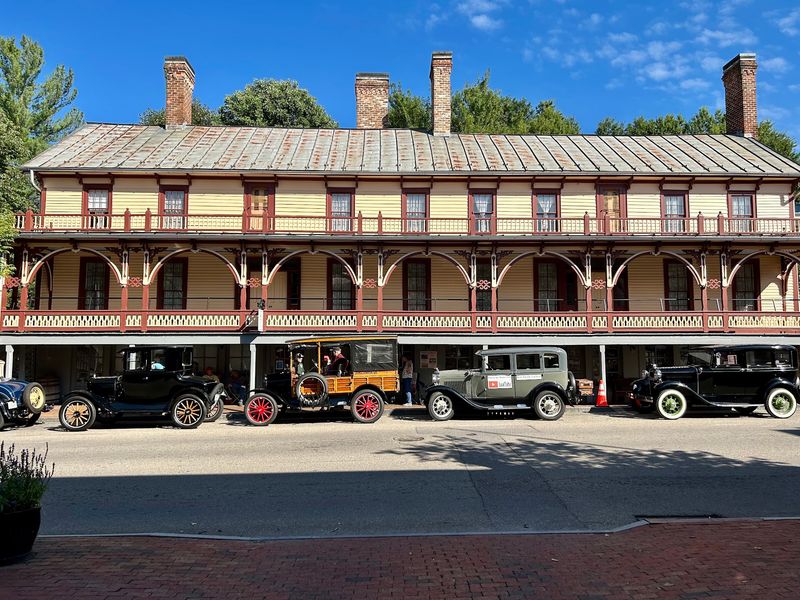
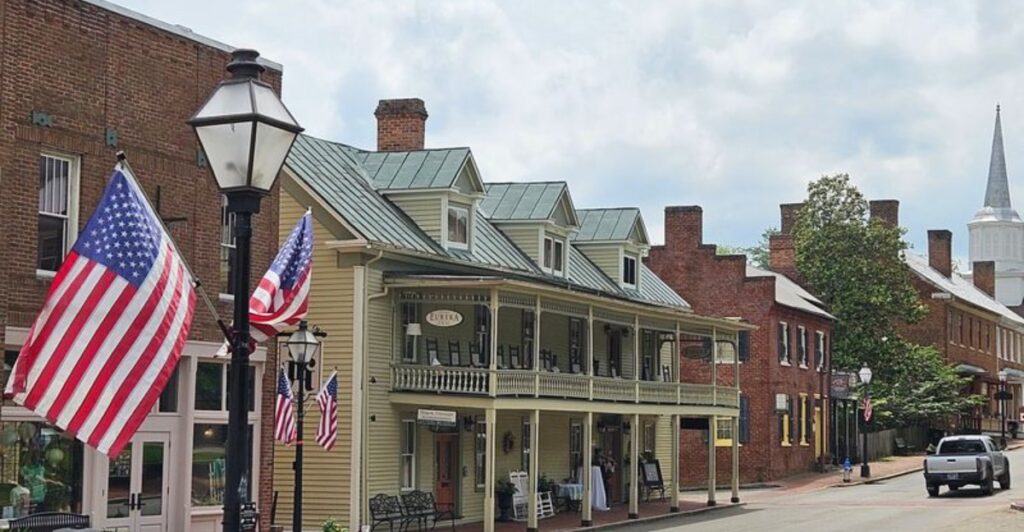
Picture a porch where travelers once kicked off dusty boots after days on rough frontier roads. The Chester Inn has stood on Main Street in Jonesborough since the late 1700s, and it still feels like it is waiting for the next stagecoach. Jonesborough is known as the oldest town in Tennessee, so you are walking right into the start of the state’s story.
Inside, the museum shares how the inn served guests over the years and what life looked like in an early Tennessee town. Exhibits are easy to follow, even for kids who usually yawn at history. Staff and volunteers often have great stories, so ask questions if you get the chance.
Admission has traditionally been free, which makes it a smart first stop. Hours can change with the seasons, so check before you go. A quick call or website visit saves you from a locked door.
Once you step back outside, the whole town becomes your playground. Brick sidewalks lead past old buildings filled with shops, bakeries, and cozy cafes. Window shopping here feels more like a stroll through a storybook than a trip to the mall.
Jonesborough is also famous as the home of the National Storytelling Festival each fall. Even if you visit at another time, the International Storytelling Center sits nearby and adds to the town’s chatty, friendly spirit. Locals here clearly love a good tale.
For lunch, pick a spot on Main Street and grab a window seat. Watching people wander by is half the fun. Save room for something sweet, because the bakeries in town do not mess around.
Spring and fall are especially pretty, with flowers or bright leaves framing the historic buildings. Summer weekends can get busy, so arrive early for easy parking. Comfortable shoes are a must since you will want to explore on foot.
Jonesborough was founded in 1779, before Tennessee was even a state. That means some of the streets you walk were laid out when the country itself was brand new. Not bad for a free afternoon.
2. Old Stone Fort State Archaeological Park – Manchester
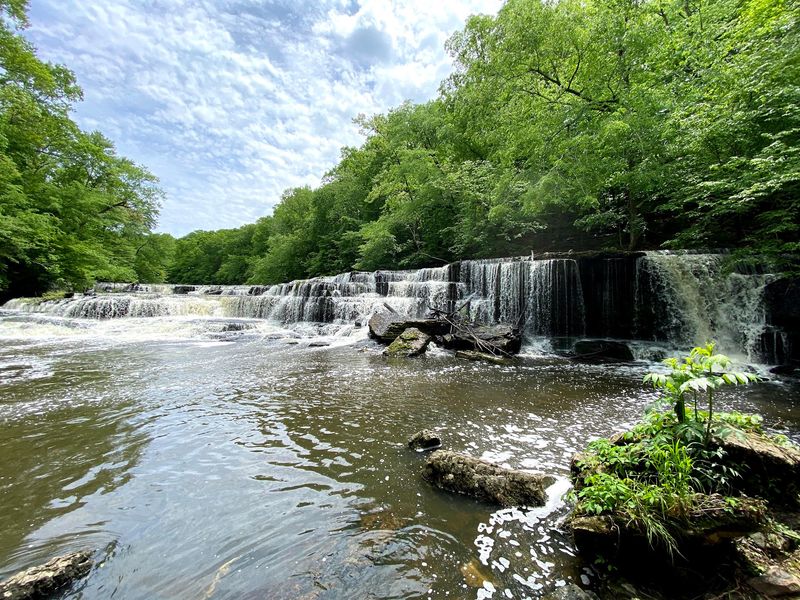
Nearly 2,000 years ago, Native Americans built long walls of stone and earth on a bluff between two rivers. Nobody lived inside them as a fort, which makes the name a little misleading. Experts believe the site was used as a special gathering place for ceremonies.
Walking the trail around the walls at Old Stone Fort State Archaeological Park feels a bit like solving a mystery. The path loops about a mile and a half and passes waterfalls on the Duck River and Little Duck River. Bring your camera, because the falls look great almost any time of year.
Start at the museum and visitor center to get the backstory. Exhibits explain who built the walls and why scientists think the site mattered so much. Ten minutes inside makes the hike outside way more interesting.
Like other Tennessee state parks, entry here is free. That leaves more money for lunch, which is always a win. The trails can be rocky and slick near the water, so wear shoes with good grip.
After your hike, drive a few minutes into Manchester. The town sits right off Interstate 24, but its square has a relaxed, small-town feel. Local restaurants serve hearty Southern plates that hit the spot after a morning on the trail.
Manchester is also the town that hosts the giant Bonnaroo music festival each June. Outside of that wild weekend, things are calm and easygoing. Just avoid festival week unless you love traffic and crowds.
Families with younger kids can keep the hike short and still see plenty. The waterfalls near the start of the trail are close enough for little legs. Pack snacks and water, since picnic spots are easy to find.
3. Andrew Johnson National Historic Site – Greeneville
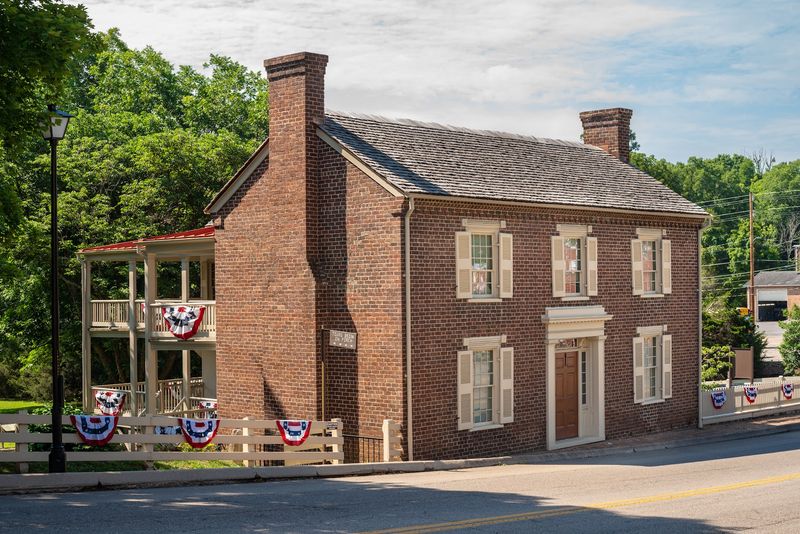
A tailor who could barely read as a boy ended up in the White House. That is the wild true story of Andrew Johnson, the 17th president, and Greeneville is where much of it happened. The National Park Service runs his historic site right in town.
Your visit can include several stops. The visitor center has exhibits and his early tailor shop, while his later homestead sits just down the road. His burial site is at a national cemetery on a hill nearby.
Entrance to the site is free. Tours of the homestead are guided and may have limited spots, so check times with the visitor center when you arrive. Rangers are friendly and know their stuff.
Johnson’s time as president was rocky, and he was the first president to be impeached. The site does not hide that part. It gives a balanced look at a complicated person during a tough time in American history.
Between stops, wander downtown Greeneville. Historic brick buildings line the streets, and murals pop up in surprising places. It is a town that feels lived-in rather than staged.
Hungry? Local diners and cafes make lunch easy without a long drive. Grab a coffee and walk Main Street, peeking into antique shops along the way.
You might leave with a vintage treasure you did not plan on buying.
Greeneville also sits close to the mountains, so the drive in is pretty. Fall color here can be stunning. Leave a little extra time to pull over for photos.
Students working on a history project will find this stop super useful. Seeing the actual tailor shop makes the story feel real. It is one thing to read about a president and another to stand where he once stitched coats.
4. Eiffel Tower Park – Paris
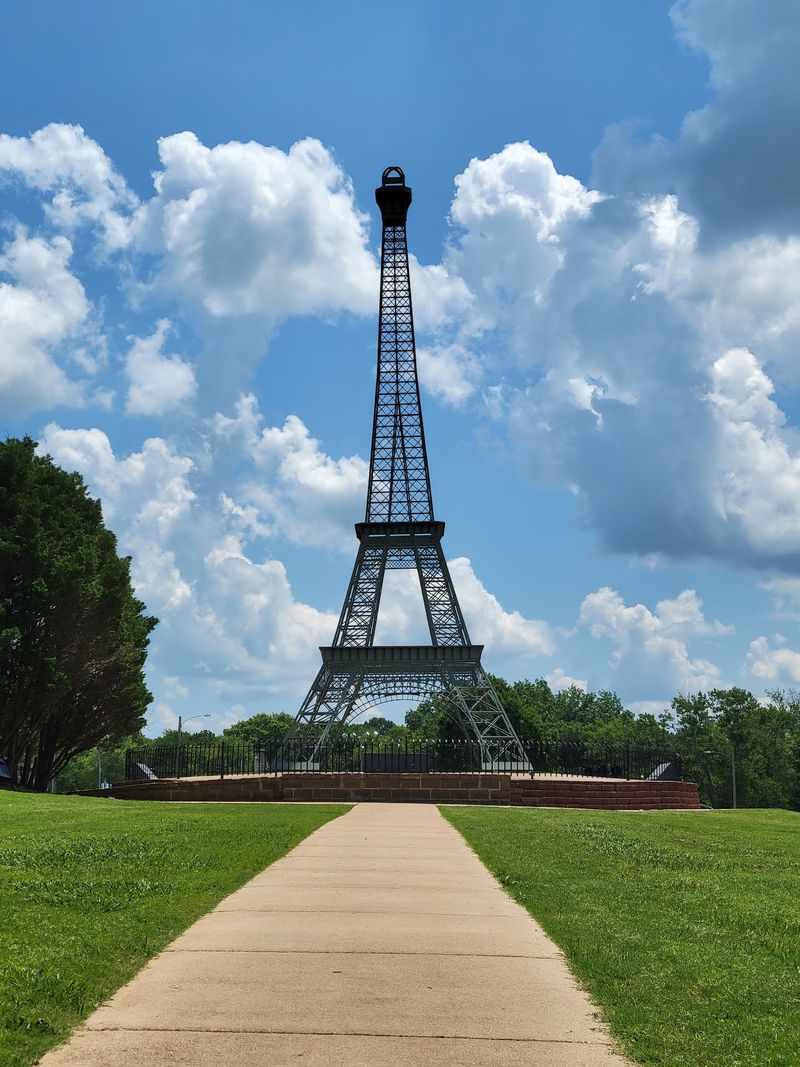
Why fly to France when Tennessee has its own Paris? This small West Tennessee town proudly shows off a 60-foot replica of the Eiffel Tower. It is quirky, it is photo-ready, and it costs nothing to visit.
Eiffel Tower Park sits inside a larger city park with walking paths, picnic spots, and play areas. Kids can burn off energy while grown-ups snap the perfect fake-Paris selfie. Strike a pose like you just finished a croissant.
The tower is not something you climb, so plan on admiring it from the ground. Sunset is a great time for pictures, when the sky turns orange behind the steel. Bring a blanket and make it a picnic.
Paris is also famous for something else that may sound fishy. Every spring, the town throws the World’s Biggest Fish Fry, with tons of catfish, a parade, and plenty of small-town fun. If your trip lines up, you are in for a treat.
Downtown Paris centers around a classic courthouse square. Shops, cafes, and local businesses fill the old buildings around it. It is the kind of place where people still wave at strangers.
Kentucky Lake is not far from town either. If you have extra time, take a drive to the water for views and fresh air. Boaters and anglers love the area for good reason.
For food, look for a local spot serving fried catfish. When in Paris, Tennessee, do as the locals do. Hushpuppies on the side are basically required.
Paris, Tennessee is one of many towns in the United States named after the French capital. A few of them, including one in Texas, also have their own Eiffel Tower replicas. Friendly rivalry, anyone?
This trip works well for families who want something light and goofy. No tickets, no lines, and no stress. Just a giant tower, a sunny park, and a town full of charm.
5. Burgess Falls State Park – Sparta
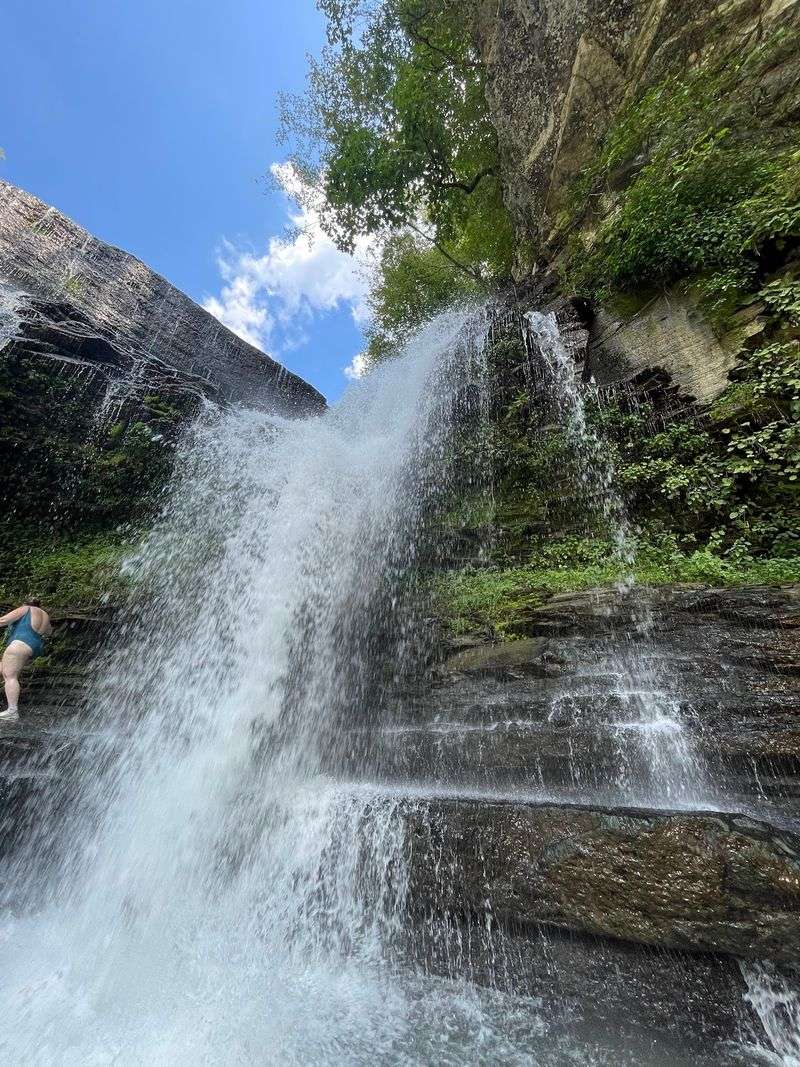
The roar hits you before the view does. At Burgess Falls State Park, the Falling Water River tumbles over a series of waterfalls, ending with a big drop of around 130 feet. It is one of the most jaw-dropping free sights in Middle Tennessee.
A short but steep trail follows the river past smaller falls before reaching overlooks of the main one. The hike is under a mile each way, but the hills will get your heart pumping. Take it slow and enjoy the views as you go.
Trail access can change because of repairs or weather, so check the park’s updates before driving out. Parts of the park have closed in the past after storm damage. A quick look online keeps your plans on track.
Bring water and wear sturdy shoes. Rocks near the river can be slippery, and staying on marked paths is a must. Swimming near the falls is not allowed, so keep your toes dry.
Afterward, head into Sparta, a small town tucked on the edge of the Cumberland Plateau. Its downtown has a laid-back mood, with local eateries and shops worth a peek. It is a nice slowdown after a sweaty hike.
Music fans might enjoy learning that bluegrass legend Lester Flatt grew up in this part of Tennessee. Sparta honors him with local tributes. Listening to some bluegrass on the drive just feels right.
Spring is a great time to visit, when rain keeps the falls flowing strong. Fall brings colorful leaves around the gorge. Summer can be hot, so plan your hike for the morning.
Photographers, take note. Cloudy days can actually make waterfall shots look better, with softer light and fewer shadows. Do not let a gray sky scare you off.
Pack a lunch and use the picnic area near the parking lot. Then roll into Sparta for dessert. Waterfalls and pie make a pretty unbeatable combo.
6. Coke Oven Museum – Dunlap
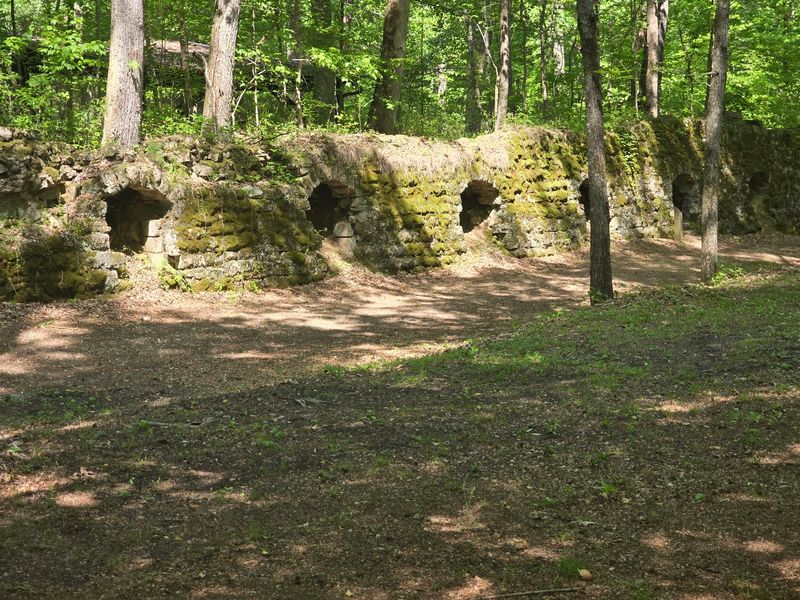
Rows of stone ovens sit quietly in the woods, covered in moss like ruins from a lost world. They are not ancient, though. These are the remains of a coal and coke operation that once powered industry in the Sequatchie Valley.
The Dunlap Coke Ovens Park and Museum tells the story of how coal was baked into coke, a fuel used to make iron and steel. Workers labored here in the late 1800s and early 1900s. It was hot, hard, and dirty work.
The museum building holds photos, tools, and local history. Outside, trails lead past the ovens themselves, many still lined up in long rows. Walking among them feels a little eerie in the best way.
Admission is free, though donations help keep the place running. Hours can be limited, so check ahead. Volunteers often run things, and their pride in local history really shows.
Dunlap itself is a small town surrounded by mountain ridges. The Sequatchie Valley is long, narrow, and gorgeous, especially when fog drifts over the hills. The drive alone is worth the trip.
Grab a bite at a local diner in town, where portions tend to be generous. Ask locals for their favorite spot. People here are happy to point you in the right direction.
Dunlap is also known for hang gliding, since the ridges create great lift. On clear days, you might spot colorful gliders floating overhead. It is a surprising sight in such a quiet place.
History buffs and curious kids both find something here. The ovens make abstract history feel solid and real. You can touch the very stones that once glowed with heat.
Consider this a hidden gem kind of stop. It is not crowded, it is not flashy, and that is exactly the appeal. You get an honest look at the hard work that built the region.
7. Cookeville Depot Museum – Cookeville
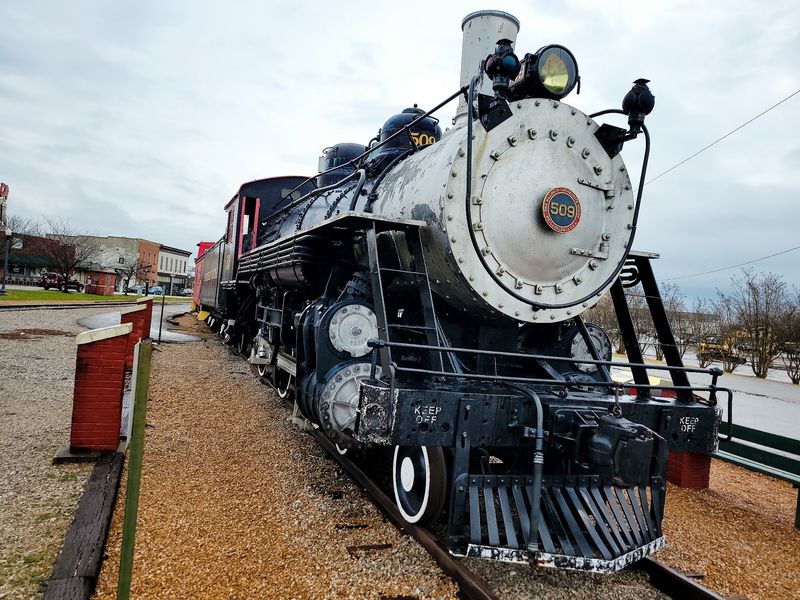
All aboard for a free ride through time! The Cookeville Depot Museum lives in a restored train station built in 1909. With its pagoda-style roof and bright details, it looks almost too cute to be real.
Inside, displays share how the railroad shaped Cookeville and the Upper Cumberland region. Old photos, signals, and railroad gear fill the rooms. Kids usually perk up the moment they spot the trains outside.
Out back, you can see a steam locomotive and cabooses on display. Some can be explored up close, depending on the day. Train fans of every age tend to grin like it is a holiday.
The museum has offered free admission, which makes it an easy add to any trip. Hours vary, so check before heading out. It does not take long to see, so pair it with a longer town stroll.
The depot sits in the West Side district, a lively area full of restaurants, shops, and music spots. It is one of the best parts of Cookeville to explore on foot. Grab dinner and stick around if live music is playing.
Cookeville is also home to Tennessee Tech University. That college presence gives the town a youthful buzz. Coffee shops and casual eateries are easy to find.
Nature lovers have options too. Cummins Falls and other waterfall parks are a short drive away. You could squeeze in a hike and still make it back for dinner.
Plan for an easygoing afternoon. Start with the trains, wander the shops, and finish with a good meal. Simple plans are sometimes the best ones.
8. Fort Defiance Civil War Park – Clarksville
High on a bluff above where the Red River meets the Cumberland, soldiers once dug earthen walls to guard the waterways. Today, Fort Defiance Civil War Park lets you walk those same grounds for free. The views alone make the climb worth it.
The modern interpretive center is a great starting point. Exhibits explain the fort’s role during the Civil War and how Clarksville was affected. It also shares stories of people who sought freedom in the area during the war.
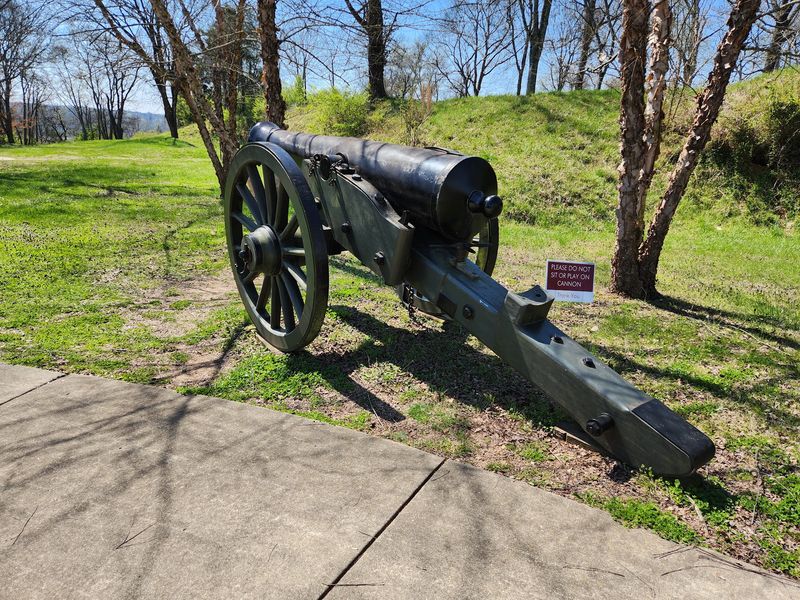
Outside, trails wind through the woods to the old earthworks. Signs help you picture what life was like for soldiers stationed here. A replica cannon makes for a popular photo spot.
The trails are fairly short and easy, but expect some hills. Visit in the morning for cooler temps and quieter paths. Bug spray is a smart move in summer.
Downtown Clarksville is just a few minutes away. Franklin Street is the main drag, lined with restaurants, shops, and historic buildings. There is a fun mix of old charm and new energy.
Clarksville sits near Fort Campbell, so the town has deep military ties. That connection adds a sense of pride you can feel around town. Austin Peay State University also brings a college vibe.
Food lovers will find plenty to choose from downtown. Try a local coffee shop, then grab a meal at a spot along Franklin Street. The riverfront park nearby is perfect for walking off lunch.
Speaking of the river, McGregor Park and the RiverWalk stretch along the Cumberland. It is a pleasant place to watch boats drift by. Sunsets over the water can be gorgeous.
For a full day, start at the fort, head downtown, and wrap up by the river. You will get history, food, and scenery in one tidy loop. Clarksville makes it easy to fill an afternoon.
9. Chickasaw Trace Park – Columbia
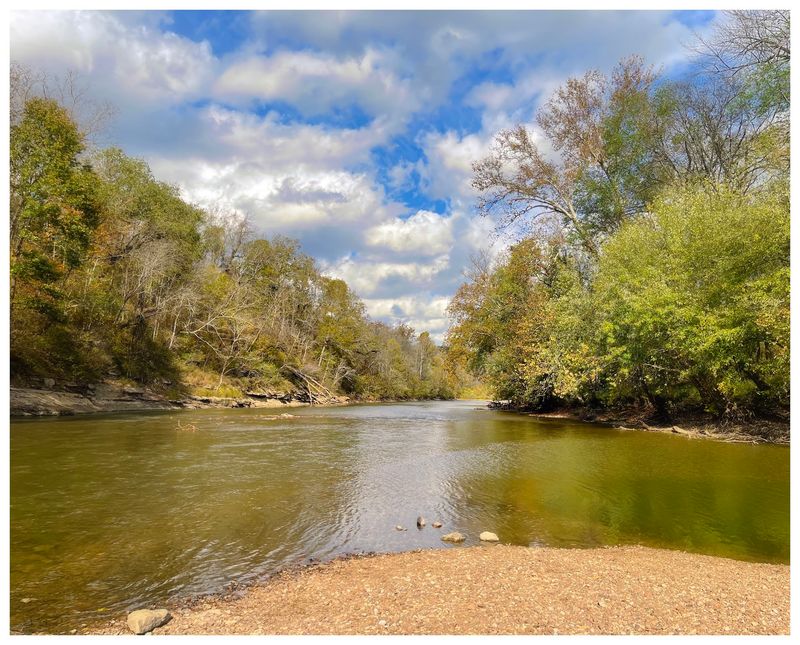
Some parks shout for attention, but Chickasaw Trace Park in Columbia prefers to just quietly win you over. Shady trails, open space, and a relaxed vibe make it a favorite with locals. Best of all, it is free.
The park is known for its trails, used by walkers, runners, and mountain bikers. Paths wind through woods and past water, giving you a real outdoor feel close to town. Bring your bike if you have one.
Families will find room to spread out and play. Pack a picnic and let the kids explore. Dog owners also enjoy the space, so expect some furry trail buddies.
Trail conditions can get muddy after rain. Check local updates or ask around before biking. Wearing old sneakers is never a bad plan here.
After some fresh air, head to downtown Columbia. The town square is full of antique shops, boutiques, and local restaurants. It has become one of the busiest small-town squares in Middle Tennessee.
Columbia proudly calls itself the Mule Capital of the World. Each spring, Mule Day brings a parade and festivities that celebrate the town’s history with these hardworking animals. It is as charming and quirky as it sounds.
History fans should know Columbia is also home to the James K. Polk Home, where the 11th president lived as a young man. It is right near downtown.
Admission there may cost a fee, so check details if you want to add it.
Food on the square ranges from casual cafes to cozy dinner spots. Ice cream after a long walk is basically a law. Grab a cone and people-watch from a bench.
This trip is great for anyone who wants a little exercise before shopping. Muddy shoes in the morning, shopping bags in the afternoon. That is a pretty great balance.
10. Rhea County Courthouse and Scopes Trial Museum – Dayton
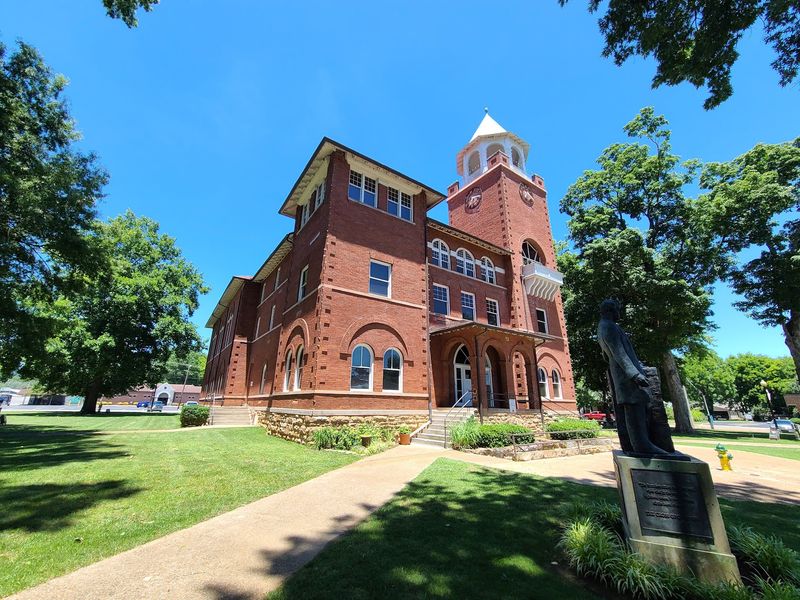
In the summer of 1925, a small Tennessee town grabbed headlines around the world. A teacher named John Scopes was put on trial for teaching evolution, and the case became known as the Scopes Monkey Trial. It all happened inside the Rhea County Courthouse in Dayton.
Remarkably, the courthouse is still in use today. The second-floor courtroom has been restored to look much like it did during the trial. Standing inside, you can almost hear the heated arguments echoing off the walls.
The Scopes Trial Museum sits in the basement. It holds photos, newspaper clippings, and items connected to the famous case. Admission has been free, though hours can be limited.
Famous lawyers William Jennings Bryan and Clarence Darrow faced off here. The trial drew huge crowds, reporters, and even entertainers to town. It was one of the first trials broadcast on radio.
Every July, Dayton hosts the Scopes Trial Play and Festival. Locals act out the trial right in the courthouse. If your timing works, it is a memorable way to experience the story.
Outside, look for statues of Bryan and Darrow on the courthouse lawn. They make for a fun history-themed photo. Kids usually get a kick out of posing next to them.
Downtown Dayton is small and walkable. Grab lunch at a local spot and browse the nearby shops. Everything feels relaxed and friendly.
Nature is close by too. Laurel-Snow State Natural Area sits just outside town, with trails leading to waterfalls. If you have energy left, it makes a great add-on.
Dayton also celebrates its strawberries each spring with a festival. Fresh berries and small-town parades make for a sweet weekend. Visit then, and dessert is basically guaranteed.
For students and history fans, this stop is a must. It turns a textbook chapter into something you can see and feel. Not many free attractions can say that.
Share this story