Big cities get all the headlines, but some smaller Texas towns are catching the eye of people with money to put to work. Roads are getting wider, new neighborhoods are popping up, and downtown blocks are getting fresh paint. Many locals drive right past the signs of change without a second thought.
Here are eight towns worth a closer look before everybody else catches on.
1. Seguin
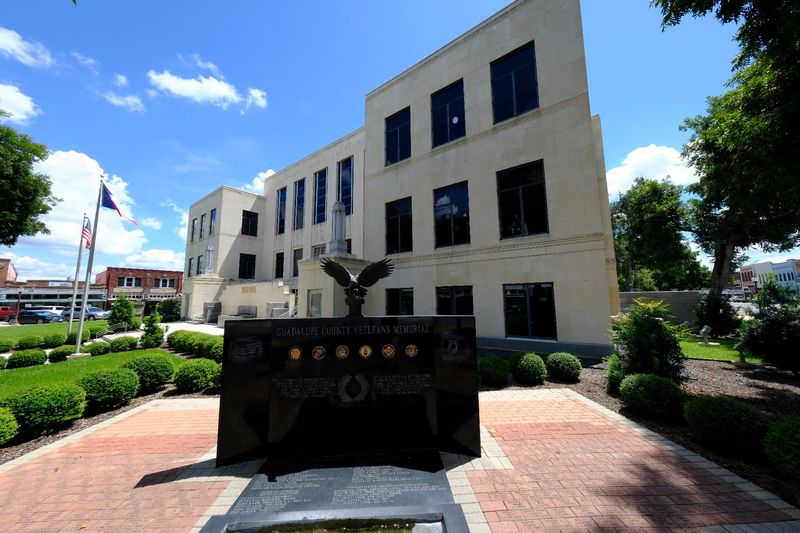
Anybody who has driven Interstate 10 between San Antonio and Houston has probably passed Seguin without stopping. That is exactly why investors are starting to circle. The town sits on a busy corridor with a river running through it, and the giant pecan statue downtown makes a fun photo stop.
Seguin is close to San Antonio and the growing New Braunfels area, so spillover growth has a clear path to reach it. People who want more space and a lower price tag often look here after seeing what homes cost closer to the city. That steady stream of curious buyers keeps builders interested.
Here is a quirky bit of history for you. Seguin is known for early buildings made from a material called lime-grout, a kind of homemade concrete. Some of those old structures still stand, which gives the town character that new suburbs cannot copy.
The downtown square is worth a slow walk. Look for small shops, local eateries, and older buildings that could be fixed up. Investors often hunt for exactly this kind of place, where the bones are good and the prices have not caught up to the potential.
The river and nearby parks add something many fast-growing places lack, which is a real outdoor life. Families like being able to fish, paddle, or picnic without a long drive. That kind of lifestyle tends to keep residents around.
If you want to explore, spend an afternoon driving the neighborhoods on both sides of the highway. Notice where new construction is starting and where older homes are getting updates. Those little clues often tell the story before any report does.
Do your own homework, talk to a local agent, and check the city plans. Seguin rewards people who pay attention early.
2. Brookshire
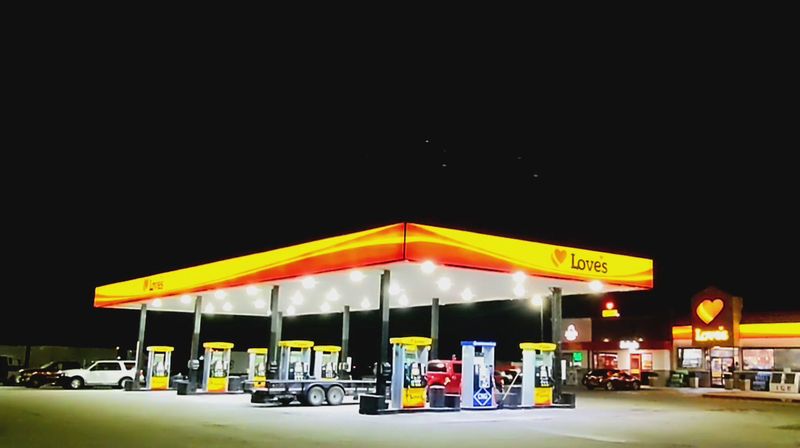
West of Houston, along the Interstate 10 corridor, a small town named Brookshire is getting noticed. Houston keeps stretching outward, and Brookshire sits right in the path. Anyone watching a map can see why people with a long view are paying attention.
The Katy area next door has already boomed, and that kind of growth rarely stops at the city line. When prices in one community climb, buyers and builders start scanning farther down the road. Brookshire often becomes the next stop on that list.
Day to day, the place still feels like a small Texas town. You will find a modest main street, friendly faces, and a pace that would make a Houston commuter jealous. That mix of quiet charm and big-city access is the kind of combination that tends to draw interest.
Land is a big part of the story here. Open parcels can offer room for homes, shops, or warehouses, and that flexibility attracts different kinds of buyers. Some want to build, while others simply hold land and wait.
Highway access matters a lot too. Being near major roads makes delivery trucks and commuters happy, and businesses notice that. Add in a growing population nearby, and demand for services tends to follow.
If you visit, grab a bite from a local spot and chat with whoever is behind the counter. Locals often know which corners are about to change. Ask about new projects, then drive by and see for yourself.
As always, check flood maps, zoning rules, and local plans before you decide anything. Smart investors treat research like a habit, not a chore.
3. Sherman
Close to the Oklahoma line, north of Dallas, Sherman has been collecting some serious buzz. Big industrial and tech projects in North Texas have put the whole Grayson County area on the radar. When large employers pick a region, smaller businesses and new neighbors tend to follow.
That is the heart of the Sherman story. Jobs bring people, people need homes, and homes need grocery stores, coffee shops, and dentists. Investors love watching that chain reaction unfold.
Highway 75 acts like a straight arrow pointing from Dallas straight to town. Folks who work in the northern suburbs can sometimes find more affordable options here. That price gap is a big reason people are looking north.
Sherman also has real history. It is home to a college, Austin College, which adds a youthful energy and a steady flow of visitors. A university presence often helps a town stay lively and useful all year long.
Downtown has older buildings with good character, and a few have been given new life. Pay attention to blocks where vacant storefronts are turning into cafes or offices. Those are early signals that the neighborhood is waking up.
Here is a friendly tip if you are scouting. Visit on a weekday and again on a weekend, because the feel can change a lot. Watching traffic, parking, and foot traffic tells you more than a brochure ever could.
Remember to study local rules and talk to professionals before spending any money. A little patience goes a long way in a place that is still rising.
4. Bastrop
Picture a river town with tall pines, live music, and a main street that looks like a movie set. That is Bastrop, and it sits close enough to Austin to feel the pull of the capital’s growth. The town has managed to keep its personality while newcomers arrive.
Locals know the story of the Lost Pines, a unique stand of loblolly pines far from the main forest in East Texas. That setting gives Bastrop a look you will not find in most central Texas towns. People come for the scenery and end up staying.
Tourism helps the local economy, which can be a plus for anyone watching small business trends. Weekend visitors fill restaurants, shops, and rentals, and that steady traffic supports a lively downtown. Short-term stays and boutique hotels have become part of the conversation.
Growth is also showing up in new neighborhoods around town. Families who want a calmer pace while staying near Austin jobs are making the move. That demand keeps builders busy and planners thinking.
The area has faced wildfire and recovery challenges in the past, and the community has worked hard to rebuild. Anyone considering a purchase should learn about local risks and insurance. Being informed is part of being smart.
If you head out for a visit, walk the riverfront and browse the shops along Main Street. Then drive out toward the edges of town to see where fresh construction is happening. Contrasting the two tells you a lot about where Bastrop is headed.
Talk with locals, read city updates, and give yourself time. Bastrop is rewarding for patient observers.
5. Temple
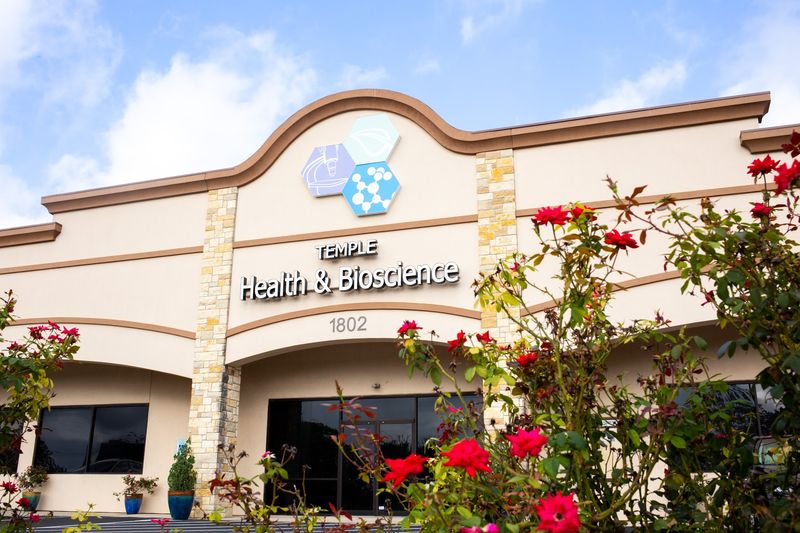
Medicine is a big deal in Temple, and that gives the town a steady backbone. Large hospitals and health facilities employ many people, and those jobs tend to stick around through ups and downs. For anyone studying where a local economy feels solid, that matters.
The town grew up around the railroad, and you can still see traces of that past downtown. Older brick buildings and railroad-era charm give the center some real personality. A few blocks have been brightened up with new restaurants and shops.
Location is another quiet advantage. Temple sits along Interstate 35 between Austin and Dallas, with Waco and Killeen not far away. Companies that need to move goods or reach several markets like that kind of spot.
Fort Hood’s presence nearby also shapes the region. Military families and related businesses create steady demand for housing and services. Rentals in particular can draw interest from people who want dependable tenants.
Housing prices have historically been friendlier here than in the big metro areas. That means new buyers can get more space without stretching as far. When affordability meets good jobs, people usually show up.
Want to see for yourself? Visit the medical district, then drive through older neighborhoods and newer subdivisions. Notice how each feels, and ask yourself who would want to live there.
Before you act on any hunch, talk with a local real estate pro and read up on city plans. Temple might be calm on the surface, but plenty is happening underneath.
6. Hutto
Yes, the town mascot is a hippo, and yes, there is a story behind it. Hutto proudly calls itself the Hippo Capital of Texas, and the quirky statues around town make visitors grin. Behind the silliness sits a serious growth story.
Hutto lies in Williamson County, one of the fastest-growing areas in the state. Neighborhoods have been spreading outward as people look for homes that fit a tighter budget. Schools, parks, and shopping have been following along.
The location is a big part of the appeal. Austin and Round Rock are within reach, and major employers in the region keep expanding. Commuters can balance work and home life without paying big-city prices.
Small-town touches still hang on. You will see community events, local festivals, and neighbors who wave from the driveway. That feeling can be a major draw for families who want to be part of something.
Investors tend to watch for places with a mix of new construction and room to grow. Hutto has plenty of both, along with ongoing road work and community planning. Keep an eye on how services keep up with the population.
Here is a good scouting trick. Drive around at rush hour and see how the traffic flows, then check out the newest neighborhoods on a quiet weekend. Details like these reveal what daily life actually looks like.
As with any purchase, read the fine print, compare options, and ask questions. Hutto may have a goofy mascot, but the opportunity is no joke.
7. Georgetown
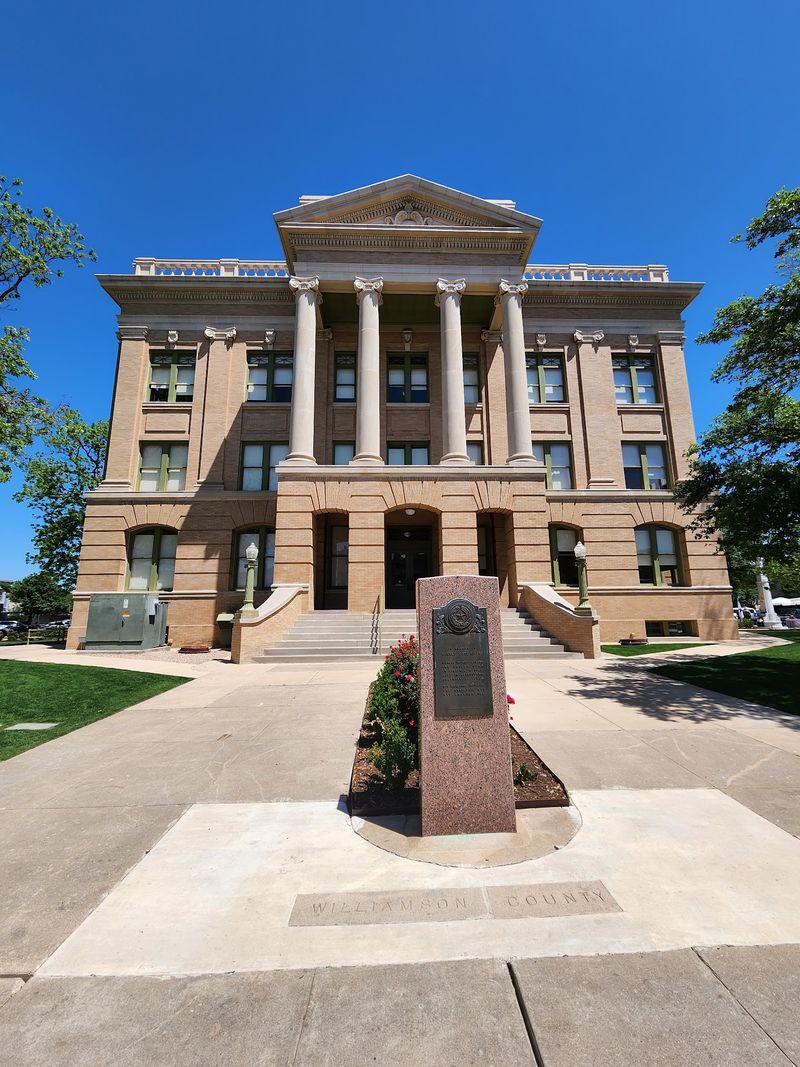
Few Texas squares are as photogenic as the one in Georgetown. Victorian buildings ring the courthouse, and shops and restaurants keep the sidewalks busy. The town has earned a reputation for charm, and people have noticed.
Growth has come steadily north of Austin, and Georgetown has been right in the path. Retirees, young families, and remote workers have all found reasons to settle here. That range of residents keeps demand fairly broad.
Housing in Georgetown tends to run higher than in some nearby towns, so investors here often think about long-term value. Well-kept neighborhoods and strong local pride make a difference. People like living in places that look cared for.
Outdoor spaces give the town extra appeal. The San Gabriel River winds through parks and trails, and locals use them daily. Green space is a feature that tends to hold its appeal over time.
Events fill the calendar too, from festivals to holiday lights around the square. Those gatherings bring visitors who spend money at local businesses. A lively downtown can be a sign of healthy demand.
When you visit, plan to wander the square, then venture out to newer neighborhoods and shopping areas. Compare the historic core with the growth zones near the highway. The contrast shows how the town is balancing old and new.
Check local rules, study price trends, and talk to a trusted professional before you decide anything. Georgetown rewards careful planning, and its charm is a bonus.
8. Taylor
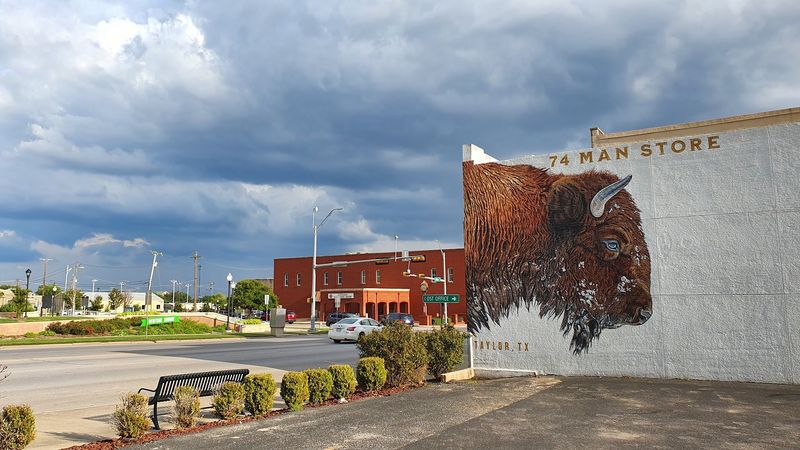
Taylor has a gritty, honest feel that makes it stand out. Old brick storefronts, railroad history, and barbecue smoke drifting down the street give it real flavor. It also happens to be getting a lot of attention from people who track big business moves.
Large manufacturing and tech projects in the region have put Taylor on the map. When a major employer picks a location, the whole area feels the ripple. New jobs mean new neighbors, and new neighbors need places to live.
Prices here have traditionally been lower than in the Austin core, which makes the town attractive to many buyers. People who like character over polish tend to love the downtown. Older buildings can be updated and turned into restaurants, studios, or offices.
Food is a local point of pride. Barbecue fans know Taylor for its smoky spots, and visitors come just to eat. That kind of draw helps small businesses stay busy.
The town is also near major roads, so getting to Austin, Round Rock, and beyond is simple. Companies that ship products or need workers from several areas see value in that. It is practical, and practical is what investors like.
If you go, take a stroll through the old downtown and notice which buildings look loved and which look forgotten. Then drive past newer development on the edges. Seeing both sides gives you a feel for where momentum is building.
Keep your research sharp and ask plenty of questions. Taylor is still unfolding, and that is part of the thrill.
Share this story