Texas is famous for its wide open skies, but some of its best stories are hiding beneath your boots. Caves glitter with crystal, old riverbeds hold dinosaur tracks, and hidden tunnels run under busy city streets. Grab a light jacket and a sense of curiosity, because this trip heads down instead of up.
Here are ten spots where the underground steals the show.
1. Inner Space Cavern
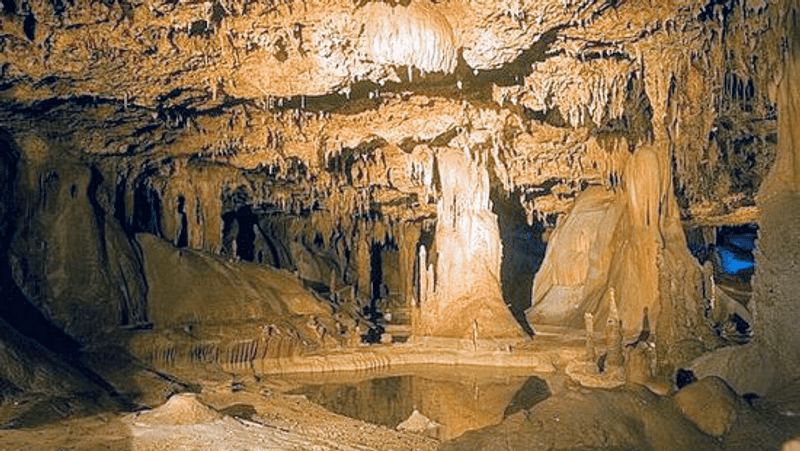
Drivers on Interstate 35 once had no idea that a glittering cave sat just under the pavement. Workers drilling for a highway project in 1963 broke into the chamber, and Georgetown suddenly had a secret to share.
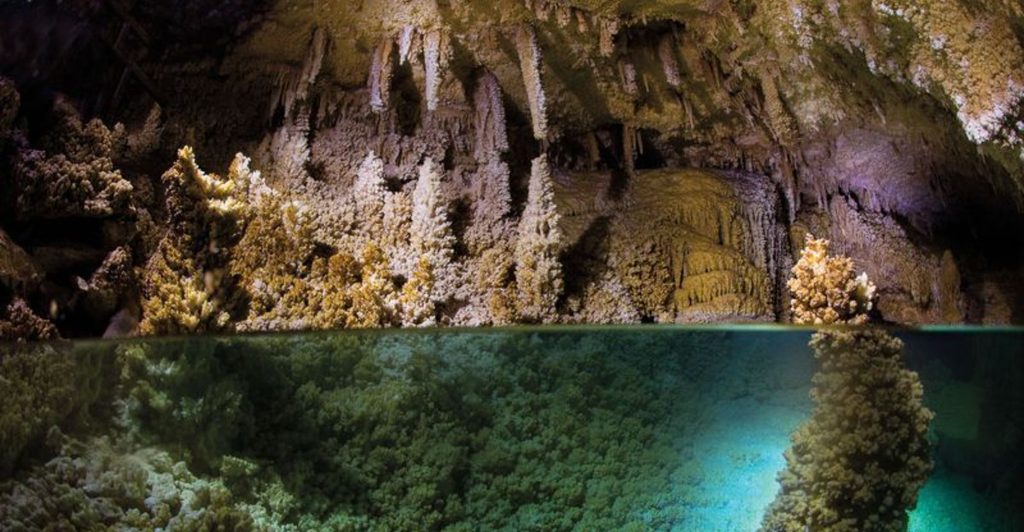
Today the cavern is a tidy walk through rooms packed with dripping formations. Stalactites hang from the ceiling like stone icicles, while stalagmites rise from the floor to meet them. Guides point out shapes and sparkles that are easy to miss if you rush.
The temperature stays cool all year, so a summer visit feels like stepping into a giant refrigerator. That makes it a smart escape on a triple-digit day. Wear shoes with decent grip, since cave floors can be damp and a little slick.
Tours come in different styles, from relaxed walks to more adventurous routes where you may need to crouch and scramble. Pick the one that matches your comfort level and your crew. Younger kids often love the easier tour, while teens may want the extra challenge.
Photography is a fun part of the visit. Low light can blur pictures, so steady your phone against a railing and take your time. Ask the guide where the best photo spots are, because they usually know the angles that make the formations pop.
Before you go, check the schedule and book ahead on busy weekends. Plan a little extra time to explore Georgetown’s town square afterward. It is a charming way to come back up into the sunshine and grab a snack.
Fun detail: caves like this take thousands of years to grow a single inch of formation, so touching the rock is a no-go. Oils from hands can stop the growth.
2. Mineral Wells Fossil Park
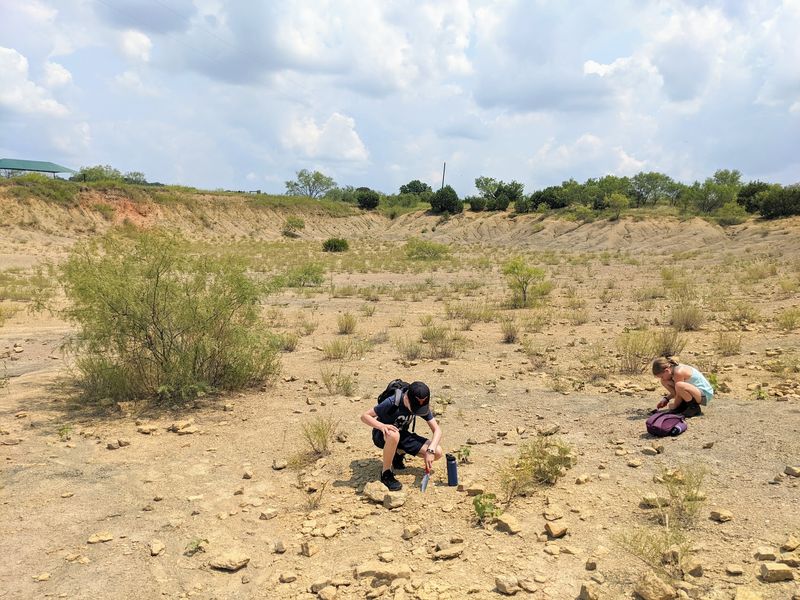
Bring a bucket and be ready to get dirty, because this is a place where the ground gives you the prizes. Visitors dig through piles of rock and soil looking for ancient sea creatures that lived long before dinosaurs.
The park sits on land that was once covered by a shallow sea. That means the finds tend to be things like shells, crinoid pieces, and other marine fossils. Spotting your first one feels like winning a tiny lottery.
Digging is hands-on and wonderfully low-tech. A small trowel, a brush, and some patience go a long way. Kneeling pads and gloves are smart extras, and so is a hat, since shade can be scarce.
Kids take to it fast because there are no fancy rules. You scoop, you sift, you squint, and you shout when something looks interesting. Adults usually end up just as hooked, and many are the last ones still digging when the sun starts to drop.
Plan your trip around the weather. Rain can turn the dig area muddy, and midday summer heat can wear you out quickly. Early morning is often the sweet spot, with cooler air and fewer people.
Bring a small container with a lid to carry your finds home, and wrap delicate pieces in paper towels. Check the park’s current rules on hours and what you can keep before you head out. At home, a gentle rinse and a magnifying glass will reveal details you missed in the field.
Fun detail: some of those little fossils are hundreds of millions of years old, which makes your afternoon snack feel very young.
3. Natural Bridge Caverns
Picture a room so big it swallows a whole tour group and still feels empty. That is the kind of scale waiting below the Hill Country near San Antonio.
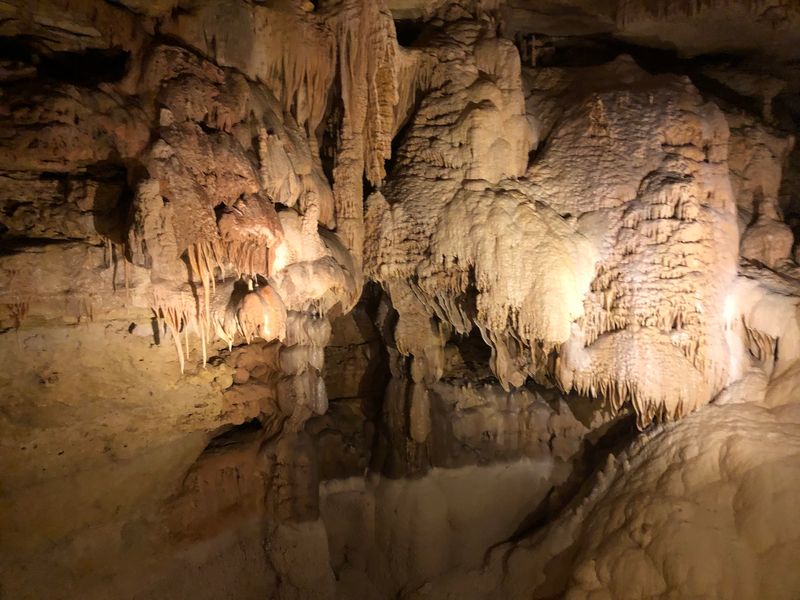
The caverns are known for their huge chambers and dense forests of formations. Some look like frozen waterfalls, others like stone draperies or tiny bumpy cauliflowers. Lighting is arranged to show off texture, so even the plain walls look dramatic.
The path winds downward, and the air gets noticeably cooler and more humid with each step. Expect a steady, damp feeling, plus the occasional drip landing on your shoulder. A light layer is helpful, and shoes with real tread are even better.
Above ground, the property has more to offer, including an adventure area with ropes, ziplines, and open-air activities. That gives you a way to make a full day out of it. Just remember that the cave tour often sells out on weekends, so reserve a time early.
Guides here tend to share stories about how the cave was explored and who first crawled inside. Listen for those details, because they make the formations feel less like decoration and more like a long-running science project. You may catch yourself whispering without being asked.
For the best photos, slow down and let your eyes adjust before you lift your phone. Stand still, brace your elbows, and shoot the big rooms in wide angles. Bring a small bottle of water, but keep snacks in the car to protect the cave floor.
Fun detail: the name comes from a natural limestone arch near the entrance that you can see before you head below.
4. Dinosaur Valley State Park
Walk into the Paluxy River on a low-water day and you might be standing in the same spot where a giant creature stomped about 110 million years ago. The footprints are real, pressed into the riverbed and left to harden into stone.
Finding them is half the fun. Some tracks are filled with water and look like round puddles, while others show clear three-toed shapes. Rangers and posted signs help you know where to look, and a little scouting turns a hike into a treasure hunt.
Two kinds of dinosaurs left their marks here. Long-necked plant eaters made big, round prints, and meat-eating hunters left sharper, clawed ones. Seeing both types side by side makes it easy to imagine a prehistoric traffic jam.
Water levels change with the weather, so check conditions before you go. After heavy rain, the tracks can be buried under mud and flowing water. In dry spells, more of them show up.
The park also has hiking and biking trails, camping spots, and rocky overlooks. Wear shoes that can get wet, and carry plenty of water, since Texas sun bounces off the limestone. Sunscreen and a hat will save you from a lobster-red afternoon.
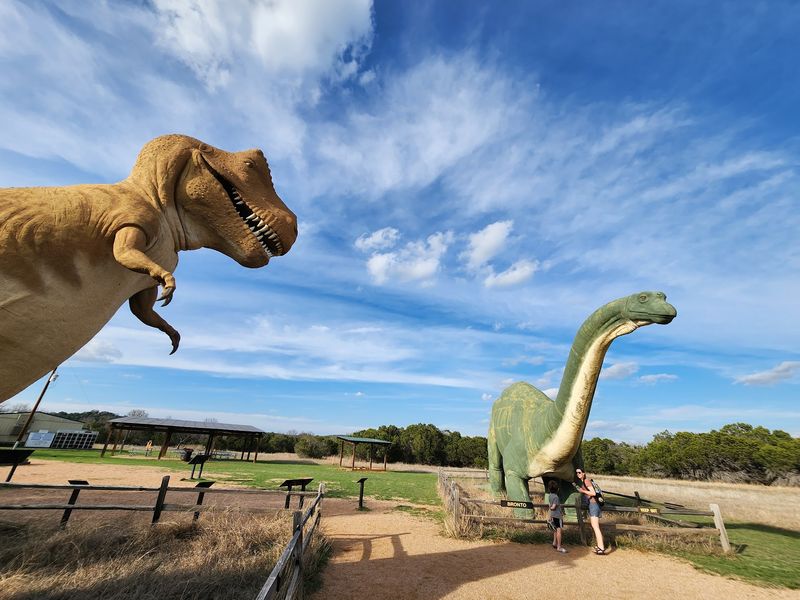
Near the entrance you will meet a pair of big dinosaur models that are perfect for family photos. Kids love them, and honestly adults do too. Take a moment to compare their size with your own footprint in the mud.
Fun detail: the tracks were uncovered when floods scoured the riverbed, so nature itself dug them up for us.
5. Downtown Houston Tunnel System

When a Houston summer afternoon feels like walking through a warm washcloth, locals simply go downstairs. A network of climate-controlled walkways links buildings across downtown, and it keeps people cool, dry, and on schedule.
The tunnels are less like a spooky cellar and more like a hidden main street. Expect bright lights, polished floors, and a steady flow of business folks heading to meetings. Along the way you will find sandwich counters, coffee stops, and small shops tucked between the corridors.
Timing matters here. Weekday lunch hours buzz with energy, while weekends and evenings can feel quiet and some businesses may be closed. If you want the full atmosphere, go on a weekday around noon.
Finding your way takes a little practice. Signs and building directories help, but it is easy to pop up a block away from where you planned. Download a map before you head down, and keep track of which building you started in.
Wear comfortable shoes, because the system is long and you will probably walk more than you expect. Rainy days are an excellent time to try it, since you can cross large parts of downtown without touching a puddle. Think of it as a shortcut with snacks.
Look for the architectural details that change from one section to the next. Some stretches have modern art, while others show off older design touches. Those small differences make the walk feel like a tour through different eras.
Fun detail: many locals treat the tunnels as a daily routine, so hang back and follow the pace of the crowd.
6. Caverns of Sonora
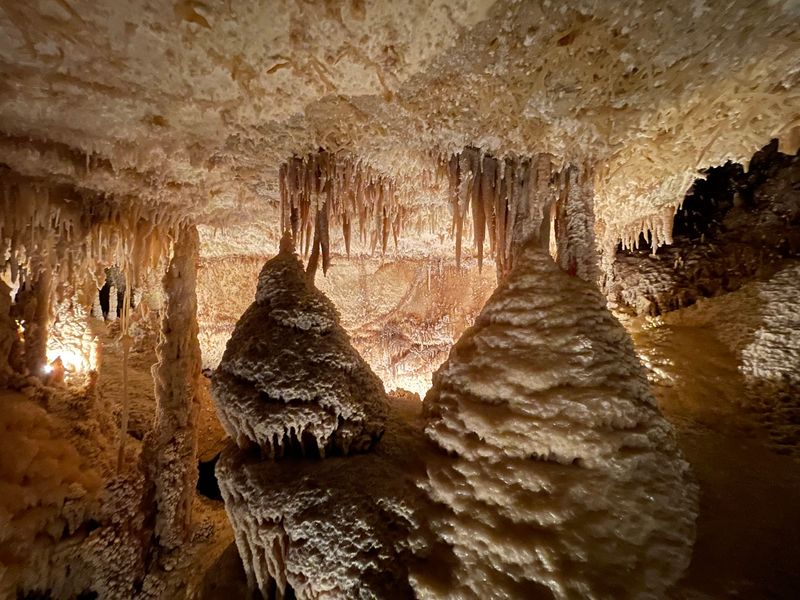
Some caves are impressive, and then there is the one people describe as a jewelry box for the whole earth. Out in the West Texas hills near Sonora, the passages are packed with delicate crystal shapes that seem to defy gravity.
The star attraction is a rare kind of formation called helictites. Instead of hanging straight down, they twist and curl in every direction like frozen sparklers. Guides explain how tiny water pressure and mineral changes create the odd shapes, and the science is as fun as the scenery.
Trails inside the cave are well marked, and the tour moves at a comfortable pace. You will pass narrow squeezes, tall rooms, and little crystal-lined nooks. Stay close to your group, because the best details sit just off the main path.
Temperatures inside are mild but humid, so dress in layers you can peel off. Skip the heavy perfume and bring a sense of quiet, as sound carries in the chambers. Photos turn out better if you wait for the group to move ahead and then take your shot.
Sonora is a small town, so plan your meals and gas stops ahead of time. The drive from bigger cities can be long, which makes this a good addition to a road trip. Leave early in the day to give yourself time without rushing.
Before leaving, spend a minute in the gift area to see crystals and rocks from around the world. It is a nice way to connect what you saw underground with real specimens you can hold.
Fun detail: some formations here are thin as a pencil, yet they have grown for ages.
7. Waco Mammoth National Monument
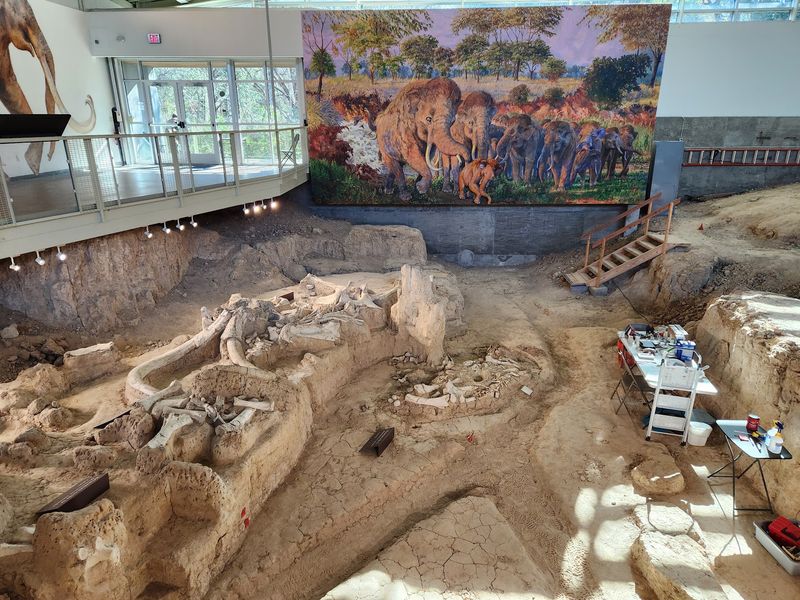
Standing over a real Columbian mammoth bone bed is a strange kind of time travel. At this spot near the Brazos River in Waco, fossils rest right where they were found, protected under a covered structure.
Walkways let you look down at the bones from above. You will see tusks, ribs, and leg bones that belonged to giants of the Ice Age. Rangers and guides help you piece together the story of how these animals ended up in the same place.
Tours are the best way to understand what you are seeing. Guides explain how scientists map each bone, brush away dirt, and decide what the discoveries mean. The details turn a pile of old bones into a lively puzzle.
Kids tend to remember the scale. A mammoth could stand far taller than a grown adult, so imagine one wandering through central Texas. That mental picture sticks with you long after you leave.
The site sits among trees and trails, which makes it pleasant for a short walk before or after your tour. Bring water and a hat, because the shelter can feel warm in summer. Plan to arrive a bit early, since tours can fill up on busy days.
Wear comfortable shoes and check the current tour schedule and fees before you leave home. Waco itself has plenty of places to eat and wander, so you can build a whole day around this stop.
Fun detail: the bones here were found by two men hunting for arrowheads, which is a pretty big surprise to stumble upon.
8. Longhorn Cavern State Park
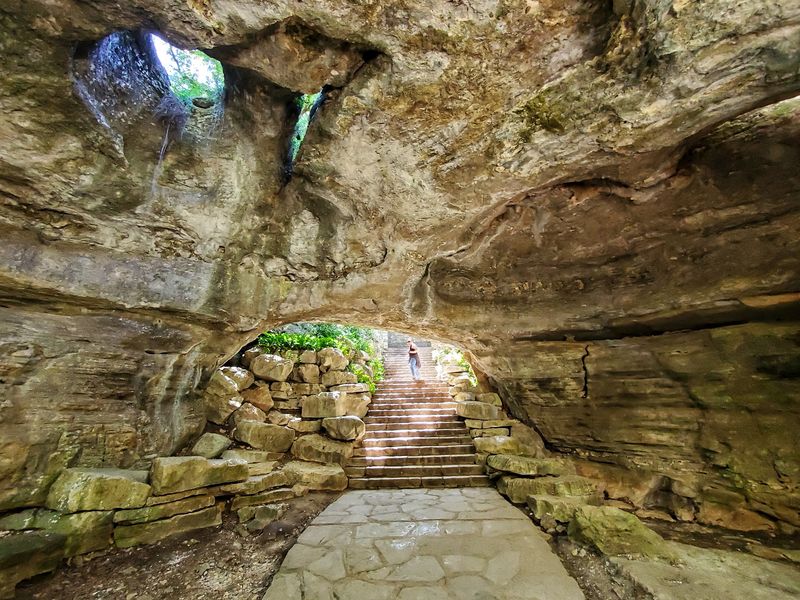
Few caves can claim a past that includes outlaws, soldiers, and even a dance floor. Longhorn Cavern, tucked in the Hill Country near Burnet, has seen plenty of human history on top of its natural beauty.
Unlike some caves that rely on spiky formations, this one was shaped largely by flowing water. The walls look smooth and sculpted, with curved passages and polished surfaces. It feels like walking through a giant stone tube made by an ancient river.
Guides share stories of how people have used the cave over the years. Some tales are a little tall, so enjoy them with a grin. The mix of geology and legend keeps the tour lively.
The park was developed with help from workers during the Great Depression, and you can still see their handiwork in the stonework and paths. That human touch gives the place a different flavor from other caverns. It is a good stop if you like a blend of nature and history.
Wear closed-toe shoes and bring a light jacket, since the cave stays cool. The standard tour is easy for most visitors, and there are longer, more rugged options for those who want to crawl and explore. Check what is offered when you plan your visit.
Above ground, the state park has walking paths and picnic spots where you can rest after your tour. Pair it with a drive through nearby lakes and small towns for a relaxed day. Arrive early on weekends to avoid a wait.
Fun detail: the cave’s passages formed long before any person arrived, yet its echo still feels like a conversation with the past.
9. Texas Capitol Underground Extension

Walk toward the pink granite Capitol in Austin and you might think the main show is overhead. Then you head downstairs and find an entire wing built beneath the lawn, quietly doing a lot of the building’s daily work.
The underground extension was added in the early 1990s to give lawmakers, staff, and visitors more space without changing the historic look above. Skylights and open design keep it from feeling like a basement. Light pours down and makes the halls feel surprisingly cheerful.
From here, a connecting passage leads into the old Capitol. That makes it easy to move between the historic rooms and the newer areas. Look for exhibits, meeting rooms, and a visitor-friendly layout that helps you find your way.
It is a great pick for a hot day or a rainy one. You can cool off, learn some history, and still feel like you have seen something special. Security checks are standard, so plan a few extra minutes and carry only what you need.
Take time to notice the details that connect old and new. Stonework, patterns, and design choices nod to the main building above. It is a neat example of how a city can grow without losing its character.
Pair your visit with a stroll on the Capitol grounds. Statues, shady trees, and big lawn views make for easy photos. Check current hours and tour options before you go, since schedules can change.
Fun detail: the hidden wing helps keep the Capitol looking just like it did, which is a clever trick of architecture.
10. Cascade Caverns
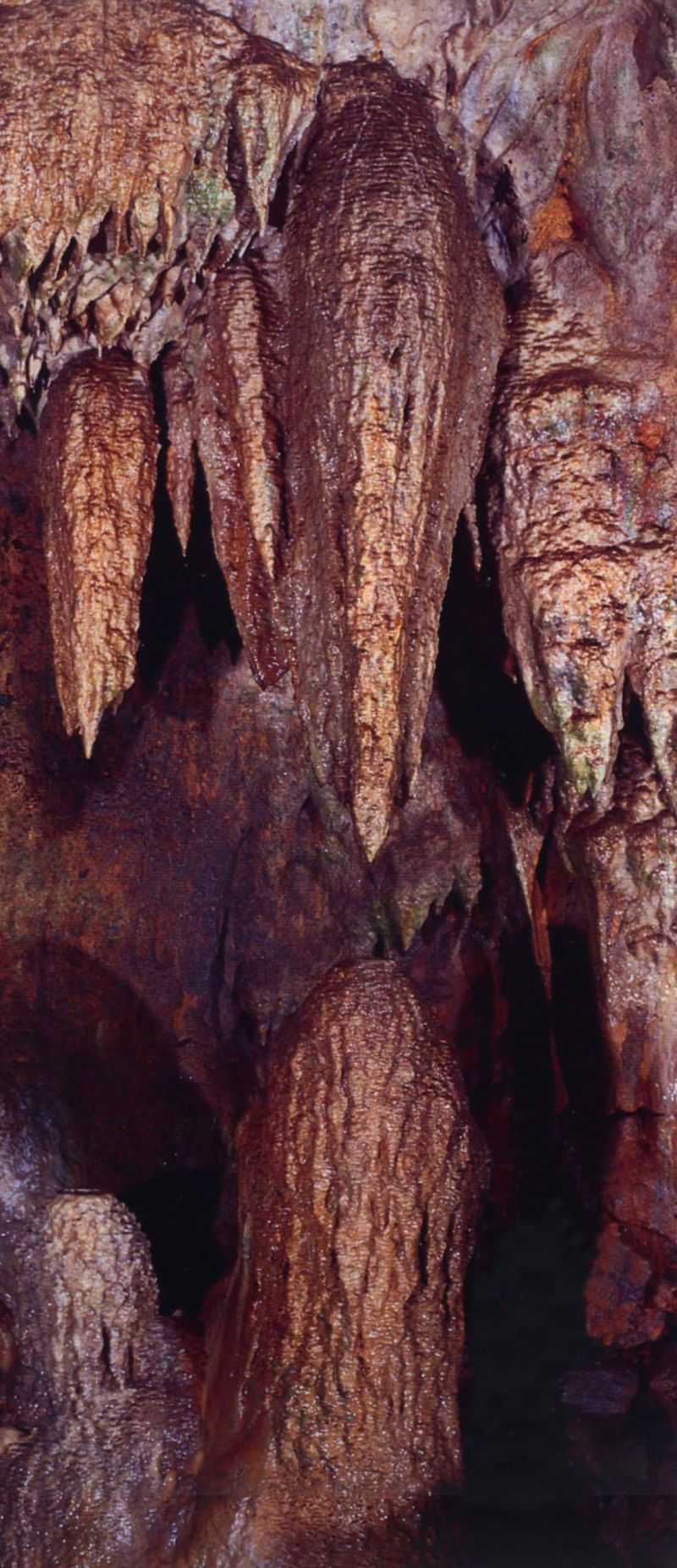
Hearing a waterfall inside a cave is a surprise that never gets old. Near Boerne, this Hill Country cavern lets you walk right up to a cascade tumbling through the dark.
The tour follows a path through rooms filled with flowstone, columns, and glistening walls. Water is a big part of the story here, shaping every curve you see. Guides explain how rain slowly sinks through the rock and carries minerals that build the formations.
The cave is a little more rugged and old-school than some of the polished attractions. That gives it a cozy, explorer feel. Wear sturdy shoes, because surfaces can be wet and uneven.
Above ground, the property includes a campground and space to relax. If you want to turn the trip into an overnight, bring a tent and make a weekend of it. Boerne’s charming main street is close by, with shops and cafes that make a good follow-up.
Plan for a cool, damp atmosphere inside. A light jacket helps, and you may want to protect your phone from drips. Keep your hands off the walls so the formations can keep growing.
Fun detail: caves with active water feel alive because the sound, the smell, and the temperature all keep changing as you go. That makes every visit feel just a little different.
Check current tour times before you drive out, and arrive a few minutes early. Small groups mean the guide can answer questions, so ask away. Curiosity is half the fun here.
Share this story