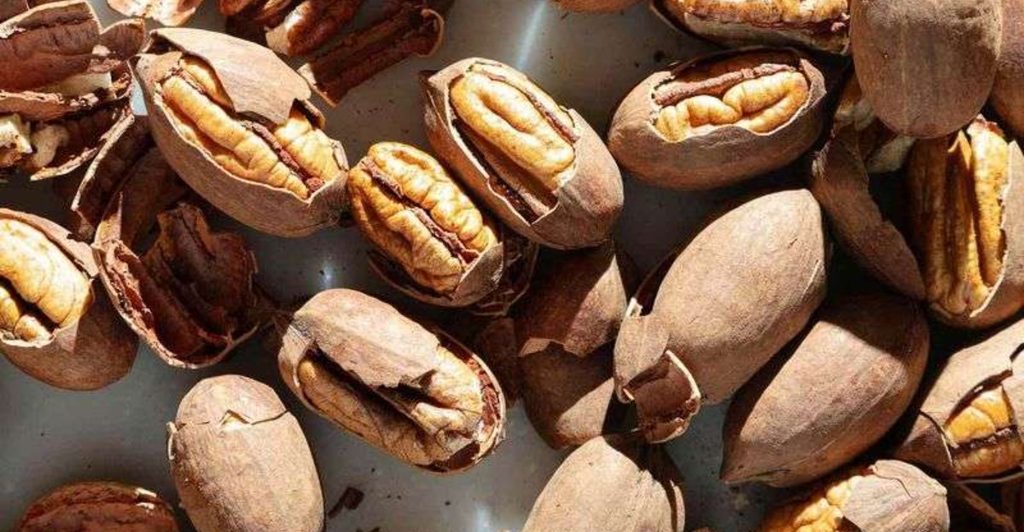
San Saba, Texas, calls itself the Pecan Capital of the World, and the town wears that crown with pride. Pecan trees line the river, fill the orchards, and even shape the way locals celebrate. Whether you love pie, candy, or just a good story, this small Hill Country town has something tasty waiting.
Here are eight ways San Saba turned one humble nut into a whole way of life.
1. The Pecan Capital Title
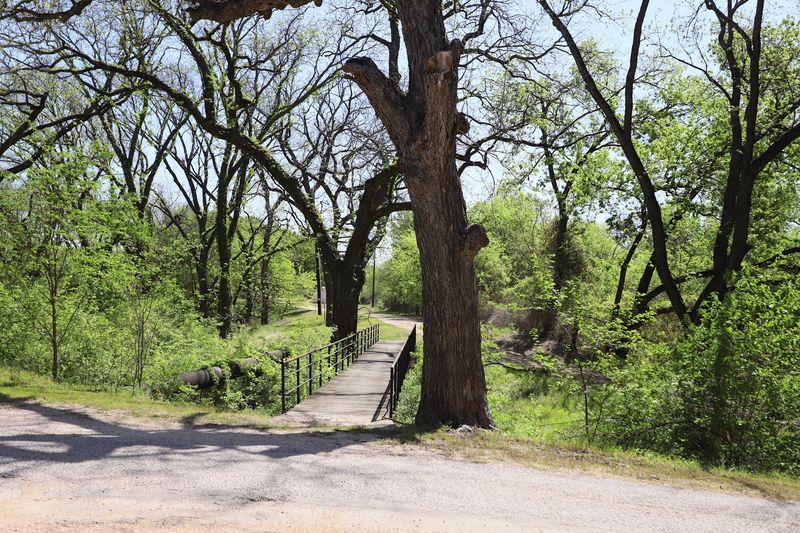
Plenty of towns brag about something. San Saba backs it up with trees, thousands of them. Since the late 1800s, the town has been tied to pecans, and the nickname stuck like caramel on a spoon.
The story starts with the river. The San Saba River bottomlands were already full of wild native pecan trees when settlers arrived in the 1850s. Folks gathered the nuts, sold them, and soon realized the land was a gold mine in shell form.
Here is the neat part. The native pecan is the official state tree of Texas, and San Saba County is one of the best places to see why. The trees grow tall, wide, and shady, and some of them are older than anyone in town.
Drive in and you will notice the pride quickly. Signs, shop windows, and menus all nod to the nut. Locals do not just grow pecans, they talk about them like old friends.
If you want to understand the place, start by simply looking up. A canopy of leaves over a country road tells you more than a brochure ever could. Then stop for a snack, because the title is only the start of the fun.
Bring a sense of humor, too. Folks here love a good pecan pun, and you will hear plenty before your visit ends. Ask around and somebody will happily tell you their favorite tree story.
2. The Mother Pecan Tree
Every big family has a grandmother everyone talks about. In San Saba, she is a tree. The Mother Pecan Tree is a giant that has stood for well over a century and became the symbol of the area’s whole pecan industry.
Back in the 1800s, a pecan from this very spot helped prove that native trees could be improved. Growers studied nuts from tough old trees like it, hoping to find bigger shells and sweeter kernels. That kind of patient trial and error helped make San Saba famous.
Standing beneath it feels a bit like visiting a quiet celebrity. The branches spread out like a huge umbrella, and the bark is thick and rough as an old rope. You can almost hear the leaves whisper.
Kids love it because it is simply enormous. Adults love it because it makes ninety-degree afternoons feel ten degrees cooler. Bring a camera, but also leave time to just stand there for a minute.
A tip for photos: go in the morning, when the light slides sideways through the branches and the shadows look painted. Fall is especially nice, when nuts litter the ground and the air smells earthy and sweet. Just remember to look, not pocket, unless a sign says otherwise.
3. The Pecan Orchards Along the River
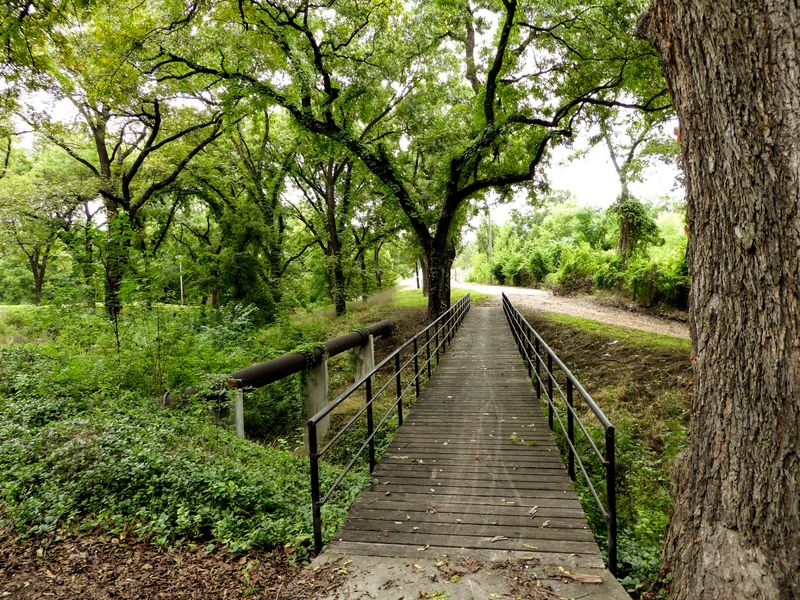
Picture row after row of tall trees marching toward the horizon like a green army. That is what the orchards around San Saba look like, and they are a sight even if you have never cracked a nut in your life.
San Saba County has some of the largest pecan acreage in the state. The river provides water, the soil drains well, and the long summers give nuts time to fill out. Farmers here have learned the land over generations.
Harvest season is when things get busy. From roughly October into winter, machines shake the trunks and the nuts rain down onto the grass. Then sweepers gather them up, and the whole process feels like a slow, noisy dance.
Visitors can enjoy the scenery from the road, but remember that orchards are working farms. Stay out of private property and wave at any tractor drivers you meet. They have probably been up since sunrise.
Spring offers another view. Fresh leaves pop out in a bright lime green, and the whole valley seems to exhale. If you like peaceful drives with no traffic, pull over safely, roll down the window, and let the quiet settle in.
Fun fact: pecan trees can live for hundreds of years, so these orchards are planting for the grandkids.
4. Pecan Shelling and Shopping
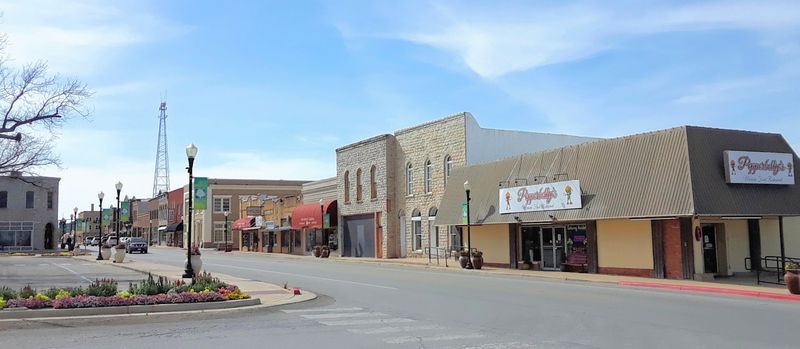
Forget the grocery store bag that costs too much and tastes stale. In San Saba, you can buy pecans from people who know exactly where they came from, and the difference shows up on your tongue.
Local shops sell halves, pieces, and whole nuts in every size. Many also offer shelling services, which is a fancy way of saying someone else does the cracking. Honestly, your thumbs will thank you.
Look for flavors you do not see every day. Cinnamon-sugar, chili-lime, and chocolate-covered versions all show up on the shelves. Pecan butter is a smart pick, too, spread on toast or stirred into oatmeal.
Freshness matters more than most people think. Pecans carry natural oils, so they go bad faster than you would guess. Store them in the fridge or freezer, and they stay tasty for months.
Another tip is to ask for a sample. Shop owners tend to be proud, chatty, and happy to explain the difference between types like Western Schley and Desirable. Then buy extra, because gifts for friends vanish fast.
Pack a small cooler for the road home. Cold pecans travel better in a hot Texas car, and nobody wants a soggy snack at the end of a long drive.
5. Pecan Pie and Other Sweet Treats
Some desserts are polite. Pecan pie is not. It shows up gooey, glossy, and loaded with crunchy nuts, and it expects your full attention.
In San Saba, bakers take that responsibility seriously. Diners and cafes around town serve slices with flaky crusts and just the right amount of sticky filling. A scoop of vanilla ice cream on top is almost a local custom.
Pies are only the beginning. Pralines, brittle, fudge, and pecan rolls all make appearances. Even breakfast gets a nutty upgrade, with pancakes and muffins studded with chunks.
Want a pro move? Order a slice while it is still slightly warm. The filling loosens up, the aroma fills the room, and suddenly a plain Tuesday feels like a holiday.
Here is a little kitchen trivia. Toasting pecans for a few minutes in a dry pan deepens the flavor and makes them extra crunchy. Locals do this at home all the time, and it is an easy trick to borrow.
Do not be shy about trying a few different bakeries. Each has its own recipe, and arguing over whose is best is a favorite small-town sport. Just keep napkins handy.
6. The Annual Pecan Festival Vibes
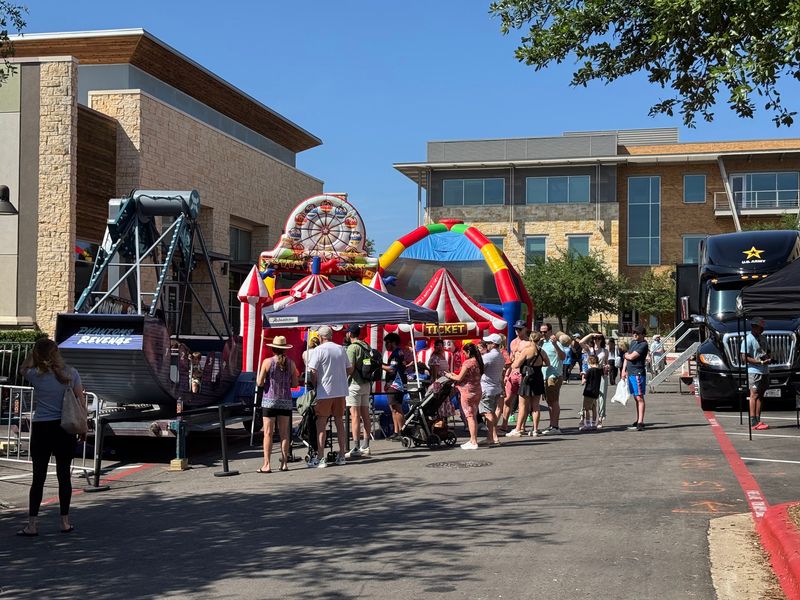
Once a year, a town of roughly three thousand people puts on its best boots and throws a party for a nut. Fall celebrations in San Saba bring neighbors, farmers, and curious travelers into the same happy crowd.
Expect booths overflowing with baked goods, crafts, and bags of fresh pecans. Live music drifts down the street, and someone is always frying something delicious nearby. The mood is relaxed, friendly, and a little goofy in the best way.
Contests are part of the charm. Bakers compete with pies and cookies, and the judging gets surprisingly serious. Folks will defend their recipes like lawyers.
Because dates and events can change from year to year, check the local chamber of commerce before planning a trip. Hotels fill up fast during busy weekends, so book early. Arrive hungry and wear comfortable shoes, because you will walk more than you expect.
One more thing. Talk to people. Vendors love to share how they grew up shelling pecans on the porch, and those stories are better than any souvenir.
Bring cash for small booths, plus a tote bag for treats. Trust me, your arms will be full by the time you leave.
7. Downtown Charm and Courthouse Square
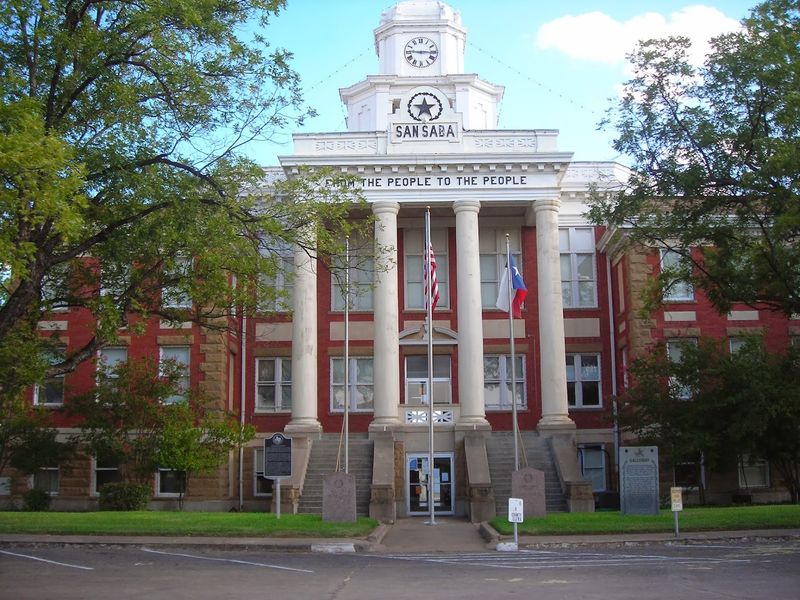
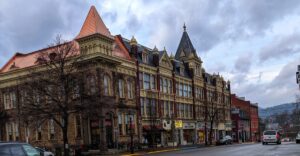
Step onto the downtown square and the pace of life drops a gear. Old brick buildings, a historic courthouse, and shady sidewalks make strolling feel like the main event.
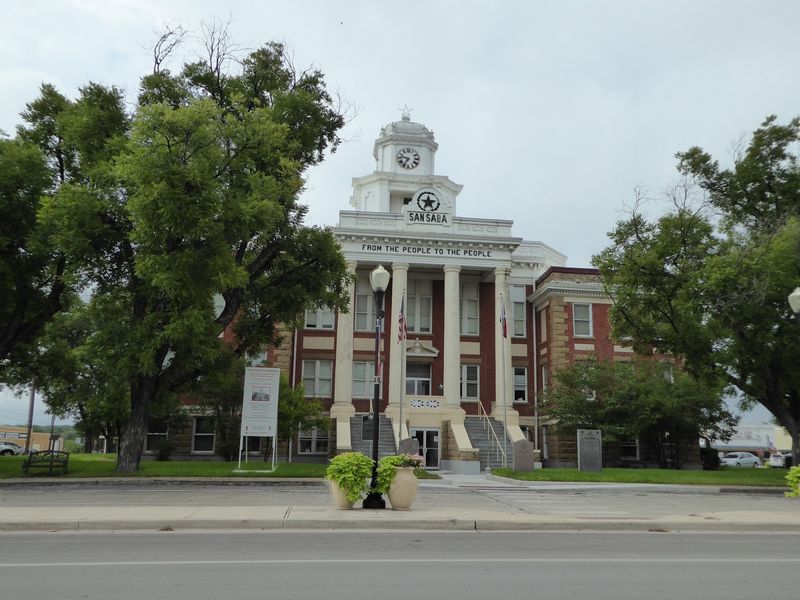
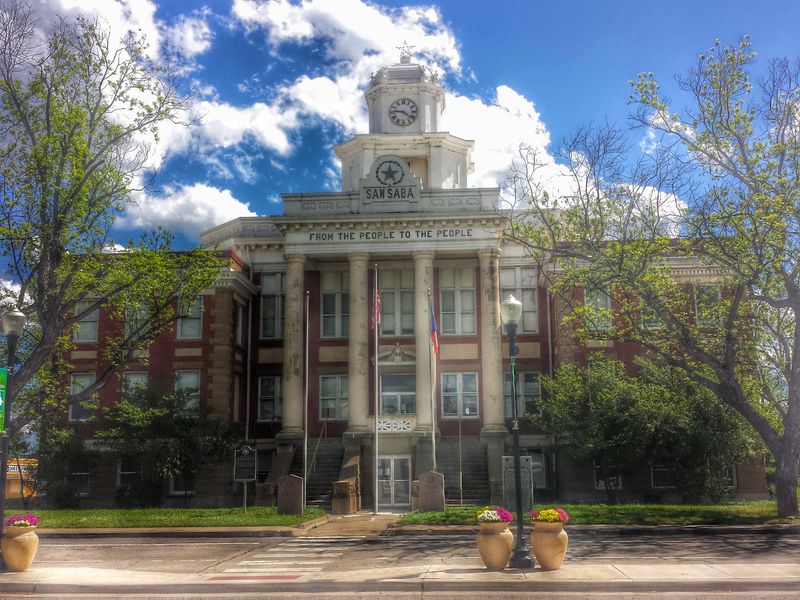
The San Saba County Courthouse anchors the scene, a sturdy reminder that this town has been the county seat since the 1850s. Around it, small businesses sell antiques, gifts, and plenty of pecan goodies. Window shopping here is a fine way to spend an hour.
Look closely at the details. Cornices, old signs, and faded painted ads whisper stories from decades past. Many storefronts have been restored with care, and owners often live just down the road.
Hungry? Grab a table at a local cafe and see what is on the lunch special. Portions run generous, and the sweet tea comes cold.
Save room for something nutty afterward.
One smart tip is to visit on a weekday morning, when the square feels calm and parking is easy. Afternoon light, though, makes the brick glow like honey. Pick your favorite and adjust.
You will likely be greeted by strangers who say hello like they mean it. That friendliness is part of the town’s identity just as much as the trees.
8. River Life and Outdoor Fun
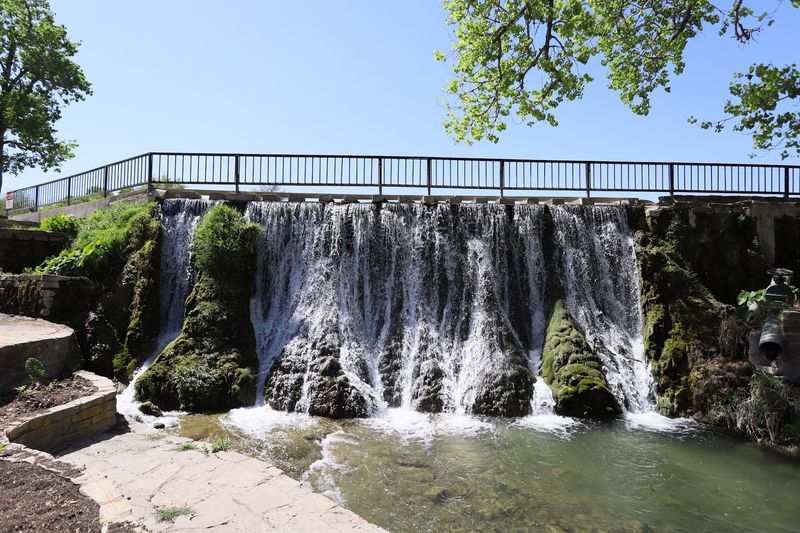
The river is the reason the trees thrive, so it makes sense to spend some time beside it. The San Saba River winds through the area, offering shade, birdsong, and a peaceful place to unplug.
Anglers cast for bass and catfish, while birders scan the treetops for herons and woodpeckers. Pecan groves attract plenty of wildlife, including squirrels who clearly think the whole harvest is theirs. Watching them bury nuts is free entertainment.
Nearby parks and public access spots make it easy to picnic or stretch your legs. Pack sandwiches, a blanket, and a bag of local pecans for dessert. Water levels can change with rainfall, so check conditions before heading out.
Stargazing is another bonus. Without big city lights, the night sky over San Saba fills with stars, and the Milky Way shows up on clear evenings. Bring a jacket in winter, because the countryside cools off quickly.
History fans can also explore the area’s past, including the Spanish presidio ruins near Menard to the west, and old ranching stories all around. The region has layers, and the river ties them together.
End your day with a slow drive under the pecan canopy. It is a simple finish, and it might be the best part of the trip.
Share this story