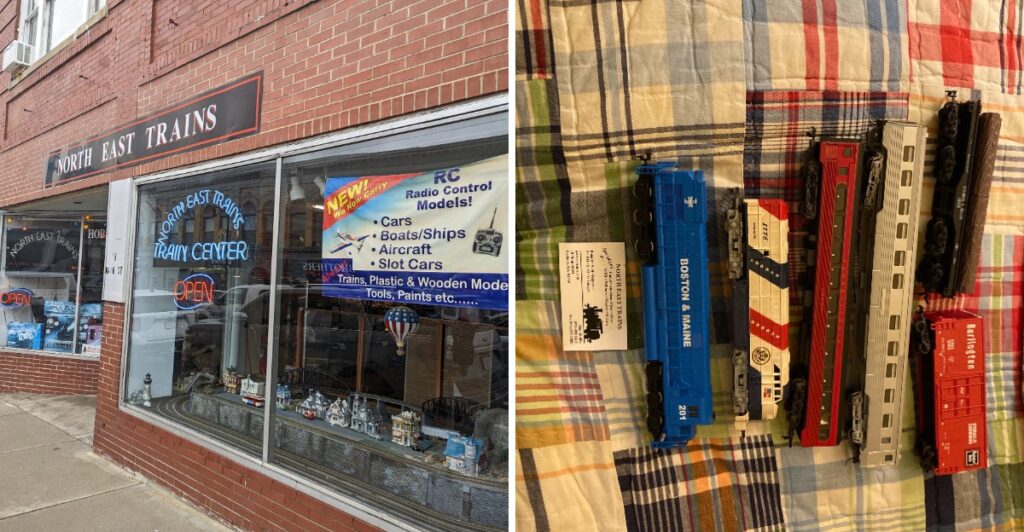
Tiny locomotives, miniature towns, and shelves of railroad parts can make an ordinary Main Street stop feel like entering a much smaller world. In downtown Peabody, Massachusetts, North East Trains brings together model railroads, building kits, vintage finds, and practical help for hobbyists trying to keep their trains running smoothly.
The shop works just as well for longtime collectors as it does for kids fascinated by anything on rails. You can browse for a new addition, troubleshoot a stubborn setup, or simply see what catches your eye.
If model trains have ever made you stop and look twice, this Peabody hobby shop gives you plenty of reasons to linger.
A Massachusetts Storefront With a Much Smaller World Inside
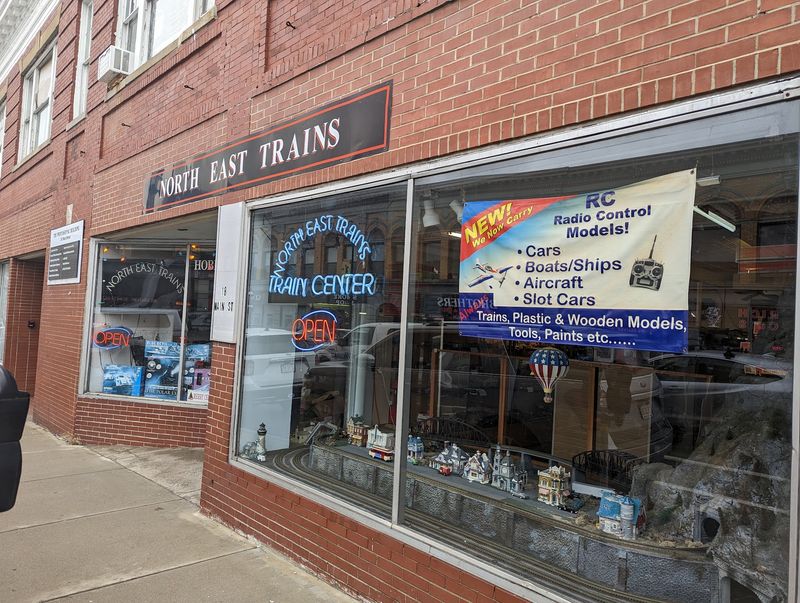
A locomotive small enough to fit on a shelf can still command your full attention. At North East Trains, the model railroad display near the front gives the shop a clear starting point: look closely before you start shopping.
The display provides a useful introduction to a hobby that can seem confusing when everything is still inside boxes. You can connect the separate pieces, including engines, cars, and track, with the larger idea of a working railroad.
Ask whether the display can be operated during your visit. It has been switched on for young visitors, but you should not assume trains run continuously or that a demonstration will always be available.
Beyond that first attraction, the store offers plenty of train merchandise to examine. Its compact setting rewards a slower pace, especially when you are comparing small details rather than scanning for one large purchase.
Give other shoppers room to move, and keep bags close to your body. A hobby shop packed with boxed equipment is easier to enjoy when everyone handles the space carefully.
For children, turn the first few minutes into a simple observation game. Look for different car shapes, count wheels where they are visible, or compare the length of an engine with the cars behind it.
Keep hands away from the display unless permission is given. Miniature parts can be delicate, and watching first helps younger visitors understand that these models are different from sturdy floor toys.
You do not need to know railroad names to appreciate the view. The display offers a shared starting point for curious beginners and experienced hobbyists, while the surrounding merchandise shows how many directions the hobby can take.
Start with a complete train, then focus on one small detail. A coupling or wheel assembly makes a useful next stop for closer inspection together.
Choose Your Railroad Before Choosing Your Engine
The best-looking engine is not always the right engine for your railroad. Before buying at North East Trains, figure out what track and equipment you already own, or how much room you can give a new setup.
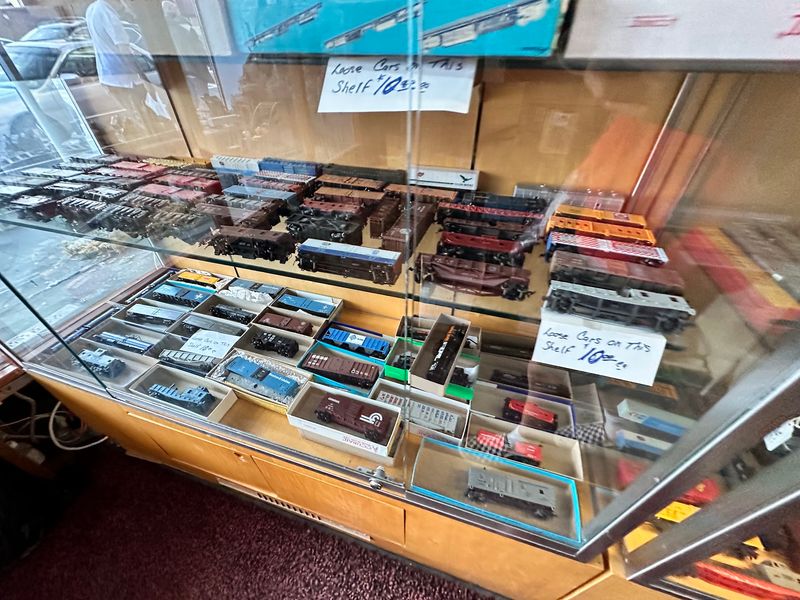
The shop carries both new and older train items, giving you more than one route into the hobby. Lionel equipment and HO items have been part of its selection, although the exact mix can change.
Scale describes how much smaller a model is than the real train. Gauge refers to the distance between the rails, and those two terms are useful when asking whether an item belongs on your layout.
Bring a clear photograph of your track, engine label, and power supply if you are unsure about compatibility. A picture of the connections can be more helpful than trying to remember what the box said years ago.
Matching size alone does not settle every question. Power systems, controls, and couplers can differ, so ask about the whole setup rather than assuming two similar-looking pieces will work together.
For a first purchase, explain where the train will run. A temporary loop on a table creates different needs from a permanent layout, especially when storage and setup time are involved.
Established collectors can make their browsing more focused by bringing a short wish list. Include the scale, railroad name, item number if known, and whether you need a working model or a display piece.
A freight car may be a more useful addition than another locomotive. It can expand a train you already enjoy without requiring a new control system or a major change to your space.
Let compatibility guide the decision before paint color does. You will leave with a clearer plan and a better chance of putting your purchase straight onto the rails when you arrive home.
The Secondhand Hunt Has Its Own Rules
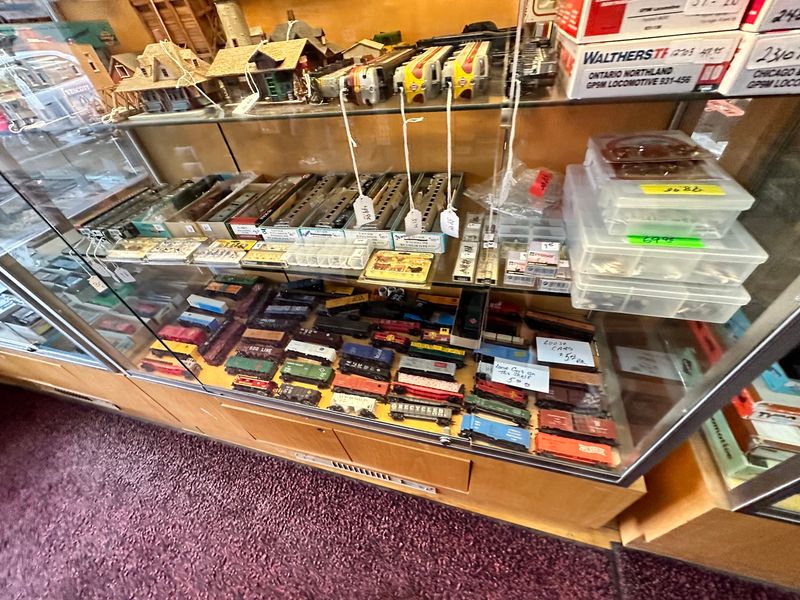
A slightly worn box can hold exactly the car your train is missing. North East Trains offers older and used equipment alongside newer merchandise, making condition part of the shopping experience rather than an afterthought.
Start by deciding what you want the piece to do. A model for regular operation needs a different inspection from one intended for a shelf, a parts project, or a child learning careful handling.
Look at wheels, couplers, steps, and other small attachments before judging the paint. Missing pieces can affect use, while ordinary wear may matter less if you are buying an inexpensive working addition.
Ask whether an engine has been tested and what is known about its condition. Do not treat an attractive shell or original box as proof that the motor and controls are ready to run.
Budget browsing is part of the shop’s appeal, and low-priced train boxes have appeared here. Those finds are changing stock, not a guaranteed price menu, so let the current selection set your expectations.
Set a spending limit before you begin searching. Several modest purchases can add up quickly, especially when you also need replacement parts, matching track, or supplies to put them into service.
If a project catches your eye, ask what finishing it might involve. Cleaning a model is very different from replacing a motor, and the cheapest starting price does not always mean the lowest final cost.
Collectors should separate age from value. Condition, demand, completeness, and the specific model all matter, so an old train should not automatically be treated as a rare or expensive one.
Leave room in your bag for safe packing, and keep loose purchases protected on the trip home. The satisfying find is not necessarily the most polished box; it is the piece that suits your purpose at a price you understand.
Bring the Train That Has Been Sleeping in a Closet
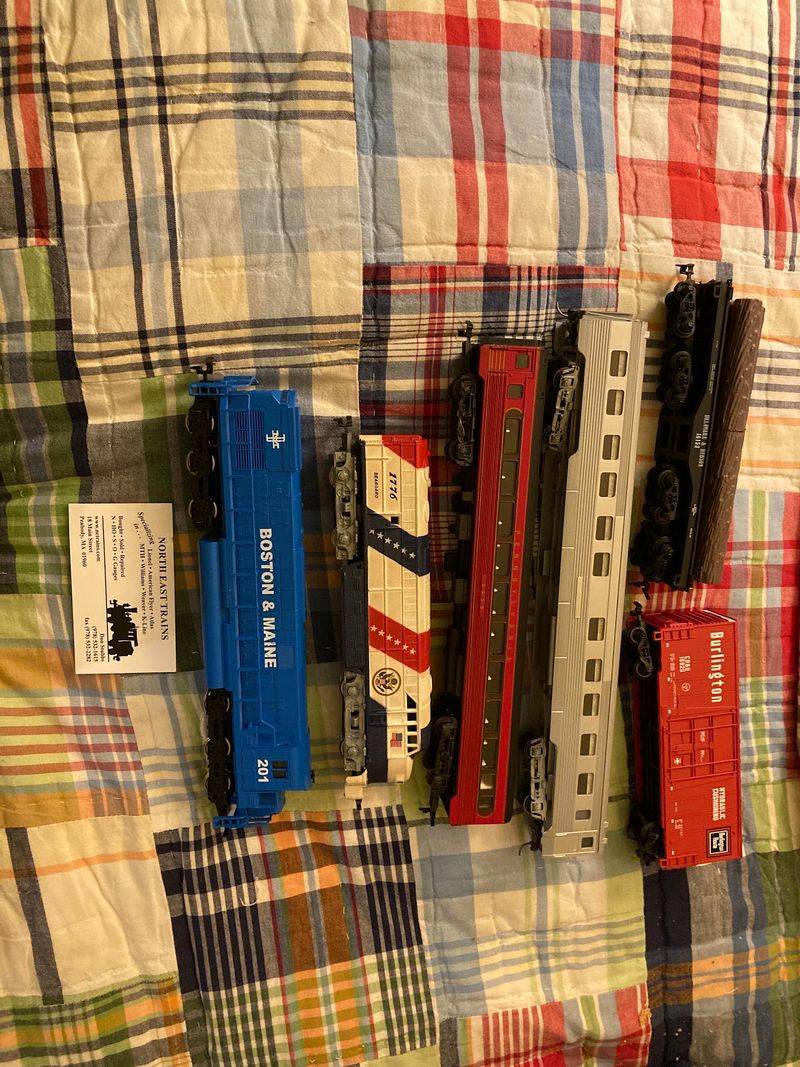
Twenty years in storage can turn a familiar train into a puzzle. Missing instructions, uncertain controls, and rough running are good reasons to ask for guidance instead of repeatedly turning up the power.
North East Trains has helped owners understand older equipment and has offered train maintenance and repair services. That makes the shop useful for more than purchases, though current service availability should be confirmed before bringing equipment in.
Describe the problem as clearly as you can. Mention whether the engine lights up, makes a sound, moves briefly, or stays still, and explain when it last worked properly.
Take photographs before disconnecting an unfamiliar setup. Images of wiring and control labels can help with a conversation, while a written model number makes identifying the equipment much easier.
Ask which pieces should accompany the locomotive. Depending on the issue, the power supply, controller, tender, or a section of track may be relevant, but there is no reason to carry everything without checking.
Testing can also be helpful for a recent purchase that does not behave as expected. A fault in the locomotive is different from a mismatch elsewhere in the setup, and sorting that out can prevent unnecessary spending.
Do not assume every toy train or battery-powered model falls within the shop’s repair work. Describe the exact item first, then ask whether it can be assessed and what options are available.
Before approving work, discuss the likely cost, timing, and limits of the repair. Older parts can be difficult to source, and past service prices should not be used as current estimates.
Ask about routine care once the immediate problem is understood. Learning the right cleaning method for your equipment, and knowing when to leave a mechanism alone, can help keep a restored train running without turning a small issue into a larger one later.
Beyond the Rails, There Are Models to Build
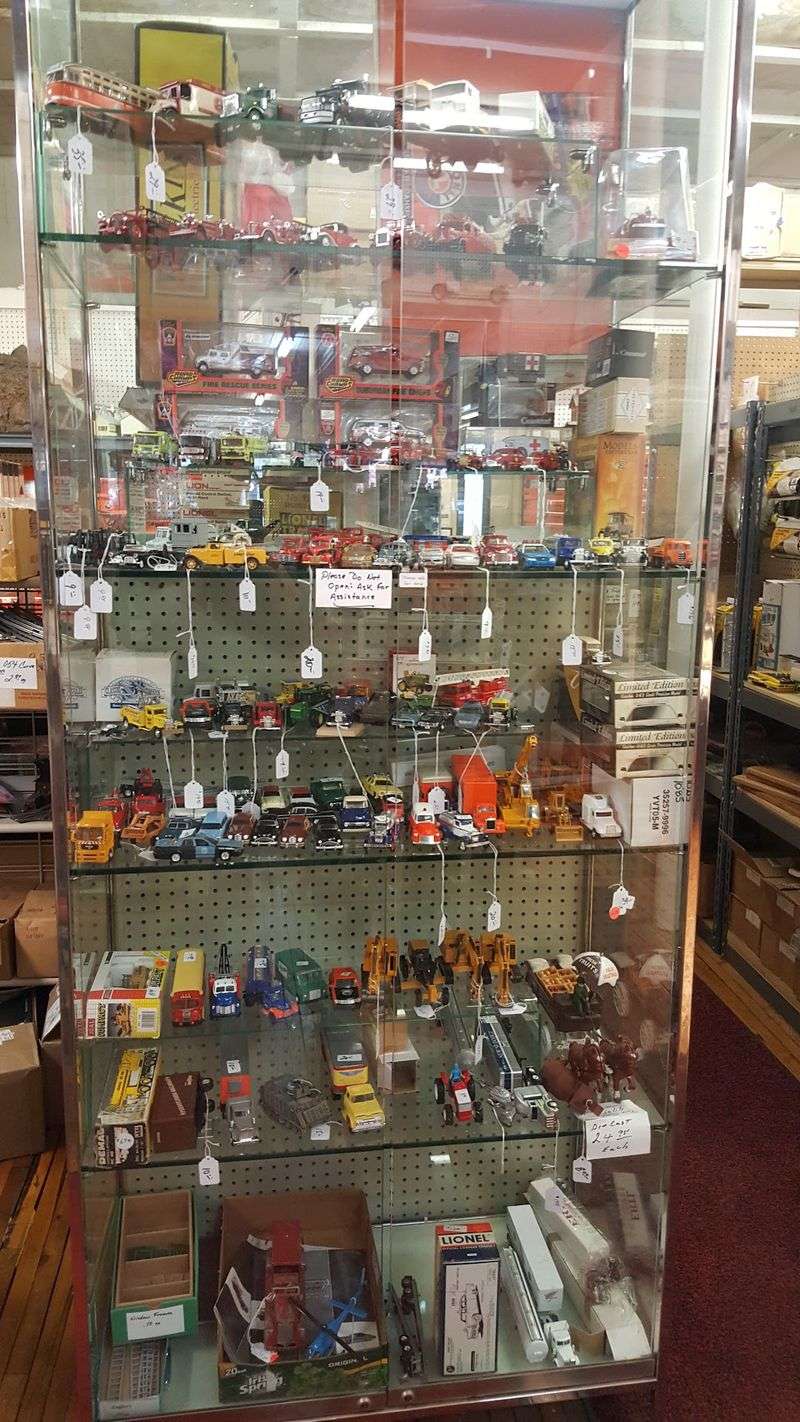
Not every project here needs a track. North East Trains also carries model kits, with automobiles and military subjects adding another way to explore small details and hands-on building.
That broader selection matters if your household has different interests. One person might want a freight car, while someone else would rather assemble an airplane or study the shape of a miniature vehicle.
Choose a kit by the builder’s experience, not just the picture on the lid. An exciting subject can become frustrating if the project demands tools, patience, or skills the builder has not developed yet.
Ask what is included before buying. Glue, paints, brushes, and cutting tools may be separate, and understanding those needs helps you work out the actual cost of finishing the model.
For younger builders, check the recommended age and the type of assembly. Adult help may be needed, especially when tiny parts, sharp tools, or products requiring careful ventilation are involved.
A first project should have a realistic finish line. Completing a manageable model teaches more than opening an ambitious kit that sits unfinished because every step requires another unfamiliar technique.
Experienced builders can use the browsing time differently. Look at the subject, scale, and included detail, then consider whether the kit offers the kind of project you enjoy rather than simply another box to store.
The shop’s mix also creates a useful connection between collecting and making. A train purchase may be ready for the rails, while a model kit turns the enjoyment into several sessions at a worktable.
Stock varies, so approach the shelves with a theme rather than a rigid expectation. If the exact subject is unavailable, ask about suitable alternatives and any supplies you would need, then choose a project that matches your time, workspace, and willingness to tackle small parts one step at a time.
Make a Family Visit About Looking, Asking, and Choosing
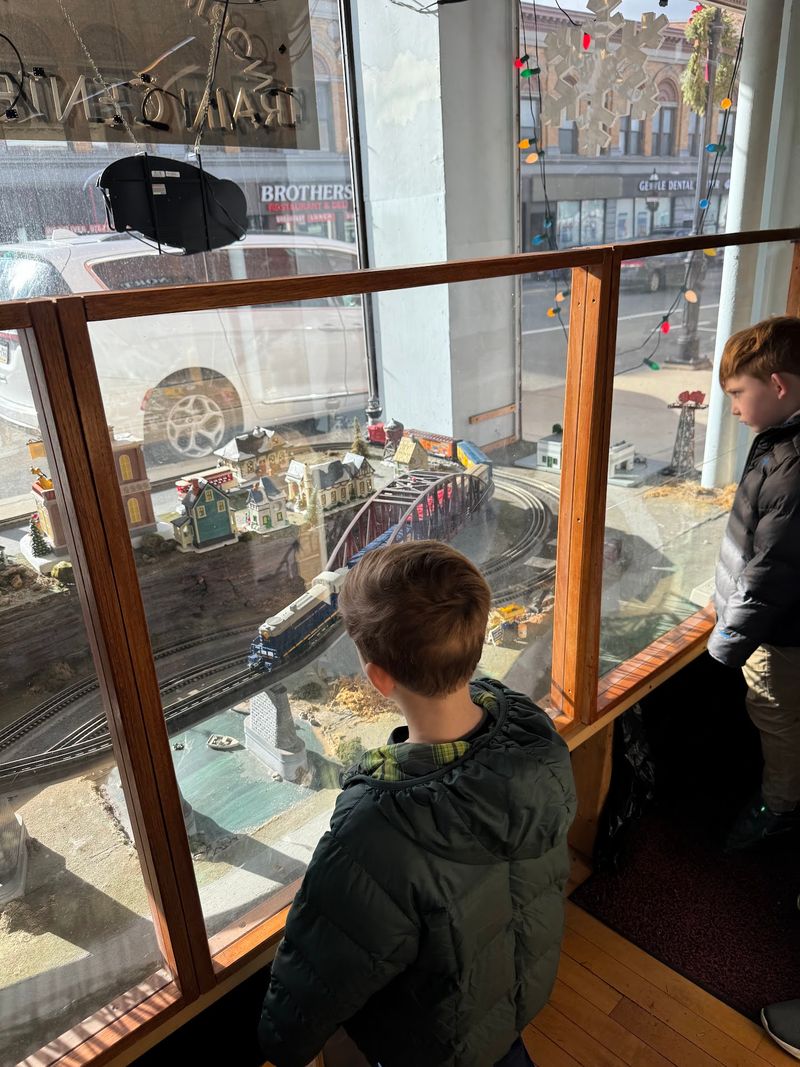
A child does not need a permanent railroad at home to enjoy a train shop. Watching a display and choosing one small item can be enough, especially when the visit leaves space for questions.
North East Trains brings together serious equipment and more approachable finds, so explain your family’s goal early. You might be looking for a first model, a simple building project, or just an introduction to the hobby.
Set a budget before browsing with children. A clear limit makes choosing easier and prevents every interesting engine from becoming a discussion about taking it home.
Give the visit a small mission. Find a car with an unusual shape, compare two train sizes, or ask how an engine gets its power.
Those tasks help children look closely without needing a long lesson. They also create natural chances to explain why a detailed model must be handled differently from an everyday playroom toy.
Ask before touching merchandise or approaching the operating display. A parent staying nearby can help younger visitors enjoy the store while protecting small parts and keeping the shopping space comfortable for everyone.
If you plan to buy, describe the child’s age and patience level. A model chosen for careful collecting may not suit someone who wants frequent hands-on play, even when both children love trains.
Keep the first outing modest rather than trying to understand the entire hobby. One useful question and one suitable purchase can be more successful than a long visit filled with unfamiliar terms.
Back home, give the chosen item a clear place to live. A storage box, display spot, or supervised building area helps protect it and turns the store visit into a manageable activity, with room to learn more on a future trip when your child is ready for another step or a slightly more involved project.
Plan Around the Door, Not Just the Map
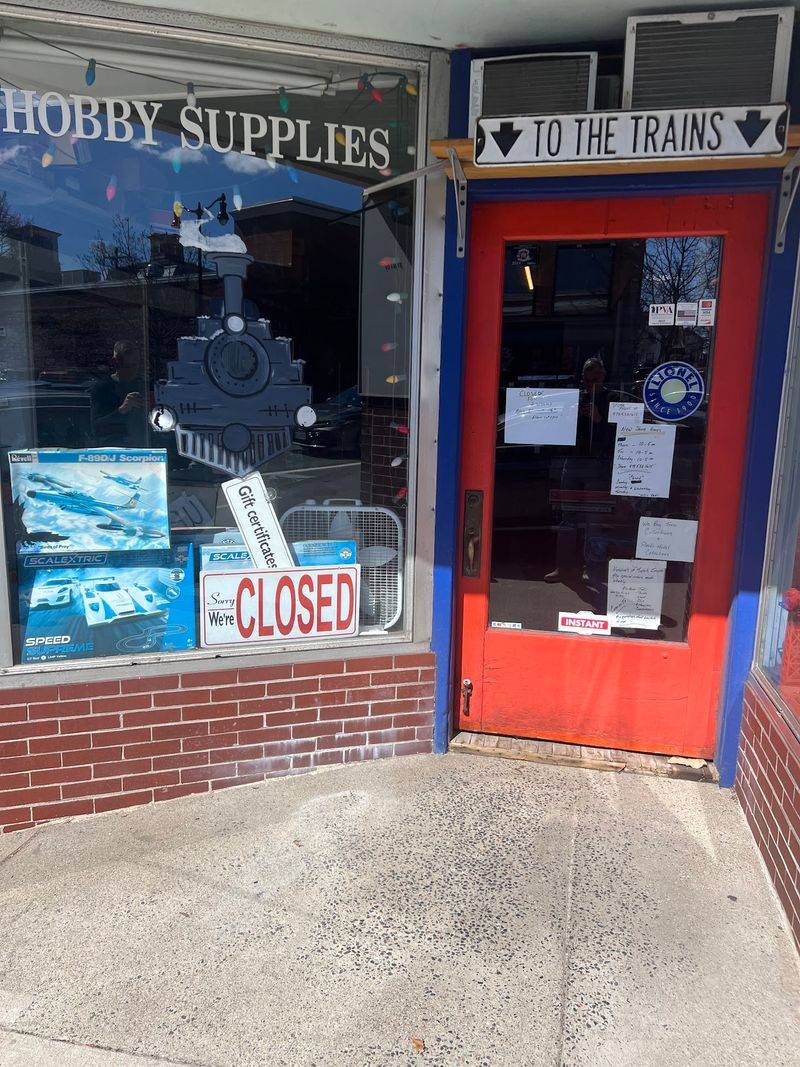
A carefully planned train-shopping trip can still end at a locked door. North East Trains is a small specialty business, so confirming its schedule is especially useful if you are traveling any distance.
The shop is located at 18 Main St, Peabody, MA 01960. Listed regular hours are Wednesday through Saturday, from 10 a.m. to 5 p.m., with closures on Sunday, Monday, and Tuesday.
Treat those hours as a starting point rather than a promise against every exception. Temporary closures can occur, and checking directly before departure is wiser than relying only on a map listing.
If your trip depends on a particular item, confirm that too. A store can have a broad selection without carrying the exact locomotive, replacement part, or kit you need on a given day.
Bring the information that makes a short visit productive. Model numbers, photographs, track measurements, and a spending limit will help keep your browsing tied to the project you actually want to complete.
Allow time for questions instead of arriving just before closing. Comparing equipment or discussing a repair takes more attention than picking up a box you have already identified.
Parking arrangements and access needs should be checked separately before your visit. Do not assume a reserved space, step-free entrance, or room for a large stroller without confirming the details that matter to you.
For a repair inquiry, ask about the intake process before carrying equipment through the door. For a purchase, plan how you will transport delicate items securely rather than leaving loose pieces on a car seat.
The strongest reason to visit is practical: you can connect physical models with specific questions about using them. Arrive during confirmed hours, bring your project details, and let the trip end with something concrete, whether that is compatible equipment, a manageable kit, or a clearer next step.
Share this story