Rows of cold glass milk bottles can make the dairy case at Tully Farm feel like something from another era. In Dunstable, Massachusetts, the farm store keeps that tradition alive with bottled milk alongside flavored varieties, ice cream, and practical kitchen staples.
The connection to the working dairy gives the stop more character than an ordinary grocery run, especially when you can see how an old-fashioned habit still fits into everyday farm life. You may come specifically for the milk and leave carrying a few extra treats.
If you like Massachusetts farm stores where tradition is still part of the shopping experience, Tully Farm is worth a closer look.
Glass Bottles Give This Massachusetts Dairy Its Signature Look
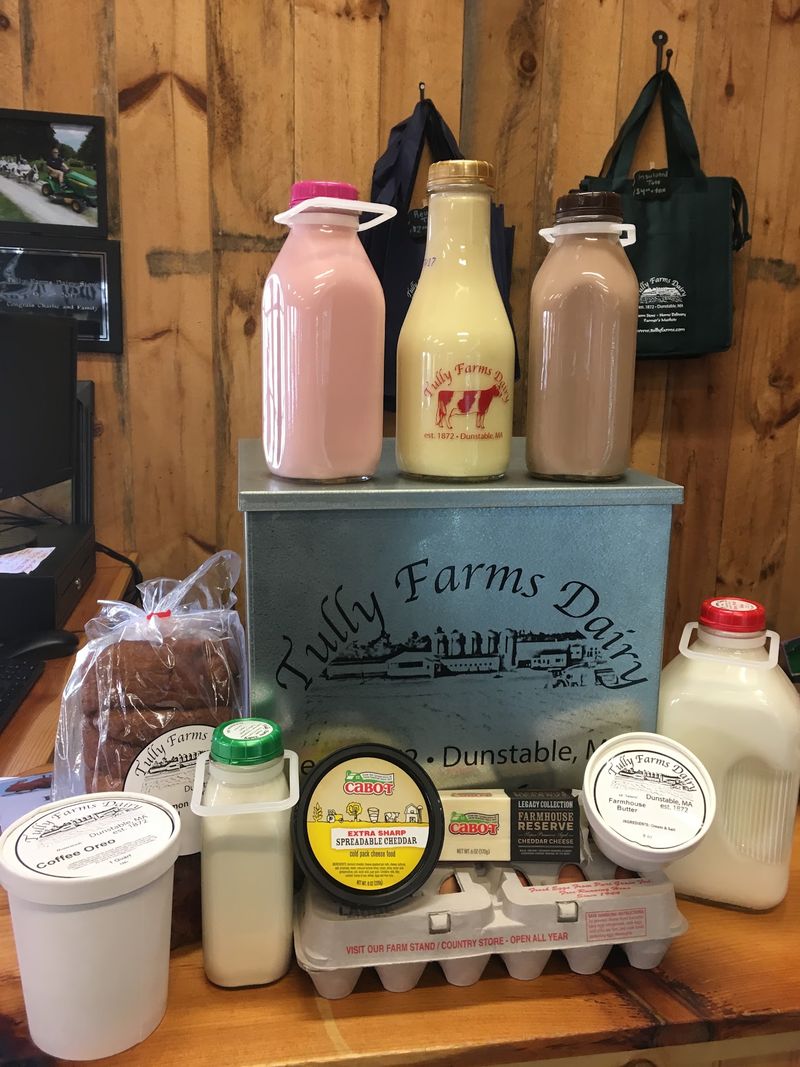
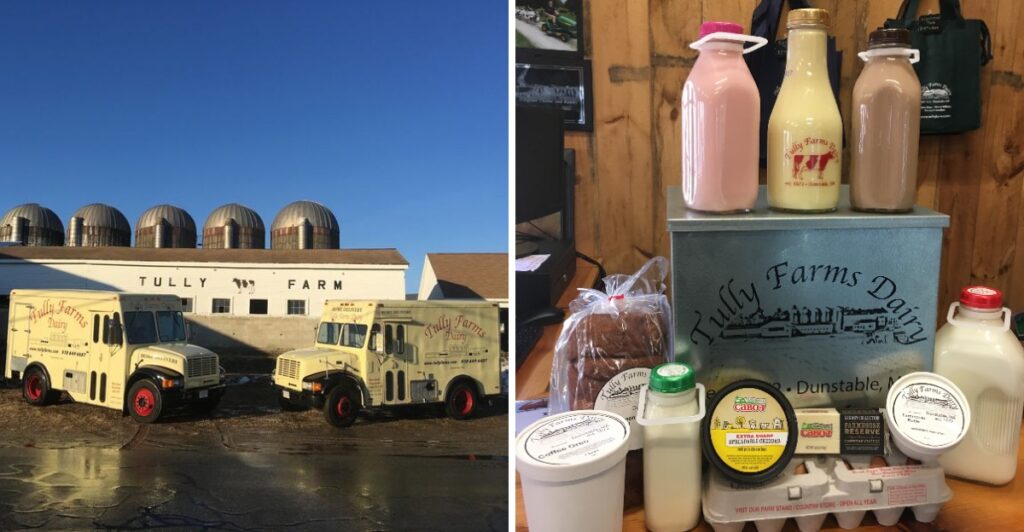
Before you pour a glass, the bottle already tells part of the story. Tully Farm Dairy Store sells milk in glass bottles, giving a familiar kitchen staple a different look from the usual plastic jug.
Clear glass puts the milk itself front and center, without needing fancy packaging to catch your eye.
There is a practical side to that old fashioned presentation. Bottle returns have been part of shopping here, so your first purchase may involve more than the price of the milk alone.
Ask about the current deposit, which containers qualify, and how the return process works before leaving the store.
Once you understand the system, plan a place at home for empty bottles. Keeping them together makes the next shopping trip easier and helps prevent a forgotten bottle from becoming permanent kitchen clutter.
Follow the store’s instructions for rinsing and returning containers rather than assuming every dairy uses identical rules.
Glass also changes how you handle your groceries. Set bottles upright, keep them from knocking together, and avoid leaving them loose in a crowded trunk.
A sturdy shopping bag or divided carrier can help, especially if you are taking home several kinds of milk for the family to try.
The appeal does not require pretending that packaging alone improves nutrition or guarantees better flavor. Instead, the bottle makes the dairy’s approach visible and gives you a clear connection between buying, using, and returning.
It is an everyday habit that asks for a little more attention than tossing away a container.
For a first visit, choose an amount your household can finish comfortably. Check the date, make room in the refrigerator, and ask any return questions at checkout.
Then carry your purchase carefully to the car, with the glass bottles secure and your next visit already a bit simpler to organize.
Behind the Bottle, a Slower Pasteurizing Method
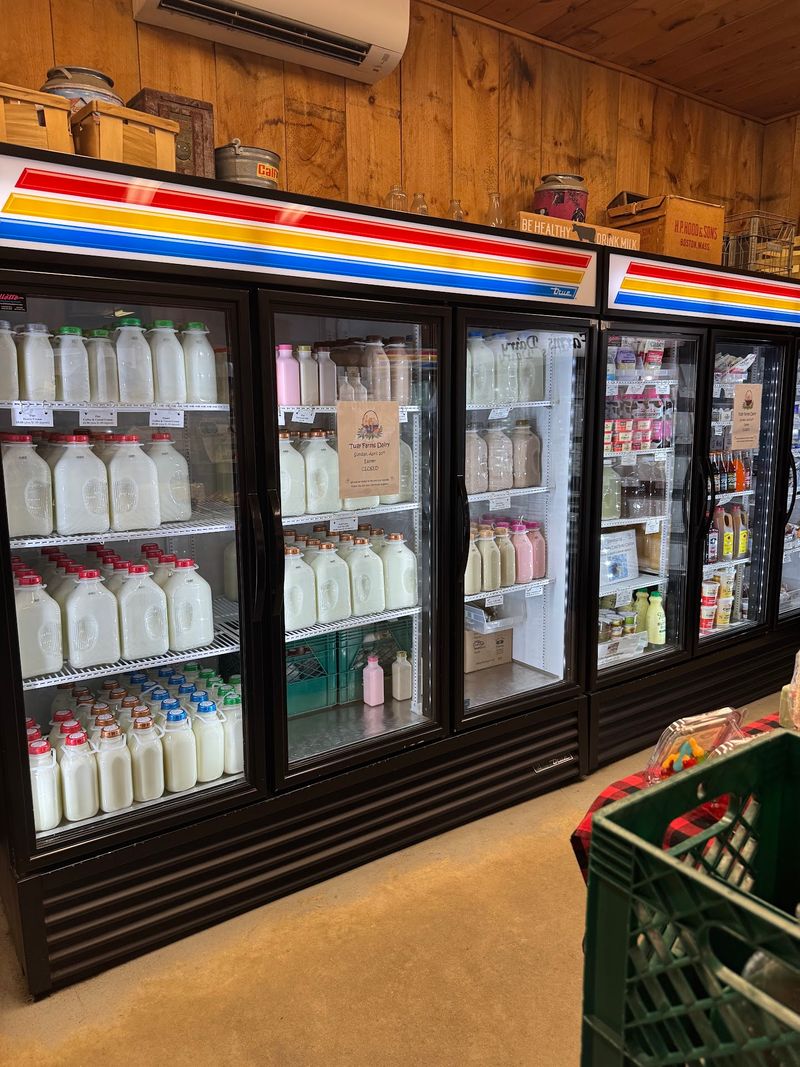
A red cap is not a shortcut to understanding how milk was processed. Tully Farm identifies its whole milk with a red cap, but the dairy has clearly stated that its milk is pasteurized.
That distinction deserves attention, especially if you arrive expecting glass bottles to mean raw milk.
According to the farm’s own explanation, its milks and creams are vat pasteurized at a lower temperature for a longer period. Pasteurization uses controlled heat to reduce harmful germs.
The word vat describes a batch method, rather than telling you that the product is unheated or ready straight from a cow.
That gives the title’s old fashioned idea a useful limit. Bottling milk in glass can preserve a familiar tradition while food safety remains part of the process.
You do not need to choose between enjoying the older presentation and asking clear questions about what is actually inside the container.
Read the label before choosing your bottle, particularly if you are comparing whole milk with other options. Milk fat, serving size, ingredients, and the date are more useful guides than cap color alone.
For current processing details or product differences, ask the store rather than guessing from the packaging.
At home, treat this milk as a refrigerated food, not a shelf stable souvenir. Keep it cold during the drive, put it away promptly, and follow the storage directions on the label.
Pour what you need and return the bottle to the refrigerator instead of leaving it on the table.
Families managing allergies or lactose intolerance should check suitability separately. Pasteurization does not remove lactose, and a pleasant taste does not make dairy safe for someone with a milk allergy.
The strongest reason to ask questions here is simple: understanding your purchase helps you enjoy it with fewer surprises later at home.
Chocolate, Strawberry, and Coffee Turn Milk Into the Treat
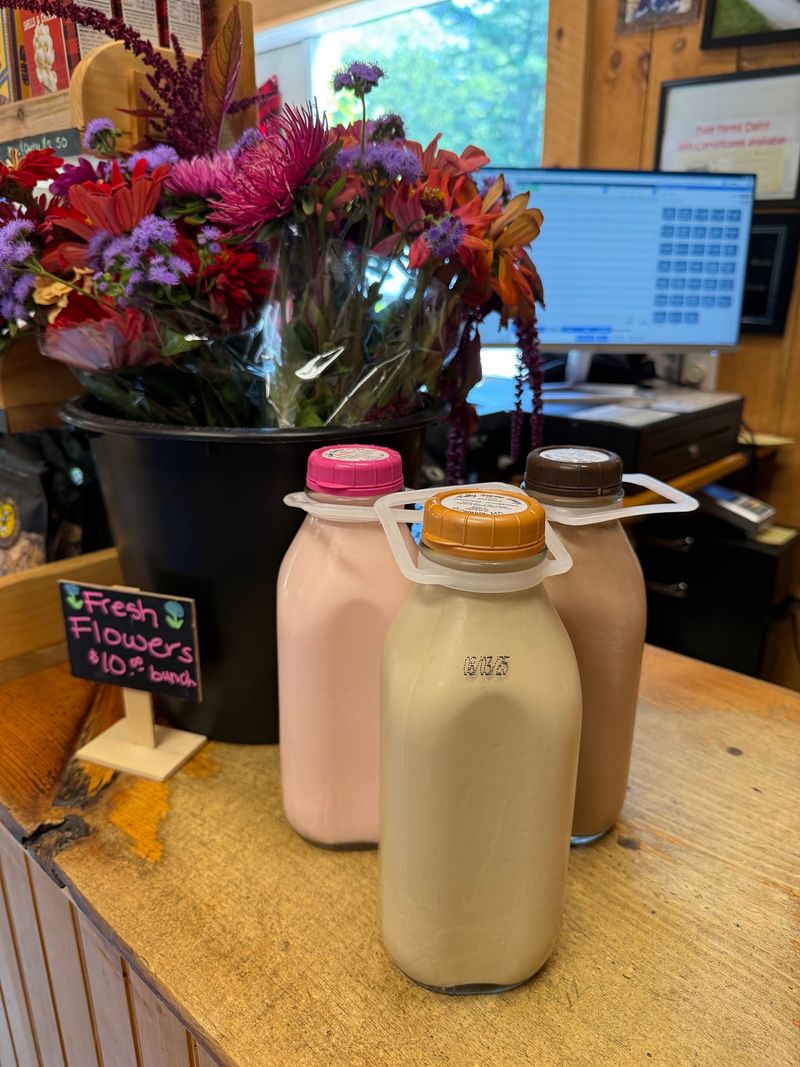
Chocolate milk does not have to wait for dessert. At Tully Farm Dairy Store, flavored milk brings a playful side to the dairy case, with chocolate, strawberry, and coffee among the choices associated with the shop.
They offer an easy way to explore beyond your usual bottle of plain milk.
Each flavor suggests a different kind of break. Chocolate suits an afternoon snack, strawberry adds a fruity direction, and coffee gives the selection a familiar New England touch.
Those are starting points for choosing, not promises about sweetness or strength, which are better judged from the actual product you buy.
If several people in your household want different bottles, begin with a manageable selection. Buying every flavor at once can crowd the refrigerator and leave more milk than you can finish.
Ask which sizes are available that day and choose around your normal drinking habits, not just the colorful possibilities.
A small tasting at home can be surprisingly useful. Pour modest servings into separate glasses and compare them cold, without adding ice that waters down the milk.
Pair the tasting with a plain snack so you can notice the differences rather than letting another strong flavor take over the table.
Check ingredients when flavored milk is new to your routine. Added sugar and other ingredients can vary, while coffee products may raise questions about caffeine.
The label and staff can help you make a suitable choice, especially when you are shopping for children or someone with a specific dietary need.
Availability can change, so treat the flavor list as a reason to browse rather than a guaranteed menu. Ask what is stocked before making a special trip for one bottle.
If your favorite is available, plan its place in the cooler, then enjoy a cold glass once you get home.
The Freezer Makes a Strong Case for Taking Dessert Home
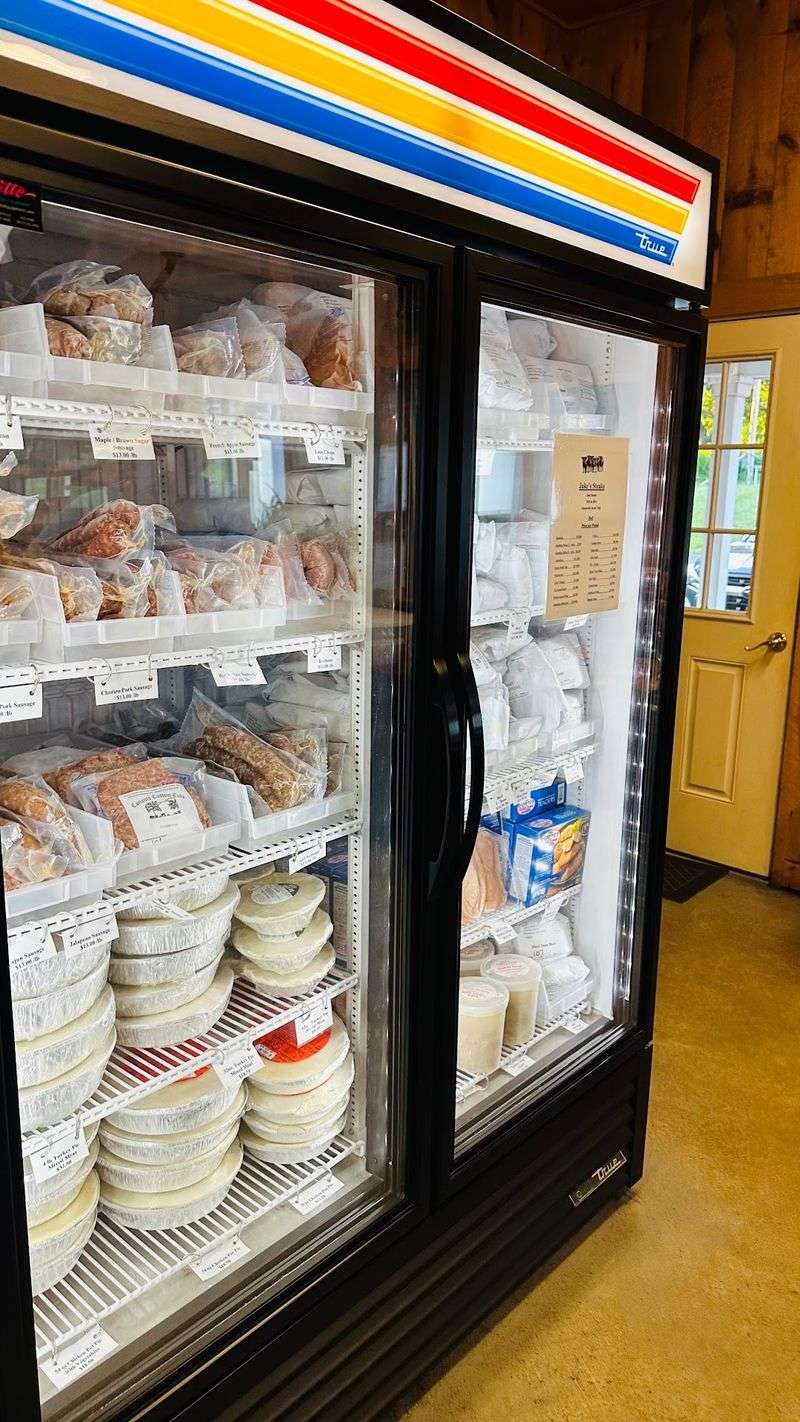
Leave some room in your cooler, because milk is only half the temptation. Ice cream is a major part of the selection at Tully Farm Dairy Store, and take home containers make dessert an easy addition to a regular shopping stop.
Ice cream sandwiches offer another option when you want individual portions.
Pistachio and Oreo cookie are among the flavors documented in the store’s offerings, including quart purchases. Treat those names as possibilities to look for, since freezer stock can change.
A particular flavor may not be waiting when you arrive, and current sizes should be checked rather than assumed.
Choosing between a container and sandwiches comes down to how you plan to serve them. A quart works well when everyone wants a bowl after dinner.
Individually wrapped treats can be useful for separate snack times, though you should compare the package count and portion size before deciding which suits your household.
Price deserves a quick look, too. Compare the amount of ice cream you are buying rather than judging value by the package alone.
If boxed and individual sandwiches are both available, ask about the difference so your dessert plans match what actually goes into the shopping bag.
Keep dietary needs separate from enthusiasm about texture or flavor. Dairy ice cream is not automatically suitable for lactose intolerance, and nuts, cookies, or other additions may introduce allergens.
Check each product’s label and ask about ingredients when needed, especially if you are buying dessert for a group.
For the drive home, pack frozen purchases together in an insulated cooler and avoid unnecessary stops. Put the ice cream into your freezer promptly so it stays firm.
You can browse the rest of the store first, then make the freezer your final stop before checkout and head straight home with dessert protected.
More Than 150 Years of Dairy Life, With Delivery Still in the Picture

Some traditions survive because they still serve a practical need. Tully Farm has described itself as a local dairy farm for more than 150 years, placing today’s bottles within a much longer farming story.
That history adds context without requiring a invented tale about specific founders, buildings, or family milestones.
The useful detail is that dairy remains the business, not merely a theme for the shop. Milk, cream, and frozen dairy products give the store a clear purpose.
You can arrive for a routine household purchase and encounter an older style of food shopping that continues to function in the present.
Delivery adds another link to that tradition. A weekly service to local towns has been reported among the farm’s offerings, bringing the idea of the milk route into modern schedules.
Because routes and terms can change, confirm current availability directly before planning around doorstep service.
If delivery interests you, ask whether your address is covered, which products can be ordered, and what day serves your area. Also clarify minimum orders, payment arrangements, and bottle returns.
Those details determine whether the service fits your week better than stopping at the store yourself.
Refrigerated delivery needs a little household planning. Ask how orders are protected, where they will be placed, and how quickly you should bring them indoors.
A regular route is convenient only when the handoff works, particularly during warm weather or on days when nobody will be home.
Shopping in person offers a different advantage: you can inspect labels and choose from current stock before paying. Neither option needs to be treated as more traditional than the other.
One sends you to Pleasant Street; the other may bring dairy closer to your kitchen, if your address falls within the available service area and arrangements meet your needs.
Build Breakfast or Dinner Around the Dairy Case
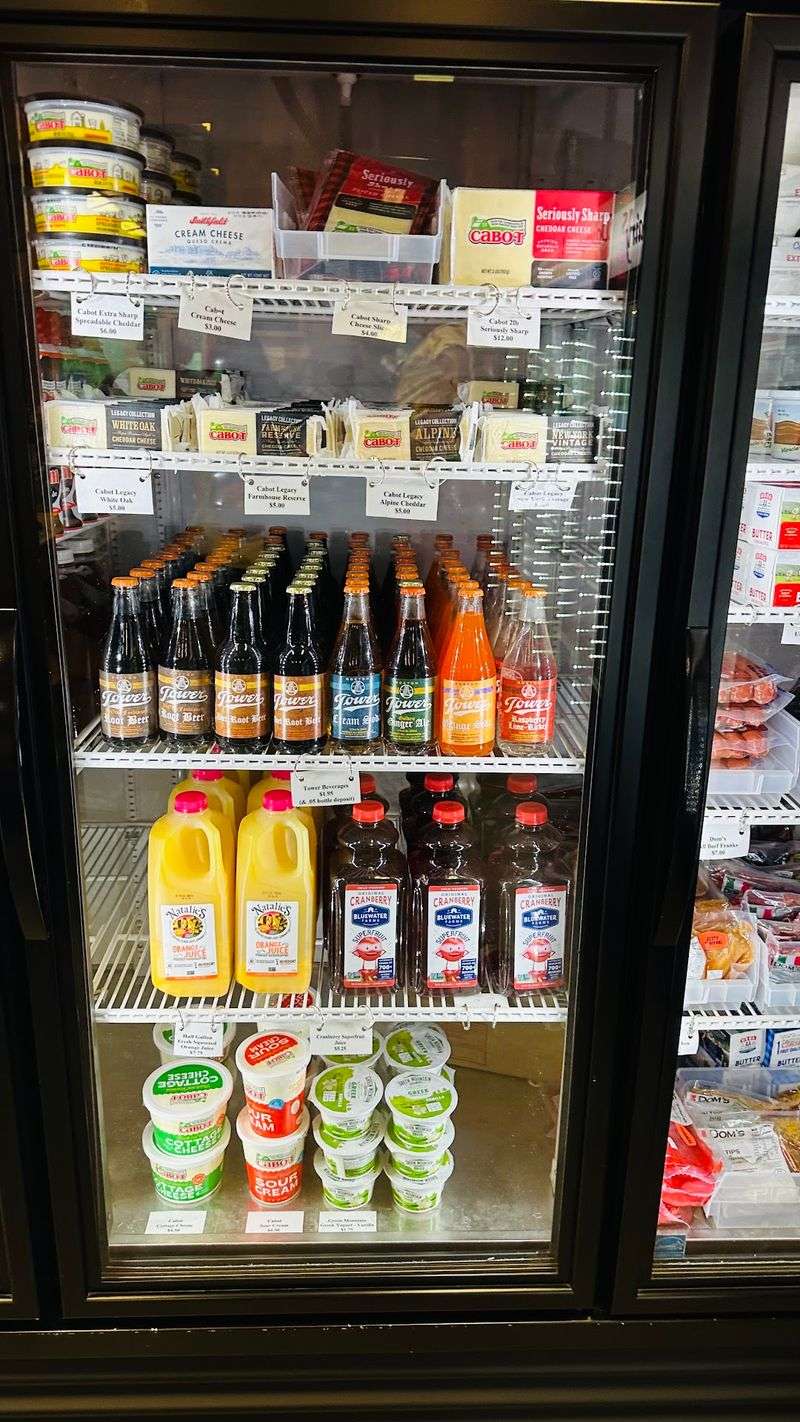
A bottle of milk can be the start of a meal, not the whole shopping list. Tully Farm Dairy Store also carries items such as eggs, bread, meat, and other dairy products.
That broader selection lets you connect a milk run with something useful for breakfast, baking, or dinner.
Start with a meal you actually plan to make. Eggs and bread can turn tomorrow’s breakfast into an easy purchase, while cream may fill a gap in a soup or baking recipe.
Looking for a purpose first helps you avoid bringing home appealing extras that have no place in your week.
Meat and produce have also been part of the store’s selection, but stock should be checked on arrival. A farm store is not a promise that every ingredient will always be available.
Keep your dinner plan flexible enough to work with the products and package sizes you find that day.
Pay attention to where each item comes from. A product sold at a dairy store is not necessarily produced by that dairy, and the shelves can bring together several makers.
Labels provide a clearer picture of the producer, ingredients, and storage needs than the location of the checkout counter alone.
Seasonal eggnog gives the dairy selection another direction, especially around holiday meals. Ask about availability before counting on it for a gathering, and check the date against your serving plans.
Rich drinks, cream, and butter are easier to buy wisely when you already know how much your recipe or table needs.
Finish with a quick bag check: keep raw meat separate from ready to eat foods, protect the glass, and group chilled products for the ride. The goal is not to replace every grocery errand.
It is to leave with a few well chosen ingredients that fit together and will be used while fresh at home.
Make Pleasant Street a Simple, Well-Planned Stop

Put 446 Pleasant Street into your navigation before heading out. Tully Farm Dairy Store is in Dunstable, Massachusetts, and the listed hours are 10 am to 8 pm every day.
That broad schedule offers several ways to fit a dairy stop around errands rather than building an entire day around it.
Confirm current hours before a special journey, especially near holidays or during severe weather. An online listing is helpful for planning, but it does not guarantee that every unusual day follows the normal schedule.
Checking ahead is also sensible if one specific flavor or seasonal product is your main reason for going.
Think of the visit as shopping at a dairy products store. Do not assume that the address includes public barn access, animal encounters, or a guided look at bottling equipment.
If you want an activity beyond buying food, ask whether anything is offered before arriving with those expectations.
A cooler is the most useful thing to bring, particularly when milk and ice cream share your list. Add ice packs, leave space for upright bottles, and plan to visit near the end of your errands.
Cold groceries should not spend the afternoon waiting while you make several unrelated stops.
Inside, start by checking the dairy choices, then consider any extras that fit your meals. Ask about bottle deposits before checkout and clarify labels if you are unsure about a product.
Allow enough time to make those decisions without rushing in just before the listed closing time.
The strongest takeaway is concrete: an everyday food is still sold here in glass bottles, alongside products that make a useful shopping basket. You do not need a special occasion to appreciate that.
Choose your milk, secure the chilled purchases, and take a small piece of Dunstable’s working dairy tradition home to your own refrigerator.
Share this story